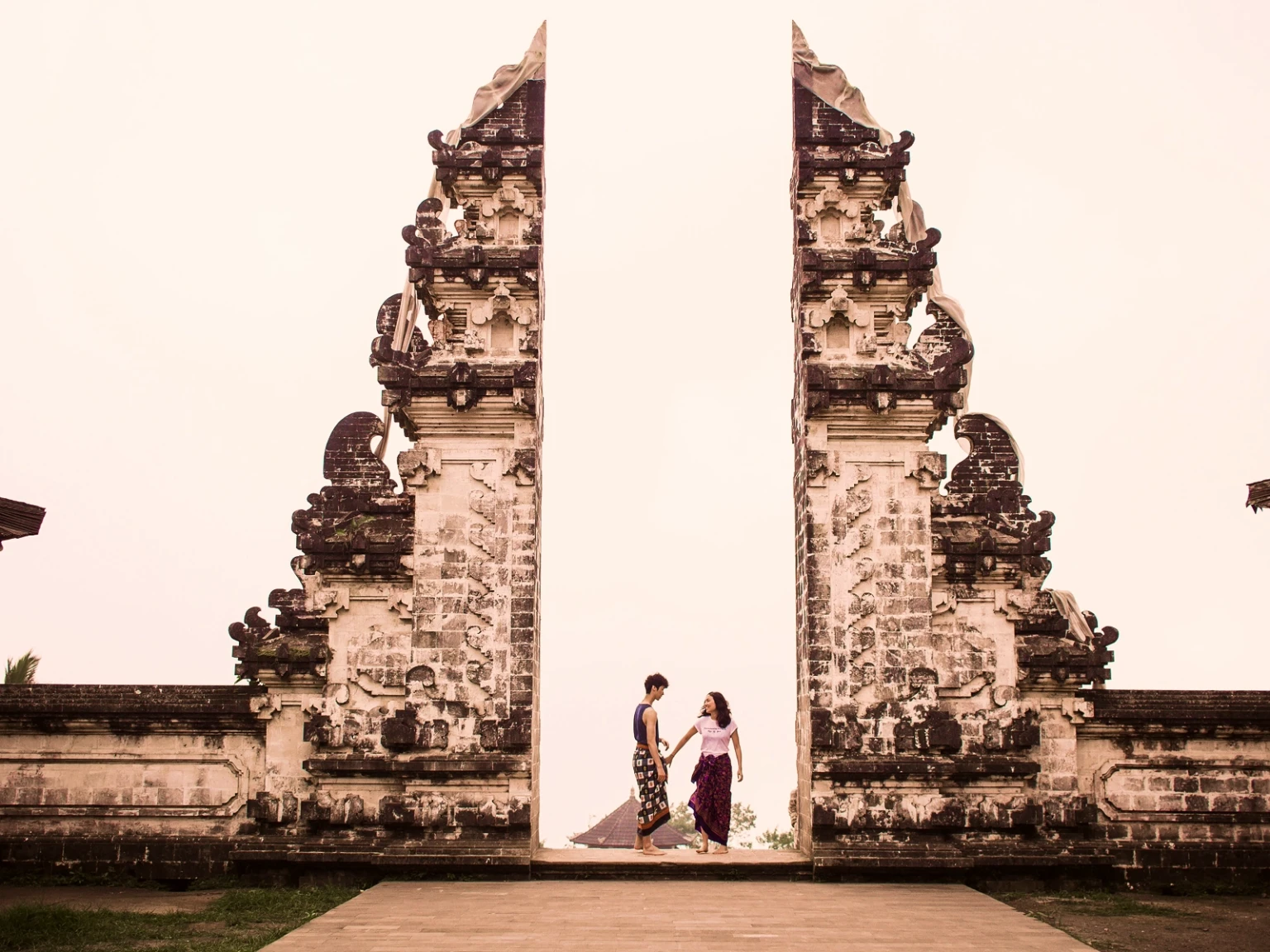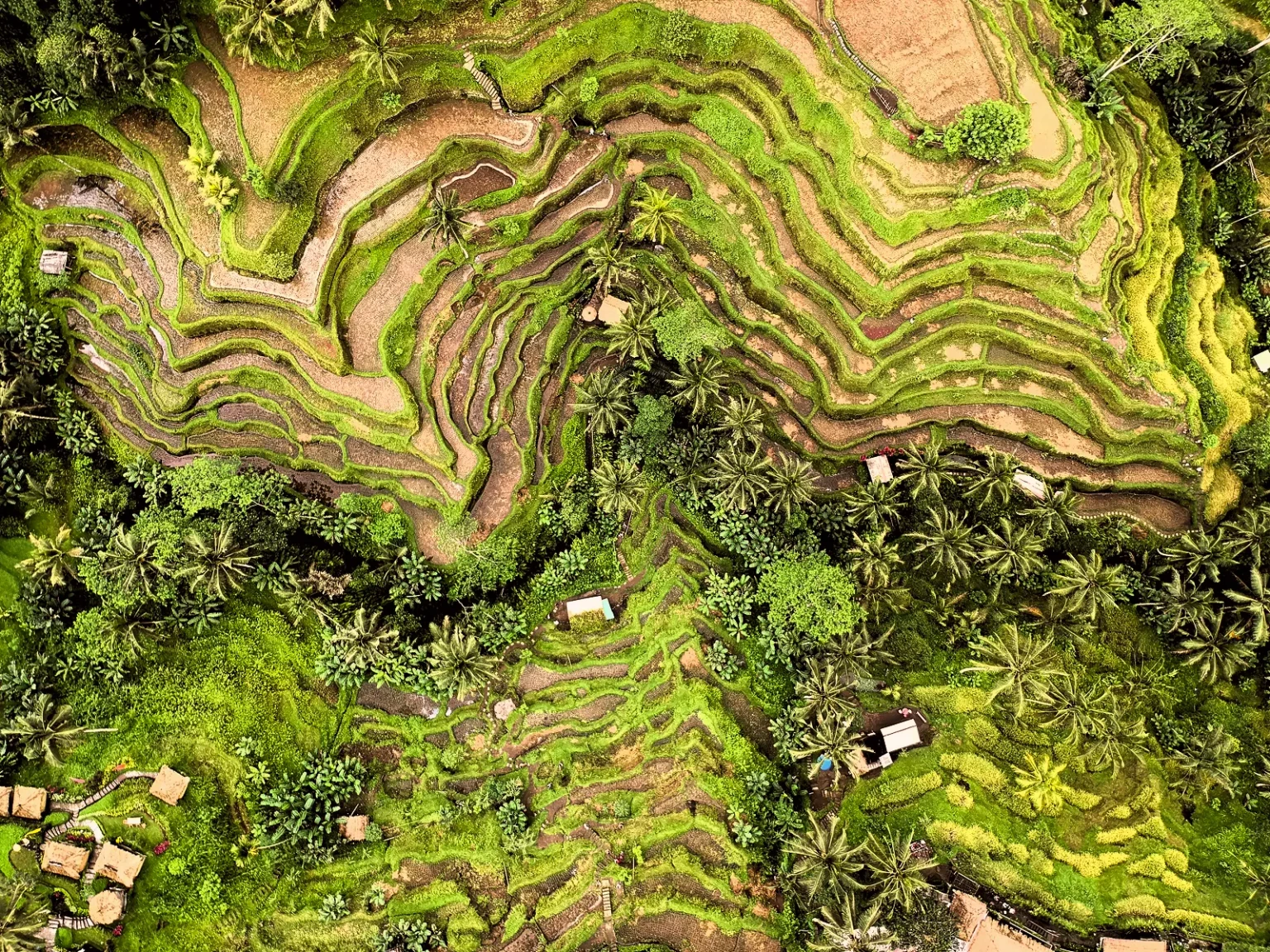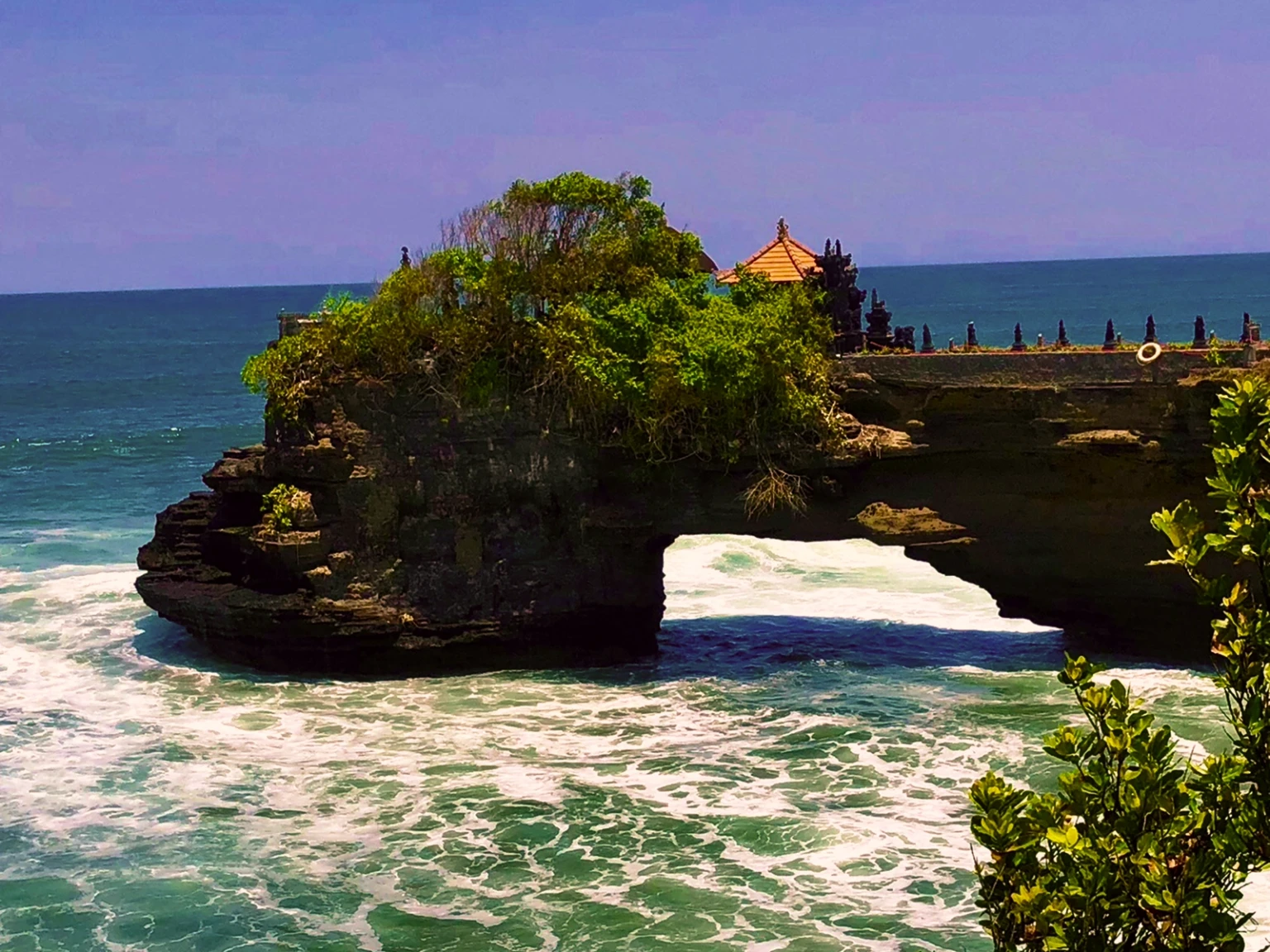


Bali is called the Island of the Gods and once you step beyond the beach clubs and rice terraces, you begin to understand why.
The island's culture is not a museum exhibit. It breathes. Every morning, offerings line the streets of Bali. Every full moon, temples fill with music. And, every 210 days, the entire island transforms for Galungan. This is an island where spirituality is not observed but lived.
For the traveller who wants more than a holiday, Bali offers one of the richest cultural landscapes in the world. In this guide, we’ll explore in detail about Balinese culture, daily offerings, festivals, dances and everything that makes Bali the island of Gods.
The Spiritual Foundation: Balinese Hinduism
Balenese Hinduism or Agama Hindu Dharma shares its roots with Indian Hinduism, indigenous animism, and ancestor worship. At the heart of this view, it follows a philosophy called Tri Hita Karana i.e. the harmony between three forces: the divine (Parhyangan), the human community (Pawongan) and the natural world (Palemahan).
In Bali, religion is not just a part of life, but the framework around which everything else is built. Which is why this ideology can be seen everywhere in Bali from building temples to cremation organisation.
Daily Offerings: What Canang Sari Really Means
When you walk any street in Bali before 10am, notice how you see small square baskets woven from palm leaves placed on doorsteps, shop entrances, car dashboards, and the ground beside motorbikes. These are Canang Sari, the daily offerings made by Balinese women every single morning, a practice that has continued for centuries in Bali culture. This is because Balinese people believe that life exists in two worlds: the seen world (Sekala) and the unseen world (Niskala) at the same time.
Canang sari includes the following ingredients:
- Flowers: Arranged in colour and direction as each one honours a specific deity. White flowers face east (Iswara), red face south(Brahma), yellow face west (Mahadeva) and blue or green face north (Vishnu)
- Rice: Considered sacred in Balinese culture
- Incense: This is used to carry prayers to the gods as smoke is considered a form of communication between the humans and divine worlds.
- Small foods/sweets: An offering of sustenance to the spirits. The act of giving food mirrors the act of receiving blessings as a gesture of mutual care.
Tribe Travel Tip: Never step on a canang sari even if it is placed on a pavement. Don’t click pictures without respectful awareness of what they represent as they are prayers and not decorations.
Traditional Dances in Bali You Must Know
In Bali culture, dance is not a form of entertainment like the world understands it. Here, dances are classified into three tiers based on distinction and function in society: Wali (sacred, only performed in temples during rituals), Bebali (semi-sacred, performed at ceremonies for both gods and audiences) and Balih-balihan(performed for appreciation and tourism). Most of what travellers see in Ubud falls into the third category but these performances are still rooted in Balinese tradition. Here are three famous dances in Bali culture you must know:
1. Kecak Dance
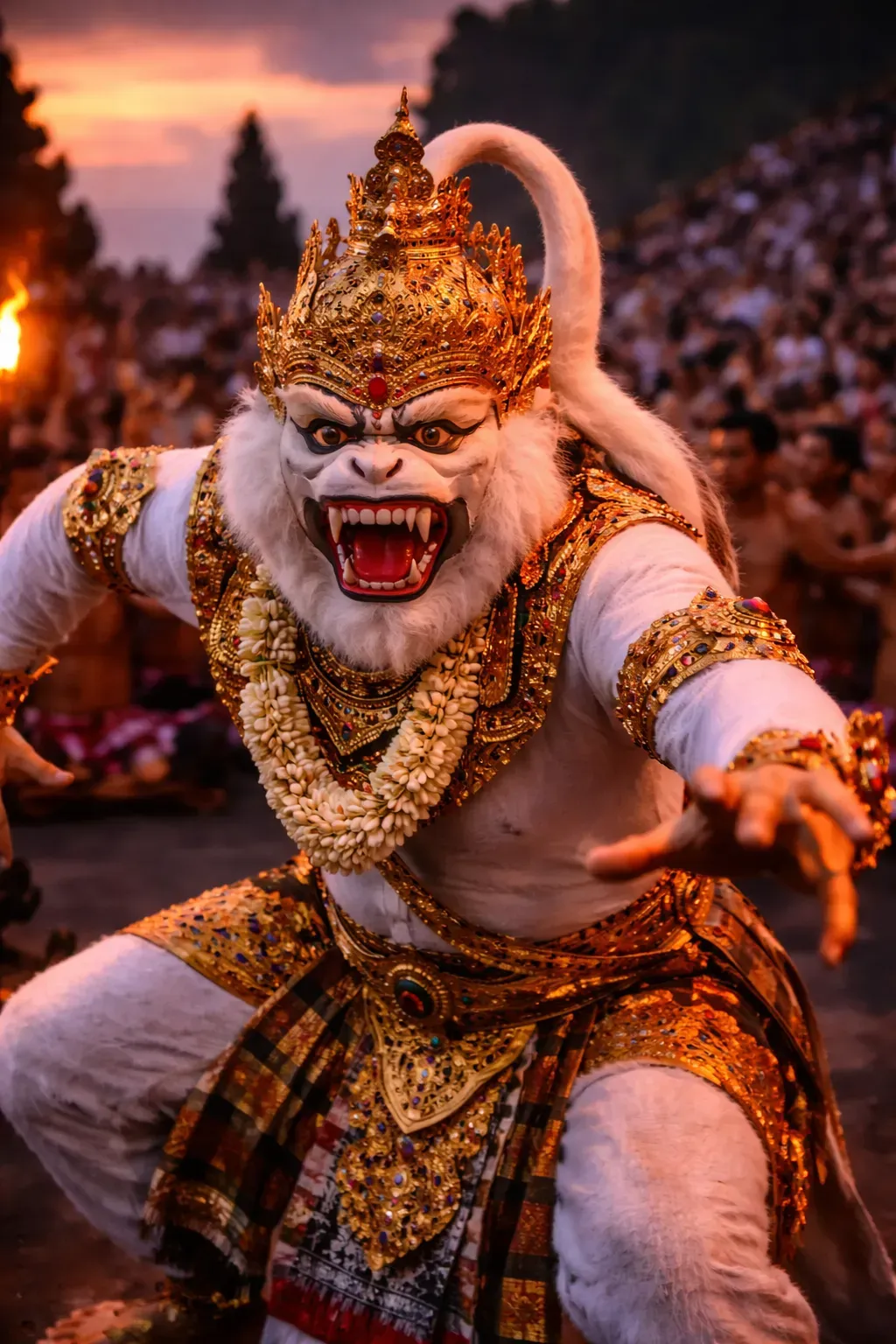
Men enact scenes from the Ramayana, chant “cak-cak-cak”. No instruments without any voice. Best seen at Uluwatu temple at sunset.
2. Barong Dance
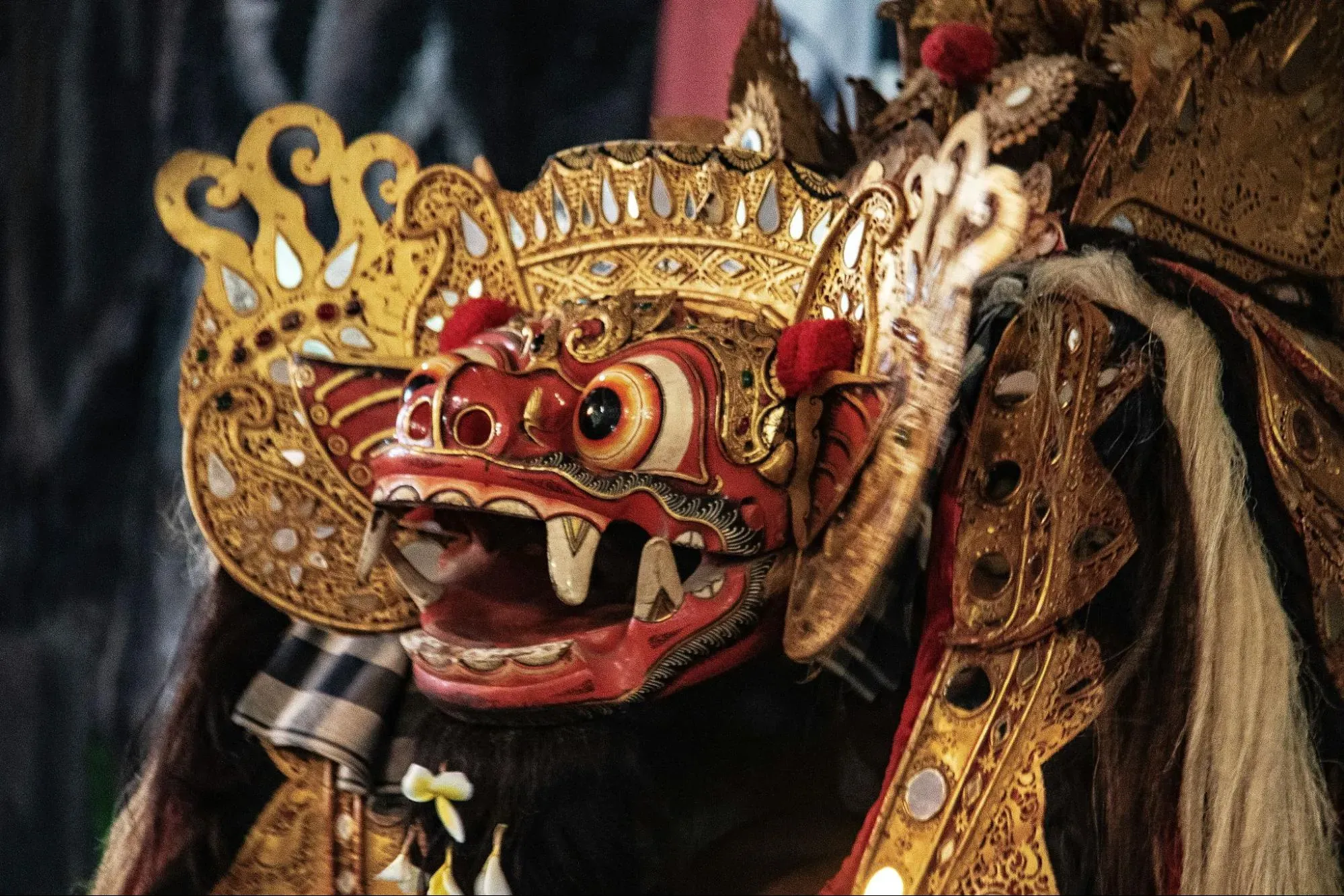
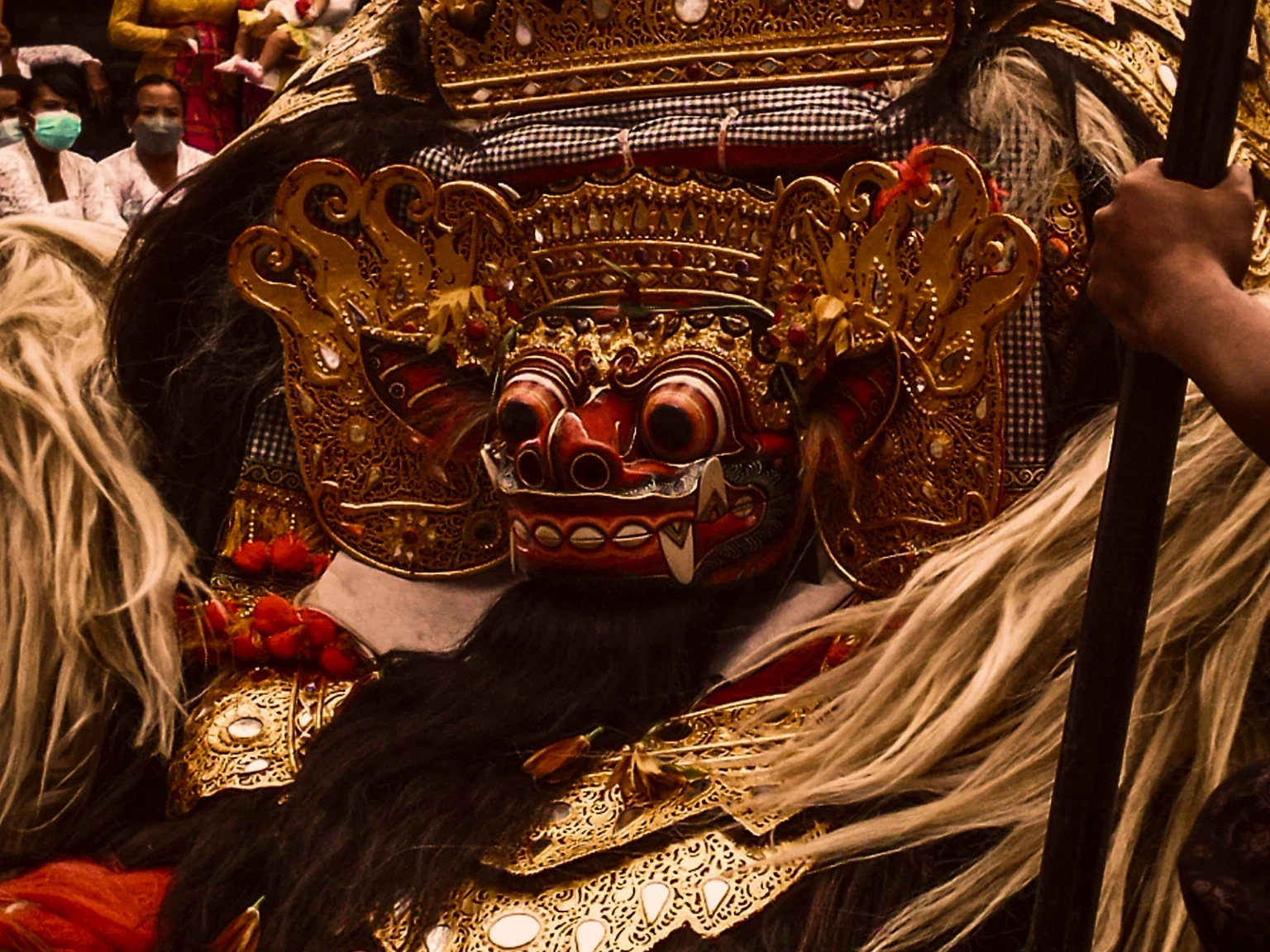
The dance shows the eternal battle between Barong ( the lion-spirit) of God and Rangda (the demon queen of evil).
3. Legong Dance
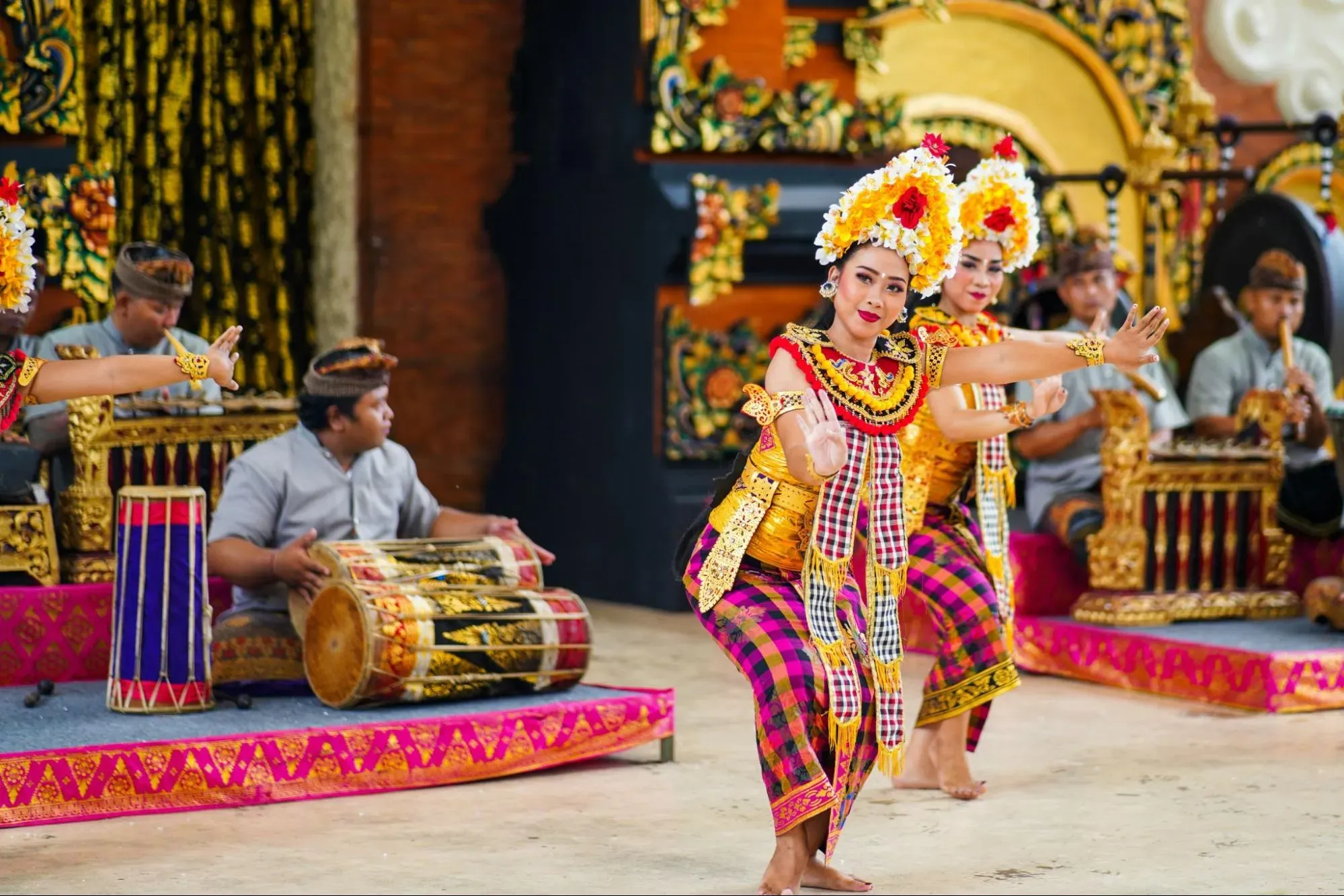
A classical court dance with extraordinary refinement. The finest stage to watch it is Ubud Palace.
Balinese Festival Calendar 2026
In Bali, two traditional calendars are followed: the 210-day Pawukon cycle and the lunar Saka calendar. This means festivals rarely fall on the same date each year. Here are the details of important festivals in Bali. Plan around these key celebrations followed in Bali culture to experience the island at its best:
Festival | Date | Duration | What Happens |
Melasti | 15-17 March | 3-4 days | Sacred objects carried in procession to the sea for purification. Happens 3–4 days before Nyepi. |
Ogoh-Ogoh Parade | 18 march | 1 evening | Giant demon effigies paraded through streets and burned to cleanse the island before Nyepi. |
Nyepi ( Day of Silence) | 19 March | 1 day | The entire island is silent for 24 hours with no lights, travel, or work and even the airport closes. |
Galungan | 28 october; although occurs twice in 210 day cycle | 10 days | Victory of good over evil. Penjor bamboo poles line every street. Ancestral spirits visit the living. |
Kuningan | 7 November | 1 Day | Farewell to ancestral spirits. Yellow offerings and temple prayers mark the end of Galungan. |
Bali Arts Festival (Sanur) | July - August | 1 Month | Month-long showcase of dance, Gamelan, and crafts at Denpasar Arts Centre. |
Bali Kite Festival (Denpasar) | July-August | Several weekends | Giant traditional kites flown near Sanur. A spiritual offering to the gods for a good harvest. |
Important Things to Follow for Bali Culture
The Balinese are genuinely welcoming but their culture deserves engagement on its own terms. Knowing a few things about the culture can make your holiday memorable and easygoing:
Dress with intention: At any bali temple or ceremony, wear a sarong that covers your legs below the knee and a sash around your waist. These are usually available to borrow at temple entrances. Also cover your shoulders while entering a sacred place
Use your right hand: In Bali, use your right hand to give, take or shake hands as left is usually considered unclean.
Move slowly around offerings: You may step around canang sari but not over them. If a procession crosses your path, stop and wait. Honking a horn at a ceremonial procession is considered deeply disrespectful.
Ask before photographing: During active prayer or ceremony, put the camera away first and observe. If you want to photograph an offering or a ritual moment, a quiet request to a nearby local is always appreciated.
Understand what you cannot enter: Women who are menstruating are traditionally asked not to enter temple inner sanctuaries. People with open wounds follow the same guideline. These are not arbitrary restrictions but related to Balinese beliefs about spiritual purity in sacred spaces.
Go deeper than Postcard views, Experience Bali Culture
Most people visit Bali but few truly experience it. If you want to go beyond the usual stuff and deep into the culture, we'll help you plan a holiday that actually means something. Connect with our holiday advisors to plan your Bali itinerary today!