


Are you planning a holiday to Rajasthan and wondering when to go? You are definitely not the only one. If you visit at the wrong time, you might find yourself climbing a fort in 45°C heat, sunburnt and exhausted before lunch. But if you choose the right season, that same fort can feel filmy, with a cool breeze and beautiful views. The best time to visit Rajasthan is usually during the cooler months, but it really depends on what you want from your holiday, how many people you are comfortable being around, and which festivals you want to experience. This guide will help you understand the seasons, the weather, family-friendly times, and the main cultural events, so you can pick the perfect time for your Rajasthan holiday. Let’s get started.
How Rajasthan's Seasons Shape Your Holiday
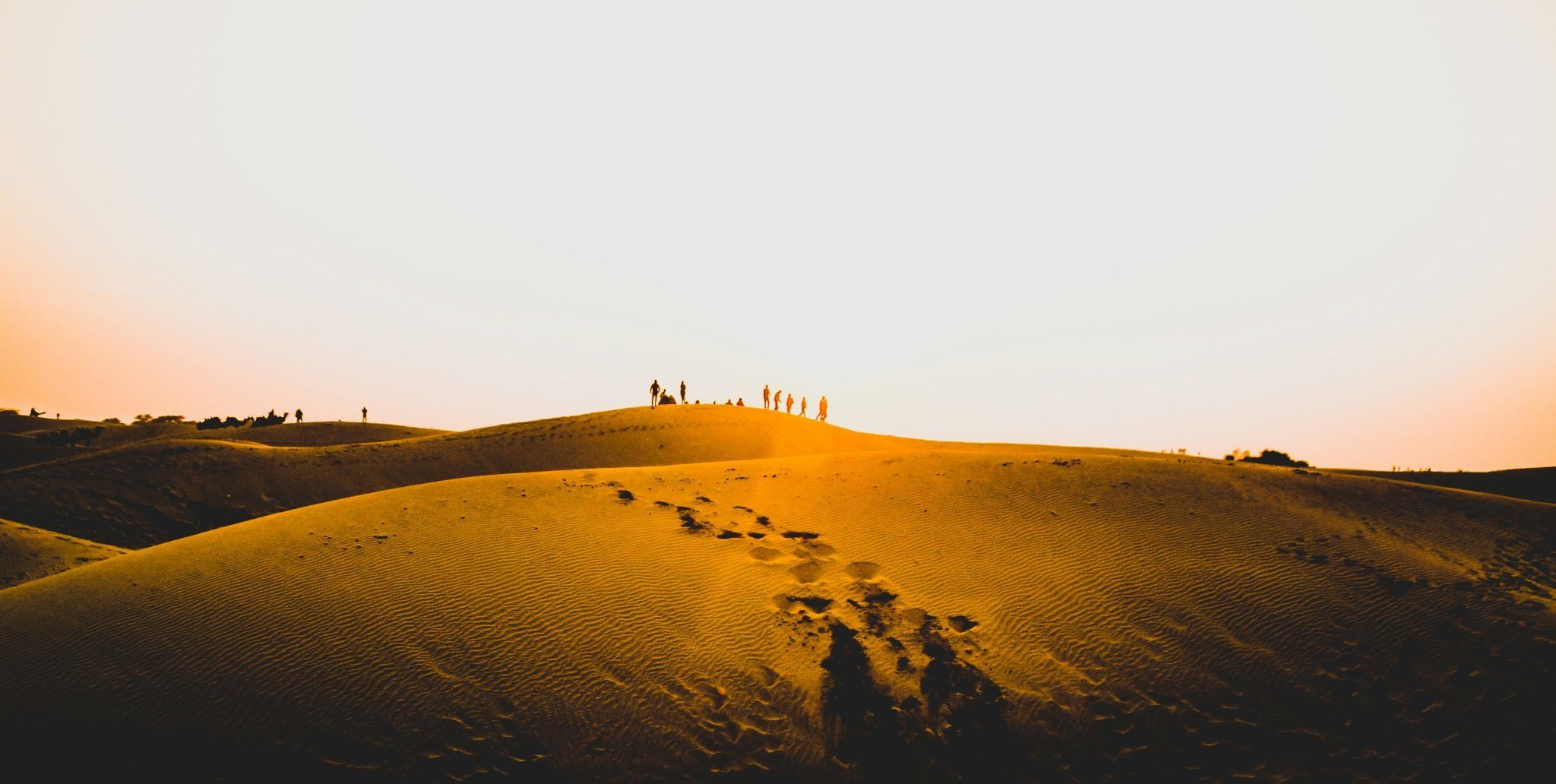
Rajasthan has three main seasons: a pleasant winter, a harsh summer, and a monsoon that makes everything look beautiful. Each season gives the state a different feel, so the best time to visit Rajasthan depends on what you want to do. Here’s a quick overview before we get into the details.
Season | Months | Daytime temp | The vibe | Best for |
Winter | Oct to Mar | 20–27°C | Cool, busy, festive | Sightseeing, safaris, festivals |
Summer | Apr to Jun | 30–45°C and up | Harsh, empty, low rates | Off-season deals, Mount Abu |
Monsoon | Jul to Sep | 25–35°C | Green, humid, calm | Photography, Udaipur, fewer crowds |
Most people choose winter, and it makes sense. Still, the other two seasons have their own subtle reasons, and we’ll talk about those soon.
What Is the Best Time to Visit Rajasthan?
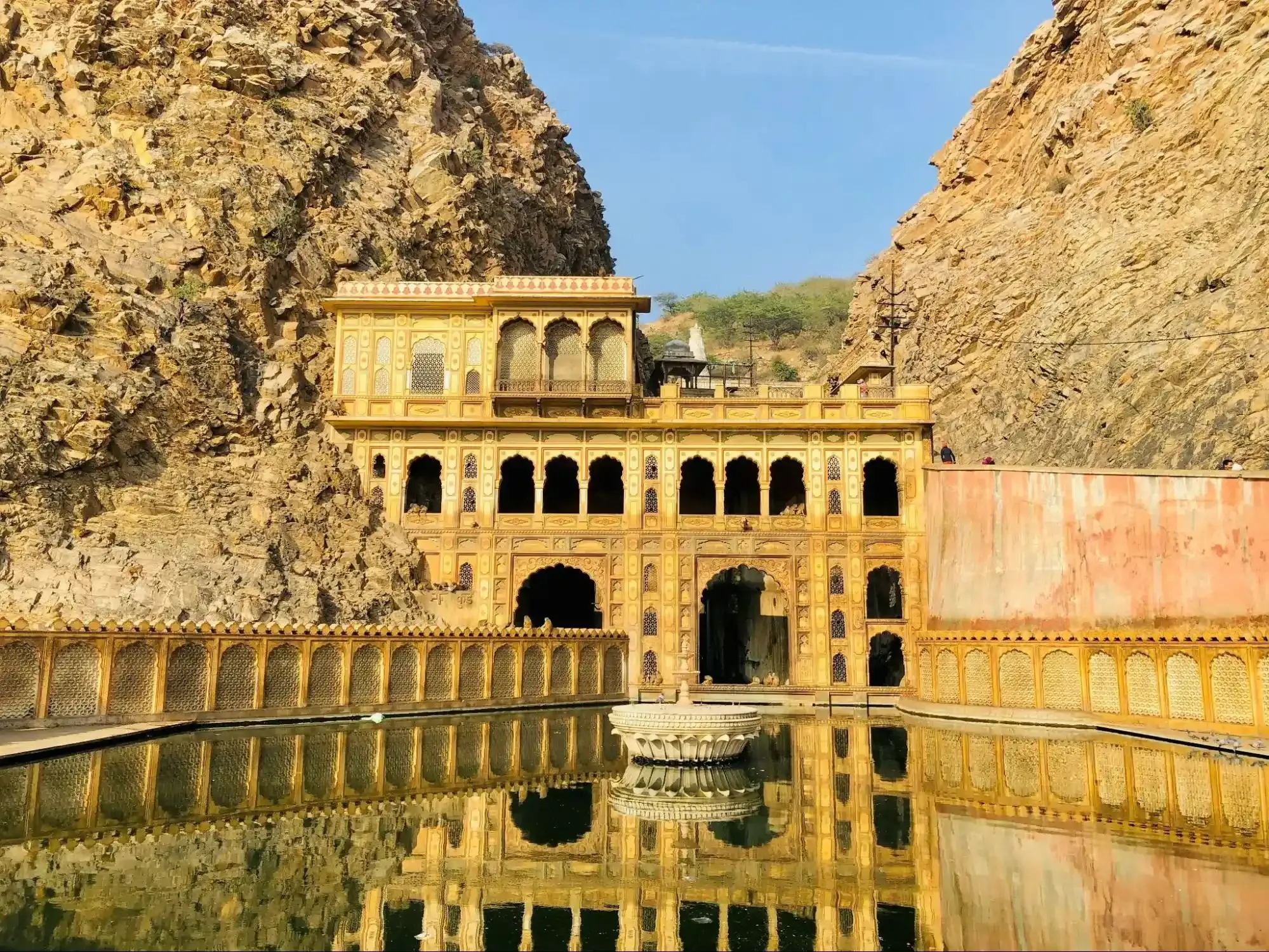
The best time to visit Rajasthan is from October to March. During these months, daytime temperatures are usually between 20°C and 27°C, and the whole state is ready to welcome travellers.
The Weather Actually Lets You Sightsee
During these months, the weather is pleasant and makes sightseeing much easier.
- The days are mild and dry, which is perfect for spending time at forts, palaces, and markets.
- Desert places such as Jaisalmer, Jodhpur, and Bikaner are comfortable for camel safaris and camping on the dunes.
- The nights can get quite cold, so taking a camel ride at dusk and then relaxing by a bonfire is a great way to end the day.
Crowds and Costs Climb Too
The downside of the good weather is that it attracts more visitors. Winter is the busiest season, so you’ll notice higher hotel and camp prices, especially in December and January around Christmas and New Year. Popular places like Jaipur and Udaipur can get crowded on weekends. If you book your stay in advance, you can avoid most of the hassle.
Tribe Travel Tip: If you want to enjoy the winter weather but avoid the busiest times, try visiting in late October or early March. You’ll still have pleasant days, but with fewer crowds and better prices.
Who Winter Suits Best
Winter is a good choice for nearly everyone, including couples looking for relaxed evenings, honeymooners, first-time visitors to India, and families who want a comfortable holiday. If you’re visiting for the first time, the cooler months make Rajasthan especially welcoming.
When Should You Avoid Rajasthan?
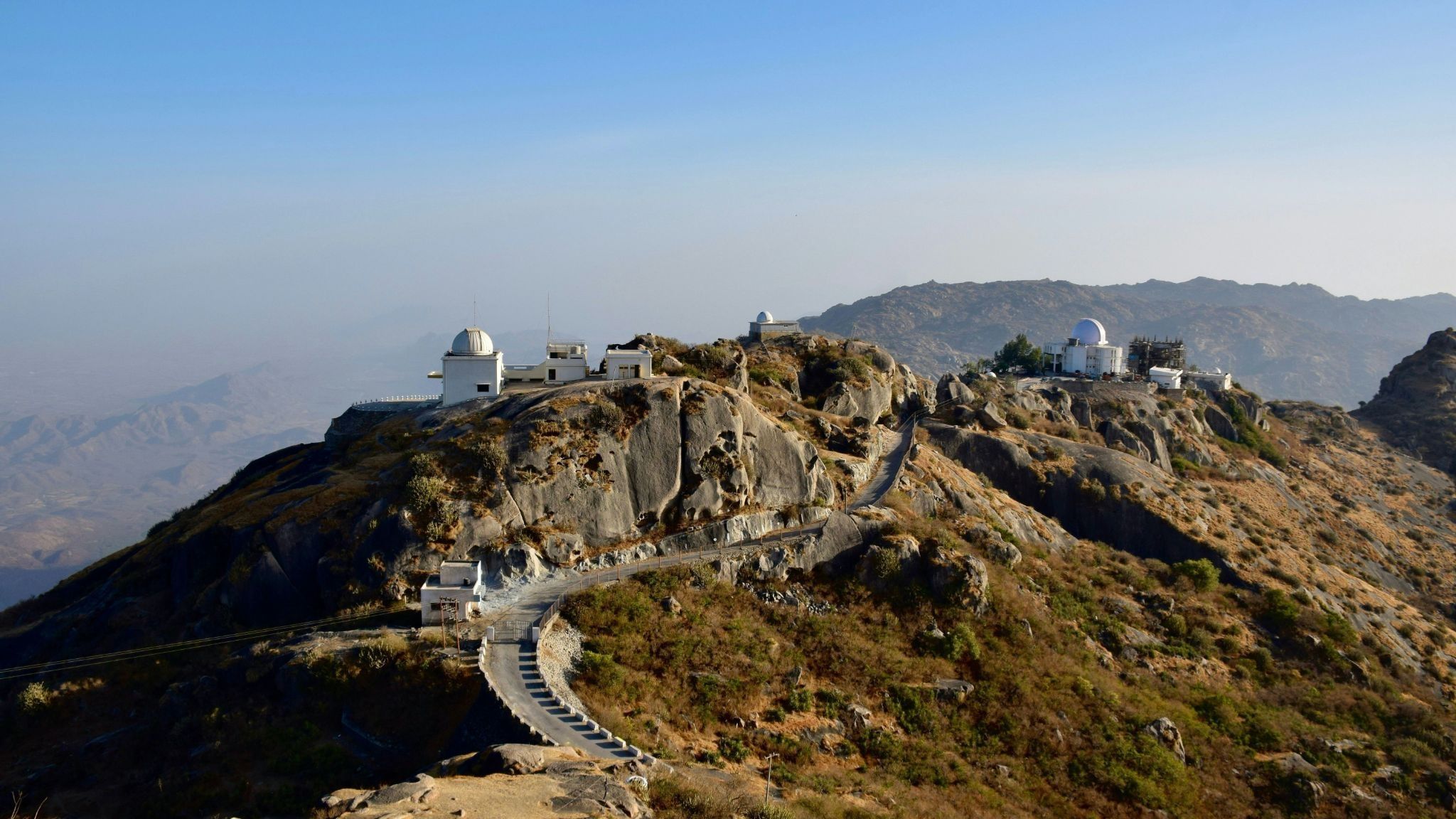
If you can’t handle extreme heat, it’s best to avoid Rajasthan from April to June. This is when the desert really lives up to its name. Daytime temperatures often go above 40°C, and it gets even hotter in the west. In May 2016, Phalodi near Jodhpur reached 51°C, the highest temperature ever officially recorded in India. Trying to sightsee in this weather feels more like an endurance test than a holiday, so summer is usually not the best time to visit Rajasthan.
Still, summer isn’t completely out of the question if you plan carefully.
- Mount Abu, the only hill station in the state, stays much cooler and holds its Summer Festival in May or June.
- Hotel prices go down, and the major forts are pleasantly quiet.
- Wildlife fans have something to look forward to. At Ranthambore, animals gather around the few remaining waterholes, so you might spot tigers more often, even during the hottest days.
Plan outdoor activities for early mornings, always bring water with you, and spend the hottest part of the day indoors.
Is the Monsoon a Good Time to Visit Rajasthan?
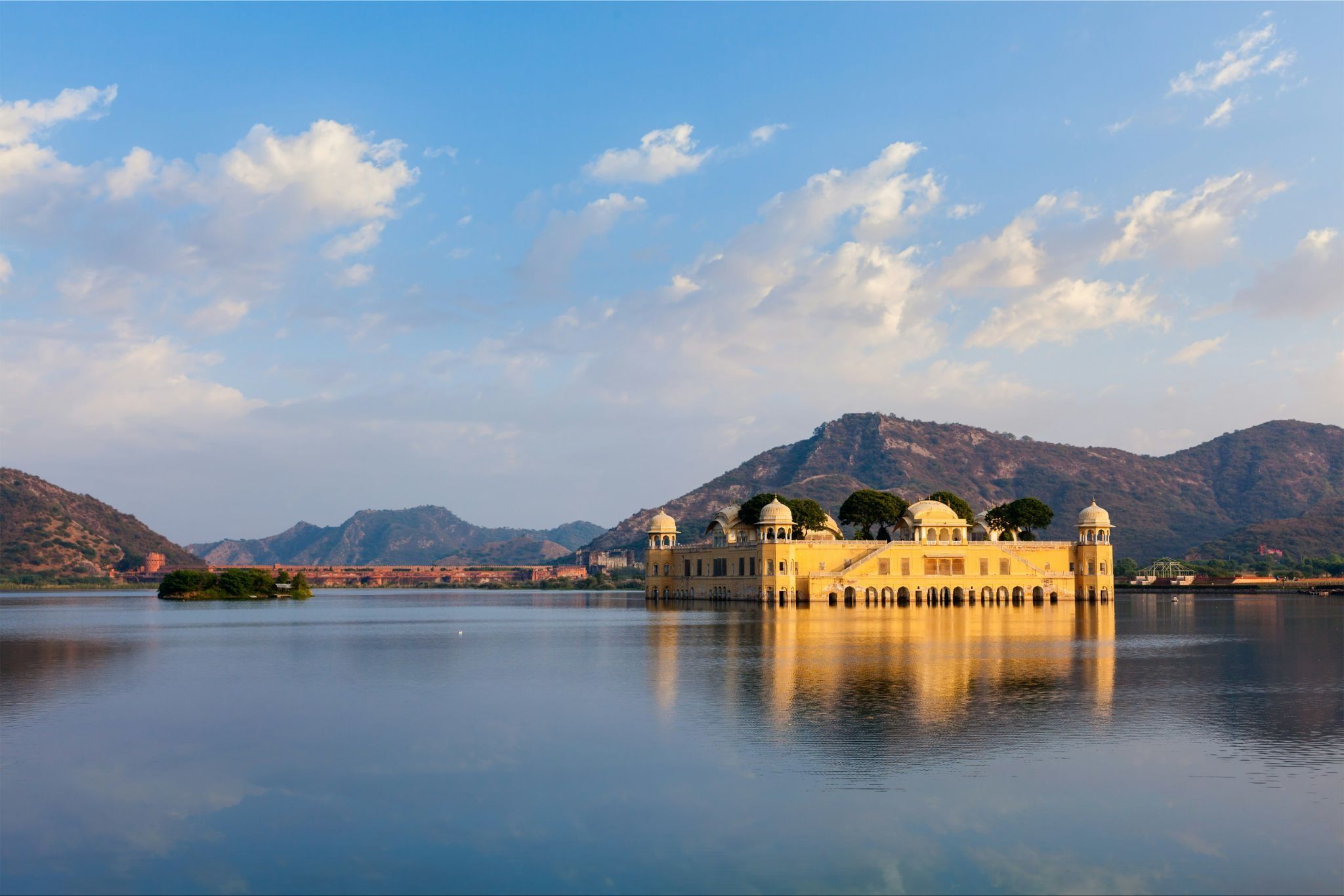
This is the season many people miss. Between July and September, the rains come, temperatures drop to about 25 to 35°C, and the dry landscape becomes lush and green, often surprising first-time visitors. If you want a quieter, greener, and more photogenic holiday, the monsoon is worth considering.
Here are a few things to know before you decide:
- Udaipur stands out during this time, with its lakes full and palaces mirrored in the water.
- Most cities are less crowded, and prices are lower.
- If you want to see wildlife in Rajasthan, keep in mind that Ranthambore’s main zones (1 to 5) close from July to September, but the buffer zones (6 to 10) remain open.
- During this time, the Teej festival fills Jaipur and Bundi with swings and lively processions.
The main challenge is the humidity, so bring light cotton clothes and a small umbrella.
Best Time to Visit Rajasthan With Family
The best time to visit Rajasthan with family is during the peak season from October to March. The mild weather during these months makes it easier for both kids and grandparents to enjoy long days of sightseeing.
Why winter is a good time for families with kids:
- Cooler days help everyone stay comfortable and make it easier to enjoy each stop without getting tired or cranky.
- Kids usually love camel rides, boat trips in Udaipur, and staying at desert camps near Jaisalmer.
- During festival season, the extra colour, music, and animals help keep children interested between visits to forts.
Tribe Travel Tip: When travelling with family, try not to pack too much into one day. Visiting two heritage sites is usually better than three, especially if you start early. Taking it slow leaves more time for fun.
Which Festivals Are Worth Planning Around?
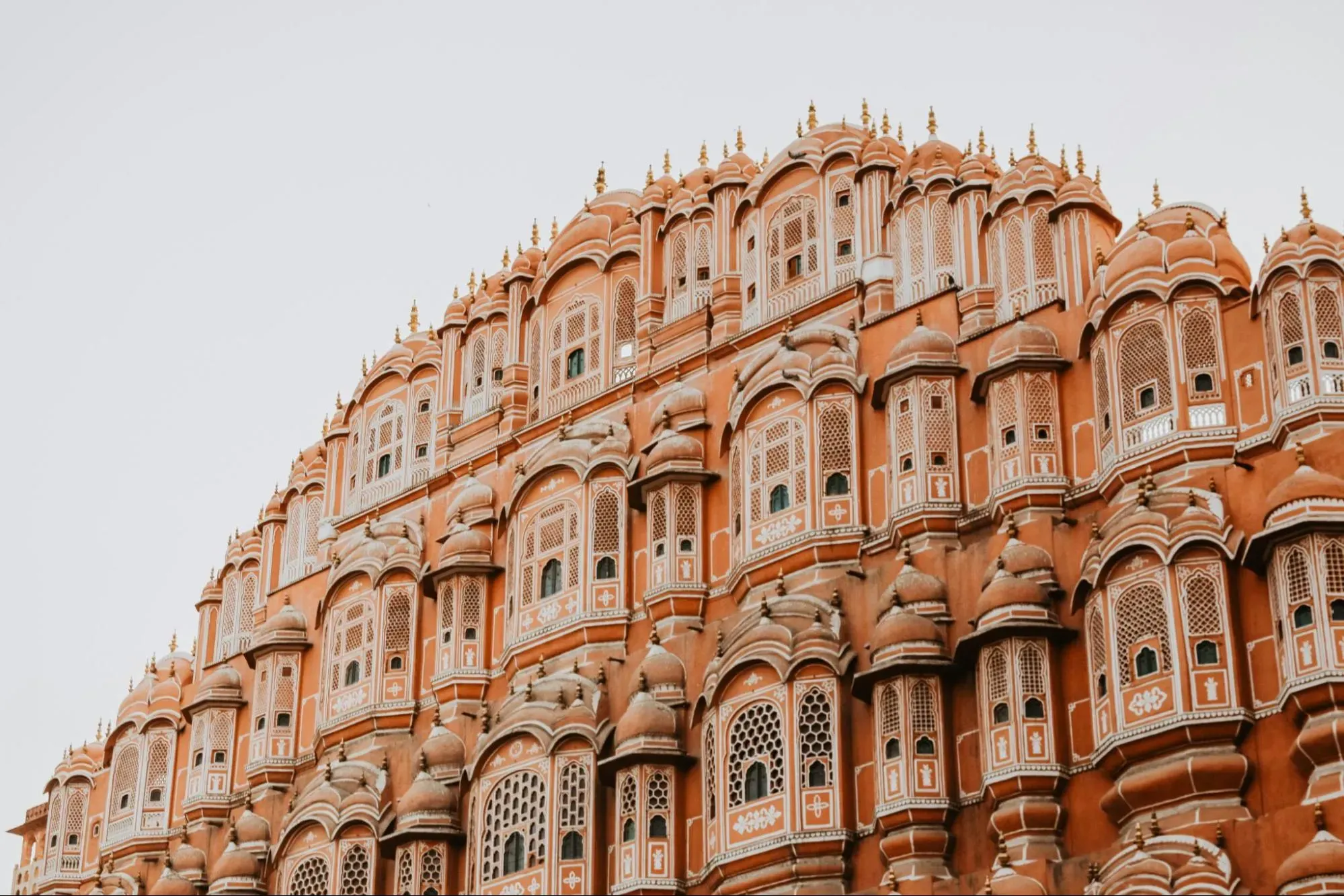
Rajasthan has a busy festival calendar, and planning your holiday around one of these events can turn a good holiday into a great experience. Here are some festivals you should consider.
Festival | Where | When | Why go |
Jaipur Literature Festival | Jaipur | Mid-January (2026: 15–19 Jan) | Authors, ideas and open lawns, free to attend |
Jaisalmer Desert Festival | Jaisalmer | Late Jan to early Feb (2026: 30 Jan–1 Feb) | Camel races, folk music and dune performances |
Pushkar Camel Fair | Pushkar | November, around Kartik Purnima (2026: approx 17–24 Nov) | Thousands of camels, colour and hot-air balloons |
Teej | Jaipur, Bundi | August (monsoon) | Swings, processions and green-season charm |
Most of these festivals take place in winter, making it the best time to visit Rajasthan for culture lovers. Since festival dates change each year with the Hindu calendar, check the schedule before you book.
Best Time to Visit Rajasthan, Month by Month
If you want a quick summary for each month, here it is.
Months | Verdict |
Oct–Nov | Excellent. Pleasant days, Pushkar Fair, fresh post-monsoon greenery |
Dec–Jan | Peak. Coldest, most festive, busiest and priciest |
Feb–Mar | Excellent. Comfortable and slightly calmer than mid-winter |
Apr–Jun | Avoid unless heading to Mount Abu or chasing tiger sightings |
Jul–Sep | Green and quiet, best for Udaipur and photography |
Planning Your Rajasthan Holiday the Smart Way
Timing matters more in Rajasthan than in many other places. If you visit during the right season, the forts, deserts, and lake palaces look their best. In short, October to March is ideal for sightseeing and festivals. Summer is best for those who can handle the heat or want to visit the hills, while the monsoon brings a peaceful, green landscape. Once you pick your season, you can focus on the details like how long to stay, which cities to visit, and what pace works for your group.
This is where a holiday advisor can really help. At Holiday Tribe, we turn your travel ideas into a well-organised holiday, offering custom packages that include hotels, transfers, sightseeing, and local experiences throughout Rajasthan. We work with all kinds of travellers, from honeymooners to families, so your dates, pace, and interests guide the plan, not the other way around.