

In Port Louis, you can eat a Chinese dumpling, buy a Tamil temple garland, and pick up a French baguette all within fifty steps. This mix wasn’t planned. The people and culture of Mauritius grew from many different communities arriving on the island over centuries and gradually creating a shared life. The beaches may attract visitors, but it’s the culture that leaves a lasting impression. The guide will take you beyond the resort gates and into the more ordinary, day-to-day part of the island, so that your holiday has a story behind it, not just a tan.
What Shaped Mauritius People and Culture?
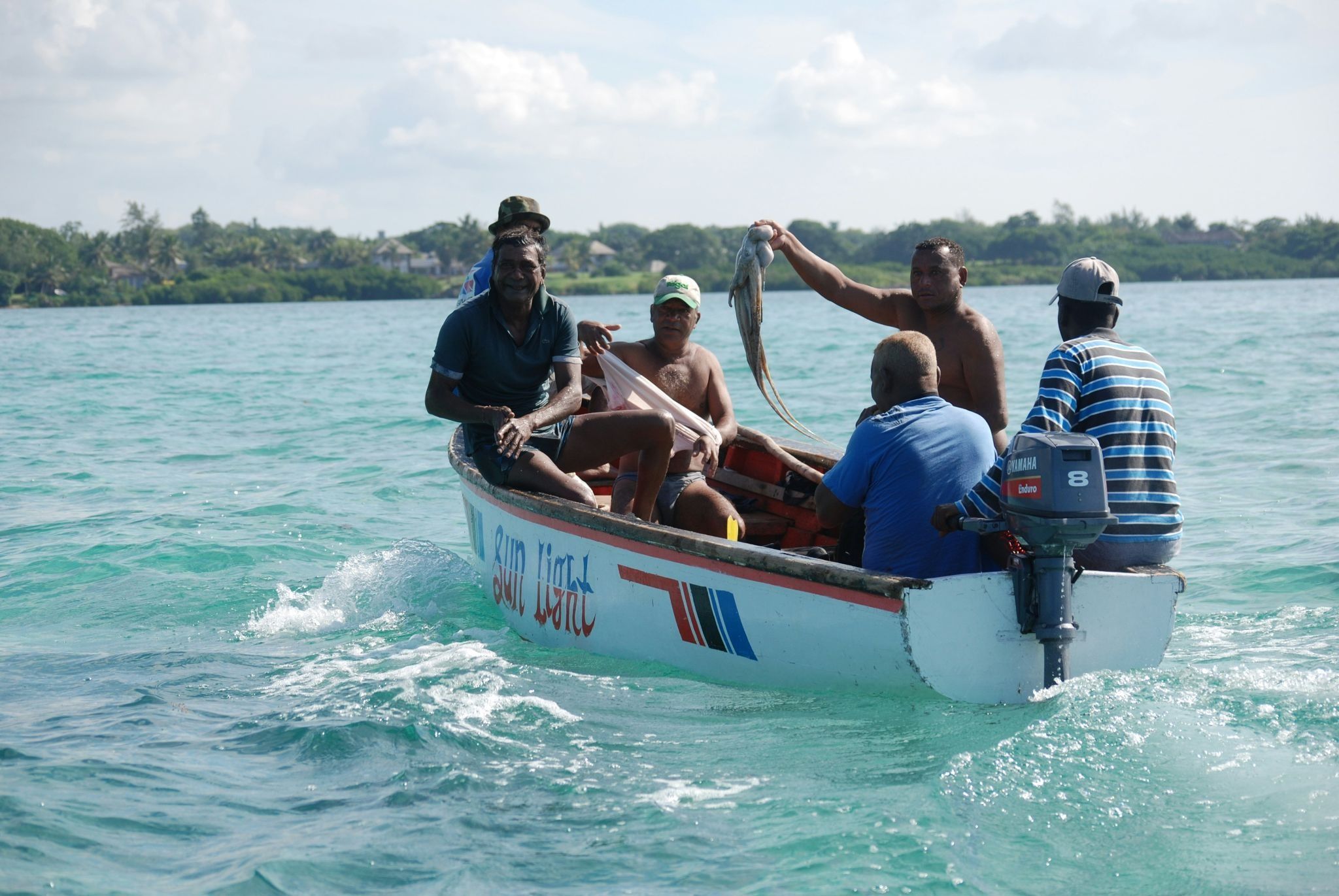
To understand Mauritius today, remember that no one is originally from the island. Every community arrived over the past few centuries, and the people and culture of Mauritius developed from these encounters.
- A four-continent mix: About two-thirds of the population have Indian roots, along with Creole, Chinese, and Franco-Mauritian communities.
- Built on sugar: French and British sugar plantations brought workers here from many parts of the world.
- A hard history too: First enslaved Africans, then indentured Indian labourers, played a major role in shaping the population.
- The 16 steps: At the UNESCO-listed Aapravasi Ghat in Port Louis, indentured workers first set foot on the island.
This complex history is why the history and culture of Mauritius feel so different from its neighbours. Here’s a quick fact: over 70% of people living on the island today are descended from those indentured workers.
The Many Languages You Will Hear
This is where the culture and language of Mauritius become truly charming. Most people speak two or three languages and switch between them naturally.
- English: The official language, used in government and schools.
- Creole: The real lingua franca, spoken at home by around 90% of people.
- French: Widely used in media and daily life.
- Ancestral languages: Bhojpuri, Tamil, Hindi, Urdu and Mandarin among them.
A great fact about Mauritian culture is that Mauritian Creole, or Morisien, comes from French but also includes words from African, Indian, and English languages. Try saying "ki manier" for "how are you" and see people smile.
Festivals That Bring the Island Together
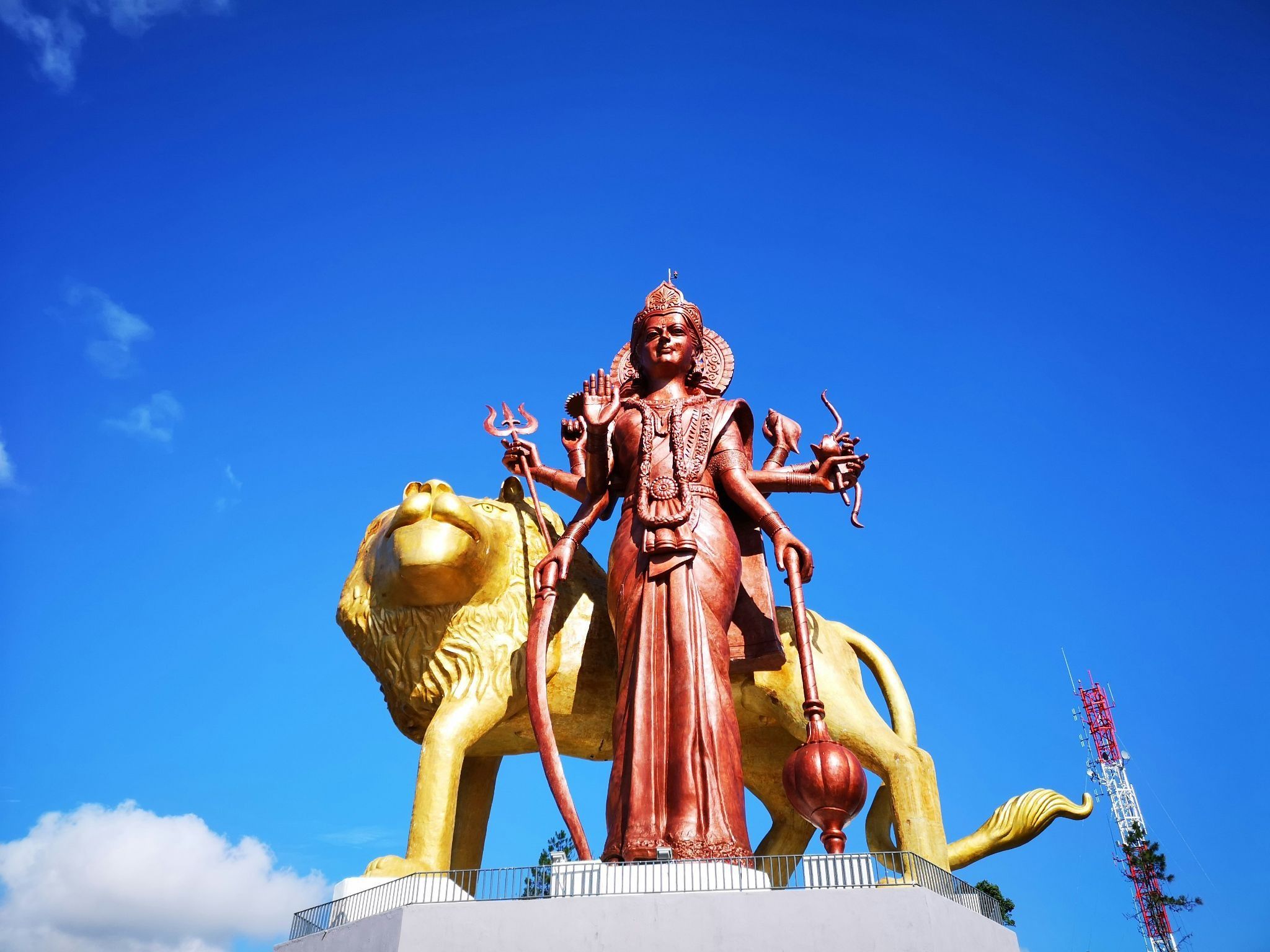
If you have some flexibility with your travel dates, visiting during a festival is a great way to experience Mauritius culture and traditions at their liveliest. What makes these celebrations special is that everyone takes part, no matter their background.
Festival | Roughly when | What happens |
Maha Shivaratri | Feb to Mar | White-clad pilgrims walk to Grand Bassin |
Thaipusam Cavadee | Jan to Feb | Tamil devotees carry decorated cavadees |
Chinese Spring Festival | Jan to Feb | Lion dances and firecrackers |
Eid-ul-Fitr | Varies | Prayer, feasting and family gatherings |
Diwali | Oct to Nov | Homes lit with rows of small lamps |
The highlight is Maha Shivaratri, when thousands of people walk to the crater lake at Grand Bassin, also called Ganga Talao, under the gaze of a huge Shiva statue. This is one of the biggest Hindu gatherings outside India and offers a true glimpse of Mauritius’s cultural diversity.
The Food That Tells the Whole Story
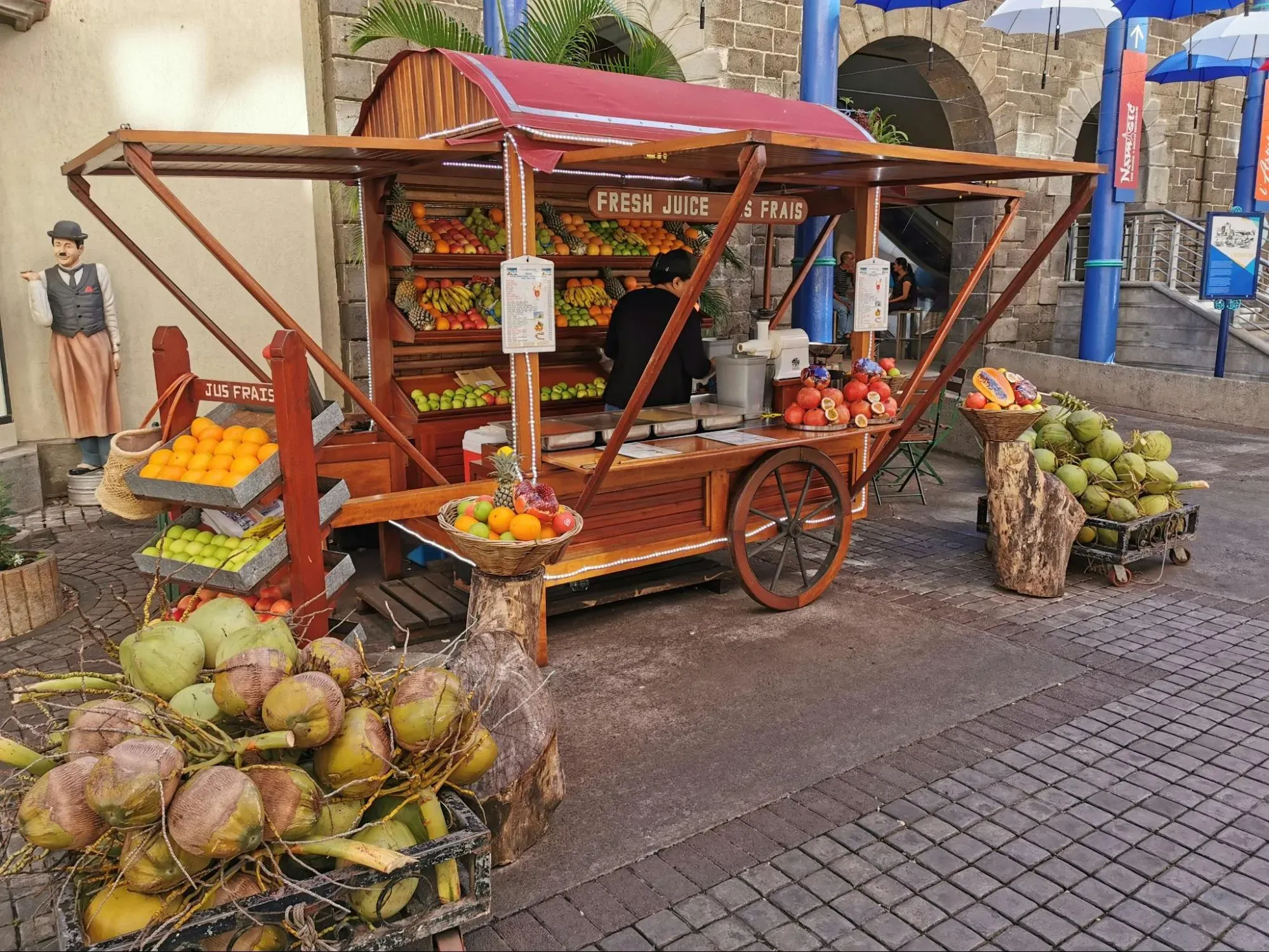
If you ask around, most people will tell you that the best way to experience Mauritius food culture is just to start eating. Each dish has its own migration story, and you can try most of them for just a few coins at a street stall.
- Dholl puri: This is the unofficial national dish. It’s a soft flatbread made from ground split peas, first brought over by Bihari labourers.
- Gateaux piments: These are crispy fritters made with chilli and lentils, and they’re a classic snack in the morning.
- Boulettes: These Chinese-style dumplings come from the island’s Sino-Mauritian community.
- Rougaille: This is a Creole stew made with tomatoes, and it’s often cooked with fish or sausage.
- Alouda: This chilled milk drink is the local version of Indian falooda.
Here’s a fun fact about Mauritius culture that often surprises visitors: the French influence means you can order a fresh baguette with your curry. That little detail says more about the people and culture of Mauritius than any brochure ever could.
Traditions and Everyday Customs Worth Knowing
Being a bit mindful can help you feel less like an outsider and more like a welcome guest. These easy tips will help you respect Mauritius culture and traditions.
- Dress modestly at sacred sites: Make sure your shoulders and knees are covered at temples, mosques, and Grand Bassin.
- Catch a sega night: The island’s Creole music and dance, recognised by UNESCO in 2014, are most enjoyable on the beach.
- Accept the invitation: If a family invites you to share a meal or join a festival, accept the offer.
- Learn a word or two: Even a small effort to speak Creole will bring a big smile.
Ready to Meet Mauritius for Yourself?
The beaches are just the beginning. To really get to know the island, you need to explore its markets, temples, kitchens, and street corners. Including these in your trip is what makes a holiday truly memorable. This is the kind of planning we love to do.
At Holiday Tribe, we are holiday advisors, not just travel agents. We create Mauritius holidays that fit your travel style. You can choose one of our ready-made routes for a mix of beaches and culture, or let our experts and AI travel planner design a custom holiday that includes a festival, a food walk, and visits to heritage sites. Just tell us who is coming and what you're interested in, and we will take care of everything else.