

Scuba diving is an adventurous underwater activity, and Singapore is a rewarding place to try it. This island country has many suitable places where rich marine life thrives, and the diving conditions suit everyone from beginners to professionals. In this guide, the best places for scuba diving in Singapore are highlighted, from Pulau Hantu to Singapore Oceanarium. This way, you will get to know each place, its marine life and diving conditions, and whether it requires certification, along with prices, courses and more.
Is Singapore good for scuba diving?
Scuba diving in Singapore for tourists is easy to start because the sites are close, the water is warm and local operators handle the boats and gear. It will not match the big reefs of Indonesia, but it is a good place to learn and build experience.
- Lifelong adventure: No age limit, with endless progression from Open Water to Divemaster and specialities.
- Travel gateway: Easy access to Tioman, Anambas, and Raja Ampat.
- Local macro life: Nudibranchs, seahorses, and octopuses around the southern islands.
- Community and calm: Friendly dive groups and a stress-relieving digital detox.
- Purpose: Hands-on conservation through coral restoration, clean-ups, and Reef Check surveys.
Where is the best place to go diving in Singapore?
Pulau Hantu
 Pulau Hantu, also known as Ghost Island, is the most popular scuba diving spot in Singapore. This island is 30 minutes away from the mainland and is divided into two islands, Hantu Besar and Hantu Kecil. If you are a tourist in Singapore and looking for a Scuba diving experience, then this place is best for you. The currents are usually mild and the reefs are shallow, which suits beginners and is ideal for local training One thing to note: the visibility is usually limited here, but slow divers often get rewarded with views of small and colourful creatures.
- Best for: Beginners, training dives and macro photography.
- Marine life: Nudibranchs, seahorses, cuttlefish, octopus and clownfish.
- Depth: Roughly 8 to 15 metres at most sites.
- Certification: Not needed for an introductory dive with an instructor
Sisters' Islands Marine Park
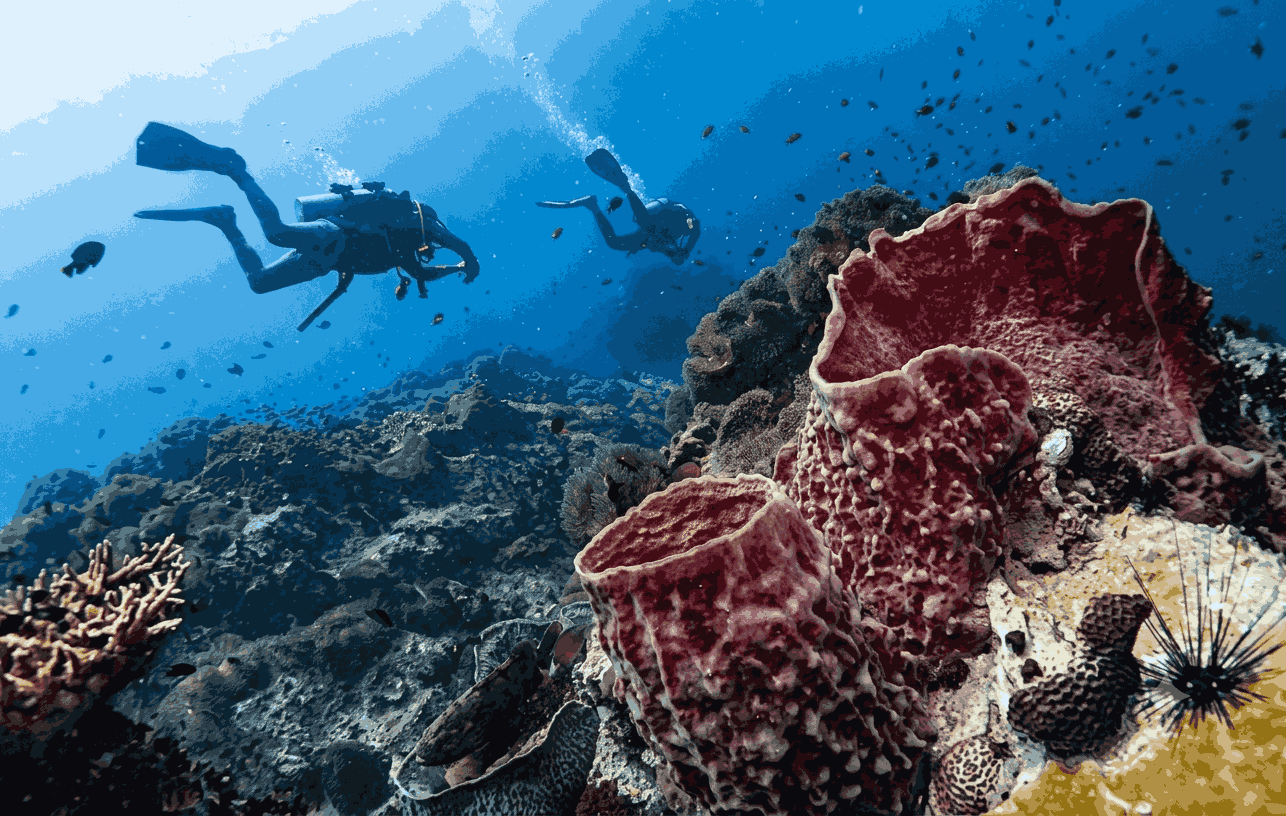 Sisters' Islands Marine Park is Singapore's first marine park, established to protect its coral reefs and marine biodiversity. It is an interesting diving location for visitors who want to see Singapore's underwater ecosystem, including rare corals and marine creatures. It has two guided dive trails: a shallow one (4 to 6 metres) and a deeper one (10 to 16 metres). Because the area is protected, access is controlled. You dive with an approved operator in small groups. You need to be a certified diver with advanced-level certification.
- Best for: Certified divers who want protected reefs.
- Marine life: Giant clams, anemones, clownfish, sea fans and sea stars.
- Depth: About 4 to 6 metres on the shallow trail and 10 to 16 metres on the deep trail.
- Certification: Not for beginners. Access is controlled, so expect to need advanced-level certification.
Sudong Wreck Dive
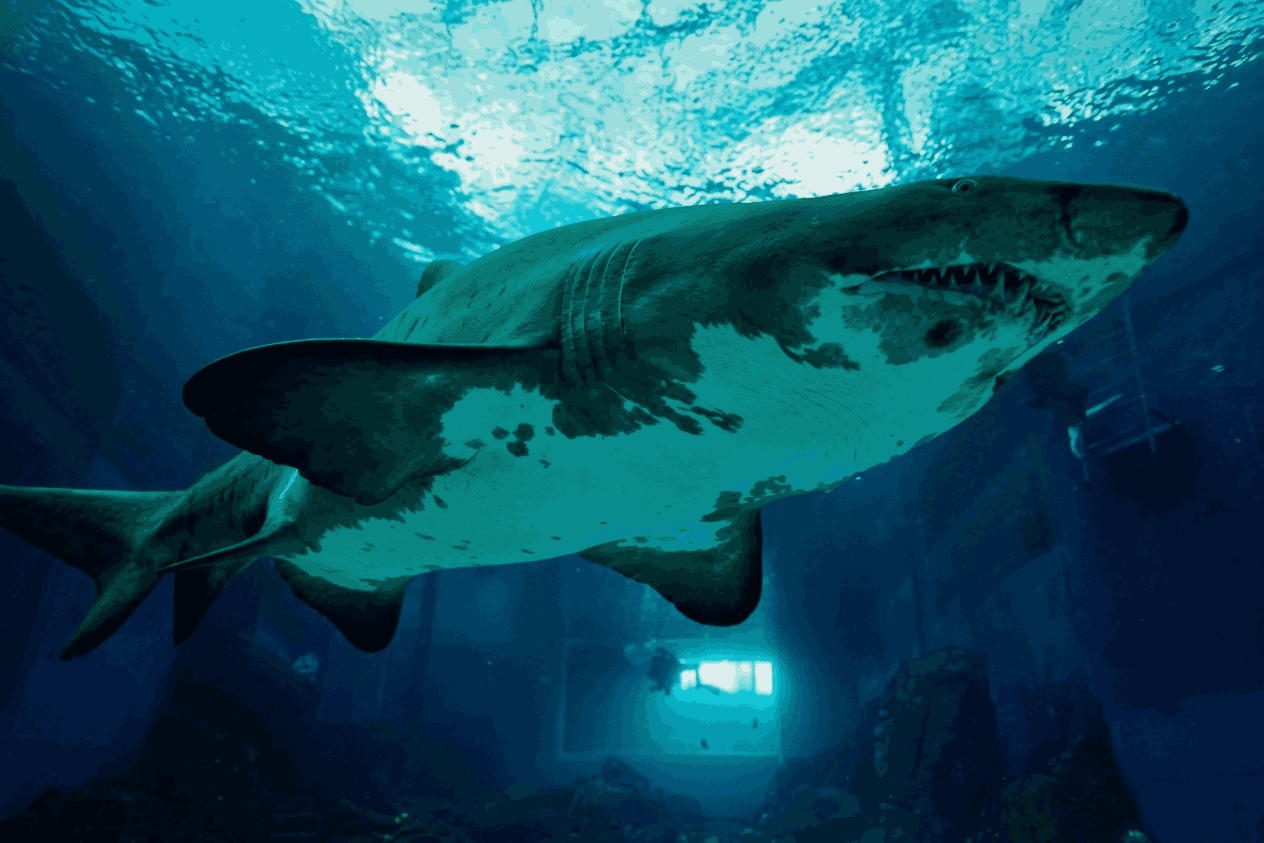
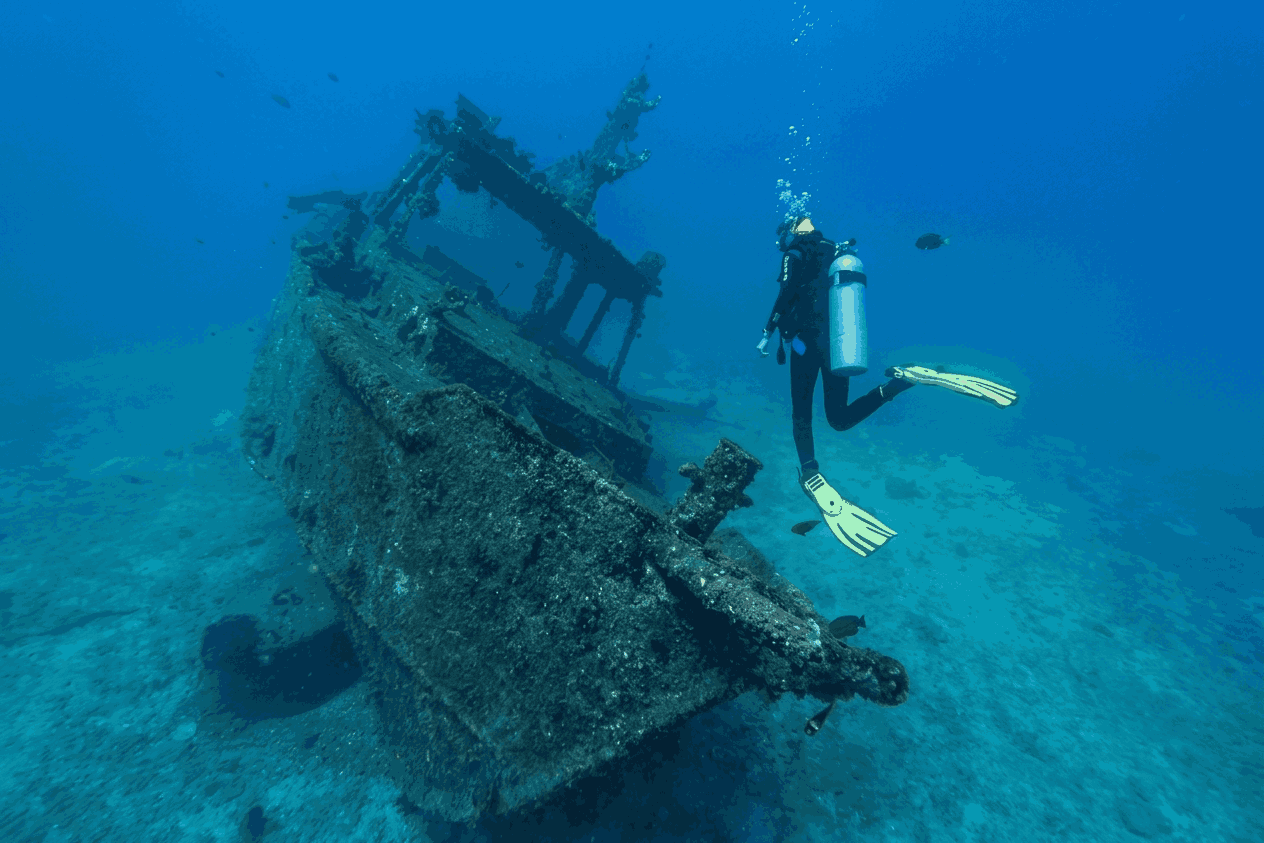 Sudong Wreck is a famous diving spot for scuba diving in Singapore, mainly because of the large shipwreck lying underwater in almost intact condition. That steel ship is about 50 metres long. The wreck rests at about 15 metres to explore the marine life around it. The marine life that you can mostly see will be turtles and sharks. Also, it is an advanced dive because of the depth and the current, and it is best done at slack tide. This exploration can allure history enthusiasts as well, because this ship is a steel vessel sunk during World War II. So, naturally, this is one of the most prominent spots you can choose to go for scuba diving in Singapore.
- Best for: Advanced divers and wreck fans.
- Marine life: Sharks, turtles and reef fish.
- Depth: About 15 metres.
- Certification: Not for beginners. It suits certified divers with advanced experience, because of the depth and the current.
Labrador Reef
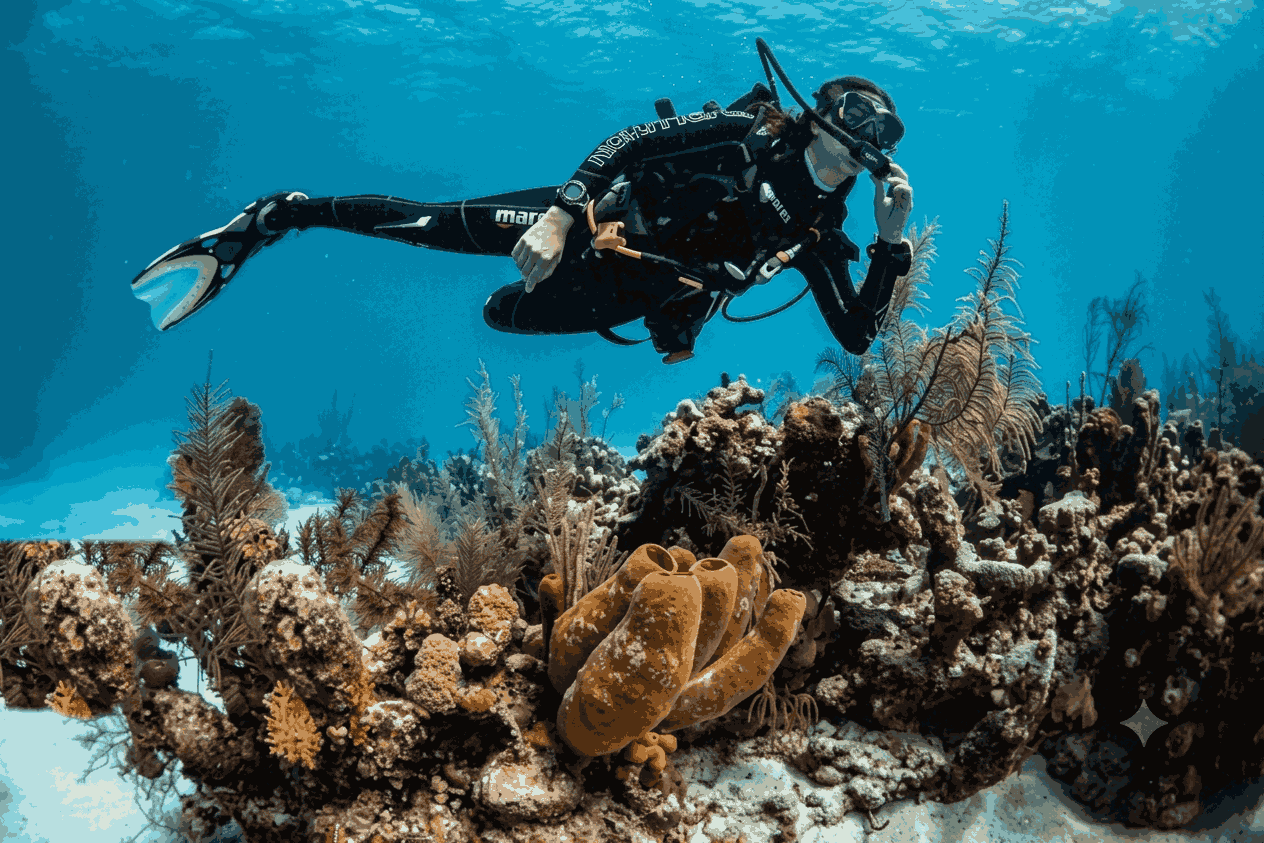 On the southern coast of mainland Singapore, this uncrowded Labrador reef is situated within the Labrador Nature Reserve area. It can be a quieter alternative for you, with flourishing marine life. If you happen to dive here after getting permission from NParks, then the creatures you are likely to encounter are butterflyfish, angelfish and anemonefish on the reef. In October 2025, NUS researchers rediscovered a live fluted giant clam about 35 cm long in the shallows at Labrador, the first one their team had seen on the mainland. And to get the best experience here, choose to dive during high tide, when conditions are generally better.
- Best for: Certified divers who want a quieter site.
- Marine life: Butterflyfish, angelfish and anemonefish.
- Good to know: Permission is required, and there are no training dives.
- Certification: Certified divers only, since training dives are not allowed here.
Singapore Oceanarium (Sentosa)
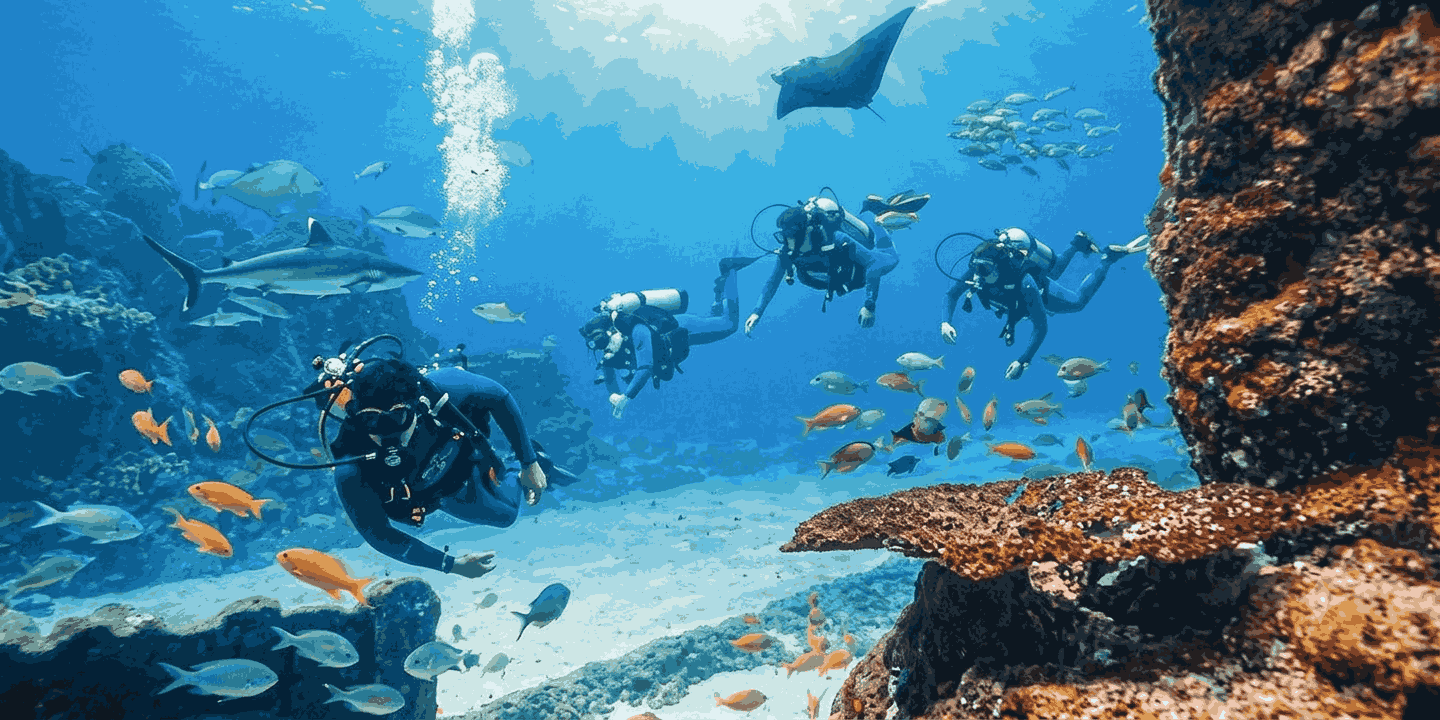 Singapore Oceanarium is a perfect attraction for scuba diving lovers in Singapore. Not only does it have a ridiculously rich marine ecosystem, but it provides a smoother and safer way to experience diving at different skill levels. Beginners here can get scuba diving experience up to 12 metres without needing to have prior certification. At the same time, certified travellers can join a guided Shark Dive. So, this spot can be a perfect spot for scuba diving in Singapore as no tides are involved, so you can appropriately plan around the suitable time.
- Best for: First-timers, families with children aged 10 and above, and divers who want clear water.
- Marine life: Manta rays, sharks and groupers.
- Depth: Up to 12 metres on the introductory dive.
- Certification: Not needed for the Discover Scuba Diving programme, but the Open Ocean Dive and Shark Dive are for certified divers only.
Note: Visitors interested in learning scuba diving can enrol in the three-day PADI Open Water Diver Course.
How much does a scuba diving course cost in Singapore?
The cost of scuba diving in Singapore depends on whether you want a taster dive, a full certification or a boat dive with your own licence, and most course prices already cover gear, pool sessions and boat tours. Prices below are converted at about ₹73 per Singapore dollar.
Experience | What it includes | Approximate cost |
Introductory dive (Discover Scuba Diving) | A pool session and one supervised open water dive to 12 metres, with all equipment | ₹20,400 to ₹25,500 |
Oceanarium introductory dive | A guided 12-metre dive in the Open Ocean Habitat, with Adventure Cove Waterpark admission | ₹22,900 |
PADI Open Water course | eLearning, pool training and four open water dives with gear and boat | ₹56,000 to ₹61,200 |
PADI Advanced Open Water course | Five adventure dives, with a deep dive to 30 metres | ₹61,200 |
Boat fun dive for certified divers | Two dives with tanks, weights and rental gear | ₹20,400 |
Oceanarium Open Ocean Dive | A guided dive for certified divers, with Adventure Cove Waterpark admission | ₹23,500 |
What is the best time of day to scuba dive?
The tide is more important than the actual time of day. Singapore’s water is usually murky, and visibility changes with the tide and current, so boat captains choose dive sites and times based on those conditions. Most tours start in the morning, around 8 am, with a second dive later in the morning or early afternoon. For the best conditions, try to go between March and October, when the sea is calmer. From November to February, the monsoon brings more rain and rough water, and visibility gets even lower.
Ready to plan a dive holiday in Singapore?
Singapore pairs easy diving with a full city holiday, so you can spend a morning on a boat and an evening on Sentosa. Take one of our ready-made Singapore packages as it is, or tell us your dates and whether you want to try diving, and we'll shape a customised itinerary with stays and transfers planned together.