

In Vietnam, before anyone starts eating, they often say “Chúc ngon miệng!”, which means “Enjoy your meal.” It’s a simple phrase, but it says a lot about how seriously Vietnamese people take their food.
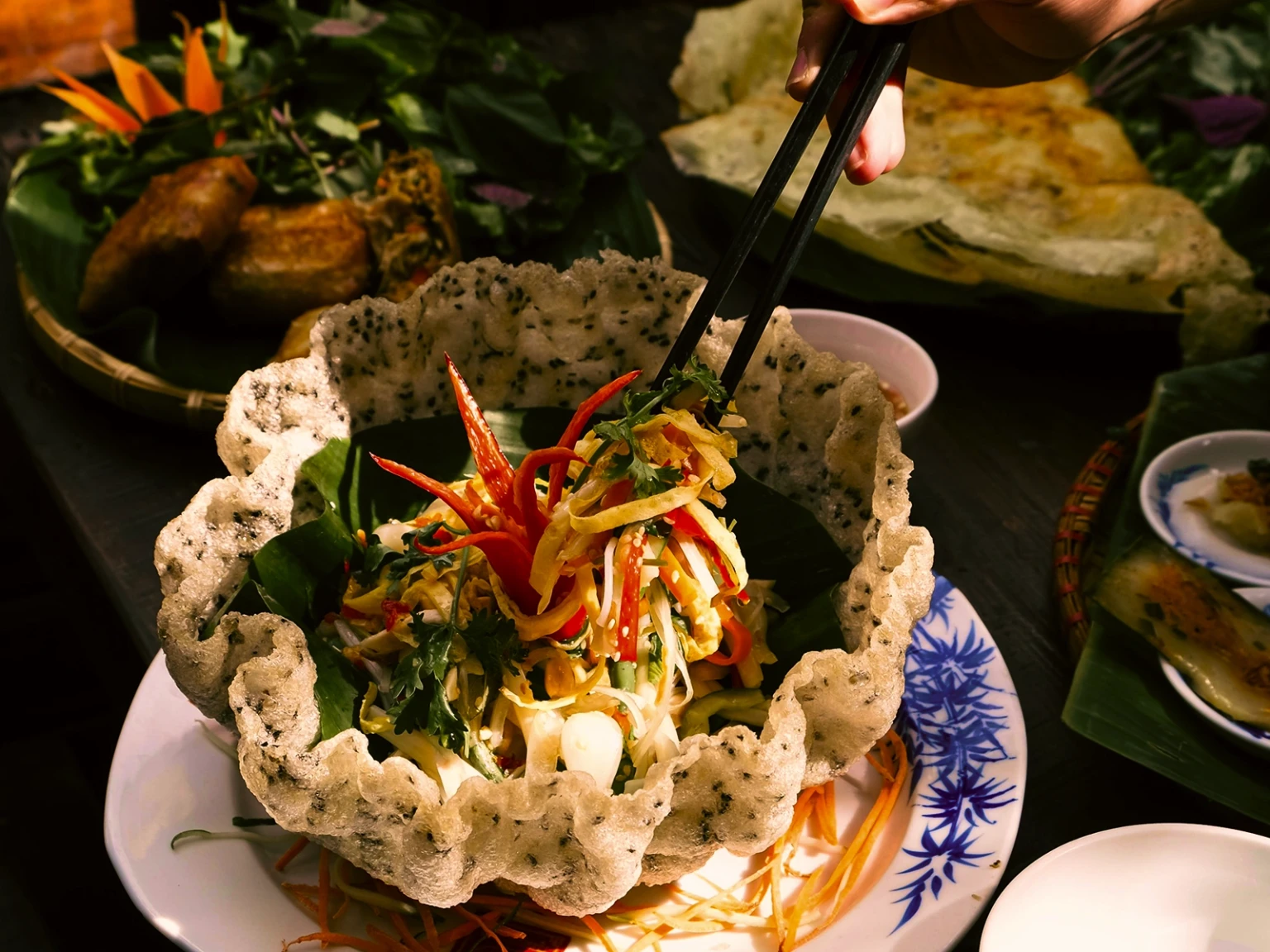
Outside Vietnam, most travellers mainly know phở and bánh mì, but the real street food scene is wide and interesting. It’s about soft noodles, crunchy herbs, tangy lime, sweet sauces, and spicy chillies, all combined in simple bowls and plates sold on the roadside.
Local cooks use whatever is fresh and in season in their region, and that’s why the food changes as you travel from north to south. In the north, dishes are usually light and quite plain. In central Vietnam, food is stronger, spicier, and heartier. In the south, you’ll notice more sweetness, from a spoonful of sugar in the broth to sweeter dipping sauces over grilled meat.
Wherever you go in Vietnam, good food is easy to find. This Vietnamese street food guide for Travellers will help you feel more confident as you eat on the streets: when to show up, where to look, how to pick a safe stall, and what dishes are worth trying first.
What Vietnamese Street Food Is Really Like
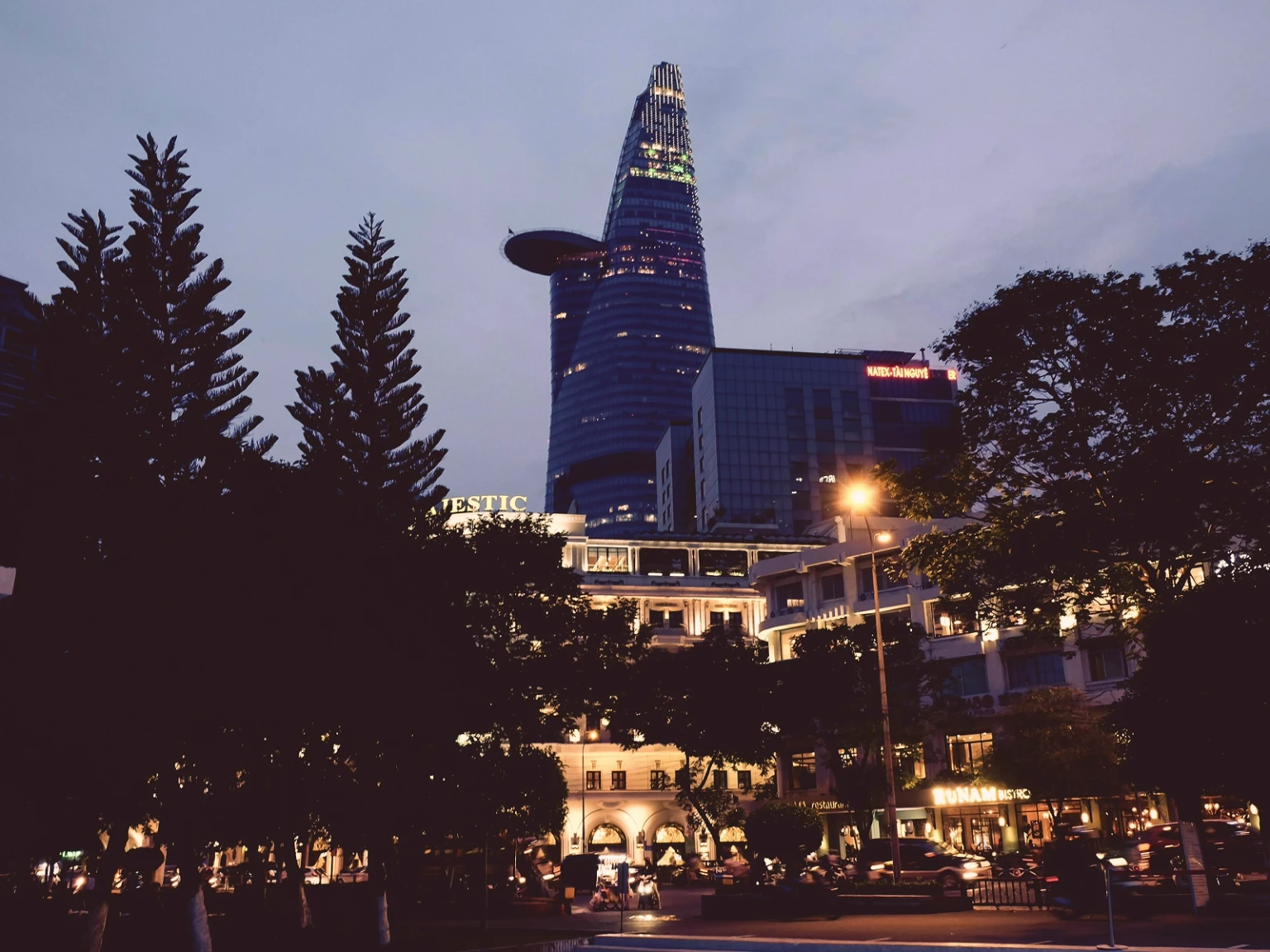
Vietnamese street food is not a “tourist attraction” set‑up; it is how most locals eat. In Hanoi, you’ll find pho boiling on the street before 6 a.m.; in Ho Chi Minh City, plastic stools and tiny metal tables spill over the pavement long after midnight.
Typical setups:
- Stalls that sell one dish: A cart with a single pot of bun cha, phở, or banh mi repeats the same thing all day. This is usually a good sign: high turnover and focused skill.
- Night‑food streets: In Hoi An, tourists cluster along the riverfront; in Hanoi, side streets like Hang Be or Tay Ho offer grilled meats and beer.
- Markets and alleys: Morning markets like Da Nang’s Han Market or Hanoi’s Dong Xuan are where locals grab rice porridge, sticky rice cakes, or coffee and bread.
This Vietnamese street food guide for travellers means three things: food is cheap, portions are usually small, and you need to try different dishes often rather than going for “one big meal at a restaurant”.
Key Vietnamese Street Dishes to Try
Vietnamese food is confusing. You must have seen on paper that it looks like “just noodles and rice”, but they are real combinations of protein, herbs, sauces, and textures. Here are some of the most popular dishes that we highly recommend trying:
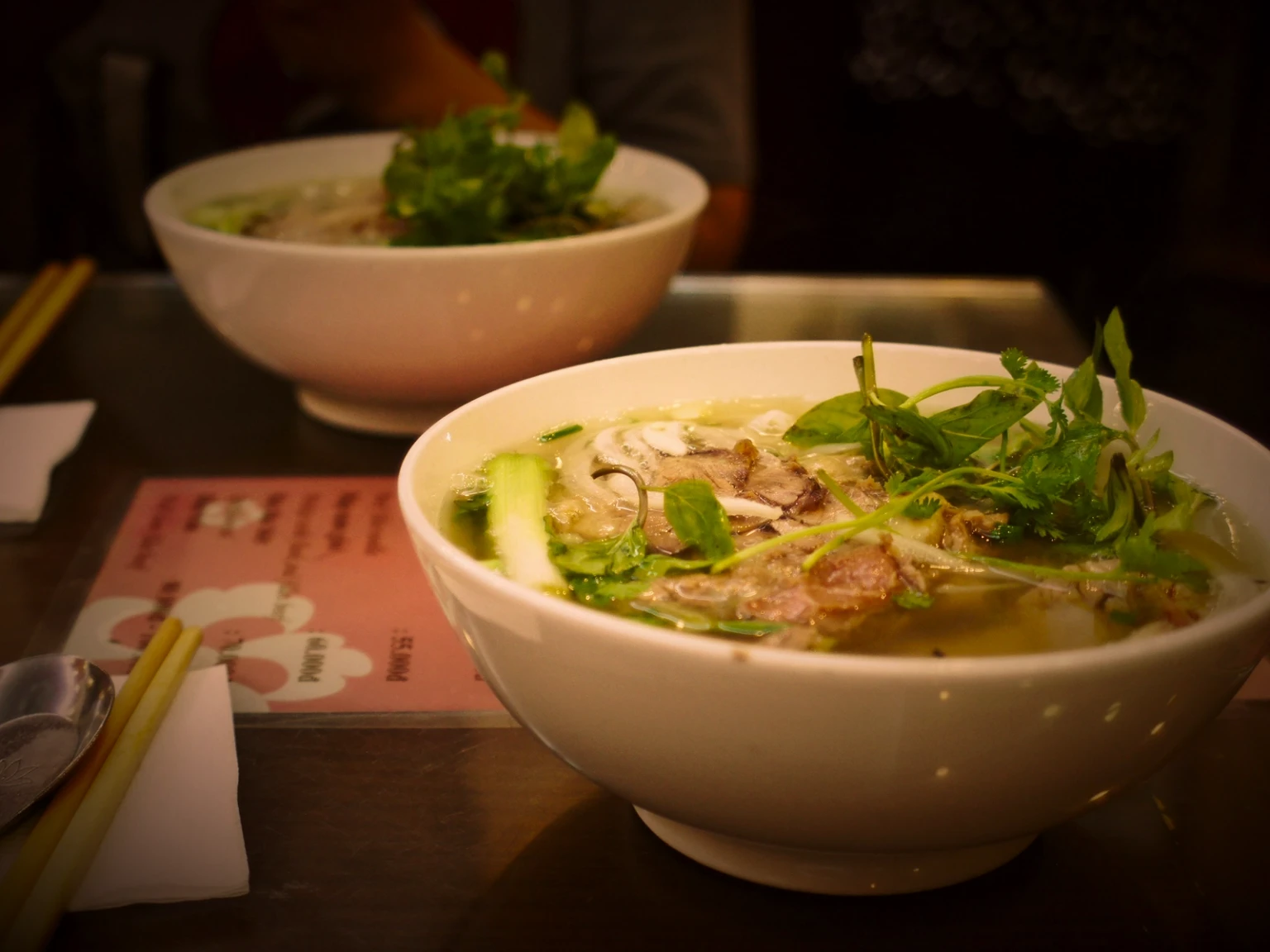
1. Pho (Beef or Chicken Noodle Soup)
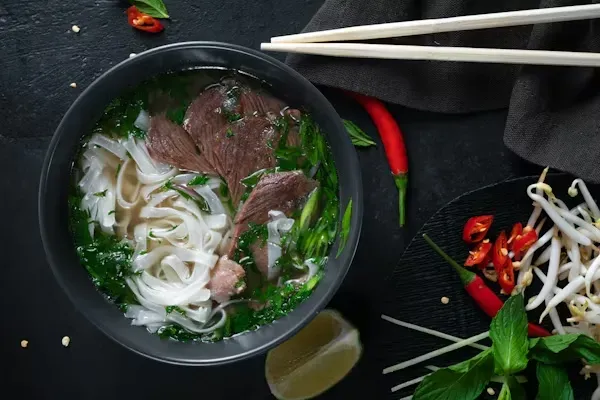
Pho is the national icon: a tasty and spicy broth with rice noodles, sliced beef (or chicken), topped with herbs. You’ll find the best street‑level pho early in the morning at stalls with a long line of locals.
- What to look for: Deep‑coloured broth, not just watery; meat clearly cooked fresh, not pre‑boiled.
- Price range: Around 30,000–60,000 VND (1.2–2.5 USD) per bowl in local joints, sometimes more in tourist areas.
- Tip: Add lime, chilli, and fresh herbs to taste, but don’t overdo the fish sauce; it changes the broth’s balance.
2. Banh Mi (Vietnamese Sandwich)
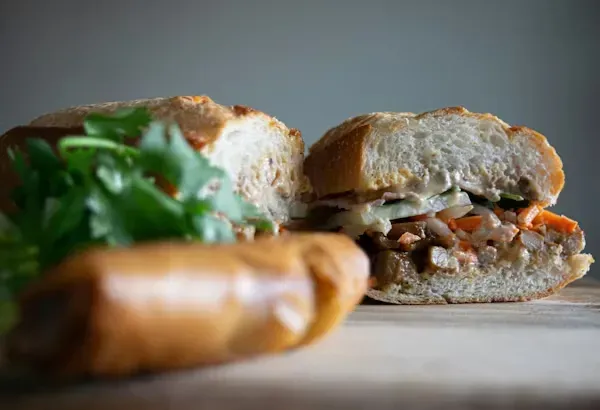
Bánh mì is indeed Vietnam’s most popular street dish: a crisp baguette filled with paté, pickled vegetables, herbs, and meat (often grilled pork, cold cuts, or egg).
- Where to eat it: City‑centre stalls, especially in Ho Chi Minh City, are famous.
- Price: Roughly 20,000–40,000 VND for a standard portion.
- Tip to Eat like Locals: Eat it quickly; the bread softens in humidity. Avoid versions where the meat looks dried out, or the bread is soggy.
3. Bún Chả (Grilled Pork with Vermicelli)
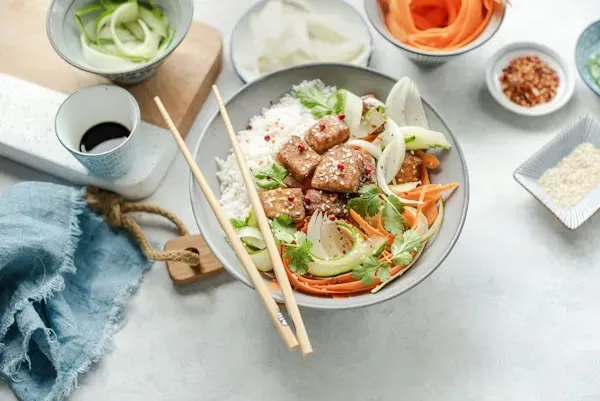
Bún chả consists of grilled pork patties and slices, served with rice vermicelli, herbs, and a sweet‑sour dipping broth. It’s especially associated with Hanoi but can be found elsewhere.
- Best time to eat: Lunch; many Hanoi stalls shut by late afternoon.
- Visual cue: Look for stalls with a small charcoal grill going and a jug of dipping broth on the table.
4. Bánh Xèo (Vietnamese Crispy Pancake)
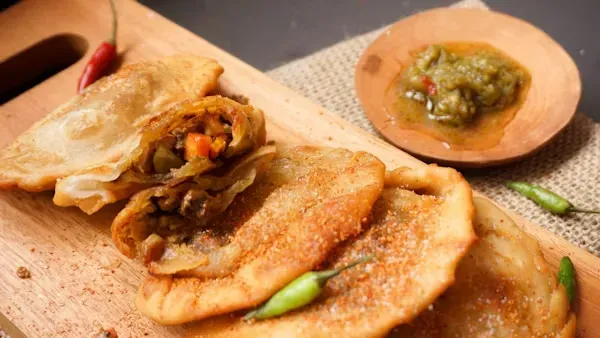
Bánh xèois a crispy, turmeric-yellow rice flour crepe filled with prawns, pork, and bean sprouts. It’s typically wrapped in lettuce with fresh herbs and dipped in a tangy sauce for added flavour.
- Where to try it: Common in central and southern Vietnam, especially in Da Nang and Ho Chi Minh City.
- Recommendation: Eat it with your hands, not chopsticks, to keep the texture intact.
5. Gỏi Cuốn (Fresh Spring Rolls)
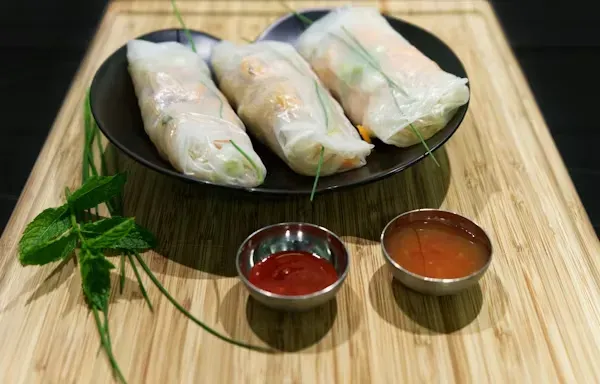
Gỏi cuốn are soft rice‑paper rolls filled with pork, shrimp, rice noodles, lettuce, and herbs, served with a peanut‑based sauce. They’re refreshing, light, and widely available.
- Best as: A snack or side, not a full meal unless paired with noodles or rice.
- Best places to enjoy gỏi cuốn in Vietnam:
- Cho Ba Chieu, 56 Bui Huu Nghia, Ward 1, Binh Thanh District, HCMC
- Cho Ben Thanh, 6 Le Loi, Ben Thanh, District 1, HCMC
- Cho Ho Thi Ky, 269 Ho Thi Ky, Ward 1, District 10, HCMC
6. Cao Lầu (Hoi An Signature Noodle Dish)
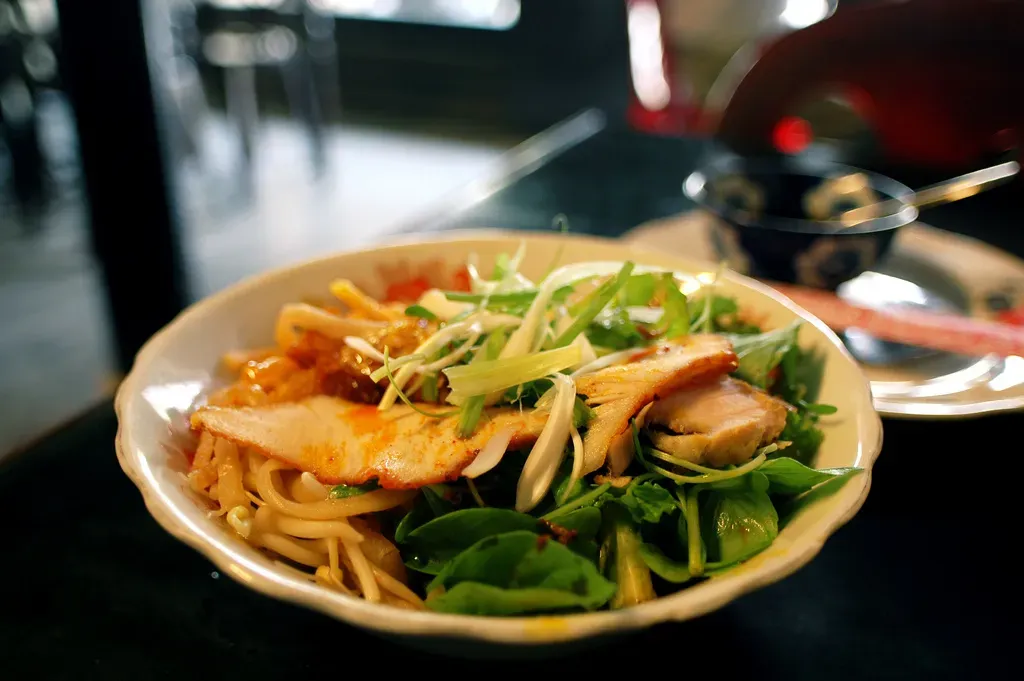
Cao lầu is a Hoi An‑only dish: thick rice noodles, pork, crispy rice crackers, and a concentrated broth made with local well water. It’s eaten quickly at small family stalls in the old town.
- Why it’s special: The noodles and water are sourced from specific local spots; you can’t truly replicate cao lầu elsewhere in Vietnam.
- Best time: Daytime, in the quieter lanes off the main tourist streets.
7. Xôi (Vietnamese sticky rice)
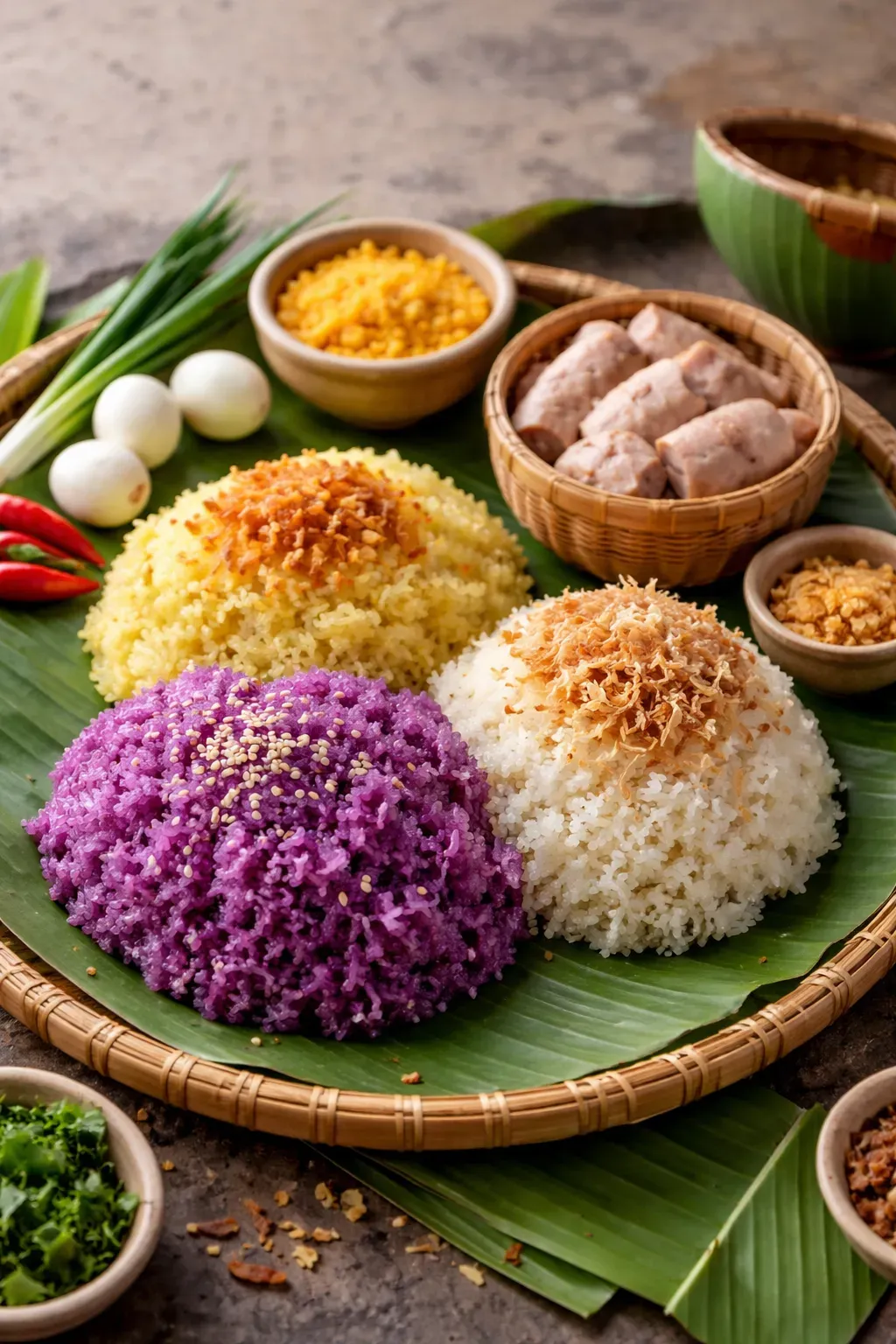
Among the many rice foods available in Vietnam, Xôi (sticky rice) stands out. It can be enjoyed in both savoury and sweet varieties. Xôi mặn, or savoury sticky rice, is a popular choice for breakfast. It’s affordable and satisfying, often enjoyed on the go.
Best places to enjoy Xôi in Vietnam:
- Xoi Binh Tien, 88 Minh Phung, Ward 5, District 6, HCMC
- Xoi Ga 310 Tan Dinh, 297 Hai Ba Trung, Ward 8, District 3, HCMC
- Xoi Ga Ba Chieu, 318/1 Bui Huu Nghia, Ward 1, Binh Thanh District, HCMC
8. Mì Quảng(Noodle Dish)
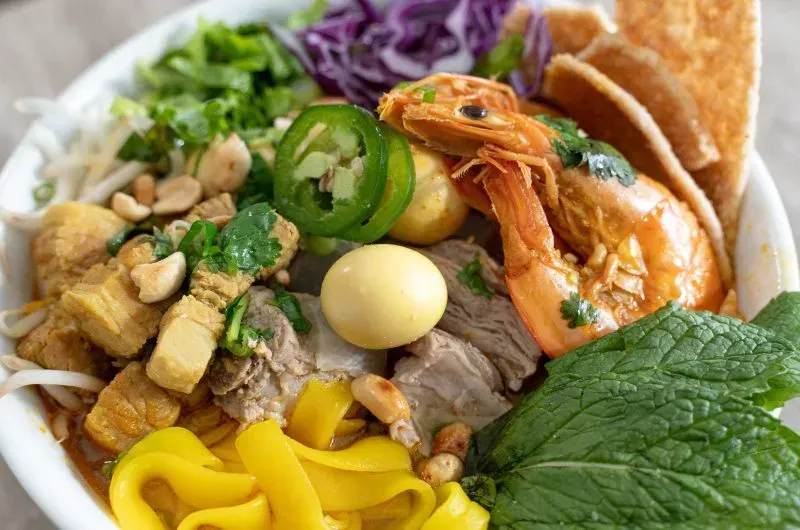
Mì Quảng, a standout dish from Central Vietnam, has turmeric-infused noodles that glow golden, served with minimal broth and protein options like chicken, shrimp, or pork. Toppings enhance the dish: banana flowers, fresh herbs, roasted peanuts, sesame rice crackers, and a hint of sliced green chilli for spice.
Best places to enjoy mì Quảng in Vietnam:
- Mi quang Ba Mua, 95A Nguyen Tri Phuong, Da Nang
- Mi Quang Bep Trang, 24 Pasteur, Hai Chau District, Da Nang
- Mi Quang Thi, 251 Hoang Dieu, Hai Chau District, Da Nang
Brush up on Vietnamese Street Food Etiquette
- Eating on the street in Vietnam is relaxed and easy, with a few simple rules. One thing you can always count on: eat first, then pay.
- You tell the person what you want, find a free table or stool, sit down, and dig in.
- Wiping your table, spoon, or chopsticks with a tissue before you start is completely normal and even smart.
When sharing food with others at the table:
- It’s fine to use your chopsticks to take a bite from the shared plate.
- Used napkins, squeezed lime pieces, and leftover herb stems usually go into the little bin or tray under the table as you eat.
- When you finish, rest your chopsticks neatly on top of your bowl.
Tip: At peak times, other diners may join you to eat at your table. In these cases, a smile is all the interaction that’s required.
Plan Your Dream Vietnam Getaway with Holiday Tribe
Vietnam's street food isn't just meals, but it's the heartbeat of the country, pulsing through every alley and market from Hanoi to Ho Chi Minh City. With fresh flavours, bustling stalls, and that welcoming "Chúc ngon miệng!", diving in promises memories as vibrant as the dishes themselves.
Ready to turn this guide into your adventure? Let Holiday Tribe curate a personalised Vietnam itinerary with TARA, our AI-powered planner that blends smart tech and expert tips for seamless street food hunts alongside Halong Bay cruises and heritage spots, because the best holidays stick with you.