

Travelling to Europe for the first time? Your first Europe holiday itinerary is not just about checking off sights. It is about choosing a country that matches the kind of holiday you want. Some people look for great food and charming streets, others want mountains and lakes, and some prefer a city that is easy to navigate and stress-free. That is why your starting point is more important than you might think. This guide lists the 10 best countries in Europe for first-time visitors, picked for how easy they are to travel in, how comfortable they are for English speakers, how easy it is to find good food, and how well they suit a first holiday. No hype or filler, just real options to help you plan better.
Why Does Picking the Right Country Matter on a First Europe Holiday?
The country you choose sets the rhythm for everything else when travelling to Europe for the first time. Pace, food, daily spend, and even how rested you feel when you fly home. Most first-timers try to pack five countries into ten days and come back exhausted, not impressed. Worth knowing in 2026: the Schengen Area's biometric Entry-Exit System (EES) is now fully live at all external borders, so the first arrival can run a bit slower than before.
What Makes a Country Easy for First-Time Visitors?
A country stands out as a great choice for first-time visitors to Europe when it makes travel easy at every stage. Here are some things to look for:
- People in tourist areas understand English
- Trains and metro systems run reliably
- City centres are easy to walk around
- It feels safe to be out at night
- Major cities offer good options for vegetarian and Indian food
- It’s easy to travel to nearby countries by train or a short flight
Which Are the 10 Best Countries in Europe for First-Time Visitors?
These countries are ranked by how easy they make a first holiday, not just by how famous they are.
1. France: Landmarks, Food and a Classic First Taste
 Landmarks, Food and a Classic First Taste
Paris is one of the best countries in Europe for first-time visitors. You can see the Eiffel Tower, the Louvre, walk along the Seine, and spend half a day at Versailles without much planning. The Metro is simple to use, and you can get by with English in most tourist areas. The food is a highlight on its own. Try to avoid August, since it gets hot and many places close. May and September are good months because the weather is pleasant and there are fewer crowds.
- Best time to visit: May to June or September to October
- Ideal duration: 5 to 7 nights
- First-timer tip: Book your Eiffel Tower and Louvre tickets online ahead of time. If you wait to buy them in person, you could spend hours in line.
2. Italy History, Walkability and Food Everywhere
 History, Walkability and Food Everywhere
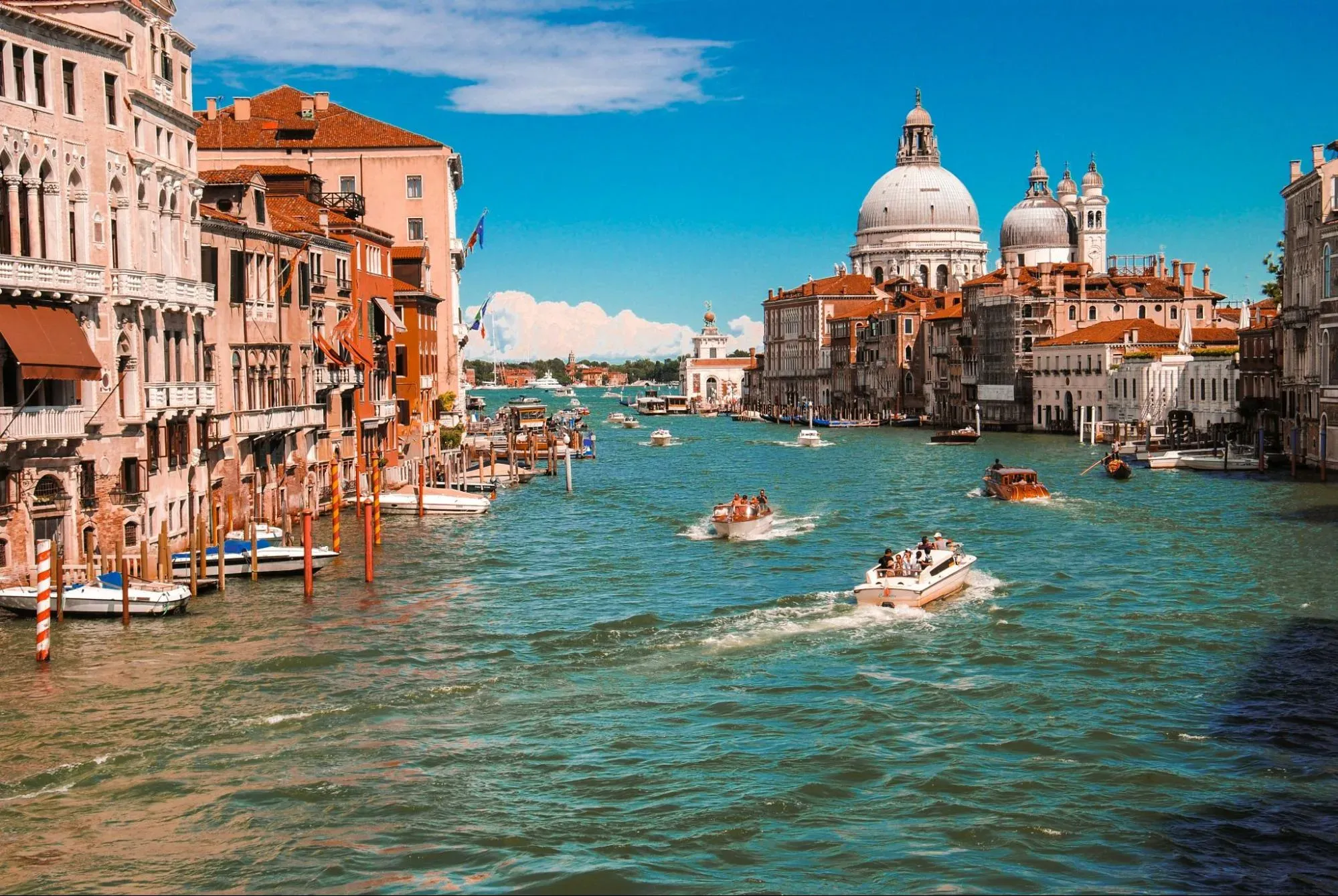
Rome, Florence, and Venice are a choice for people looking for the best countries in Europe for first-time visitors, and you can travel between cities by high-speed train in roughly 1.5 to 2 hours. It’s easy to get around on foot, there are lots of vegetarian choices, and you’ll find history everywhere. Venice is nicest early in the morning before the crowds arrive, while Rome comes alive after sunset. A week here is busy but not too much.
- Best time to visit: April to June, late September to October
- Ideal duration: 7 to 9 nights for the Rome, Florence and Venice loop
- First-timer tip: Hit Venice early in the morning; the cruise crowd arrives by 10am
3. Switzerland
 Mountains, Lakes and Seamless Travel
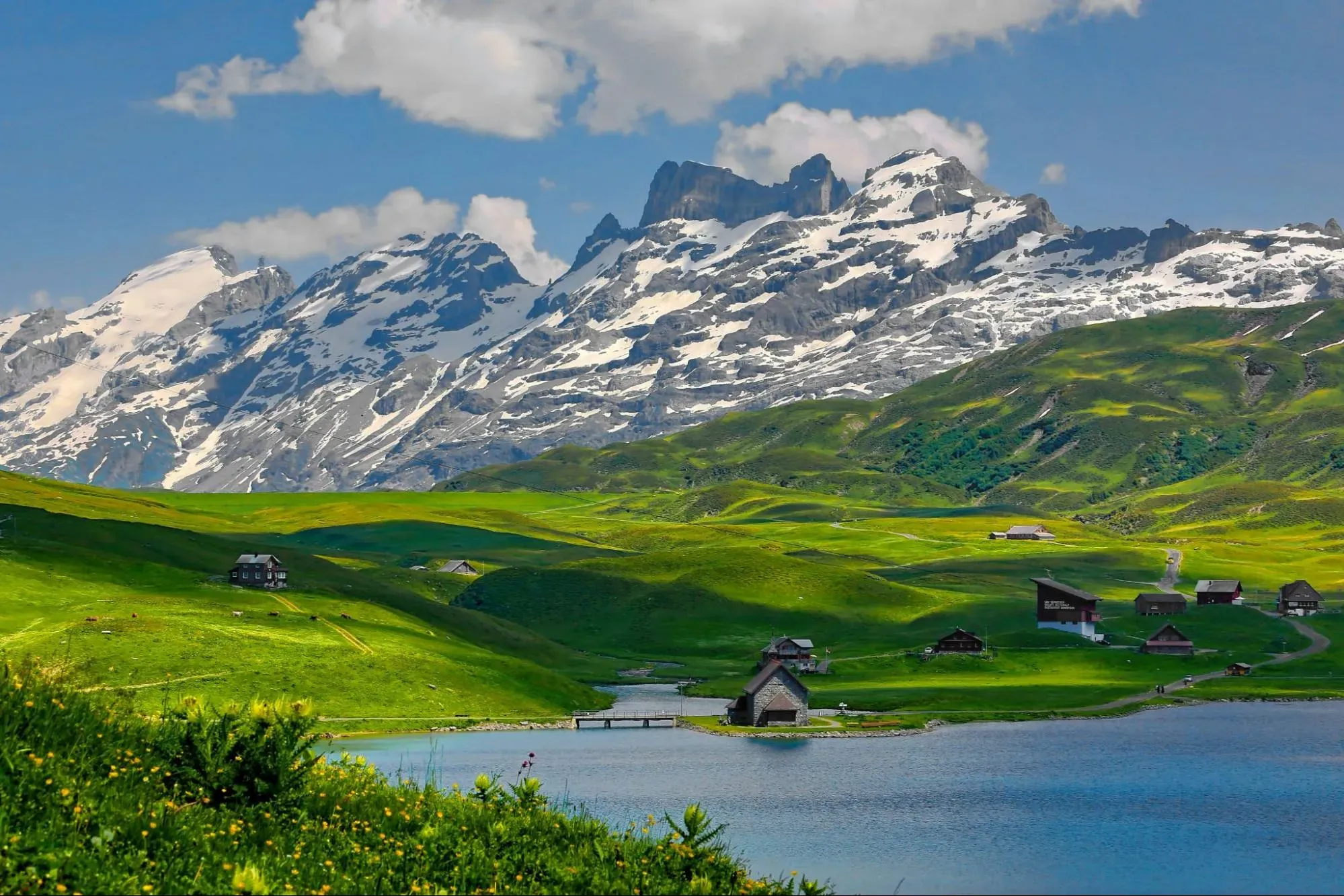
If you do not want to worry about logistics while travelling to Europe for the first time, then Switzerland is the place. Trains are always on time, signs are easy to follow, and the views are stunning. Lucerne, Interlaken, and Zermatt offer lakes, mountains, and the Matterhorn. The Glacier Express and Bernina Express are worth the ticket price. While daily costs are higher than in most of Europe, the reliability makes planning simple.
- Best time to visit: May to September for greenery, December to February for snow
- Ideal duration: 4 to 6 nights
- First-timer tip: A Swiss Travel Pass covers most trains, boats and city transport
4. Spain
 Warmth, Variety and Easy Social Energy
Spain is perfect if you enjoy late nights and lively streets. Head to Barcelona for Gaudi’s architecture and the beach, Madrid for art and tapas, and Seville for relaxed evenings and flamenco. People here eat dinner late, usually around 9pm. The best weather is in April, May, or October. Outside the main cities, English isn’t as common, but gestures and smiles go a long way.
- Best time to visit: April to May, September to October
- Ideal duration: 6 to 8 nights
- First-timer tip: Plan an evening snack at 6pm; locals eat dinner closer to 9pm.
5. Austria
 Classical Charm and Clean City Travel
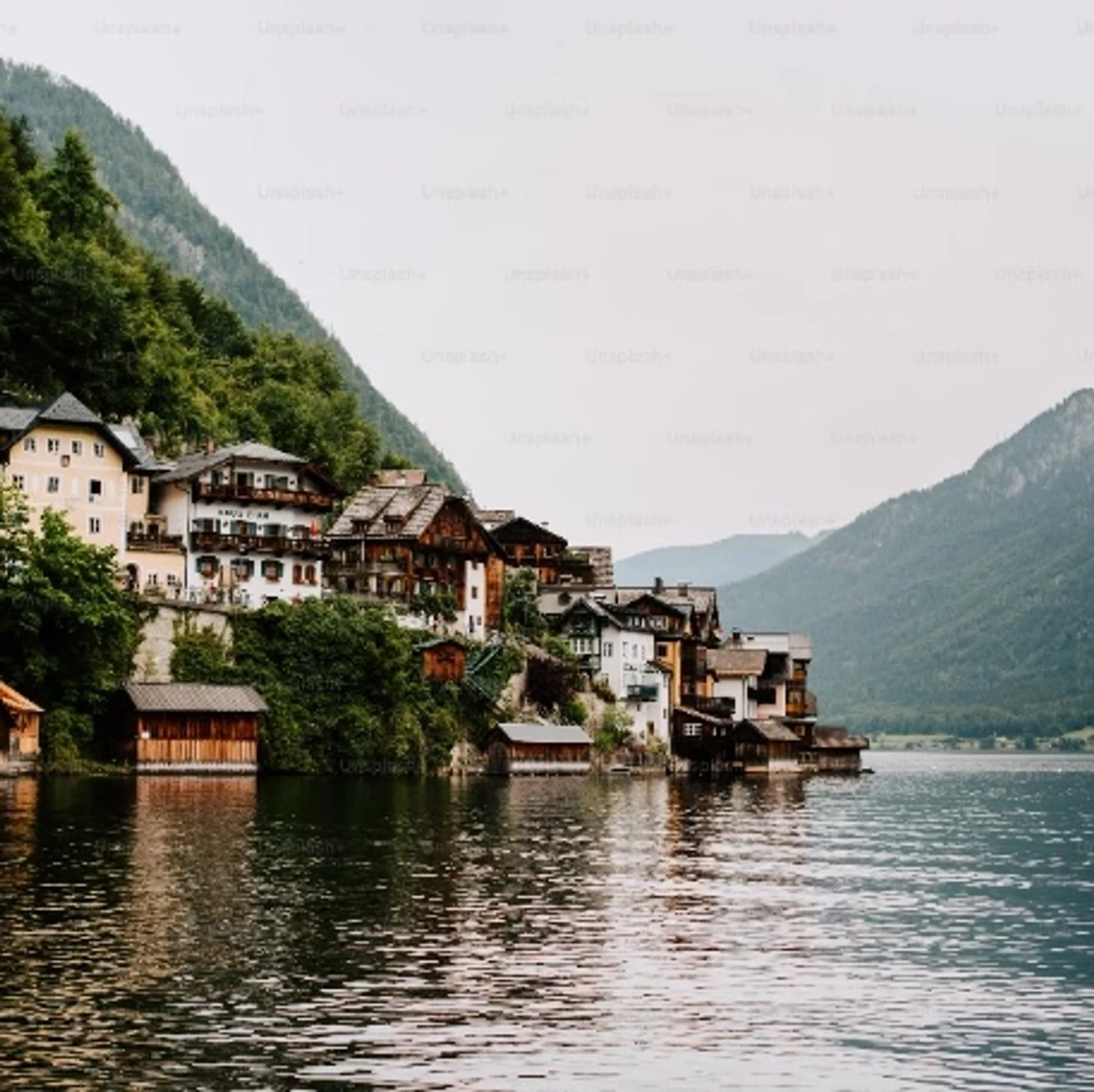
Vienna offers a classic European experience without the crowds. Enjoy coffee houses, grand palaces, and opera if you like. Salzburg brings a Sound of Music vibe and has an old town you can explore in a day. Hallstatt is a great day trip for beautiful lake and mountain views. Public transport is clean, fast, and more affordable than in Switzerland.
- Best time to visit: May to September, plus December for Christmas markets
- Ideal duration: 4 to 5 nights
- First-timer tip: Pair Vienna with Salzburg by train, and do not skip Hallstatt as a day trip
6. The Netherlands
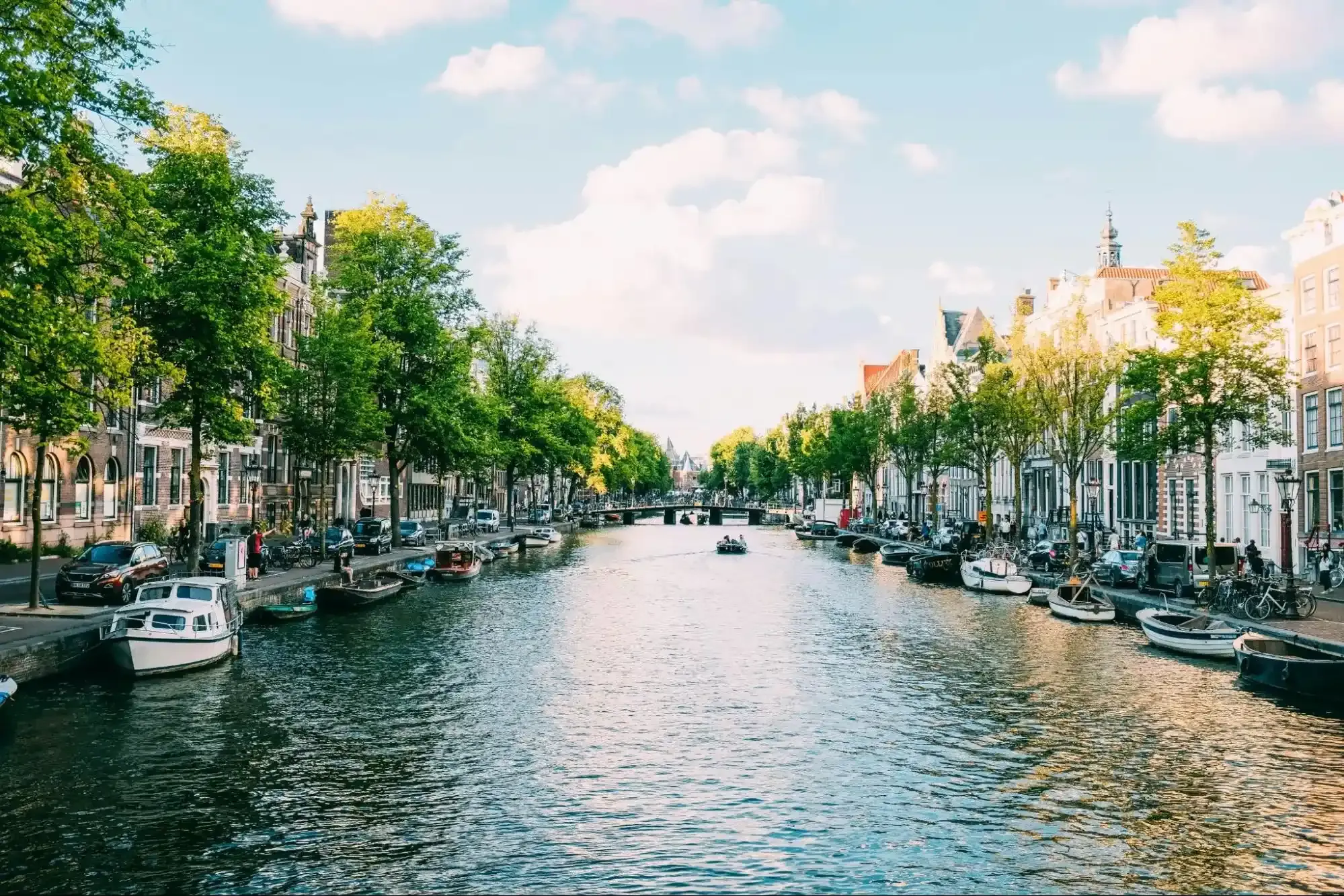 Compact, English-Friendly First City
Amsterdam packs the best of the Netherlands into one city. You’ll find canals, bikes, the Rijksmuseum, and easy day trips to Haarlem or Delft. Most people speak excellent English. If you visit in April, you can catch the tulip season at Keukenhof. Three or four nights is enough to enjoy the city, or you can combine your holiday with Belgium or Germany. It is a perfect destination to add to your first Europe holiday itinerary.
- Best time to visit: April to May for tulips, September to October for mild weather
- Ideal duration: 3 to 4 nights
- First-timer tip: Book the Anne Frank House weeks ahead, slots sell out fast
7. Germany
 Efficient Travel and Variety Beyond Berlin
In Germany, you can easily change up your travel pace. Visit Berlin for its rich history and modern art, or head to Munich for lively beer halls and easy access to the Alps. The ICE trains make getting around quick and simple. If you visit in December, the Christmas markets are a great reason to come. Plan to stay at least four nights, so travelling between cities feels worth it.
- Best time to visit: May to September, plus December for Christmas markets
- Ideal duration: 5 to 7 nights
- First-timer tip: Munich works better than Berlin if you want Alpine access on the same holiday
8. Greece
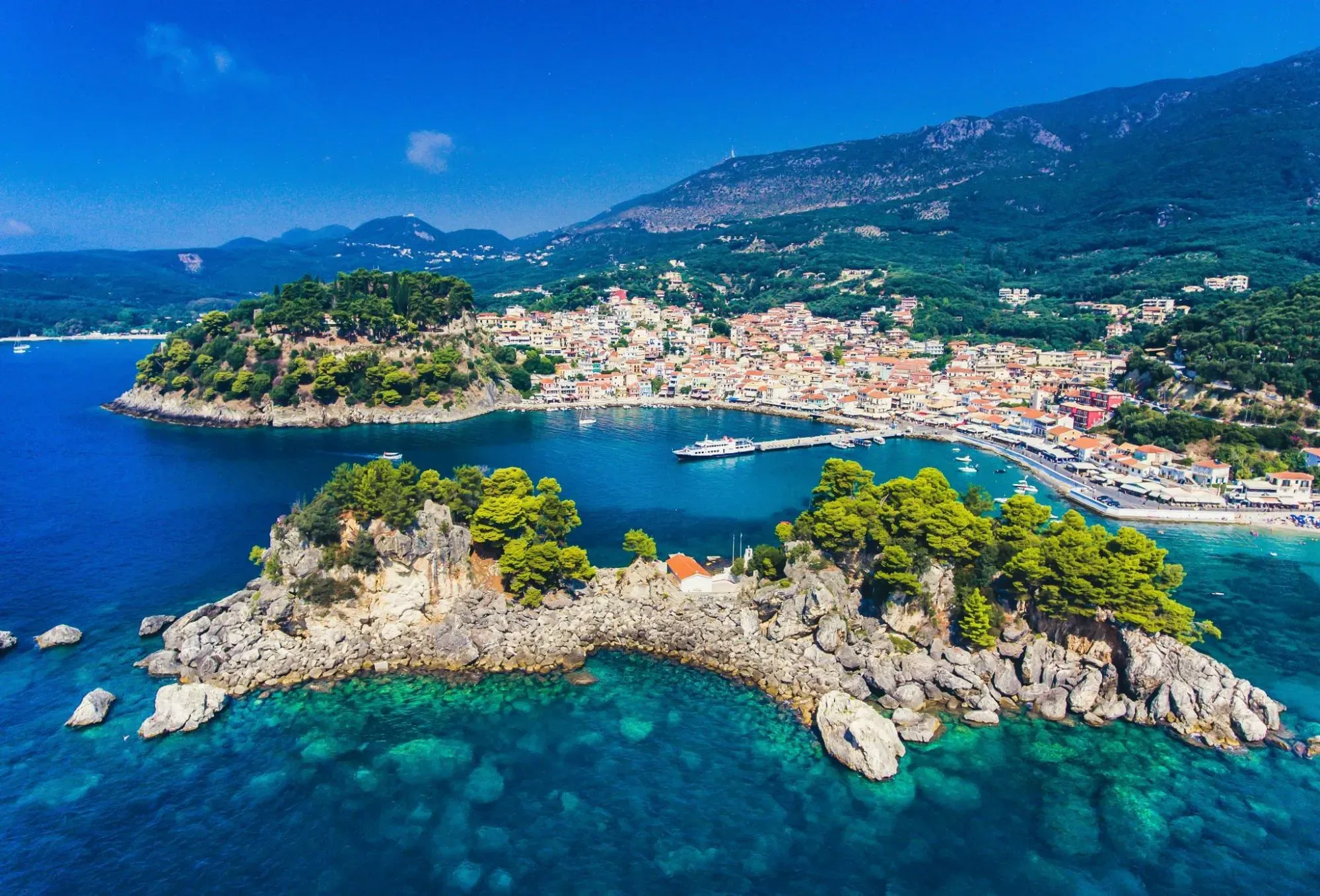 Islands, Ruins and a Slower Holiday Pace
You’ll enjoy Greece more if you don’t try to see everything. Spend two nights in Athens to visit the Acropolis, then pick an island to relax. Go to Santorini for its famous sunsets, or try Naxos or Paros for quieter beaches and great food. Ferries link the islands, so you won’t need to fly within the country.
- Best time to visit: May, June, September for fewer crowds and better prices
- Ideal duration: 6 to 8 nights, including one island
- First-timer tip: Book island ferries early; peak routes fill up by July
9. Portugal
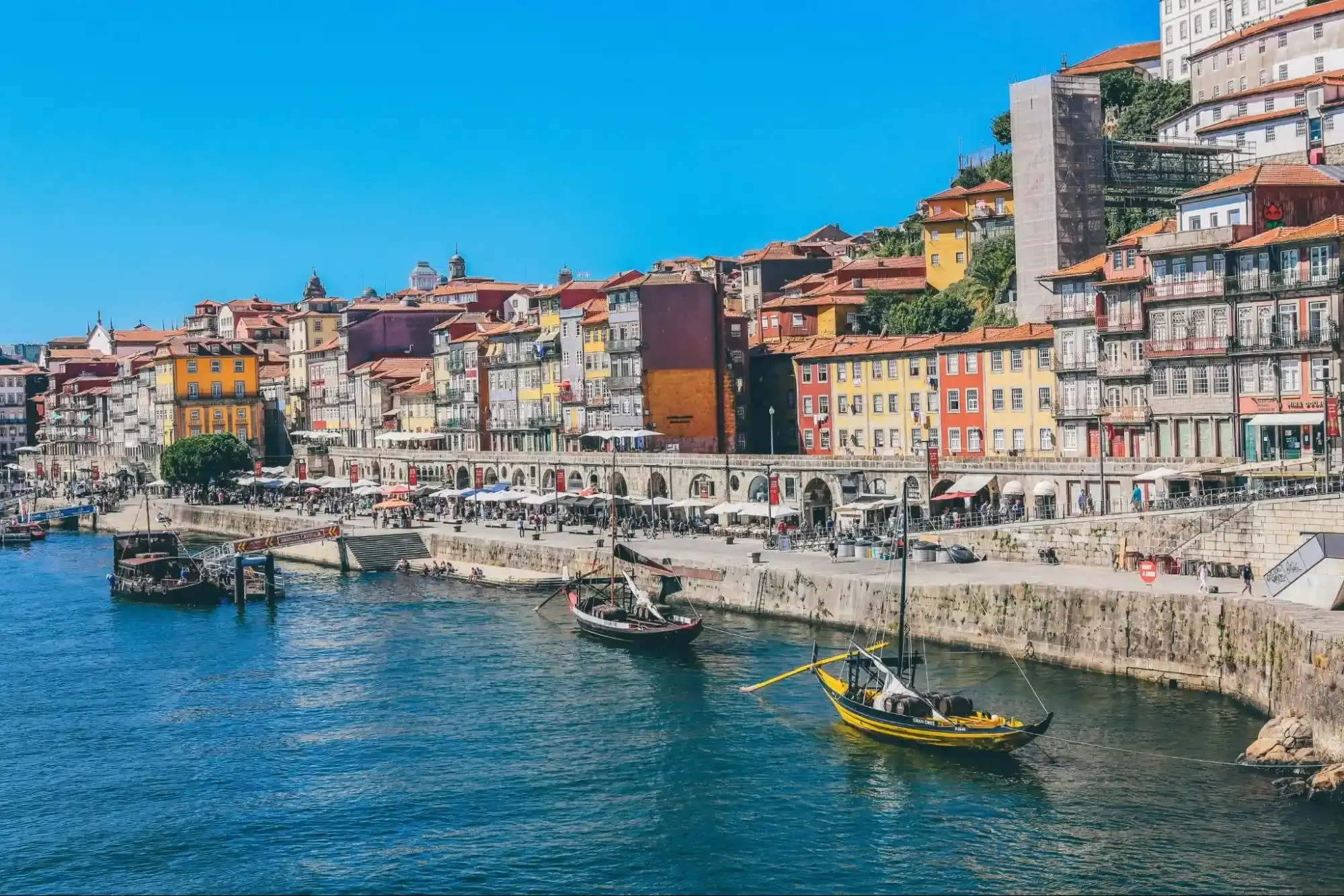 Coastline, Value and Unrushed Vibe
Portugal lets you enjoy western Europe at a slower pace. Spend three days exploring Lisbon’s hills, yellow trams, and pastel buildings. Porto offers wine cellars and a different atmosphere. If you want some time at the beach, head to the Algarve coast. Costs are usually lower than in France or Spain, making it to the list of the best countries in Europe for first-time visitors.
- Best time to visit: March to May, September to October
- Ideal duration: 5 to 7 nights
- First-timer tip: Lisbon and Porto each need their own days; do not try to combine in a rush
10. Czech Republic
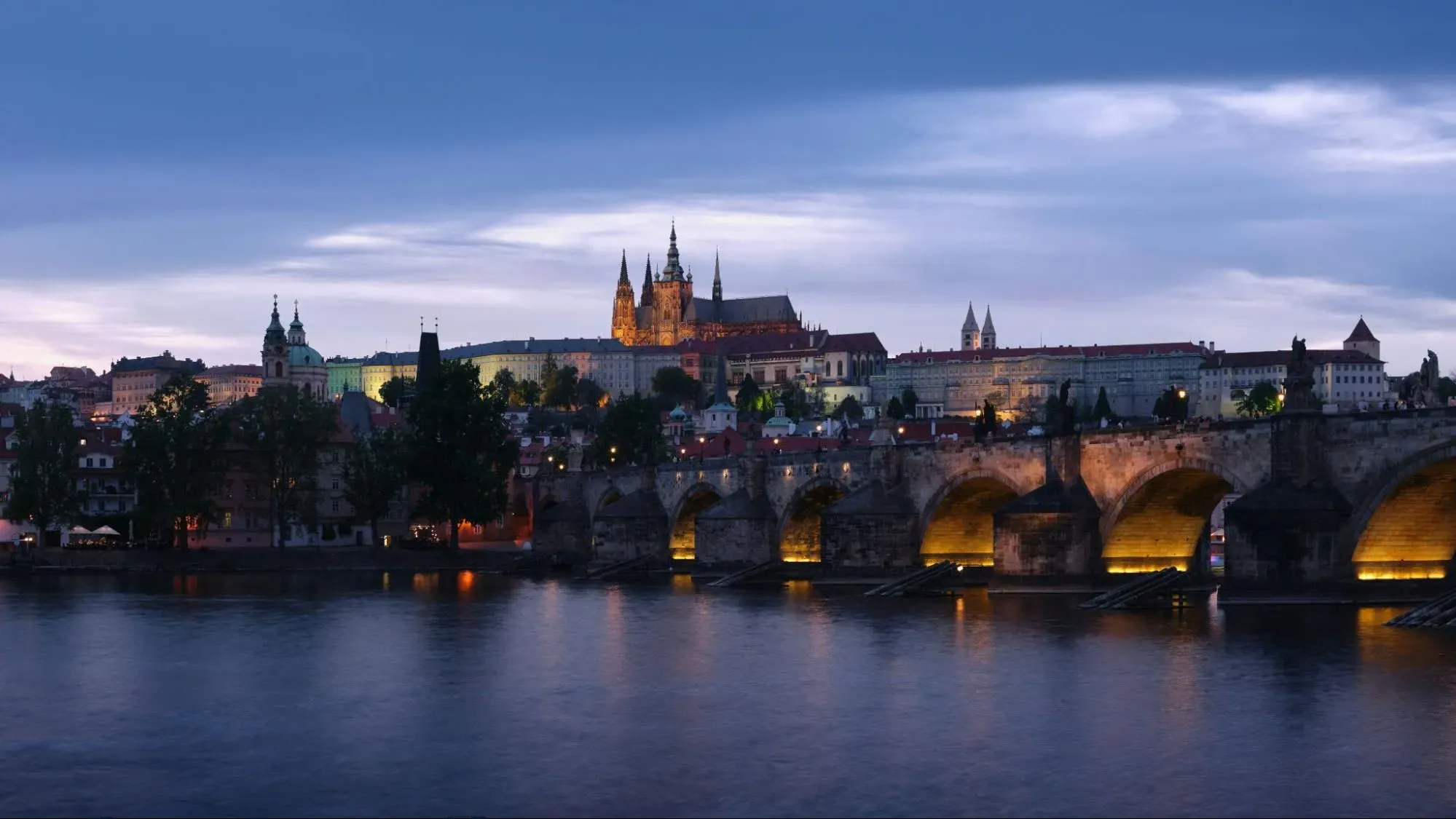 Fairytale Streets and Easy Central Europe Base
You can easily walk across Prague without needing a map. The Old Town Square, Charles Bridge, and Prague Castle are all close together. If you have a spare day, consider a trip to Cesky Krumlov, the journey is 2.5 to 3 hours each way so plan a full day out. Prices are lower than in Western Europe, so Prague is a great starting point for a multi-country holiday.
- Best time to visit: April to June, September, plus December for snow and markets
- Ideal duration: 3 to 4 nights
- First-timer tip: Prague trams and metros are reliable, no need for taxis inside the city
How Do the 10 Countries Compare on Nature, Food, Safety, Infrastructure and Cost?
Quick reference: ratings out of 5, and approximate daily cost per person for a mid-range traveller (3-star hotel, meals, local transport and sightseeing)
Country | Nature | Food | Safety | Infrastructure | Daily Cost (Per Person) |
France | 4 | 5 | 4 | 5 | ₹9,000 to ₹14,000 |
Italy | 4 | 5 | 4 | 4 | ₹8,000 to ₹13,000 |
Switzerland | 5 | 3.5 | 5 | 5 | ₹14,000 to ₹20,000 |
Spain | 4 | 4.5 | 4 | 4.5 | ₹6,500 to ₹11,000 |
Austria | 4.5 | 4 | 5 | 5 | ₹7,000 to ₹12,000 |
The Netherlands | 3 | 3.5 | 4.5 | 5 | ₹8,000 to ₹13,000 |
Germany | 4 | 3.5 | 4.5 | 5 | ₹6,500 to ₹11,000 |
Greece | 5 | 4.5 | 4.5 | 3.5 | ₹6,500 to ₹11,000 |
Portugal | 4.5 | 4 | 4.5 | 4 | ₹5,500 to ₹9,500 |
Czech Republic | 3.5 | 3.5 | 4.5 | 4.5 | ₹5,000 to ₹9,000 |
Worth knowing: Safety scores assume normal urban awareness against pickpockets, especially in Paris, Rome and Barcelona. Food ratings factor in vegetarian and Indian food access in main cities, not just local cuisine quality. Daily cost ranges shift with season, hotel category and how many sit-down meals you plan, treat them as a planning baseline rather than a fixed figure.
What Are the Europe Entry Rules for Indian Travellers in 2026?
Indian passport holders still need a Schengen visa. The new ETIAS system is only for travellers from visa-exempt countries, so it does not apply to Indians. Here is a checklist to help you prepare:
- Apply through VFS for the country where you plan to spend the most nights.
- Visa processing usually takes calendar days but may extend up to 45 days, so it is best to apply 6 to 8 weeks before your holiday.
- Your passport should be valid for at least 3 months after your planned return date.
- You must have travel insurance that covers at least €30,000 in medical expenses.
- Since April 2026, EES biometric entry has been in place across the Schengen Area. When you arrive for the first time, you will have a quick fingerprint and face scan.
- The 90/180 rule applies, which means you can stay in the Schengen Area for up to 90 days within any 180-day period.
- The UK is a separate system; Indians need a full UK Visitor Visa. The new UK ETA does not apply to us.
Final Verdict
If you’re visiting Europe for the first time, choose countries that fit your travel style instead of just picking places with the most sights. Go through the list of best countries in Europe for first-time visitors, choose one main country and add others if you have extra days. Make sure you have time to relax and enjoy yourself. Holiday Tribe can help you plan a custom Europe holiday with hotels, transfers, and experiences included, while letting you keep your flight options open. When you’re ready to start planning, reach out to a holiday advisor at holidaytribe.ai.