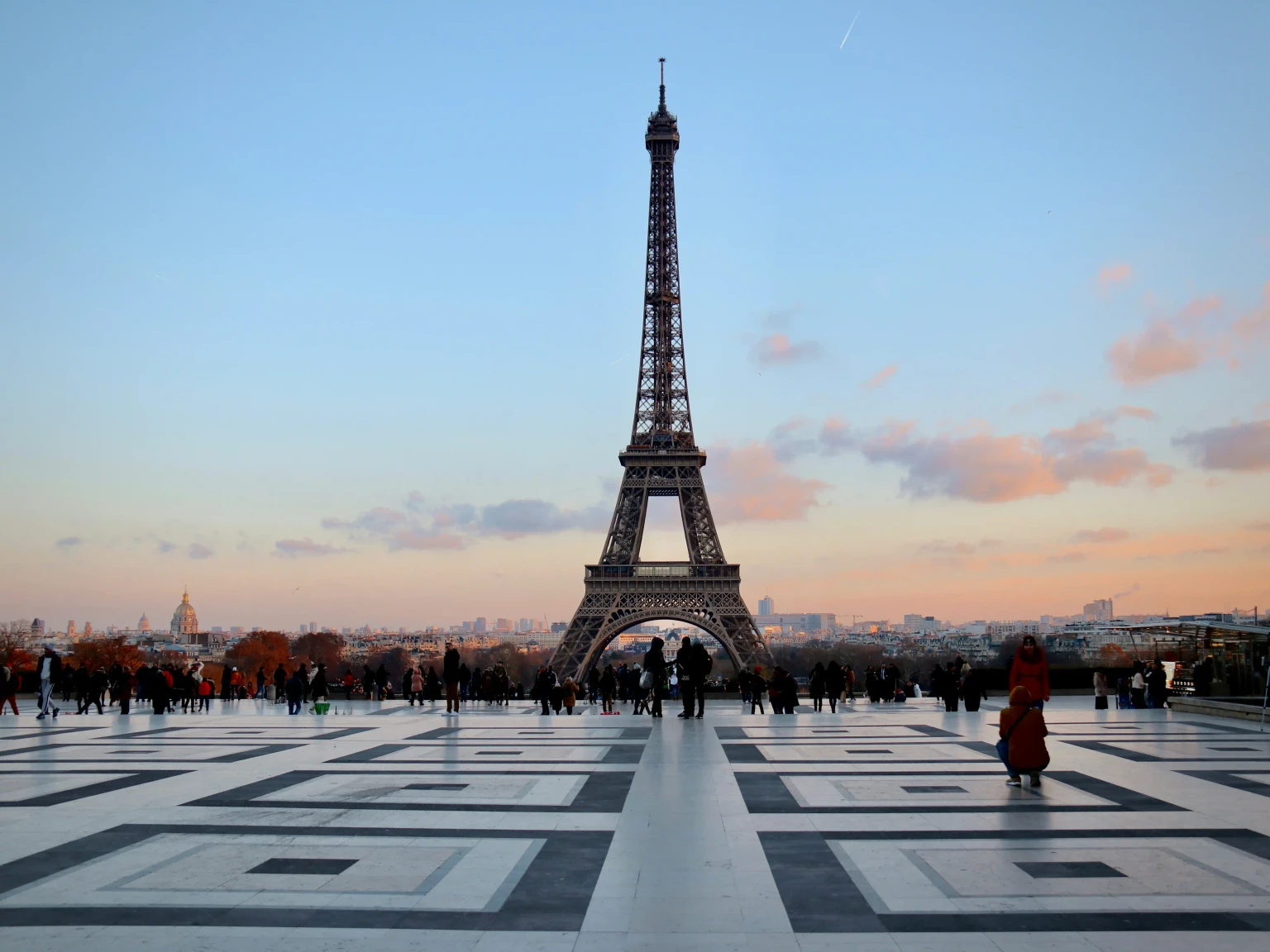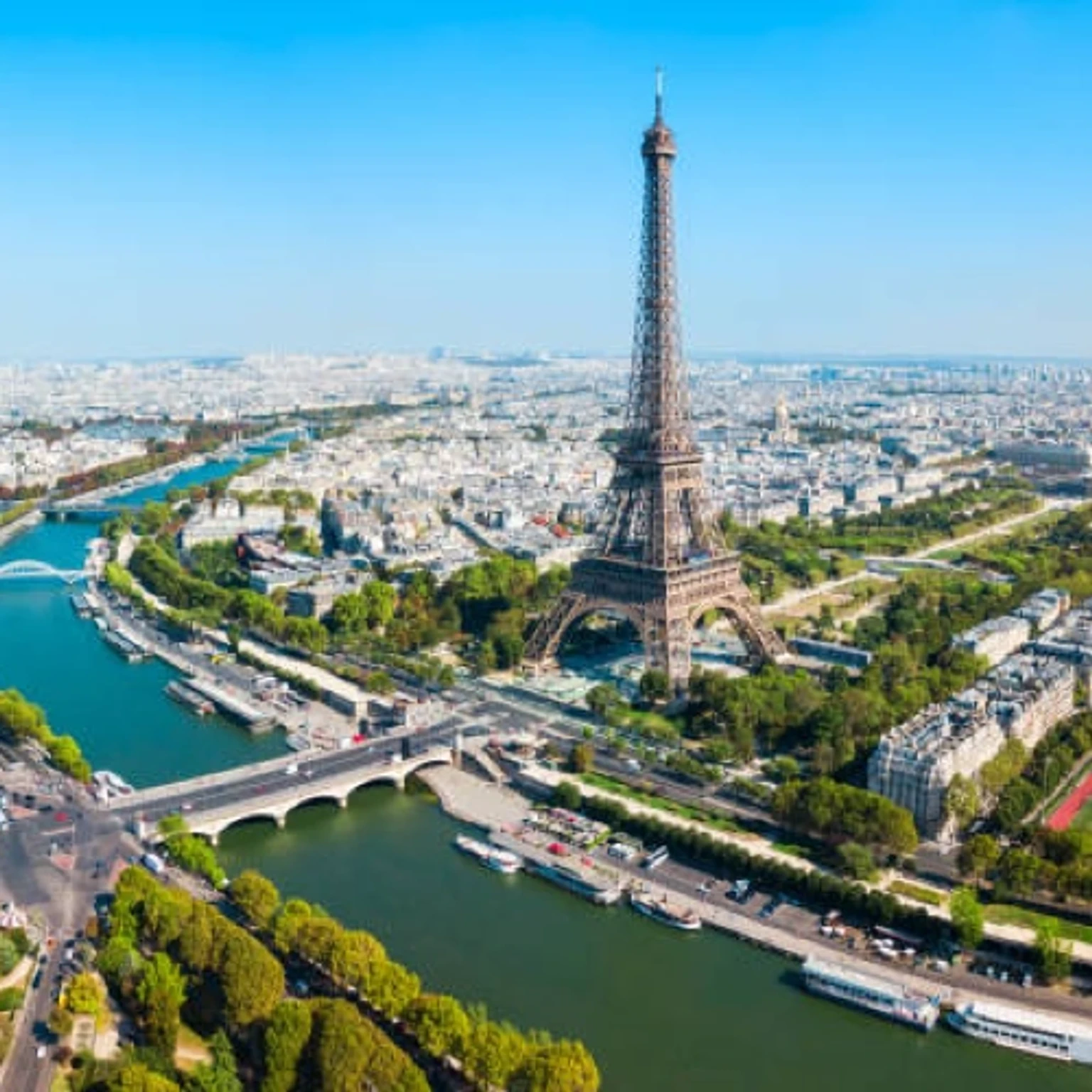


France offers a wonderful variety of landscapes and experiences, from the lively streets of Paris and peaceful villages to the Loire Valley’s castles, the Alps, Provence’s lavender fields, and the sunny French Riviera. Each region has its own climate, so your holiday can feel very different depending on the season. Picking the best time to visit France is an important step in planning your holiday. The right dates depend on where you want to go and what you want to do.
This guide covers France season by season, including Paris, the south of France, and regional weather, to help you choose the right time for your holiday.
What Makes France's Best Time to Visit Different by Season?
For most first-time visitors, France’s best time to visit is late April to mid-June or September to October. Both are shoulder seasons with pleasant weather, manageable crowds, and easier restaurant reservations.
The best time of year to visit France depends on your travel style. Summer brings energy but requires advance planning. Winter is quiet and atmospheric. Here is an overview before the details.
Season | Months | Temp Range | Crowds | Best For |
Spring | March to May | 10-20°C | Low to moderate | Sightseeing, gardens, Paris |
Summer | June to August | 20-32°C | High | Beaches, lavender, festivals |
Autumn | September to October | 13-21°C | Low to moderate | Wine harvest, foliage, calm |
Winter | November to February | 3-10°C | Low (exc. Christmas) | Skiing, markets, museums |
Spring: Gardens, Villages and Fresh Colours
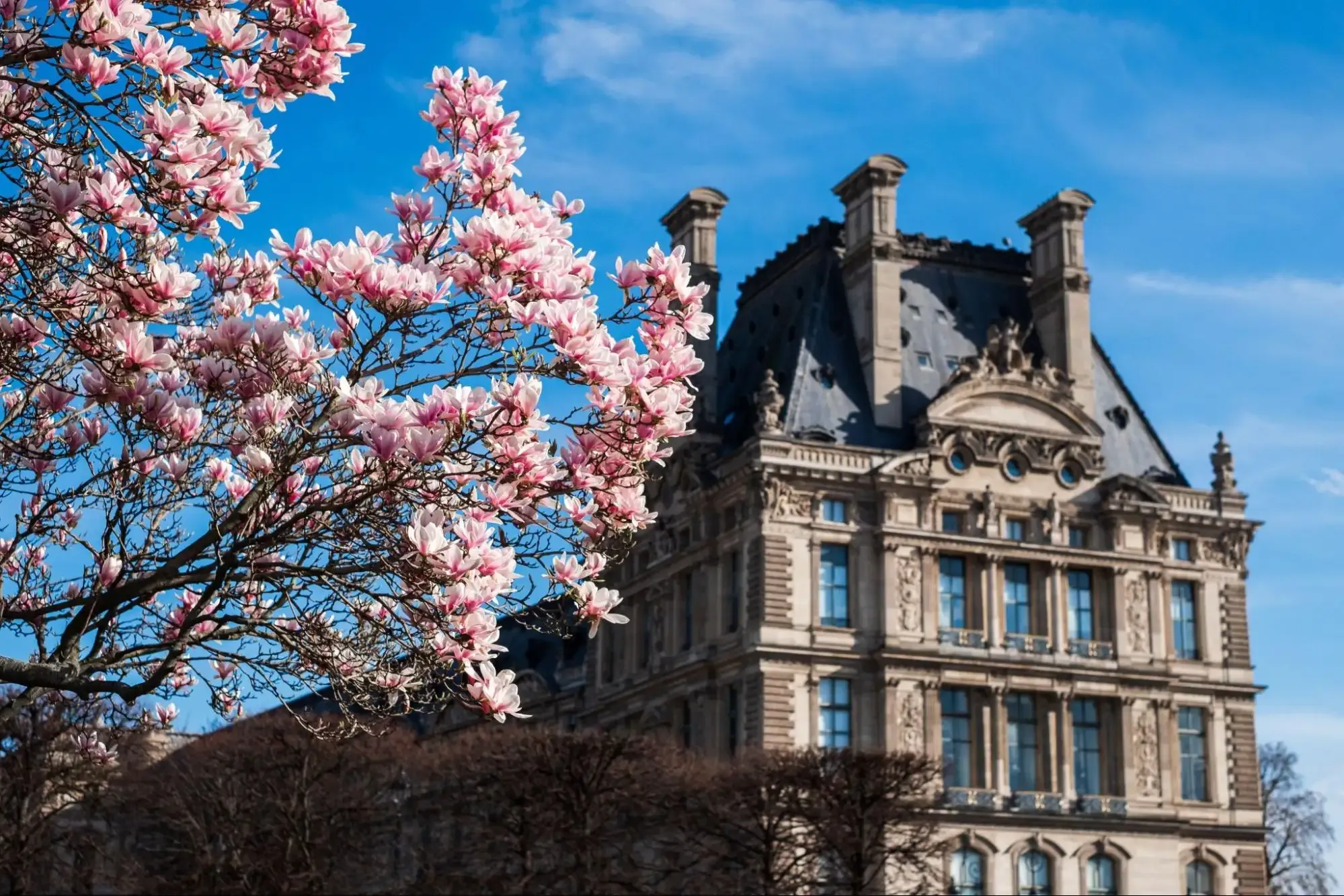
- Best overall window for Paris sightseeing, temperatures reach 15-20°C by May with manageable queues
- Gardens across the Loire Valley are in full flower; Château de Villandry's kitchen garden is worth the detour alone
- The Cannes Film Festival takes place in May, bringing energy to the French Riviera
- One of the best times of year to visit France if you want the countryside alive without peak summer heat
- Carry a light waterproof layer as spring showers (giboulées) arrive without warning, especially in April.
Summer: Lavender, Coastlines and Long Evenings
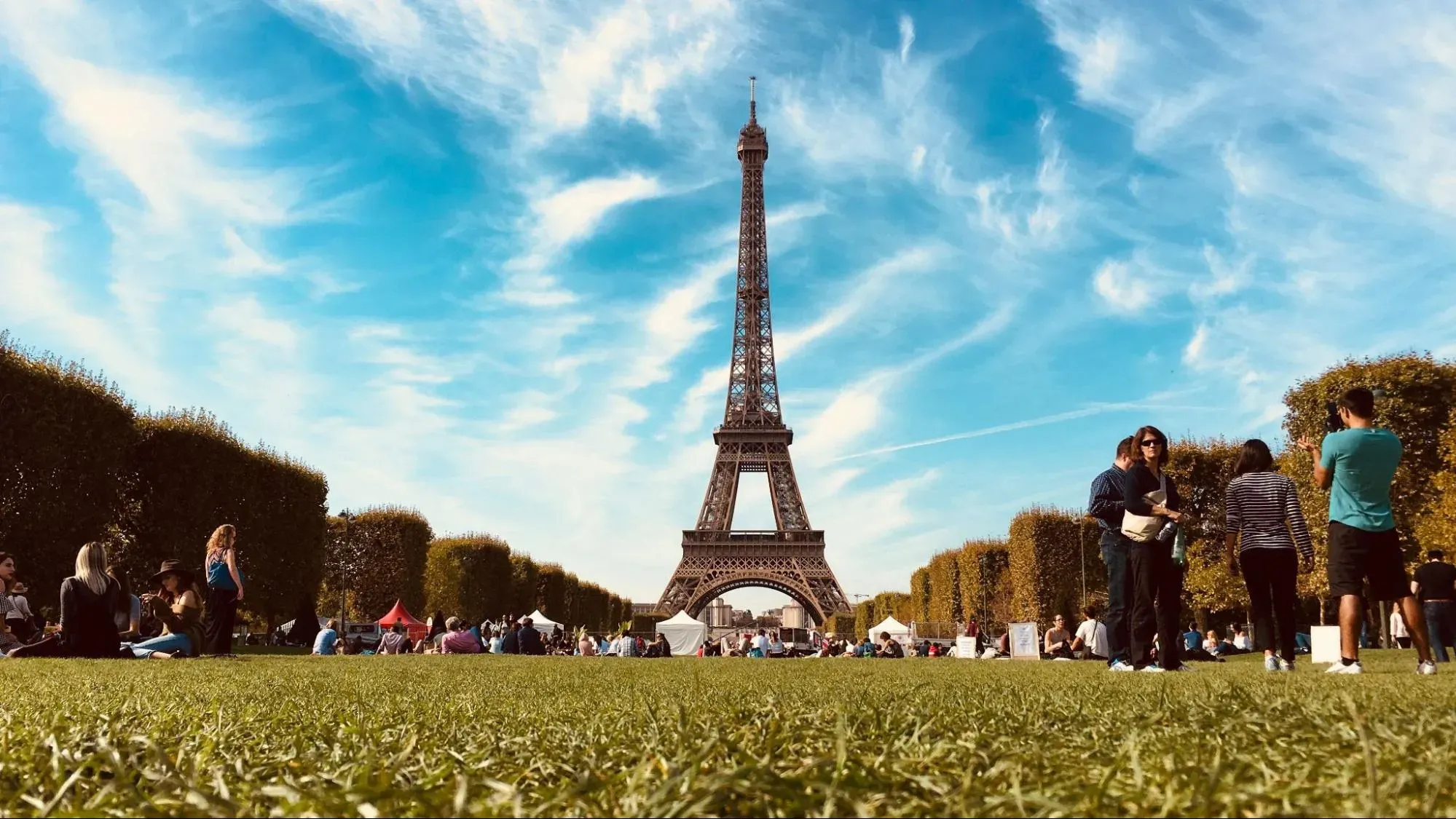
- June is the sweet spot: long daylight hours (light until 10 PM), Paris averages 20-25°C, schools still in session
- Nuit Blanche (6-7 June 2026): Galleries, museums, and public spaces open free until dawn, Paris's most atmospheric contemporary art night.
- Fête de la Musique on June 21 fills every street corner in France with free live music
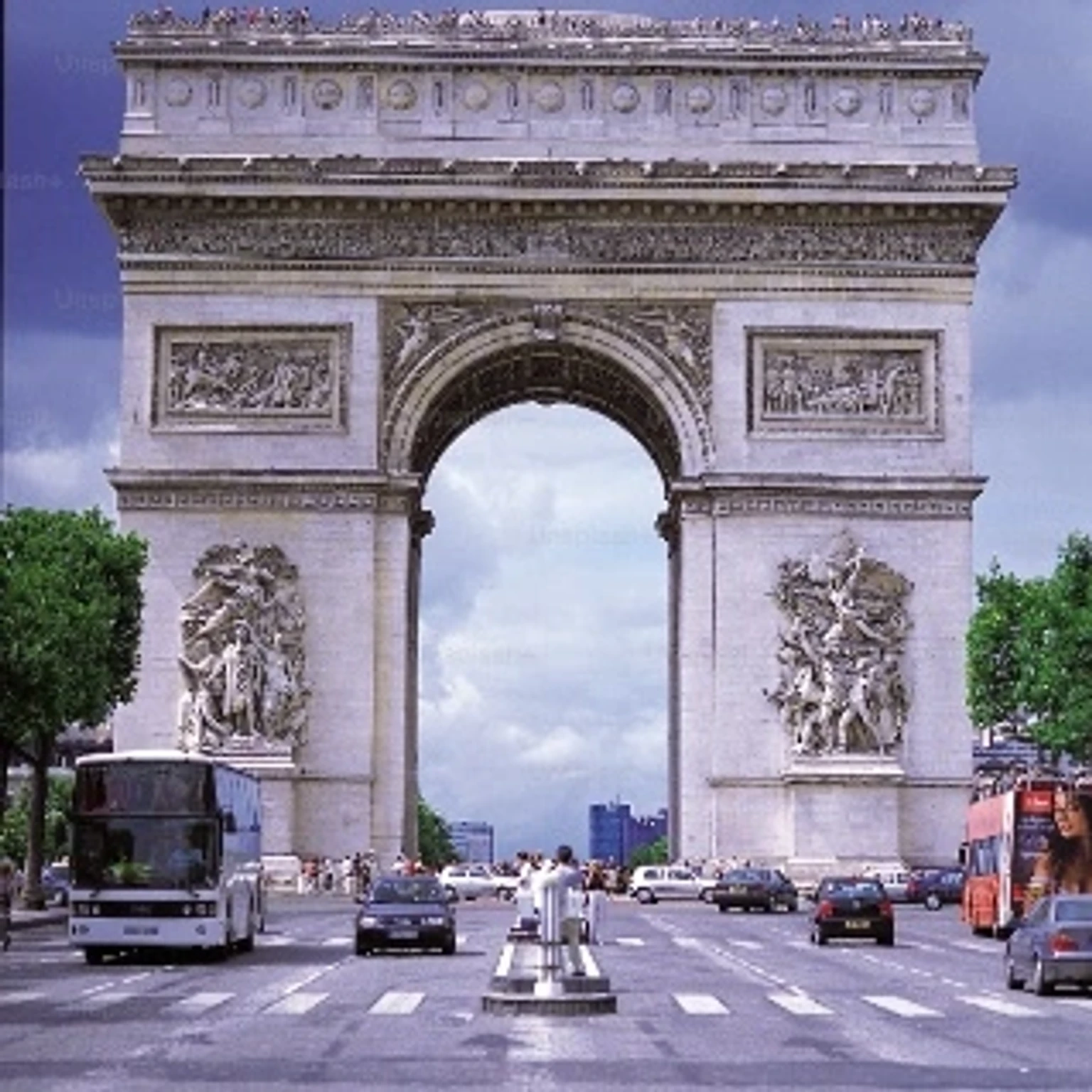
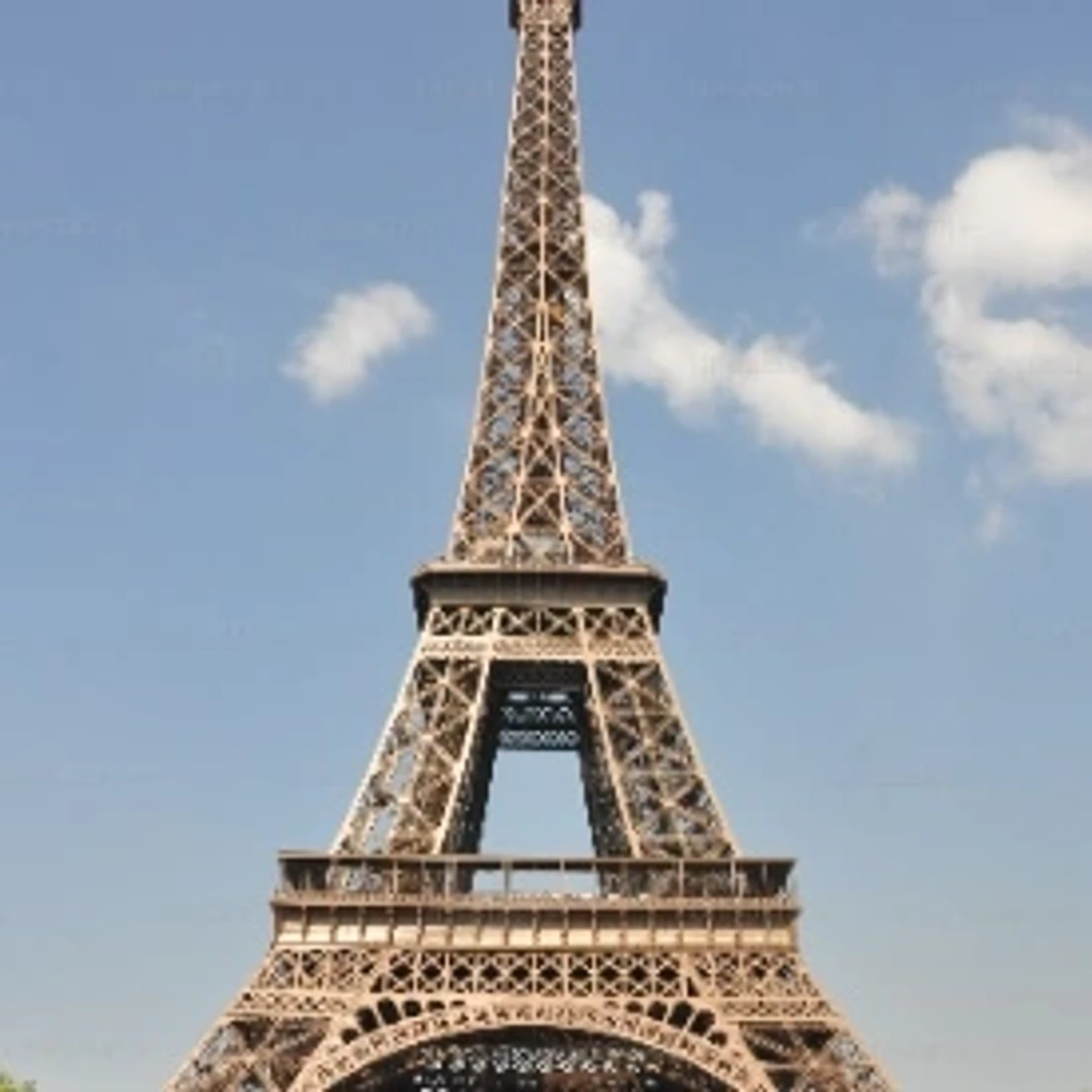
- Bastille Day (July 14) brings fireworks over the Eiffel Tower and military parades on the Champs-Élysées
- Lavender in Provence peaks in early to mid-July; lower altitude fields like Valensole bloom first, higher areas like Sault peak later
- If you consider the best time to visit France weather-wise, June beats August: it is cooler, less crowded, and many local restaurants remain open.
- Book TGV tickets and major museum passes 90 to 120 days in advance for July and August.
Autumn: Vineyards, Foliage and Softer Days
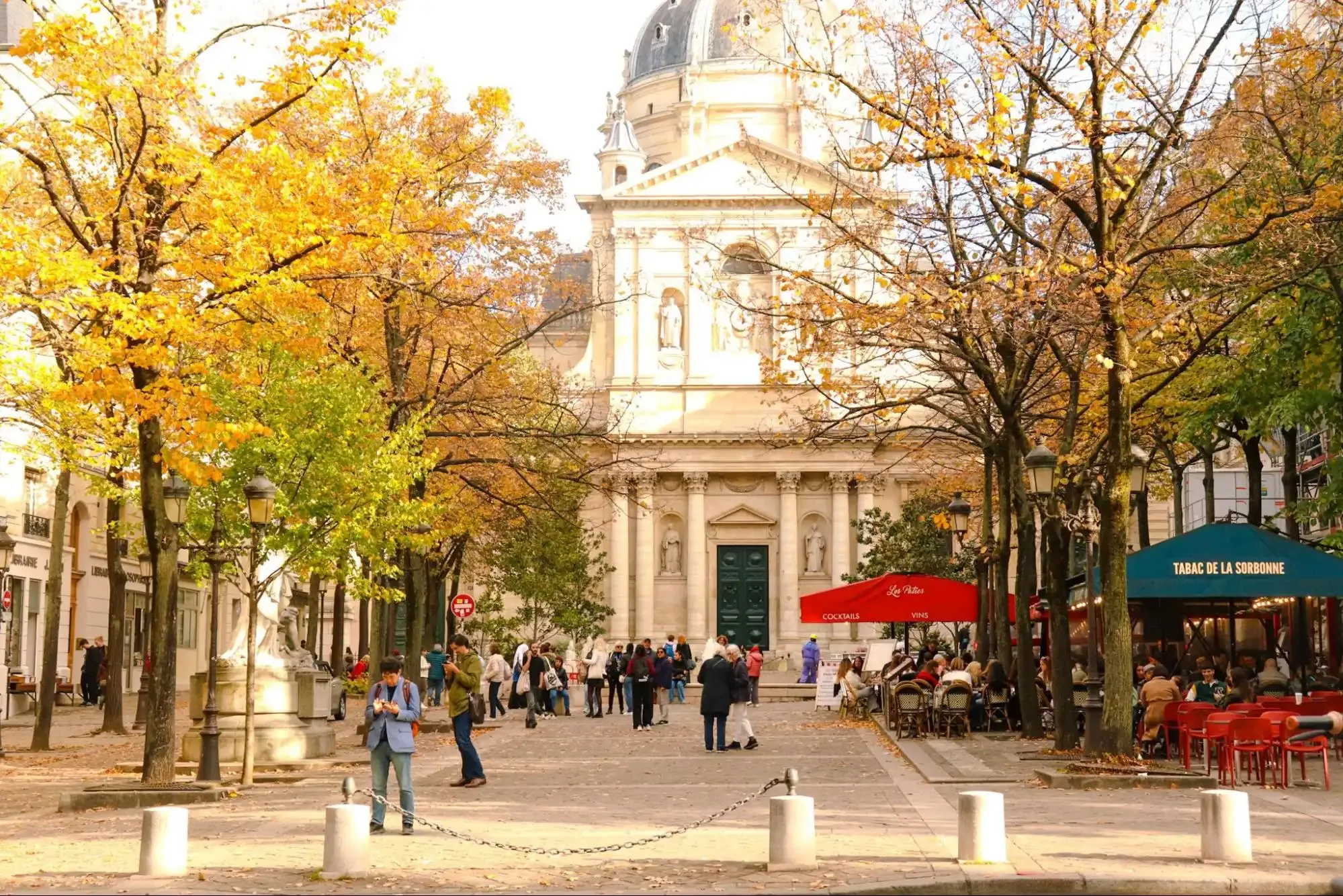
- September offers summer warmth without summer crowds; Cannes stays around 21°C well into October
- Les vendanges (the grape harvest) runs through September in Bordeaux, Burgundy, and the Loire. It is a genuinely special time for wine lovers
- Hotel rates and flight prices drop after the first week of September. This is France's best time to visit for those who want quality and calm
- Autumn in Paris is when the city feels most like itself: Café tables full of locals, long golden evenings, and no queuing for the Louvre
Winter: Alpine Snow and Festive France
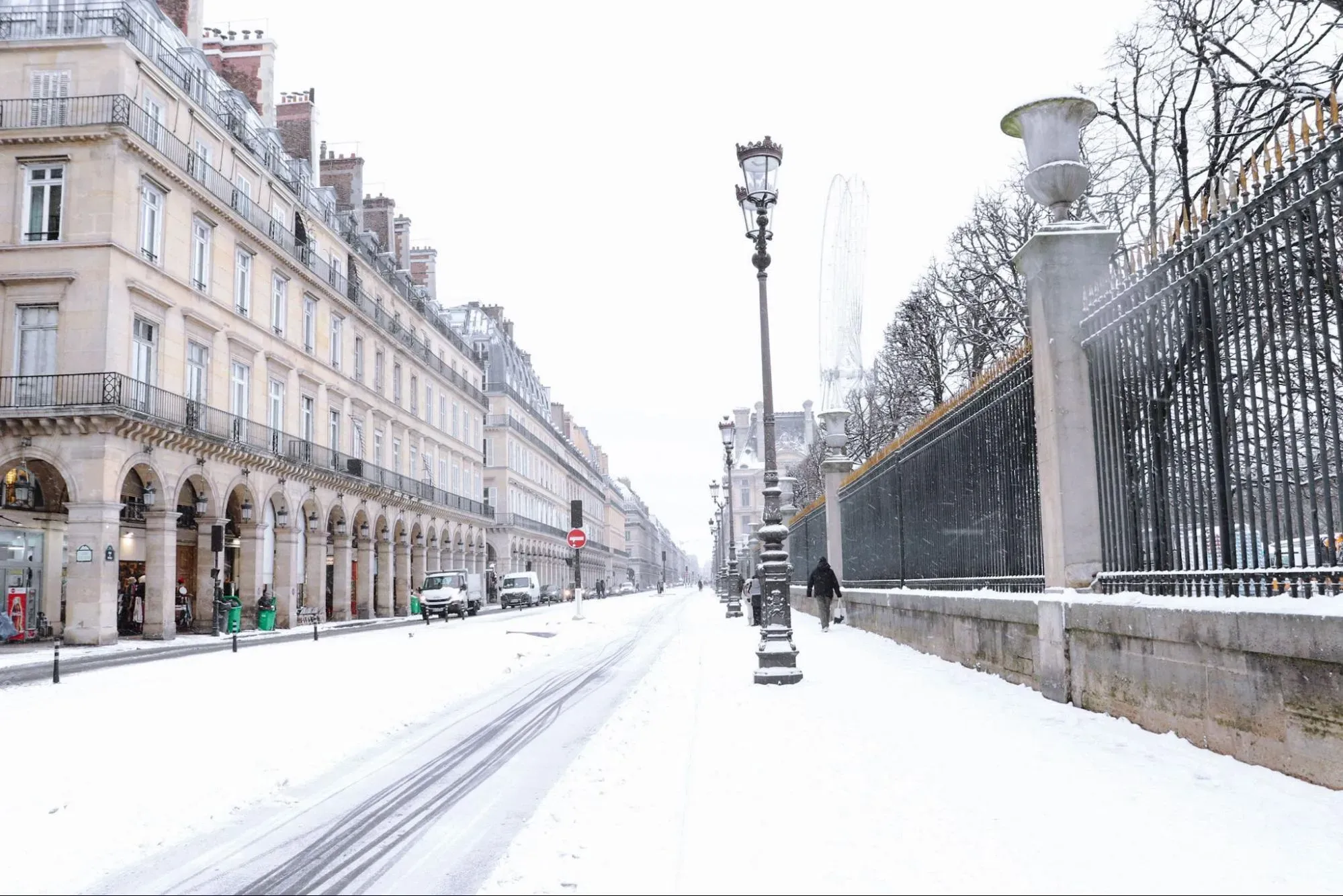
- Strasbourg and Colmar Christmas markets (late November to Christmas Eve) are the oldest Christmas market in France and one of the oldest in Europe; Strasbourg's market dates to 1570
- Paris averages 3-7°C in January; Nice and the Côte d'Azur stay milder at 8-12°C throughout winter
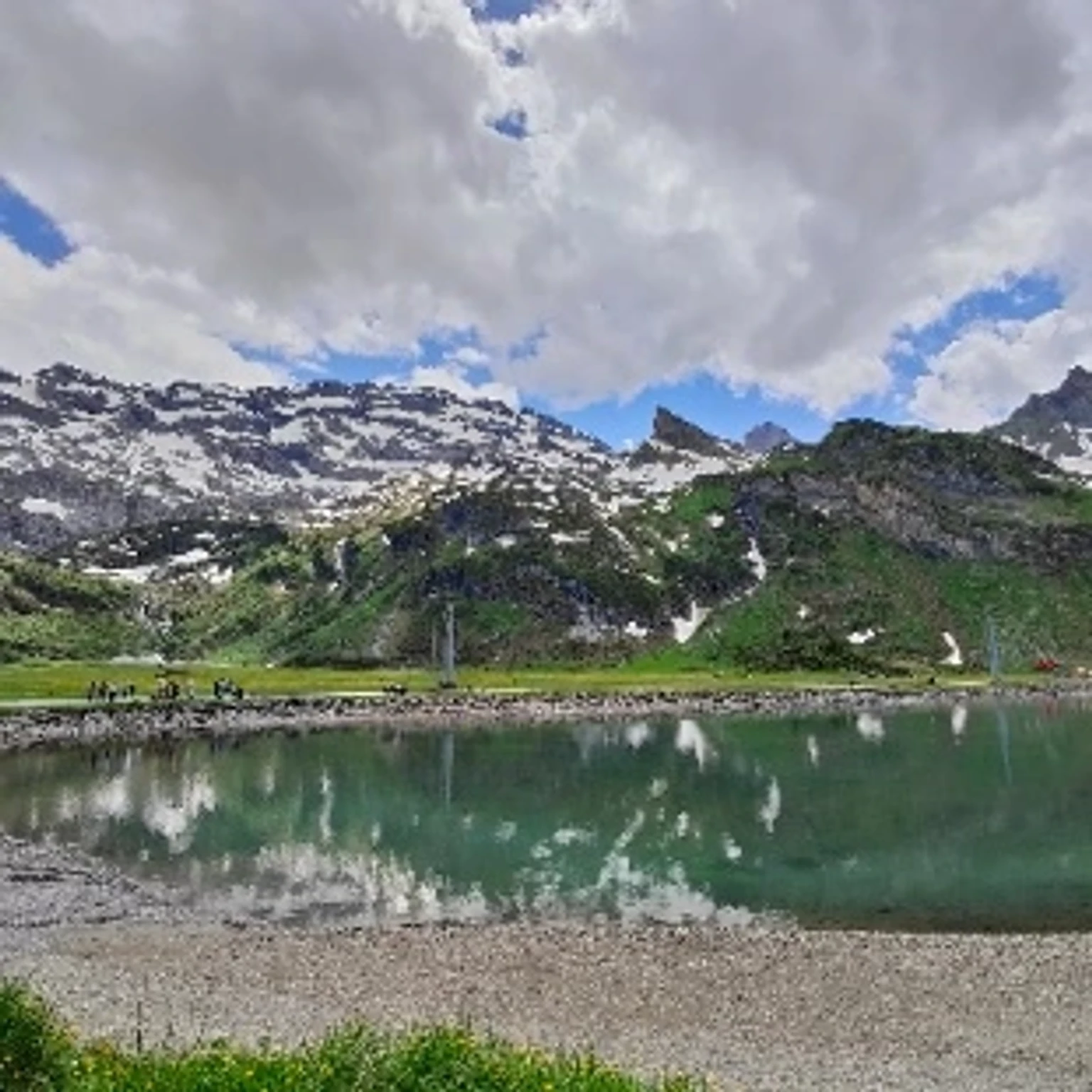
- The French Alps are in full ski season from December through February; Chamonix and Courchevel are the anchor resorts
- From a best time to visit France weather-wise perspective, winter suits those headed to the south or mountains more than those planning city-heavy itineraries.
- Major Paris museums have the shortest queues of the year in January and February
What Is the Best Time to Visit Paris, France?
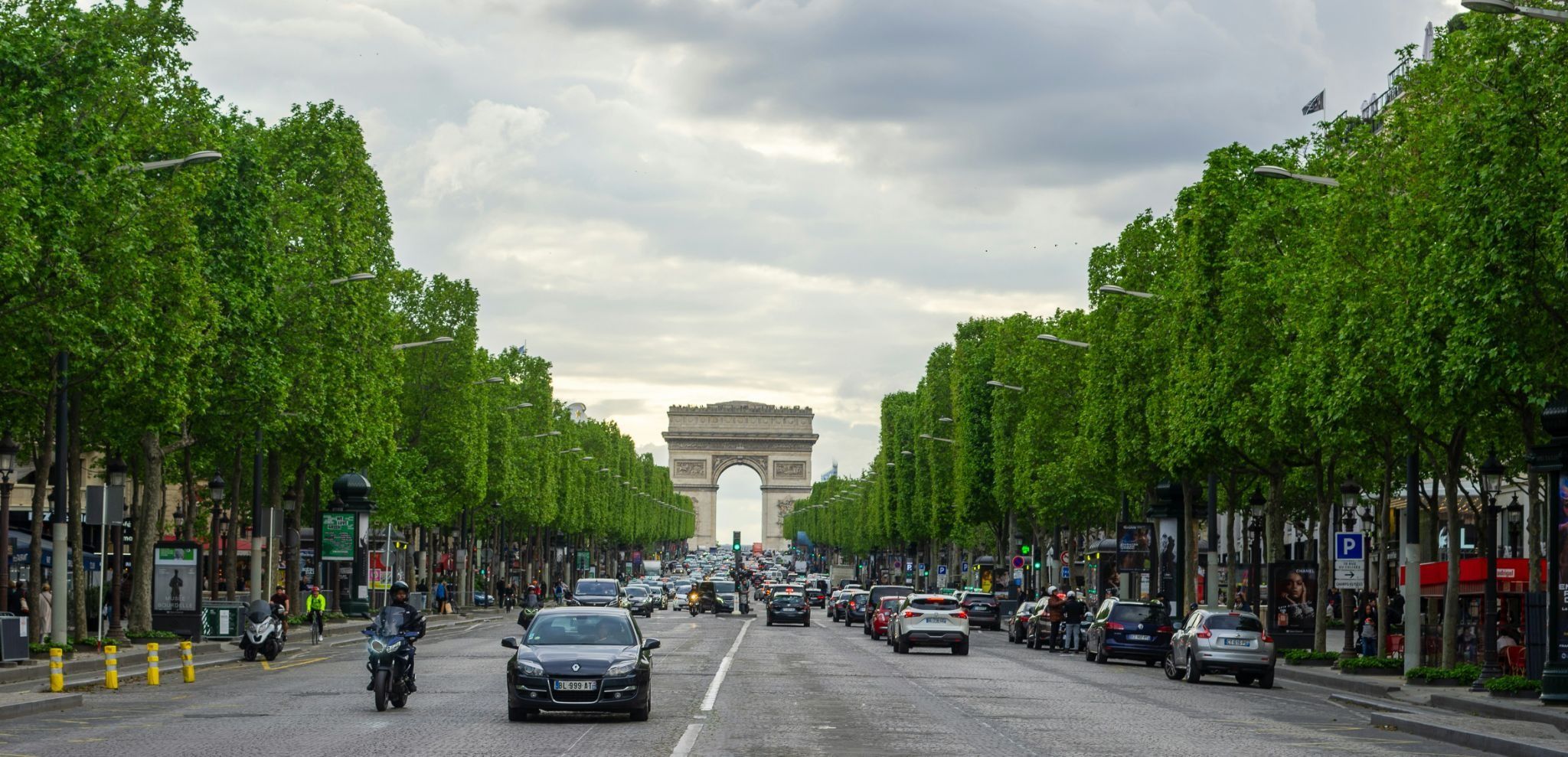
Paris works year-round. The city has a temperate oceanic climate, which means mild winters, warm summers, and rain that can arrive in any month. But some months are noticeably better than others.
The best time to visit Paris, France, is April to June or September to October. Spring offers blooming parks, outdoor café culture, and events like Nuit des Musées in May. June brings Nuit Blanche (held on 6 June 2026), while autumn brings Paris Fashion Week, and a slower, more local rhythm. Parisians often cite June as the best month, with daylight past 9 PM and comfortable temperatures.
July and August draw the most visitors. Many smaller Parisian restaurants and boutiques close in August when locals head to the coast. If you visit in summer, book accommodation with air conditioning since many older Paris hotels lack it. The best time to visit Paris, France, for minimal queues at the Louvre, Musée d'Orsay, and Versailles is April to May or September.
Month | Avg Temp | Crowd Level | Best For |
April to May | 12-20°C | Moderate | Gardens, sightseeing, fewer queues |
June | 18-25°C | Moderate-high | Long days, Fête de la Musique, Nuit Blanche |
July to August | 22-30°C | Very high | Summer energy; book months ahead |
September to October | 14-21°C | Moderate | Calm, local rhythm |
November to March | 4-12°C | Low | Museums, Christmas markets |
When Is the Best Time to Visit the South of France?
The best time to visit the south of France depends on your goals. Provence and the French Riviera have a Mediterranean climate with over 300 days of sunshine per year, hot dry summers, and mild winters. This contrasts sharply with Paris.
The window for lavender in Provence is tight. Lower-altitude fields like Valensole bloom from late June, peaking in the first two weeks of July. Higher-altitude areas like Sault peak in mid to late July. After harvest begins, most fields are cut. If lavender is your reason for visiting, the first week of July is the safest date.
For beaches and the Riviera, July and August offer the warmest sea (Mediterranean reaches 25-26°C) but the most crowded coastline. September is a practical choice: the sea remains warm, crowds thin after the first week, and you can get a sunbed without arriving at 7 AM.
For wine and calm, May, September, and October are the best months to visit the south of France. Les vendanges in September bring the Provençal vineyards to life. Villages are quieter, roads easier, and the light in October is outstanding.
South of France month highlights:
- May: Mild weather (18-22°C), wildflowers across Provence, Cannes Film Festival
- Late June to mid-July: Lavender in peak bloom at Valensole and Sénanque Abbey
- July to August: Hottest (30-35°C), beaches at full swing; book accommodation 4 to 6 months ahead
- September: Sea still warm, harvest season begins, crowds ease considerably after the first week
- October: Vineyards turning gold, quieter roads, best value of the warm months
When Is the Best Time to Visit France Weather-Wise?
France has five distinct climate zones, so the best time to visit France weather-wise is not the same across all regions. What works for Paris in May differs from what suits the Alps in February.
The best time to visit France weather-wise across the widest range of regions is May and September. Both months bring warm, clear days in the south, pleasant conditions in Paris, and comfortable walking temperatures across wine regions and châteaux country. These two months consistently emerge in France’s best time to visit debate, regardless of region or travel style.
Region | Best Season | What to Expect |
Paris and the North | April to June; Sept to Oct | Mild (12-22°C), occasional rain, very walkable |
South of France (Provence, Riviera) | May to October | Hot and sunny; peak heat 30-35°C in July-August |
Alsace and the East | May to September; December for markets | Warm summers; cold and snowy winters |
French Alps | Dec to March (ski); June to August (hiking) | Heavy snow in winter; cool green summers |
Bordeaux and the Southwest | May to October | Warm with Atlantic influence; harvest in September |
Final Takeaway
The best time to visit France depends on what you want to do. For most visitors, May and September offer the best balance of weather, manageable crowds, and open restaurants. The best time to visit Paris, France, is April to June or September, when the city is most liveable. For lavender and beaches, aim for late June to mid-July in the south. For a quieter, more atmospheric version of the country, autumn is hard to beat.
If you’re planning a holiday to France, Holiday Tribe can help you plan the right dates around the right experiences.