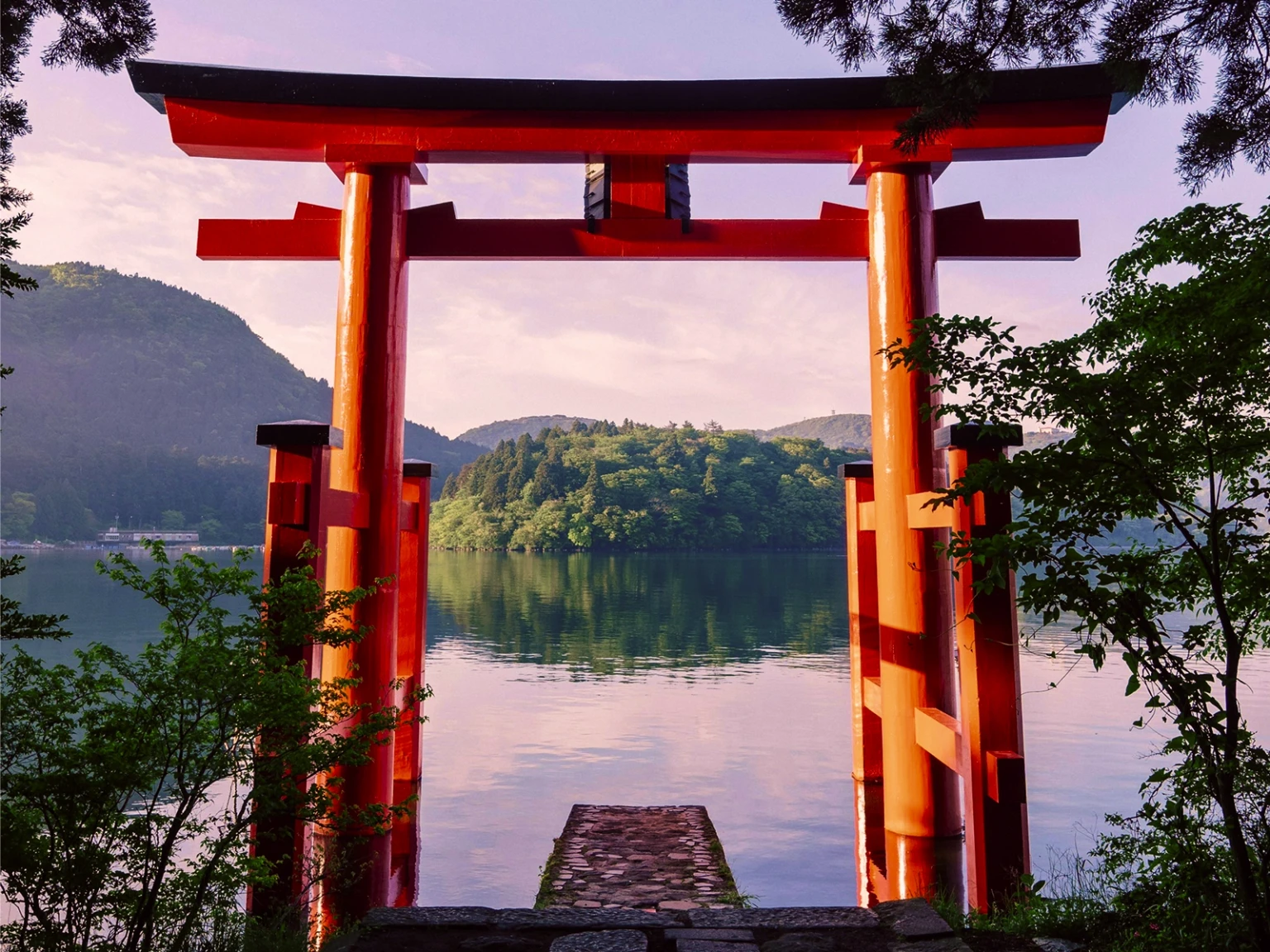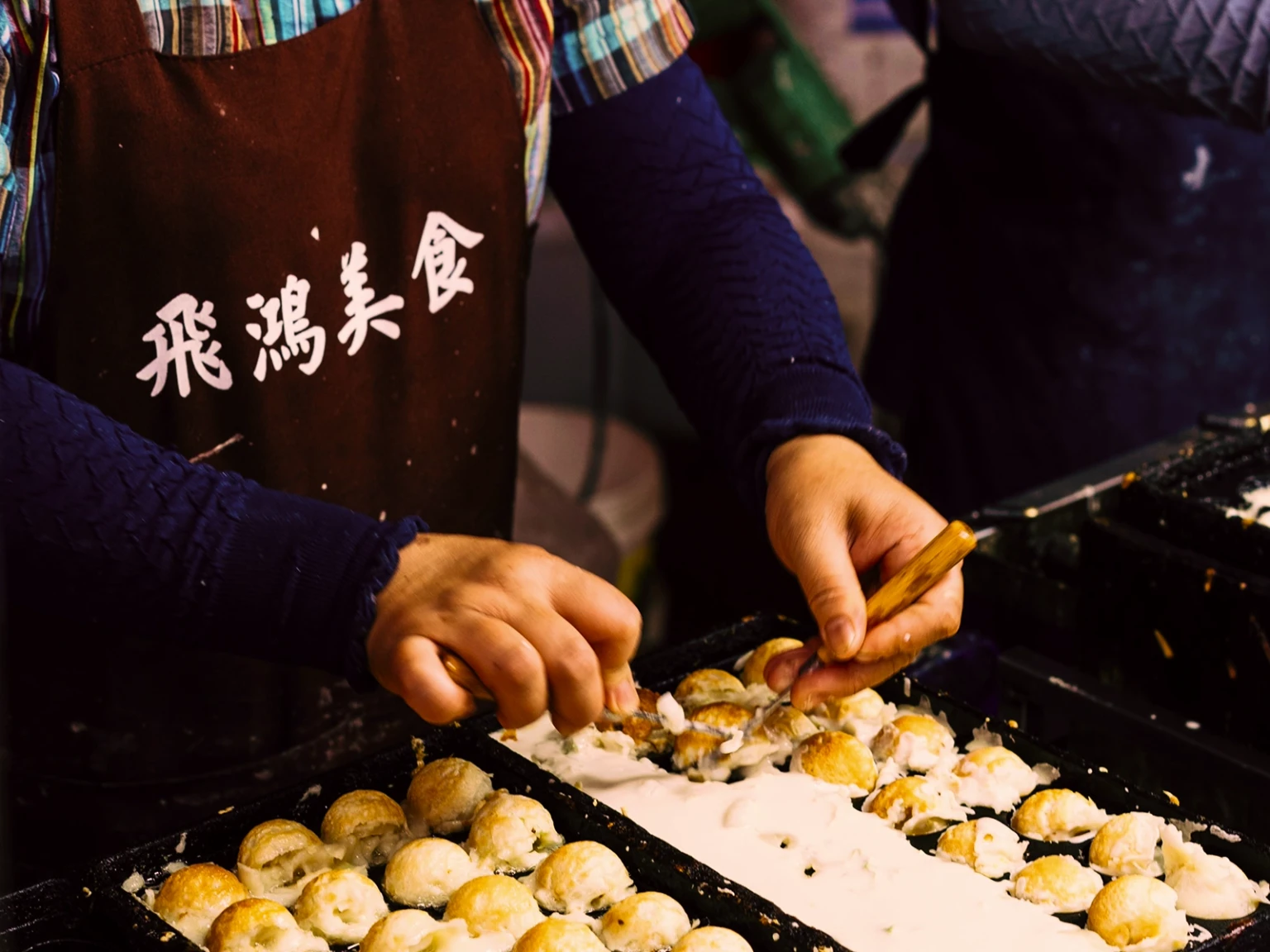


You’ll spend weeks planning the big things: temples, bullet-train tickets, and that long list of places to visit in Japan everyone saves. But when you arrive, tired and jet-lagged at 11pm with everything closed, the first open door you see is a glowing convenience store on the corner.
That’s the surprise no one tells you about. Out of all the places in Japan, it’s the simple konbini that you’ll grow to love. It feeds you, helps with banking, gives you an umbrella, and even saves your vegetarian dinner, sometimes at 2am. Imagine your local corner shop, but always open, spotless, and hassle-free. Here’s what to eat, what to buy, and what to expect, so you can walk in on your first day feeling like a pro.
Why Is a Convenience Store One of the Best Places in Japan?
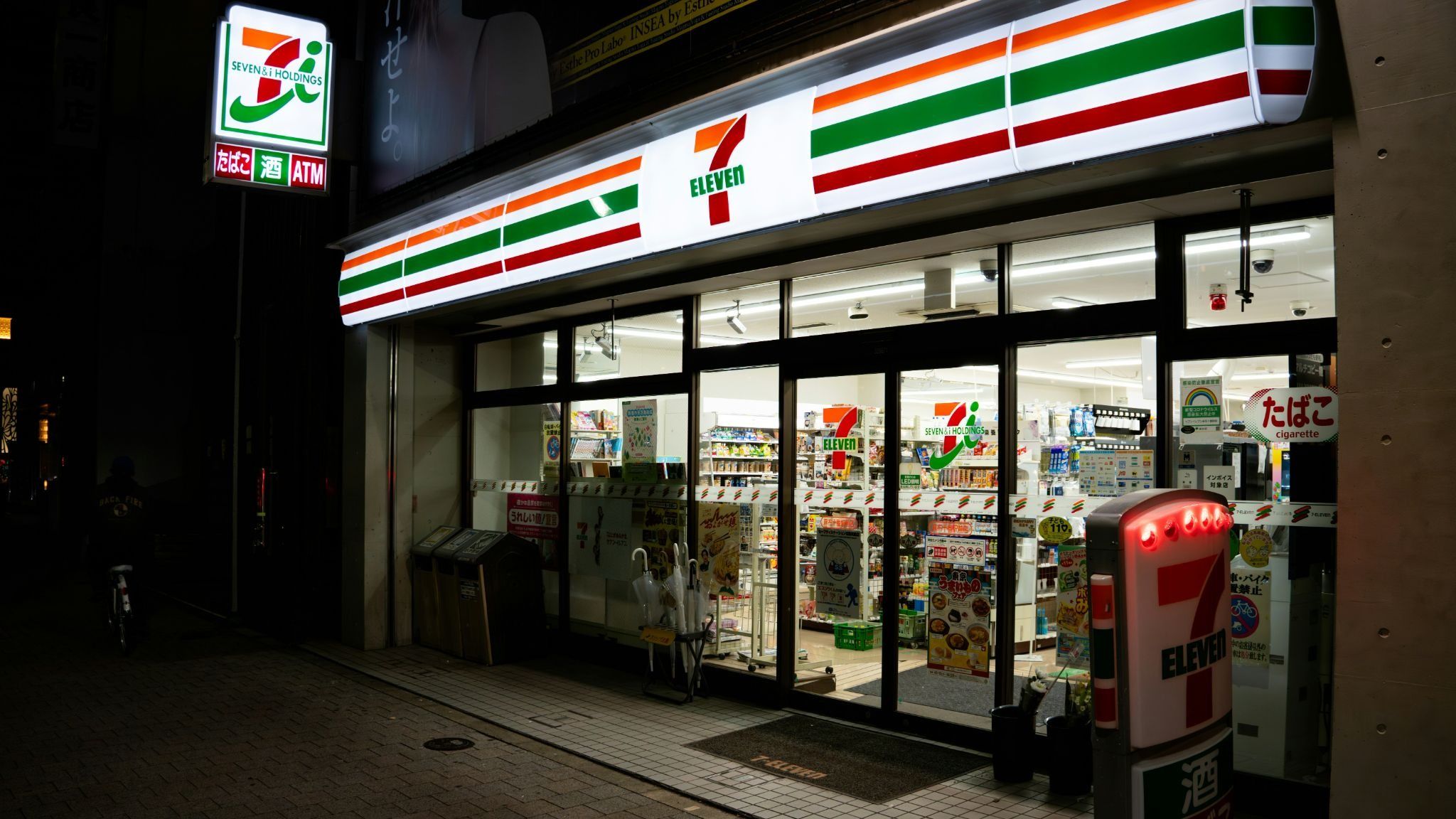
The simple reason is that convenience stores in Japan do everything, everywhere, all the time. There are over 55,000 of them across Japan, and in a city like Tokyo, you can usually spot one from wherever you are. Most are open 24/7, even on New Year’s Day. It’s hard to find places in Japan that fit so much into a shop the size of a classroom.
Three main chains dominate, and each one has its own style. Once you get to know them, you’ll probably have a favourite by the end of the day.
Chain | Roughly how many | Famous for |
7-Eleven | ~21,000 | The egg sandwich and the most reliable ATMs |
FamilyMart | ~16,000 | FamiChiki fried chicken and anime tie-ins |
Lawson | ~14,000 | The best sweets aisle and Karaage-kun |
This shows just how intense the obsession is. In Fujikawaguchiko, a Lawson store became so crowded with people trying to snap Mount Fuji behind its roof that the town put up a barrier in 2024 to control the crowds. When a convenience store in Japan turns into one of the most photographed places, it’s clear these aren’t your typical corner shops.
What Should You Eat at a Japanese Convenience Store?
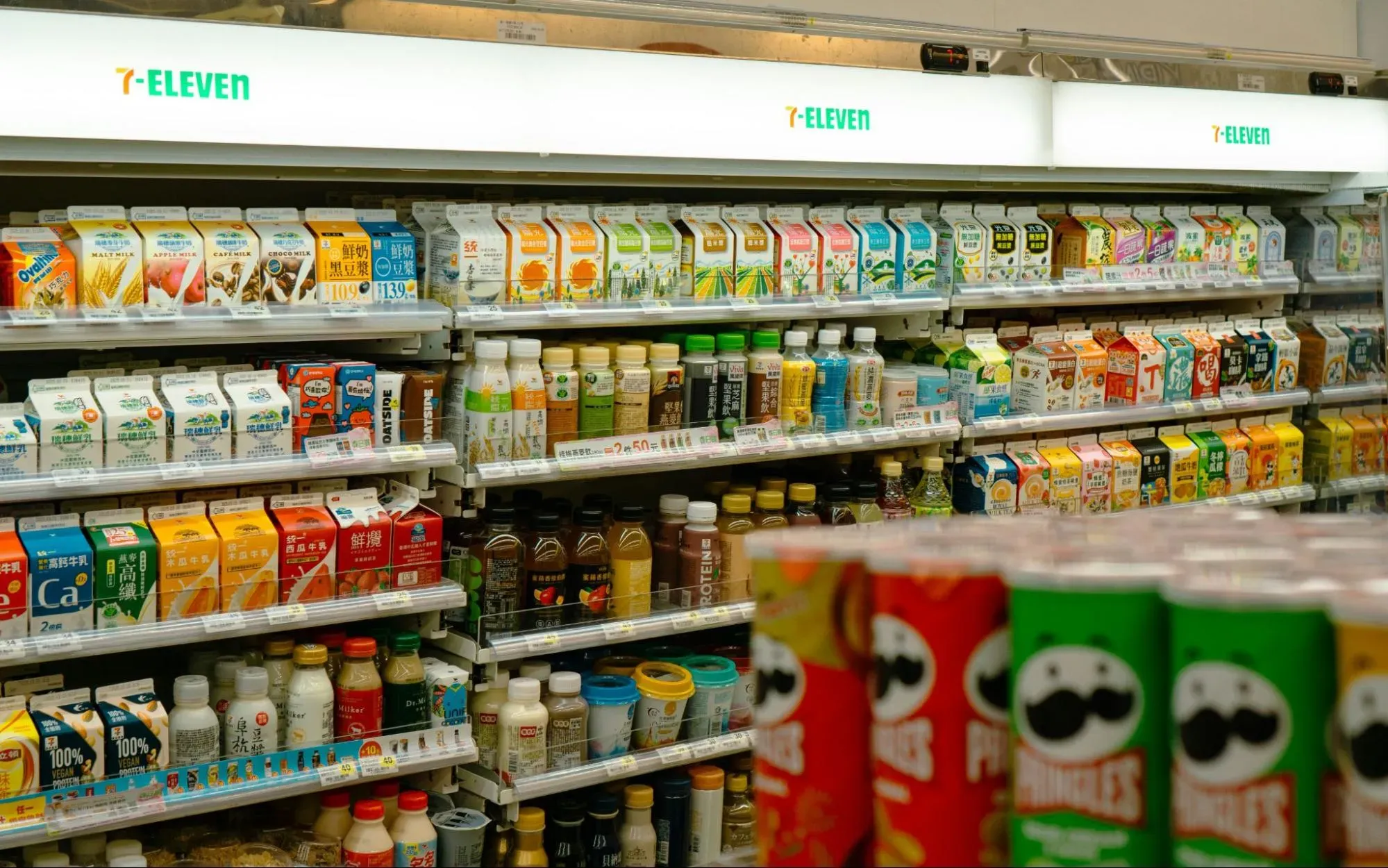
This is where it has become more than just convenience stores in Japan. The food is fresh, changes with the seasons, and is very affordable, making konbini one of the best places in Japan for a quick and tasty meal. Try these first and work through the rest as you go.
The Egg Sandwich (Tamago Sando)
If you try just one thing on your first day, let it be this. Soft milk bread and a thick layer of creamy, slightly sweet egg salad have earned this sandwich a loyal following. The late chef Anthony Bourdain praised the Lawson version on TV, and that moment helped make it famous worldwide.
- What it is: Egg salad sandwich on pillowy white bread
- Try: 7-Eleven's tamago sando, found in the chilled section near the rice balls
- Price: About ¥230 to ¥260
- Good to know: If you like eggs, give this a try. Also, the fruit sando, cream and fruit between slices of bread, is worth tasting at least once.
Onigiri (Rice Balls)
The triangular rice ball wrapped in seaweed is a classic convenience store snack. Its wrapper is designed so that if you pull the tabs in the right order, the seaweed stays crisp and doesn’t get soggy against the rice. There are many fillings to choose from, and it’s easy to eat on the go.
- What it is: Rice ball in crisp seaweed, dozens of fillings
- Try: Umeboshi (pickled plum) or konbu (kelp) if you prefer a meat-free option
- Price: Usually between ¥130 and ¥200
- Good to know: Tuna, salmon, and roe are all fish, so vegetarians should choose plum, kelp, or plain salted rice.
Hot-Counter Fried Chicken
By the register, you’ll see a glass case filled with hot, fried snacks, and the highlight is always the fried chicken. Each store has its own version: FamiChiki at FamilyMart, Karaage-kun at Lawson, and Nanachiki at 7-Eleven. If you’re unsure of the name, just point.
- What it is: Hot fried chicken and snacks from the counter case
- Try: Lawson's Karaage-kun, a little box of bite-sized pieces
- Price: About ¥180 to ¥250
- Good to know: In colder months, you’ll also find hash browns, croquettes, and steamed pork buns (nikuman) at the counter.
Oden and Steamed Buns
When it gets cold, you’ll see a steaming counter of oden, with radish, egg, and other simmered treats in a light broth. Next to it, fluffy steamed buns fill the glass with steam. For about ¥200, it’s one of the cosiest things you can buy, and few places in Japan feel warmer on a chilly night.
- What it is: Simmered oden and hot steamed buns, mostly in winter
- Try: A daikon (radish) and egg oden combo
- Price: About ¥100 to ¥150 for each piece of oden
- Good to know: Oden broth is made with fish stock (dashi), so it’s not suitable for strict vegetarians.
Konbini Coffee
Don’t overlook the coffee. It’s freshly ground and served from a machine by the counter, and it tastes much better than you’d expect for the price. Here’s how it works: grab a paper cup (the size decides the price), pay, then put it in the machine and choose hot or iced.
- What it is: Fresh machine coffee, hot or iced
- Try: Seven Café at 7-Eleven
- Price: About ¥110 to ¥180
- Good to know: If you love filter coffee, this is a quick and reliable option when you’re on the go.
Sweets and Seasonal Treats
Japan really cares about convenience-store desserts. Lawson’s Uchi Cafe line offers rich roll cakes and a pudding that people actually line up for. The selection changes with the seasons, so you’ll find sakura treats in spring and chestnut ones in autumn.
- What it is: Cakes, puddings, mochi and seasonal specials
- Try: Lawson's premium roll cake or a soft daifuku mochi
- Price: Around ¥150 to ¥350
- Good to know: Limited editions sell out quickly, so if you see something you like, grab it right away.
What Can You Buy Besides Food?
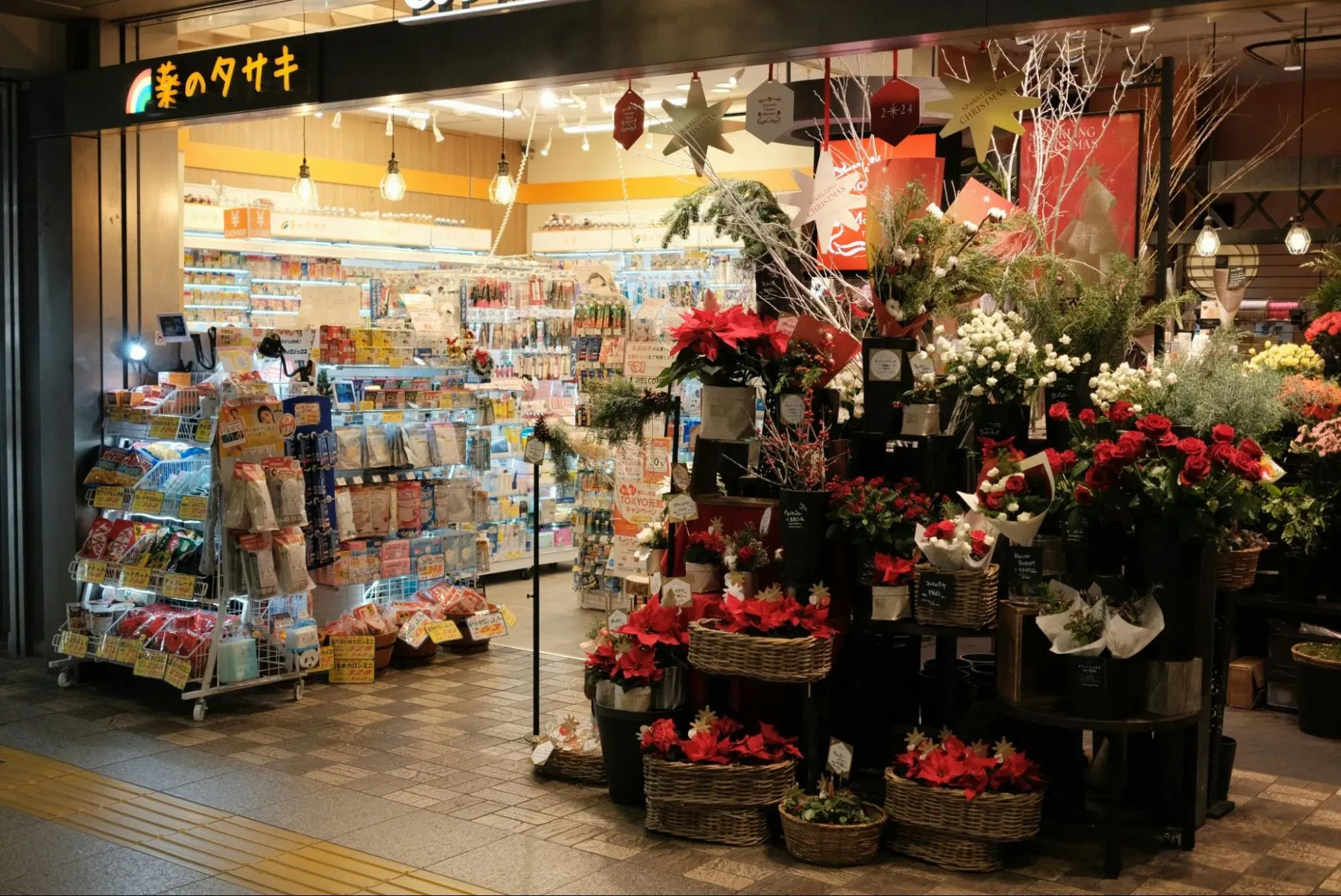
This is when convenience stores in Japan really become a traveller’s best friend. If you run out of cash, get caught in the rain, or need to print a ticket, you can handle it all in one place.
You need | The convenience store sorts it |
Cash in yen | 7-Bank and Lawson ATMs take most foreign Visa and Mastercard, with an English menu |
An umbrella | Inexpensive clear ones by the door when it rains, plus free bags for wet umbrellas |
Tickets | Kiosks sell theme park, concert and bus tickets, and take bill payments |
Printing and Wi-Fi | Multi-copy machines print documents and tickets; free Wi-Fi in most stores |
Everyday bits | Chargers, socks, toiletries, masks, travel-size skincare, hand warmers |
The ATM alone makes the convenience stores one of the most helpful places in Japan for anyone using a foreign card. Many smaller shops and shrines still prefer cash.
Tribe Travel Tip: If you need to withdraw yen with your Indian debit or credit card, the 7-Bank ATM found in most 7-Elevens is usually the most reliable option. You can change the screen to English. It's also a good idea to carry some cash, as many small shops do not accept cards.
What to Expect Inside: The Little Convenience Store Rules
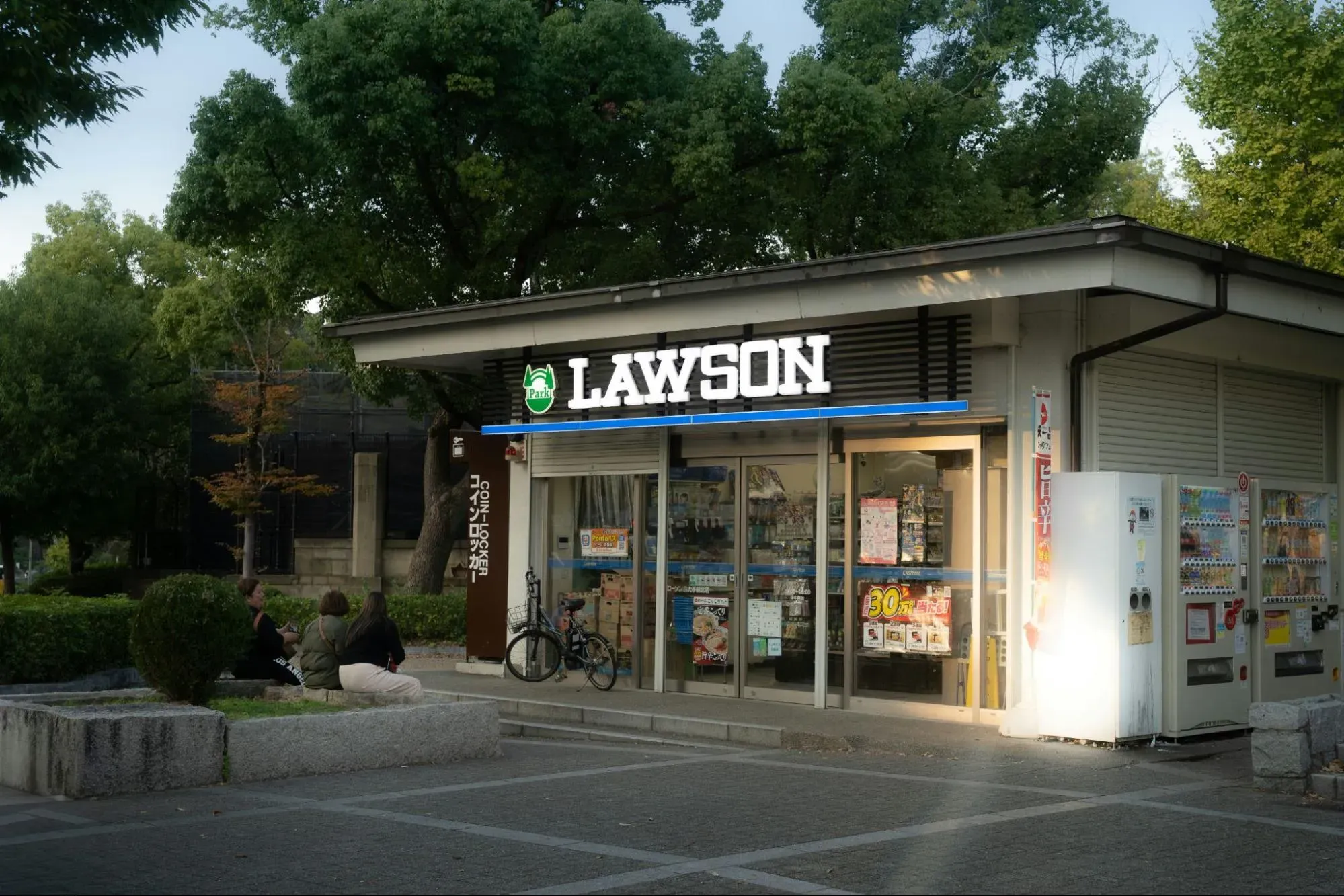
This isn’t difficult, but picking up a few simple habits can help you feel like you belong instead of feeling out of place. Most checkout questions are just yes or no, so here’s a quick guide.
At the till you may hear | It means | You can say |
Atatamemasu ka? | Warm it up? | Yes, or "no thank you" |
Fukuro wa? | Would you like a bag? | "Fukuro wa irimasen" (no bag) |
O-hashi wa? | Chopsticks or a spoon? | Yes or no |
- Bags cost money: Plastic bags cost about ¥3 because of a rule from 2020, so bring your own tote and skip the extra charge.
- Tap and go: You can use IC cards like Suica, credit cards, or your phone to pay. Just tap them on the small tray reader.
- Bin your rubbish there: The bins are for trash from items you bought at that convenience store, so use them before you leave. Public bins are hard to find.
- Keep it quiet: Avoid making loud phone calls. Convenience stores in Japan are quiet, calm places.
- Age-restricted items: You just need to tap a screen to confirm your age, and that’s it.
- Eating on the move: It’s not polite to eat while walking, but some stores have a small area where you can sit and eat.
If you’re visiting temples or exploring city lights, these small habits will help you wherever you go in Japan.
The Convenience Store Survival Guide for Indian and Vegetarian Travellers
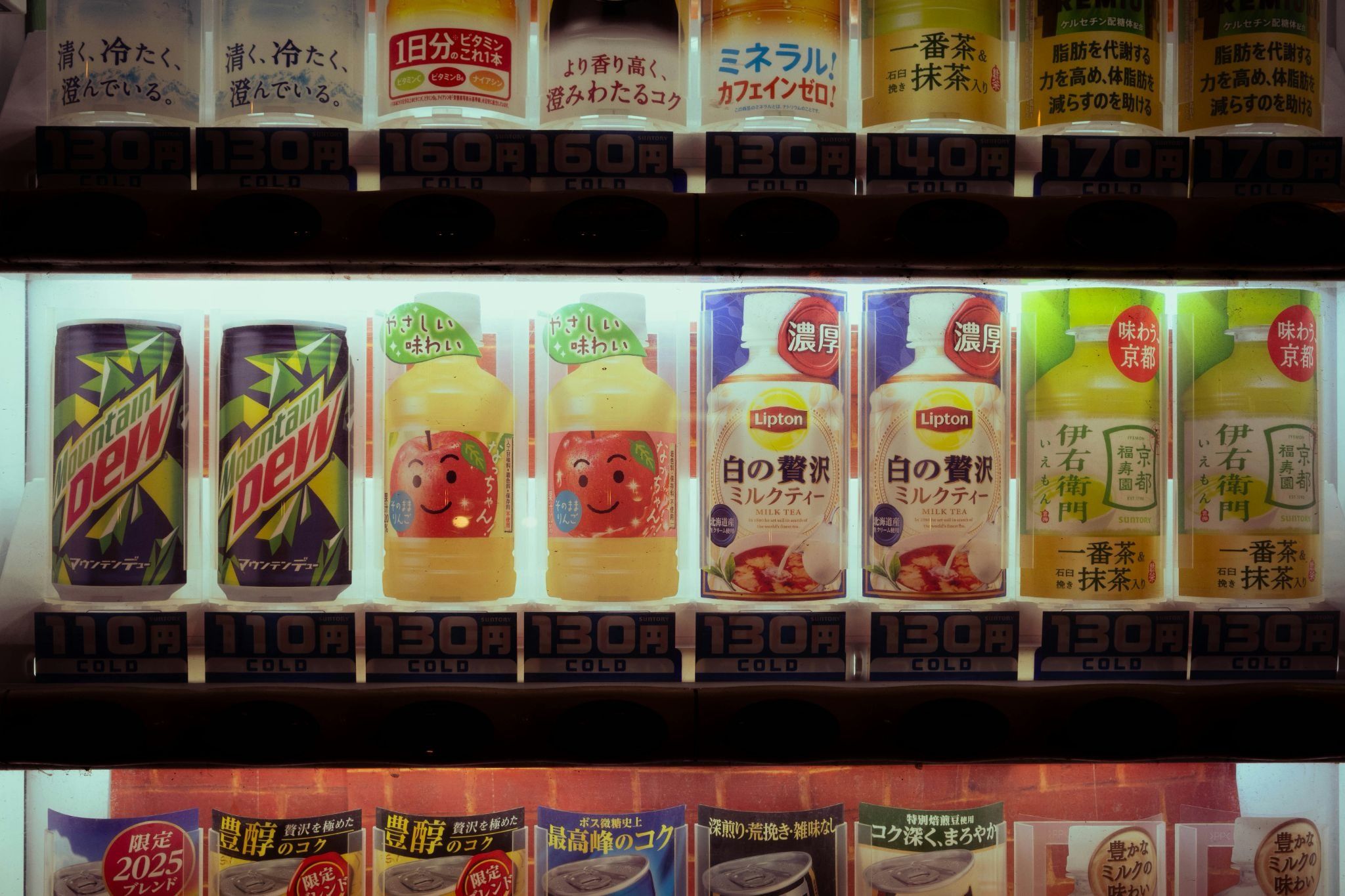
Let’s be honest, food is the biggest worry for most Indian travellers. Eating vegetarian in Japan is harder than it seems, since fish stock (dashi) and bonito flakes often turn up in unexpected dishes. The convenience stores in Japan can be a lifesaver if you check the labels. It’s one of the most comforting places to walk into when you’re hungry, tired, and unsure about what’s on offer.
- Safe veg picks: Try umeboshi and konbu onigiri, plain salted rice balls, packaged salads, cut fruit, plain bread and pastries, edamame, and nuts.
- Watch the hidden fish: Stay away from anything with dashi or bonito, and use Google Translate’s camera to check labels. Watch out for the words 肉 (meat) and 魚 (fish).
- Heat your own: Most convenience stores in Japan have a microwave and hot water, so you can quickly turn Maggi, cup noodles, or a ready-to-eat packet of rajma or khichdi from home into a hot meal.
- For Jain travellers: It’s tougher, since onion and garlic are common, so stick to fruit, plain rice onigiri, plain bread, packaged snacks, and bring a few backup items from home.
- Clean, free toilets: You’ll find them in many stores, which is a real blessing during a long day out.
- Fixed prices, no bargaining and no tipping: This means you always know exactly what you’re paying.
Tribe Travel Tip: Carry a few ready-to-eat packets from home. With a convenience store microwave, hot water, and some fresh salad or fruit, you can put together a comforting vegetarian meal almost anywhere in Japan.
Make the Convenience Store Part of the Plan
By the end of your holiday, the convenience stores in Japan is no longer just a backup. It becomes a daily ritual, your first stop in the morning and your last at night. Some of the best moments in Japan cost less than a coffee back home and are found behind the most ordinary-looking doors.
We make every Japan holiday feel this easy. As holiday advisors, Holiday Tribe creates getaways based on how you really like to travel, including those convenience store breakfasts. Choose one of our ready-made Japan holidays if you want your route and stays planned out, or let our experts and AI travel planner customise a holiday around your pace, food preferences, and the places in Japan you want to see. Just tell us what you’re looking for, and we’ll handle the rest.