

You’ve booked your flights and saved your favourite travel videos, but then a small worry sets in. What if you bow the wrong way, hold your chopsticks awkwardly, or try to tip a waiter who politely refuses? That kind of worry is completely normal. The good news is that Japanese culture is much more welcoming than its strict reputation suggests. If you get a few things right, you’ll find that people open up to you, meals become more enjoyable, and Japan feels less intimidating. This guide will help you understand the etiquette, food, clothing, and traditions that shape daily life in Japan, so you can arrive feeling curious instead of anxious and leave with a real sense of connection.
What Makes Japanese Culture Tick?
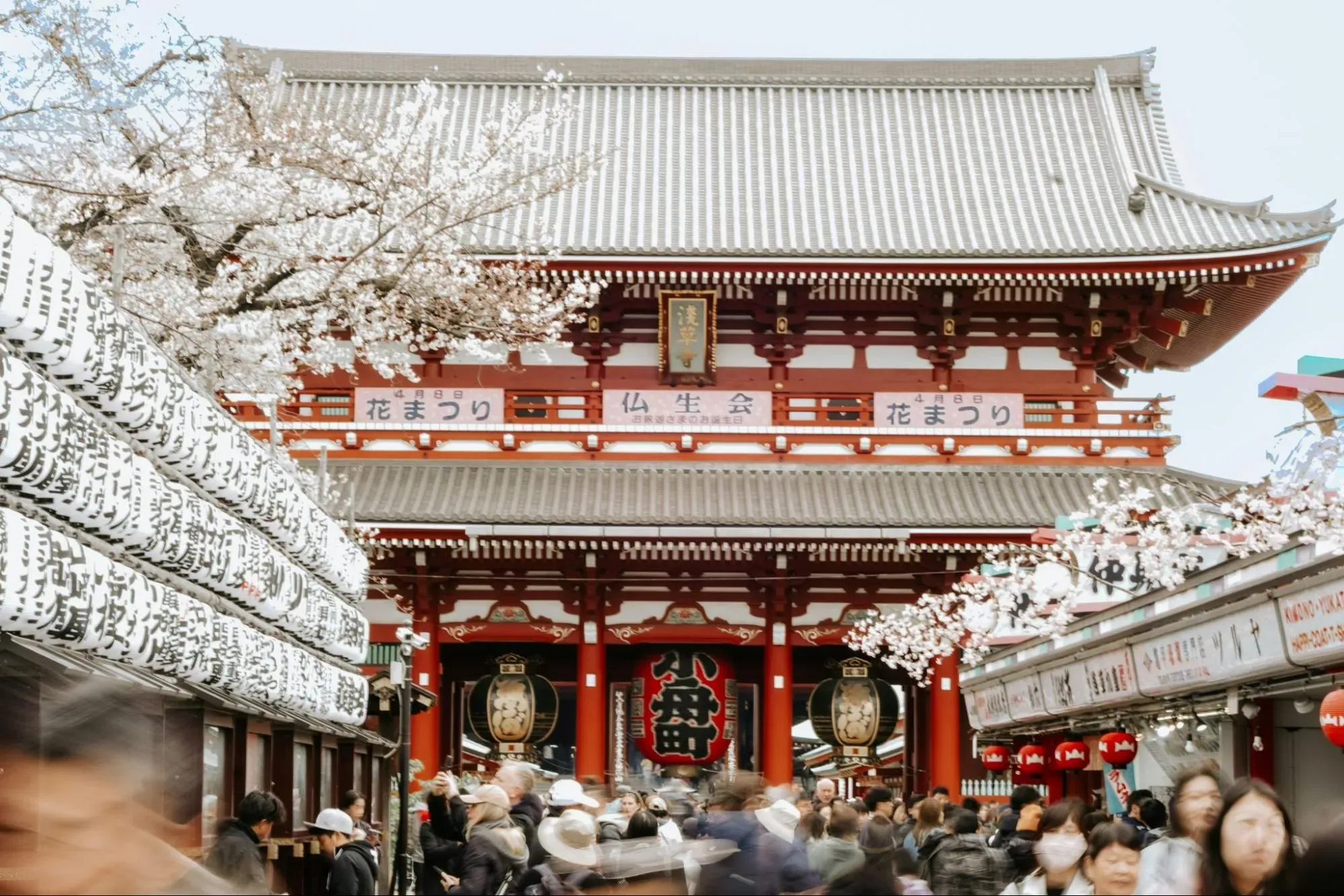
Before getting into the do's and don'ts, it's useful to understand what lies behind them. At the heart of Japanese culture is a simple idea: being considerate of others. This sense of harmony, called wa, is why people line up politely, talk quietly on trains, and keep public spaces clean, even when there are no bins around.
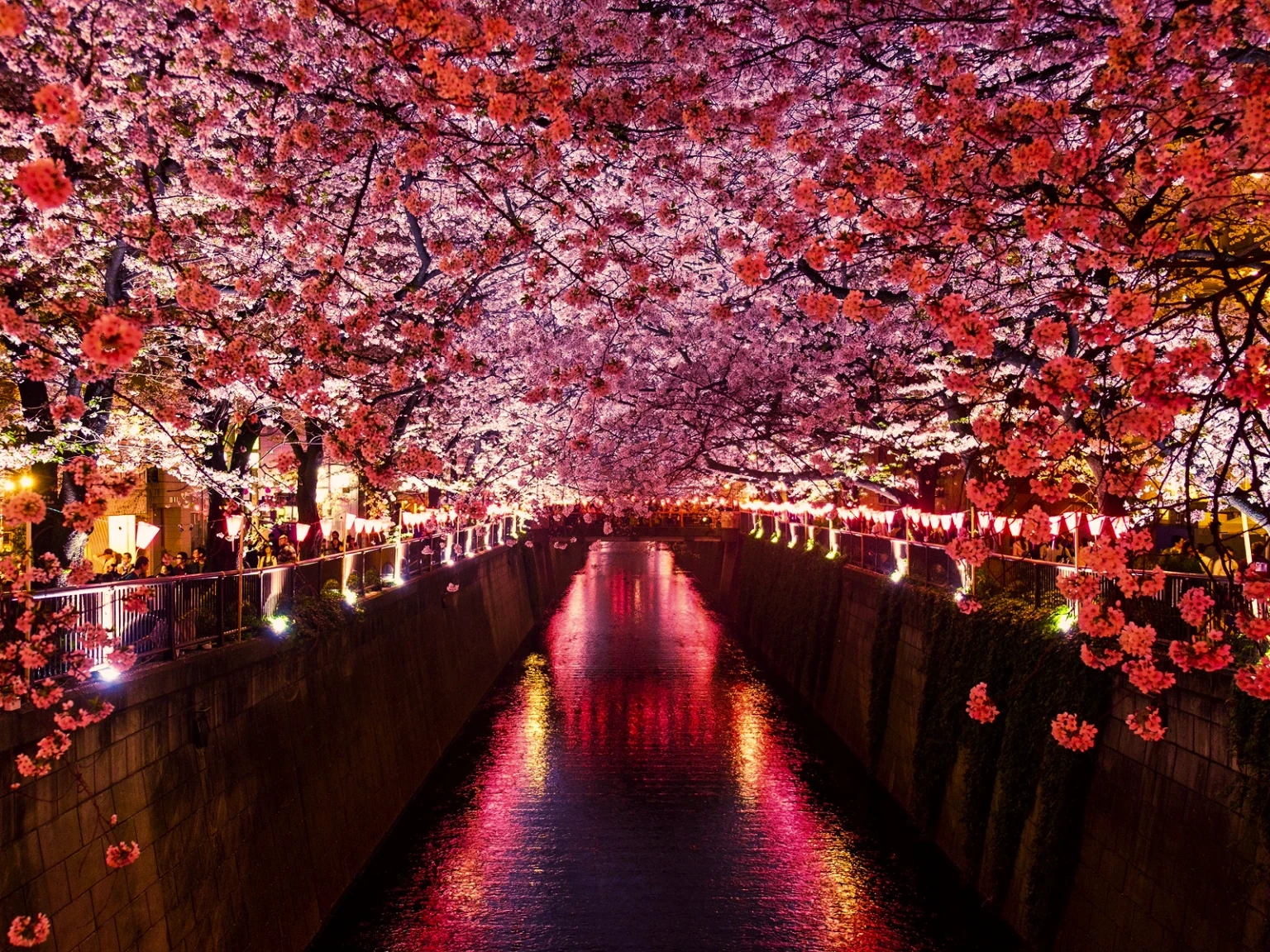
So what is Japan known for? Many people picture Tokyo's bright lights, cherry blossoms in spring, fast bullet trains, and hot bowls of ramen. But beyond these, Japan blends old traditions with modern life in a unique way. It's not unusual to see a 1,400-year-old temple just down the street from a robot cafe.
Here are a few symbols of Japanese culture that you'll see everywhere:
Symbol | What It Means |
Cherry blossom (sakura) | Beauty, and how briefly it lasts |
Mount Fuji | A sacred national icon |
Torii gate | The entrance to a Shinto shrine |
Daruma doll | A wish, and the grit to reach it |
Koi carp | Strength and perseverance |
Japanese Manners and Etiquette Every Traveller Should Know
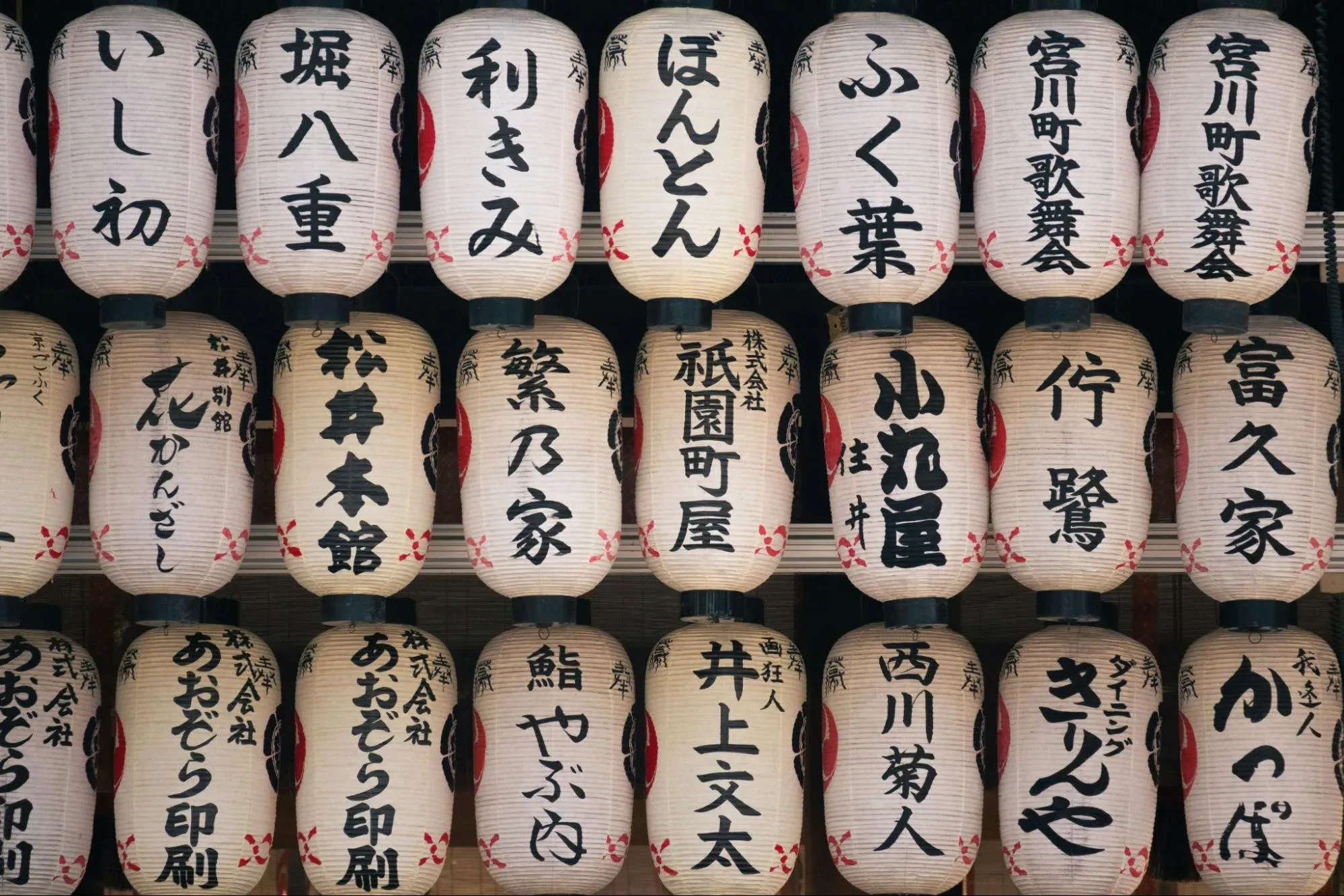
This is where a bit of effort goes a long way. Japanese manners and etiquette are less about following strict rules and more about being aware of your surroundings. Travellers who make an effort are often welcomed with real warmth.
Remember these tips:
- Bowing beats handshakes: A small nod is enough for visitors. Save deep bows for formal occasions.
- Shoes off indoors: This is expected in homes, ryokan, some restaurants, and temples. Look for a raised floor or a shoe rack as a sign.
- No tipping: Tipping can cause confusion or even offence. Good service is the norm and a quiet source of pride in Japanese culture.
- Trains stay quiet: Avoid making phone calls. Speak quietly and keep your bag off the seat.
- Chopstick care: Do not stick chopsticks upright in rice or pass food from one pair of chopsticks to another, as both actions are linked to funeral customs.
Another thing to watch for is tattoos at onsen. Many hot springs still do not allow visible tattoos because of their historical connection to organised crime. If you have a small tattoo, cover it with a patch or look for tattoo-friendly baths and private kashikiri rooms.
Japanese Food Culture: How to Eat Like You Belong
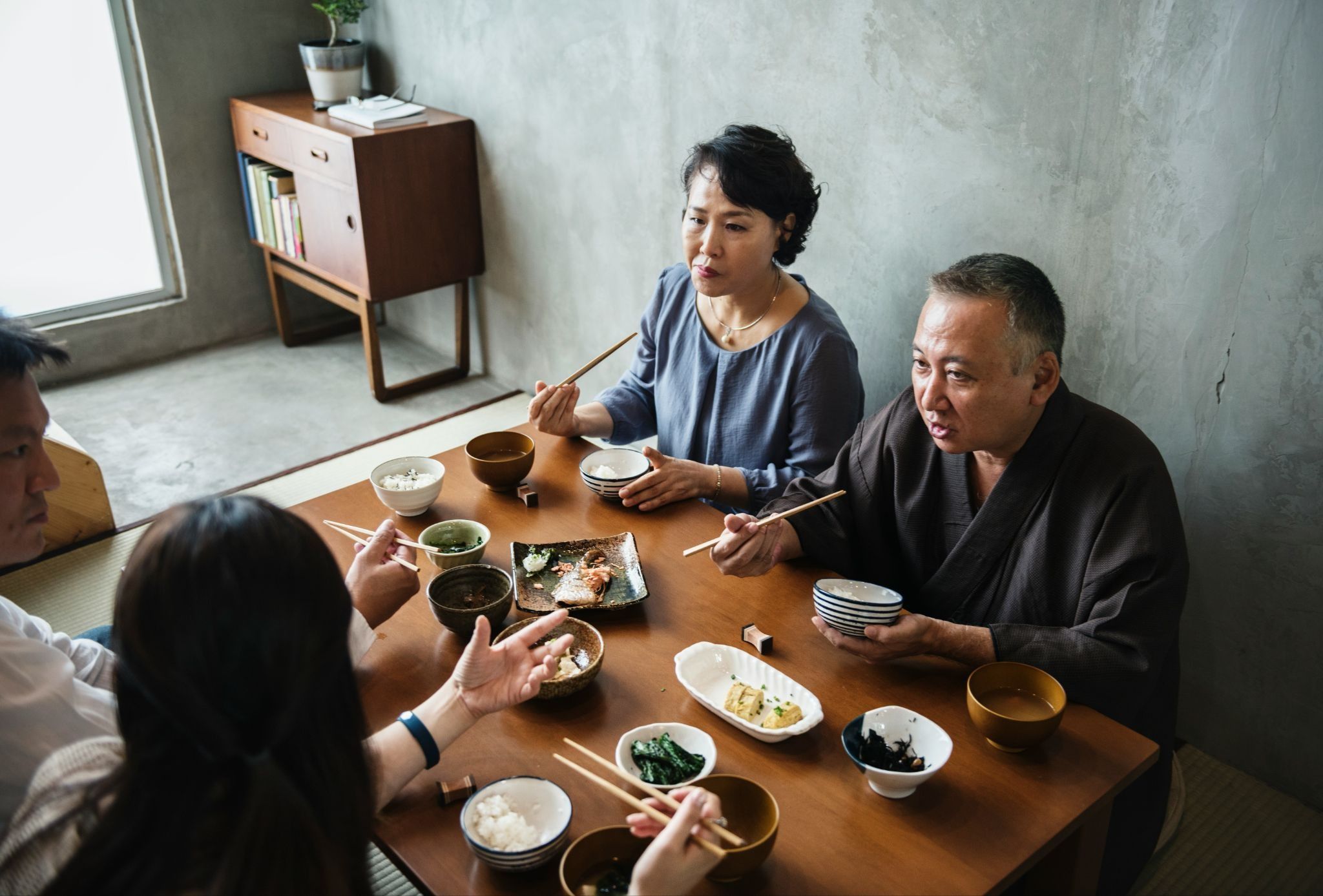
If there’s one part of Japanese culture you’ll want to come back to every day, it’s the food. Japanese food culture welcomes curiosity and rarely judges, as long as you arrive hungry and open to new experiences.
Here are a few things to keep in mind at the table:
- Slurping is a compliment: Making noise while eating noodles shows you’re enjoying them, and it also helps cool each bite.
- Say the words: Saying itadakimasu before you eat and gochisousama after your meal are small gestures that locals appreciate.
- Convenience stores are elite: Trying a 7-Eleven egg sandwich is a real rite of passage, not just a backup option.
- Go regional: For example, try okonomiyaki in Osaka, tonkotsu ramen in Fukuoka, or fresh seafood in Hokkaido. Every city takes pride in its own speciality.
Here’s a fun fact: the shiny plastic food models in restaurant windows are a unique craft, and if you’re unsure what to order, it’s perfectly fine to point at one.
Japanese Cultural Dress and Everyday Clothing
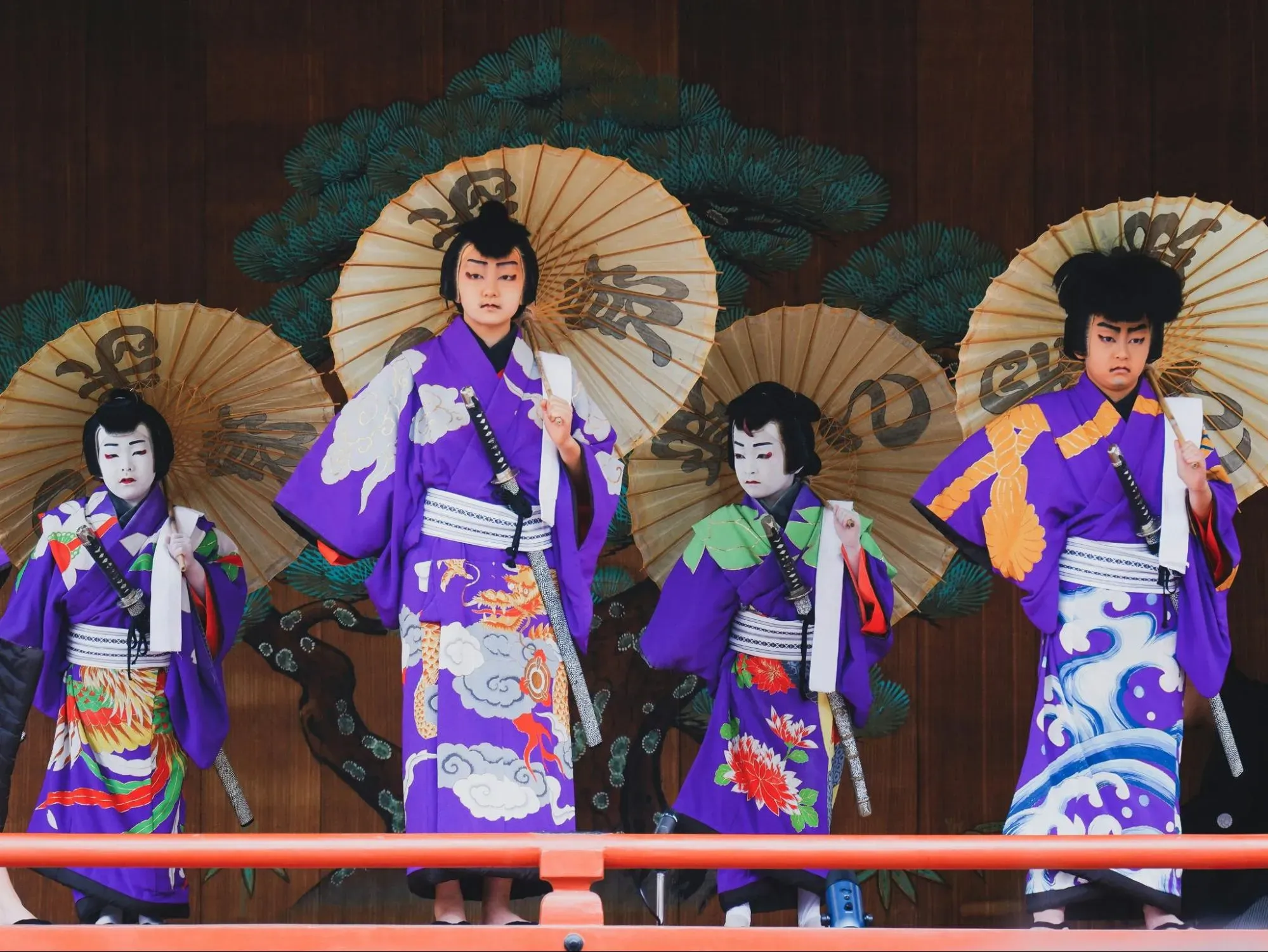
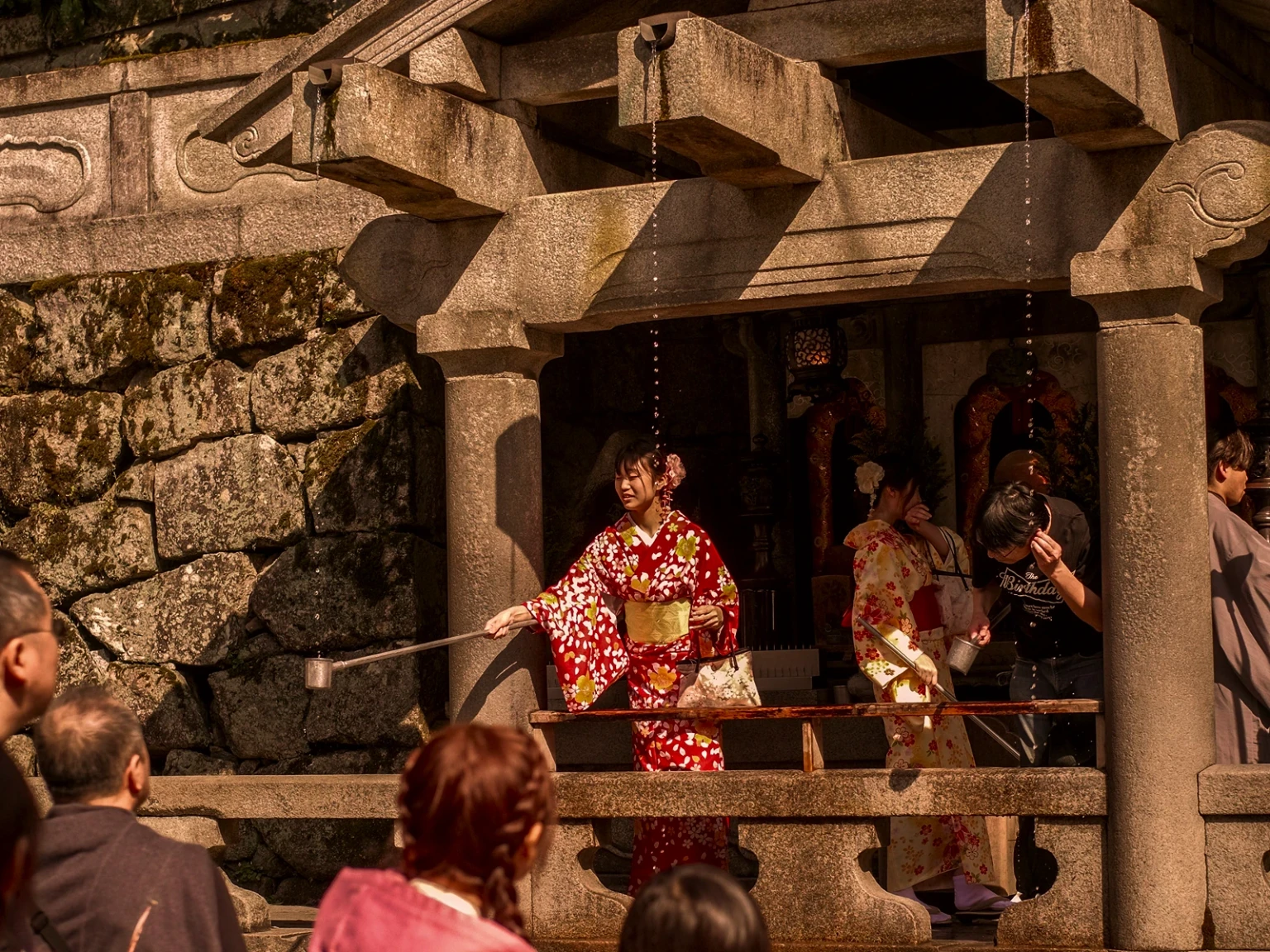
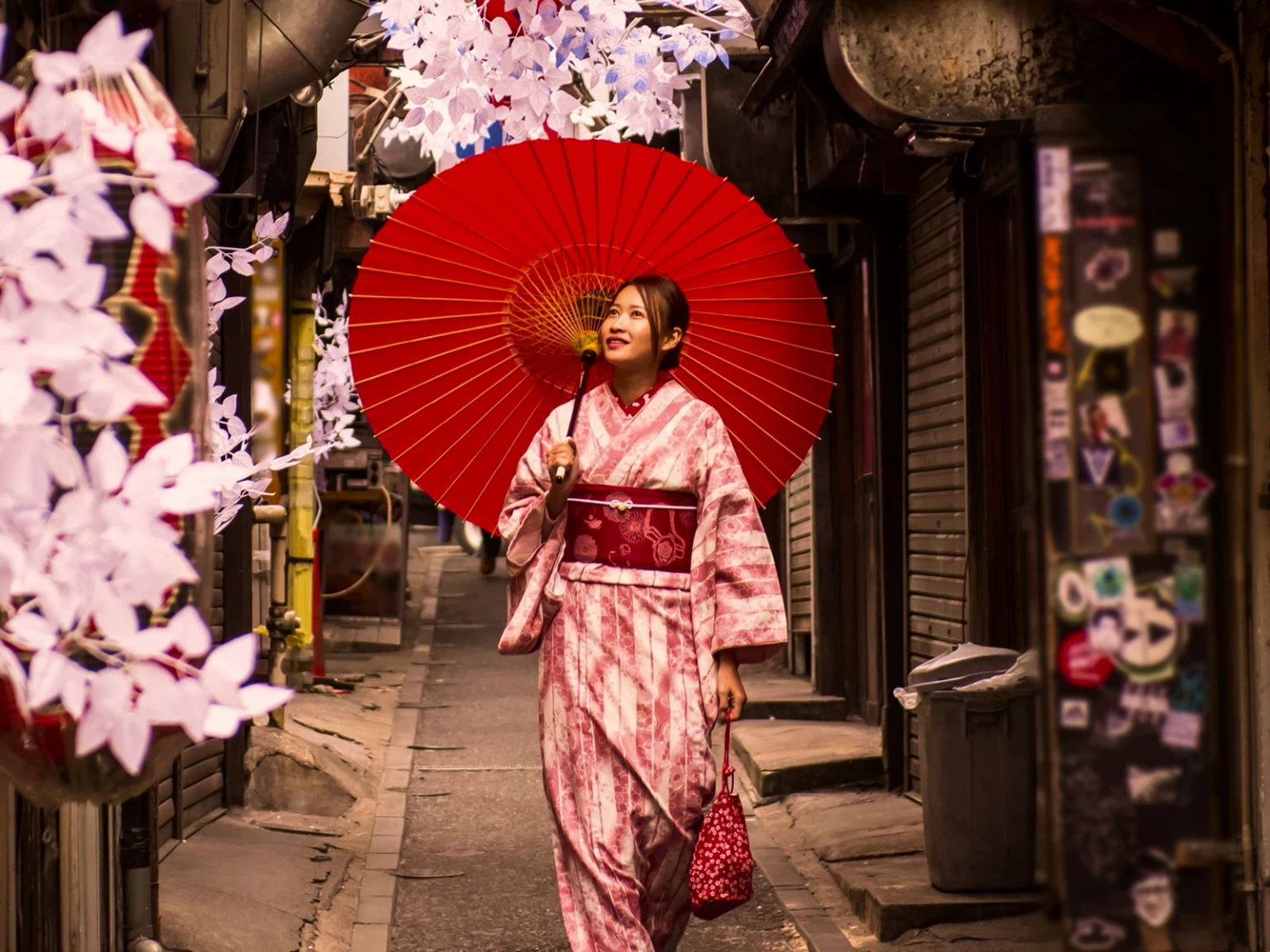
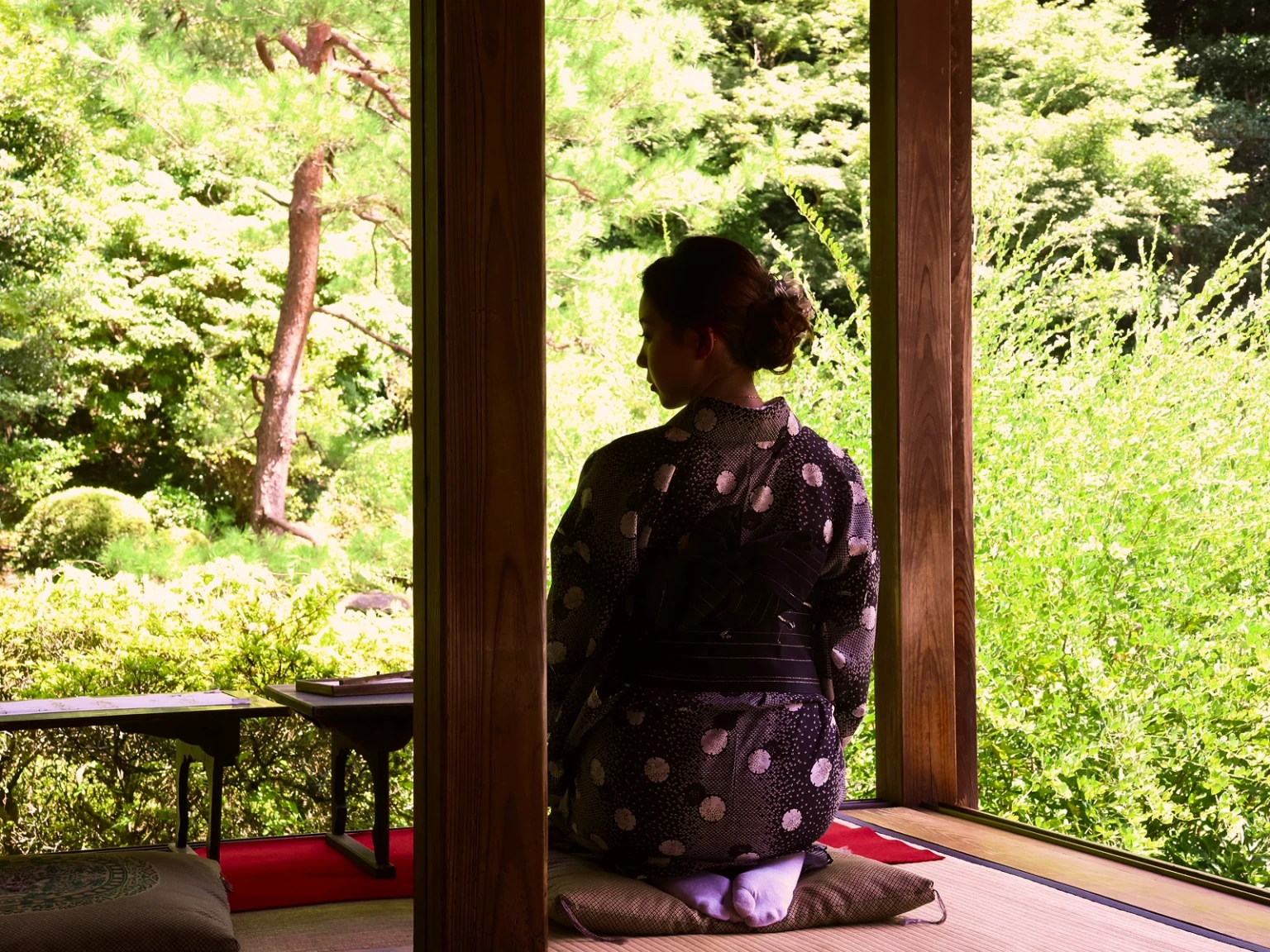
Japanese traditional clothing is becoming popular with travellers, and you do not need a special occasion to join in. The kimono is the formal classic, made of silk and carefully structured, and is usually worn for weddings, tea ceremonies, and New Year.
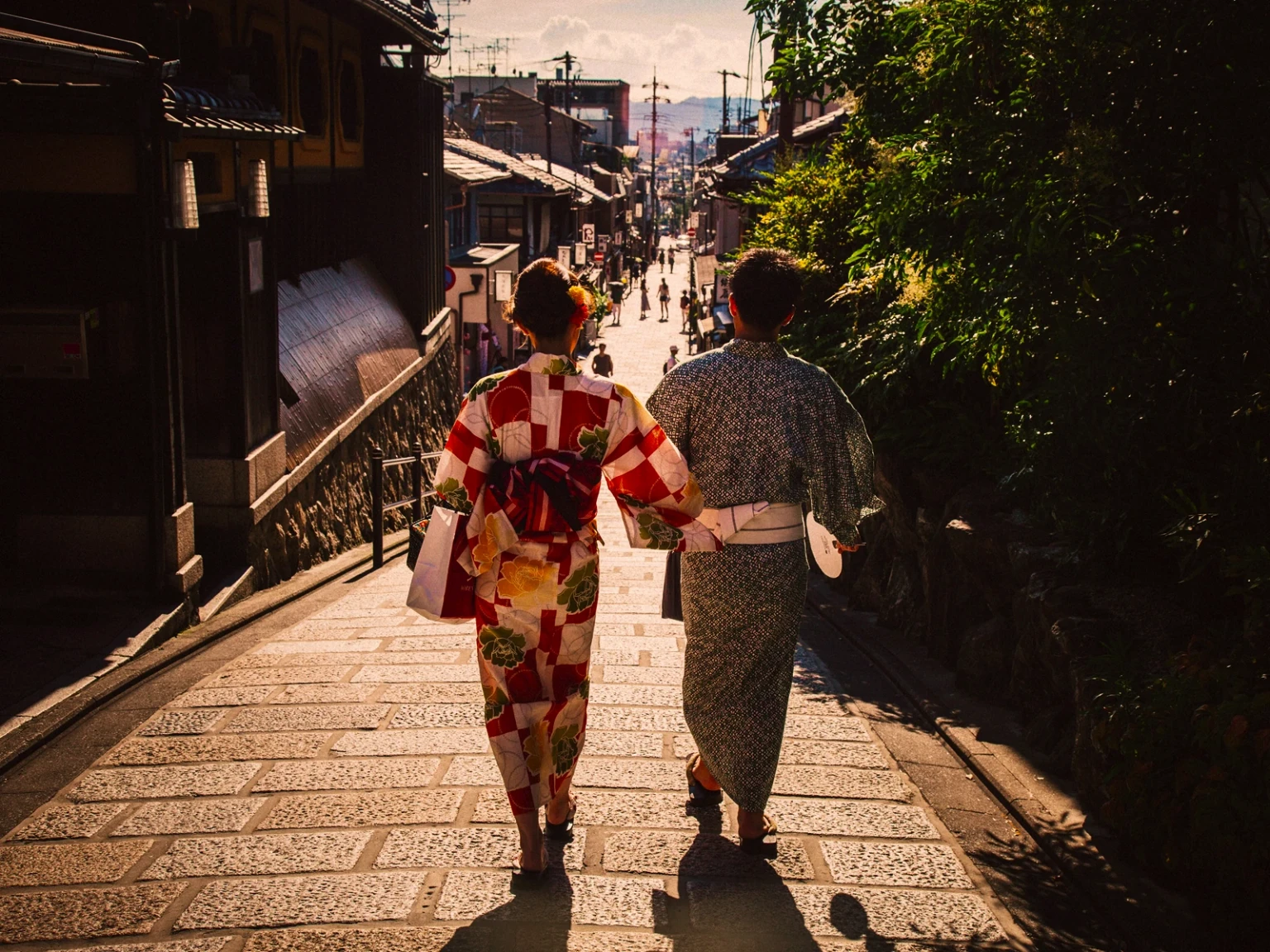
For everyday comfort, the yukata is a good choice. This light cotton robe is worn at summer festivals and in hot-spring towns. Many ryokan provide one for guests, and it is normal to walk around the streets wearing it.
- Kimono: It is formal, has several layers, and its colours and patterns change with the seasons.
- Yukata: It is casual, made of cotton, and is worn at festivals and in hot-spring resorts.
Clothing in Japanese culture also has special meaning. For example, the way a kimono is wrapped is important. Left over right is for everyday wear, while right over left is only used when dressing the dead.
Japanese Culture and Art: Traditions Still Alive Today
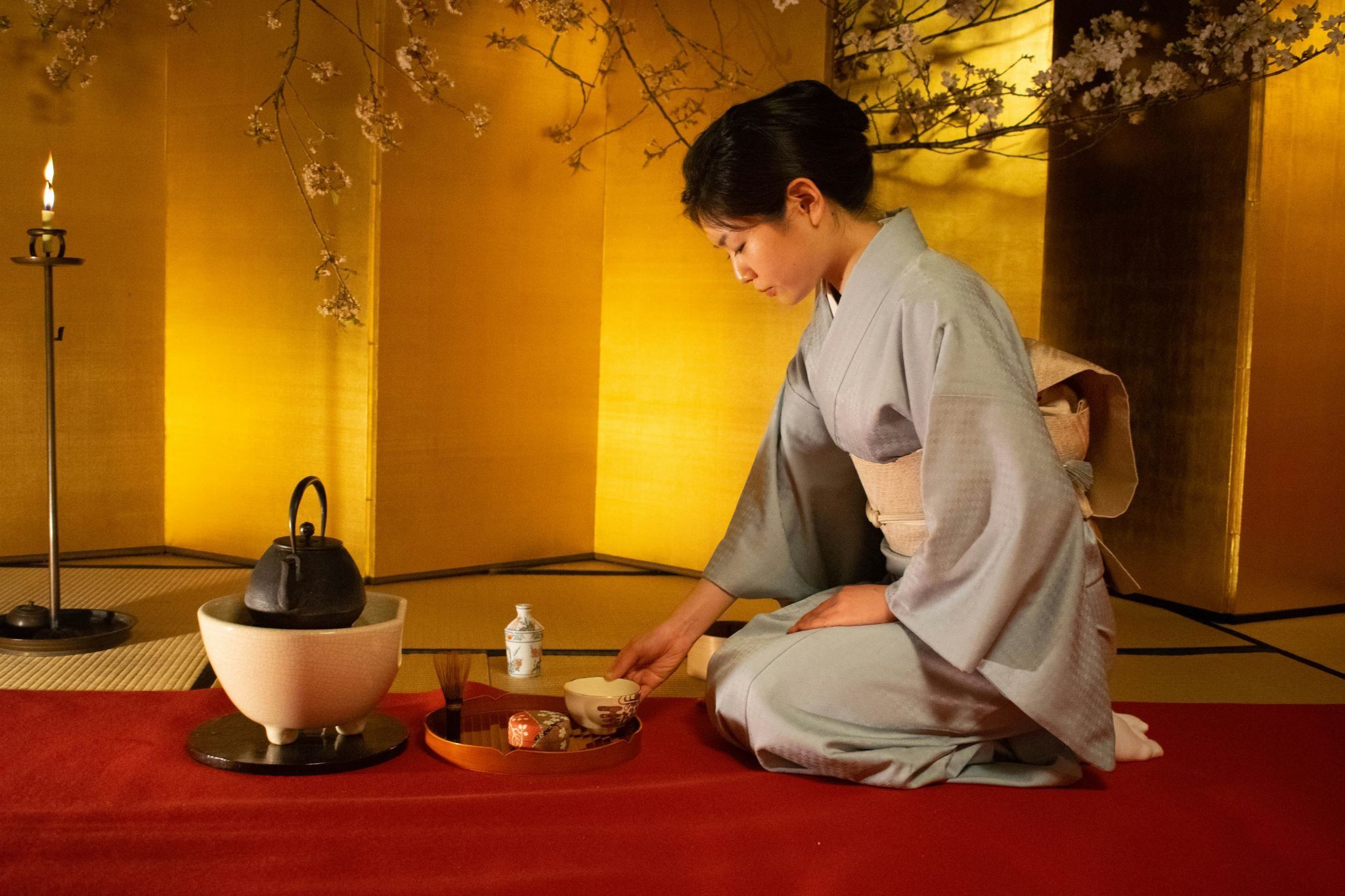
Japanese culture and art stand out because traditional practices are still part of everyday life. You might see Japanese traditions in a weekend tea ceremony, a local festival, or even a sumo match on TV.
Here are some experiences you should try:
- Tea ceremony (sado): This slow and careful ritual is meditative. It teaches you to focus on one thing at a time.
- Matsuri (festivals): These are lively street parties held during different seasons, with floats, food stalls, and fireworks.
- Sumo: Sumo is Japan’s national sport, and each match begins with Shinto rituals.
- Crafts: Pottery, calligraphy, woodblock prints, and peaceful gardens are all meant to help you slow down and appreciate the moment.
This mix of ritual and daily life is at the heart of Japanese culture and tradition. That is why visiting a temple often feels less like being a tourist and more like joining in a living tradition.
Japanese Work Culture and the Rhythm of Daily Life
Even as a visitor, you notice Japanese work culture in the on-time trains and the care staff put into every task. Japanese people are known for their hard work and long hours, but younger workers are now seeking a better balance.
Daily life in Japan follows a steady rhythm and is filled with small rituals.
- Punctuality is respect: If a train is even two minutes late, someone will usually apologise.
- Cleanliness is collective: Children clean their own classrooms, and fans pick up after themselves at stadiums once games end.
- Seasons shape life: Food, decorations, and activities change with the seasons, from cherry blossoms in spring to colourful leaves in autumn.
Understanding this routine is a quiet key to Japanese culture. It helps explain the calm, the order, and why things run so smoothly.
What's New for Travellers in 2026
Some rules have changed recently, and being aware of them can help you avoid stress. These changes are not meant to discourage you. In fact, they mostly benefit people who plan ahead, which fits well with Japanese culture.
Update (2026) | What It Means for You |
Departure tax | The ticket price now includes a ¥3,000 per-person fee, up from ¥1,000 on 1 July 2026. |
Mount Fuji climb | There is a ¥4,000 fee for each of the four official trails. You need to reserve and pay online, and there are daily limits on the number of spots available. |
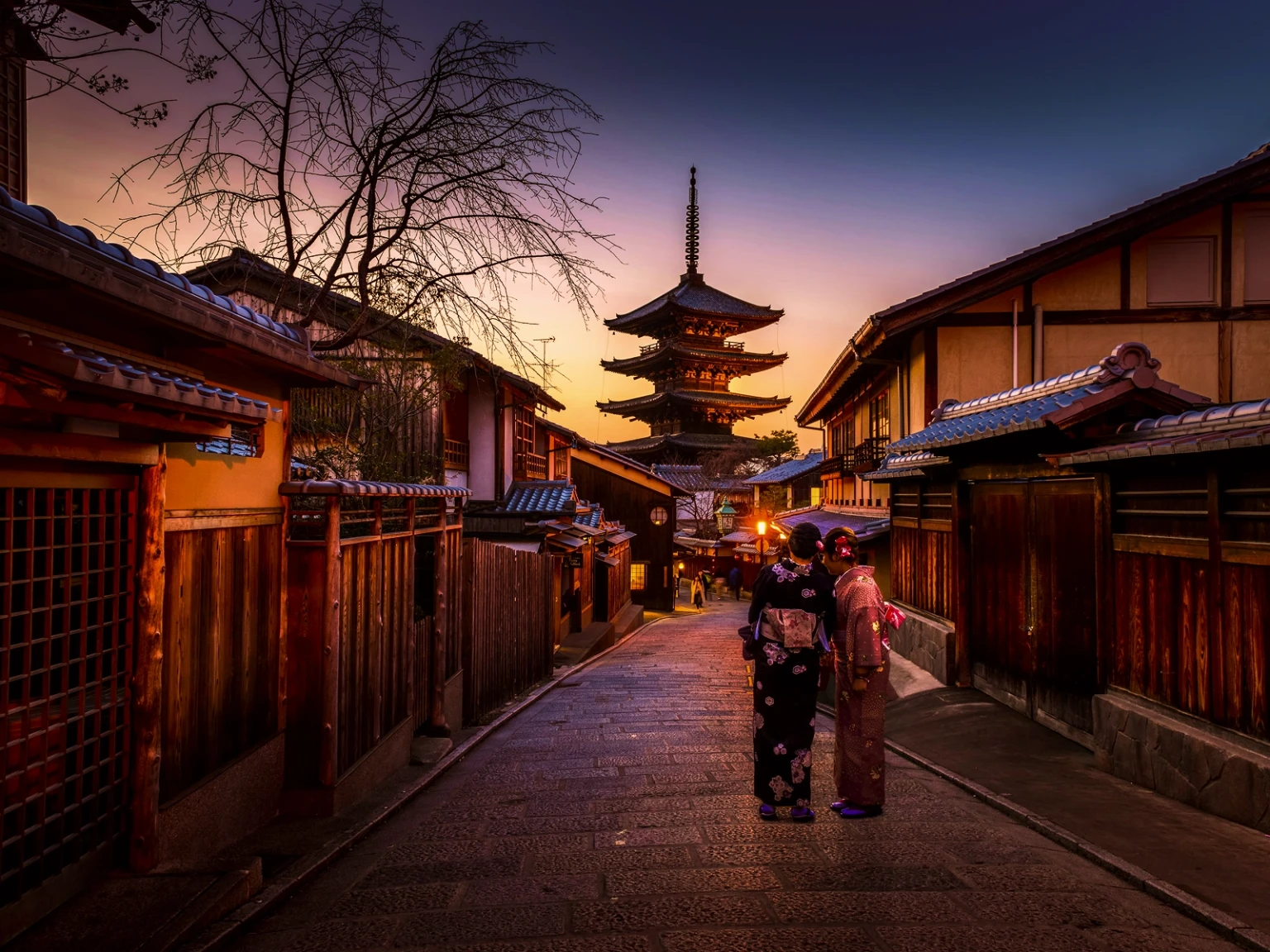
Kyoto's Gion | Tourists are not allowed in the private alleys, and taking photos of geisha there may result in fines. |
Street rules | If you smoke outside designated areas or litter in some parts of Tokyo and Kyoto, you may be fined on the spot. |
After a record 42.7 million international visitors in 2025 and new efforts to protect Japan’s unique places, it’s best to book Mount Fuji and other popular sights as soon as you know your travel dates.
Bringing Your Japan Holiday to Life
Japanese culture is special because it welcomes curious travellers, not just those who do everything perfectly. If you focus on the important things and show respect, you’ll discover sides of Japan that guidebooks can’t fully describe.
If planning everything is not your thing, we are here to help. At Holiday Tribe, our advisors create Japanese holidays based on your travel style, whether it’s your first holiday abroad, a honeymoon, or a family getaway. We take care of the details so you can enjoy the culture. If you arrive with an open mind and a bit of preparation, Japan will feel less distant and more like a place you were always meant to visit.