

Most people visit the Andaman Islands for the beaches and water activities, often missing the unique character of the place. Many just go scuba diving in the morning and watch the sunset at the jetty, then call it a day. But if you spend an evening at a Sri Vijaya Puram market, you’ll notice something interesting: a Bengali fish stall next to a Tamil tiffin counter, Hindi film songs playing, and a Nicobari face in the crowd. That mix is what really defines the islands. The culture here is like a small version of India floating in the Bay of Bengal, built on top of communities that have been here much longer than any settlers. Here’s what it actually feels like to be there, and what you should and shouldn’t do when it comes to the islands’ indigenous people.
What Makes Andaman and Nicobar Culture So Different?
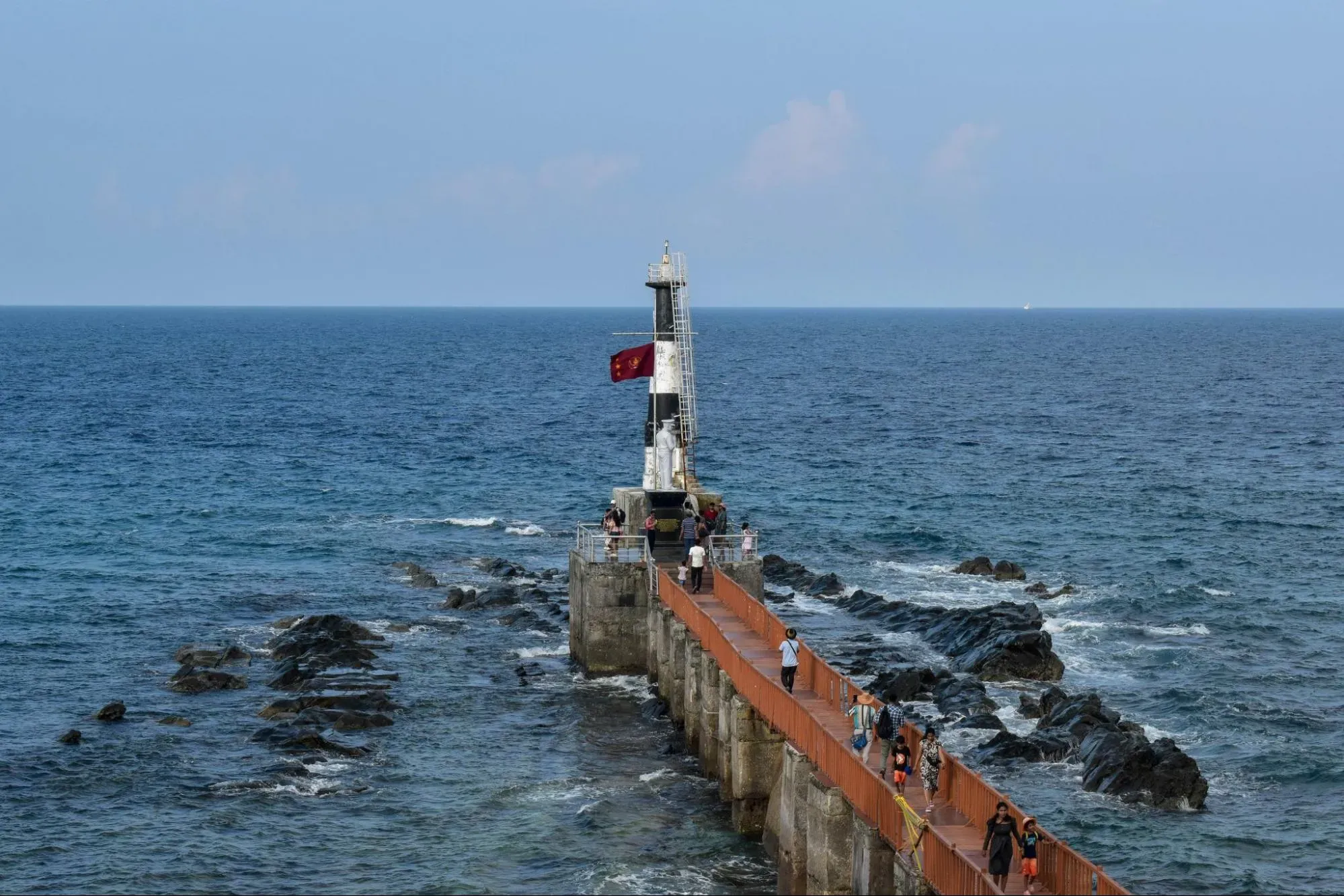
You can think of these islands as a smaller, rearranged version of India. After 1858, the British used the Andaman and Nicobar Islands as a penal colony. Over the next hundred years, people from Bengal, Tamil Nadu, Andhra, and Kerala arrived; some as prisoners, some as freedom fighters, and others as settlers. Many of their grandchildren still live here, which is why locals proudly call it "Mini India." But beneath all this are six tribes who have lived in the Andaman and Nicobar region for tens of thousands of years. When you visit, you’ll find two cultures: the lively settler islands that are open to everyone, and a tribal world that remains protected and mostly out of reach.
Detail | Quick Fact |
Capital | Sri Vijaya Puram (renamed from Port Blair in September 2024) |
Islands | 836 in total, around 38 permanently lived on |
Most-spoken language | Bengali, then Hindi and Tamil |
Indigenous tribes | 6, split across Andaman and Nicobar |
Nickname | "Mini India" |
Who Are the Andaman and Nicobar Tribes?
There are six indigenous groups in the Andaman and Nicobar Islands, divided into two families. The four Andaman tribes- the Great Andamanese, Onge, Jarawa, and Sentinelese- are of Negrito origin and are believed to be among the earliest humans to leave Africa. The two Nicobar groups, the Nicobarese and the Shompen, have roots in Southeast Asia. Sadly, contact with outsiders brought disease and decline, and now the four original Andaman tribes together have fewer than 700 people. This delicate blend of ancient traditions and modern influences is at the core of Andaman and Nicobar culture.
Tribe | Where They Live | Worth Knowing |
Great Andamanese | Strait Island | Once in the thousands, now only a few dozen |
Onge | Little Andaman (Dugong Creek) | Around 100 people left |
Jarawa | South and Middle Andaman | Hunter-gatherers, reserve strictly off-limits |
Sentinelese | North Sentinel Island | Uncontacted, entry banned by law |
Nicobarese | Nicobar group | Largest tribe, mostly Christian today |
Shompen | Great Nicobar interior | Around 230, semi-nomadic |
The Nicobarese are well known for the Ossuary Feast, also called the Pig Festival. On this full-moon night, people wear coconut-leaf costumes, sing, and dance to honor a family's departed leader.
Can You Actually Meet These Tribes?
The short answer is no, and that is intentional. The Jarawa tribe lives along the Andaman Trunk Road. Although vehicle convoys travel through their reserve, it is illegal to stop, feed, or film them under the Andaman and Nicobar Islands (Protection of Aboriginal Tribes) Regulation. North Sentinel Island is completely off-limits, with a five-kilometre exclusion zone and regular naval patrols. These rules are in place for important reasons. In April 2025, a US national was arrested for entering North Sentinel and filming the Jarawa, showing that the authorities take these laws seriously. If you want to learn about this part of Andaman and Nicobar culture, visit the Anthropological Museum or the Samudrika Museum in Sri Vijaya Puram. The people you will meet and interact with during your visit are the settlers, who are known for being genuinely warm and welcoming.
What Language Do Andaman People Speak?
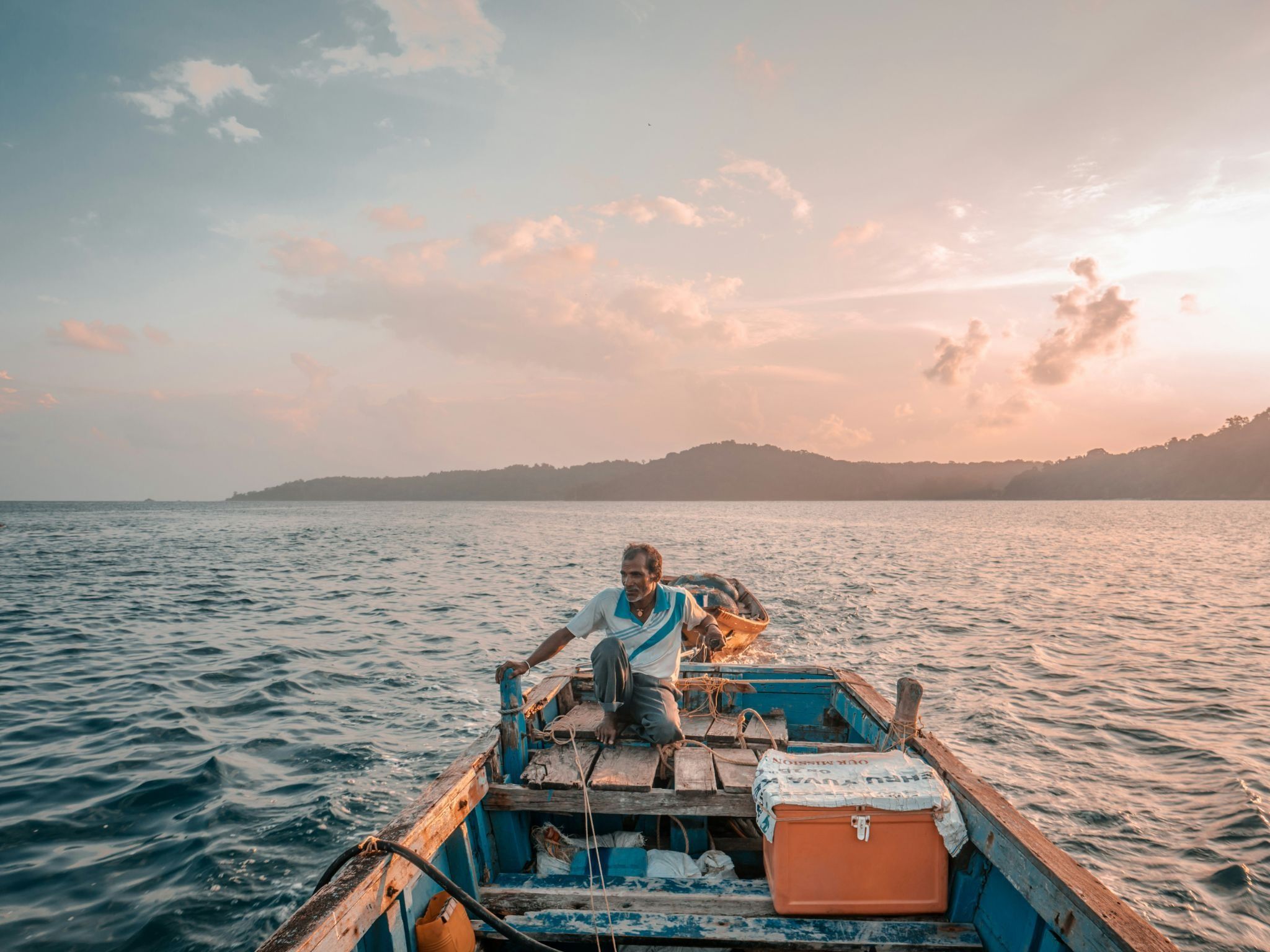
One interesting fact about the languages in Andaman and Nicobar is that Bengali, which is not a local language, is actually the most widely spoken.
- Official: Hindi and English
- Most spoken: Bengali, around a quarter of the population
- Also common: Hindi, Tamil, Telugu and Malayalam
- Indigenous: Nicobarese, plus rare tongues like Jarawa and Onge with very few speakers left
In daily life, most people get by with Hindi or English, and a local dialect called Andaman Creole Hindi helps everyone communicate. This mix of languages is a small example of Andaman and Nicobar’s culture.
What Food Should You Try in Andaman And Nicobar?
The fastest way to experience Andaman and Nicobar culture is through food. Surrounded by waters full of fish, the islands are known for their fresh, simply cooked seafood. Walk down a street and you’ll find Bengali, Tamil, Andhra, Kerala, and even Burmese flavors, all thanks to the islands’ unique blend of cultures.
Dish | What It Is |
Andaman fish curry | The day's catch in a coconut-and-tamarind gravy |
Grilled lobster | Buttery, straight off the reef |
Butter garlic prawns | Local prawns, quick and rich |
Tandoori fish | Marinated and clay-oven cooked |
Coconut prawn curry | Fragrant, ground fresh spices |
What About Vegetarians?
It’s actually easier than you might think to find vegetarian food on an island known for seafood.
- Coconut rice, dal and full South Indian meals everywhere
- Nicobari boiled banana flower with grated coconut
- Bamboo shoot curry and plenty of tropical fruit
For a real taste of the area, check out the stalls near Aberdeen Bazaar in Sri Vijaya Puram or the beach shacks on Havelock (Swaraj Dweep).
Which Festivals Bring the Islands to Life?
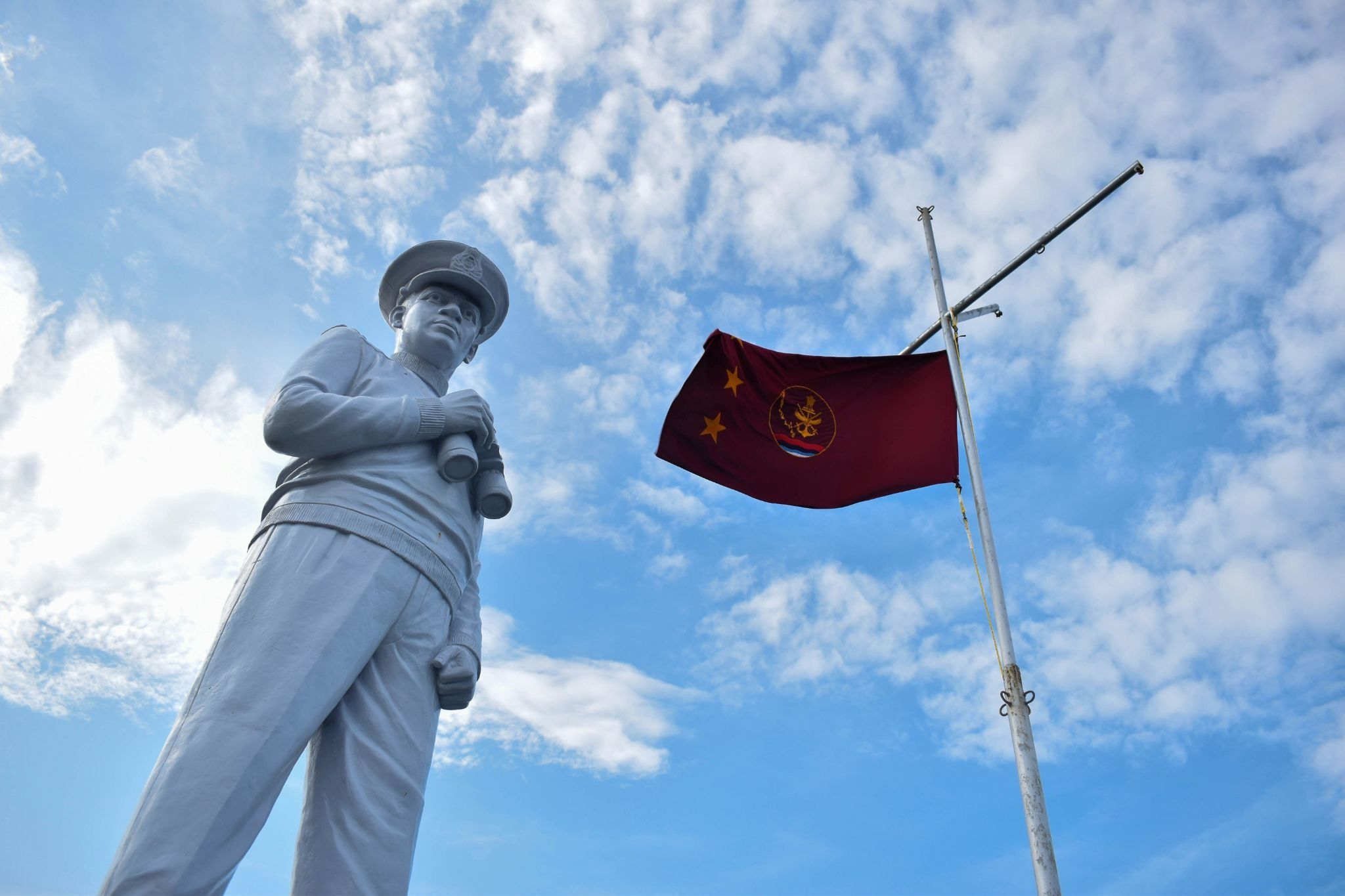
Since this place is known as Mini India, its festival calendar feels like the entire country has been packed onto just a few islands. The main event is the Island Tourism Festival, held between December and January, featuring folk dances, handicrafts, water sports, and food stalls. For the rest of the year, celebrations reflect the traditions of the settlers who made these islands their home.
Festival | When | Who Celebrates / What Happens |
Island Tourism Festival | Dec to Jan | Biggest event: dance, crafts, food, water sports |
Durga Puja and Kali Puja | Sep to Nov | Bengali strongholds like Diglipur and Rangat |
Pongal and Panguni Uthiram | Jan to Apr | Tamil community |
Ossuary (Pig) Festival | Varies | Nicobarese tribute to ancestors |
Onam, Christmas, Holi | Varies | The full Mini India spread |
The Nicobarese Ossuary Feast is something you won't find anywhere else. It isn't put on for tourists, but it shows just how deep Andaman and Nicobar culture goes beyond the beaches.
Tribe Travel Tip: If you can, plan your holiday for late December. You'll get to experience the Island Tourism Festival, enjoy calm seas for island-hopping, and have the best weather. Just remember to book your hotel early, as this is peak season and the best beach spots fill up quickly.
Ready to Taste the Real Islands?
The beaches are always the main attraction, but it is the culture of the Andaman and Nicobar Islands that truly stays with you. Imagine enjoying fish curry by the water, hearing a Bengali dhol during Durga Puja, or listening to a Nicobari song you did not expect. You do not have to search for these moments; they will find you once you arrive. When you are ready to plan, Holiday Tribe can help you create a holiday that matches what you care about most. We have ready-made island packages for those who want everything arranged, and fully customised options for travellers who prefer to set their own pace. All our itineraries are land-based, so you can book your own flights while we take care of hotels, transfers, sightseeing, and local experiences. Just let us know your dates, and we will handle the rest.