

Ho Chi Minh City moves fast. From the moment you step outside, there are scooters cutting through every gap in traffic, street food carts filling the air with the smell of pho and grilled meat, and French colonial buildings sitting alongside modern towers on the same block. Most locals still call it Saigon, and both names are used interchangeably.
The city carries a lot of history, but it does not feel heavy. The war sites give you real context for what this country went through. The food, the markets, and the street life give you something to enjoy in between. Whether you are visiting Vietnam for the first time or returning after a gap of years, HCMC consistently has more to offer than a two-night stopover allows.
This guide covers the 12 things to do in Ho Chi Minh City that are genuinely worth building your schedule around. Each activity includes the address, timings, entry cost, and practical notes so you can plan your days without having to cross-reference multiple sources.
Why Should Ho Chi Minh City Be on Your Vietnam Holiday?
Ho Chi Minh City is the largest city in Vietnam and the country's main commercial hub. It is also the starting point for some of Vietnam's most significant history, most of which you can get to from District 1 within 30 minutes or less.
The city suits a wide range of travellers:
- War history you can walk through: The War Remnants Museum, Reunification Palace, and Cu Chi Tunnels cover the Vietnam War from three different angles and take two to three half-days to see properly.
- French colonial buildings still in use today: A functioning post office, a cathedral, and an opera house, all built in the 1800s and still open to visitors.
- Street food that is worth planning your evenings around: Markets, night tours by scooter, and local restaurants covering dishes from every region in Vietnam.
- Day tours that show you a completely different side of the country: The Cu Chi Tunnels and the Mekong Delta are both within two hours of the city centre and are easy to add to a three or four day stay.
- A city that feels lived-in, not staged: The temples are actively used, the markets are genuinely local, and life outside the tourist centre carries on regardless of how many visitors are passing through.
What Are the Best Historical Things to Do in Ho Chi Minh City?
1. War Remnants Museum
 Best time to visit: Early morning at 7:30am when it opens, before tour groups arrive
- What you can do: Walk through eight exhibition floors covering war history, Agent Orange effects, and the Requiem Photography Exhibition; view military hardware on the grounds outside
- Time needed: Minimum 2 hours; many visitors take longer
The War Remnants Museum is a popular and significant site in Vietnam. It tells the story of the Vietnam War and its aftermath from the Vietnamese point of view. The museum has three floors with eight thematic exhibitions and more than 20,000 artefacts, such as photos, weapons, and personal stories.
Other key exhibitions include:
- Requiem Photography Exhibition: This exhibit shows the work of photographers from both the Indochina War and Vietnam War who lost their lives during the conflicts. It includes well-known names like Robert Capa.
- Military hardware on the grounds: Before you enter the main building, you can see tanks, aircraft, and artillery displayed outside.
- War Crimes Exhibition: This section includes photos and records of events such as the My Lai massacre.
The order of the exhibitions is important, and it can make a real difference to how much you take away from the experience. If you are planning things to do in Ho Chi Minh City that involve learning about the war, start here and start at the top floor, then make your way down. The displays are arranged in chronological order, so beginning at the ground level means you miss the context that the upper floors establish first.
Plan to spend at least two hours at the museum. Many people find they need even more time to see everything.
Also Read: 11+ Trendy Places To Visit In Vietnam
2. Reunification Palace (Independence Palace)
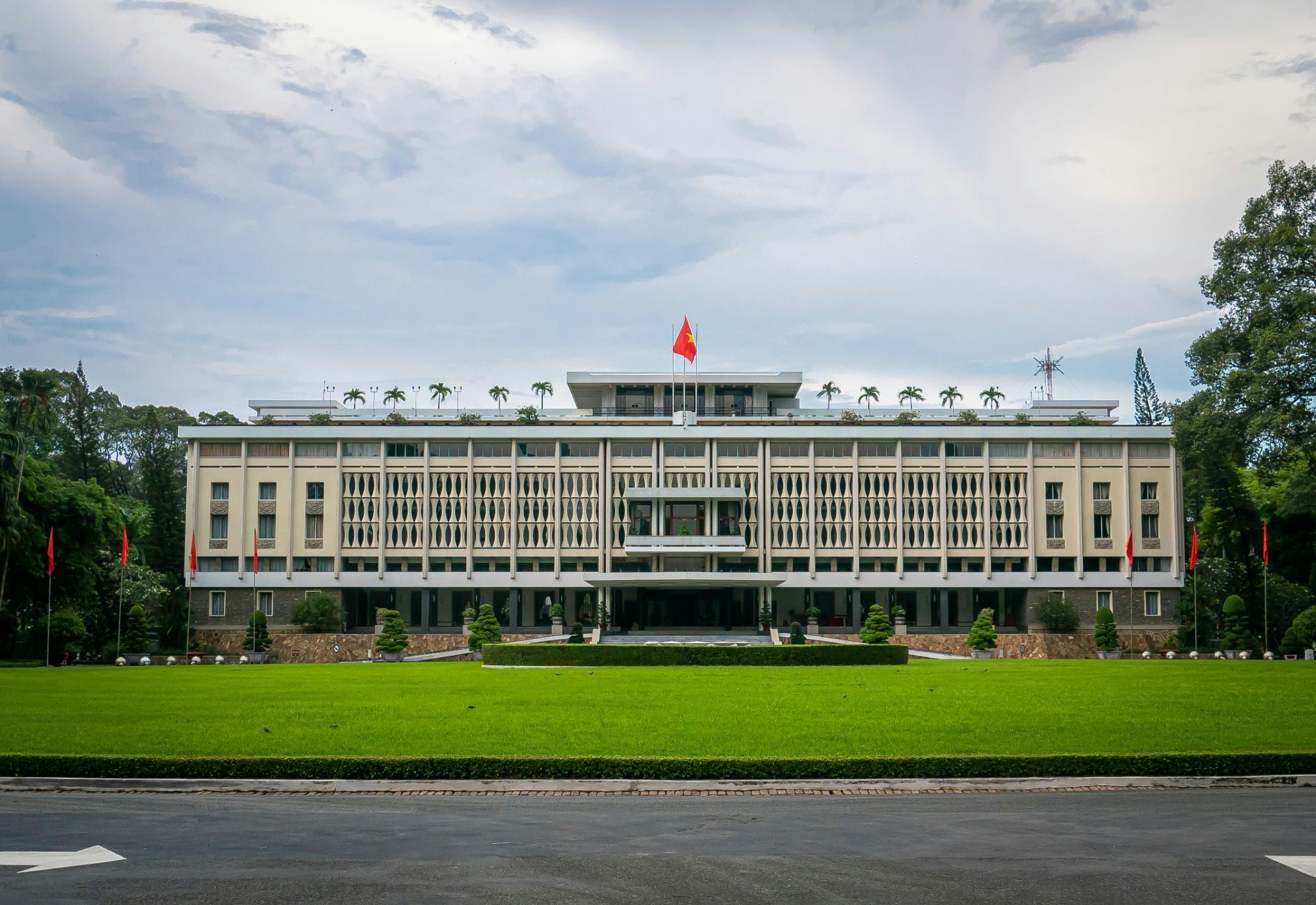 Best time to visit: Morning session between 7:30am and 11:00am; the palace closes between 11:00am and 1:00pm daily
- What you can do: Walk through the presidential reception rooms, living quarters, rooftop helipad, and the basement war room with original rotary phones and telecommunications equipment
- Time needed: 1 to 2 hours
The Reunification Palace is where the Vietnam War came to an end. On April 30, 1975, a North Vietnamese Army tank broke through the palace gates, marking the fall of Saigon and the end of the Vietnam War under the North. Today, this date is a public holiday in Vietnam.
Inside, you can see:
- Reception rooms and state rooms: These large, formal spaces were used for official events and are still kept in their original 1960s style, complete with period furniture.
- Presidential living quarters: These private rooms were used by the president and his family, and include bedrooms and a dining room.
- Rooftop: There is a helipad here that was used for evacuation flights during the last days of the war.
- Basement war room: Many visitors find this the most fascinating part of the palace. It still has the original telecommunications equipment, maps, and vintage rotary phones that were used to coordinate military operations. The room has mostly been left just as it was in 1975.
3. Cu Chi Tunnels
 Best time to visit: Early morning when it is cooler; the site is largely outdoors and gets very hot by midday
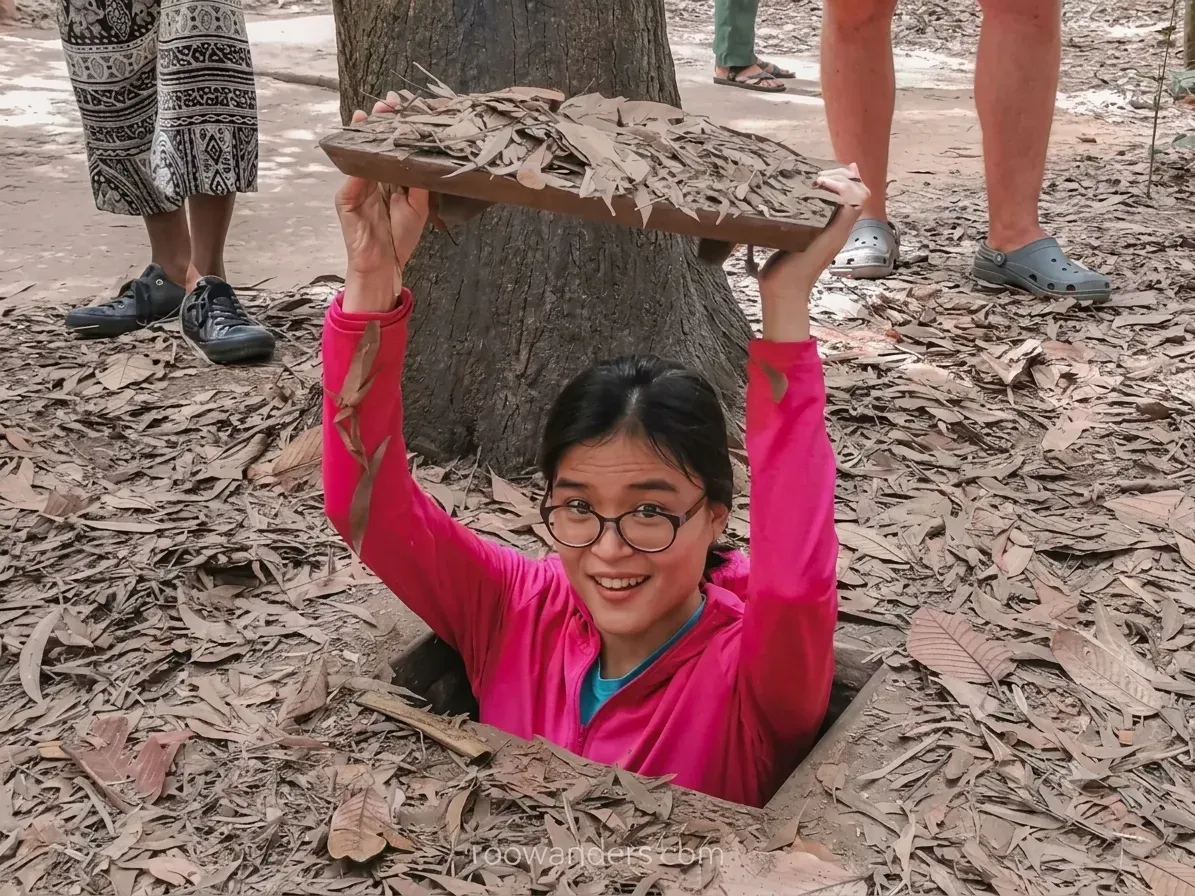
- What you can do: Crawl through tunnel sections, watch Viet Cong trap demonstrations, climb into concealed tunnel entrances, and optionally fire an AK-47 at the shooting range
- Time needed: Half a day including travel from District 1; approximately 4 to 5 hours in total
The Cu Chi Tunnels form an underground network that the Viet Cong used during the Vietnam War. These tunnels helped fighters move around, hide supplies, set traps, and carry out attacks without being seen. At their largest, the tunnels stretched for about 250 kilometres in the Cu Chi region. Today, about 40 kilometres are still accessible, and some parts are open for visitors.
There are two tunnel sites: Ben Dinh and Ben Duoc.
Feature | Ben Dinh | Ben Duoc |
Distance from city | Approximately 45 km | Approximately 75 km |
Crowd level | Higher, more visited | Much quieter |
Access | Easier, accessible by half-day tour or boat | Requires more time, best by full-day visit or public bus |
Best for | First-timers, limited time | Those wanting a quieter, more authentic experience |
Tour options | Widely available as half-day tours from District 1 hotels | Accessible by public bus; fewer organised tours |
Tribe Travel Tip: If you’re visiting with a small group or family, consider booking a private tour. It usually doesn’t cost much more than a group tour and lets you set your own pace for the day.
What are the most famous architectural spots in Ho Chi Minh City?
4. Notre Dame Cathedral
- Best time to visit: Morning, when the area is less crowded
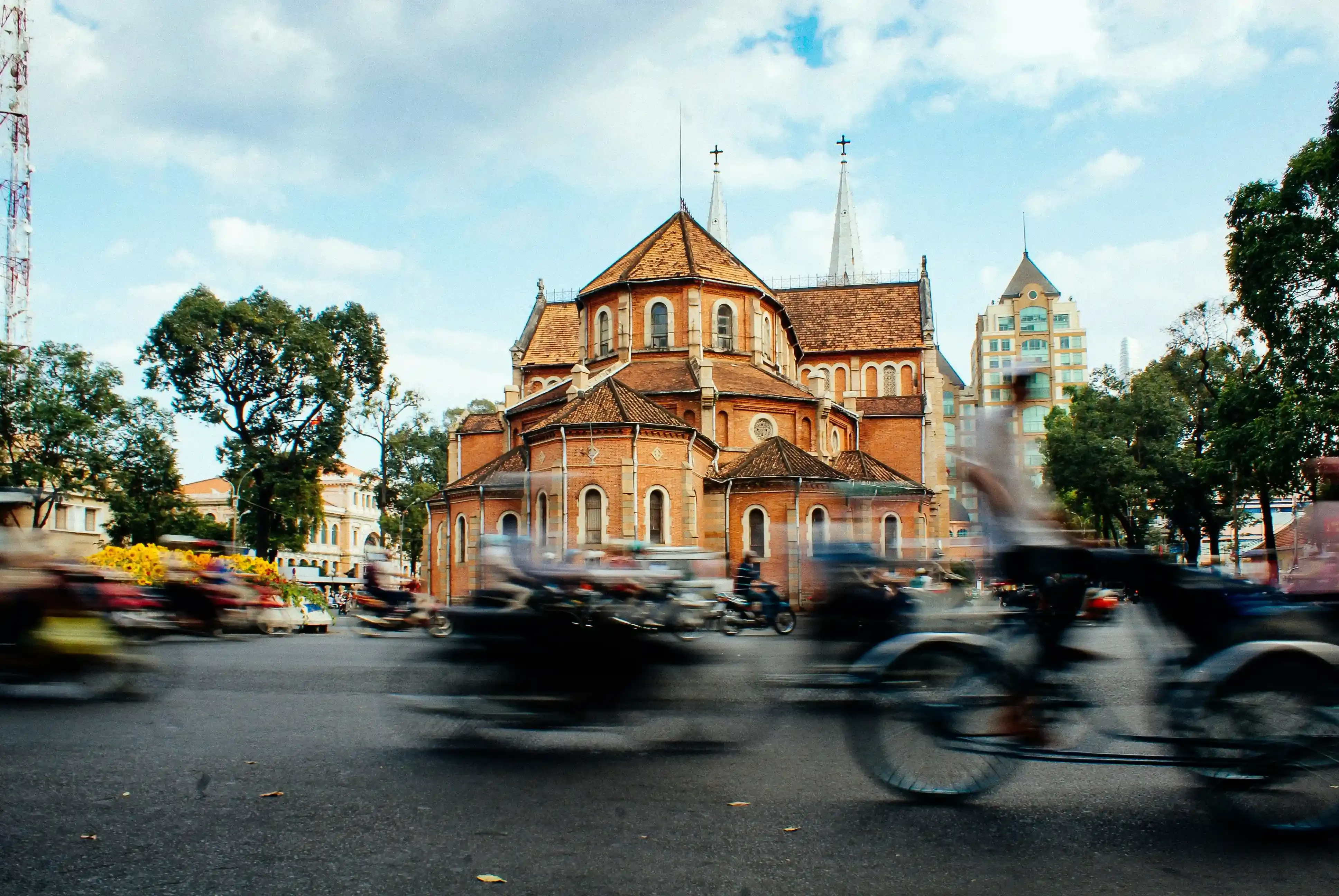
- What you can do: View the exterior, twin bell towers, and the 8-tonne Virgin Mary statue in the park in front; attend mass if timing aligns
- Time needed: 15 to 20 minutes
Notre Dame Cathedral stands out as one of the most recognised stops on any list of things to do in Ho Chi Minh City. Built from 1863 to 1880 during the French colonial era, every brick was brought over from France. A small park with an 8-tonne statue of the Virgin Mary sits in front of the cathedral, and the Central Post Office is directly across the street, making it easy to cover both in a single stop.
Also Read: 10 Historic Attractions That Define Hue, Vietnam
5. Saigon Central Post Office
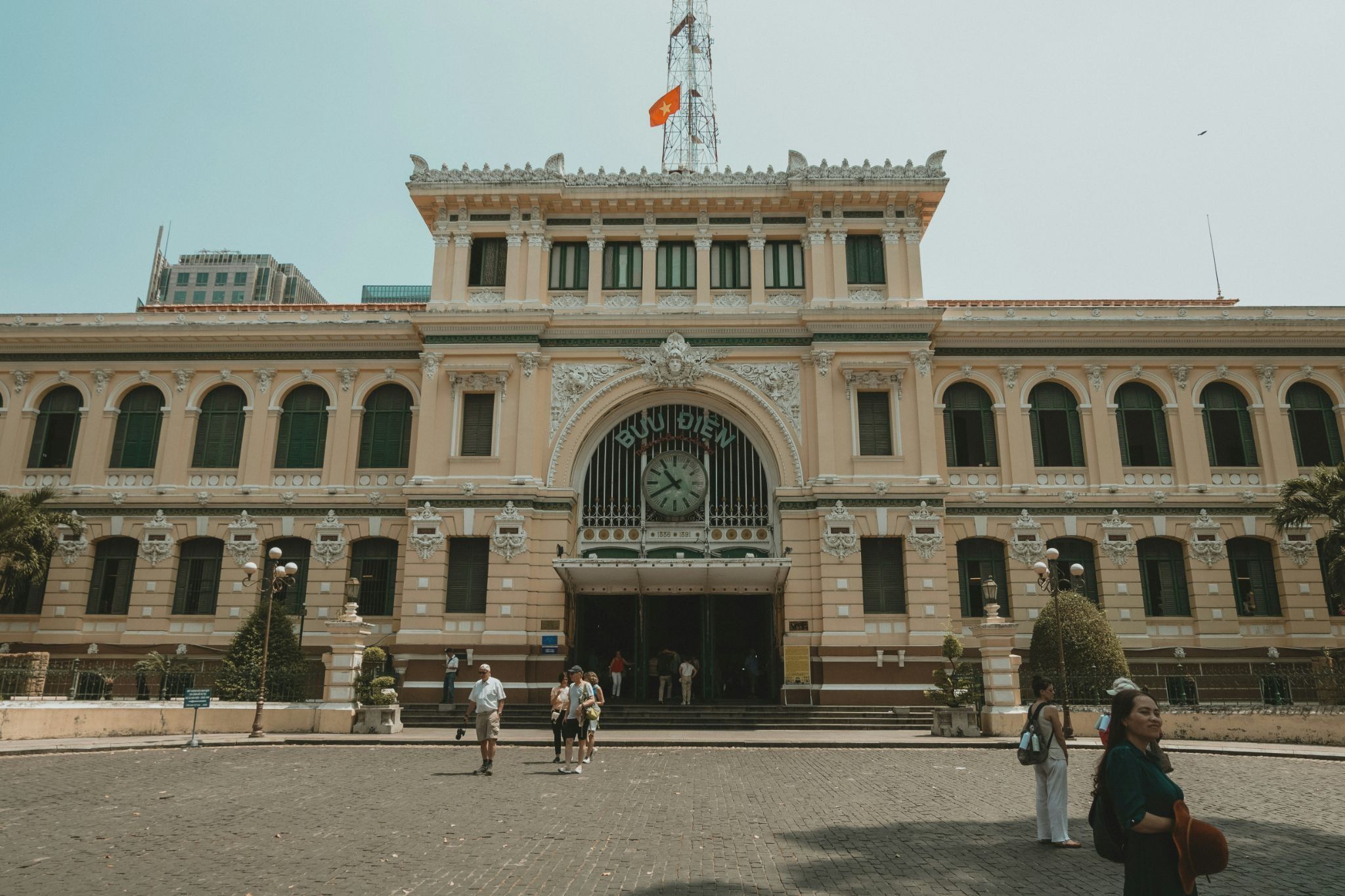
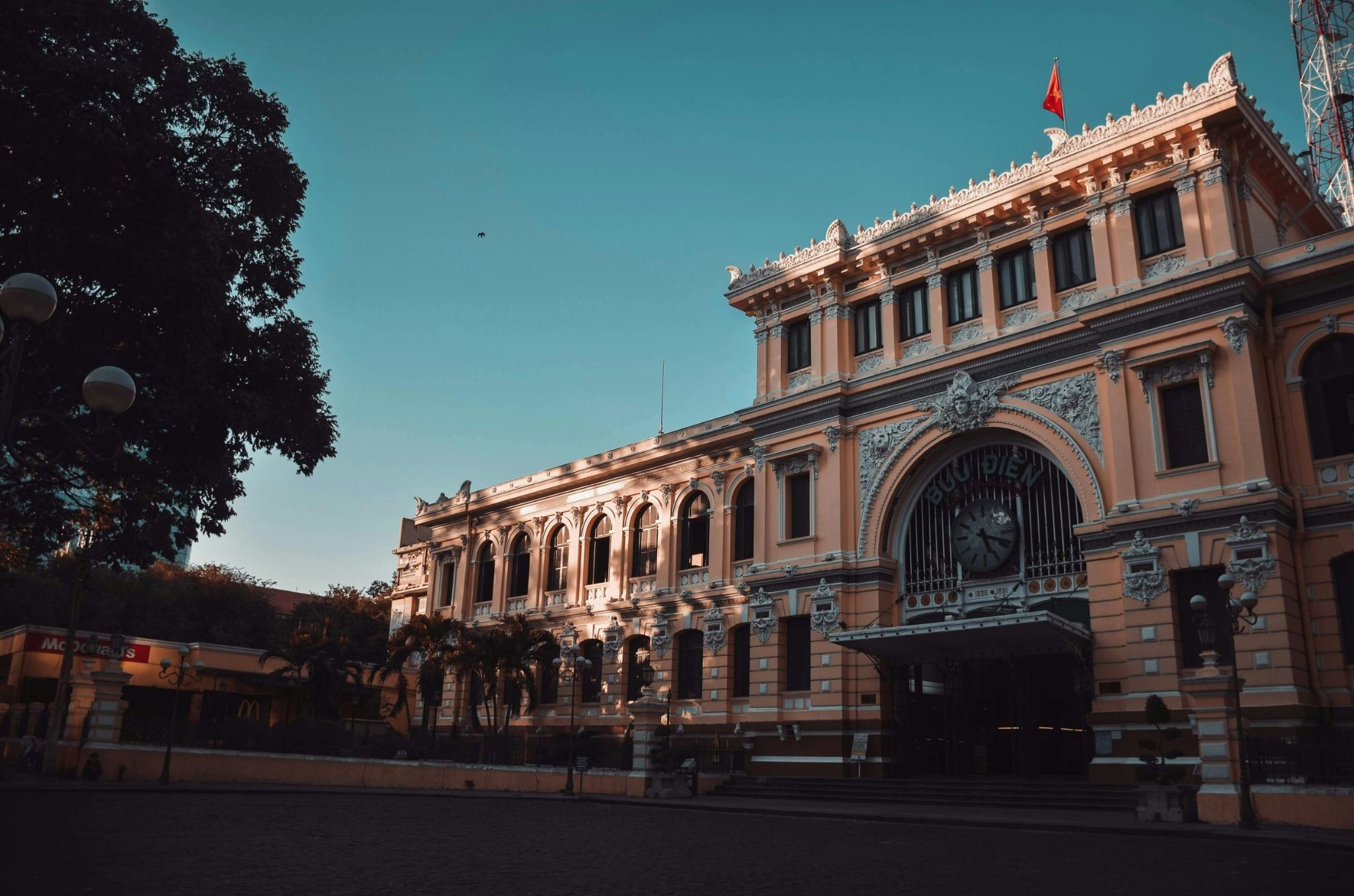 Best time to visit: Before 9:00am or after 5:00pm to avoid tour groups
- What you can do: Walk through the interior, view the vaulted ceiling and colonial-era maps, buy stamps, and send a postcard from the counter
- Time needed: 20 to 30 minutes
The Saigon Central Post Office is a working post office that dates back to 1891. It is one of the best-preserved French colonial buildings in the city and is genuinely worth going inside, not just viewing from the street.
It is a functioning post office, so you can buy stamps and send postcards or letters from inside, which some visitors choose to do as a practical souvenir.
Tribe Travel Tip: The Nguyen Van Binh Book Street is around the corner from the Post Office and takes about 10 minutes to walk through. It is worth doing if you need a quieter moment between sights.
6. Saigon Opera House and the AO Show
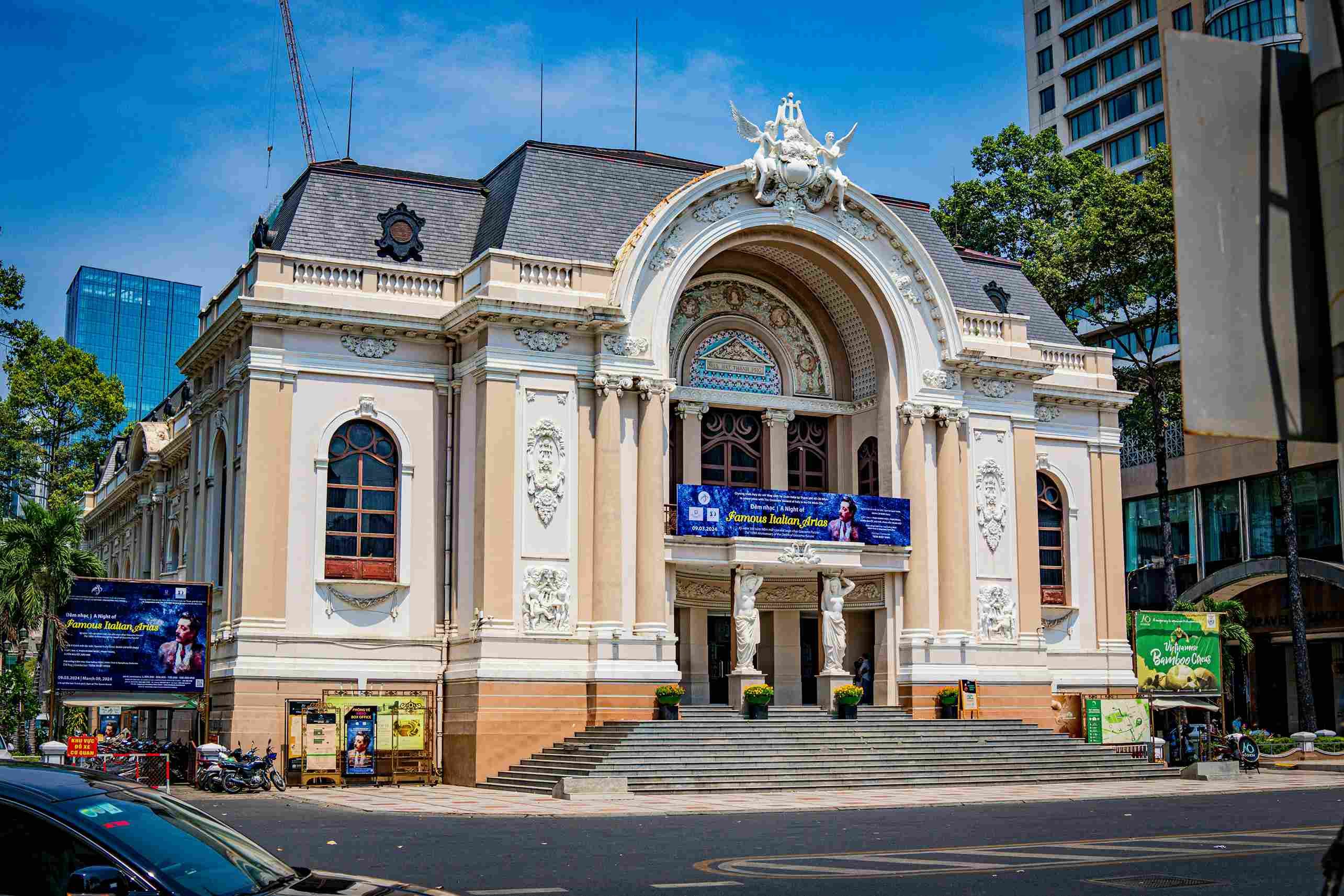 Best time to visit: It's best visited in the evening. The 6:00pm show lets you enjoy dinner in District 1 afterwards.
- What you can do: You can watch the AO Show, a one-hour bamboo circus with acrobatics, traditional props, and live folk music. There is no language barrier.
- Time needed: Plan for one hour to watch the show, and try to arrive 15 minutes early to see the exterior.
The Saigon Opera House stands out as a key example of French colonial architecture in the city. Its history can be dated back to 1898. Its well-kept exterior can be seen from Lam Son Square in District 1. To see the inside, you need to attend a performance or join a pre-show theatre tour, which are sometimes available. This is one of the better options available for anyone putting together a list of Ho Chi Minh City things to do in the evening.
The AO Show is the most common performance at the Opera House. This bamboo circus blends acrobatics, tumbling, traditional Vietnamese props like conical baskets and bamboo poles, and live folk music. The show lasts about an hour and has no dialogue, so everyone can enjoy it.
What Food and Market Experiences Should You Try in Ho Chi Minh?
7. Ben Thanh Market
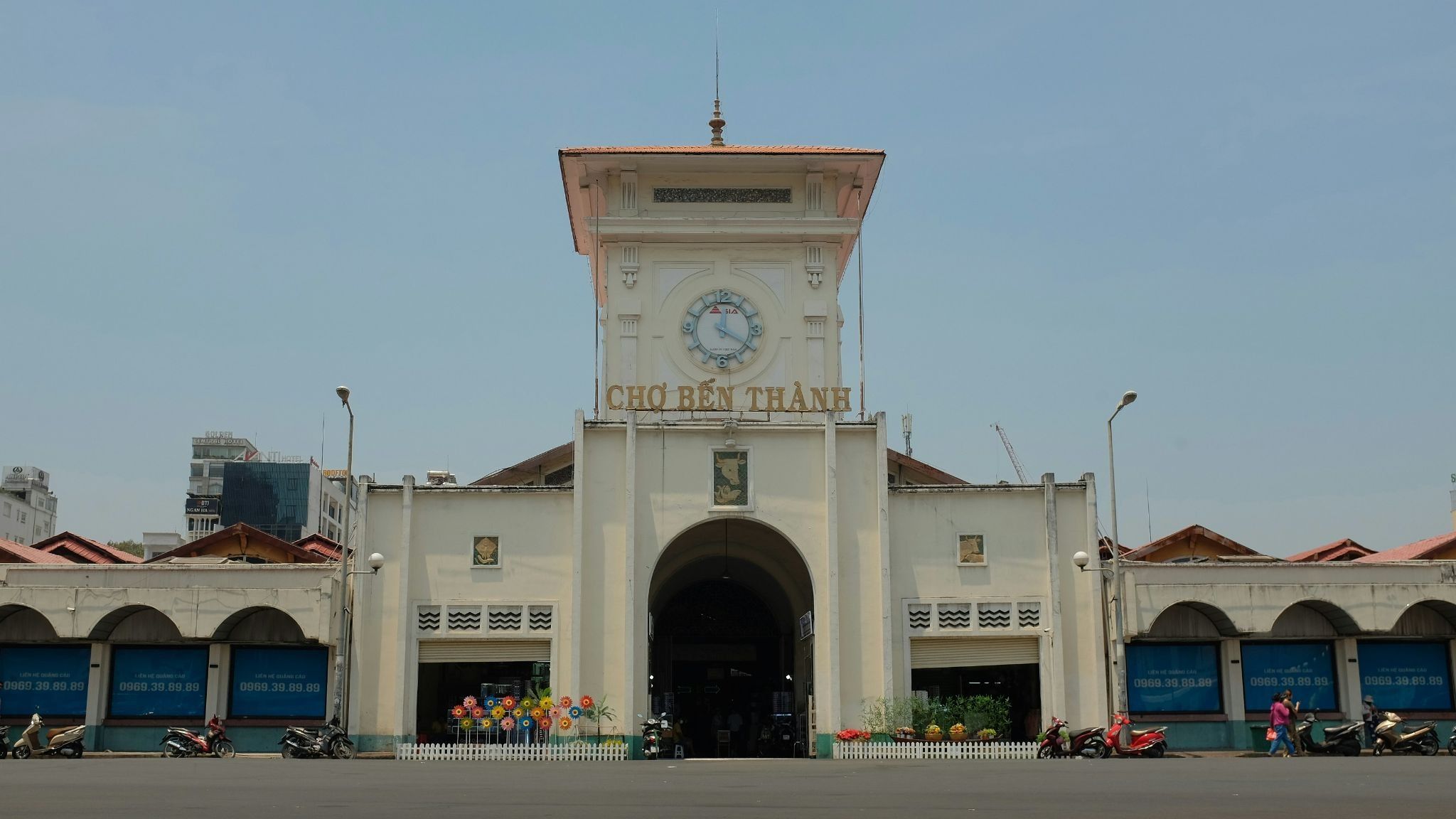 Best time to visit: Early morning around 7:00am when food stalls are freshest, and crowds are thinner
- What you can do: Browse vendors across four entrance sections, eat dishes from across Vietnam at the food stalls, bargain at interior stalls, and pick up souvenirs
- Time needed: 1 to 2 hours
Ben Thanh Market has been a central part of Ho Chi Minh City for more than a hundred years. The building was built in 1914. It is one of the city’s most famous landmarks. Its clock tower can be seen from many nearby streets. The market covers about 13,000 square metres and has around 1,400 vendors inside.
There are four main entrances to the market, and each one is linked to a different type of goods.
Entrance | What You Find There |
South Entrance (Main Gate) | General goods, fabric, dried food, spices |
East Entrance | Cosmetics, skin care, hair care products |
West Entrance | Shoes, handmade crafts, souvenirs |
North Entrance | Fresh flowers and fruit |
The inner section of the market is where the food stalls are. You can find dishes from different regions of Vietnam in one place, including pho, banh mi, broken rice (com tam), Vietnamese noodle dishes, and fresh spring rolls. It is not the cheapest place to eat in the city, but it is convenient and gives you a reasonable range.
Shopping note: The outer perimeter of the market has fixed-price shops, usually with signage. The interior stalls expect bargaining. Start at around 50-60% of the first price offered and negotiate from there.
Tribe Travel Tip: Head to the food stalls early in the morning when the dishes are freshest, and there are fewer people. Enjoying a bowl of pho or a com tam plate at 7:00am in the market is a great way to start your day in Ho Chi Minh City.
8. Night Street Food Tour by Scooter
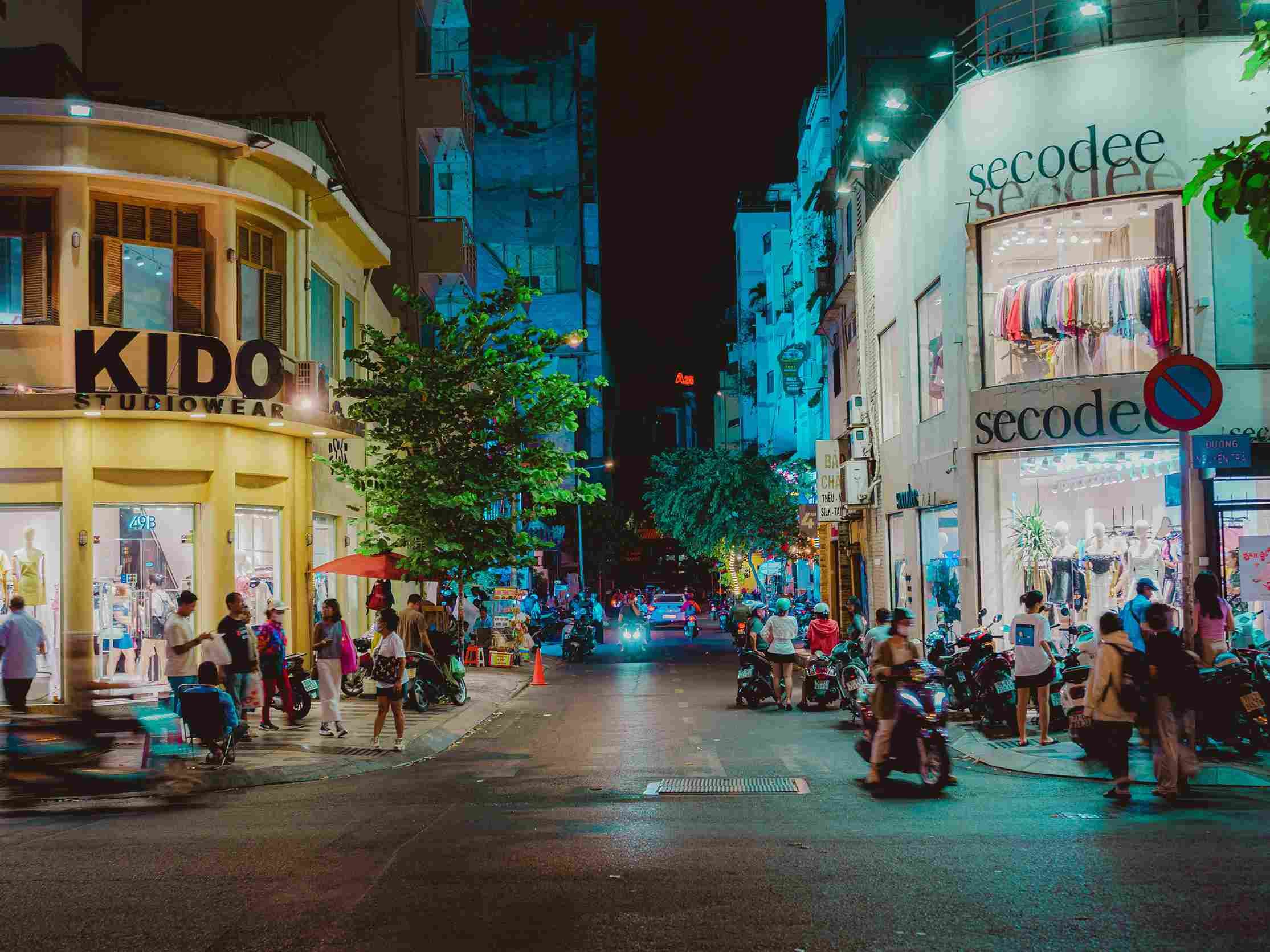 Best time to visit: Evening, typically starting around 6:00pm to 7:00pm
- What you can do: Ride pillion on a scooter through multiple districts, try nine or more courses of Vietnamese street food, visit a flower market, and get a guided introduction to the city at night
- Time needed: 3 to 4 hours
A street food tour by scooter is one of the most practical things to do in Ho Chi Minh early in your holiday. It is not just a sightseeing activity. You get to see the city at night from the back of a scooter and try local food with a guide who explains what you are eating and where to find it again on your own, which genuinely improves the rest of your stay.
What a typical tour covers:
- Multiple districts: You’ll explore several districts in the city instead of just staying in the main tourist area.
- Nine or more courses: Guides share insights about regional differences in Vietnamese cuisine, the background of certain dishes, and tips for enjoying street food on your own.
- Optional extras on some tours: Some tours also offer extras like visiting a flower market, exploring local neighbourhoods, or sampling local beer or banana sake.
- Mode of transport: You’ll ride as a passenger on a scooter, and helmets are provided for your safety.
Tours are available as group options or private tours. Private tours work better for couples or small groups because you move at your own pace and can ask more questions.
Tribe Travel Tip: Tell the guide at the start of the tour if you have any food restrictions or allergies. Most guides are well-prepared for this and will adjust stops accordingly.
Also Read: Vietnamese Street Food Guide for Travellers
9. Bui Vien Walking Street
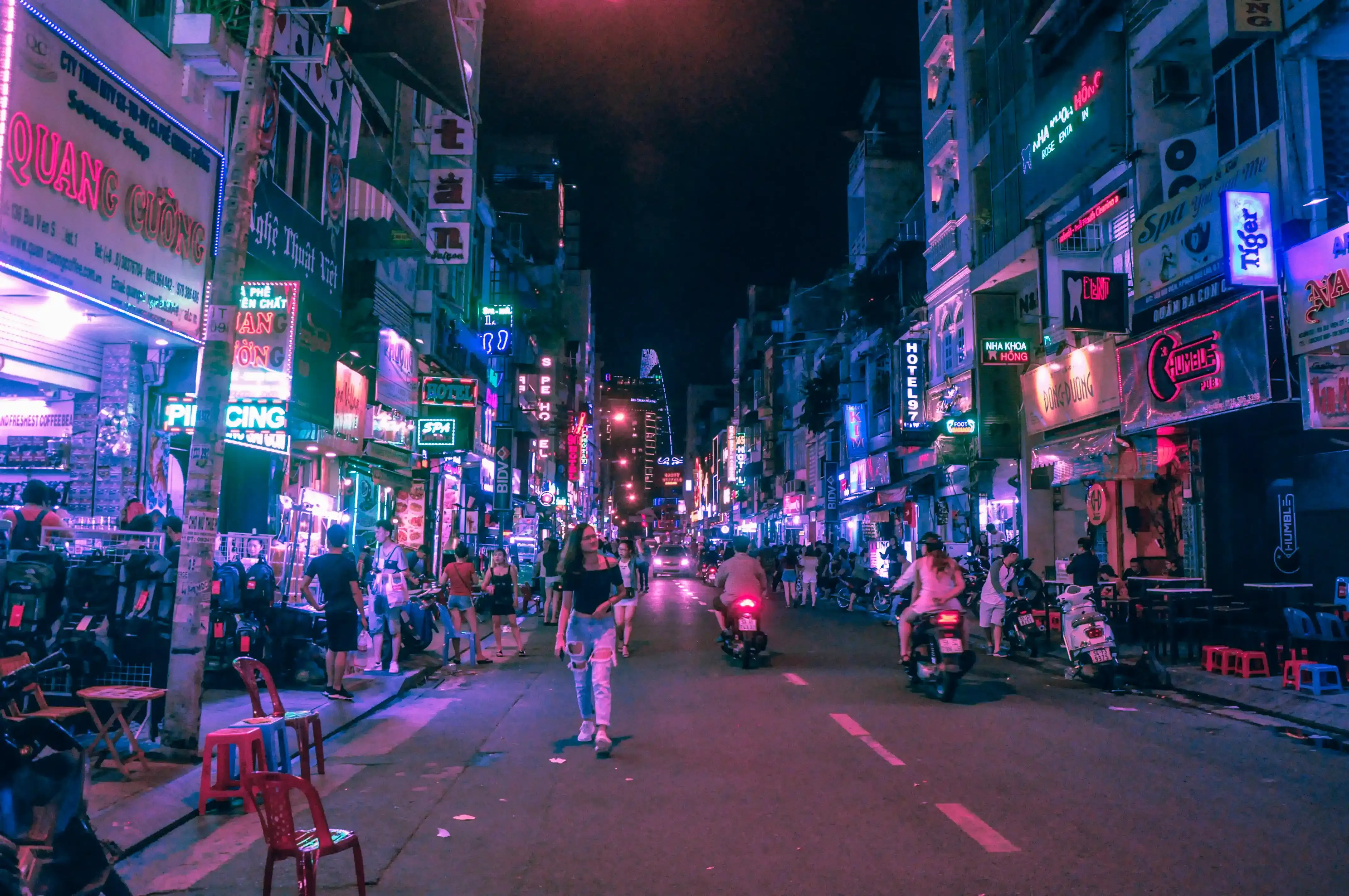 Best time to visit: After 8:00pm when the street is fully pedestrianised and at its busiest
- What you can do: Eat from street food stalls, sit at open-fronted bars, listen to live music, and try cheap draft beer at the Bia Hoi corner
- Time needed: 1 hour is enough for most visitors
Bui Vien Walking Street is located in the Pham Ngu Lao area of District 1, which has long been known for its backpacker hotels and hostels. In the evenings, the street restricts car traffic to make the zone fully pedestrian and filled with street food stalls, open bars, live music, and plenty of activity.
This is not a traditional local spot. You’ll find a mix of tourists and Vietnamese visitors here. Prices here are higher than elsewhere in the city. Still, you can pick this spot for spending a relaxed evening and to have a beer, grab a simple meal, and watch the people passing by.
Here’s what you can find on Bui Vien:
- Street food stalls line both sides of the street, serving grilled dishes, noodles, and snacks.
- There are open-front bars with plastic chairs set out on the sidewalk.
- Several venues play live music at the same time, so the street can get quite loud.
- At the edge of the street, you’ll find a Bia Hoi corner, where you can get very cheap draft beer for about 10,000 to 15,000 VND per glass.
- The street has a lively atmosphere and street life that’s typical for this area of the city.
What are the best day tours from Ho Chi Minh?
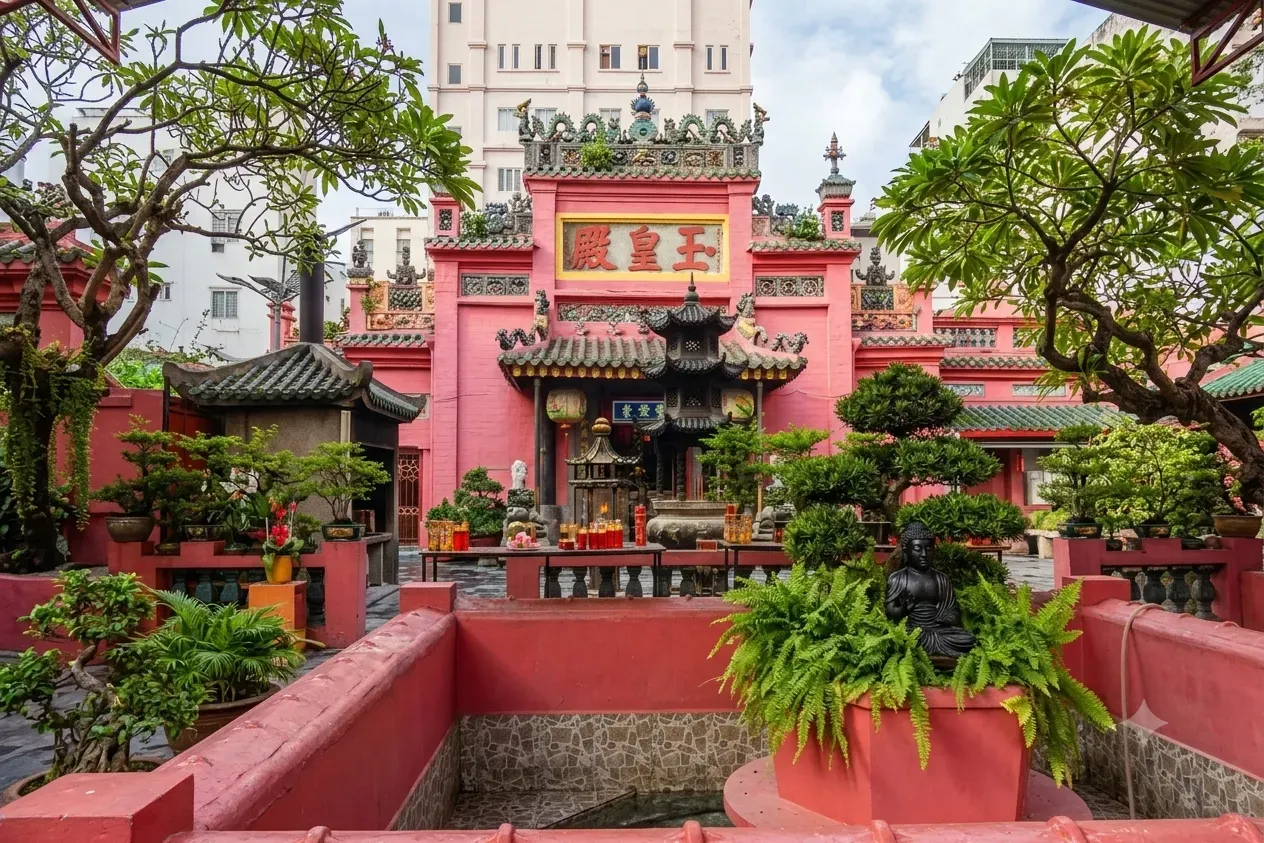
10. Jade Emperor Pagoda
- Best time to visit: Morning when incense offerings are heaviest and the courtyard light is best
- What you can do: Walk through the incense-filled courtyard, view intricately carved wooden figures and altars, and watch locals making offerings at the various shrines
- Time needed: 30 to 45 minutes
The Jade Emperor Pagoda is a Taoist temple built in 1909 by the Chinese community in Ho Chi Minh City. It is dedicated to the Jade Emperor, the supreme deity in the Taoist tradition. The temple is actively used by locals for worship. It is one of the best cultural sites you can visit in the city without it feeling like a tourist attraction.
Tribe Travel Tip: You should visit in the morning when incense offerings are at their heaviest and the light in the courtyard is better for seeing the detail of the carvings.
11. Saigon Sky Deck, Bitexco Financial Tower
 Best time to visit: Before 11:00am for the clearest visibility; afternoon haze significantly reduces the view
- What you can do: Take in 360-degree views of District 1, the Saigon River, and surrounding districts from the 49th floor; browse the small city development exhibition on the observation level
- Time needed: 30 to 45 minutes
On the 49th floor of the Bitexco Financial Tower, you will find the Saigon Sky Deck. From here, you get a sweeping view of the city, the Saigon River, and nearby districts. When the weather is clear, you can see far in every direction.
When it was completed in 2010, the Bitexco Financial Tower was one of Vietnam's tallest buildings. Its unique shape includes a helipad that sticks out from the upper floors. The Sky Deck features floor-to-ceiling windows all around and a small exhibition about the city's growth on the observation level.
Tribe Travel Tip: Go early in the morning for the best visibility and the best light for photographs. The afternoon heat and humidity often creates haze over the city that reduces the view significantly.
12. Mekong Delta Day Tour
 Best time to visit: November to April during the dry season; the wet season brings rain but the landscape is greener
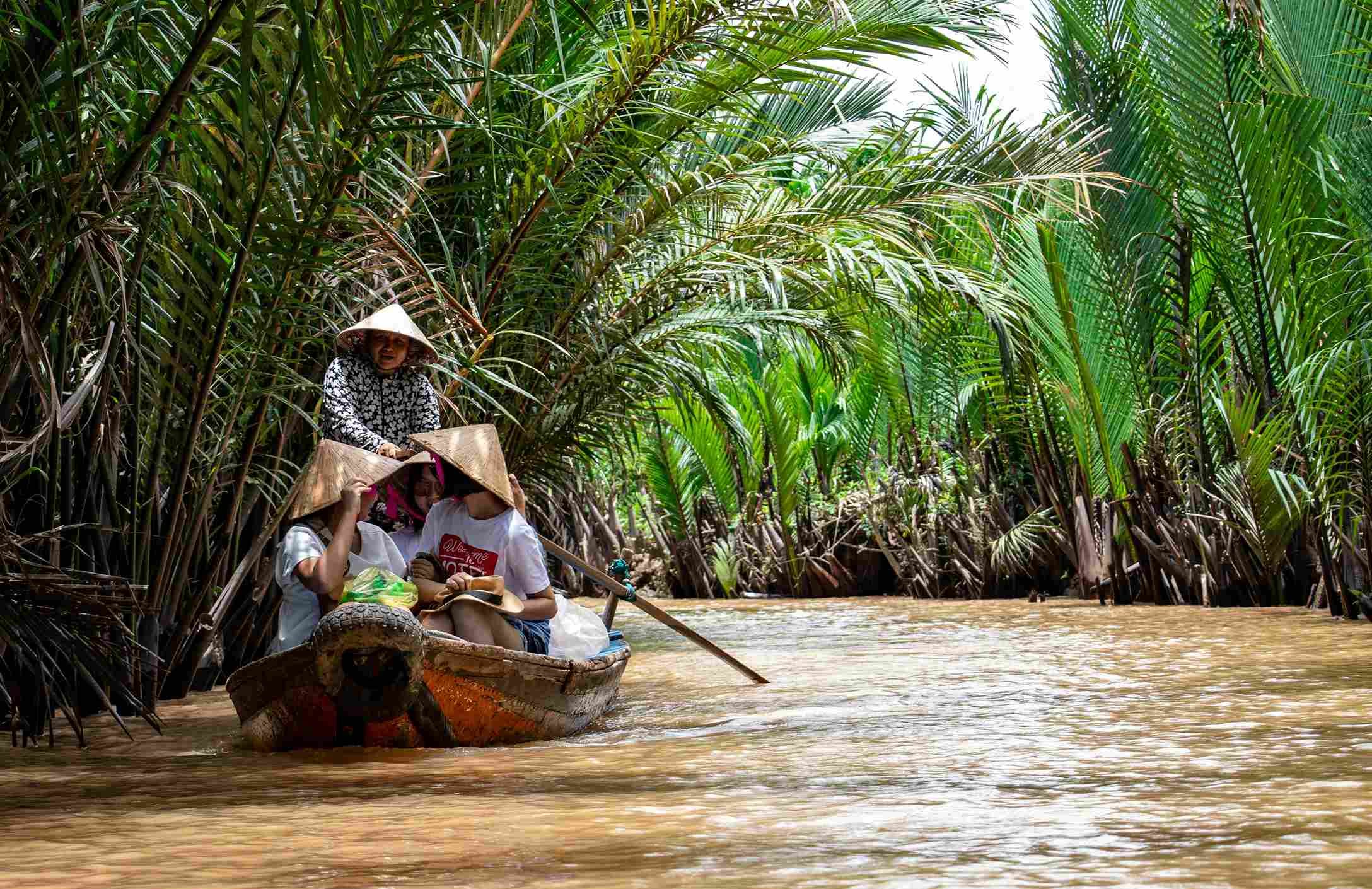
- What you can do: Boat ride on the Mekong River, explore narrow tributaries by rowing boat, visit island cottage industries, cycle around an island, and have a traditional Vietnamese lunch
- Time needed: Full day; departs around 7:30am and returns by 5:00pm to 6:00pm
The Mekong Delta sits in southern Vietnam where the Mekong River branches into a wide network of canals, tributaries, and low-lying islands. It is nicknamed the Rice Bowl of Vietnam for the volume of rice, fruit, and seafood it produces. For anyone looking to add a day tour to their list of things to do in Ho Chi Minh City, this is the most popular option and the nearest entry point is roughly a two-hour drive from the city.
Most visitors from Ho Chi Minh City only visit the outer parts of the Mekong Delta, not the deeper areas. It's good to know this before you book. The floating markets near the city are now quieter because road transport has replaced much of the river trade. If you want to see a busy floating market, you will need to go to Can Tho, which means staying overnight.
Even so, a well-planned day tour from Ho Chi Minh City is still worth doing and gives you a good idea of daily life outside the city.
A typical full-day Mekong Delta tour includes:
- A two-hour drive from District 1 to the starting point in My Tho or Ben Tre
- A boat ride on the main Mekong River
- A ride in smaller traditional rowing boats to travel along narrow waterways through coconut groves and rice fields
- A visit to one or more small island businesses, such as coconut candy makers, honey farms, or rice paper workshops, with short demonstrations
- A bike ride around one of the islands
- A traditional Vietnamese lunch (be sure to check if this is included or if there is an extra charge before you book)
- A drive back to Ho Chi Minh City in the afternoon
Conclusion
Ho Chi Minh City is not a destination that gives everything up immediately. Your first morning can feel overwhelming, all thanks to the traffic, noise and volume of various things happening at once. But it won’t take much time for you to see the real culture, tradition, and hidden beauty of Ho Chi Minh City. There are various things to do in Ho Chi Minh City that will make your holiday more than just sightseeing.
The range of things to do in Ho Chi Minh City is broader than most first-time visitors expect. The war history alone takes two to three half-days to cover properly.
At Holiday Tribe, we help you build Vietnam holidays that work around how you actually want to spend your time, whether that means more days in HCMC, an extension to Hoi An or Hanoi, or a Mekong Delta overnight added to your route. Get in touch with our holiday advisors to start planning.