


Ladakh isn’t considered a whole different world just because of its landscape; it’s called so because of the food you get here too. Here, food isn't just about taste. Every bowl of thukpa and every cup of salted butter tea exists because someone, generations ago, worked out how to stay warm, fed, and strong in one of the harshest places on earth.
When you visit Ladakh, eating your way through its markets and homestays is one of the best ways to understand the place itself; that’s why in this blog you’ll understand the food culture of Ladakh as well as local dishes you can’t miss out on.
What Makes the Food Culture of Ladakh So Distinct?
Ladakh sits at the crossing point of Tibetan, Kashmiri, and Central Asian influences, and its food culture reflects all three. But the biggest influence isn't culture at all. It's geography. Very little grows above 3,000 metres, so Ladakhi cooking leans on what actually survives the cold: barley, wheat, root vegetables, and dairy from yaks and dzomos (a yak-cattle cross).
That's why the food culture of Ladakh favours warmth and density over spice. Dishes are built to fuel long days outdoors. You'll notice this the moment you sit down for your first bowl of soup here: it's mild, filling, and clearly designed for a cold climate.
Tribe Travel Tip: Restaurants in Leh mostly run from May to October. If you're visiting in winter, homestays are often your best bet for a proper meal.
What Is the Traditional Food of Ladakh Made From?
The traditional food of Ladakh is built on a short list of staple ingredients, repeated across dozens of dishes in different forms.
Ingredient | Common use |
Barley (Ngamphe/Tsampa) | Roasted and ground for kholak, paba, and local breads |
Wheat flour | Base for thukpa noodles, momos, tingmo, and khambir |
Yak or dzomo milk | Butter tea, chhurpe (yak cheese), and cooking fat |
Root vegetables | Turnips, potatoes, and carrots in soups and stews |
Dried apricots | Snacks, jams, and a natural sweetener in several dishes |
Meat, usually mutton or yak, appears in non-vegetarian versions of most dishes, while vegetarian versions swap in extra vegetables or cheese.
What Are the 10 Must-Try Dishes for Ladakh Food?
These dishes are a staple in Ladakh; the way they're made and how they taste give you a feel of what it’s like to live in an environment like Ladakh.
1. Thukpa
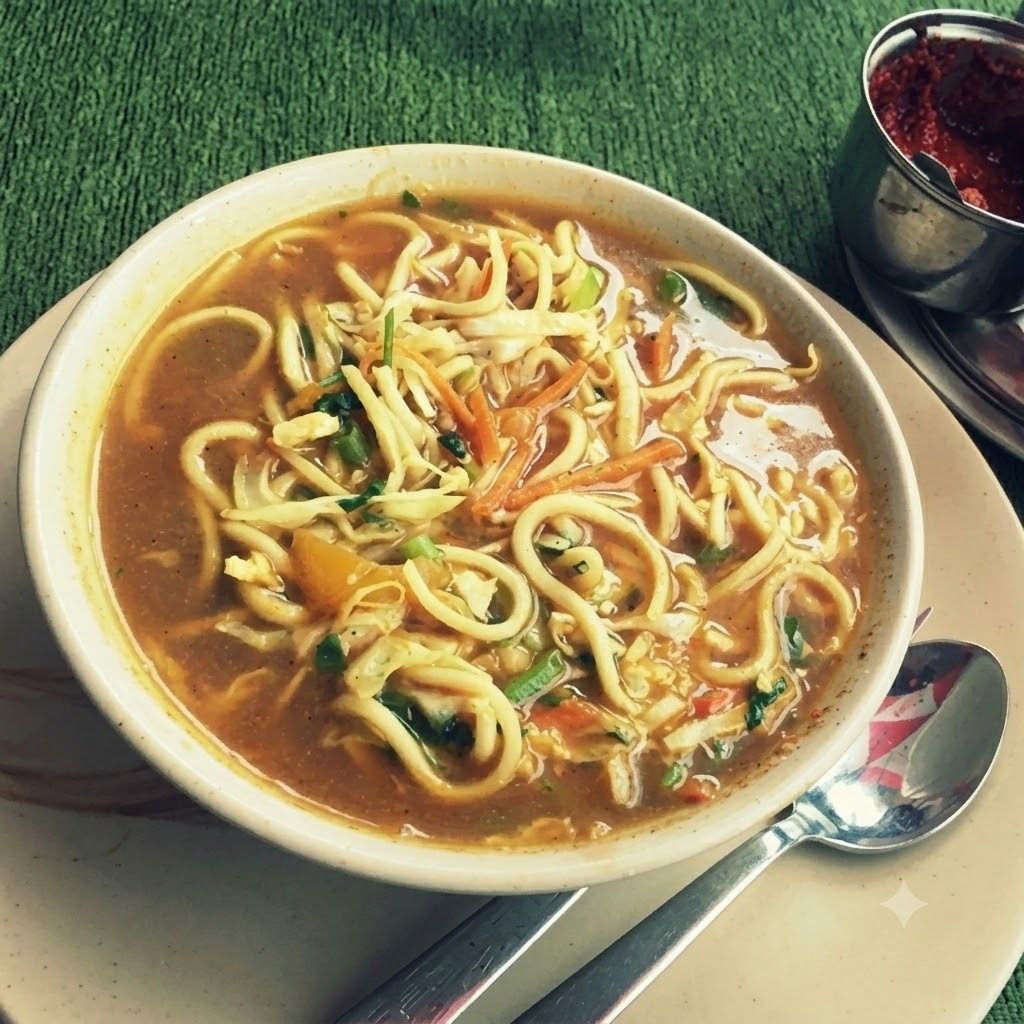
A clear noodle soup made with wheat or barley noodles, vegetables, and often mutton or yak meat. It's the most common comfort food in Ladakh and one of the easiest dishes you can find.
- Average cost: ₹150 to ₹250 a bowl
- Where you can find it: Nearly every restaurant in Leh's Main Bazaar and Fort Road area
2. Momos
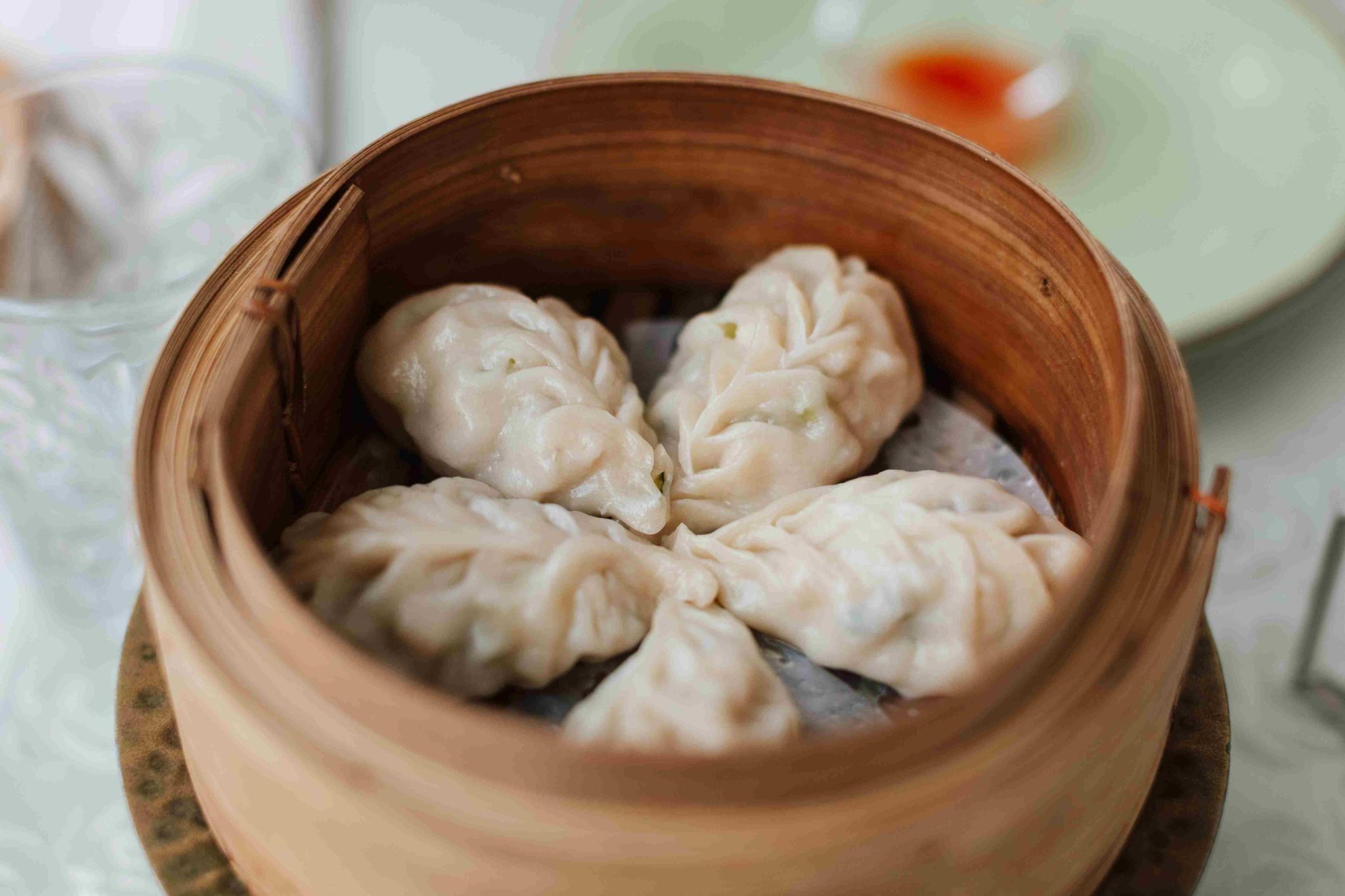
Steamed or pan-fried dumplings filled with minced meat, cheese, or vegetables, served with a spicy tomato-chilli chutney. Ladakh even has its own yak cheese version.
- Average cost: ₹120 to ₹250 a plate
- Where you can find it: Street stalls near Leh Main Market and most Tibetan-style restaurants
3. Skyu
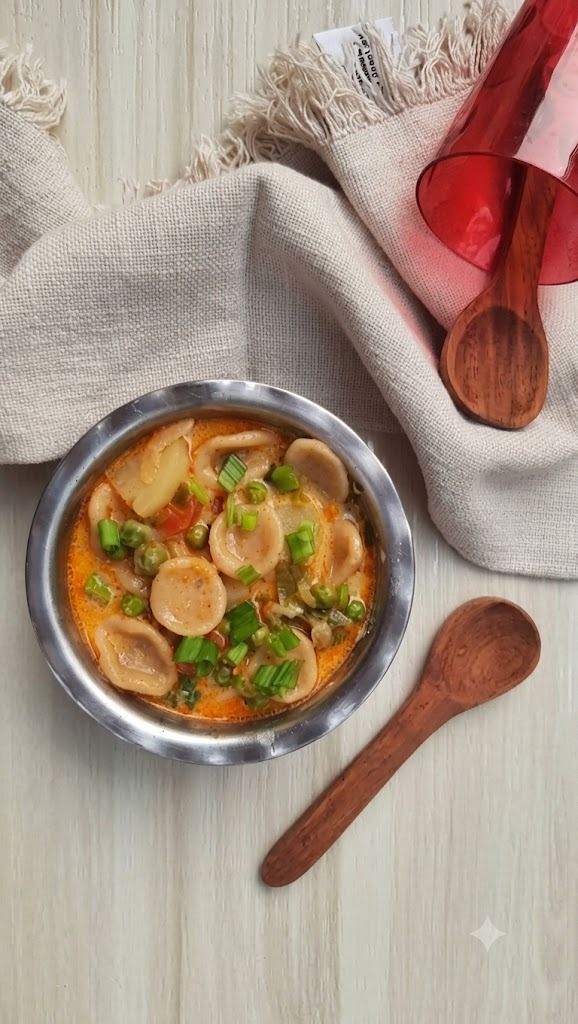
Small pieces of wheat simmered with root vegetables and meat into a thick stew. It's especially popular after a day of trekking.
- Average cost: ₹200 to ₹350 a bowl
- Where you can find it: Traditional Ladakhi eateries and homestays in the Sham Valley
4. Chhutagi
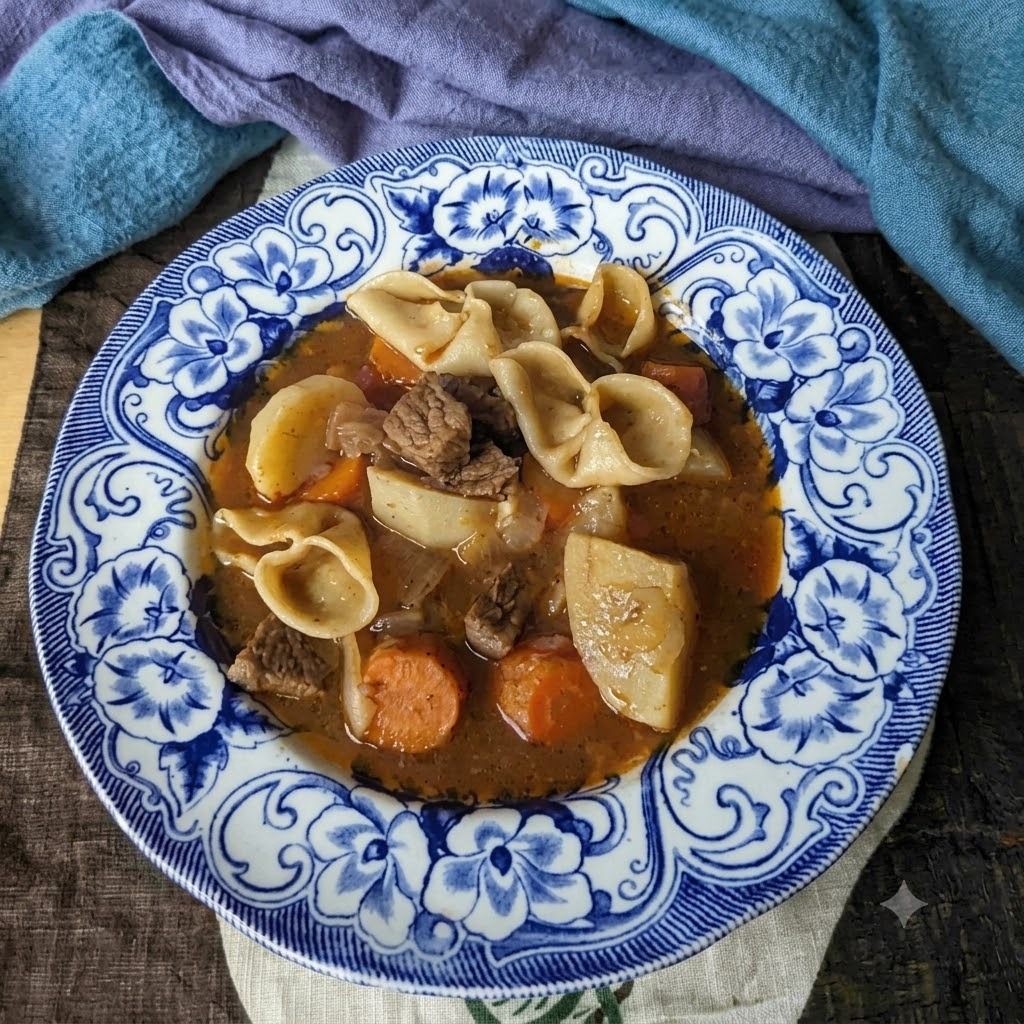
Bow-tie shaped pasta cooked in a rich vegetable or meat broth. Once made to fuel field workers during harvest season, it's now a regular menu item across Leh.
- Average cost: ₹200 to ₹350 a bowl
- Where you can find it: Local Ladakhi kitchens and homestays across Leh and Nubra
5. Gur Gur Chai (Butter Tea)
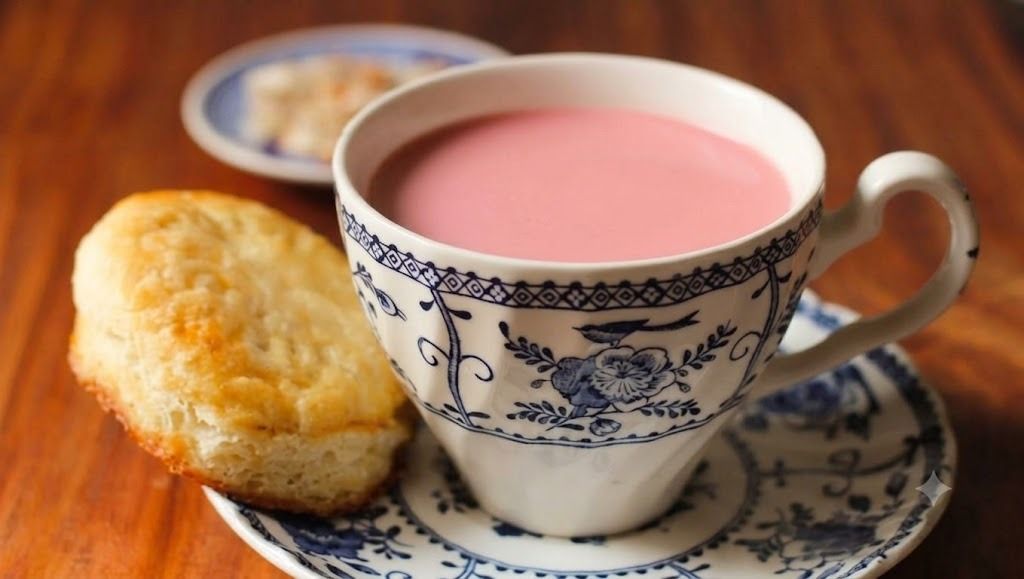
A savoury tea made with salt, yak butter, and milk, churned until it turns creamy. It's less a drink and more a local custom here, served at every occasion.
- Average cost: ₹50 to ₹100 a cup
- Where you can find it: Monasteries, homestays, and roadside dhabas across Ladakh
6. Chhurpe
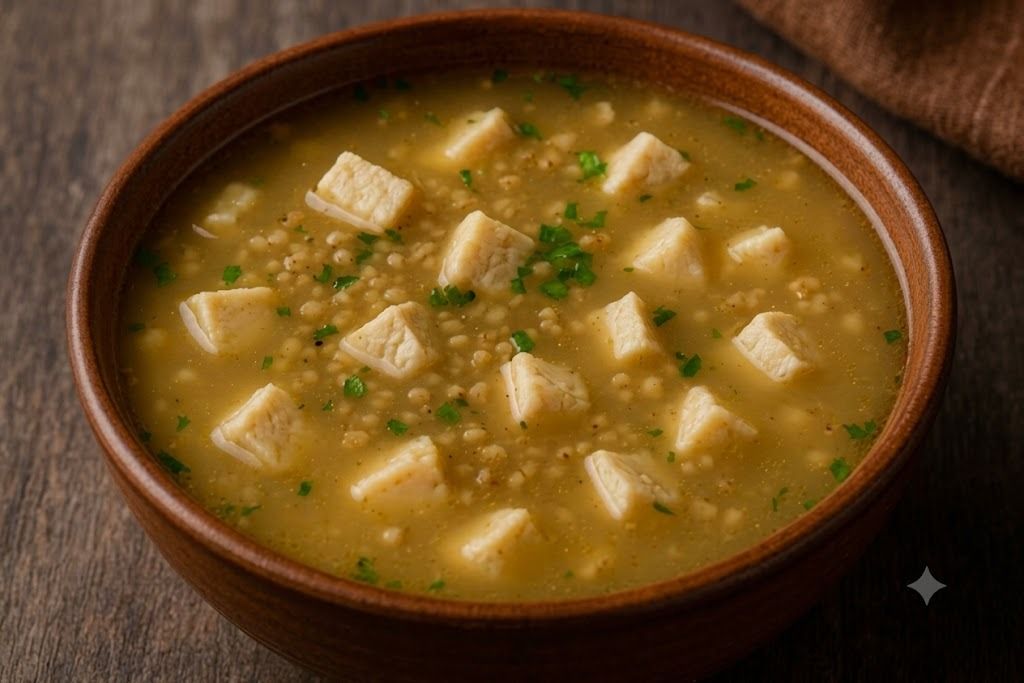
A hard, chewy cheese made from yak or dzomo milk, eaten as a snack or added to soups for extra flavour. It's an acquired taste, and worth trying at least once.
- Average cost: ₹50 to ₹150 for a small pack
- Where you can find it: Local market stalls in Leh Main Bazaar
7. Khambir
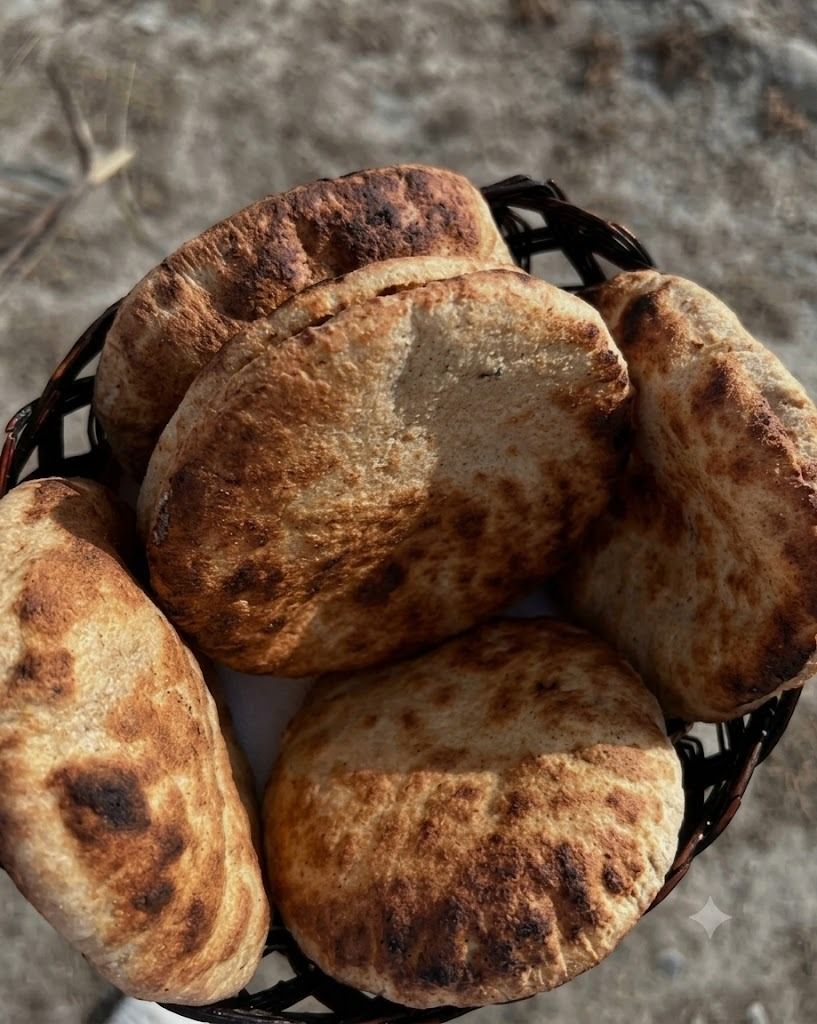
A dense, slightly sour local bread made from wheat flour, usually served warm with butter and apricot jam at breakfast.
- Average cost: ₹20 to ₹50 a piece, often included with homestay breakfasts
- Where you can find it: Local bakeries and most guesthouses in Leh
8. Tingmo
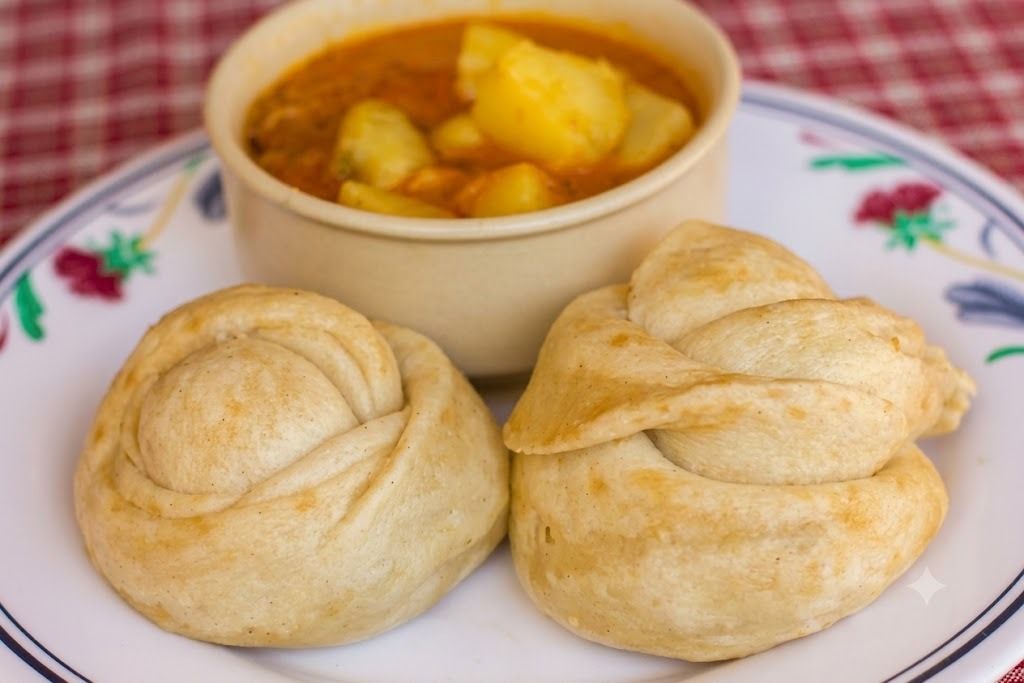
Soft, steamed bread rolls, similar to a bao, served alongside stews and curries that soak up the broth.
- Average cost: ₹100 to ₹200, usually ordered with a main dish
- Where you can find it: Tibetan and Ladakhi restaurants across Leh
9. Kholak
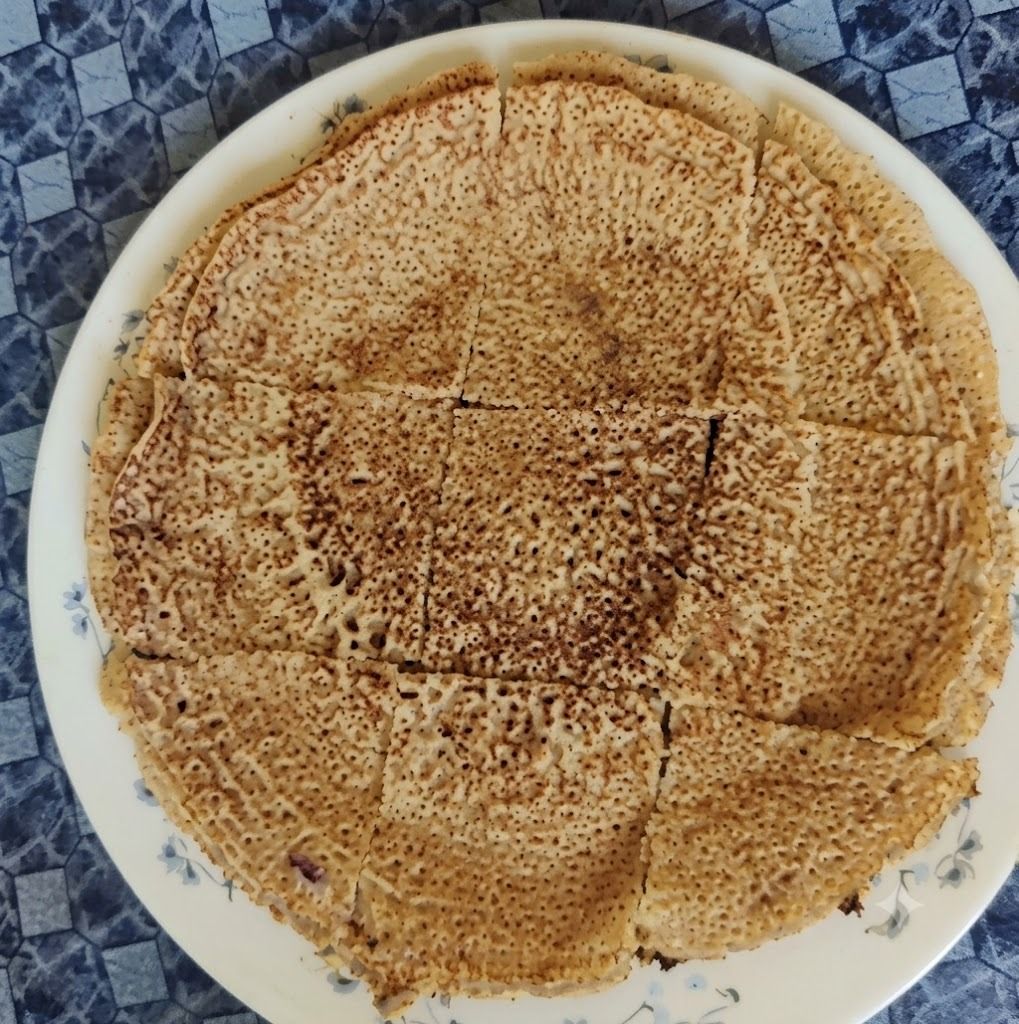
A quick, energy-dense mix of roasted barley flour, yak butter, and sugar or tea, stirred together into a thick paste.
- Average cost: Rarely sold commercially, best tried at a homestay
- Where you can find it: Village homestays, particularly in the Sham and Nubra valleys
10. Apricot Delicacies
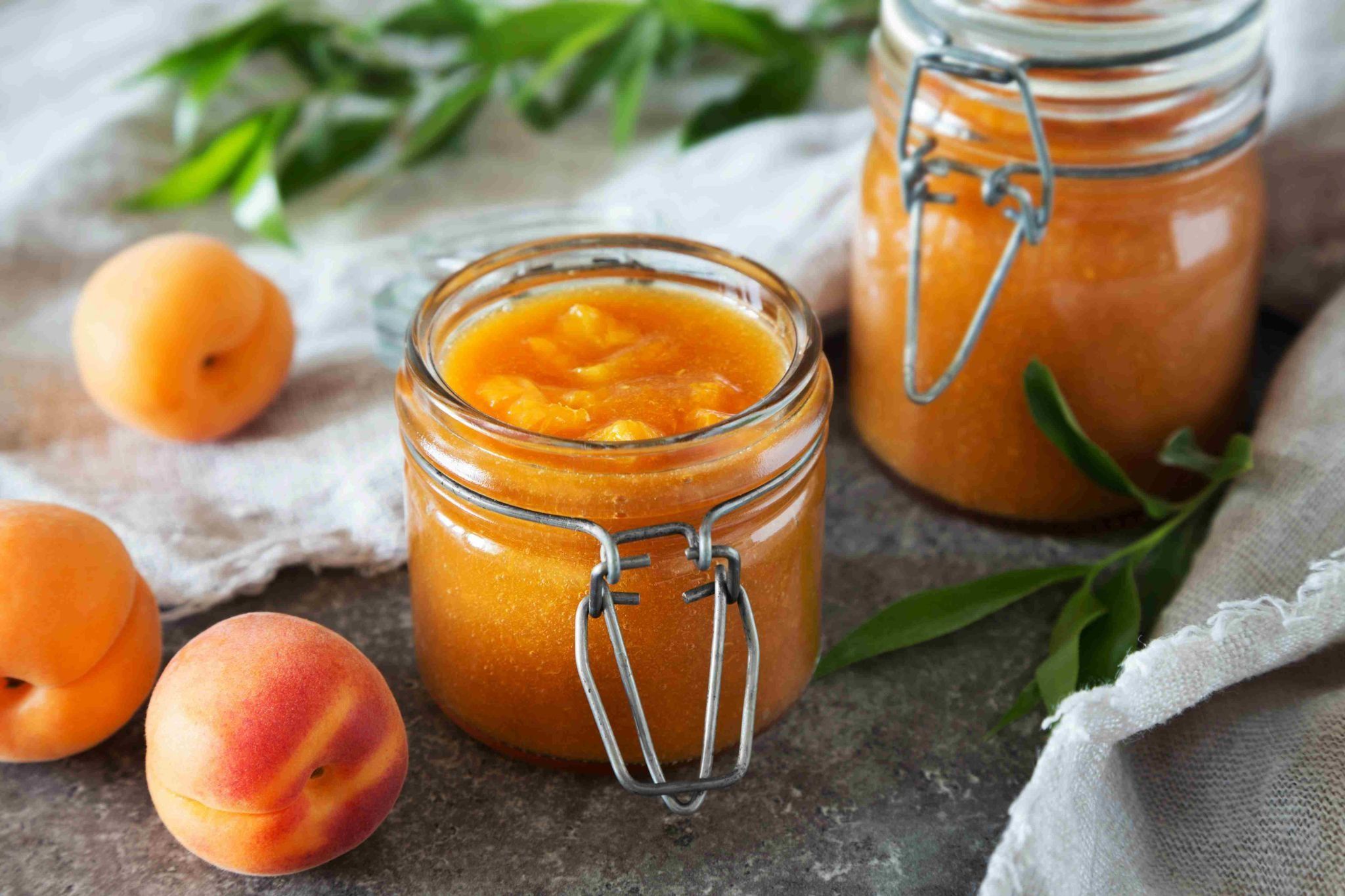
Ladakh's apricots are genuinely special, and you'll find them dried, turned into jam, or pressed into oil. They make for one of the easiest edible souvenirs from the region.
- Average cost: ₹300 to ₹600 a kilo for dried apricots, ₹150 to ₹300 a jar for jam
- Where you can find it: Sham Valley markets (Skurbuchan, Domkhar) and shops in Leh Main Bazaar
Where Can You Find the Best Food in Leh Ladakh?
Once you're actually in town, the best food in Leh Ladakh isn't hidden. It's mostly clustered around a few areas.
- Leh Main Bazaar and Fort Road: The highest concentration of restaurants, from dhabas to fine dining
- Changspa: A peaceful area with cafes that are especially popular with travellers who stay for longer periods.
- Local homestays: Often the best places to try authentic kholak, paba, or a home-style thukpa.
Is Ladakh’s Famous Food Suitable for Vegetarians?
Yes, and easily so; you’ll find the vegetarian versions of almost all Ladakhi dishes since meat is scarce and also expensive at high altitudes. You'll find vegetarian thukpa, vegetable momos, and vegetarian skyu on almost every menu, alongside khambir, tingmo, butter tea, and apricot-based snacks. So even if you’re vegetarian, Ladakh’s famous foods should still be on your list of things to eat.
Conclusion
Ladakh's food tells you more about the region than most monasteries or mountain passes can. Whether it's a bowl of skyu after a long day or a simple cup of butter tea at a roadside stop, each meal is a story on its own.
If Ladakh’s food or high passes interest you, advisors at Holiday Tribe can help you with Ladakh travel packages made just for you, with custom itineraries covering everything you want to see and experience. Get in touch to start planning today.