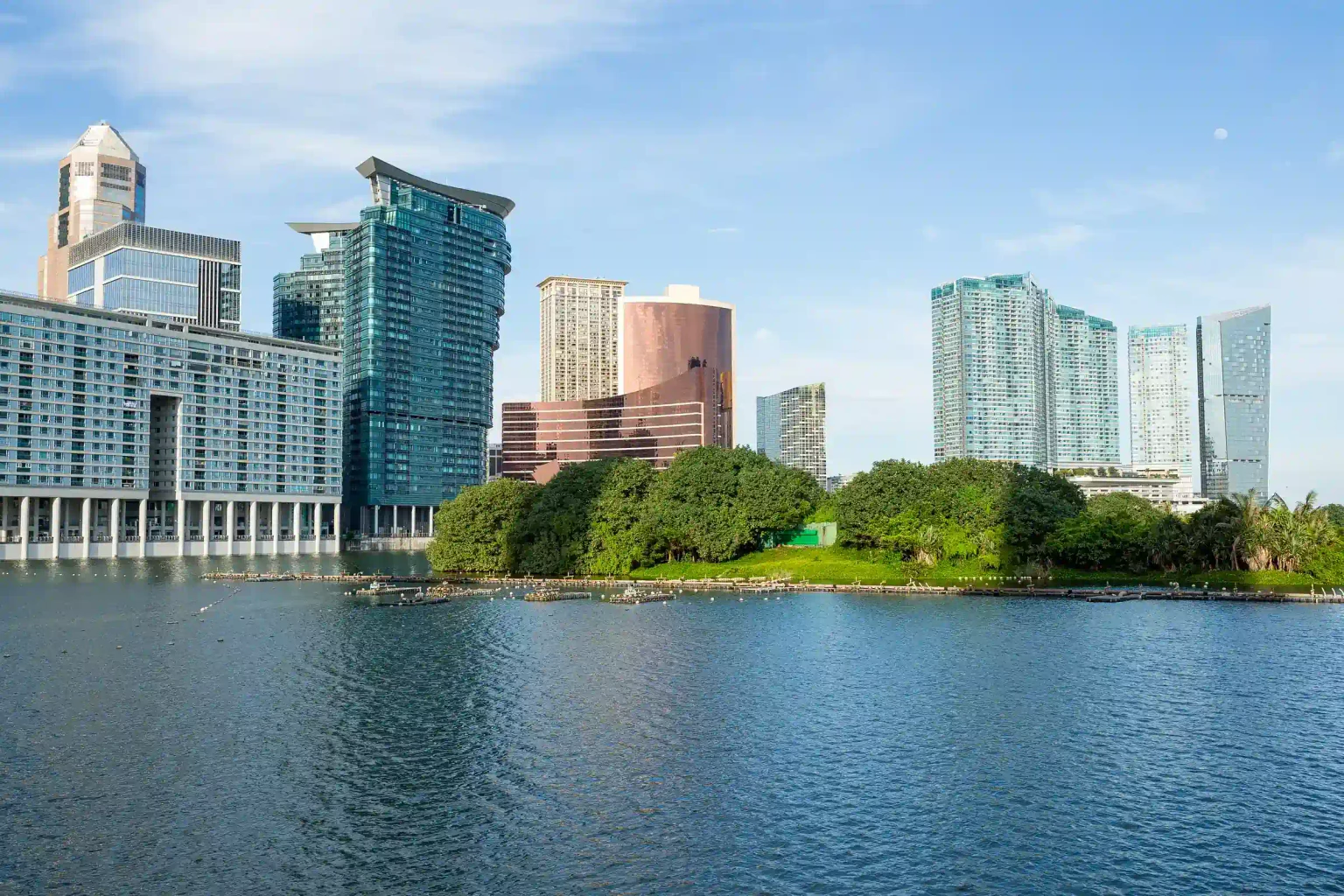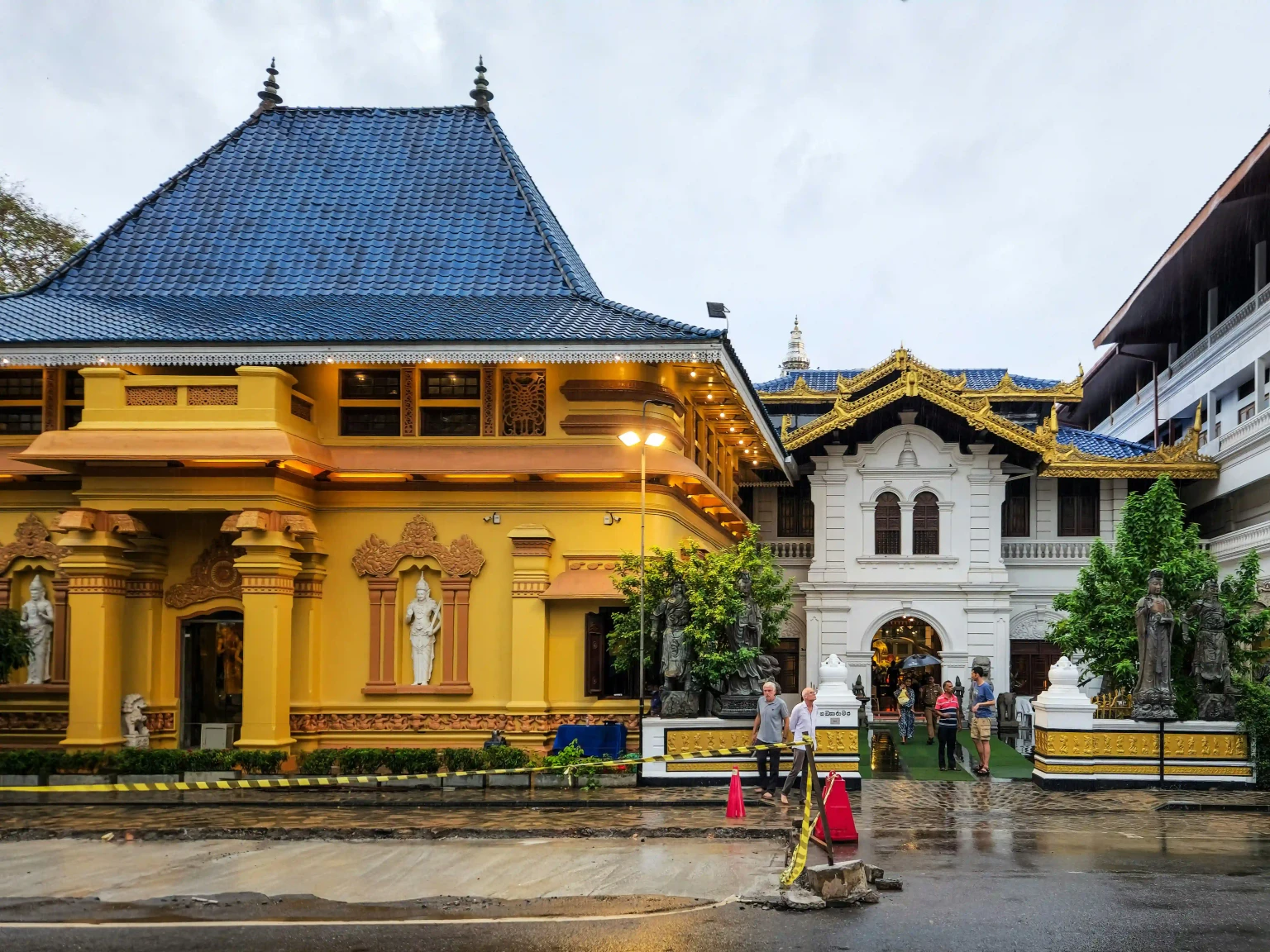


Galle, Sri Lanka, is one of the country's most fascinating historic coastal cities. If you have ever wanted to walk inside a fort shaped by four centuries of colonial rule, this UNESCO World Heritage city is worth a closer look. The Portuguese first built the fort here in the 16th century. The Dutch captured Galle in 1640 and extensively rebuilt and fortified the fort from 1649 onwards, creating much of the structure visitors see today.
This guide covers Galle Fort, the best things to do in the city, nearby beaches, year-round weather, and the wildlife that makes the southern coast worth the journey.
Why Is Galle, Sri Lanka, Worth Your Time?
Galle, Sri Lanka, sits on the island's southwestern coast and packs a great deal into a compact area. At its centre is Galle Fort, a UNESCO World Heritage Site inscribed in 1988 and a landmark shaped by centuries of colonial and maritime history. Beyond the walls, you get beaches, coastal wildlife, and one of the world's most scenic cricket grounds. The places to visit in Galle, Sri Lanka, span centuries of history and are often within walking distance of each other.
Location | Distance from Colombo | UNESCO Status | Galle Fort Built By | Best Season |
Southern Province, Sri Lanka | Approximately 113-130 km (depending on route) | World Heritage Site (inscribed 1988) | Portuguese (1588); expanded by the Dutch | December to March |
What Are the Best Places to Visit in Galle, Sri Lanka?
Galle Fort and the Rampart Walls
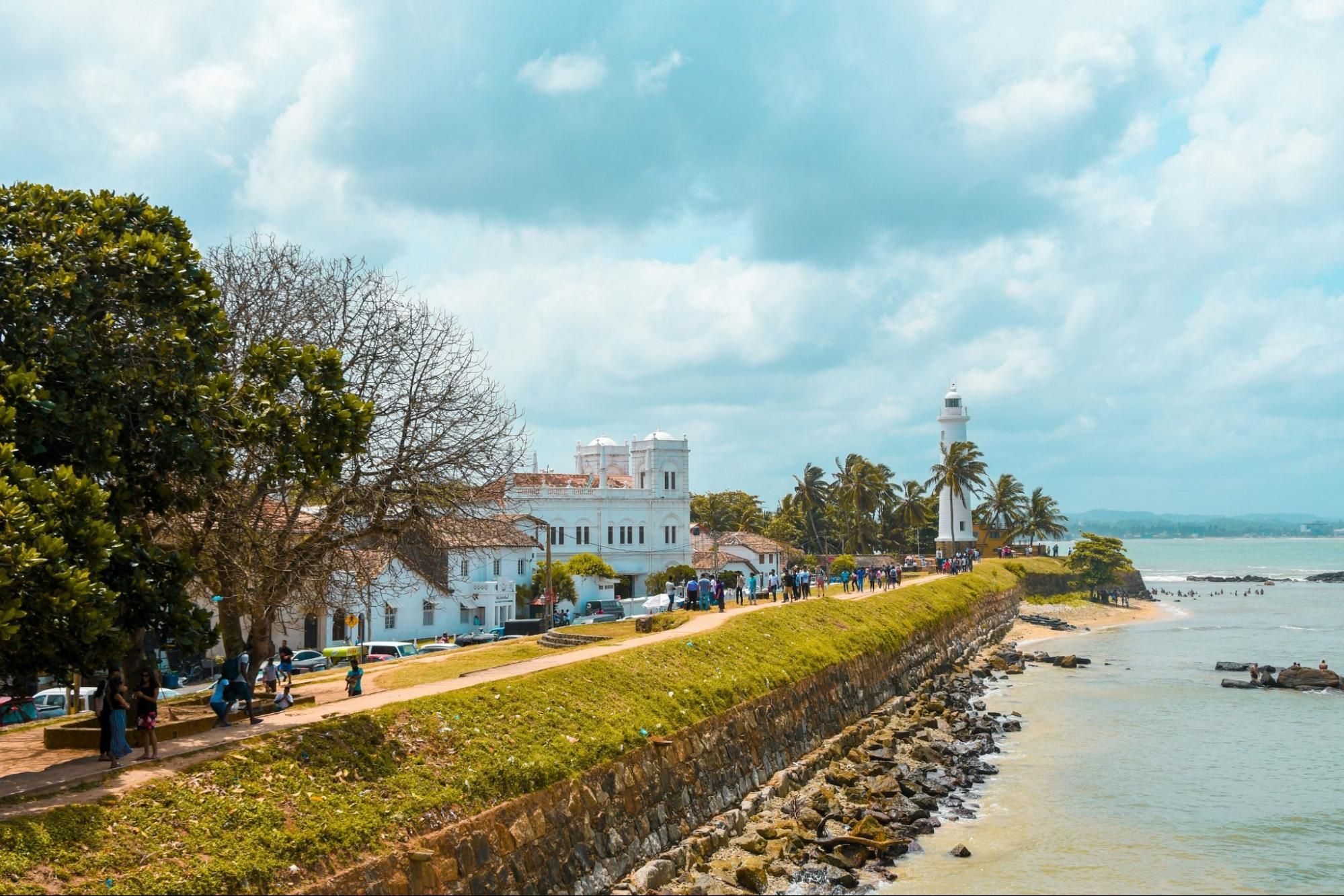
Among the top places to visit in Galle, Sri Lanka, the fort is the natural starting point. It remains the best example of a fortified city built by Europeans in South and Southeast Asia.
The rampart walk is approximately 3 km. Go at sunrise or sunset to avoid the midday heat. The Triton Bastion on the western side offers the best views at dusk. Flag Rock draws locals for cliff diving in the evenings.
Key landmarks inside the fort:
- Triton Bastion: Western rampart viewpoint; the best spot for sunset over the Indian Ocean
- Flag Rock: A local favourite for cliff diving; most active in the evenings
- Dutch Reformed Church: Built in 1755, it is one of the oldest churches still in use in Sri Lanka
- National Maritime Museum: Covers Sri Lanka's seafaring history and coastal trade heritage
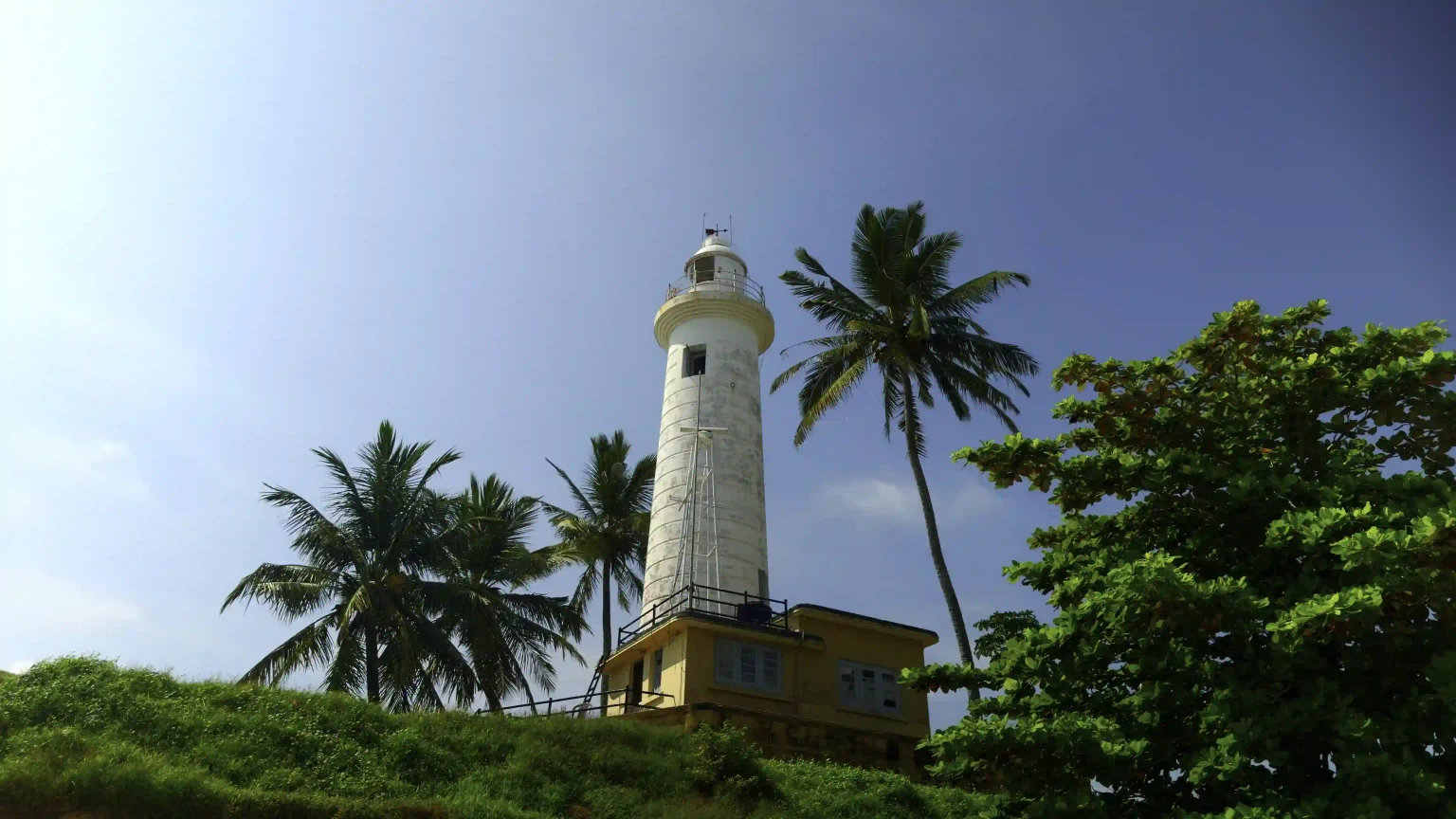
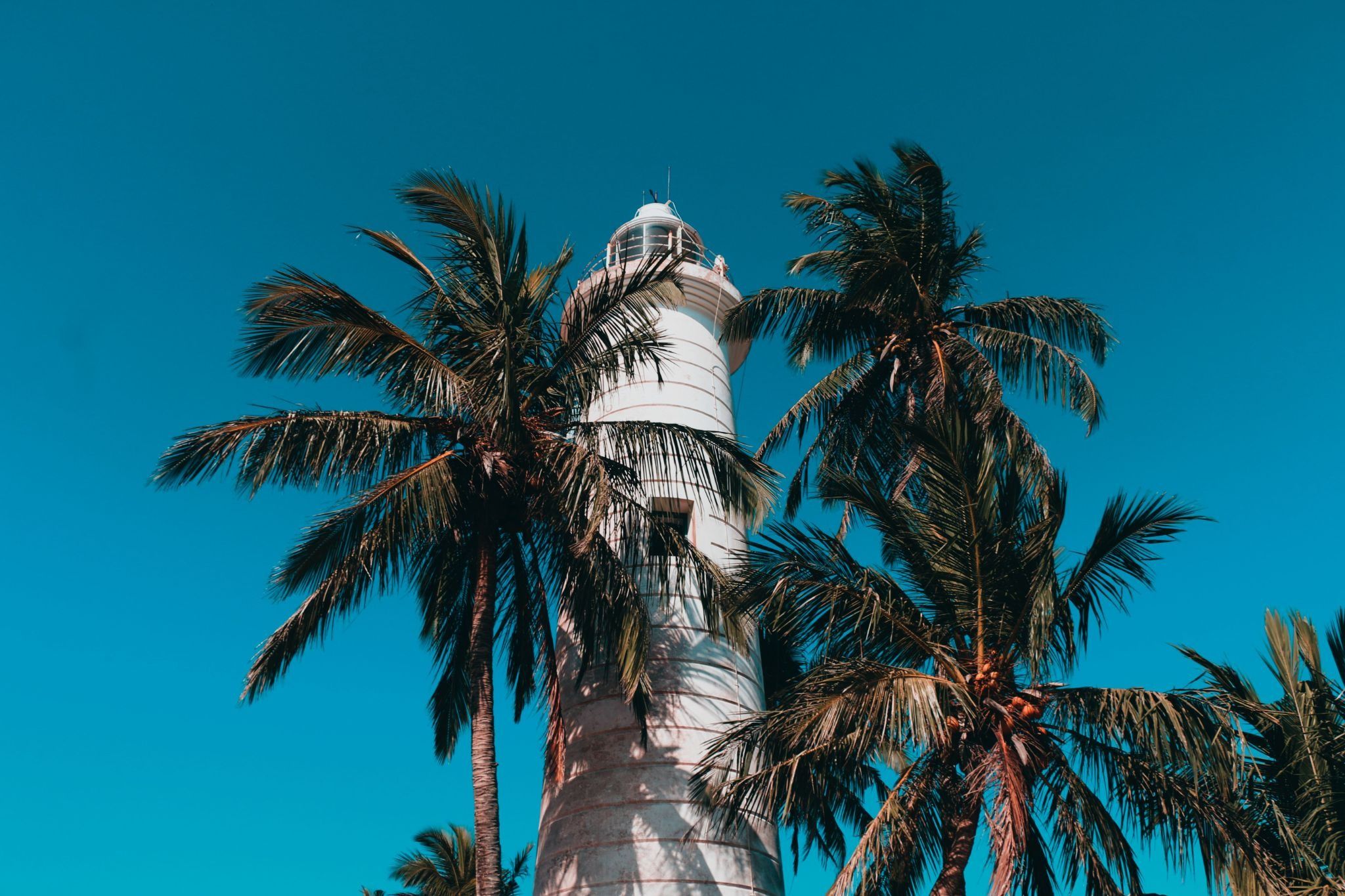
- Galle Lighthouse: Sri Lanka's oldest lighthouse at its present location, located at the Point Utrecht Bastion
Pedlar's Street and Fort Shopping
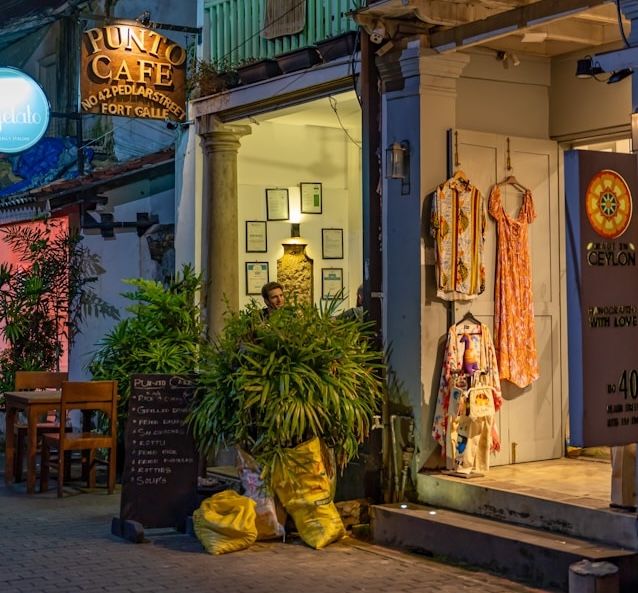
Pedlar's Street is the main commercial lane inside the fort. It is one of the most practical places to visit in Galle, Sri Lanka, if you want to take something local home. Boutique stores, spice shops, gem outlets, and small cafes sit side by side along the lane.
Sri Lanka is widely known for moonstones, sapphires, and rubies, and many shops here carry locally sourced stones.
What to look for on Pedlar's Street:
- Gem shops: Moonstones, sapphires, and rubies from local mines
- Cinnamon products: Teas, oils, and spice blends; a strong local souvenir pick
- Spice stores: Locally sourced herbs and seasonings
- Linen and fabric: Handcrafted textiles from tailors just outside the fort walls
What Are the Best Things to Do in Galle, Sri Lanka?
Galle, Sri Lanka, has more to offer than its famous fort. From a world-famous cricket ground to a working sea turtle conservation project just up the coast, here are some of the best things to do in Galle, Sri Lanka.
Galle Stadium, Sri Lanka: Cricket With a View Like No Other
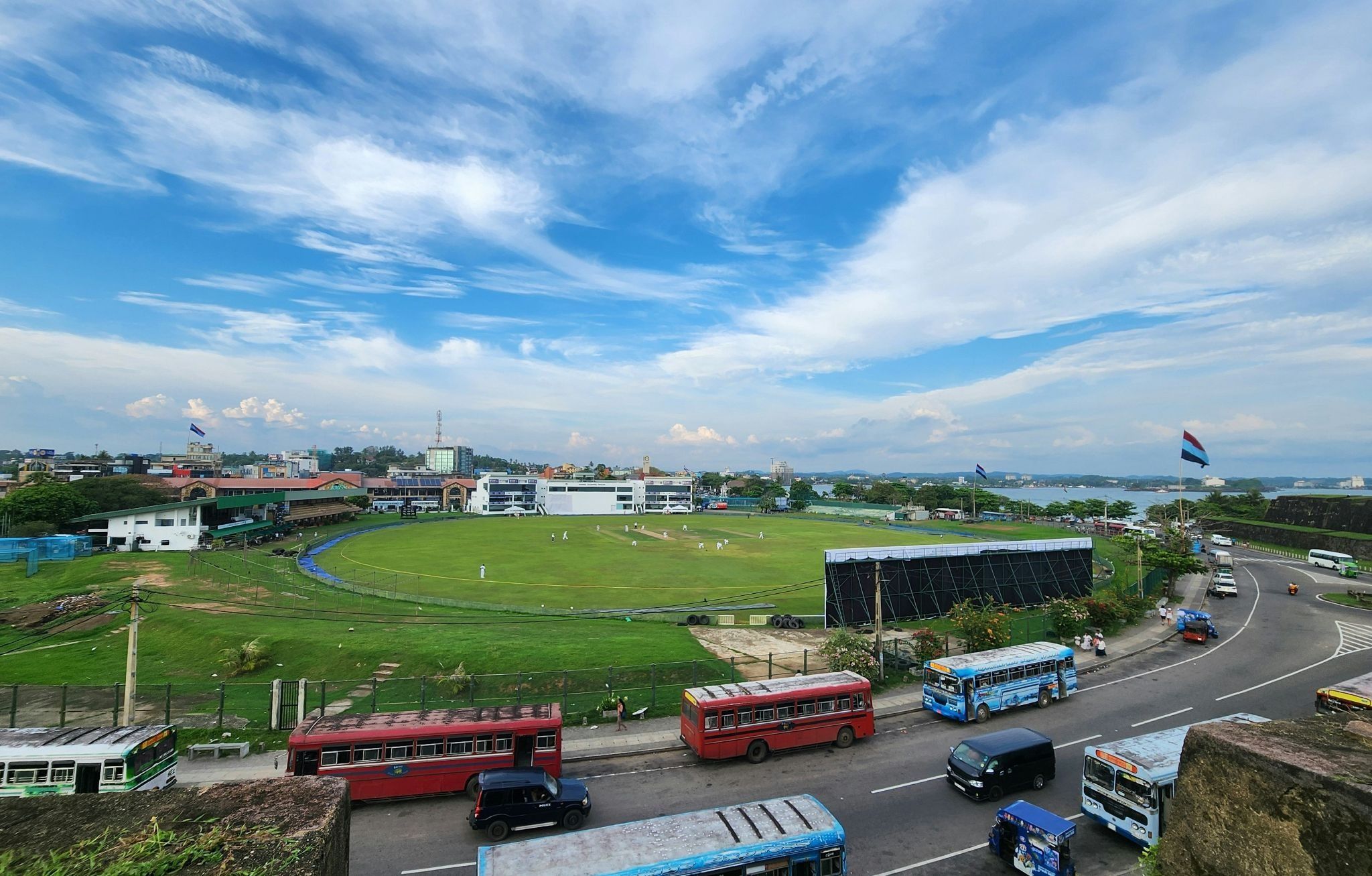
Galle Stadium in Sri Lanka does not need a match day to impress. Built in 1876 as a racecourse, it became an international cricket venue in 1998 and is now considered one of the most scenic grounds in the sport.
- Capacity: Approximately 35,000 spectators
- Location: Adjacent to Galle Fort, with the Indian Ocean on two sides
- Pitch: Spin-friendly; Sri Lanka's Test stronghold at home
- Historic moment: Muttiah Muralitharan took his 800th Test wicket here in 2010
- Rebuilt: Severely damaged in the 2004 Boxing Day tsunami; fully restored and reopened in December 2007
You do not need to be a cricket fan to enjoy the setting. Galle Stadium, Sri Lanka, gives you the fort behind, the open ocean ahead, and a sea breeze that makes even a quiet afternoon here worthwhile.
Turtle Hatchery Sri Lanka Galle: Kosgoda Conservation Project
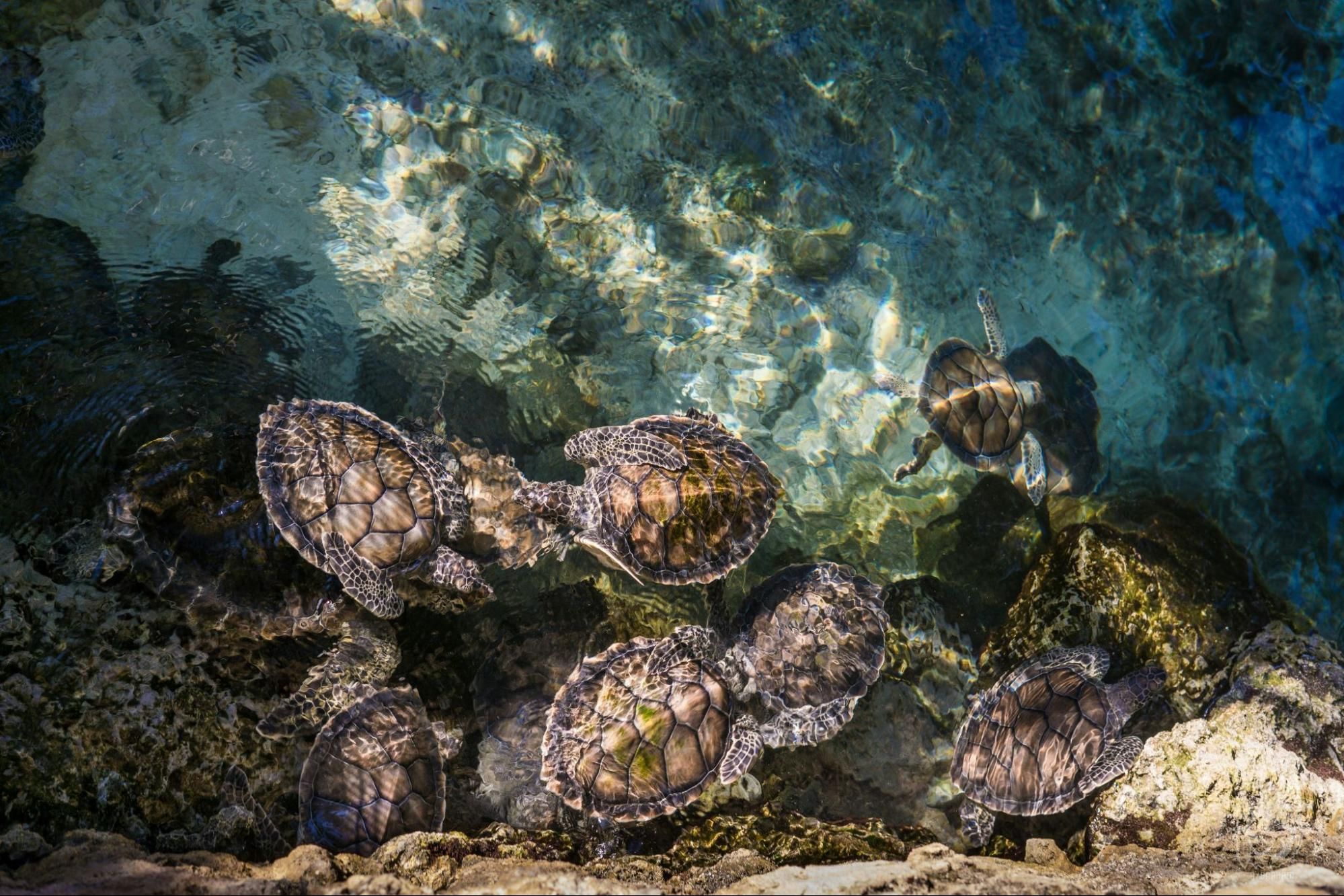
The most-visited turtle hatchery in Sri Lanka, Galle, has to offer is the Kosgoda Sea Turtle Conservation Project, located in Kosgoda village, approximately 50 km north of Galle on the Colombo-Galle highway.
- Established: 1981; one of the oldest sea turtle conservation projects in Sri Lanka
- Species: Five of the world's seven sea turtle species nest along Sri Lanka's southern coast: green, olive ridley, loggerhead, hawksbill, and leatherback
- What to see: Incubating nests, juvenile turtles in holding tanks, and regulated hatchling releases.
- Release time: Around 6:15 PM each evening
- Run by: The local community; your entrance fee funds conservation directly.
Reserve your visit in advance at kosgodaseaturtle.org. The turtle hatchery Sri Lanka Galle experience is genuinely moving, particularly at release time when hatchlings reach the water.
Galle Beach, Sri Lanka: Lighthouse Beach and Unawatuna
Two beaches make up the best of the Galle Beach, Sri Lanka experience, and they suit very different moods.
- Lighthouse Beach sits directly below the fort walls. It is small, calm, and shaded by trees. It's good for a short swim or a rest between fort activities. Best visited in the morning or late afternoon.
- Unawatuna Beach is 5 km from Galle Fort. It's a horseshoe-shaped bay with reef-protected waters where sea turtles are regularly spotted. Snorkelling over the coral reef is popular here. November to April offers the clearest conditions.
Lighthouse Beach | Unawatuna Beach | |
Distance from Fort | Walking distance | 5 km |
Water Conditions | Calm, sheltered | Reef-protected, calm |
Best For | Short swim, rest between activities | Snorkelling, full beach day |
Swim Safety | Good | Good |
Both sit within easy reach of Galle Fort, making Galle Beach, Sri Lanka's coastline, a natural addition to any day in the area.
Local Sri Lankan Cooking Classes

A cooking class is one of the most rewarding things to do in Galle, Sri Lanka, beyond the usual sightseeing. Sessions typically run in village settings and cover dishes like brinjal pahi, pol sambola, parippu dhal, and gotukola sambola, all hands-on rather than demonstration-only.
What Is Galle, Sri Lanka, Weather Like and When Should You Visit?
Galle, Sri Lanka, has a tropical rainforest climate (Köppen: Af), with temperatures ranging from 28°C to 30°C year-round and consistently high humidity. What shifts significantly in Galle, Sri Lanka, weather throughout the year is rainfall, not temperature.
Best time to visit: December to March. This is when conditions are at their driest and most settled. February is the standout month, averaging just 59 mm of rainfall, good sea conditions, and clear skies. It is also peak tourist season, so book accommodation early.
May to September: The southwest monsoon makes Galle, Sri Lanka's weather far less suited to outdoor plans. Rain is frequent, and seas turn rough.
October to November: Transitional months with lighter crowds. Some rain is possible, but conditions are manageable. The weather in Galle, Sri Lanka, improves noticeably from December onwards.
Month | Avg Temp (°C) | Rainfall (mm) | Recommended |
Jan | 29 | 65 | Yes |
Feb | 30 | 59 | Best |
Mar | 30 | 75 | Yes |
Apr | 30 | 130 | Partial |
May | 29 | 291 | No |
Jun | 29 | 185 | No |
Jul | 28 | 155 | No |
Aug | 28 | 120 | No |
Sep | 28 | 150 | No |
Oct | 28 | 250 | No |
Nov | 28 | 207 | Partial |
Dec | 29 | 115 | Yes |
Tribe Travel Tip: If you are visiting between October and November to avoid the crowds, check local forecasts closer to your dates and keep plans flexible.
Why Should Galle, Sri Lanka, Be Part of Your Holiday?
Sri Lanka covers a lot more ground than most people expect. From the cool air of the hill country to wildlife-rich national parks and the historic south, each part of the island has its own pace and character.
Every traveller experiences Sri Lanka differently, from historic cities and wildlife parks to beaches and tea country. A well-planned itinerary lets you combine the places that matter most to you.
If you would like help putting together an itinerary, a Holiday Tribe travel advisor can take care of the planning. Your holiday can be built around Galle, Sri Lanka, or designed to take in the full length of the island. Get in touch with a Holiday Tribe advisor today.