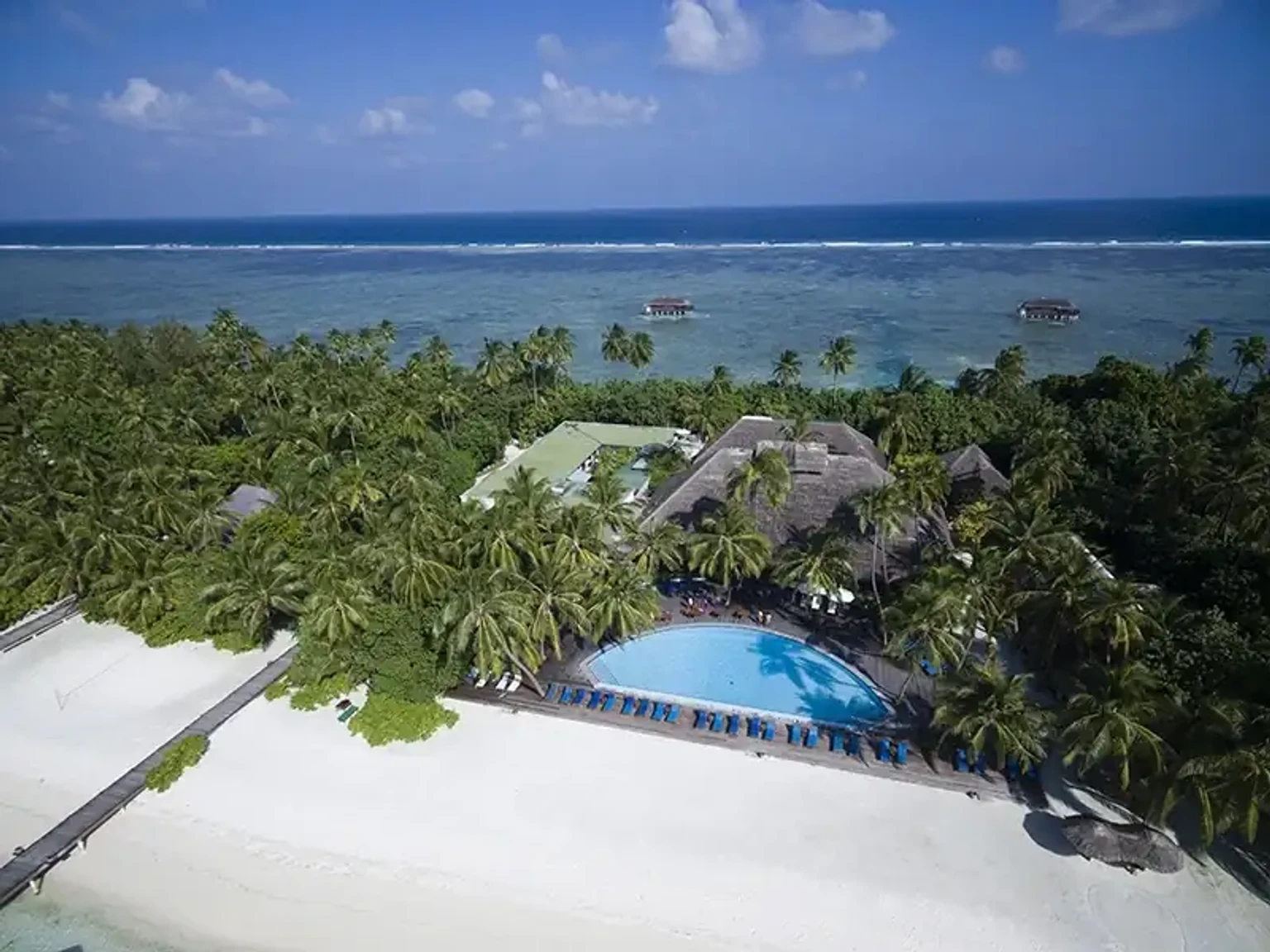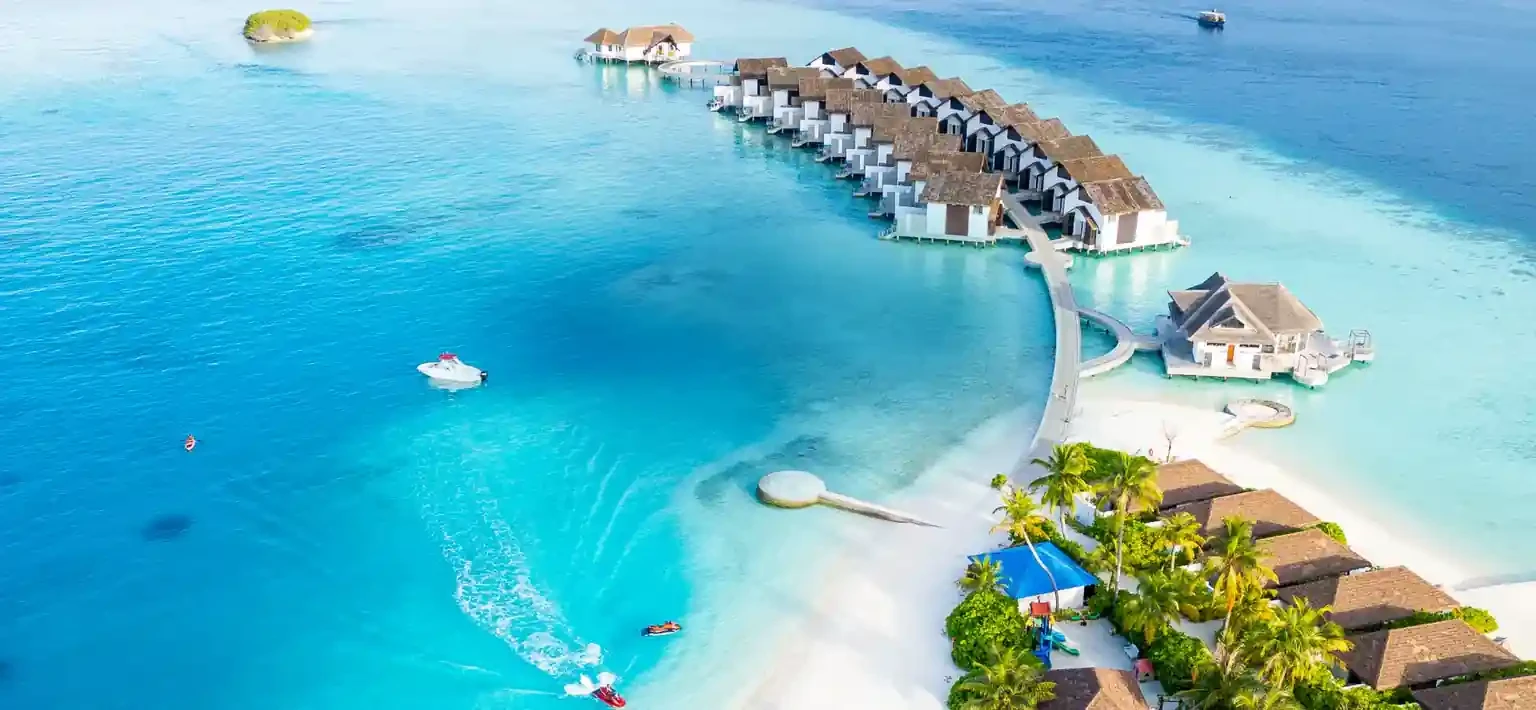


Most people fly into the Maldives, grab a speedboat, and head straight to their resort. Fair enough, that's the whole point of the trip. But there's a whole city sitting right there that almost nobody stops in. Male city is where actual Maldivians live, work, shop and pray, and it looks nothing like the postcard version of this country. Narrow streets, a fish market that never stops moving, mosques older than most buildings you've stood in. Walk the whole island in an afternoon and you'll understand the Maldives in a way a week on a private sandbank never quite gives you. In this guide, we'll cover the best attractions, when to go, how to get around, and where to stay.
Key Takeaways
Key Information | Quick Answer |
Why visit Male | Local culture, markets, mosques, food and a real Maldivian city experience |
Best attractions | Fish Market, Grand Friday Mosque, Sultan Park and National Museum, Hukuru Miskiiy, Artificial Beach |
Best time | December to April (dry season) |
How to get around | Walking. The island is small enough to cover on foot |
Best area to stay | Hulhumale for more space; central Male for proximity to attractions |
Why Should You Visit Male?
Most travellers pass through Malé, the capital of the Maldives, on their way to a resort and never actually stop. That's a miss. Male is one of the most densely populated cities in the world, packed onto an island roughly 2 square kilometres in size, and it gives you a side of the Maldives you won't see from an overwater villa.
- Local culture: Malé is where Maldivians actually live and work. The narrow streets, local shops and tea rooms give you a window into daily island life that resorts don't
- Markets: The fish market and local produce market sit at the waterfront and are among the most alive, colourful spots in the Indian Ocean
- Mosques and heritage: The Grand Friday Mosque and the 17th-century Hukuru Miskiiy (Old Friday Mosque) are two of the most important Islamic sites in the Maldives
- Food: Maldivian short eats (hedhikaa), mas huni breakfasts and fresh grilled fish are everywhere, cheap and genuinely good
- Easy to fit in: The city is walkable in a few hours, making it a practical add-on to any Maldives holiday without requiring a separate day
Also Read: Maldives Food Guide: Famous Maldivian Dishes to Eat Like a Local
What Are the Best Attractions and Places to Visit in Male?
Male city is small enough that you can visit all five of these in a single morning or afternoon. They sit within walking distance of each other, and none requires advance booking.
Male Fish Market
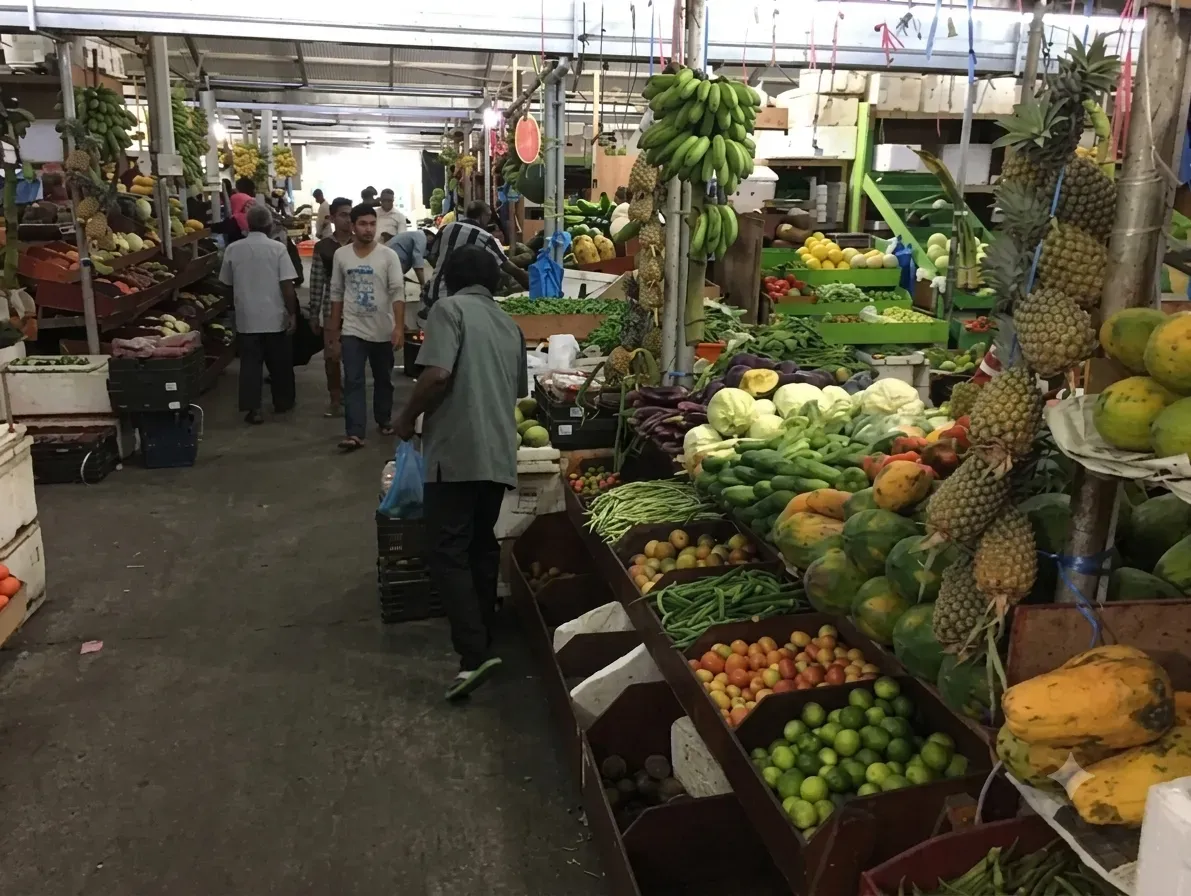 The fish market on the northern waterfront is where Maldivian daily life is loudest and most visible. Fishermen haul in skipjack and yellowfin tuna from the morning catch, lay them out on the concrete floor, and sell them whole or butchered to order. The speed and skill of the filleting is worth watching on its own. The produce market next door sells tropical fruit, betel nuts, coconut and Maldivian snacks.
Things to Do: Watch the morning catch arrive, photograph the fishermen at work, browse the adjacent produce and local goods market
Cost: Free
Grand Friday Mosque
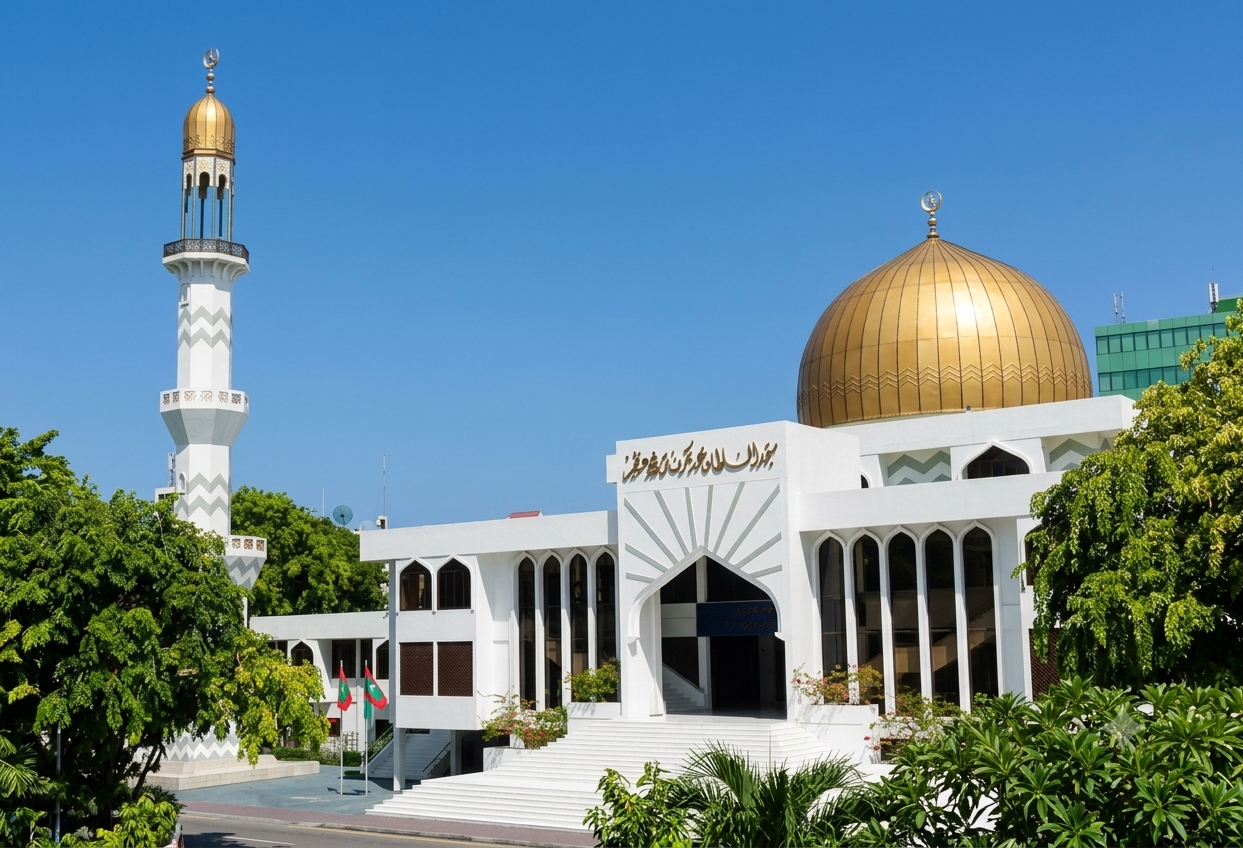 The largest mosque in the Maldives sits in the centre of the city, with a golden dome that's visible from most of the island. It can hold over 5,000 worshippers and is named after Sultan Muhammad Thakurufaanu al-Auzam, a national hero. Non-Muslims can visit outside of prayer times. The white marble exterior and the interior proportions are impressive, and the building gives you a clear sense of how central Islam is to Maldivian life. Dress modestly: cover shoulders and knees, and women should cover their hair.
Things to Do: Visit the mosque's main hall outside prayer times, photograph the golden dome from the surrounding streets
Cost: Free
Sultan Park and the National Museum
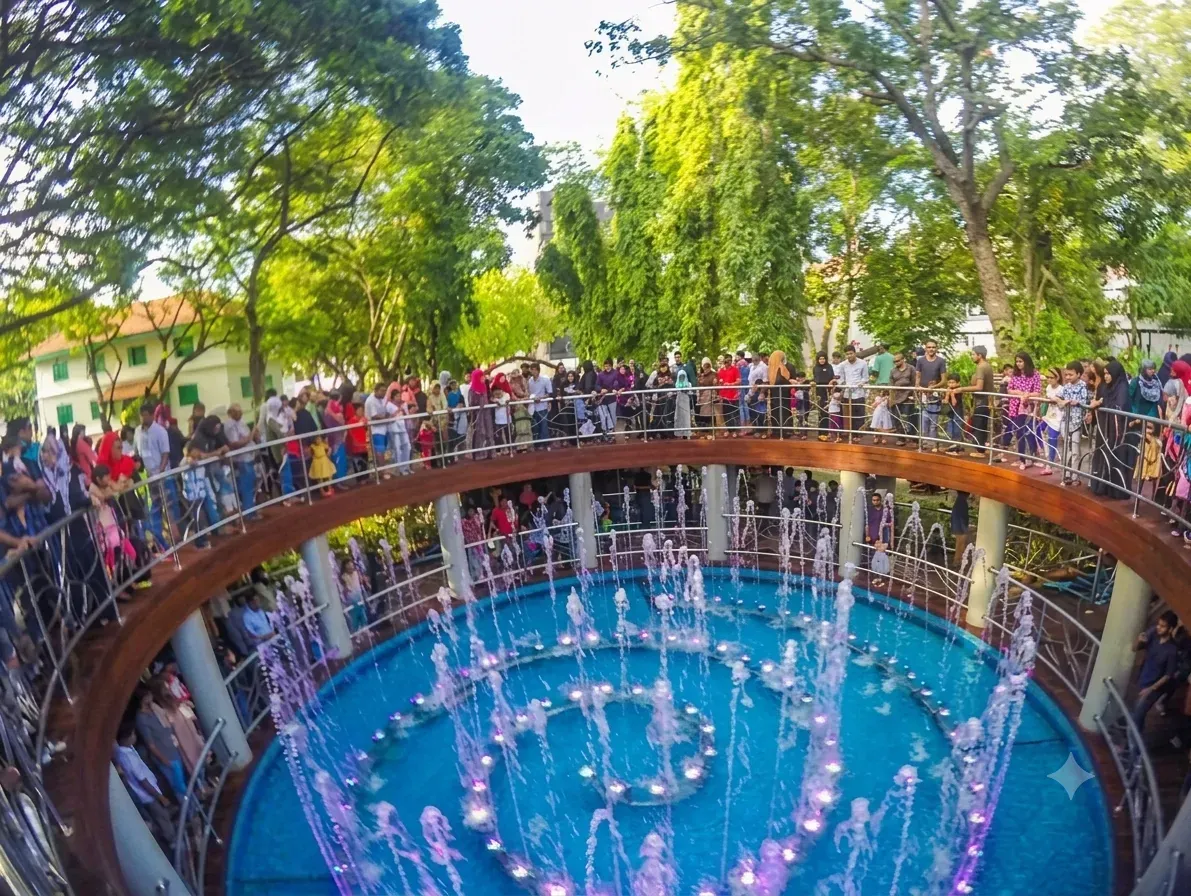 Sultan Park is the closest thing Male city has to a green escape. It was built on the grounds of the old Royal Palace, which was demolished in the 1960s. The one surviving wing of the palace now houses the National Museum. Inside, you'll find ancient Buddhist-era stone carvings (The Maldives was Buddhist before converting to Islam in 1153), royal thrones, coins, lacquerware and weapons. There's also a whale bone and the chair from the country's first "underwater cabinet meeting" in 2009. It's compact and takes about 45 minutes.
- Things to Do: Walk through the park, visit the National Museum exhibits on Maldivian history and pre-Islamic artefacts
- Cost: $10 per person (credit card only, no cash). Park entry is free. The museum is closed on Fridays and Saturdays
Hukuru Miskiiy (Old Friday Mosque)
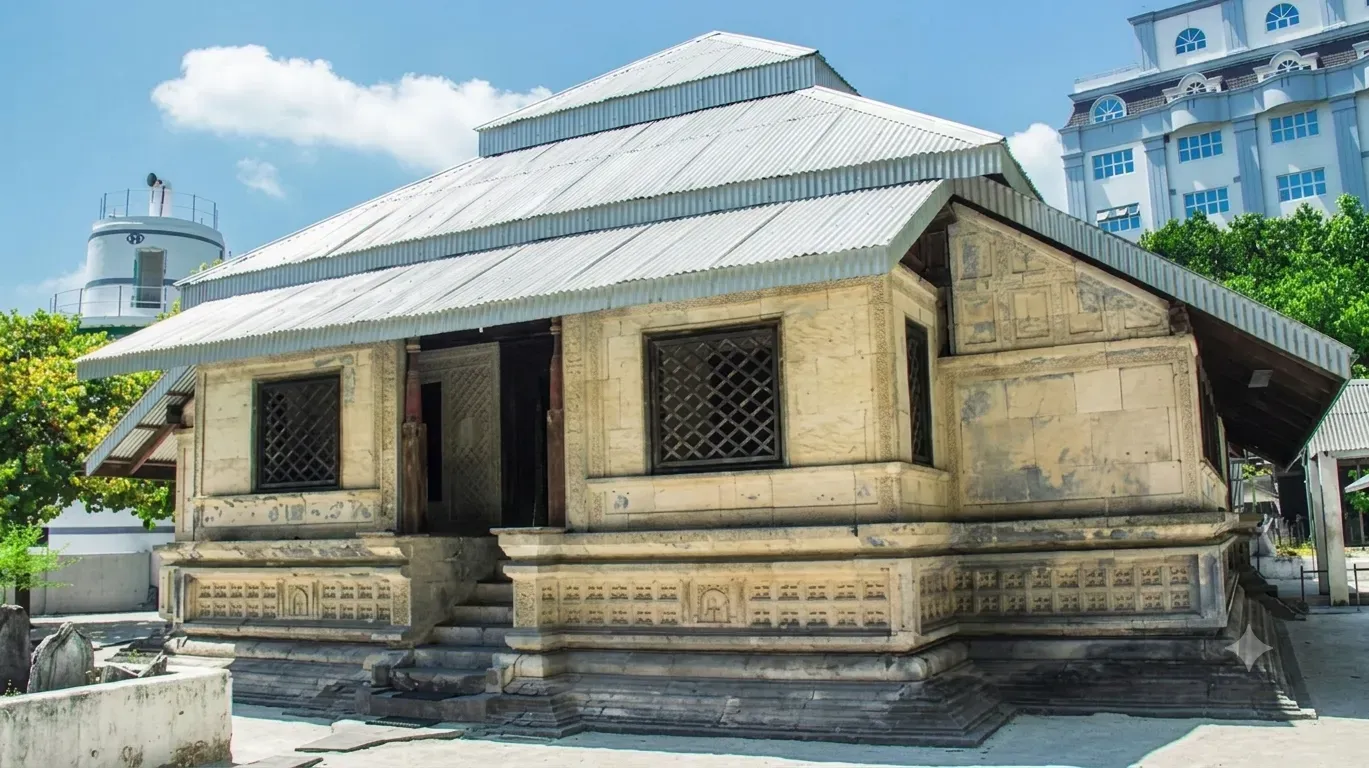 This is the oldest mosque in Malé, Maldives, dating to 1658. It's built from coral stone, with intricate carvings on the walls and interior panels made from lacquered wood. The craftsmanship is detailed and distinctly Maldivian, not something you'll see replicated anywhere else. The mosque sits next to the Meedhu Ziyaaraiy, a small cemetery with carved tombstones marking the graves of former sultans and nobles. Non-Muslims can visit the exterior and cemetery, but interior access may require permission.
- Things to Do: See the carved coral stone exterior and lacquered wood panels; visit the adjacent royal cemetery
- Cost: Free
Artificial Beach
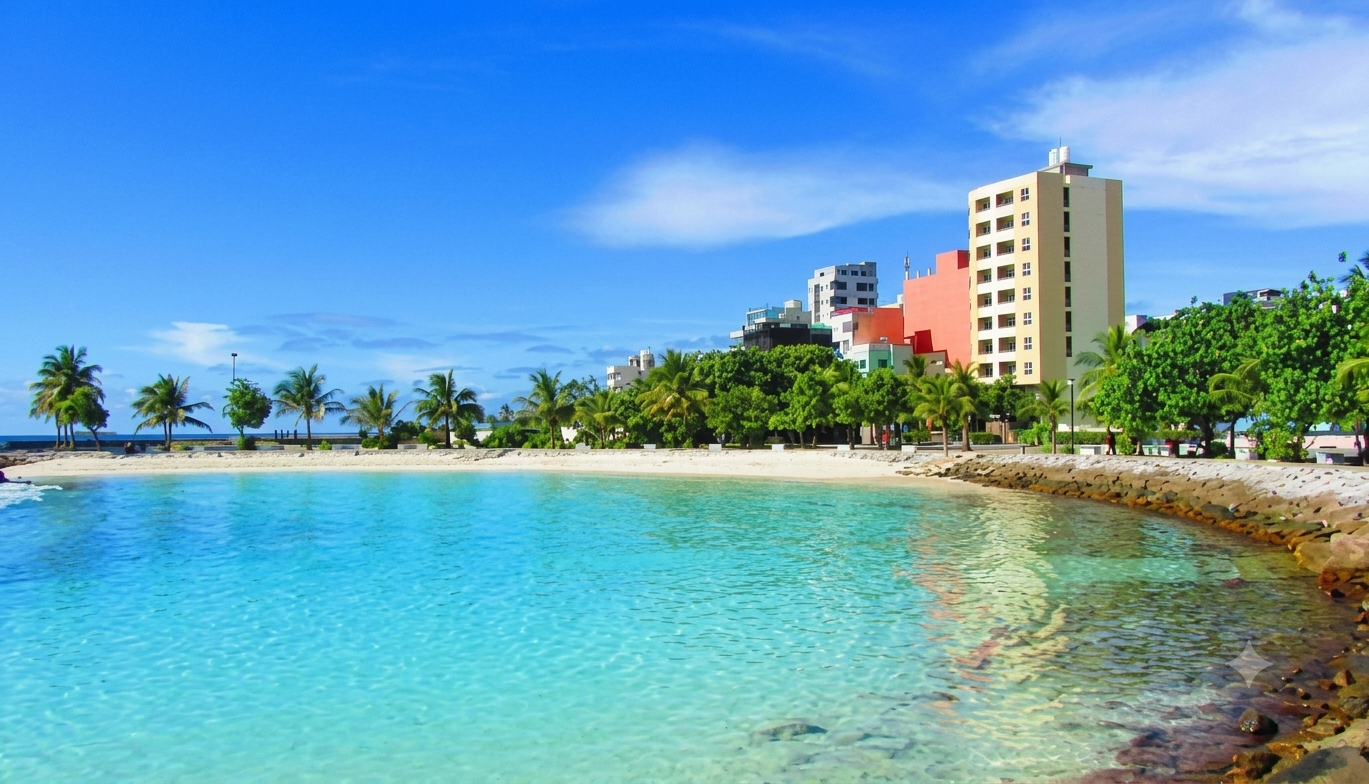 The Artificial Beach is a man-made crescent-shaped beach on the southern coast of Malé city. It's where locals come to sit in the evenings, swim (modestly, as this is a local island), and watch the sunset across the water. The beach itself is small, but the atmosphere on a Friday evening is relaxed and social. Swimming is allowed. On local islands, visitors should wear modest swimwear that covers the shoulders and thighs, in line with local customs. There's a skateboard area nearby, and food stalls and cafes line the road behind the beach.
- Things to Do: Sit by the water, watch the sunset, swim (modest dress required), eat at the nearby cafes
- Cost: Free
How Do You Get Around Male?
Male is one of the most walkable capital cities in the world. The island measures roughly 2km by 1km, and most attractions sit within 15 to 20 minutes of each other on foot.
- Walking: The best and simplest way to see the city. The main attractions, markets and mosques are all within a compact central area
- Taxis: Available and useful if you're carrying luggage or heading to/from the ferry terminal. Fares start at MVR 25 (about $1.60) within the city
- Ferry to Hulhumale: A public ferry runs between Malé and Hulhumale (the neighbouring island connected to the airport) for MVR 5.50. The journey takes about 15 minutes.
- Airport transfer: Velana International Airport is on the adjacent island of Hulhumale. A speedboat transfer or the ferry via Hulhumale gets you to Male in minutes
Where Should You Stay in Male?
Most Maldives visitors stay at resorts, but if you want to spend time in the city, two areas work well.
Central Male
- Best for: being close to the fish market, mosques and local restaurants
- Accommodation: Guesthouses and small city hotels. Rooms are compact (space is limited on the island). Expect basic to mid-range options
Note: Malé is a dry island (no alcohol served or sold), so don't expect bar or nightlife options
Hulhumale
- Best for: More modern hotels, wider streets, a real beach, and proximity to the airport
- Accommodation: Newer guesthouses, mid-range hotels and a few beachfront properties. More spacious than central Malé
Hulhumale is the better base for most visitors. It's more comfortable, has a better range of accommodation, and the ferry or bridge connection to Malé makes a city visit easy as a half-day outing.
Your Male City Visit Starts with the Right Maldives Plan
Male city is the part of the Maldives that most visitors skip, and it's the part that gives you the most honest picture of the country. A morning at the fish market, an hour at the National Museum, and a sunset at Artificial Beach add up to a different experience from the resort side. It's not a replacement for the beach and the water, but it's a useful complement.
At Holiday Tribe, we build Male into Maldives holiday packages that balance resort time with local island experiences. Our packages include accommodation, transfers and island logistics. If you'd rather build something around your own dates, group size and budget, our holiday advisors will put together a fully customised plan. Flights aren't included unless you want them added.
The Maldives isn't just the resorts. Make room for the capital.