

Paris doesn't just feed you, it courts you. The city is not just known for good food, but for its deep connection to food. Walk through any neighbourhood at 8am and you will smell butter before you see the boulangerie. Step into a local bistro at 1pm and you will find every table full - locals, not tourists, taking a proper lunch break. This is what makes Paris food different. It is not about expensive restaurants or menus with three descriptions per dish. It is about ritual, quality, and knowing exactly what you want. This guide tells you what to eat, where to find it, and how to enjoy it the way Parisians do.
Why does Paris take food so seriously?
In 2010, UNESCO added the French gastronomic meal to its list of intangible cultural heritage. Not a specific dish or a recipe. The entire experience of sitting down, eating together, and doing it properly. That tells you everything.
Paris food is not about extravagance. It is about respect - for the ingredients, the time spent eating, and for the person across the table. Parisians do not eat on the metro. They do not grab lunch at their desks. Even a quick Tuesday lunch gets a real break, a proper plate, and bread that arrives without asking.
There are some unwritten rules here. Coffee comes after dessert, not with it. You do not split a main course. Bread is free and always refilled and turning it down can be mildly offensive. And if you are eating out, you eat at the table's pace, not yours.
What are the must-have foods in Paris?
These are the dishes you should not leave without eating. Not because they are on every ‘best food in Paris’ list, but because they genuinely represent what Paris food and drink culture is built on.
Croissant
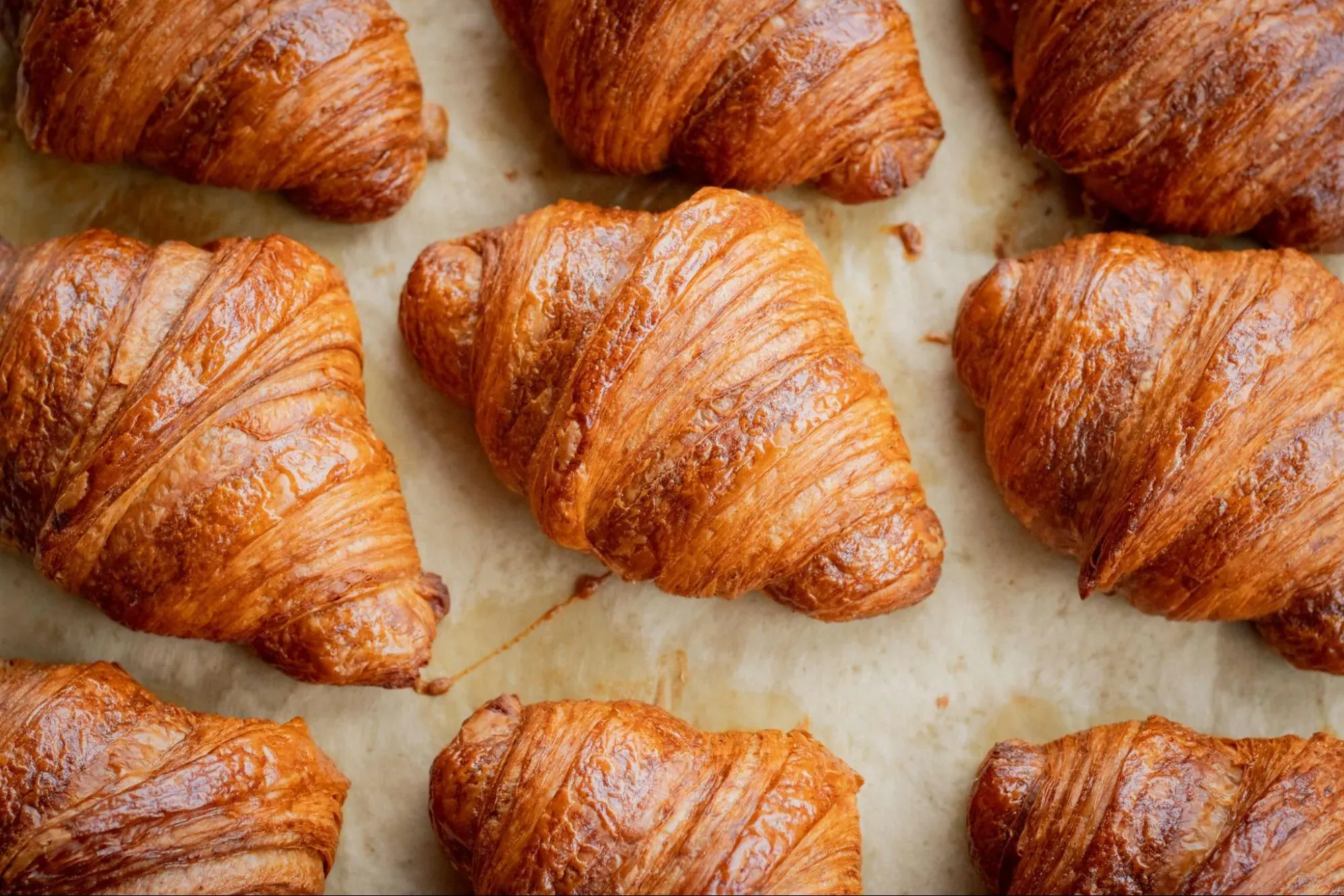
A croissant in Paris is not just breakfast; it is a morning ritual. This is what people call the best food in Paris. Every neighbourhood has its boulangerie (bakery), and locals stop in on the way to the metro, eat it standing at the counter with a short black coffee, and leave within ten minutes. The version you want shatters when you bite it and leaves flakes on your shirt, that means it was made properly, with real laminated dough and plenty of butter. Order it plain, before 9am, from a boulangerie that says “Artisan Boulanger" on the door.
Famous Food Places: Mamiche, Du Pain et des Idées
Steak Frites
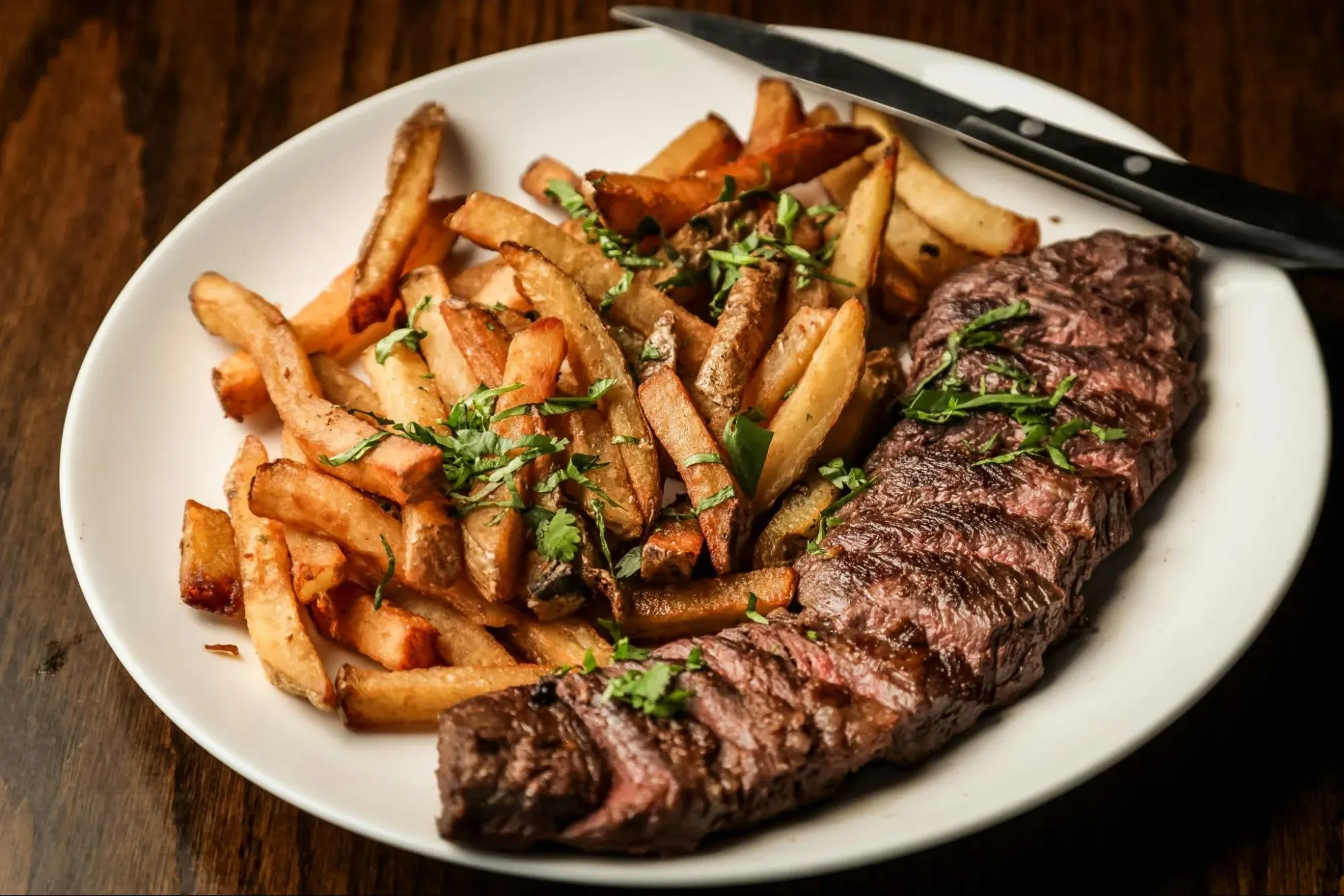
This is the most ordered dish in Parisian bistros, and it has barely changed since the 19th century when small eateries served working-class Parisians on something filling, affordable, and quick. You get thinly seared beef, usually hanger or entrecôte, with a heap of thin, crispy frites alongside, and nothing else on the plate to distract you. When the waiter asks how you want it cooked, say saignant (rare) or à point (medium), anything more done is usually frowned upon. Eat the frites with your fingers between bites; that is the usual way.
Famous Food Places: Le Relais de l'Entrecôte, Bistrot Paul Bert
Soupe à l'oignon
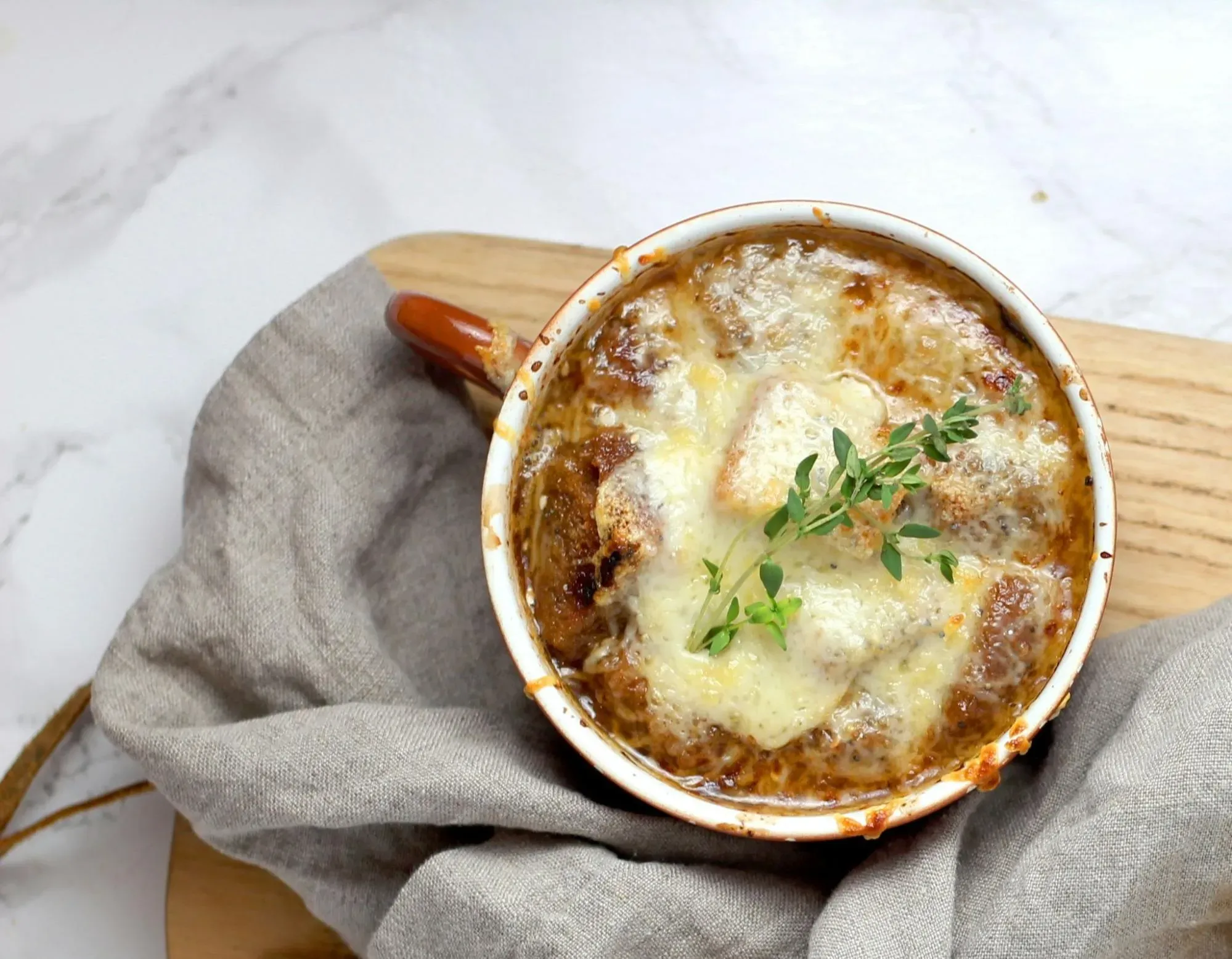
French onion soup was not invented in a fine-dining kitchen; it was made at 4am for market workers at Les Halles, the old central food market of Paris, using the cheapest possible ingredients: onions, beef broth, and leftover bread. The soup is slow-cooked caramelised onions in a deep, rich broth, topped with a thick slice of toasted baguette and a melted Gruyère crust. When you break through the cheese with your spoon, you get a bit of everything at once - broth, bread, and cheese. This soup is best enjoyed in winter, especially in the Les Halles area where it began.
Famous Food Places: Au Pied de Cochon, Le Grand Colbert
Crêpes
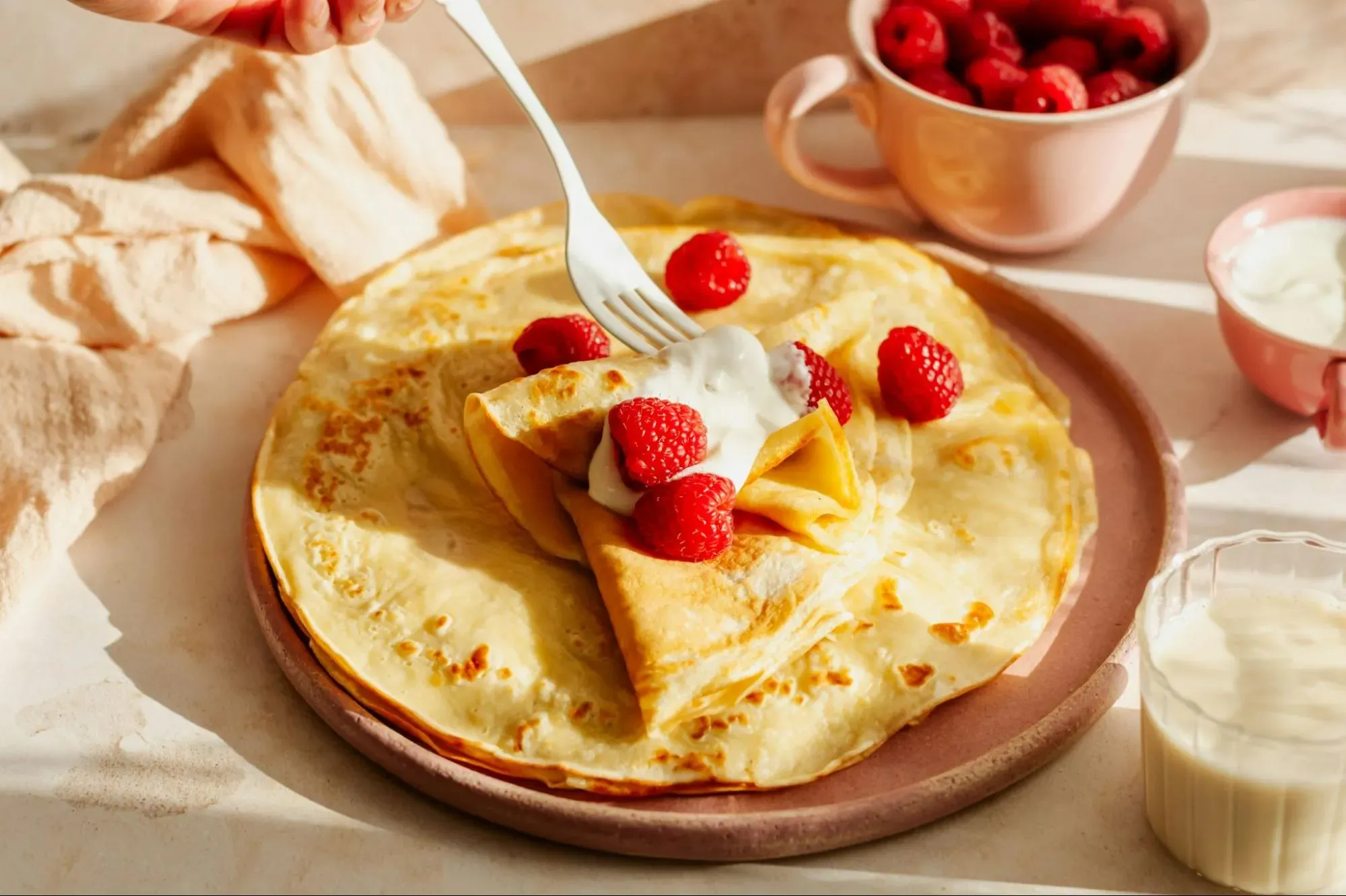
Crêpes actually come from Brittany, not Paris. They only appeared in the city in the 19th and 20th centuries, when people from Brittany moved there and opened crêperies. The savory version, called a galette, is made with buckwheat flour and filled with ham, egg, and cheese. This was the original recipe, created by Breton peasants because buckwheat grew well in poor soil and was very cheap. The sweet crêpe came later, after wheat flour became more affordable, and that’s the type most visitors know today. At a real crêperie, you start with a galette and finish with a sweet crêpe, usually served with a bowl of cold Breton cider.
Famous Food Places: Breizh Café
Duck Confit
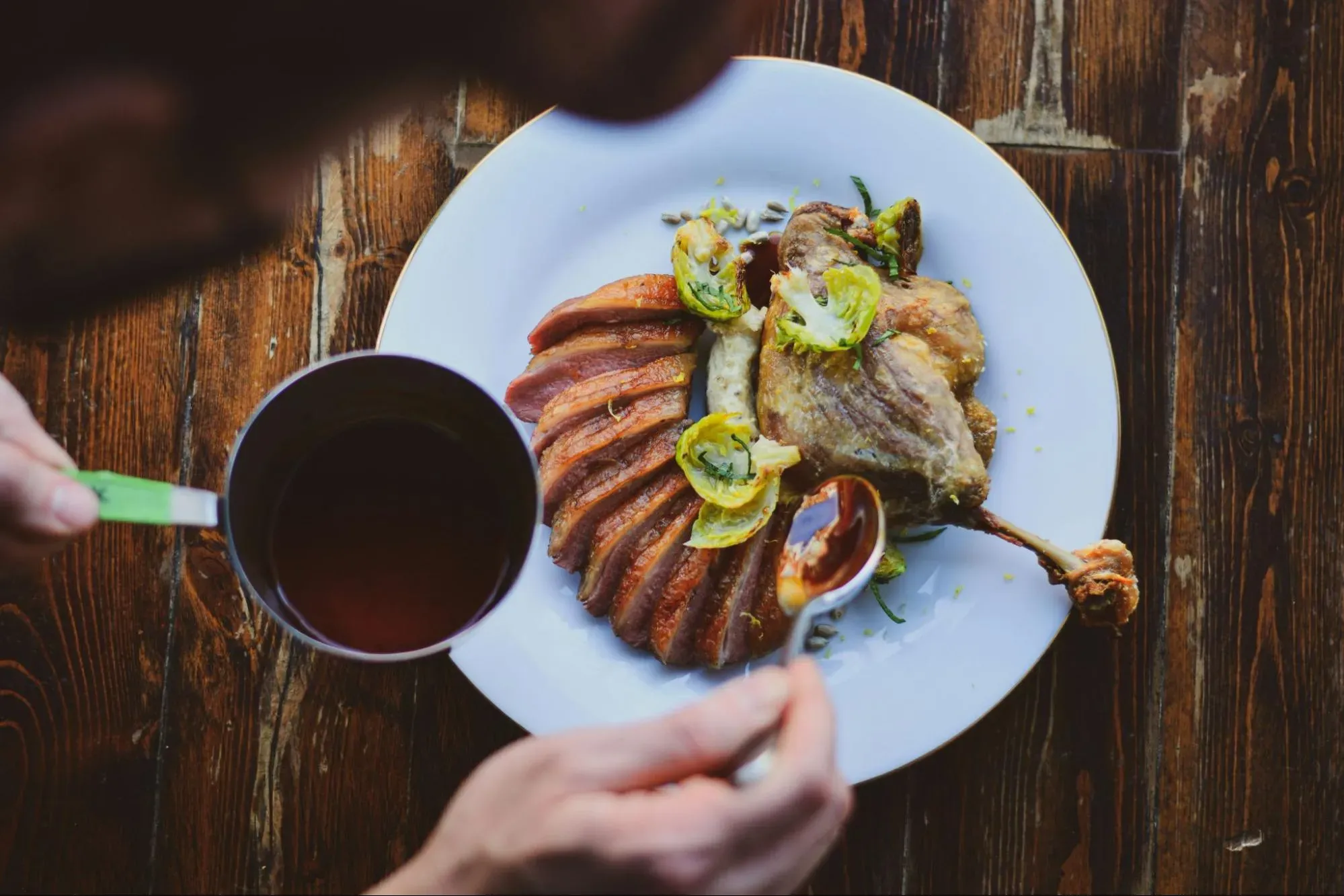
Confit de canard began as a way to preserve duck meat in southwest France. Before people had refrigerators, they would slowly cook duck legs in their own fat and store them in a pot, which kept the meat good for months. This practical country dish eventually became a favorite on Parisian brasserie menus. The meat is tender and falls off the bone, the skin turns crisp when reheated, and it is usually served with lentils, sautéed potatoes, or a green salad. Be sure to eat the skin first while it is still crackling, and do not leave any of the fat behind; that is the whole point of the dish.
Famous Food Places: Joséphine Chez Dumonet, La Fontaine de Mars
Escargot
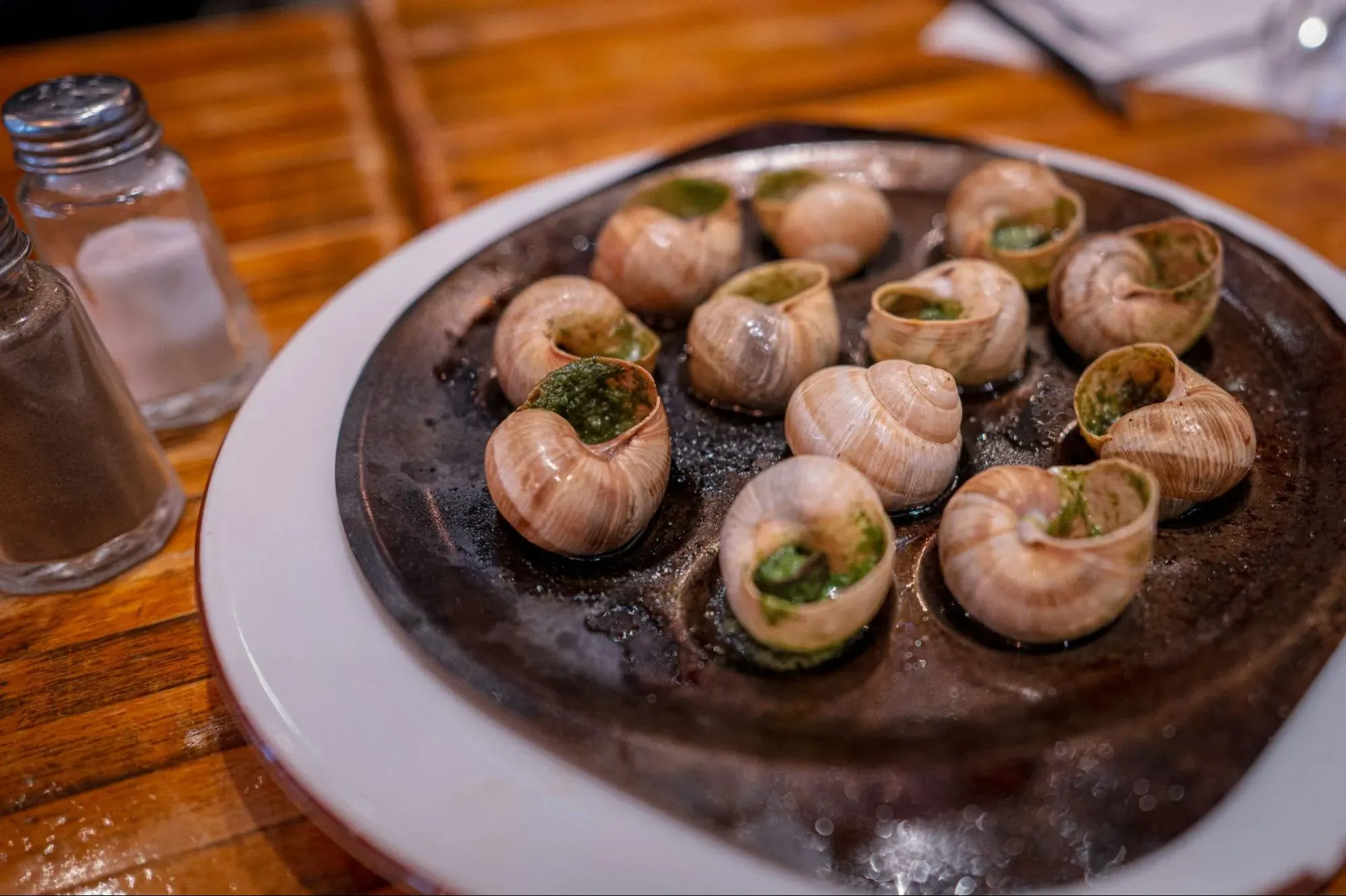
Yes, they really are snails, and yes, you should give them a try. What you taste is mostly garlic butter. Garden snails are cleaned, cooked, and returned to their shells, then baked with parsley and garlic butter. They’re usually served in a special dish that holds six or twelve at a time. You’ll get tongs to hold the shell and a small fork to pull the snail out. After you eat the snail, it’s perfectly fine to tip the shell and sip the leftover butter. Then mop whatever is left in the dish with bread; leaving garlic butter behind in Paris is never a good idea.
Famous Food Places: L'Escargot Montorgueil, Benoit Paris
Tarte Tatin
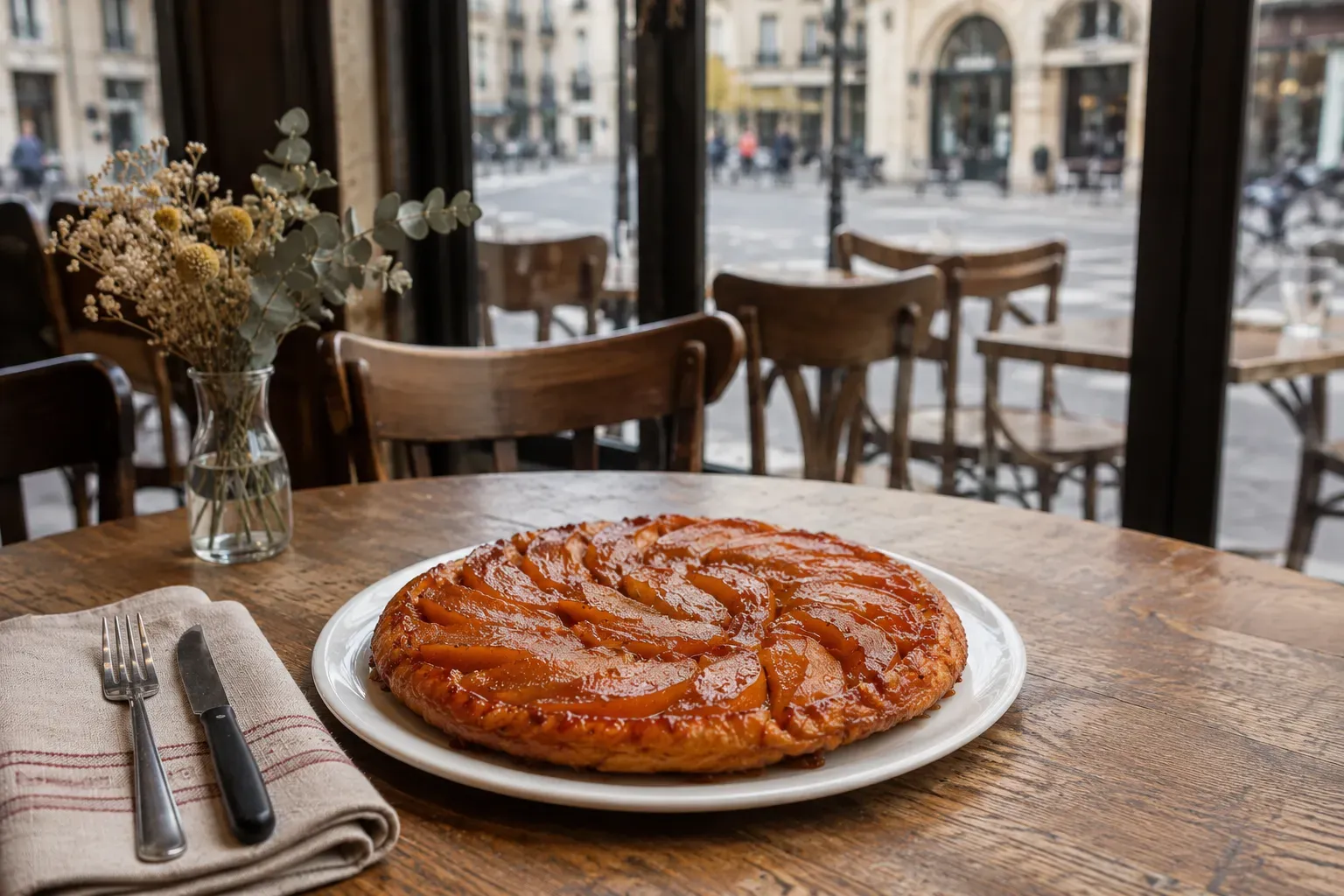
As the story goes, back in the 1880s, a cook named Stéphanie Tatin accidentally left apples cooking too long at her family's hotel in Lamotte-Beuvron, in the Loire Valley, south of Paris. Trying to save the dish, she quickly covered the caramelized apples with pastry, baked it, and then flipped it onto a plate. Her guests loved it. The recipe soon made its way to Paris, and the story goes that the owner of Maxim's restaurant even sent someone in disguise to steal it. Today, this upside-down caramelized apple tart is sticky, soft, and rich with butter. You’ll find it in almost every café in Paris. If you order it, make sure it’s warm and served with crème fraîche or a scoop of vanilla ice cream.
Famous Food Places: Brasserie Lipp, Le Café des Musées
Café
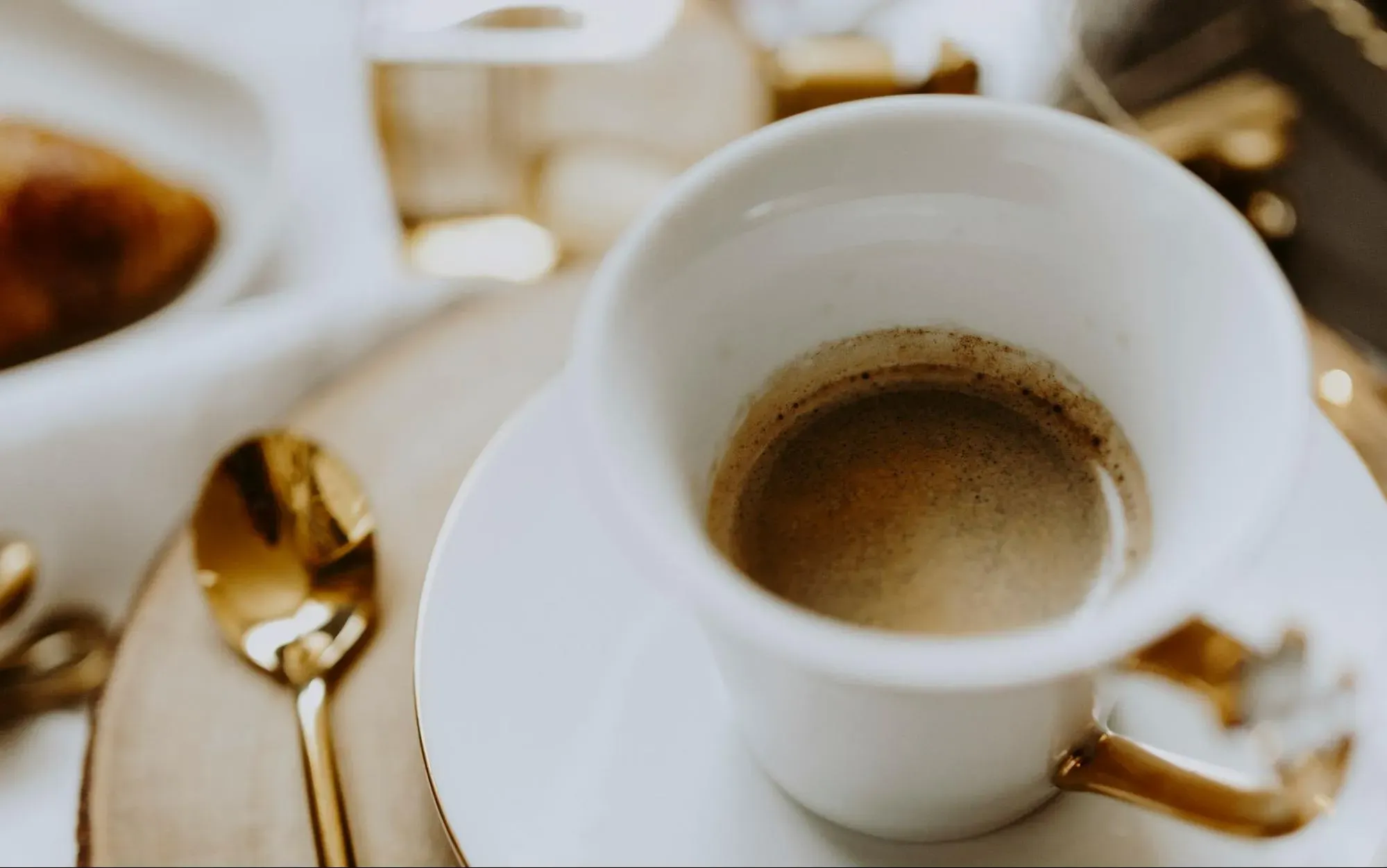
In Paris, café means coffee and coffee means espresso. It’s a short, strong shot served in a small ceramic cup, often with a piece of dark chocolate or a sugar cube, and finished in just three sips. The zinc bar counter has been a Parisian staple since the 19th century, when café counters were made from zinc and everyone from workers to writers gathered for a quick coffee before starting their day. Un café is a black espresso, un café crème comes with milk, and if you order un café serré, which is extra strong, you might get a quiet nod of approval. Coffee is always served after dessert, not with it, and standing at the bar is cheaper than sitting at a table outside.
Famous Food Places: Café de Flore, Ten Belles
Where is the best Paris street food?
Crêpe carts are the famous food in Paris streets, not the only one there. Here is what is actually worth stopping for:
- Falafel in the Marais: Rue des Rosiers in the 4th arrondissement (a subdivision of a French dept) is a historic Jewish quarter, and the falafel here is among the best in Europe. L'As du Fallafel is the spot everyone talks about. You’ll often see a line outside. Grab your food, eat as you walk, or head to Place des Vosges to sit down. The pita is packed with fresh falafel, roasted aubergine, tahini, and hot sauce. It’s hard to beat.
- Jambon-beurre: This is simply ham and butter on a baguette. It might sound plain, but over three million are sold across France every day. It’s also known as Le Parisien. The bread should be crispy on the outside and soft inside, the butter just a bit salted, and the ham sliced thin. Chez Aline on Rue de la Roquette makes an excellent version for under €5.
- Crêpes in Montmartre: The narrow streets around Sacré-Cœur are filled with crêpe stands. The quality can vary, so look for a place that makes the batter fresh and uses real salted butter from Brittany
A neighbourhood-by-neighbourhood Paris food guide
Neighbourhood | Best For |
Le Marais (4th) | Falafel, Jewish bakeries, trendy cafés, natural wine bars |
Montmartre (18th) | Crêpes, classic bistros, sunset wine on a terrace |
Saint-Germain-des-Prés (6th) | Café culture, fromageries, Poilâne bread, patisseries |
Canal Saint-Martin (10th) | Du Pain et des Idées, local brunch spots, laid-back vibes |
Les Halles (1st) | Soupe à l'oignon, old-school brasseries, the original market quarter |
Belleville (20th) | Le Food Market, international street food, natural wine |
Final Thoughts
Go ahead and eat your way through Paris without making a plan. Follow the smell of fresh bread, choose a seat where you can watch the street, and let each meal come to you. You probably won't remember just one dish. Instead, you'll remember how it felt to be cared for at every meal by people who truly pay attention. That's what makes you fall in love with the city. And once you feel it, you'll want to come back for more.
If you’re planning a holiday to Paris and want to focus on real food experiences instead of tourist spots, Holiday Tribe can help. We have experienced holiday advisors, who create travel packages built around what truly makes a place special: the meals, the neighbourhoods, the timing, and the local touches that make your holiday unique.