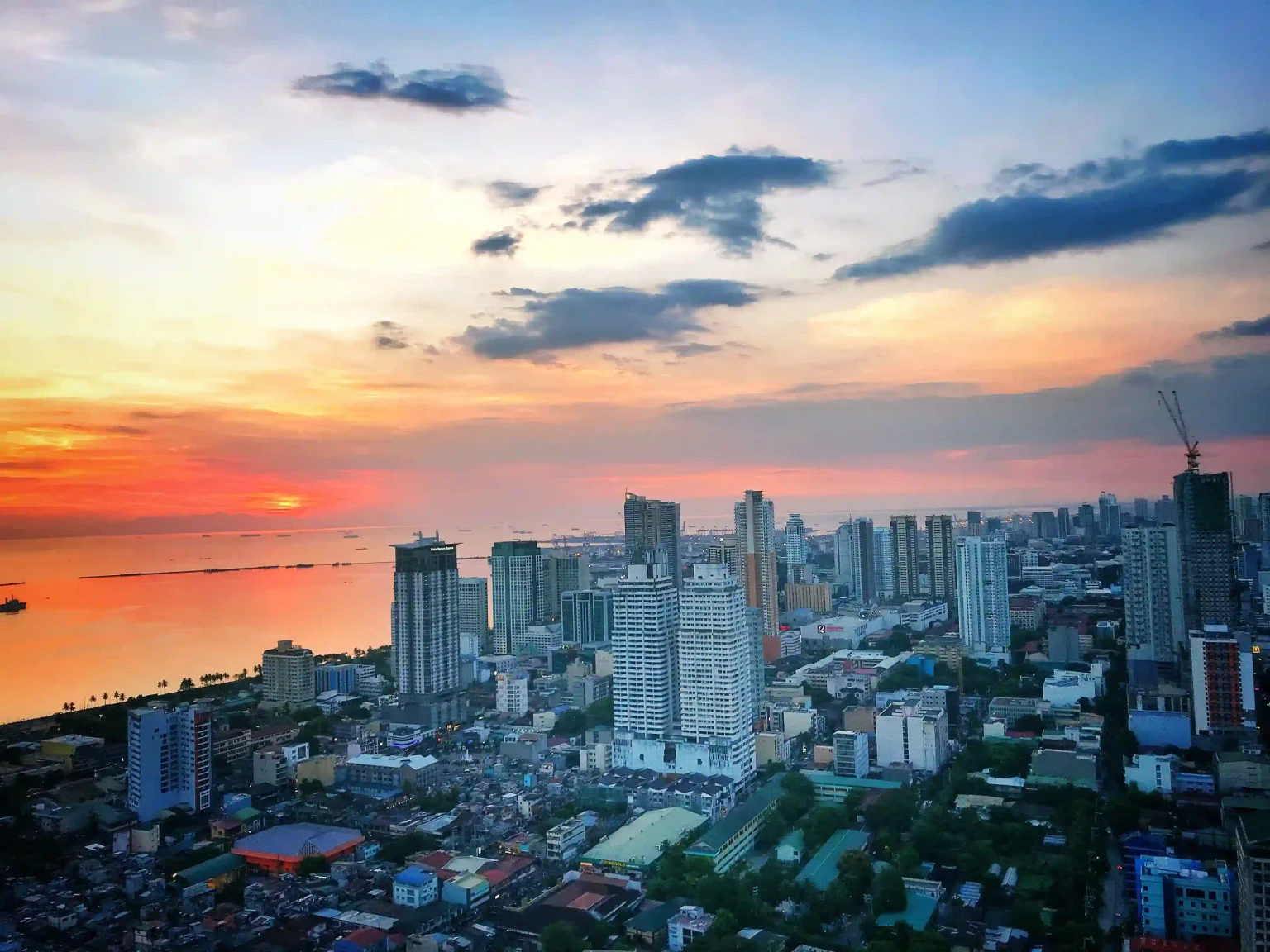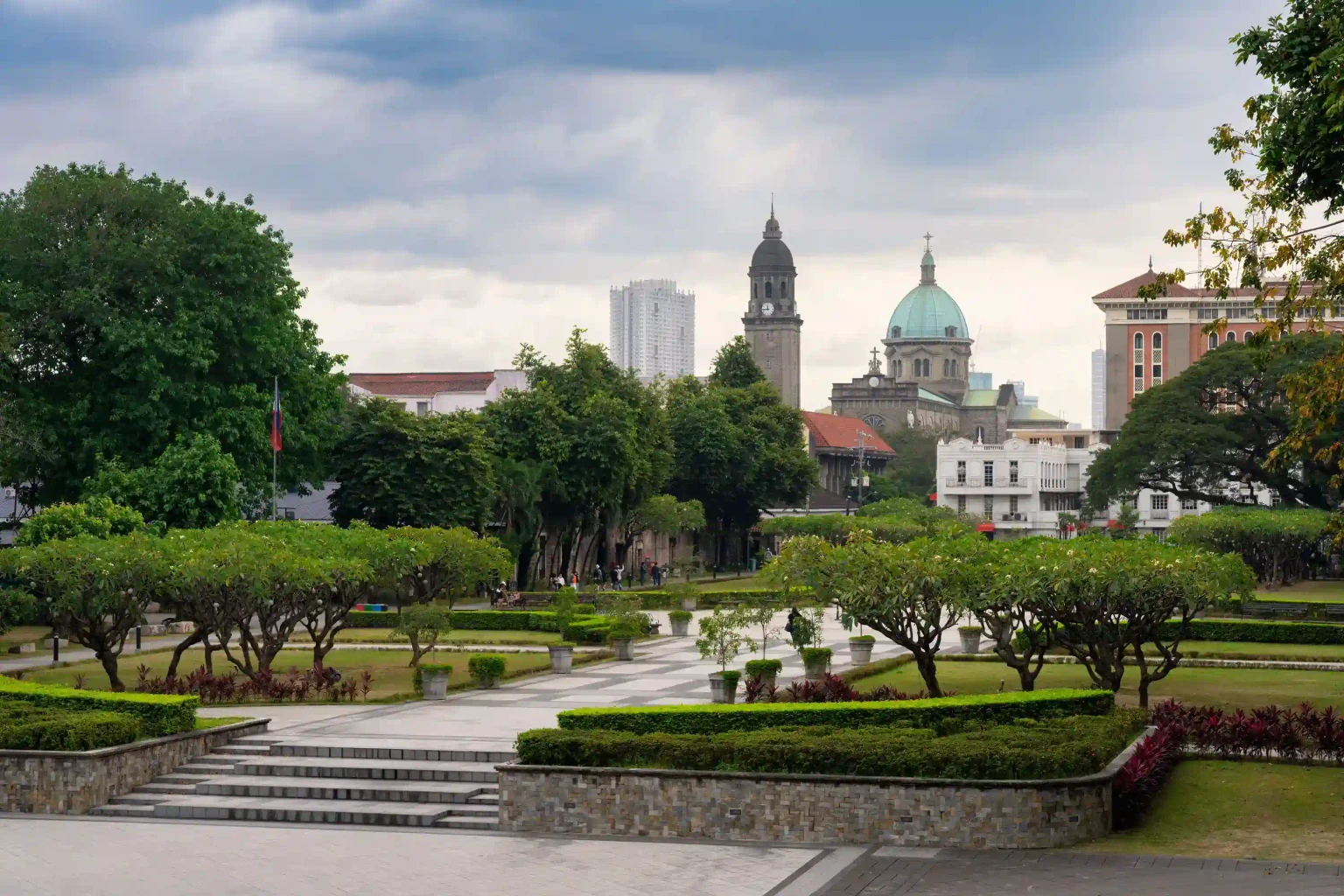


The Philippines is one of the few destinations where every region offers a completely different culinary experience. One day, you could be savouring perfectly grilled, smoky Chicken Inasal in Bacolod, and the next, tucking into the world-famous crispy Lechon of Cebu or trying iconic, savoury Adobo in a bustling Manila market.
With flavours ranging from rich, peanut-infused stews to sweet, refreshing Halo-Halo, matching your travel dates with the best food festivals and local seasonal specialities can feel overwhelming. To truly enjoy your vacation without the stress of planning, let Holiday Tribe handle the logistics so you can arrive and eat your way through the islands.
Adobo
Overview
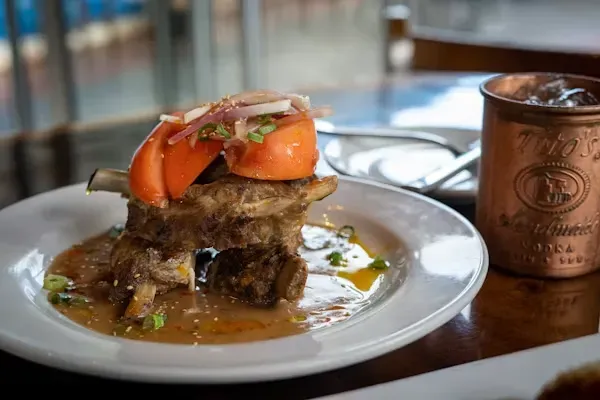
Often considered the unofficial national dish of the Philippines, adobo is the perfect introduction to Filipino cuisine. Chicken or pork is slowly braised in soy sauce, vinegar, garlic, bay leaves, and black pepper until tender and deeply flavourful. Every household has its own recipe, so no two versions are ever quite the same. Many restaurants also prepare vegetable or tofu adobo, using the same signature soy-vinegar marinade.
Why You'll Love It
Its savoury, tangy flavours perfectly capture the comforting simplicity of Filipino home cooking.
Best Places to Try Adobo in the Philippines
- Manila – Traditional carinderias serve authentic home-style adobo.
- Binondo – Chinese-Filipino influences create unique regional variations.
- Cebu – Often served alongside other local specialities.
Tribe Travel Tip: Don't stick to just one city's version, treat adobo like a culinary map and try it in different provinces to experience how regional vinegars and local spices change with the landscape.
Average Cost: PHP 150–300
Lechon
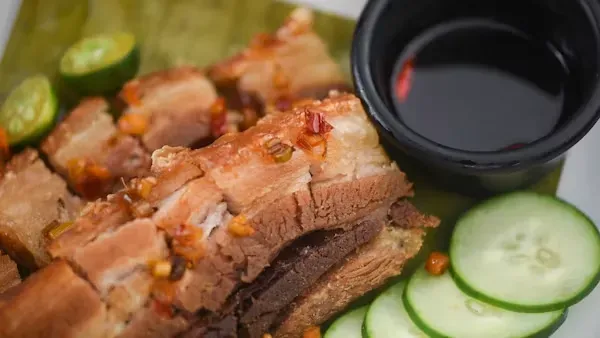
Overview
Lechon is the Philippines' ultimate celebration dish. A whole pig is slow-roasted over charcoal until the skin becomes perfectly crisp while the meat remains tender and juicy. Although found across the country, Cebu is widely regarded as the place serving the finest lechon, thanks to its well-seasoned meat, which often needs no sauce.
Why You'll Love It
The combination of crispy skin and succulent meat makes lechon one of the country's most iconic dishes.
Best Places to Try Lechon in The Philippines
- Cebu – Famous as the lechon capital of the Philippines
- Carbon Market – Popular for authentic local lechon
- Manila – Home to several renowned lechon restaurants
Tribe Travel Tip: If you're hunting for the absolute best crunch in Cebu, head to Carcar City Public Market, where local vendors serve the most legendary, crackling lechon chopped right in front of you.
Average Cost: PHP 200–400
Sinigang
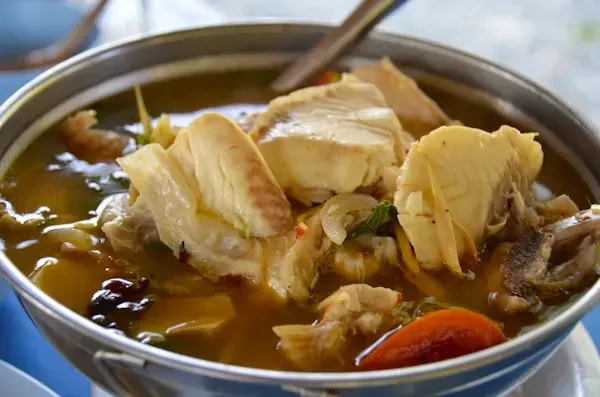
Overview
Sinigang is a comforting sour soup that showcases another side of Filipino cuisine. Traditionally prepared with pork or seafood, fresh vegetables, and a tamarind-based broth, it delivers a refreshing balance of tangy and savoury flavours. Served with steamed rice, it's a staple meal enjoyed throughout the country. Many restaurants also prepare vegetable or tofu sinigang, using seasonal vegetables and the same tangy tamarind broth.
Why You'll Love It
Its signature sour broth offers a flavour unlike almost any other soup in Southeast Asia.
Best Places to Try Sinigang in The Philippines
- Manila: Home-style restaurants serve traditional recipes
- Laguna: Known for authentic Tagalog-style sinigang
- Family-run eateries: Often prepare the most comforting versions
Tribe Travel Tip: Treat sinigang like a flavour map, while Manila uses sour tamarind, look for ultra-regional variants across the islands, as in Western Visayas, where dishes are soured with local batuan fruit instead.
Average Cost: PHP 150–250
Kare-Kare
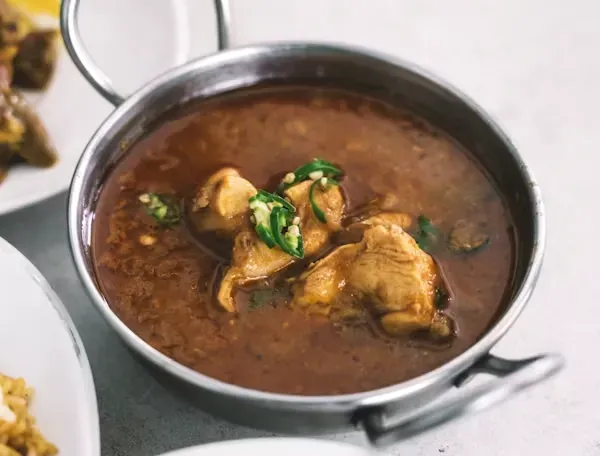
Overview
Rich and creamy, kare-kare is one of the Philippines' most distinctive comfort foods. Slow-cooked beef or pork is simmered in a thick peanut-based sauce with vegetables such as eggplant, long beans, and banana blossoms. Traditionally, it is served with bagoong (fermented shrimp paste), which adds a salty contrast to the rich sauce.
Why You'll Love It
Its creamy peanut sauce creates one of the most unique flavour combinations in Filipino cuisine.
Best Places to Try Kare- Kare in The Philippines
- Manila – Home to many traditional Tagalog restaurants.
- Pampanga – Famous for its rich regional interpretation.
Tribe Travel Tip: For the ultimate culinary road trip, head to Pampanga, the Culinary Capital, where traditional clay-pot Kare-Kare features a rich, handmade sauce made from roasted rice and peanuts.
Average Cost: PHP 200–350
Dinuguan
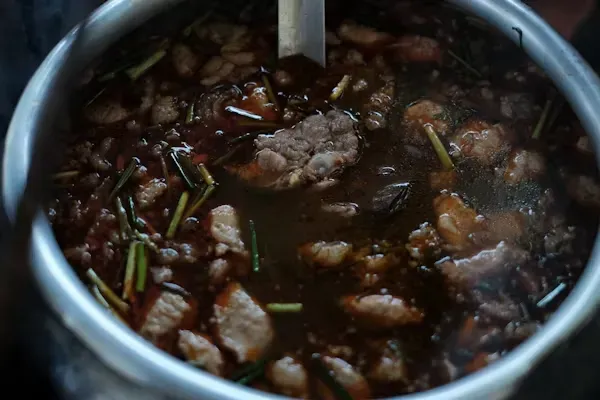
Overview
Dinuguan is one of the Philippines' most traditional and adventurous dishes. Made using pork offal simmered in a savoury sauce thickened with pig's blood and vinegar, it delivers a rich flavour with a slight tang. While it may not appeal to every traveller, it remains an important part of Filipino culinary heritage.
Why You'll Love It
It's an authentic introduction to traditional Filipino cooking beyond the country's most familiar dishes.
Best Places to Try Dinuguan in The Philippines
- Quezon City – Local eateries prepare classic recipes.
- Binondo, Manila – Family-run restaurants serve authentic versions.
Tribe travel tip: Order dinuguan from busy, reputable eateries to enjoy the freshest preparation.
Average Cost: PHP 100–200
Lumpia
Overview
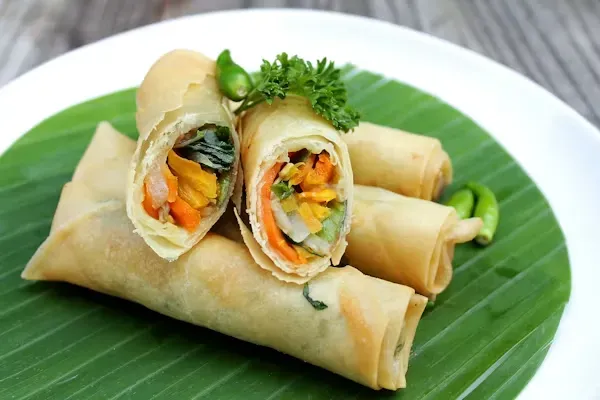
Often compared to spring rolls, lumpia is one of the Philippines' most popular snacks. Thin wrappers are filled with minced meat or fresh vegetables, then fried until crisp or served fresh. They're a staple at celebrations, street food stalls, and local restaurants.
Why You'll Love It
Light, crispy, and easy to eat, lumpia is the perfect introduction to Filipino street food.
Best Places to Try Lumpia in The Philippines
- Manila – Home to both fresh and fried lumpia.
- Silay City – Famous for its regional speciality, lumpiang Silay.
Tribe Travel Tip: Vegetarians should try lumpiang gulay, a popular version filled with fresh vegetables instead of meat, to experience the true delicacy of Filipino cuisine.
Average Cost: PHP 50–150
Sisig
Overview
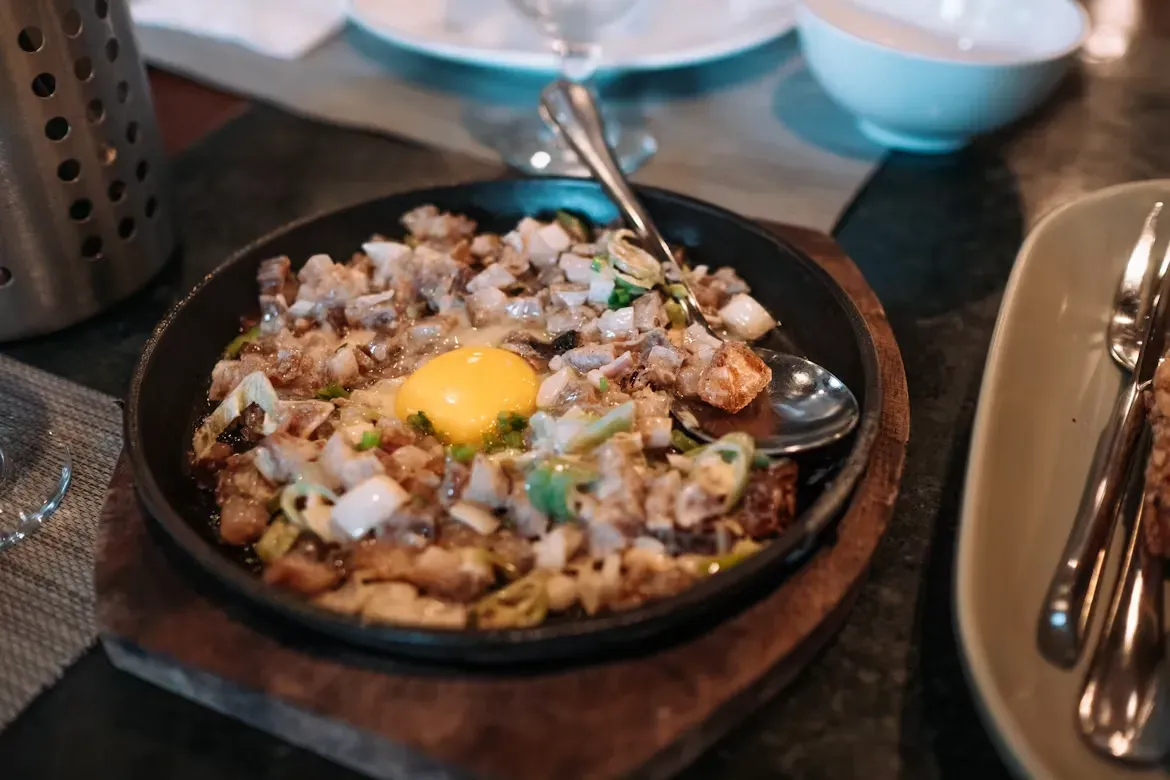
Originally from Pampanga, sisig transforms finely chopped pork into a sizzling dish seasoned with onions, chillies, and calamansi. Traditionally served on a hot plate, it's one of the country's most famous comfort foods.
Why You'll Love It
Its crispy edges, smoky flavour, and sizzling presentation make every bite memorable.
Best Places to Try Sisig in The Philippines
- Angeles City, Pampanga – The birthplace of sisig
- Manila – Widely available in local restaurants
Tribe Travel Tip: If you're visiting Angeles City, head to Aling Lucing Sisig, the legendary, bustling birthplace of the dish, where it was invented in the 1970s, for the ultimate authentic dining experience.
Average Cost: PHP 150–300
Balut

Overview
Balut is perhaps the Philippines' most talked-about street food. This fertilised duck egg is a favourite evening snack among locals and a rite of passage for adventurous travellers.
Why You'll Love It
It's a unique cultural experience that many visitors try at least once.
Best Places to Try Balut in The Philippines
- Manila – Evening street vendors.
- Pateros – Traditionally associated with balut production.
Tribe Travel Tip: While navigating the streets of Pateros, look out for shops selling alfombras, traditional, plush carpet-fabric slippers that comprise the town's other famous, centuries-old heritage craft.
Average Cost: PHP 20–40
Halo-Halo

Overview
Halo-halo, meaning "mix-mix", is one of the Philippines' favourite desserts. Crushed ice is layered with sweet beans, fruits, jellies, leche flan, ube ice cream, and evaporated milk, creating a colourful treat perfect for hot tropical days.
Why You'll Love It
It's refreshing, colourful, and unlike any dessert you'll find elsewhere.
Best Places to Try Halo-Halo in The Philippines
- Manila – Countless cafés and dessert shops.
- Local eateries nationwide – Every region has its own twist.
Tribe Travel Tip: Make a pit stop in Arayat, Pampanga, to try Kabigting's Halo-Halo, a unique, three-ingredient regional legend made with rich carabao’s milk pastillas.
Average Cost: PHP 100–200
Chicken Inasal
Overview
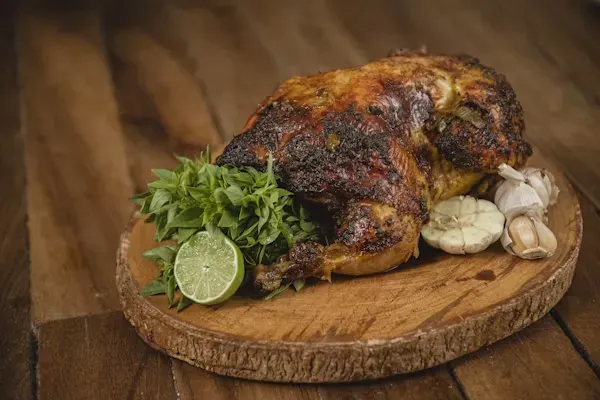
Originating in Bacolod, chicken inasal is a charcoal-grilled chicken marinated in calamansi, vinegar, garlic, and annatto. Served with rice, it's known for its smoky flavour and juicy texture.
Why You'll Love It
Its citrusy marinade and smoky char make it one of the country's best grilled dishes.
Best Places to Try Chicken Inasal in The Philippines
- Bacolod – The birthplace of chicken inasal.
- Manila – Easily found at Filipino grill restaurants.
Tribe travel tip: If your travels take you to Negros Occidental, you must visit local food stalls for the country's most authentic charcoal-grilled inasal.
Average Cost: PHP 180–300
Conclusion
Food is the ultimate gateway to experiencing the soul of the Philippines, where every city offers an endless array of authentic culinary options. The absolute best way to explore any destination is through its vibrant local flavours. To turn this foodie dream into reality, plan your next vacation with Holiday Tribe. Their customised travel packages are perfectly tailored to help you seamlessly navigate and enjoy every single part of the city.