

Planning a Singapore tour package sounds very easy until you begin mapping out your days. Singapore may look small on the map, but the way experiences are spread across different zones, such as Marina Bay, Sentosa, cultural districts, and wildlife parks. It only means your itinerary needs to be planned properly. Without planning, you either rush through key attractions or spend more than necessary on transport and tickets.
This comprehensive blog is created to give you clarity before you finalise your Singapore holiday packages. From when to visit and how to move around efficiently to what each attraction actually offers, you will get detailed, practical insights that help you use your time and budget wisely.
What is the Best Time to Visit Singapore?
Singapore’s weather remains consistent throughout the year, but timing your visit can still make a noticeable difference in your experience.
Dry Season (March to August)
This time is considered the most suitable for outdoor exploration. Rainfall is relatively lower, and skies are clearer.
- Ideal for visiting Sentosa beaches and walking tours
- Better visibility for skyline photography
- Comfortable evenings for outdoor dining
FYI: This is also peak tourist season, so hotel prices are slightly higher. Make sure you choose the right Singapore Tour Package with affordable yet luxurious
Tip: Start your day early, around 8 AM, to avoid humidity and crowds.
Wet Season (September to February)
There is rainfall during this period, but it hardly spoils an entire day.
- Rains usually last 1–2 hours
- Indoor attractions become more relevant
- Hotel prices may drop slightly
Thus, this is a good time if you prefer fewer crowds and don’t mind occasional rain.
Top Singapore Attractions
There are a number of different unmissable attractions that can be included in your Singapore trip package, waiting to be explored and to enhance your trip experience.
1. Marina Bay District
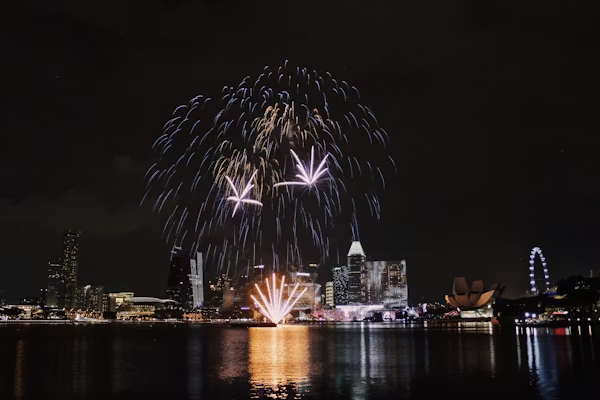
Marina Bay Sands
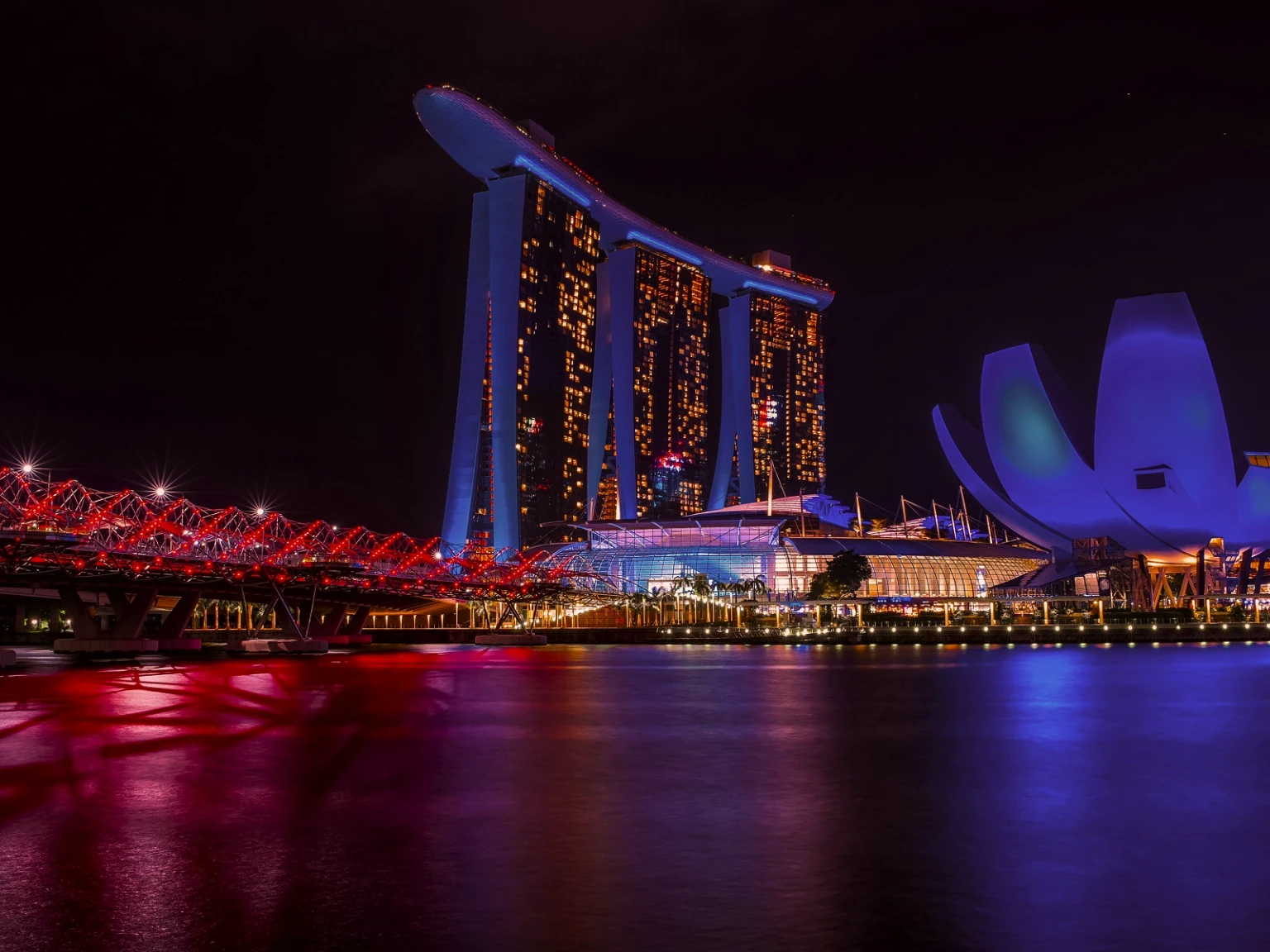
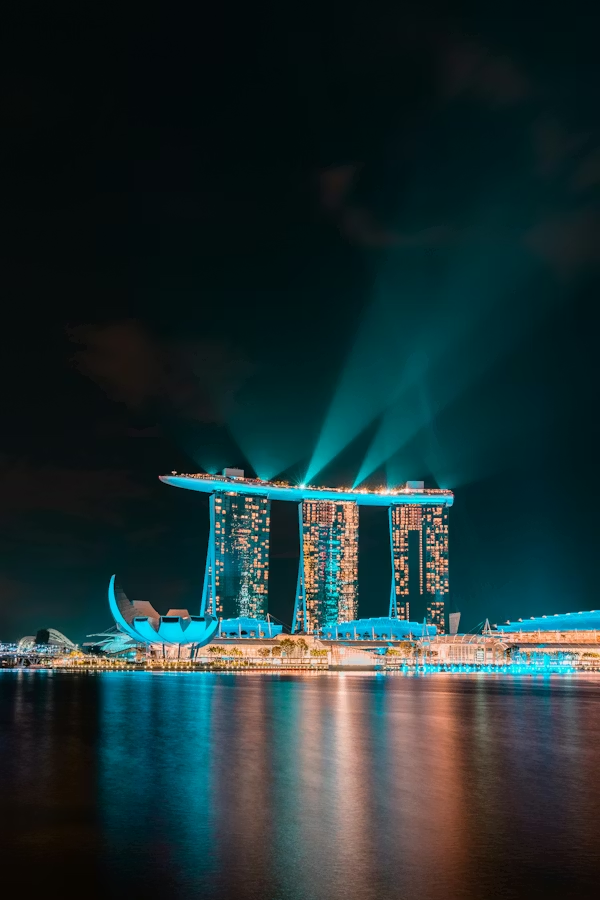 Marina Bay Sands defines Singapore’s modern skyline, designed as an integrated luxury resort with three interconnected towers topped by a unique rooftop platform. The SkyPark observation deck on the 57th floor offers wide panoramic views across Marina Bay, the city centre, and the Singapore Strait, making it one of the most popular viewpoints in the city.
The infinity pool, which is reserved only for hotel guests, is widely recognised and often photographed, giving you a unique view of the skyline. Within the complex, you will also find more than 170 dining and retail options, including well-known chef-led restaurants and premium shopping outlets.
Highlights: The Spectra Light and Water Show runs every evening, with laser projections, water fountains, and music into a 15-minute multimedia presentation that can be viewed from several spots around Marina Bay. Make sure you include it in your Singapore tour package.
Merlion Park
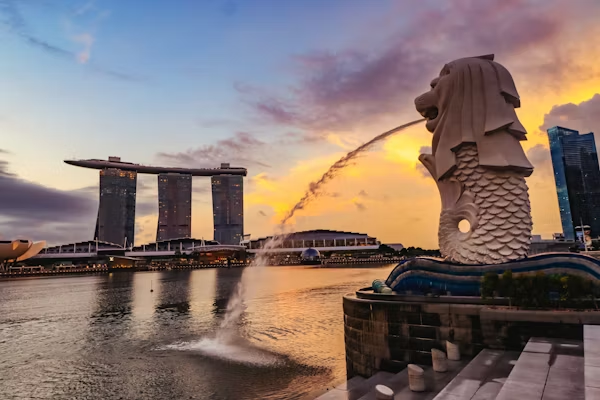
The Merlion statue represents Singapore’s journey from its early fishing village roots to becoming a global city. Its half-lion, half-fish design shows this transformation. Standing at 8.6 metres tall, the statue continuously shoots water into Marina Bay and remains one of the most recognised symbols of Singapore.
The surrounding waterfront area provides clear views of Marina Bay Sands and the Central Business District skyline. The promenade connects easily to nearby attractions, making it a convenient stop during a Singapore city tour. It is particularly popular during sunset and evening hours when the skyline lighting adds to the experience.
Location: Situated at One Fullerton, directly across from Marina Bay Sands, with easy walking access to nearby attractions.
Gardens by the Bay
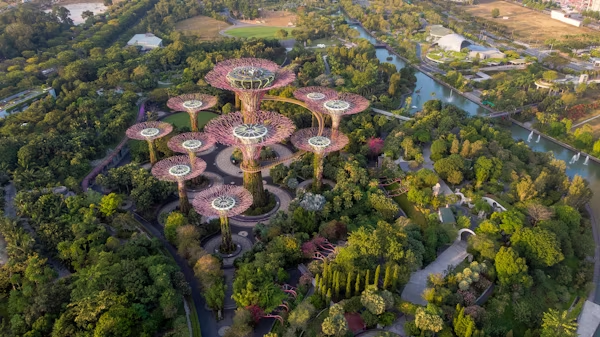
This 101-hectare nature park represents Singapore’s “City in a Garden” vision through a mix of innovative design and curated plant collections. It consists of three main waterfront gardens, each providing a different experience and making it one of the key highlights in any Singapore itinerary.
Supertree Grove:
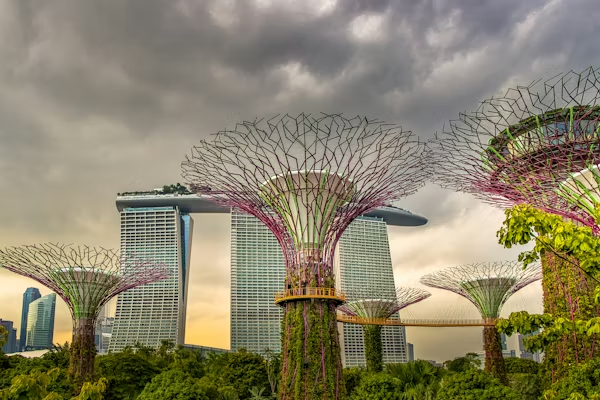
The 18 Supertree structures range between 25 and 50 metres in height and function as vertical gardens, supporting over 200 plant species. These structures are not just visual features; they also collect rainwater and generate solar energy. From here, you can also enjoy elevated walkway views across Marina Bay
Cloud Forest Dome:
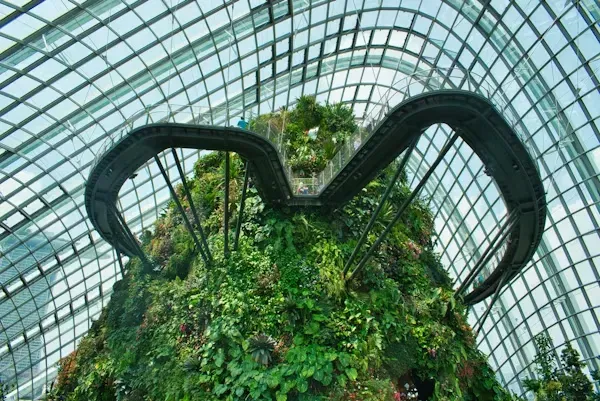
This conservatory recreates tropical highland conditions and features a 35-metre indoor waterfall. The environment includes mist systems and rare plant species typically found at elevations above 1,000 metres.
Flower Dome:
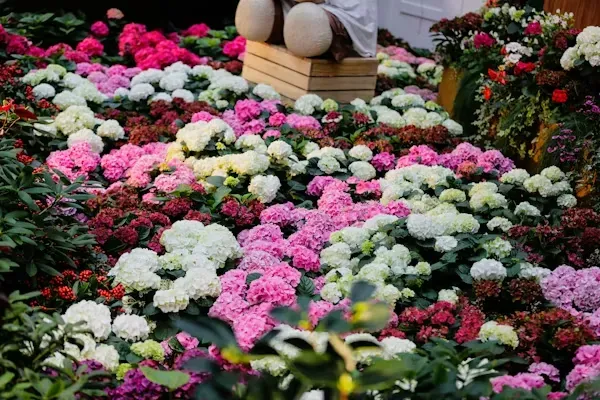
The Flower Dome maintains a cooler, dry climate and showcases Mediterranean and semi-arid plant species. The floral displays change throughout the year, often reflecting seasonal themes and global flower events.
2. Sentosa Island
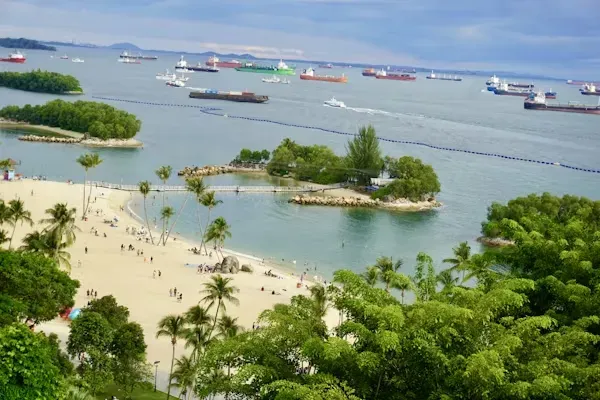
Sentosa Island is Singapore’s dedicated entertainment and beach destination. It is accessible via cable car, monorail, or a road bridge, and brings together multiple attractions within a compact area, making it suitable for a full-day or even multi-day visit. As one of the major components of most Singapore holiday packages, it is best planned as a separate day to avoid rushing through activities.
Universal Studios Singapore
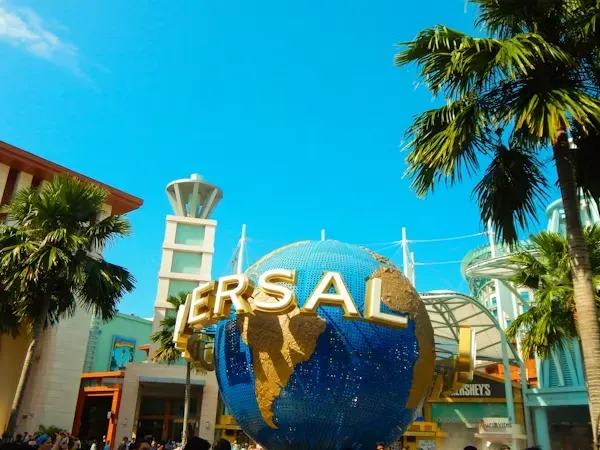
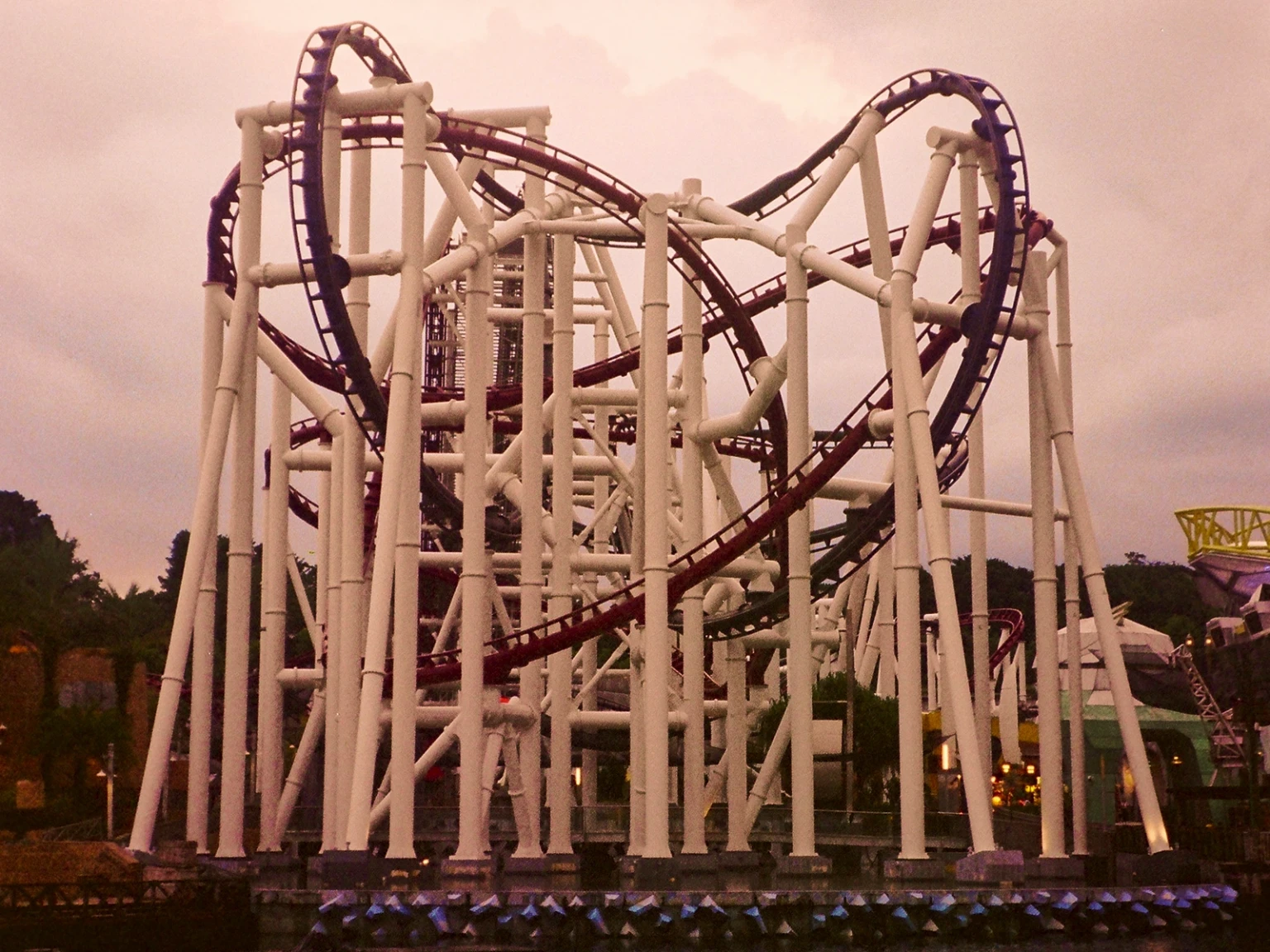
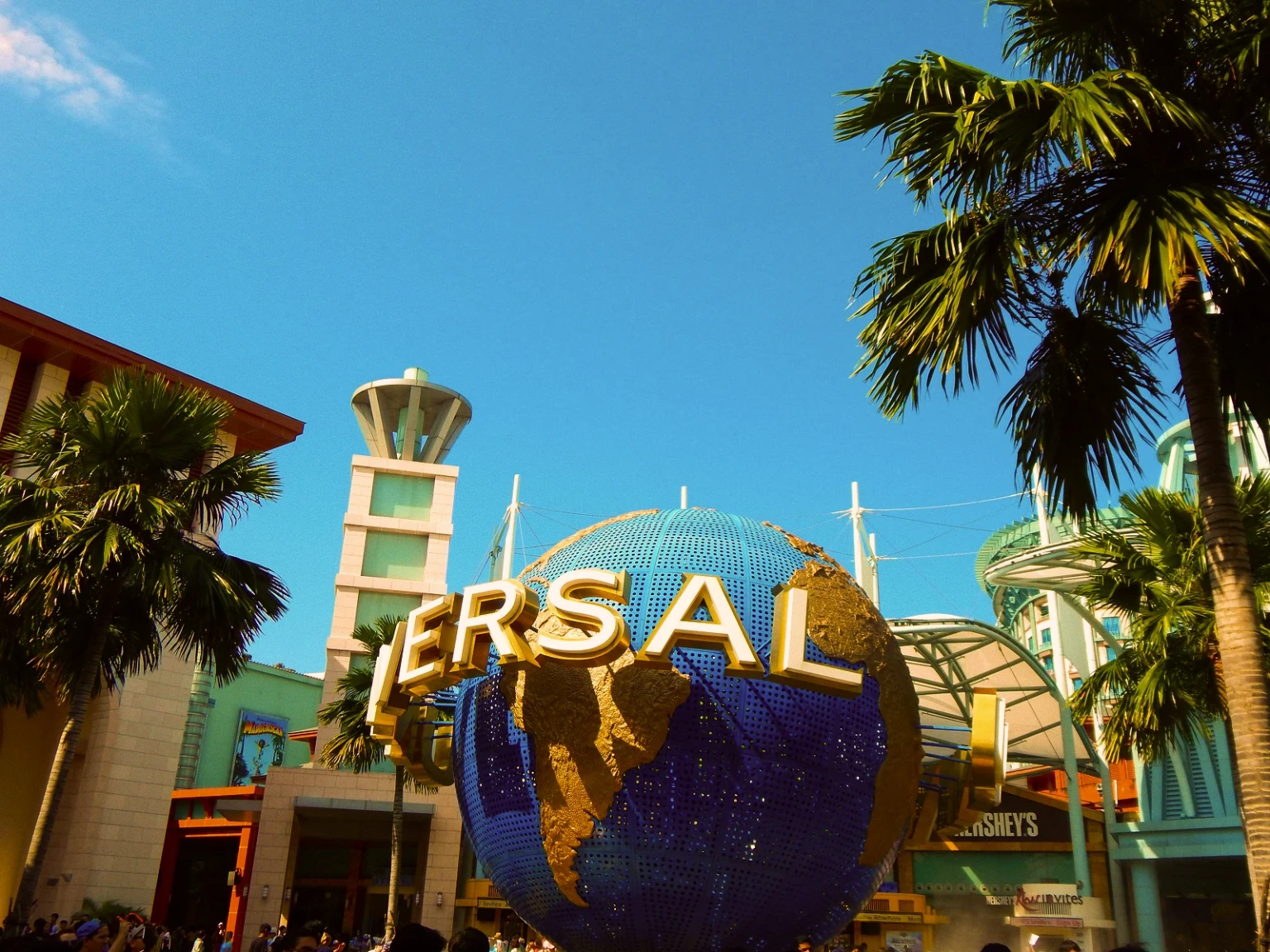
This theme park includes 28 rides and attractions spread across seven themed zones. Several experiences here are unique to Singapore, particularly in the Transformers and Jurassic Park zones, which use advanced ride technology. The Battlestar Galactica duelling roller coasters and the Transformers 3D ride are among the most recognised highlights.
Marine and Water Attractions

The S.E.A. Aquarium houses over 100,000 marine animals across 1,000 species, displayed within 45 different habitats. The Open Ocean section includes one of the largest viewing panels, offering a clear view of marine life in a large-scale environment.
Adventure Cove Waterpark combines water slides, wave pools, and snorkelling activities. One of the notable features is the Rainbow Reef, where visitors can snorkel alongside tropical fish within a controlled lagoon setting.
Beach and Adventure Activities

Siloso Beach is one of the main beach areas in Singapore, offering volleyball courts, water sports, and several beachfront dining options. It also connects to activities such as zip-lining and obstacle courses.
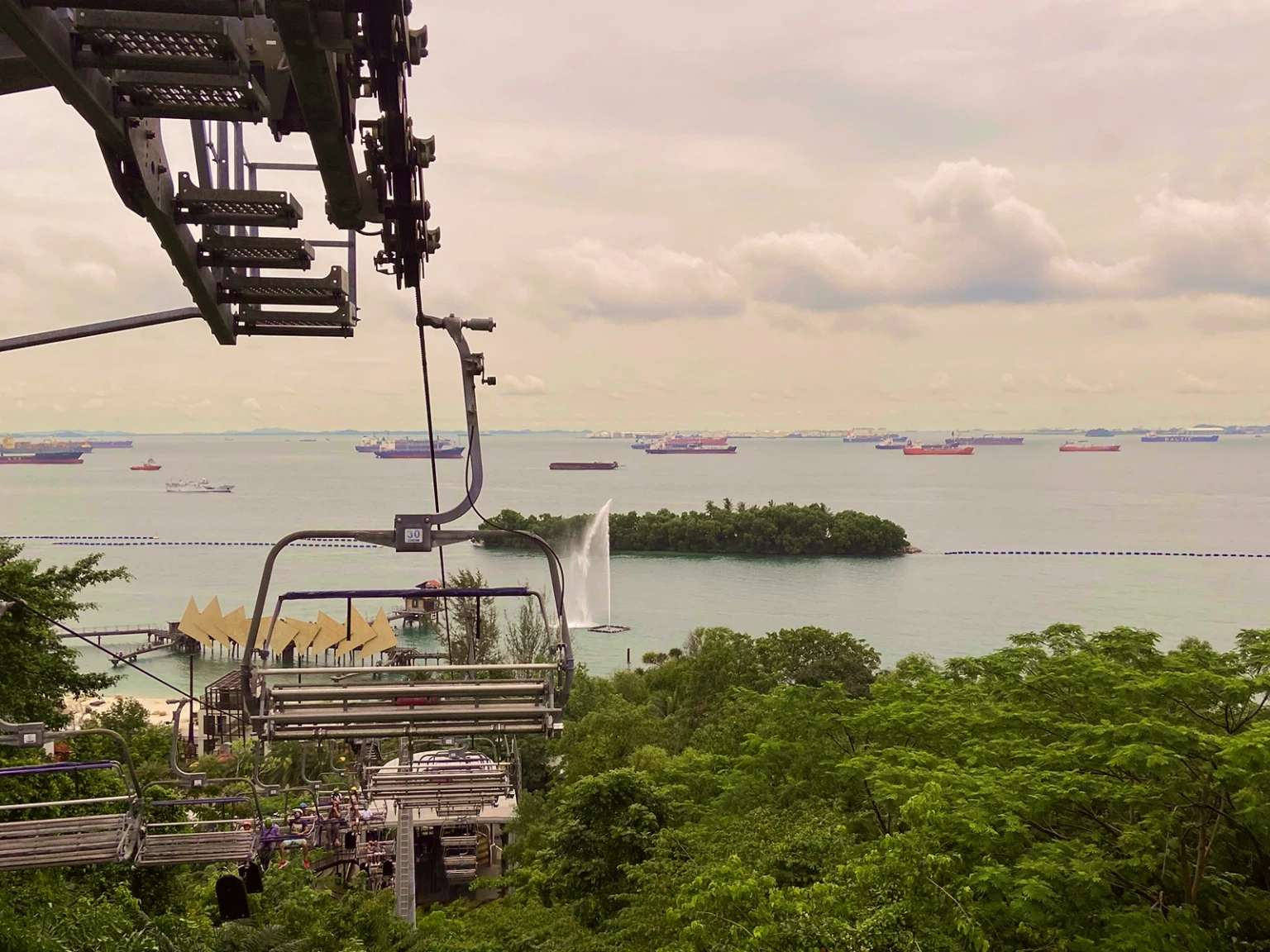
The Sentosa Cable Car provides aerial views while travelling between mainland Singapore and the island, along with additional routes connecting major attractions within Sentosa.
3. Singapore Zoo and Wildlife Attractions
Singapore Zoo
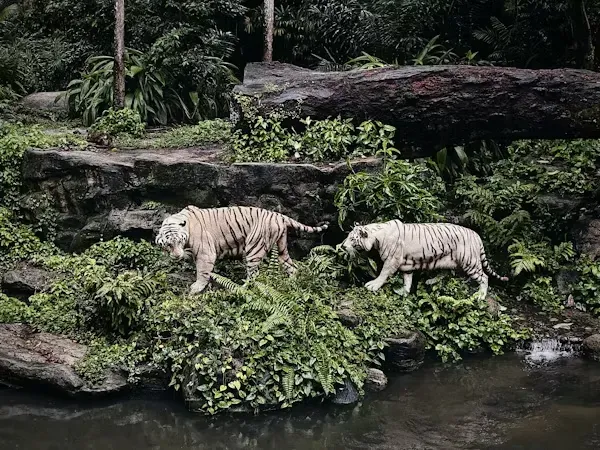
- This 28-hectare wildlife park follows an open-concept layout where animals are kept in naturalistic environments with minimal visible barriers.
- The zoo houses more than 2,800 animals from around 300 species, with a focus on Asian wildlife.
Signature Experiences:
- Jungle Breakfast with Orangutans allows visitors to observe these primates up close within their habitat.
- The Fragile Forest biodome offers an immersive walkthrough of a tropical ecosystem.
Night Safari Singapore
- As the world’s first nocturnal wildlife park, Night Safari presents over 900 animals from 100 species in their natural nighttime behaviour.
- The highlight of this safari is a 40-minute tram ride that moves through four different geographic zones representing various ecosystems.
How to Explore Singapore Area by Area?
When you plan a Singapore itinerary, the smartest way to plan your days is by neighbourhoods rather than individual attractions. Singapore is compact, but each region has its own story and pace. Here is a detailed breakdown of four key neighbourhoods that are usually included in most Singapore tour packages.
Chinatown Singapore
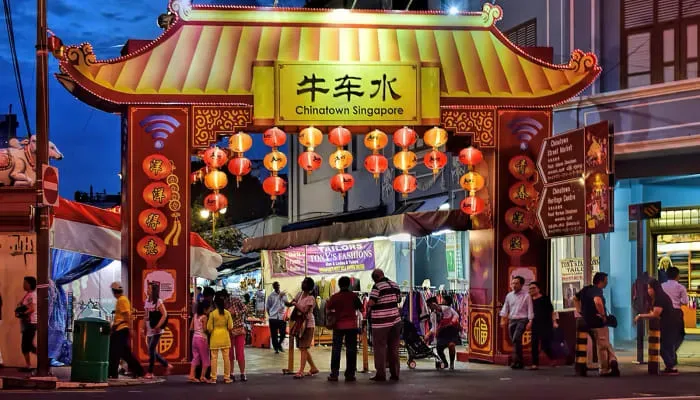
Chinatown is one of the most organised heritage districts in Singapore. It is not just about temples or markets, but a mix of culture, food, and affordable shopping in one walkable area.
What You’ll Actually Experience
- Streets lined with restored shophouses
- Open-air markets selling souvenirs, clothes, and small electronics
- Temples and cultural buildings within short walking distance
- Hawker centres with a wide variety of local dishes
Key Highlights
Buddha Tooth Relic Temple
- Opening hours: 7 AM – 7 PM
- Entry: Free
- Note: Dress modestly (covered shoulders and knees preferred)
Chinatown Street Market
- Best time to Visit: 5 PM onwards
- Perfect for: Souvenirs and small gifts
Maxwell Food Centre
- Best time: Lunch or early dinner
- Popular for: Chicken rice and local dishes
Insider Tips: Bargaining works, but keep it realistic and carry cash for small purchases.
Little India Singapore
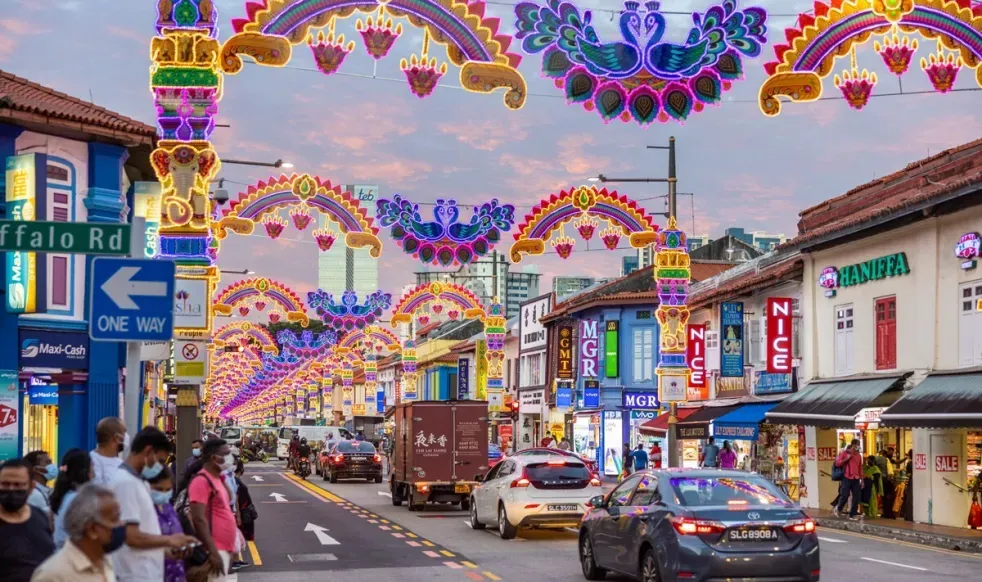
Little India feels instantly familiar to Indian travellers. The area is energetic, busy, and full of colour, with strong cultural influences seen in food, temples, and local shops.
What You’ll Actually Experience
- Indian restaurants (North and South Indian options)
- Flower markets and spice shops
- Traditional temples and local stores
- 24-hour shopping centre
Key Highlights
Mustafa Centre
- Open: 24 hours
- Best for: Electronics, souvenirs, groceries
Sri Veeramakaliamman Temple
- Entry Fees: Free
- Timings: Early morning to evening
Insider Tips
- Currency exchange rates here are often better than airport counters
- Weekends can get crowded, so visit on weekdays if possible
- Try local South Indian meals for a more authentic experience
Kampong Glam
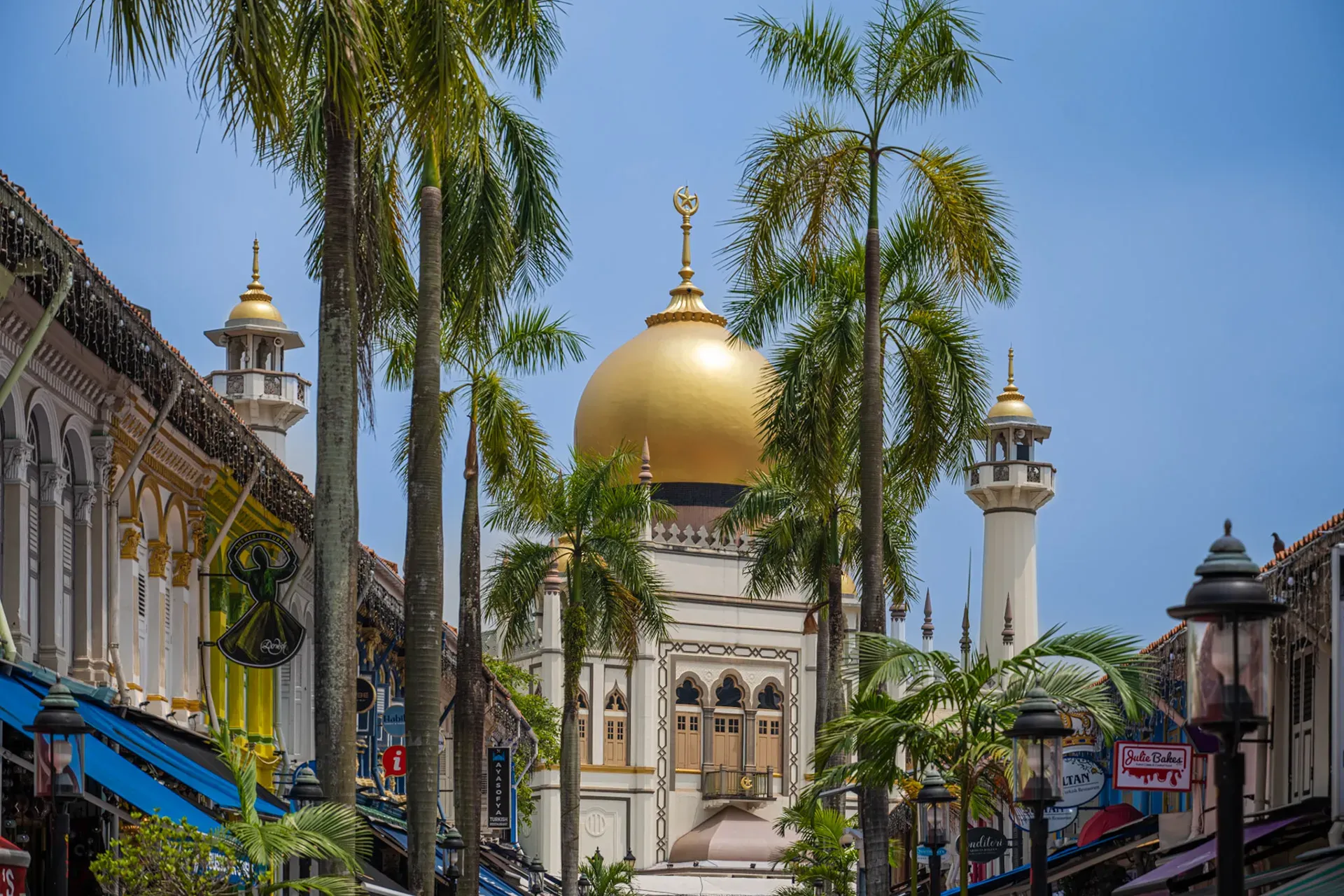 Kampong Glam offers a peaceful and more relaxed experience compared to other areas in Singapore. It has Malay heritage with many modern cafes, boutique stores, and creative spaces.
What You’ll Actually Experience
- Narrow lanes with independent cafés and shops
- Street art and photo spots
- Cultural landmarks and mosques
- A quieter pace compared to busy districts
Key Highlights
Sultan Mosque
- Entry: Free (outside visiting hours for tourists)
- Dress modestly
Haji Lane - Best time: Late afternoon
- Known for: cafes, murals, boutique shopping
Tribe Tips: Visit before sunset for better lighting for photos
Orchard Road
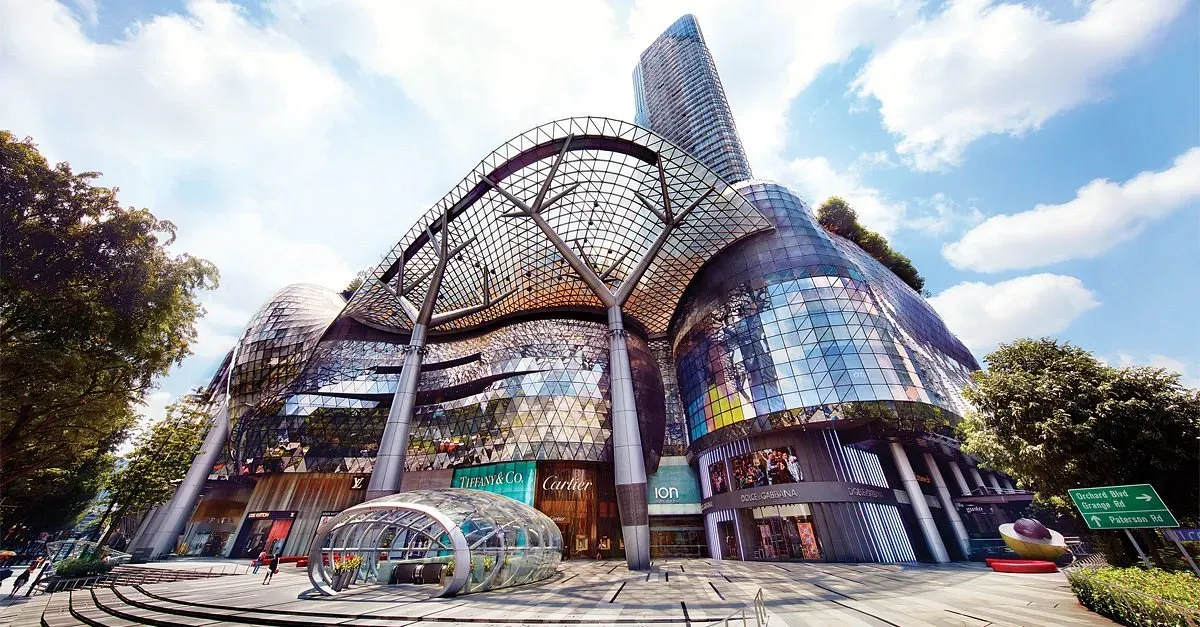
Orchard Road is Singapore’s main shopping district, known for its long stretch of malls and international brands. It is very different from Chinatown or Little India because this area is more advanced and focused on retail.
What You’ll Actually Experience
- Large shopping malls connected by walkways
- International fashion brands and electronics stores
- Food courts and restaurants inside malls
- Clean, organised retail environment
Key Highlights
- ION Orchard
- Ngee Ann City
- Paragon Mall
Timings: Most malls open from 10 AM to 10 PM
Essential Singapore Travel Tips
1. Get an EZ-Link Card
- The EZ-Link card is one of the easiest ways to manage your daily travel expenses in Singapore, which is otherwise known to be slightly expensive.
- It works across MRT and LRT networks, so you don’t need to buy separate tickets every time you travel.
- Using this card helps you move around smoothly without worrying about small payments.
2. Use the Public Transport System
- Singapore’s MRT (Mass Rapid Transit) system is extremely reliable and well-organised.
- It connects to almost every major attraction, so you can reach most places without needing taxis.
- Once you understand the routes, getting around becomes very straightforward.
3. Know the Laws of the Land
- Singapore is known for its strict rules, and it is important to be aware of them while travelling.
- Even small violations can lead to fines, so following local regulations is essential.
- For example, certain public behaviours that might seem normal elsewhere can attract penalties here.
4. Wear Light Clothes
- The weather in Singapore is warm and humid throughout the year, so it is best to carry lightweight and breathable clothing.
- Walking around in heavy fabrics can quickly become uncomfortable. It is also useful to keep an umbrella or light rainwear, as short rain showers can happen at any time.
5. Apply for Your Visa in Advance
- Singapore’s visa process is usually quick, but it is still better to apply at least a month before your travel date.
- This gives you enough time to arrange documents properly and avoid last-minute stress.
- Always check the guidelines carefully before applying to ensure everything is in order.
6. Know Your Internet Options
- Staying connected in Singapore is quite easy. You can use free public WiFi through Wireless@SG by registering your number, or you can purchase a tourist SIM card at the airport.
- To get a SIM card, you will need your passport and booking confirmation. Having internet access makes navigation, bookings, and communication much simpler.
7. Keep Emergency Numbers Handy
- It is always a good idea to save important emergency numbers before you travel.
- In Singapore, you can reach the police at 999 and the ambulance or fire services at 995.
- Keeping these numbers accessible ensures you are prepared in case of any unexpected situation.
8. Carry Small Change
- While digital payments are widely accepted, there are still situations where small cash comes in handy.
- For example, buses may require exact change, and small purchases at local markets are easier with coins. Keeping some spare change with you avoids inconvenience during daily travel.
9. Try Street Food
- Singapore’s hawker centres are one of the best places to experience local food at reasonable prices.
- Crowded stalls often indicate good quality and taste, making it easier to choose where to eat.
10. Claim Your Tax Refund
- If you shop in Singapore, you can claim a GST refund on eligible purchases above SGD 100.
- To do this, keep all your receipts and complete the process at the airport before departure. This small step can help you recover a part of your spending.
Bottom Line
From buzzing landmarks and vibrant neighbourhoods to epic theme parks and luxe vibes, Singapore in 2026 nails that sweet spot of comfy stays, rich culture, and total ease. Time your visit right to soak up the best experiences without breaking the bank.
Ready to book your 2026 flights to Singapore? Let Holiday Tribe help you with smart planning, better deals and Confident travel moments.