

Most people think of Italy or France for a European summer, but the crowds, high prices, and busy squares can quickly spoil the experience. Germany offers a quieter, more relaxed option. Summer in Germany is green, easy to explore, and filled with lakes, mountains, and long golden evenings that last well past nine.
Many people worry that Germany is just grey cities and a heavy past, but that is not true in the summer. From June to August, the whole country comes alive outdoors, whether at alpine lakes, city parks, or small-town festivals. This guide will show you where to go, what the weather is really like, what seasonal foods to try, and how to enjoy a summer in Germany that feels like a real break instead of rushing from one sight to another.
When Are the Summer Months in Germany, and How Hot Does It Get?
Meteorological summer in Germany runs from June to August, with July and August being the warmest months. Most areas enjoy daytime temperatures between 22 and 25°C, making German summers ideal for those who find Mediterranean heat too intense.
However, summer weather in Germany can vary. Temperatures rise the most in the south and along the Rhine Valley, where cities like Freiburg, Mannheim, and Frankfurt can reach 30 to 35°C during a heatwave. The northern coast stays cooler, around 20 to 25°C, because of the sea breeze. Evenings are usually cooler everywhere, so packing a light jacket is a good idea. July and August sometimes bring afternoon thunderstorms.
Month | Typical daytime high | What it feels like |
June | 20 to 23°C | Fresh and green, very long days |
July | 23 to 26°C | Warmest, with occasional 30°C spikes |
August | 22 to 25°C | Warm, sometimes thundery afternoons |
Is it hot? Most of the time, it’s pleasantly warm instead of uncomfortably hot, and that’s the best part. During these summer months in Germany, you get long days, up to sixteen hours of daylight around midsummer, without the tiring heat.
Cities That Slow Down and Light Up in Summer
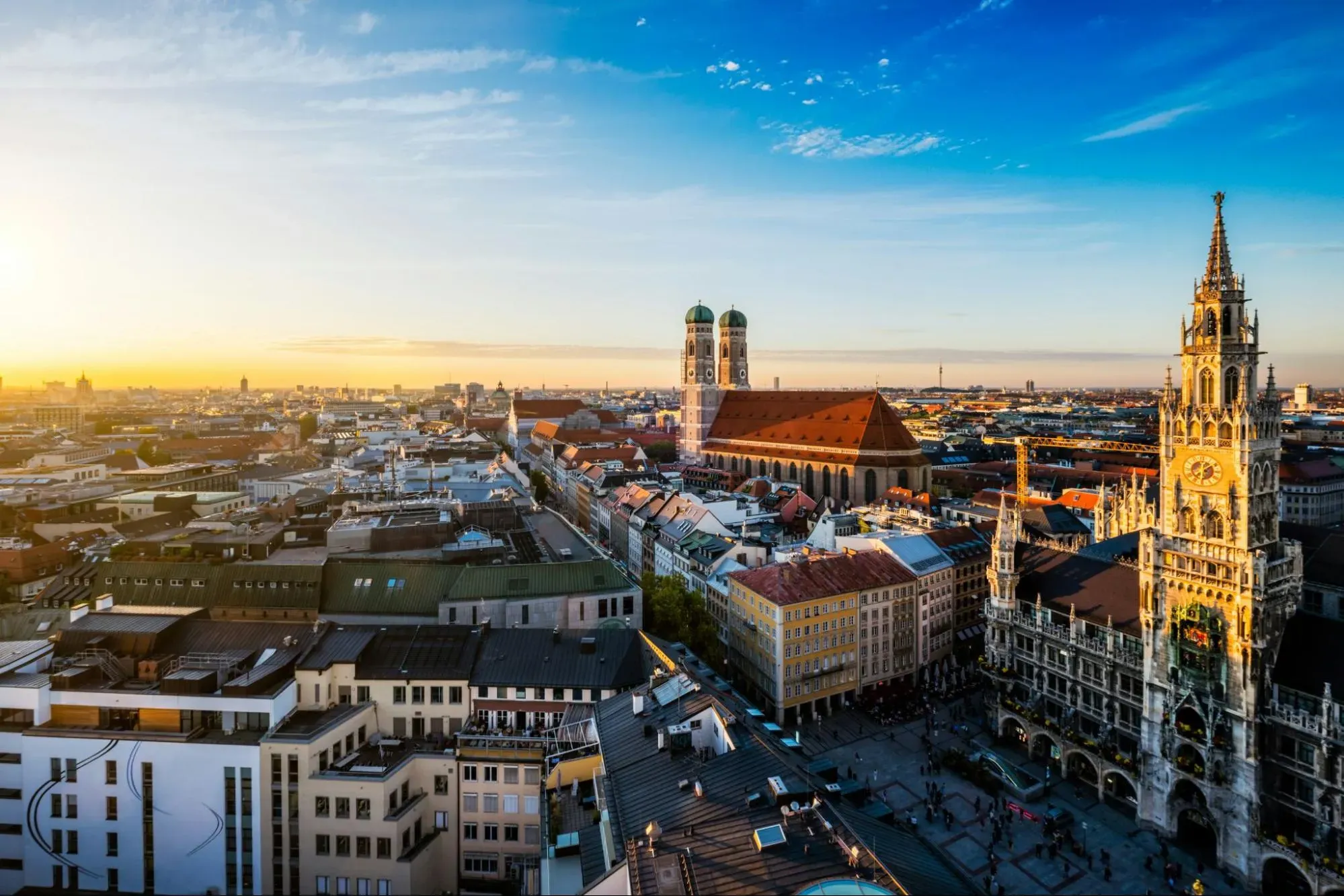
When the weather warms up, big cities in Germany change their routine. People spend less time in museums and more time relaxing in parks, walking along canals, or gathering by the river for long afternoons and lively evenings. That is how the summer in Germany is enjoyed.
City | Summer mood | Do this | Fun fact |
Berlin | Laid-back, outdoorsy | Swim at Lake Wannsee, catch an open-air cinema | Hundreds of lakes sit within easy reach of the centre |
Munich | Alpine gateway | Watch surfers ride the Eisbach river wave in the English Garden | You can surf a standing wave in the middle of the city |
Hamburg | Maritime, breezy | Paddle or sail on the Alster lakes | It has more bridges than Venice and Amsterdam combined |
Cologne | Riverside, relaxed | Walk the Rhine promenade by the cathedral | Its cathedral took over 600 years to finish |
Germany's Lakes Are Its Best-Kept Summer Secret
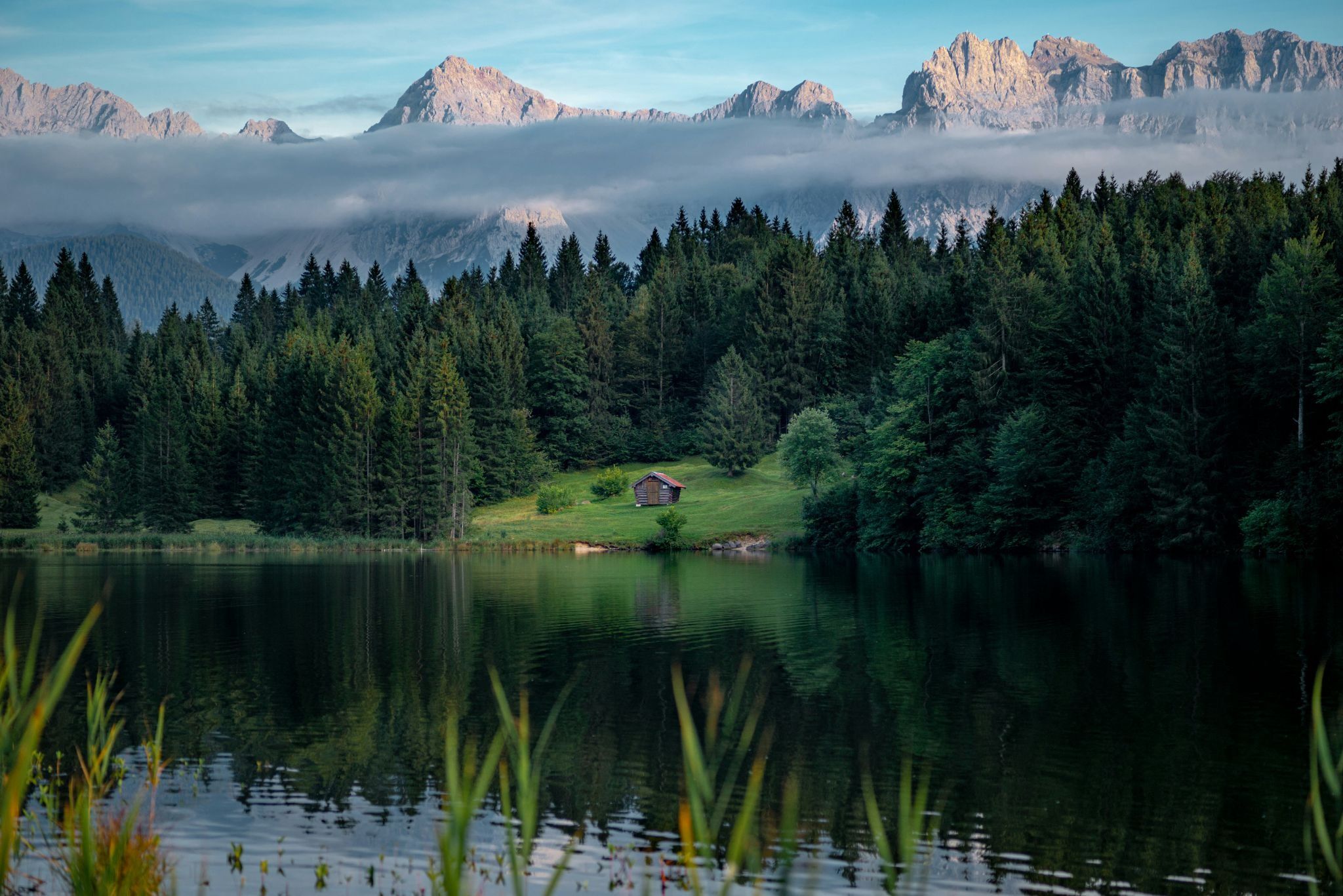
Most first-time visitors are surprised by how many clear, swimmable lakes there are in Germany, and how close they are to the cities. These lakes are where summer in Germany really slows down and people put their phones away.
Lake | Where | Why go | Good to know |
Königssee | Bavaria, Berchtesgaden | Emerald water ringed by steep peaks | Only quiet electric boats have been allowed since 1909, so it stays silent |
Lake Constance | South, meeting Austria and Switzerland | Cycling, ferries and the flower island of Mainau | You can loop three countries by bike in a few days |
Eibsee | Below the Zugspitze | Clear green water and an easy shoreline walk | It sits at the foot of Germany's highest peak, 2,962 m |
Chiemsee | Bavaria | A boat to the island palace, plus swimming | Locals call it the Bavarian Sea for its size |
Countryside, Mountains and Fresh Air
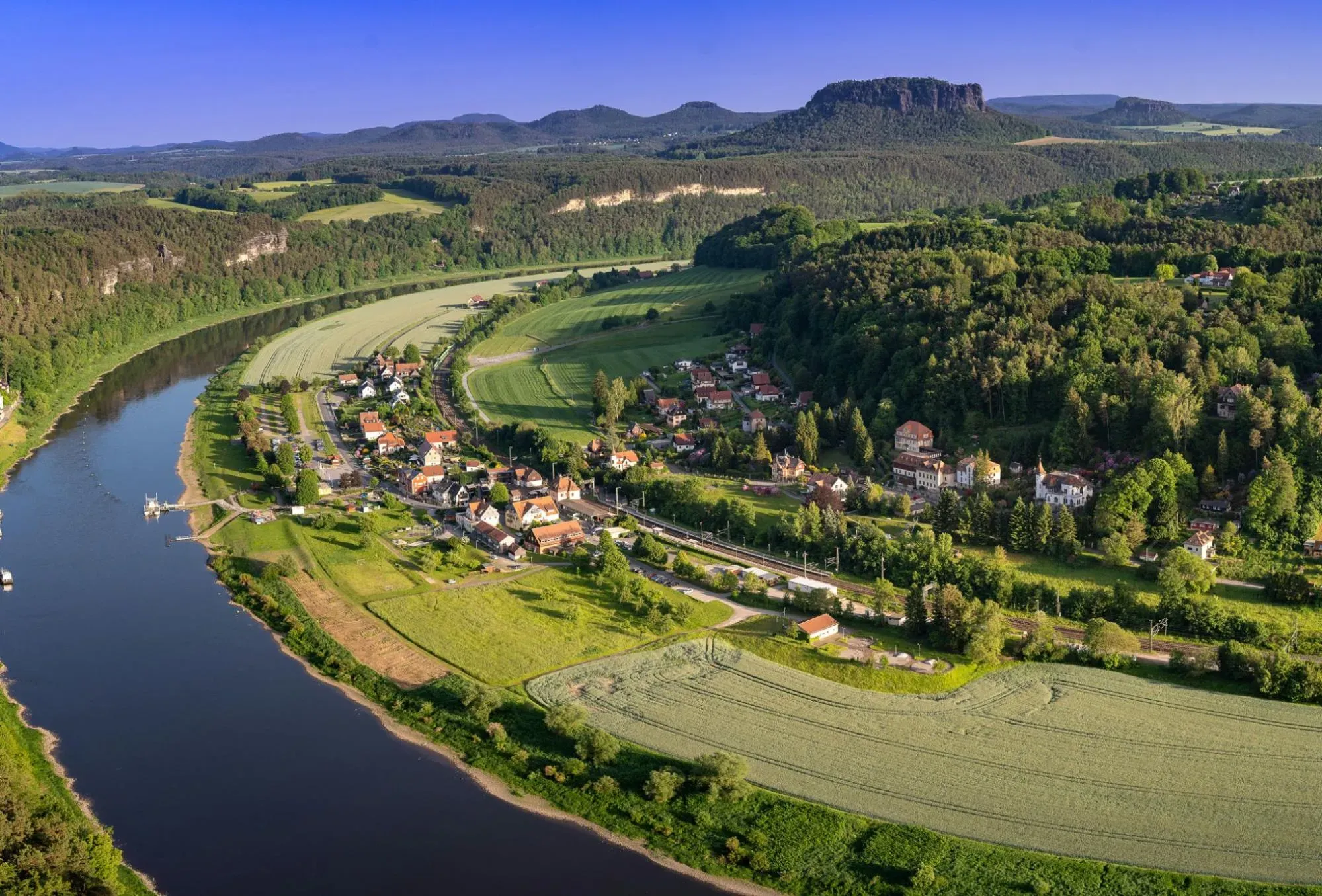
If you’re ready to leave city streets behind for pine-scented trails, Germany’s countryside is the place to go. The summer season in Germany is the perfect time to visit, and you can reach most spots by train.
- The Bavarian Alps and Zugspitze: Take the cog railway or cable car up Germany’s highest mountain to find snow at the summit, even in July. Afterwards, stroll through the flower-filled meadows below.
- The Black Forest: Walk along pine trails to hilltop viewpoints, and don’t miss tasting a slice of the famous Black Forest cake.
- Saxon Switzerland: Walk across the Bastei rock bridge high above the Elbe River. It’s one of Germany’s best short hikes and makes for an easy day trip from Dresden.
- The Rhine Valley: Cycle or take a river cruise past hillside vineyards and castles perched on cliffs between Bingen and Koblenz. This scenic stretch is protected by UNESCO.
A great way to spend summer in Germany is to visit both a lake and a mountain area. The two experiences balance each other, and both are especially enjoyable in warm weather.
The Coast You Did Not Expect
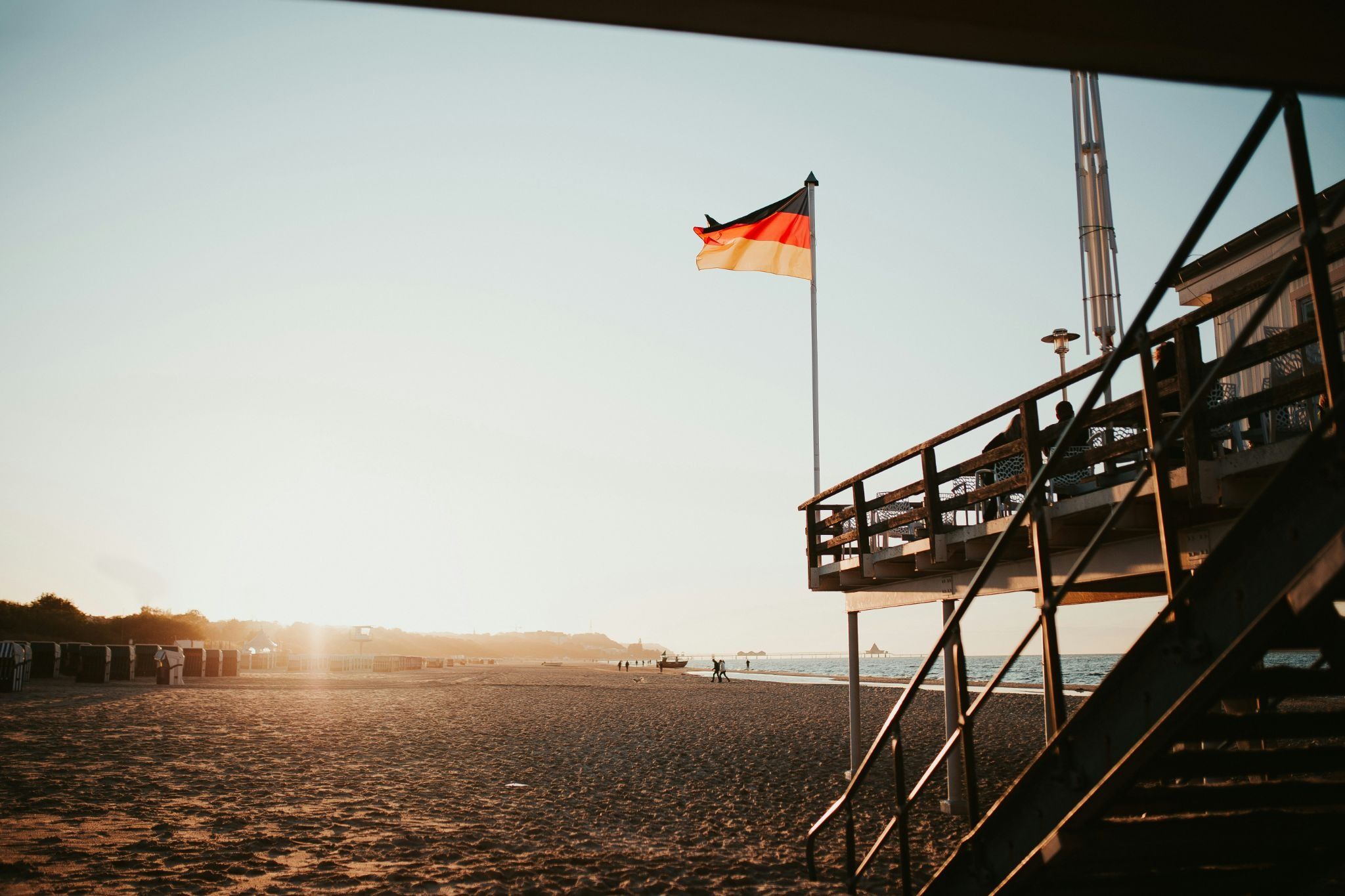
Germany has two coastlines, and in summer they turn into great beach destinations without the crowds you find on the Mediterranean. The air is fresh and breezy, making it perfect for families who want plenty of space.
- Rügen: This is Germany's largest island, known for its white chalk cliffs at Jasmund and its long sandy beaches.
- Sylt: This northern island is famous for its dunes, wide open skies, bike paths, and seafood shacks.
- Usedom: It is one of Germany's sunniest places, with wide, gentle beaches along the Baltic Sea.
The sea keeps the weather cooler here, so if a heatwave hits the south, the coast is a great place to escape during the summer in Germany.
Summer Festivals and Long, Bright Evenings
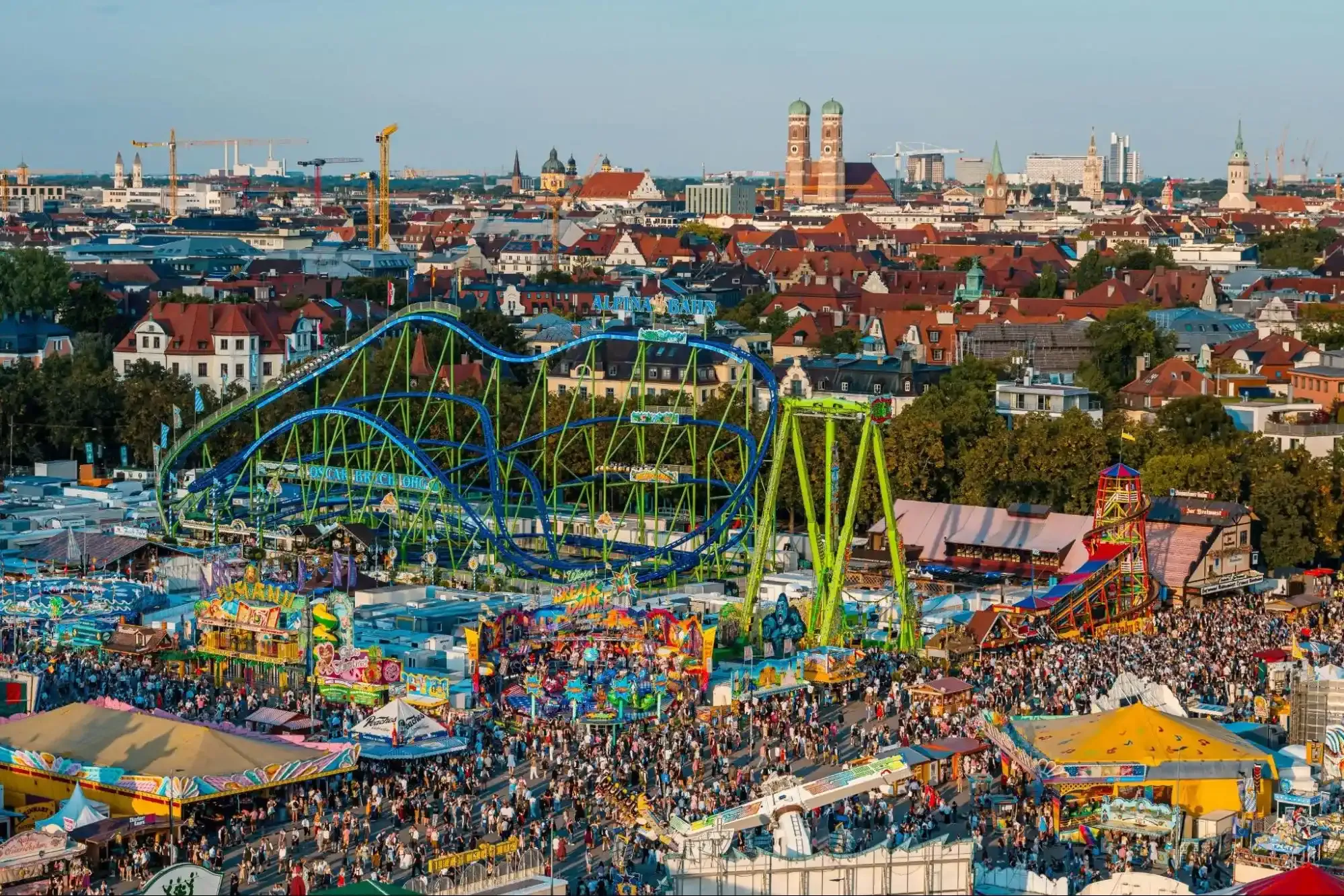
With warm nights and long days, summer in Germany is full of outdoor events. These experiences are what make the season feel truly alive.
- Kiel Week (20 to 28 June 2026): This is the world's largest sailing event on the Baltic Sea, surrounded by a huge waterfront festival with music, food, and shows.
- Rhine in Flames: On five different nights from May to September, fireworks light up the river between Bonn and the Loreley rock. The best way to see them is from a boat.
- Town and regional festivals: In July and August, almost every town hosts open-air street festivals featuring local food, music, and markets.
- Open-air cinema and concerts: Parks and courtyards in cities show films and host live music outdoors, letting people enjoy entertainment under the stars.
What to Eat During Summer in Germany
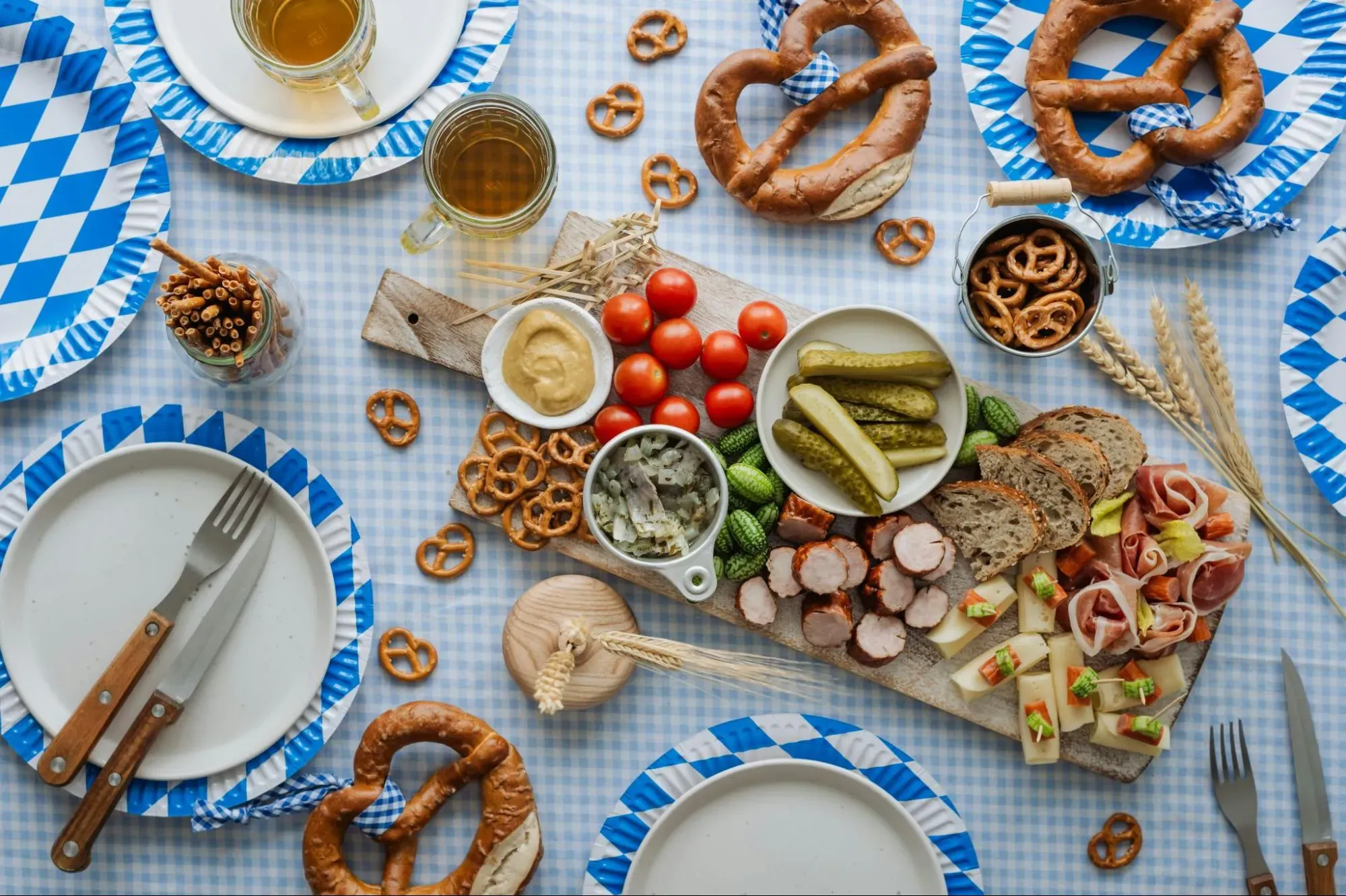
Summer food in Germany is lighter and fresher than the usual sausage and pretzel stereotype. If you eat what’s in season during your visit, you’ll enjoy some great meals.
- White asparagus (Spargel): People in Germany love white asparagus in early summer, and the season usually ends around June 24.
- Strawberries: From June, you’ll find roadside huts, sometimes shaped like giant strawberries, selling fresh strawberries by the punnet.
- Spaghettieis: This treat is ice cream made to look like a plate of spaghetti, with strawberry sauce as the topping. It was invented in Mannheim, and kids really enjoy it.
- Market spreads: In summer, markets are full of cherries, currants, and fresh bread, perfect for a picnic by the lake.
How Many Days, and How to Get Around
You can see a lot in just a week since the trains are great and the distances are manageable. It’s better to pick two main places and take a few day trips instead of rushing around the whole country during summer.
- Ten to fourteen days: Plan to visit one city, spend time at a lake or in the mountains, and add a stop at the coast or in the countryside.
- One week: Choose one region, like Bavaria, and really enjoy it. Spend time in Munich, visit a lake, and see the Alps.
- Getting around: Starting January 2026, the Deutschland-Ticket costs €63 per month and covers almost all local and regional transport, including S-Bahns, trams, buses, and regional trains. It doesn’t include the fast ICE long-distance trains. The ticket is a monthly subscription, so remember to cancel before the 10th if you only need it for a short trip.
- Book ahead: In July and August, reserve tickets for alpine cable cars and popular castles online.
Here’s a tip to make planning easier: School summer holidays in Germany run from late June to mid-September and vary by state. Lakes and coasts are busiest during these weeks, so try to travel midweek if possible.
Ready to Plan Your German Summer?
Germany in the warmer months is best enjoyed with a mix of city life, lakes, and mountain air. Finding the right balance can make your holiday relaxing instead of hectic. The good news is, you do not have to plan it all by yourself.
At Holiday Tribe, we are holiday advisors, not just travel agents. We plan holidays in Germany that fit your schedule and pace. You can choose one of our ready-made summer routes if you want everything arranged, or let our experts and AI travel planner create a custom getaway for you. If you want a week by the lakes and Alps in Bavaria or a tour of cities and the coast up north, we can help. Just tell us who is coming and what you want from your holiday, and we will take care of the rest.