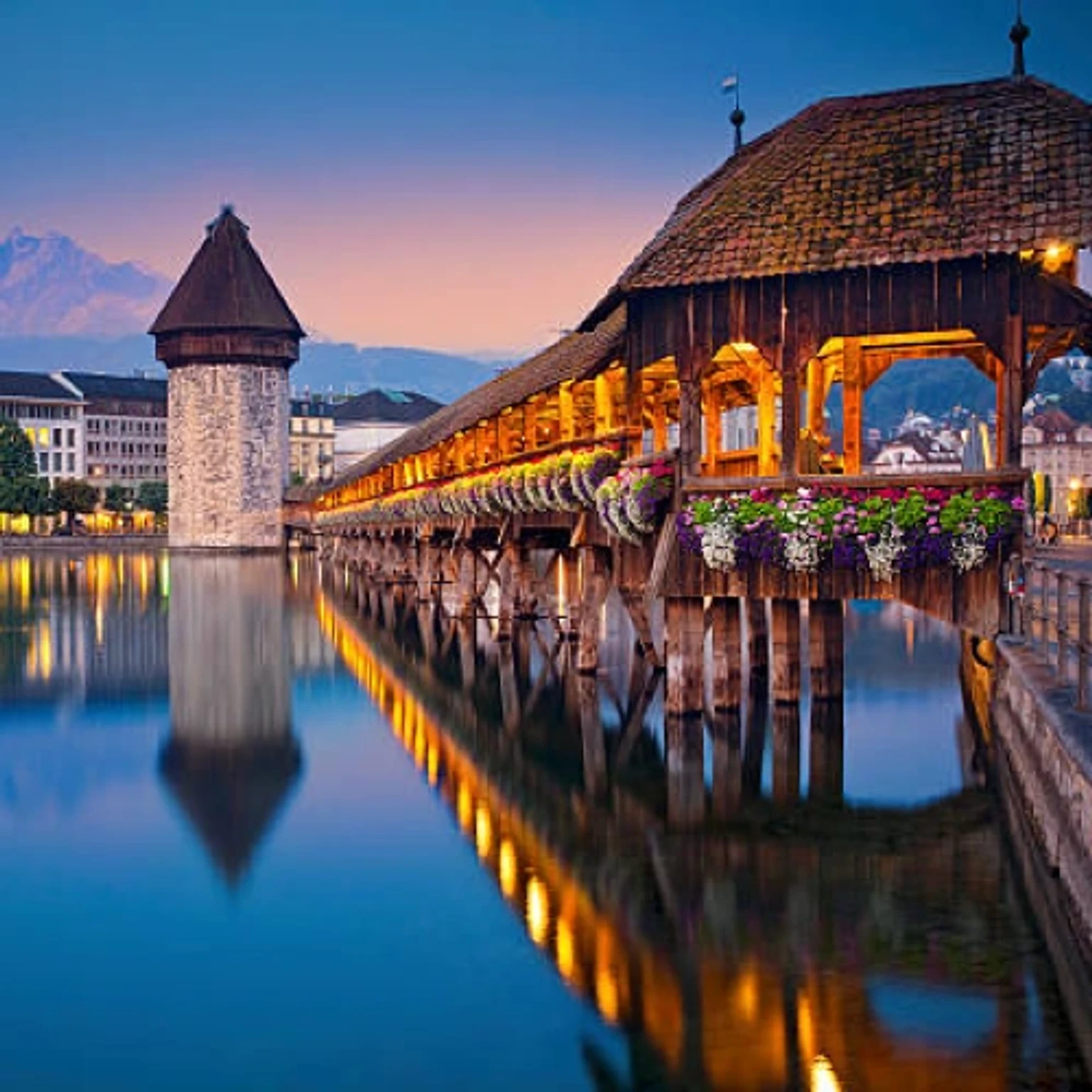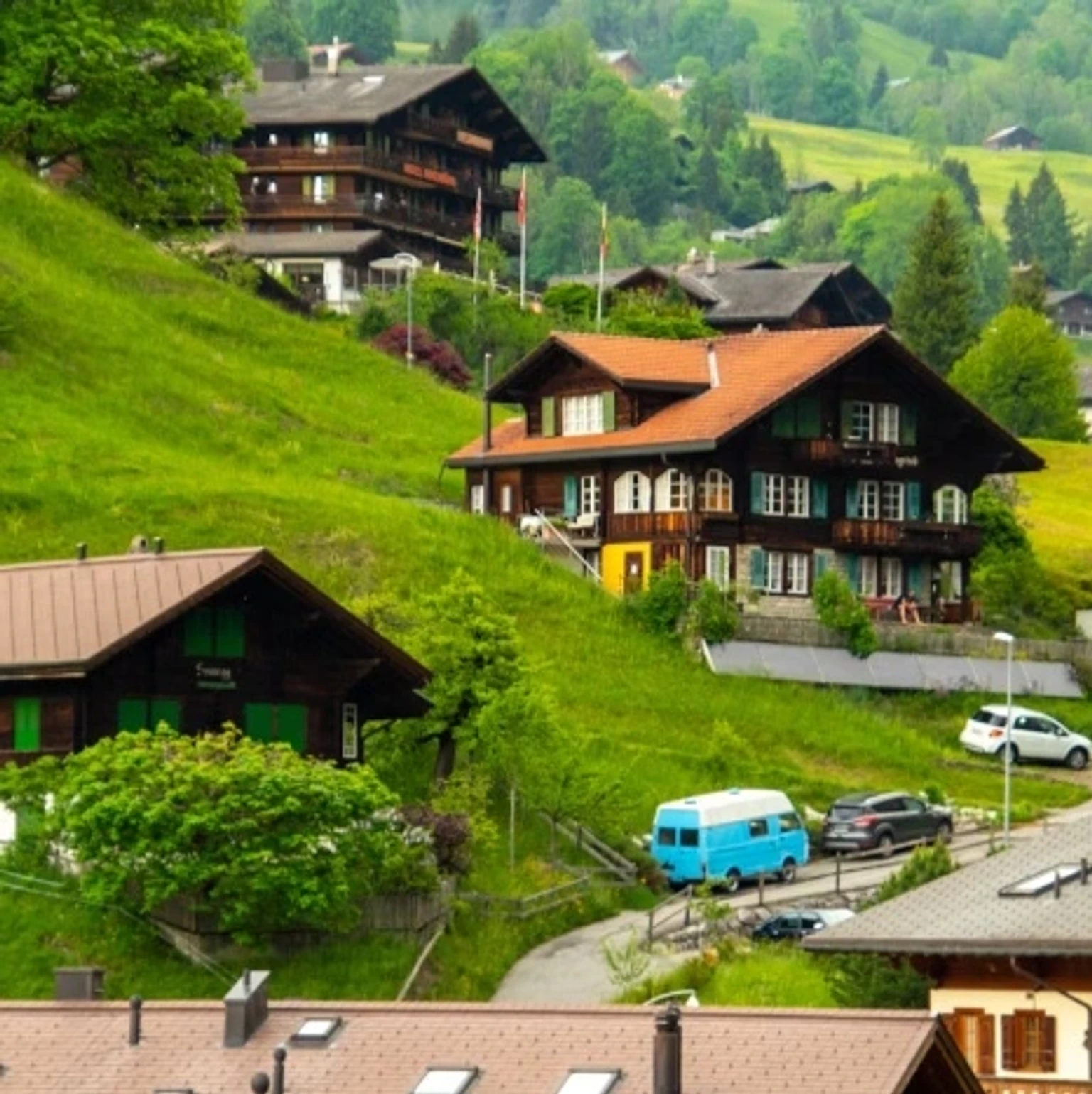


Germany feels like a different place in every season you see it in. In June, you might cycle along the Rhine with daylight stretching until nine in the evening. Six months later, the same town could be blanketed in snow, with a Christmas market lighting up the square and the scent of roasted almonds filling the air. Your vacation to Germany depends heavily on the season you plan on travelling in. This guide walks you through what to expect season by season, so your holiday lines up with the weather, festivals, and pace you're after.
What Is the Best Time to Visit Germany from India?
The best time to visit Germany from India is from May to September, because during these months the days are long, gardens are in bloom, and outdoor cafes and beer gardens are in full swing.That said, the best season to visit Germany really depends on what you're chasing: warm weather and long days, quieter avenues, or the light of Christmas markets. Here a quick look at what you can expect to find in Germany during particular seasons:
What you can expect | Months |
Warm weather, long days | June to August |
Fewer crowds, mild weather | April, May, September, October |
Christmas markets | Late November, December |
Skiing in the Alps | January, February |
Lowest holiday costs | November to March (excluding December) |
What Is Germany Like in Spring (March to May)?
Spring is arguably the best time of the year to visit Germany if you want blooming landscapes without peak-season prices.
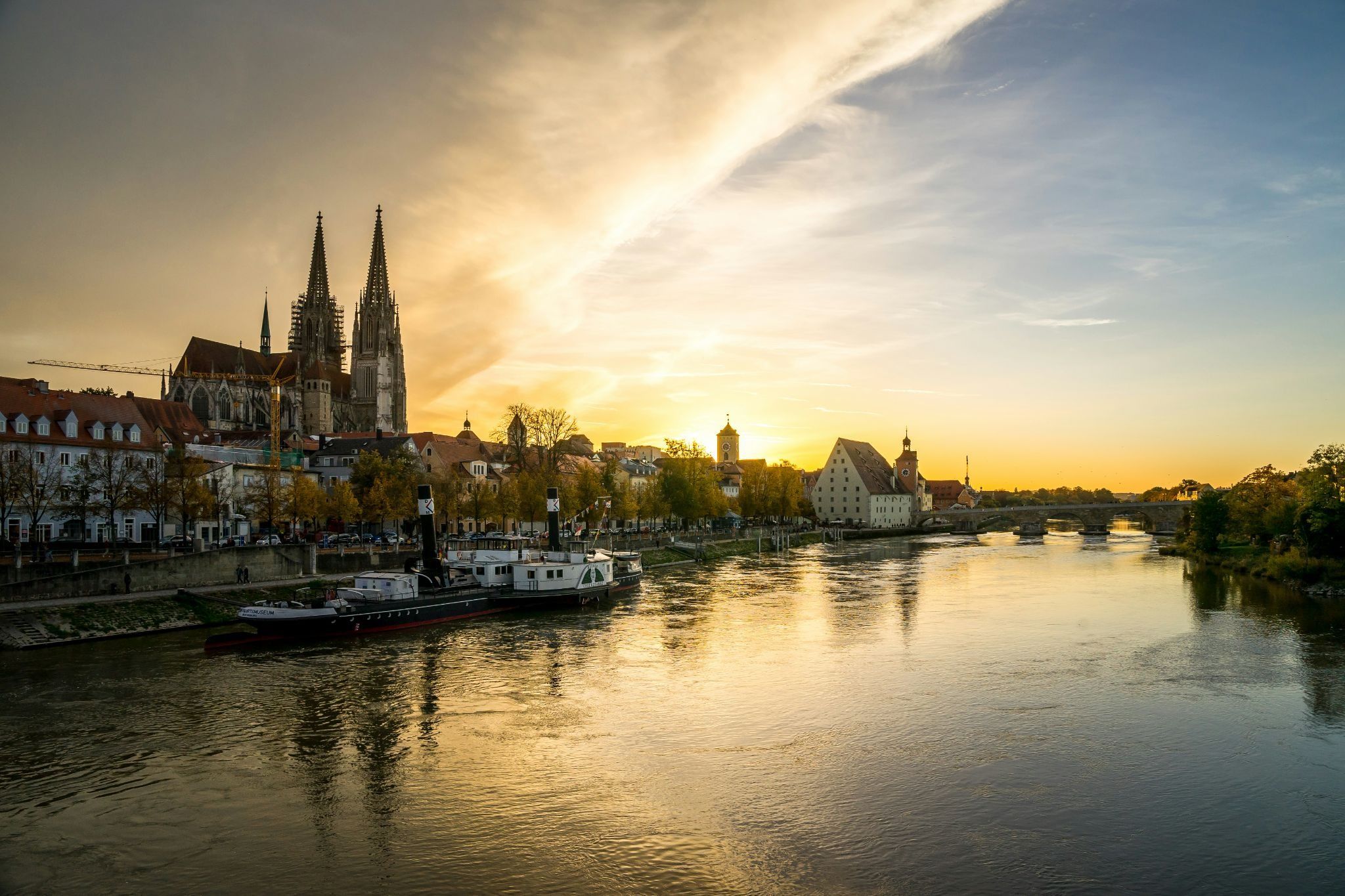
Weather and What to Expect
March can still feel wintery, with temperatures hovering in single digits. By April, things warm up till the 14th and 16th but May is when Germany really turns a corner, with pleasant days and cool evenings.
Things to Know Before Visiting in Spring
- Easter school holidays (April) bring more families to spots like the Black Forest and Bavaria.
- Layers and a compact umbrella are non- negotiables for you to carry.
- Cherry blossoms peak in Bonn in April, drawing photographers from across Europe.
Festivals and Food
In February, Cologne's Carnival wraps up. Munich's Frühlingsfest (a smaller cousin of Oktoberfest) arrives in spring, so you can expect to see camping tents and beer.
Tribe Travel Tip: Book Black Forest accommodation early if you're travelling around Easter, since German families holiday then too.
What Is Germany Like in Summer (June to August)?
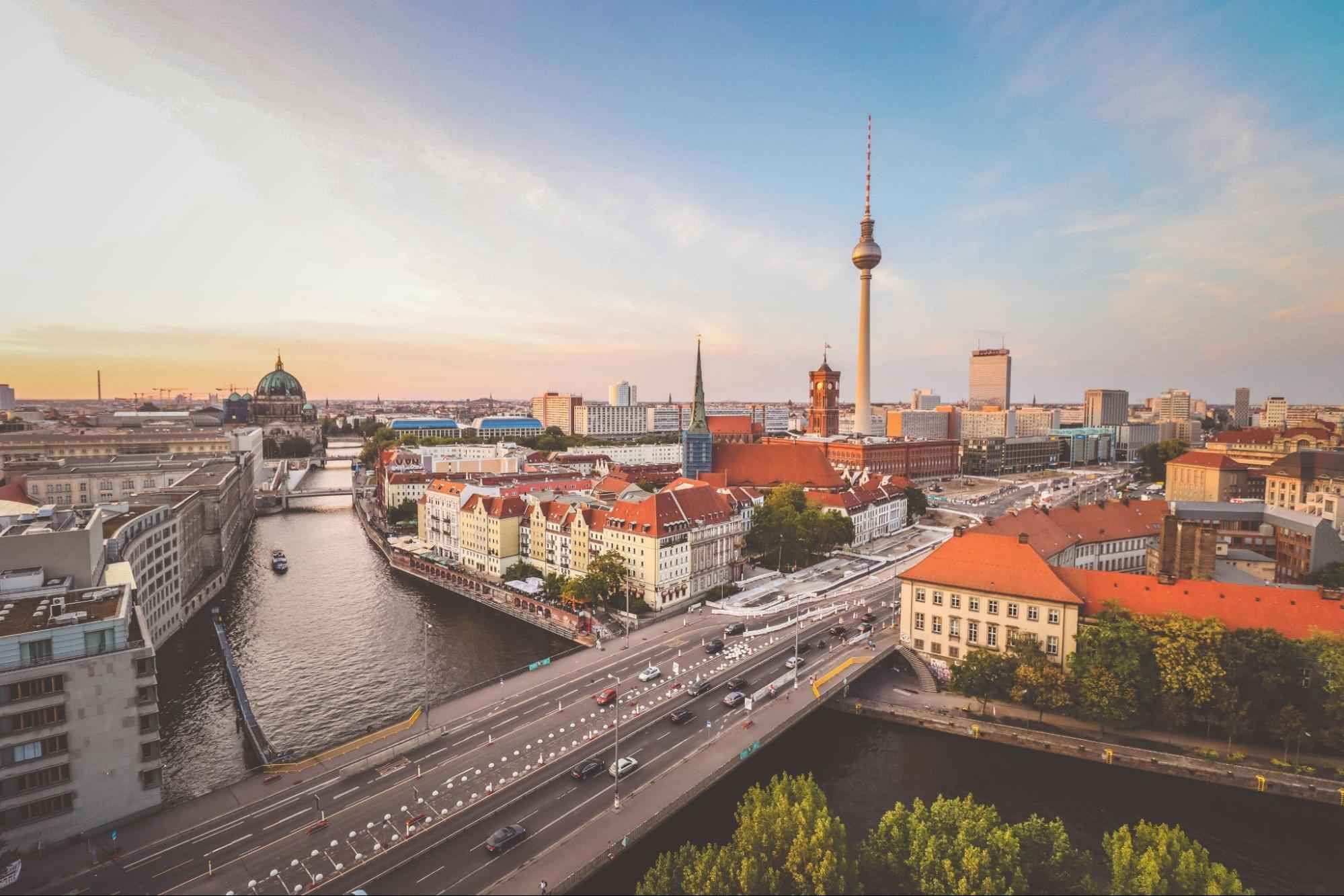
This is one of the best weathers to visit Germany in but keep in mind it’s also the busiest.
Weather and What to Expect
In the summer, you can see temperatures ranging between 20°C and 28°C, with daylight stretching past 9 pm in the north. Rain does show up, particularly in June and July, but it’ll rarely foil your plans for sightseeing.
Things to Know Before Visiting in Summer
- This is peak season, so flights and hotels will cost you more and popular sights also get crowded.
- Rivers and lakes near cities like Munich and Hamburg are popular for cooling off.
- Alpine hiking trails are fully open and at their most scenic
Festivals and Food
June starts the festive season with Kiel Week, one of the world's largest sailing events, followed by the Freiburg Wine Festival in July.
August sees the Frankfurt Apple Wine Festival, along with plenty of open-air concerts and beer gardens serving pretzels, sausages, and cold Weissbier.
Tribe Travel Tip: If summer is your only window, book Rhine Valley river cruises and Neuschwanstein Castle tickets at least a month ahead.
What Is Germany Like in Autumn (September to November)?
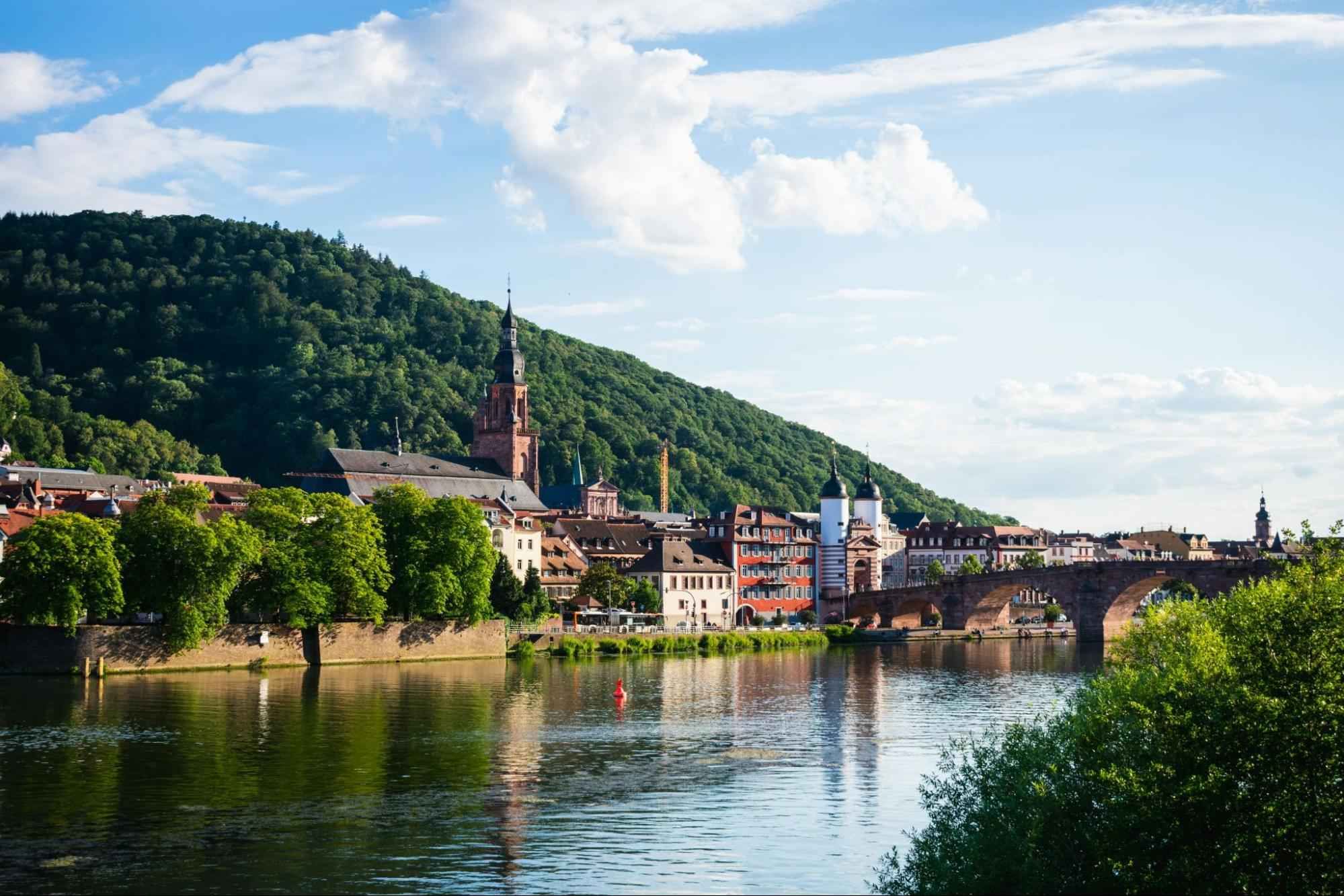
Talk to a local and they’ll call this the best season to visit Germany, and it's easy to see why.
Weather and What to Expect
September will still feel like a little bit of summer is left over, with temperatures between 15°C and 24°C. By November, it turns noticeably colder and wetter, with daytime temperatures dropping into single digits.
Things to Know Before Visiting in Autumn
- Early autumn overlaps with the last stretch of Oktoberfest crowds in Munich.
- Forests in the Black Forest and along the Rhine turn shades of yellow and red from late September.
- Pack a waterproof layer, since November is one of the wetter months.
Festivals and Food
Oktoberfest, which, despite its name, largely runs through late September, is the headline event, with roast pork knuckle, pretzels, and steins of beer. Wine harvest festivals also pop up across the Rhine and Mosel valleys through October.
Tribe Travel Tip: If you want Oktoberfest without the heaviest crowds, aim for a weekday visit in the first week rather than the closing weekend.
What Is Germany Like in Winter (December to February)?
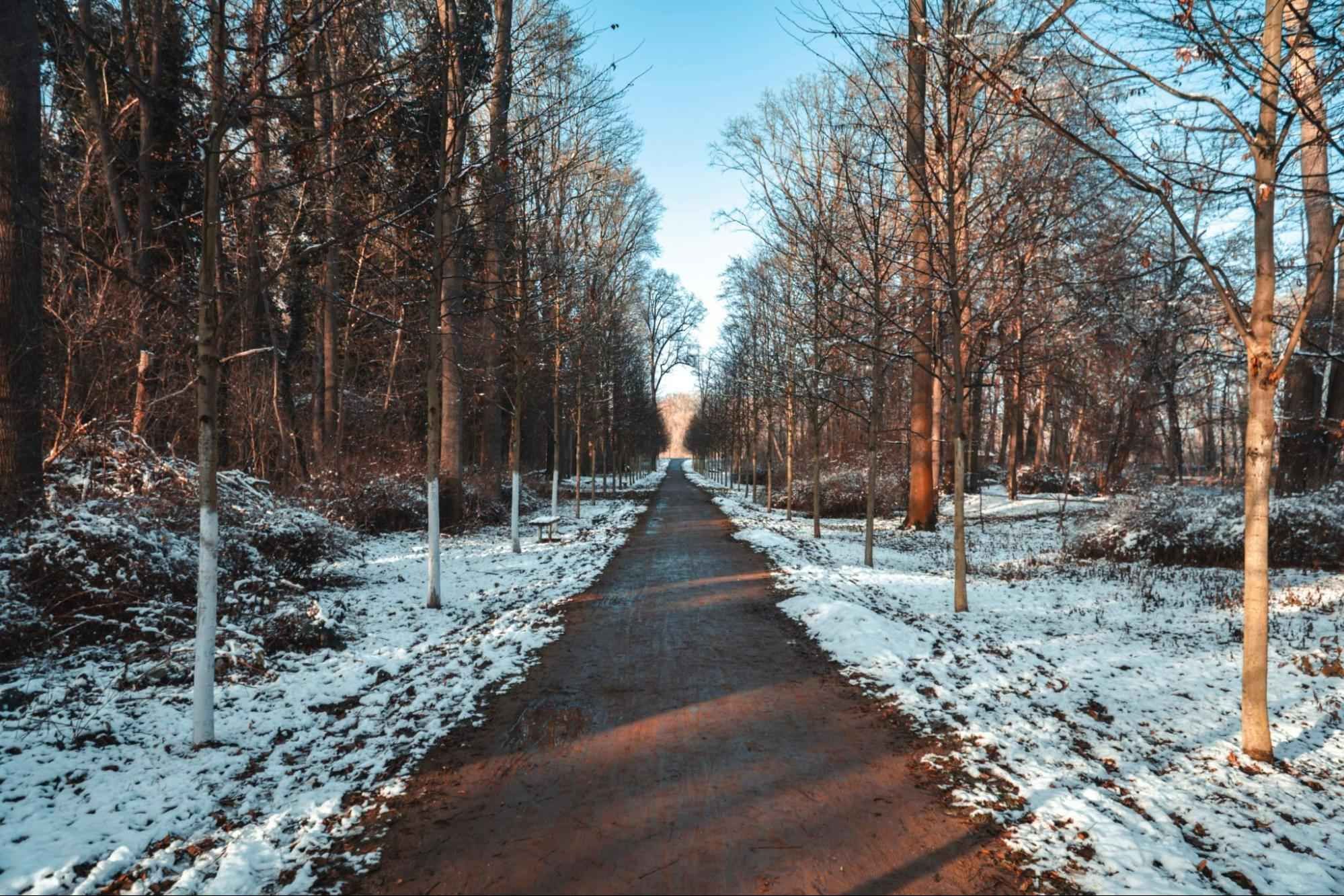
Winter is when Germany's cosier side comes out, and it's the best time to vacation in Germany if festive markets and snow are on your list.
Weather and What to Expect
December through February stays cold, with daytime temperatures often between 0°C and 5°C, dropping below freezing at night. Snow is common in the south and in the Alps.
Things to Know Before Visiting Germany in Winter
- December is the priciest winter month thanks to Christmas markets, so book your accommodations early.
- January and February are calmer and cheaper, minus the market season.
- Some castles and outdoor attractions run on winter timings so you’ll need to plan your days accordingly.
Festivals and Food
Starting from late November, you’ll see Christmas markets take over town squares with wine (Glühwein), gingerbread, and roasted chestnuts. February brings Cologne's Carnival season, culminating in the Rose Monday parade.
Tribe Travel Tip: If skiing is your goal, January and February in the Bavarian Alps offer better snow and smaller queues than the December holiday rush.
Are There Any Months You Should Avoid?
There's no bad month for you to visit Germany, but a few are worth planning around rather than avoiding blindly.
- Late December to early January: You can see high prices and packed cities around Christmas and New Year
- Mid-September: Munich hotel rates go up fast during peak Oktoberfest weekends
- January and February: Great for skiing, but grey skies and short daylight can be an inconvenience for you.
Month-by-Month Weather Table
Here’s a table for you to have a quick look at the temperatures and attractions in every month:
Month | Temperature | Attractions |
January | 0-3°C | Quiet cities, ski season begins |
February | 1-5°C | Carnival season, ski deals |
March | 4-10°C | Early blooms, unpredictable weather |
April | 8-15°C | Cherry blossoms, Easter crowds |
May | 12-19°C | Best all-round spring month |
June | 17-23°C | Long days, festival season starts |
July | 18-25°C | Peak summer, wine and sailing festivals |
August | 18-24°C | Warm, wet, busy with tourists |
September | 14-21°C | Oktoberfest, comfortable weather |
October | 9-15°C | Autumn colours, wine harvest |
November | 4-9°C | Fewer tourists, damp weather |
December | 1-4 | Christmas markets, festive atmosphere |
Before You Go
You’ll find something you like doing at almost any time of year in Germany, whether that's a sun-soaked summer along the Rhine, a fresh autumn beer hall visit, or a snow-dusted Christmas market escape. The best time to go to Germany really comes down to what kind of holiday you're picturing.
At Holiday Tribe, advisors can help you in planning your customised vacation to Germany specifically catered to your interests alongside optional visa assistance, so all you need to do is book your holiday today.