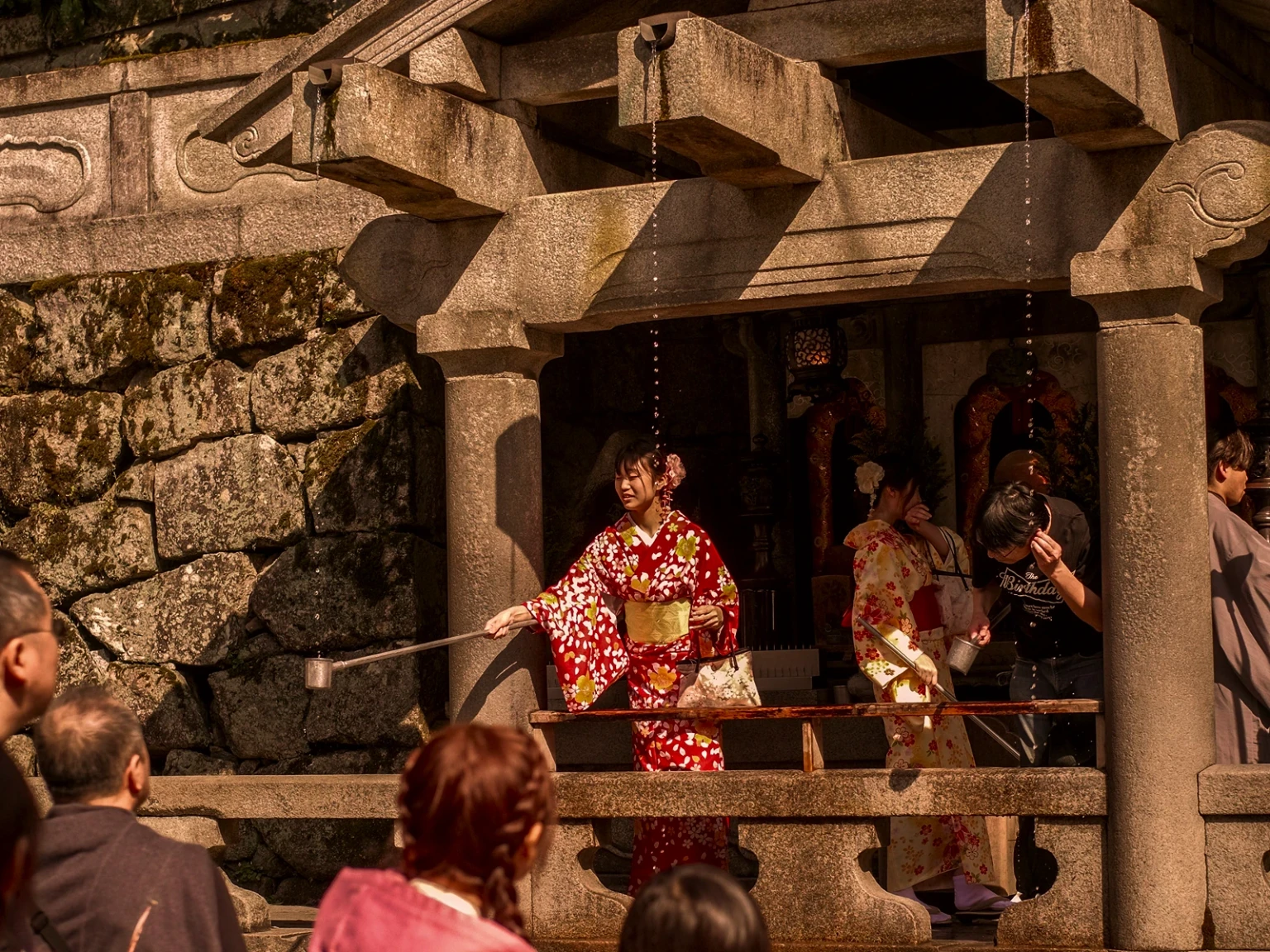


Japan is a country of contrasts. Ancient temples are close to modern city centres, and snow-covered mountains are just a few hours from tropical beaches. Cities are fast-paced, while the countryside is much more relaxed. With thousands of islands stretching from the north to the south, each region feels unique. It’s important to choose the experiences that match your interests.
This guide covers the best things to do in Japan, including Tokyo’s landmarks, Kyoto’s temples, Mount Fuji viewpoints in Japan, Okinawa’s islands, and practical tips to help you plan your holiday.
What Makes Japan Worth Visiting?
Beyond its famous landmarks, Japan offers an unusually wide range of experiences across a relatively compact country. You can visit a UNESCO-listed temple in the morning and sit down at a Michelin-starred restaurant in the evening. The Jigokudani Monkey Park in Nagano is just a few hours from Tokyo. The southern islands have coral reefs that rival the Maldives.
The best things to do in Japan include culture, nature, food, and beautiful coastlines. Each is found in a different part of the country, so your getaway will depend on where you choose to visit.
This guide is organised by region to help you find the best things to do in Japan.
Region | Highlight | Best Season | Key Activity |
Tokyo | Temples, digital art | Mar-Apr, Oct-Nov | Senso-ji, TeamLab |
Kyoto | Shrines, foliage | Mar-Apr, Nov | Kyoto temple circuit |
Fuji / Nagano | Mountains, snow monkeys | Dec-Mar, Jul-Sep | Mount Fuji Japan, Jigokudani |
Izu Peninsula | Hot springs | Year-round | Onsen ryokan stays |
Okinawa | Islands, diving | Apr-Oct | Ishigaki, Yonaguni Island, Miyako Island |
What Are the Top Things to Do in Tokyo, Japan?
Tokyo is where most travellers begin their visit to Japan. The city moves fast, but it also holds some of Japan's oldest cultural sites. Here are two of the most popular things to do in Tokyo, Japan, that deserve a spot on any first-time visitor's itinerary.
Visit Senso-ji Temple and the Asakusa District
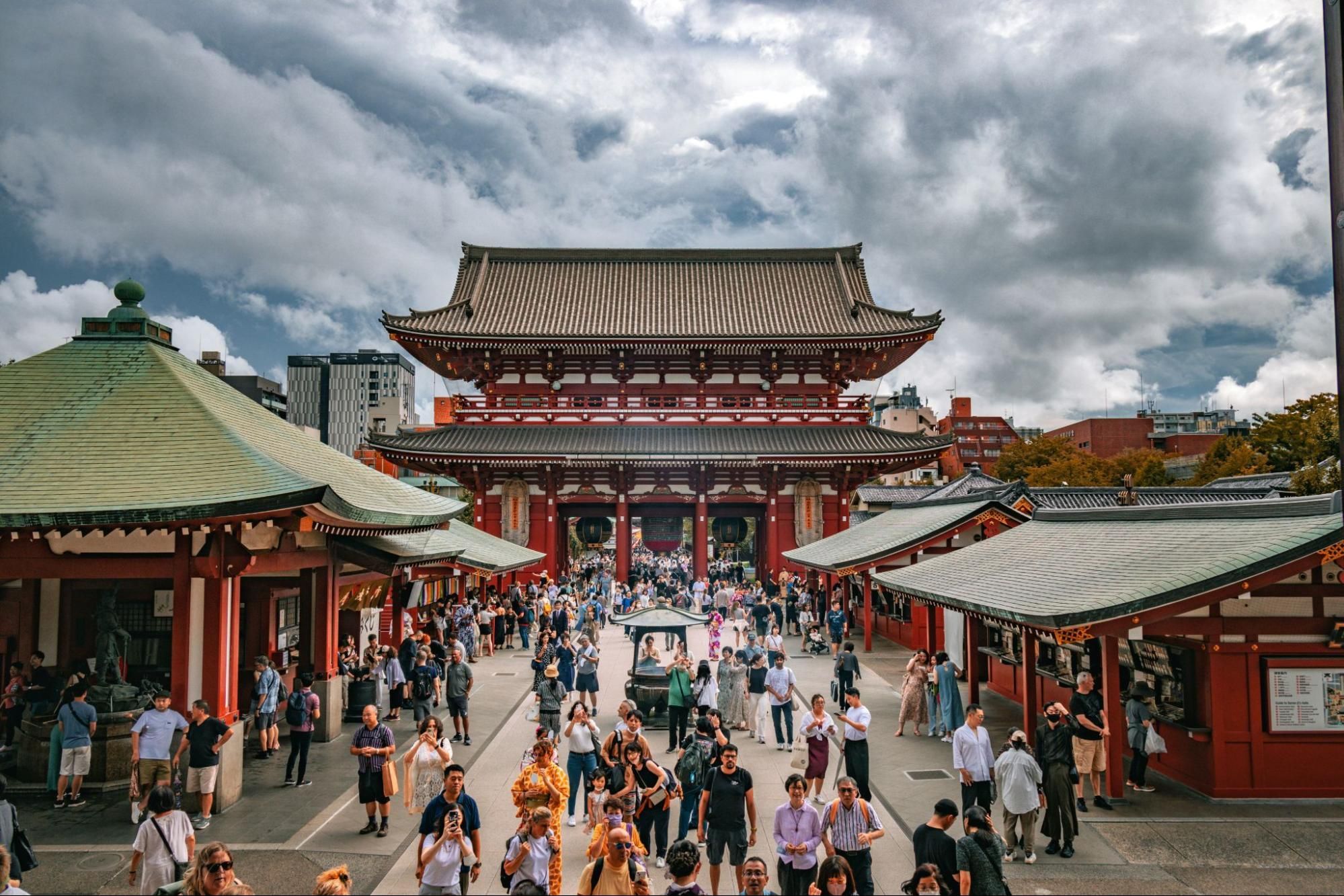
Built in 645 CE, Senso-ji is Tokyo's oldest temple, located in the Asakusa district. It is one of the most visited religious sites in the country.
What to know before you go:
- Walk through Nakamise Shopping Street on your way to the main hall to pick up traditional Japanese souvenirs.
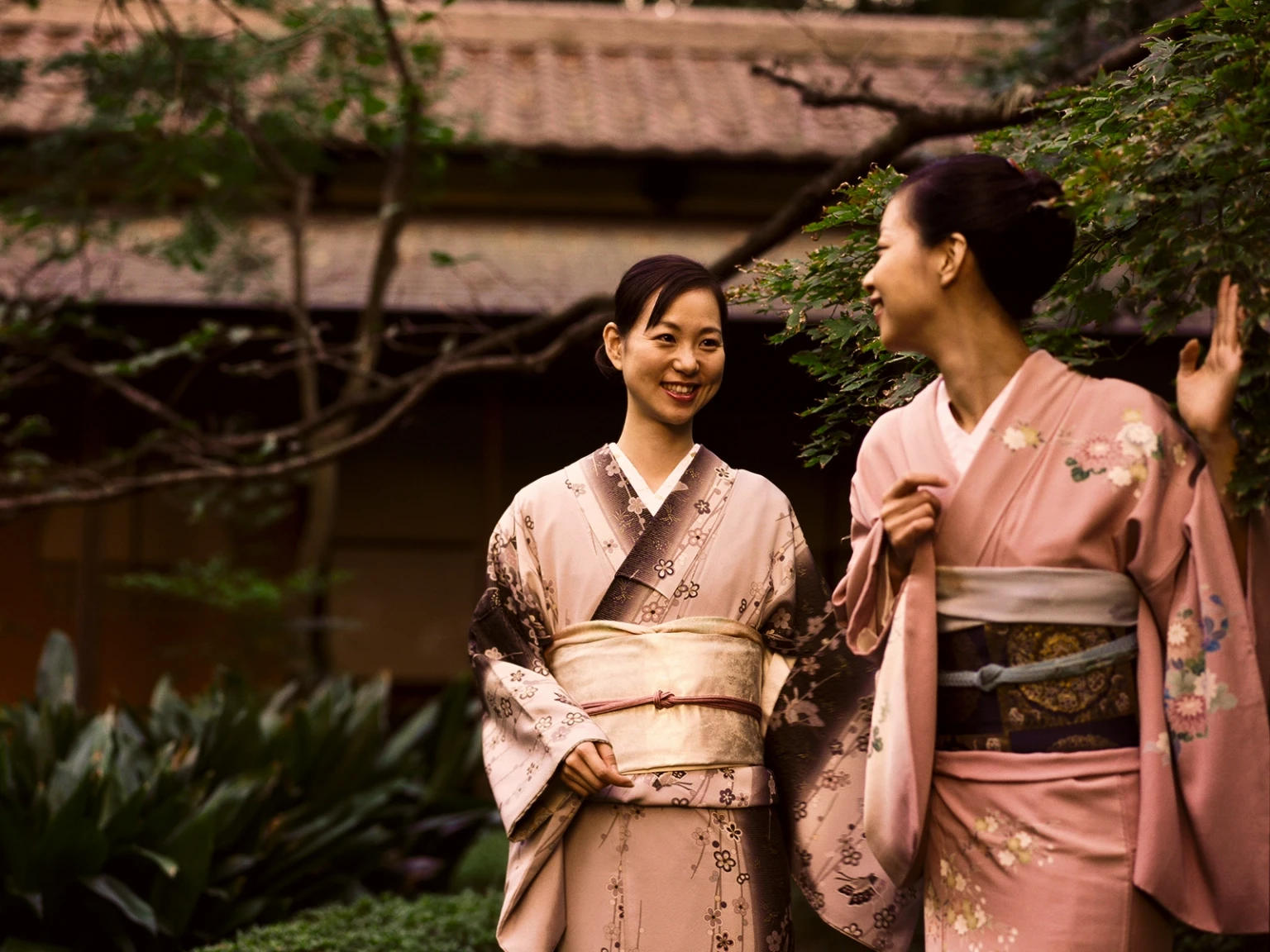
- Renting a kimono near the temple is one of the most popular things to do in Tokyo, Japan.
- Entry is free
- Go before 8am for fewer crowds and better light.
Tribe Travel Tip: The Senso-ji temple grounds are open 24 hours, while the Main Hall is generally open from 6:00am to 5:00pm (from 6:30am between October and March). Get there before 8am for the best photos and a calm atmosphere.
TeamLab Borderless, Tokyo
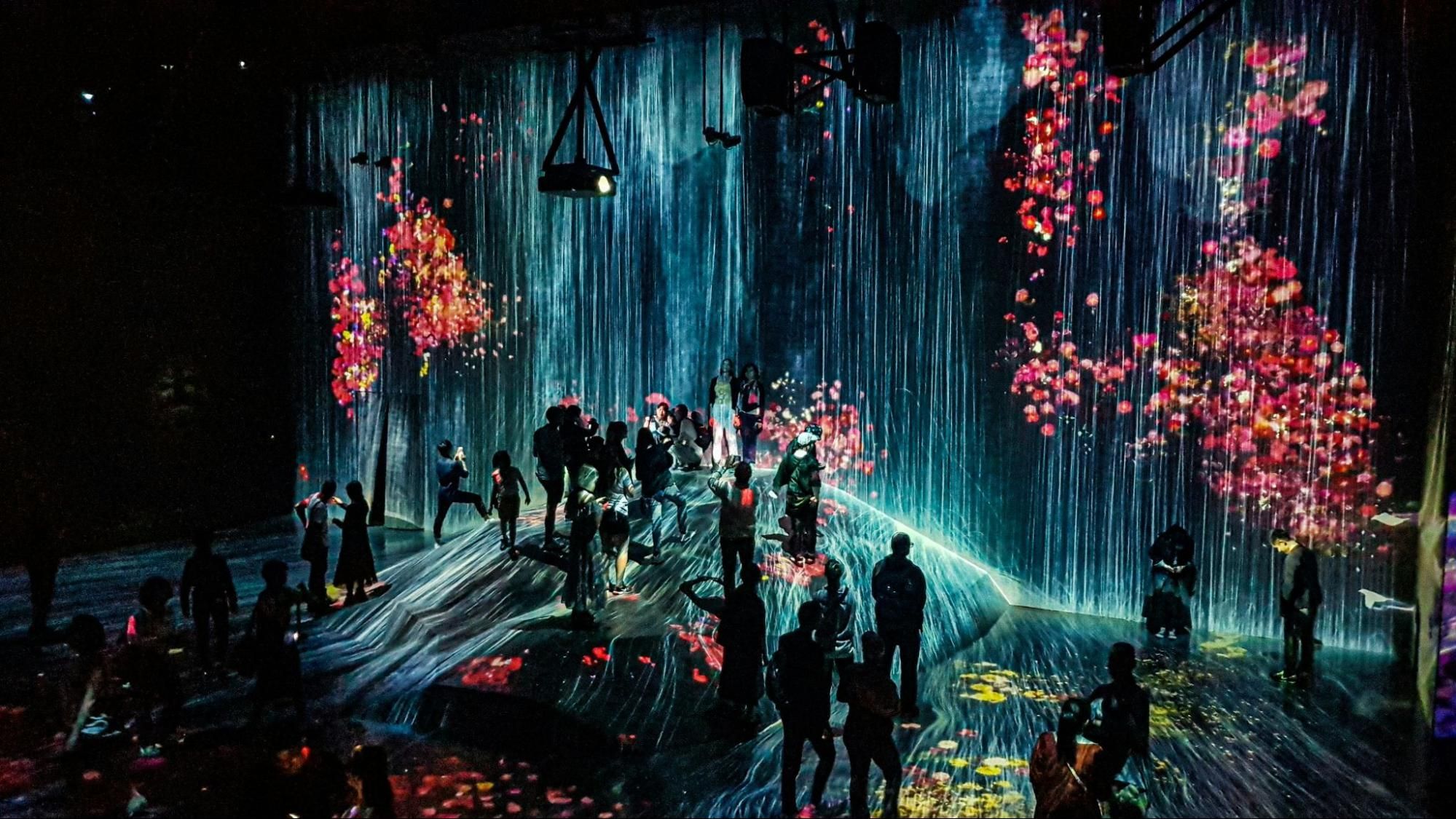
TeamLab Borderless is a large-scale digital art space where rooms shift and respond to visitors as they move through them. It is one of the standout things to do in Japan for art and design lovers.
What to know before you go:
- Located at Azabudai Hills, Minato (reopened 2024)
- Tickets sell out weeks in advance during peak months; book online in advance.
- Arrive at opening time to get the most out of the space.
- A new teamLab Biovortex Kyoto opened in 2025, offering a similar immersive experience if you are also visiting Kyoto.
Which Kyoto Temple Sites Should You Visit?
Kyoto is Japan's cultural heart. With over 1,600 temples and shrines spread across the city, it offers more Kyoto temple options than anywhere else in the country. Give yourself two days on foot or by bicycle to cover the highlights.
The Kyoto Temple Circuit
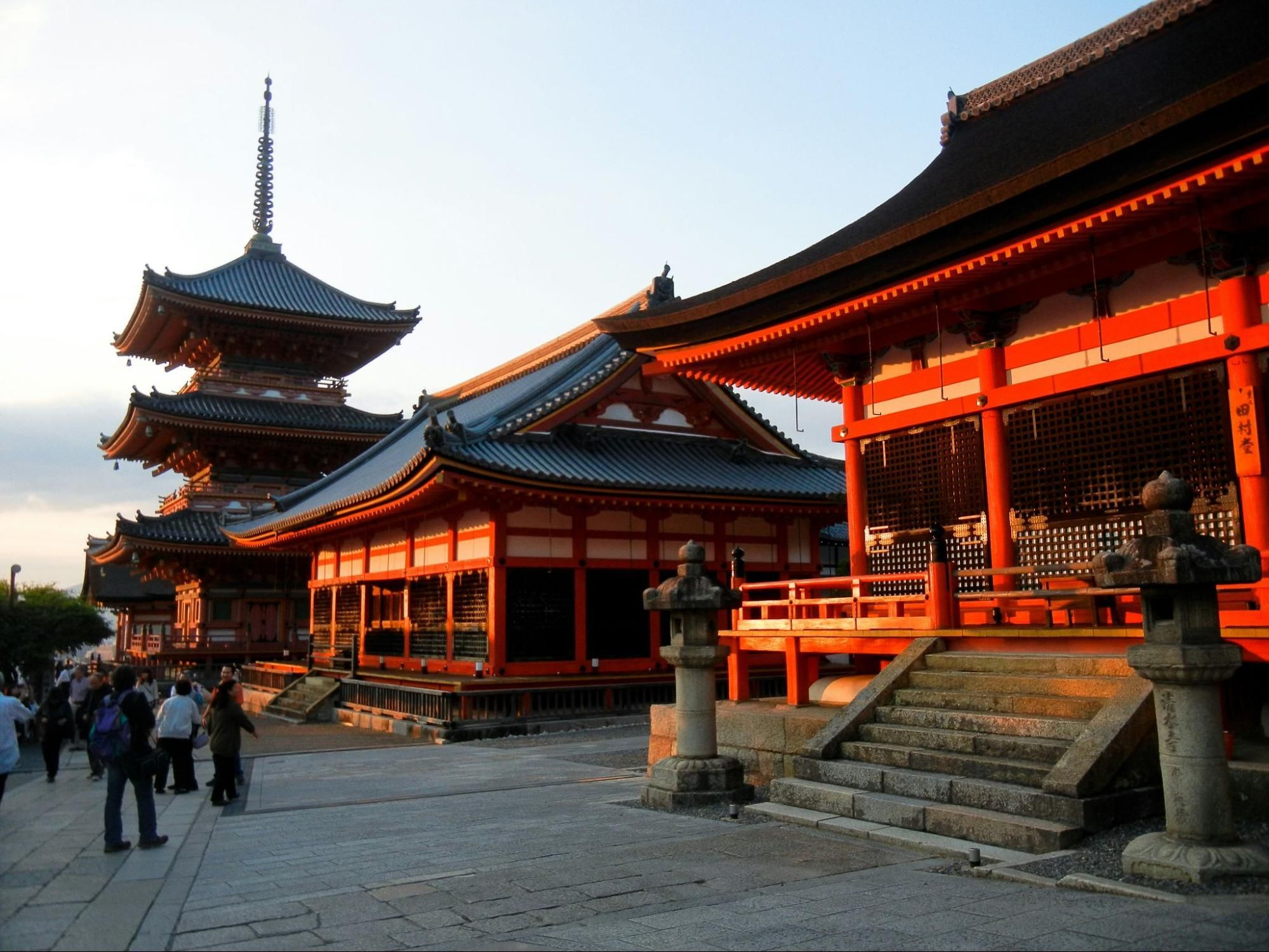
Start with these three for your first visit:
- Fushimi Inari Taisha: Known for its thousands of vermilion torii gates lining the hillside trails. Open 24 hours. Free entry.
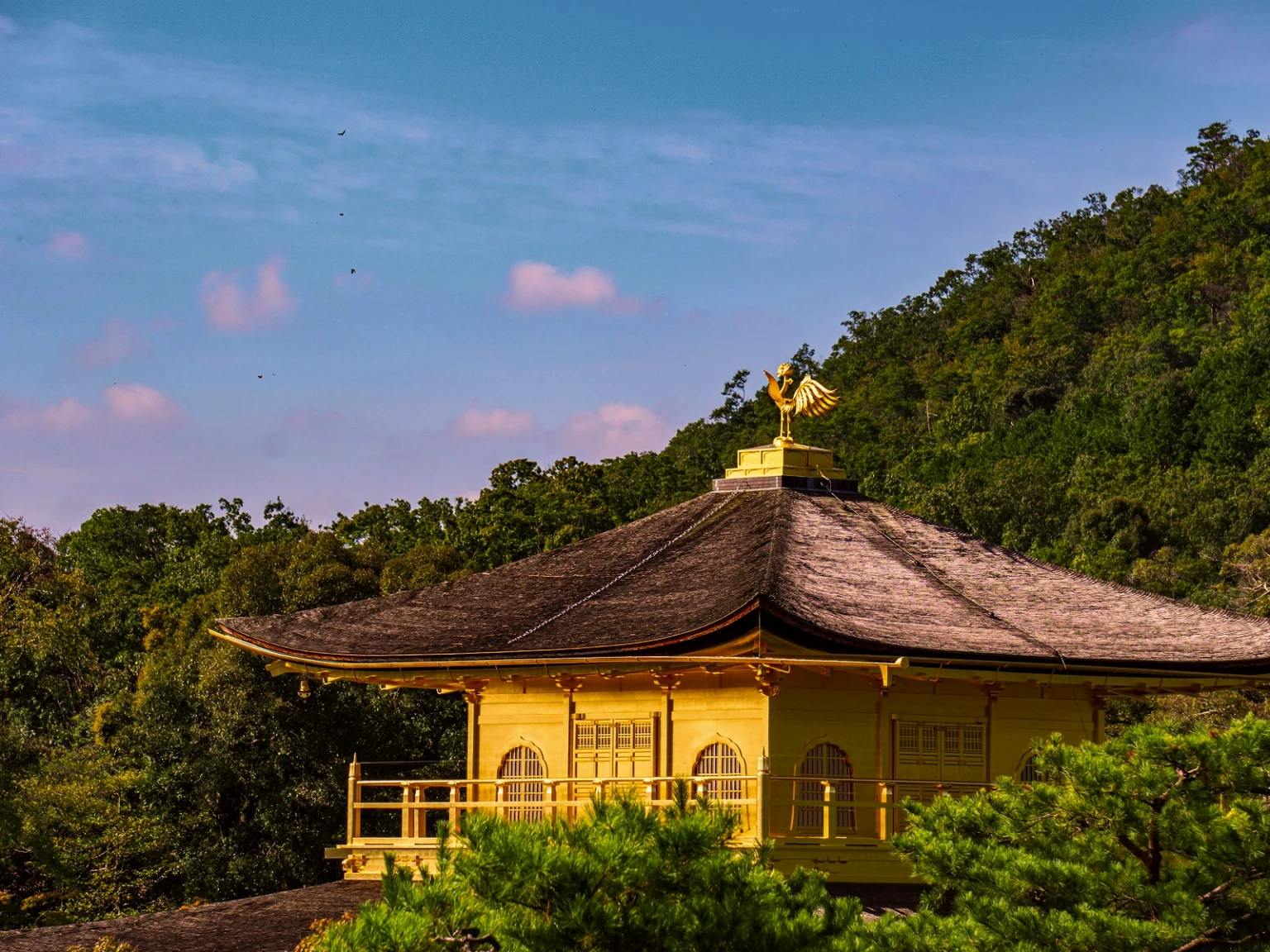
- Kinkaku-ji (Golden Pavilion): A gold-leaf pavilion set beside a reflective pond. Entry ¥500 for adults, open daily 9am to 5pm.
- Kiyomizu-dera: A Kyoto temple built on a hillside, with open platform views over the city below. Entry ¥500. Listed as a UNESCO World Heritage Site.
Cherry Blossom (Sakura) and Autumn Leaves (Momiji)
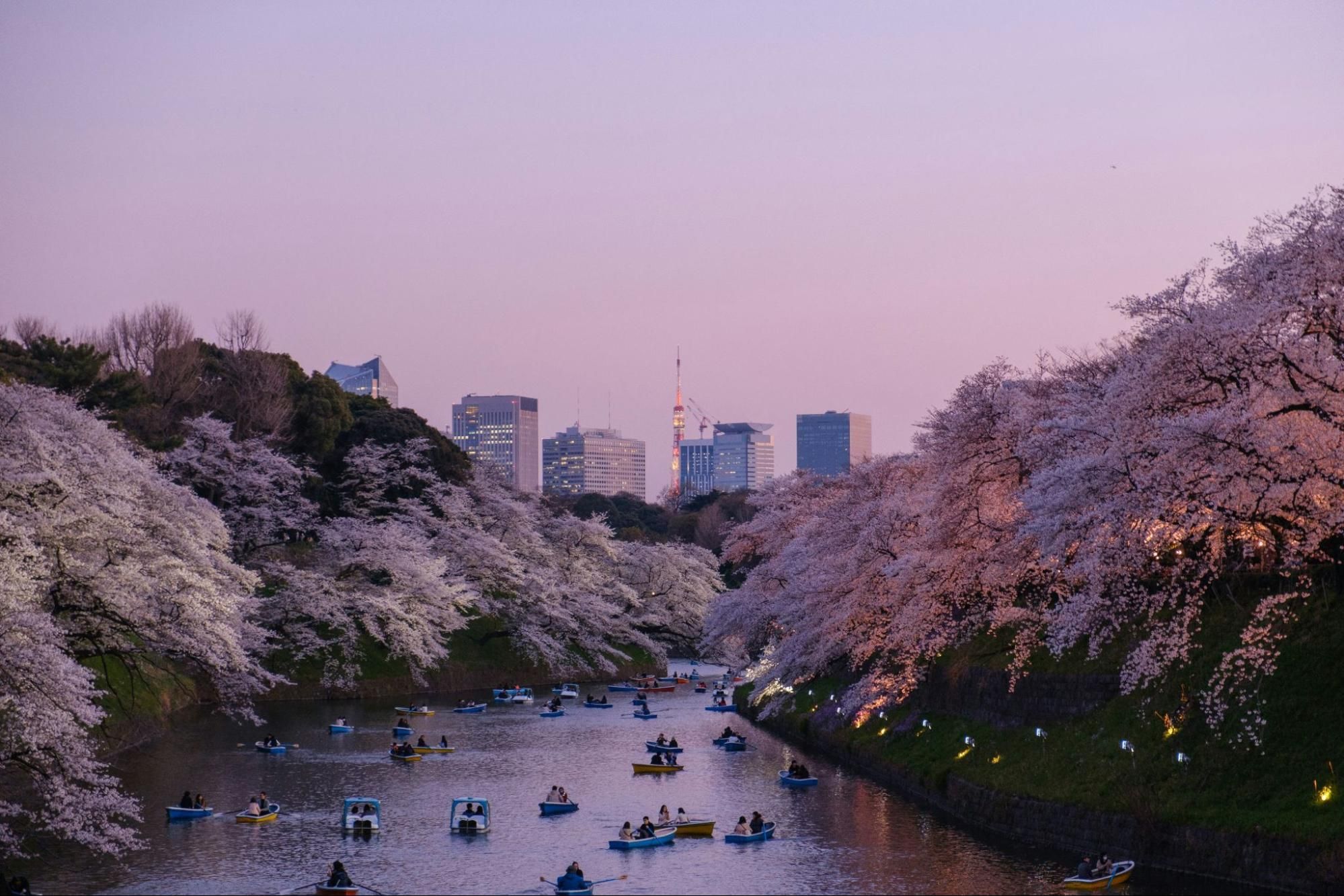
The time of year you visit Kyoto makes a big difference.
Season | Peak Period | Best Spots |
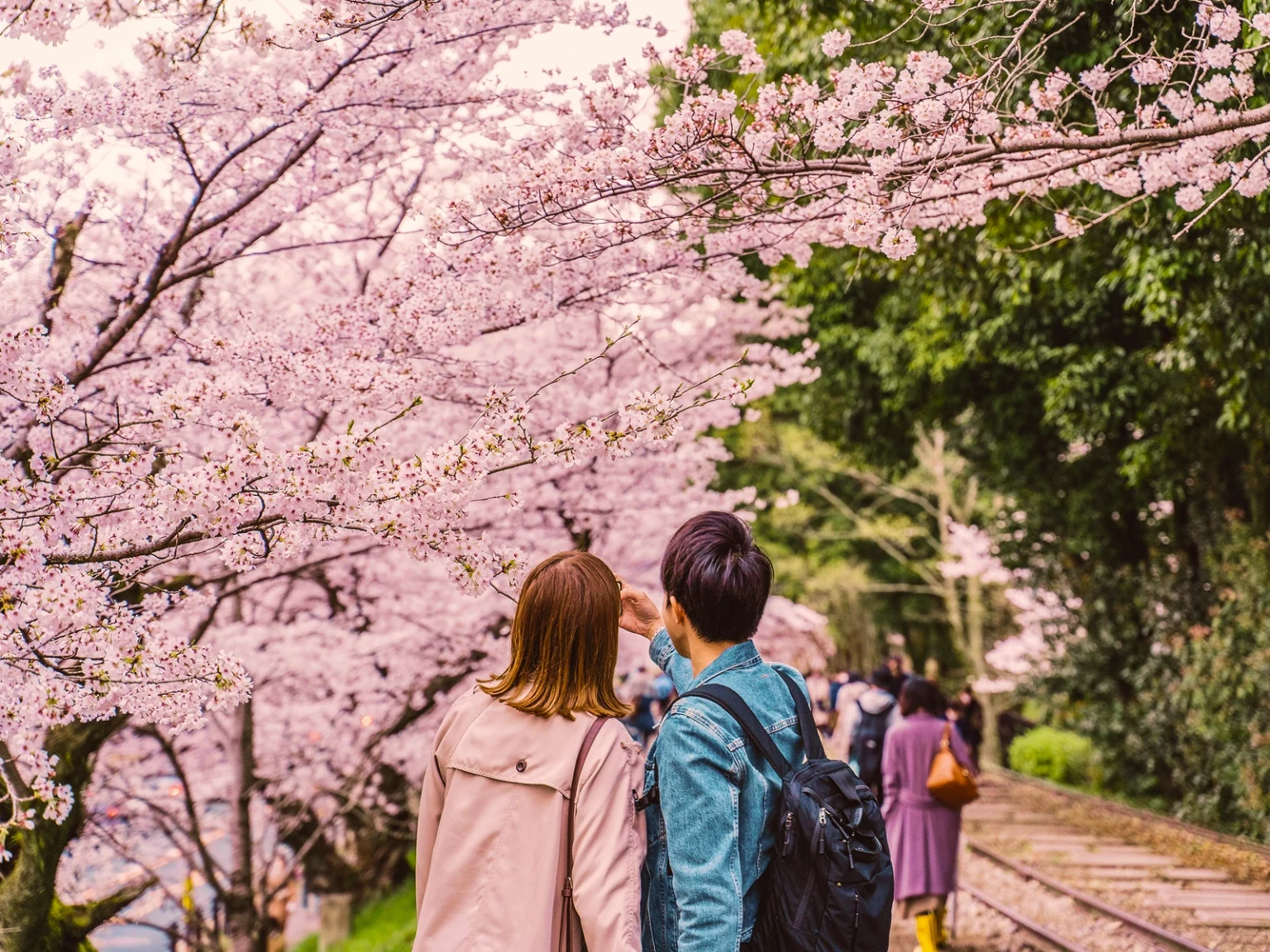
Cherry Blossom (Sakura) | Late March to early April | Maruyama Park, Philosopher's Path |
Autumn Leaves (Momiji) | Mid-November | Eikan-do, Tofuku-ji |
Both seasons are very popular with visitors. At these times, Kyoto temple grounds get crowded, and hotels fill up weeks in advance, so it’s best to plan ahead.
Visiting Kyoto’s temples during these seasons is one of the most popular things to do in Japan, and it’s easy to see why.
Where Can You See Mount Fuji, Japan, and More?
Japan’s main island offers three unique nature experiences: high volcanic peaks, coastal hot spring towns, and snow-covered monkey parks. All of these are within easy reach of Tokyo.
Mount Fuji, Japan: Viewpoints and the Climbing Season
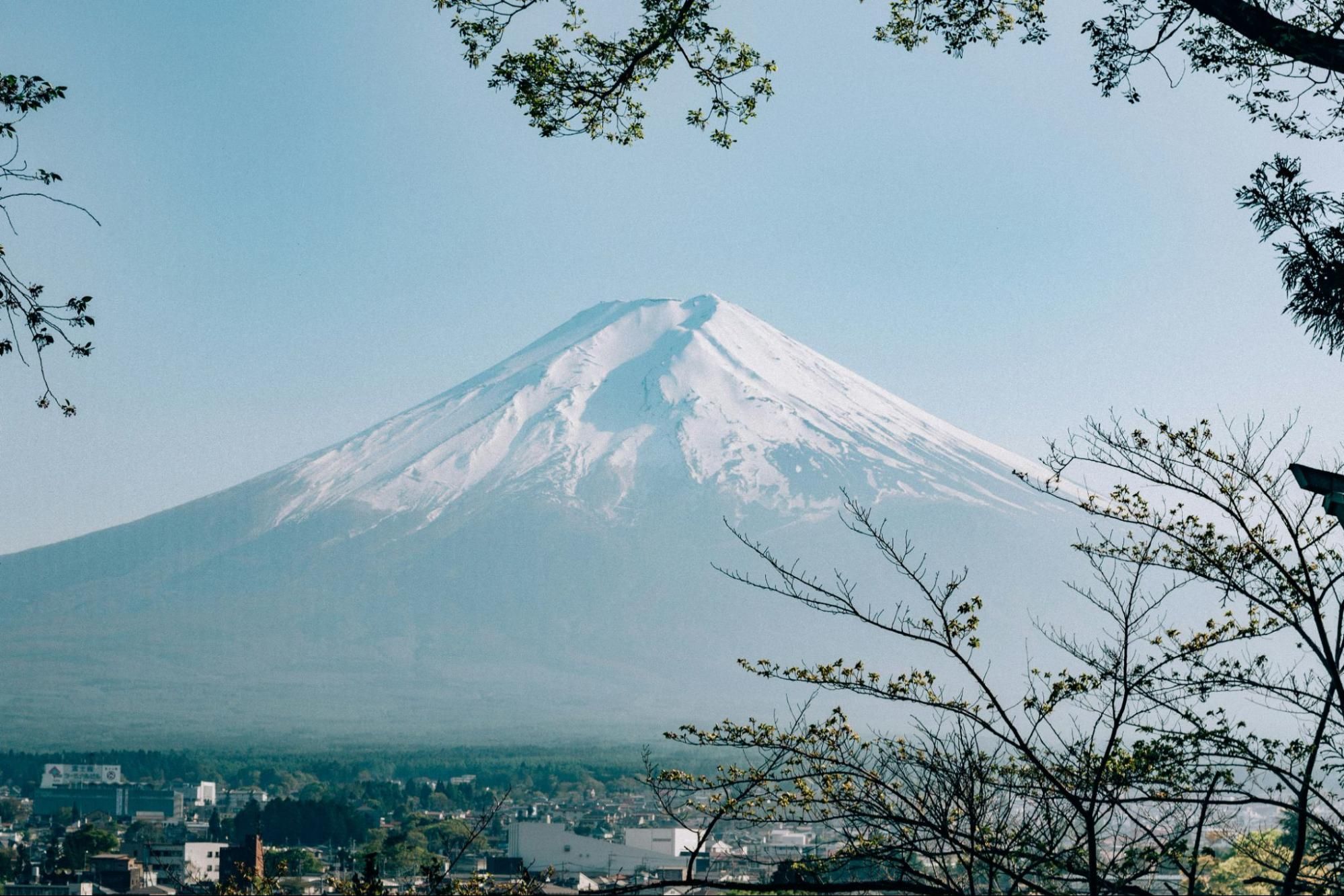
Mount Fuji, Japan, is the country's highest peak at 3,776m. On clear days, it is visible from parts of Tokyo, but the best views come from the Fuji Five Lakes region.
Best viewpoints:
- Kawaguchiko Lake (northern side): The most popular spot for reflections and wide views; sits at an altitude of 830m; best light is early morning.
- Chureito Pagoda: A five-storey pagoda with Mount Fuji, Japan, in the background; ideal in spring (cherry blossom) and autumn (red leaves)
Climbing season: July 1 to September 10
Detail | Info |
Trail | Yoshida Trail |
Climbing Fee (2026) | ¥4,000 (mandatory) |
Daily Climber Limit | Yes, applies |
If you don’t plan to climb, the Kawaguchiko area is still worth spending a full day for photos and lakeside walks.
Izu Peninsula Hot Spring Baths (Onsen)
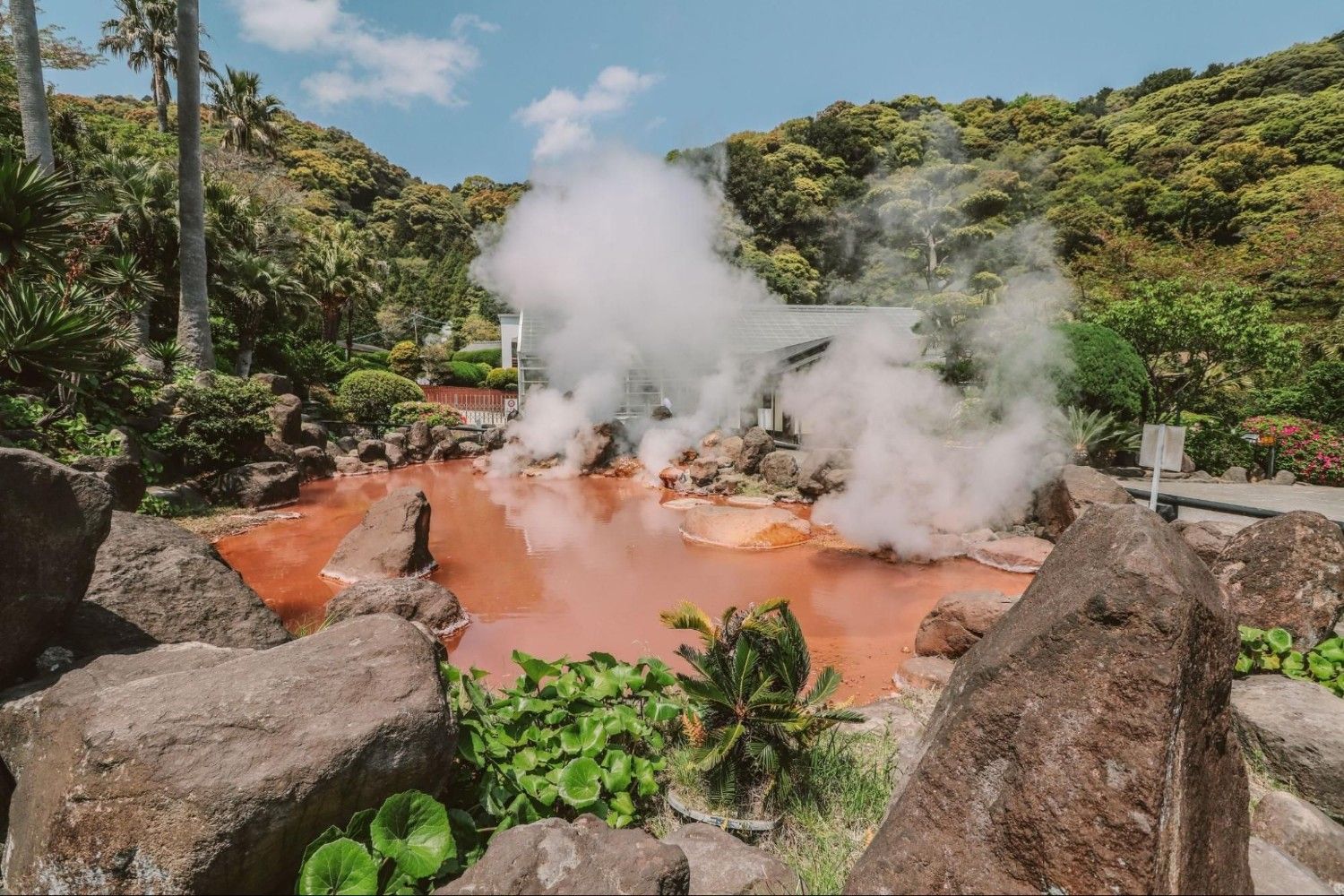
The Izu Peninsula is south of Tokyo in Shizuoka Prefecture. It’s one of the easiest onsen regions to reach and makes a great addition to a Tokyo holiday.
Key towns to know:
- Atami: Closest to Tokyo; known for seafront ryokan
- Ito: Quieter option with a good range of spring baths
- Shuzenji: The most traditional of the three; set in a forested valley
What to expect at an onsen on the Izu Peninsula:
- Water temperature: 38°C to 42°C
- No chlorine; water flows directly from volcanic springs
- Most ryokan include both indoor and outdoor baths.
Tribe Travel Tip: Book a ryokan on the Izu Peninsula at least 6 to 8 weeks in advance during peak months. Many have private outdoor baths included with the room rate.
Jigokudani Monkey Park, Nagano
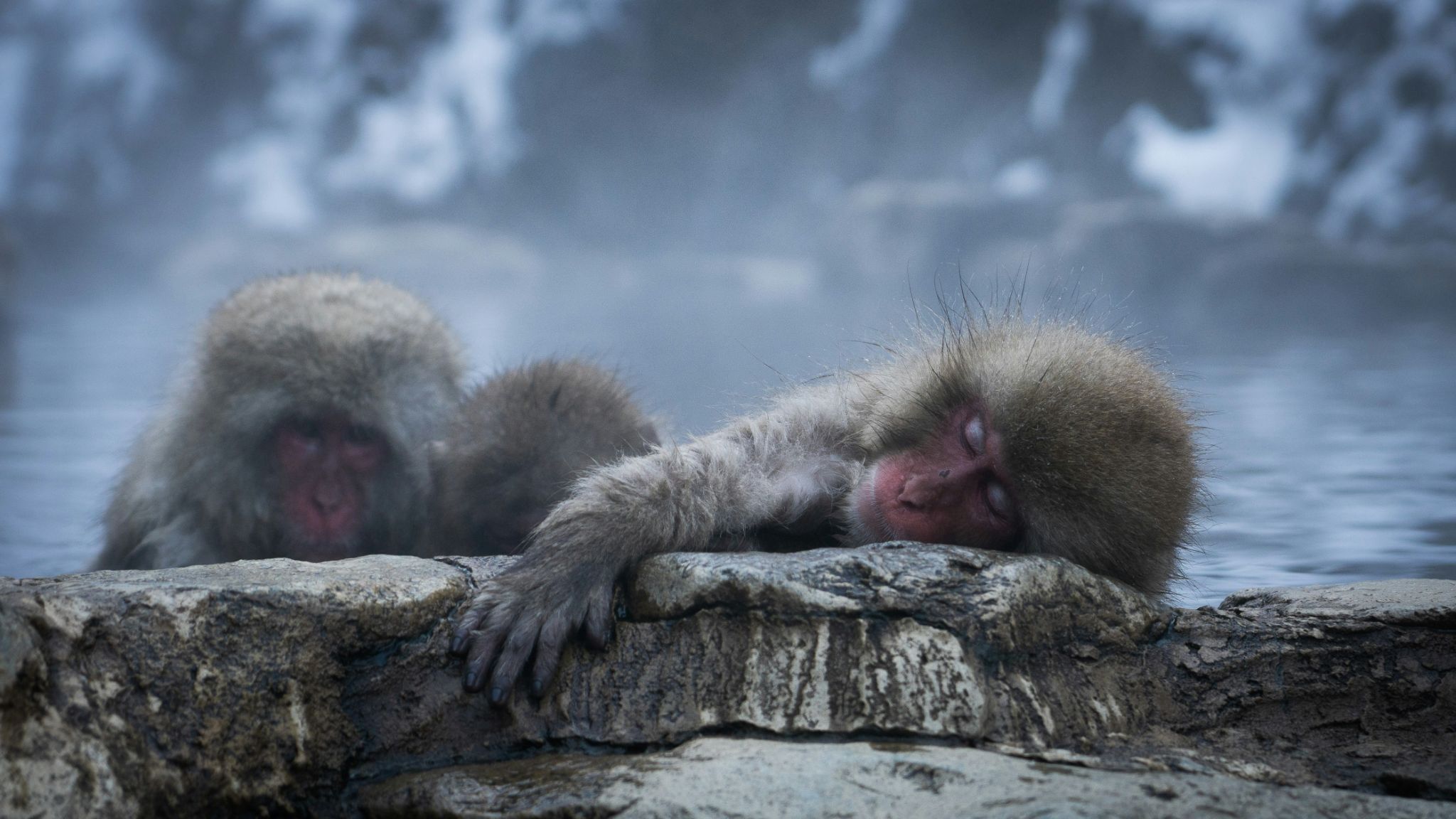
Jigokudani Monkey Park is in Yamanouchi, Nagano Prefecture. Here, Japanese macaques, also known as snow monkeys, bathe in natural hot springs during winter. It’s one of the most unique things to do in Japan.
Visit details:
Detail | Info |
Best months | December to March |
Open | Year-round |
Entry fee | ¥800 per adult |
Getting there | Shinkansen to Nagano (~2.5 hrs from Tokyo), then local train + 30-min walk |
The walk to the park goes through a snow-covered forest trail. Allow 30 minutes each way on foot.
What Are the Best Island Experiences in Okinawa?
Okinawa shows a different side of Japan. Instead of temples and mountains, you’ll find coral reefs, white sand, and warm water. Each of these three islands has something special to offer and is worth a visit.
Ishigaki and Manta Ray Diving
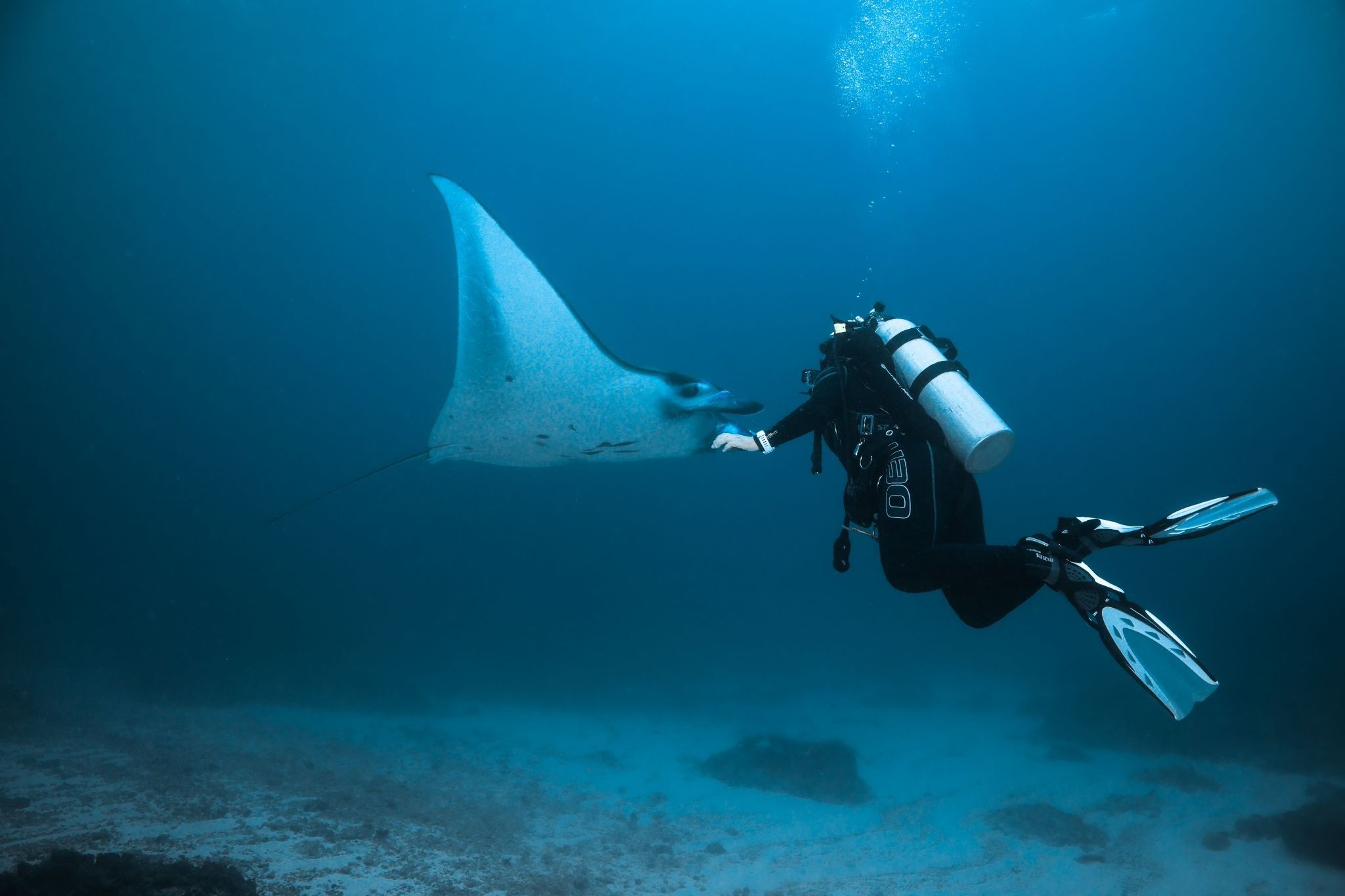
Ishigaki is the main hub of the Yaeyama Islands in Okinawa Prefecture. It is one of the top things to do in Japan for anyone who dives or snorkels.
What to know:
- Manta ray sightings near Kabira Bay run from April to October; resident mantas are visible year-round
- Ishigaki also has beaches, traditional Ryukyuan cuisine, and ferry access to Taketomi Island (10 minutes away) and Iriomote Island.
- Getting there: Direct flights from Tokyo take approximately 3 hours.
Yonaguni Island Underwater Monument
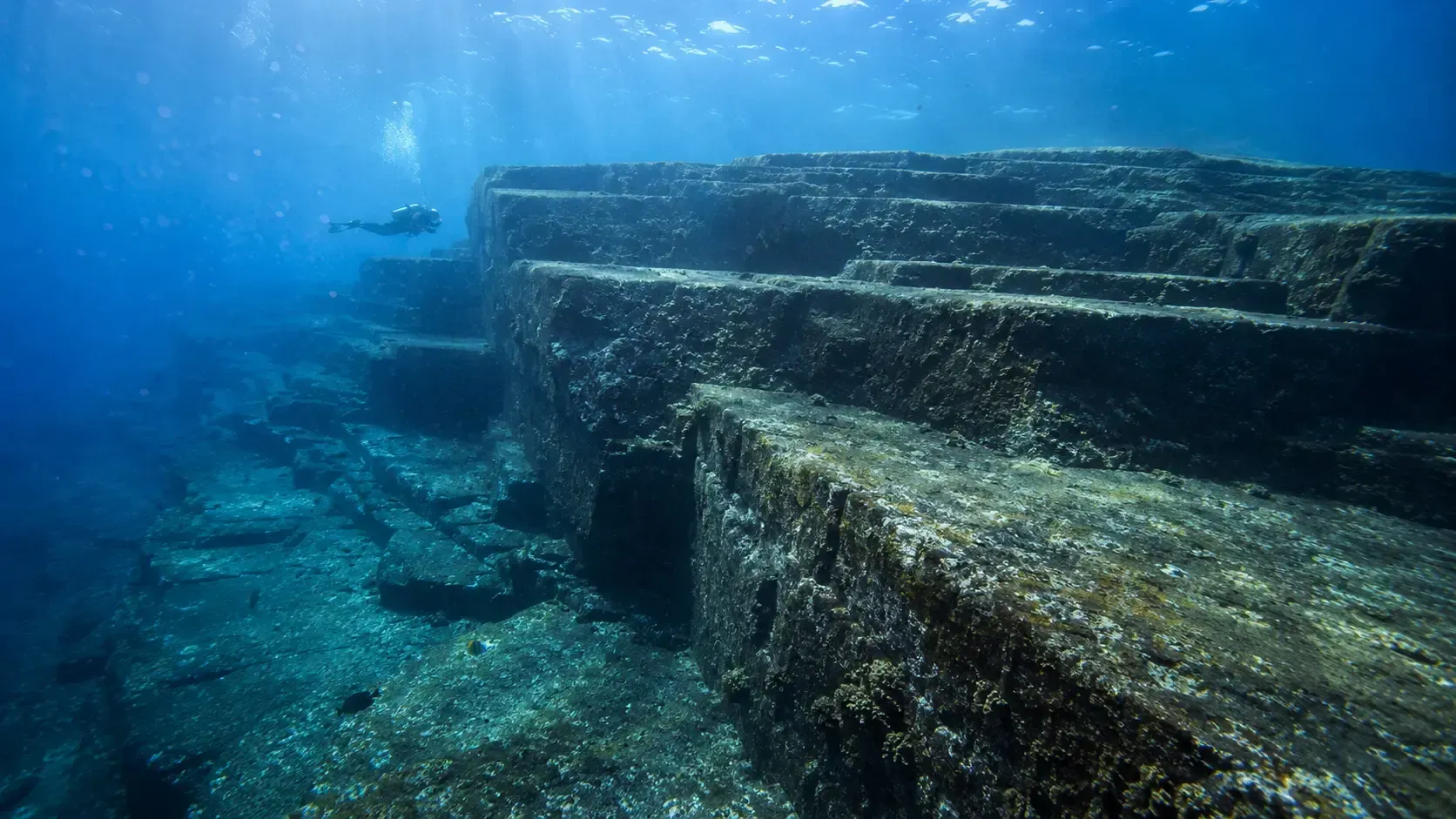
Yonaguni Island is about 108 km from Taiwan and is Japan’s westernmost point. It’s best for experienced divers looking for something unique.
What to know:
- The Yonaguni Monument (Kaitei Iseki) is a large underwater stone formation with steps and terraces; its origin remains a subject of scientific debate.
- Yonaguni Island is also known for hammerhead shark aggregations between January and March.
- Getting there: 1-hour flight from Ishigaki; accommodation is limited, so book well ahead
- You’ll have a much better experience on Yonaguni Island if you dive with a local operator who knows the area well.
Miyako Island Beaches
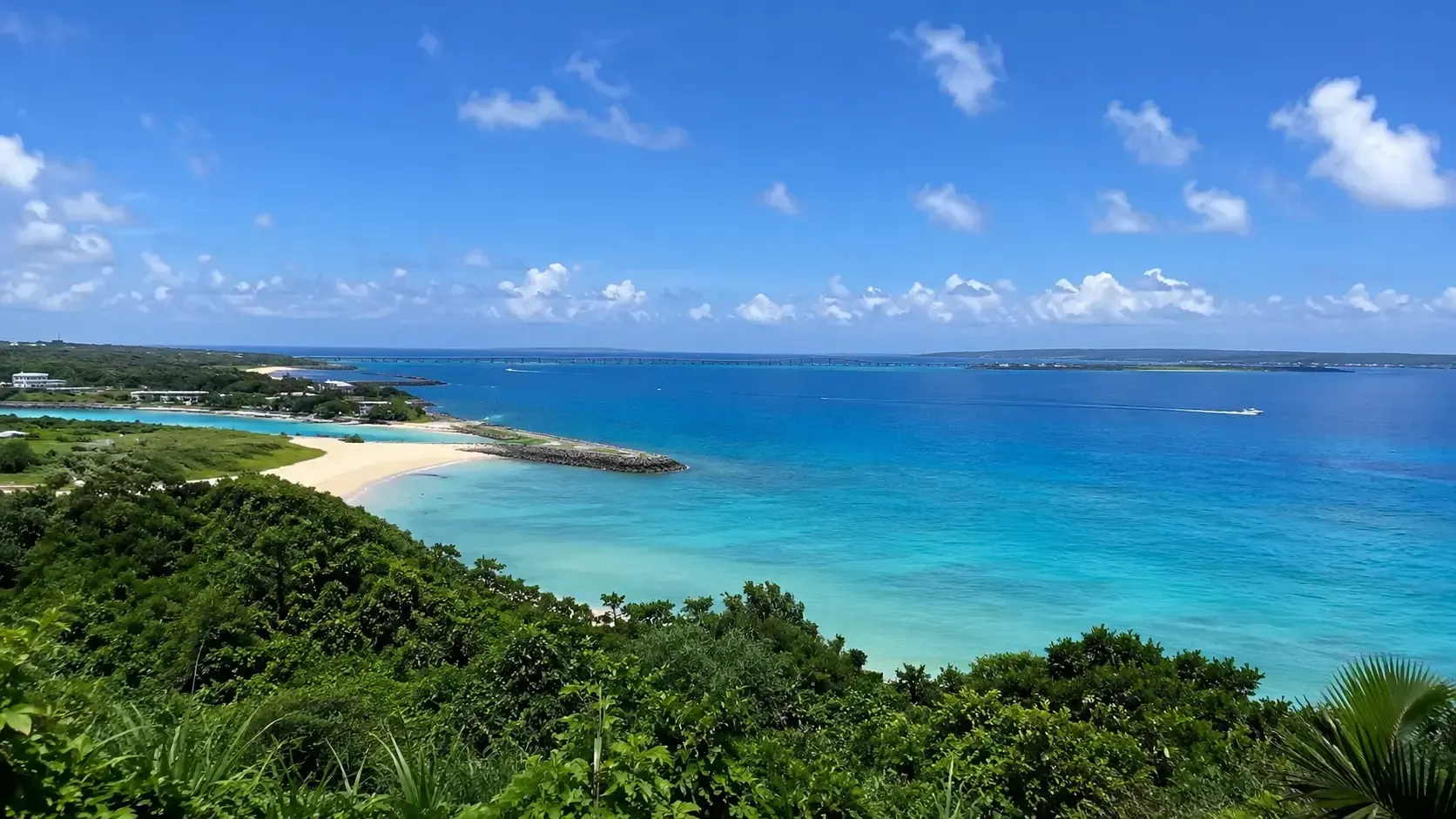
Miyako Island is southwest of Okinawa’s main island and is famous for its clear water and white sand beaches.
What to know:
- Yonaha Maehama Beach on the south coast is known for its clear turquoise water and fine white sand, running approximately 7 km along the coast.
- Miyako Island is reachable by a 50-minute flight from Naha or a direct flight from Tokyo.
Practical Tips Before You Visit Japan
Here are some tips to help your getaway to Japan go smoothly. This is what you should know before you arrive.
- Best Time to Visit: Spring and autumn are peak seasons. Book accommodation 3 to 4 months ahead for either.
- Getting Around: The Japan Rail Pass covers the Shinkansen (bullet train) network. Check pass options at the official Japan Rail Pass portal before departure.
- Currency: Japan is largely cash-based. Carry Japanese Yen at all times. ATMs at 7-Eleven and Japan Post Bank accept international cards.
It’s much easier to plan activities in Japan once you have the logistics figured out.
Final Takeaway
The things to do in Japan span a wide range of landscapes. From snow monkeys to Japan's huge variety of experiences. One day you might see snow monkeys in Nagano’s hot springs, and the next you could be relaxing on the white-sand beaches of Miyako Island. Each region has its own appeal, from Kyoto’s temple trails to the hot springs of the Izu Peninsula and the coral reefs of Okinawa.
The best things to do in Japan depend on what you enjoy most: culture, nature, food, or coastal scenery. You can often experience all of these within just a few hours of travel.
Holiday Tribe’s travel advisors can help you create a Japan tour that balances cultural highlights and natural wonders, so you don’t miss anything.