

Your search for things to do in Vienna will lead you to the golden halls and its famous waltz music, and while there’s nothing wrong with that, something will help you experience Vienna like a local. You’ll find a city that grows its own wine, fills its river island with locals every summer evening, and treats you to a slice of cake at every corner cafe.
This guide walks you through 19 experiences: some calm, some adventurous and some that happen after dark that’ll make you witness local life, whether you have a weekend or a whole week for your holiday.
Where Can You Find Real Vienna Beyond the Palaces?
The city's imperial sights are worth every minute, but the neighbourhoods around them tell you more about how Vienna actually lives day to day. Start at the Naschmarkt, a market that has run since the late 1700s and still doubles as the city's kitchen. Locals shop here for produce on weekday mornings, then return on Saturdays when the flea market takes over the far end and stretches on for blocks.
- Naschmarkt: Stalls selling cheese, spices, olives, and Balkan grills sit beside small stand-up eateries where office workers grab lunch. Go hungry, and go early if you want a table without a wait.
- Heuriger wine taverns: In Grinzing, Nussdorf, and Sievering, family-run taverns pour wine from their own small vineyards, often the same plots that have supplied Vienna for generations. You sit at long wooden tables, order cold cuts and pickled vegetables by the plate, and stay for hours without anyone rushing you out.
- Brunnenmarkt: A quieter, more residential market in the 16th district, popular with the city's Turkish and Balkan communities and rarely visited by tour groups.
Spot | Best for | Typical Cost |
Naschmarkt | Food stalls, flea market | Around 5 to 15 euros for a meal |
Heuriger taverns | Wine, long evenings | Around 20 to 35 euros per person |
Brunnenmarkt | Local, low key browsing | Around 5 to 10 euros |
If you only have time for one, and you're chasing things to do in Vienna Austria that feel unmistakably local, make it the Heuriger. Nowhere else captures how unhurried an Austrian evening can be.
Both markets sit close to the U-Bahn, so you can fold either one into a morning before heading toward the bigger sights without losing much of your day. The Naschmarkt opens early and winds down by evening, while the Heuriger taverns tend to fill up only after sunset, which makes the two an easy pairing if you plan your hours right.
Tribe Travel Tip: Heuriger taverns hang a pine branch over the door when they're open for the season, an old tradition worth knowing before you go looking.
What Are the Best Things to Do in Vienna for First-Time Visitors?
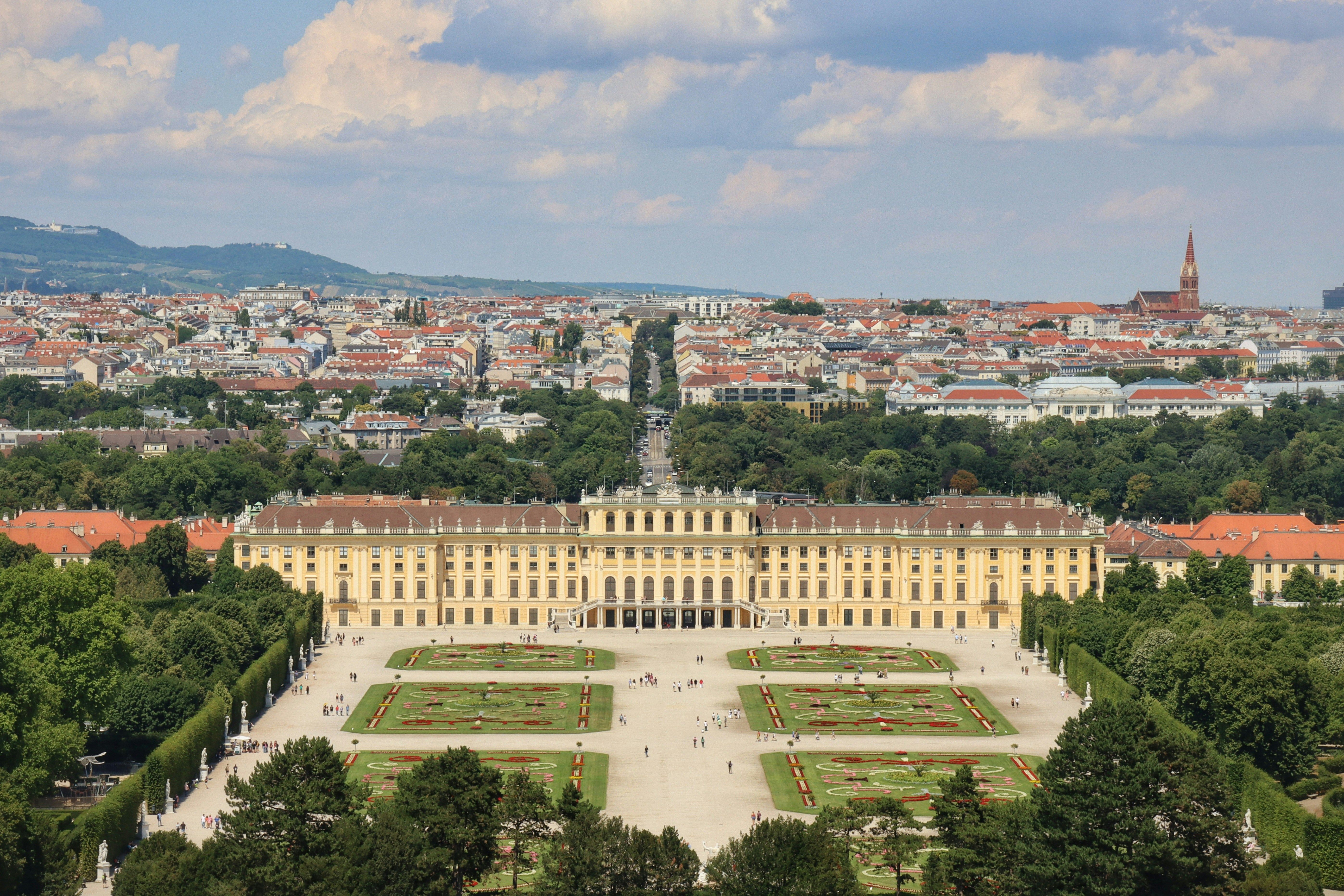 If it's your first visit, a few sights earn their reputation for a reason, and they are worth building your first day or two around.
- Schönbrunn Palace: The former summer residence of the Habsburgs holds over 1,400 rooms, though only a portion is open to visitors. Walk through the gardens up to the Gloriette for a view over the whole grounds, ideally before the coach groups arrive mid-morning.
- Spanish Riding School: Watching the Lipizzaner stallions train inside the Winter Riding School is one of the few places left where you see a centuries-old tradition practised exactly as it always was.
- St. Stephen's Cathedral: Climb the south tower for a look at the roof's patterned tiles up close, or stand in the nave and take in the scale of it.
- Belvedere Palace: Home to Klimt's The Kiss, and the gardens between the upper and lower palace are worth the walk on their own.
Spot | Time Needed | Should you Book Ahead |
Schönbrunn Palace | 2 to 3 hours | Yes, for the palace tour |
Spanish Riding School | 1 hour | Yes, training sessions sell out |
St. Stephen's Cathedral | 45 minutes to 1 hour | Not usually |
Belvedere Palace | 1.5 to 2 hours | Recommended in peak season |
These sights explain why Vienna keeps its place on every European must-see list, even before you dig into the city's quieter side.
Tribe Travel Tip: A combined ticket often covers Schönbrunn's palace tour and gardens, which works out cheaper than buying entry separately.
What Adventurous Things to Do in Vienna Are Worth Trying?
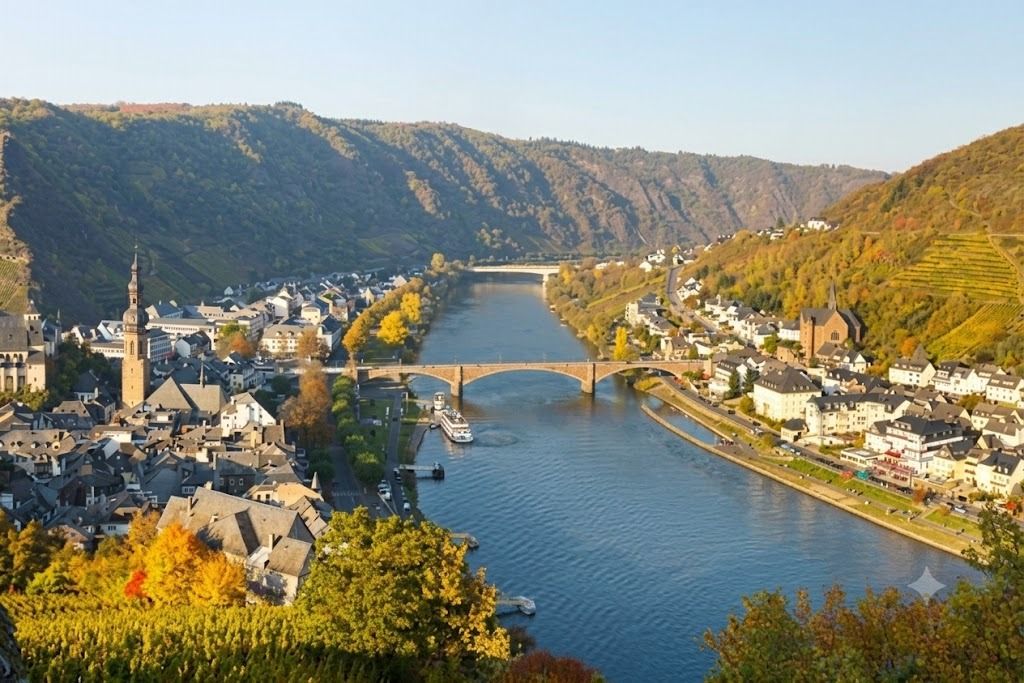 Vienna does not shout about its adventurous side, but it has one for anyone willing to look past the concert halls.
- Cycling Donauinsel: The long, narrow island built for flood protection now serves as the city's playground, with paths running for kilometres along the water. Rent a bike near Reichsbrücke and ride as far as your legs allow.
- Vienna Woods hiking: The Wienerwald starts right at the edge of the city, and a hike up Kahlenberg or Leopoldsberg gets you above the rooftops within an hour of leaving your hotel, with a Heuriger waiting at the bottom for the way back.
- Underground Vienna tour: A guided route through old cellars and passageways beneath the historic centre, following stories that never make it into the standard sightseeing routes.
- Kayaking the Old Danube: A calmer side channel away from the main river, popular with locals on weekend mornings and easy to book for a couple of hours.
Between the island, the hills, and what sits underneath the streets, this side of the city rarely makes it into a standard sightseeing list.
Tribe Travel Tip: Bike rental stations near Donauinsel get busy on summer weekends, so grab one earlier in the day if you can.
What Romantic Things to Do in Vienna Should You Plan Around?
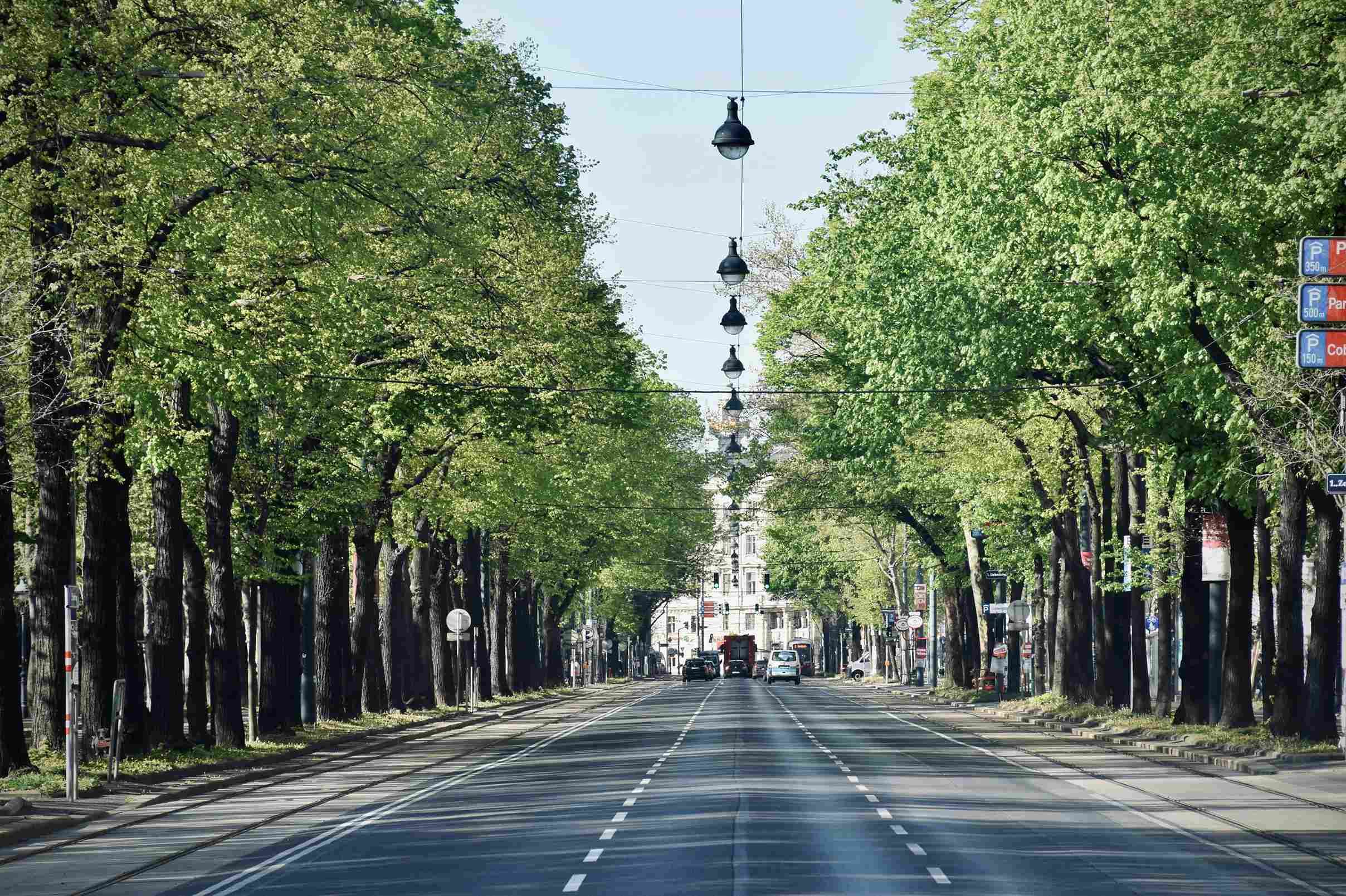 Vienna does romance without trying too hard, and a few experiences are worth setting aside a full evening for.
- Sunset cruise on the Danube: An evening boat ride past the city skyline as the light changes, quieter and less crowded than the daytime routes.
- An evening at the Vienna State Opera: Standing room tickets cost only a few euros and put you close enough to feel the orchestra. Dress up a little; it is part of the experience.
- Cafe culture at dusk: Settle into a Kaffeehaus like Café Sperl or Café Central as the evening crowd arrives, order a Melange, and let a couple of hours pass without checking the time.
- A walk along the Ringstrasse at night: The grand buildings along this boulevard are lit after dark, and the pace of the walk changes completely once the daytime traffic thins out.
Keep at least one night free rather than packing the whole calendar. This city gives you more the moment you slow down.
Tribe Travel Tip: Standing room tickets for the opera go on sale roughly 80 minutes before curtain, so arrive early and line up at the designated entrance.
What Things to Do in Vienna at Night Feel Most Local?
 Prater after dark: The amusement park lights up differently at night, and the Riesenrad Ferris wheel gives you a skyline view once the day crowds thin out.
- Christmas markets in winter: Rathausplatz turns into a full market from mid November, with mulled wine stalls that locals actually stop at on their way home from work, not just tourists passing through.
- A late walk through Innere Stadt: The first district empties fast once the shops close, leaving the cathedral and the old streets lit and nearly silent, a version of Vienna most day visitors never see.
- Live jazz at Porgy & Bess: A small, well-loved club in the city centre that draws both local and touring musicians most nights of the week.
Skip the tourist bar strips and follow where the quieter corners lead instead. That is usually where the city feels most like itself after dark.
When Is the Best Time to Plan These Vienna Experiences?
Season | Weather | Best for |
Spring (April to May) | Mild, occasional rain | Gardens, Danube Island, walking tours |
Summer (June to August) | Warm, long days | Heuriger evenings, cycling, the Old Danube |
Autumn (September to October) | Cool, fewer crowds | Museums, the start of opera season |
Winter (November to February) | Cold, festive | Christmas markets, cafes, indoor sights |
Most of these things to do in Vienna work year-round, though a few are seasonal. Heuriger taverns run mainly from spring through autumn, and the Christmas markets only appear in the final two months of the year. If you are building your Vienna escape around a specific experience, check the season before locking your dates, since a handful of the outdoor ones depend heavily on the weather. Late spring and early autumn tend to be the easiest stretch for a first visit, since the gardens are in bloom or the crowds have thinned, and you can still sit outside at a Heuriger without needing a jacket.
Conclusion
No matter which of these experiences you choose, Austria’s capital will welcome you and make you feel like a true European local. Pair a morning at Schönbrunn with an evening at a Heuriger, or a hike up Kahlenberg with a late walk through the first district once you're back, and the city will start to feel like you belong there rather than being just a visitor.
If you’re planning a visit to Vienna or any of its neighbours, Holiday Tribe can help with customised Europe travel packages that'll cover your itineraries, stays, transfers and optional flight and visa assistance. Get in touch to book your vacation today!