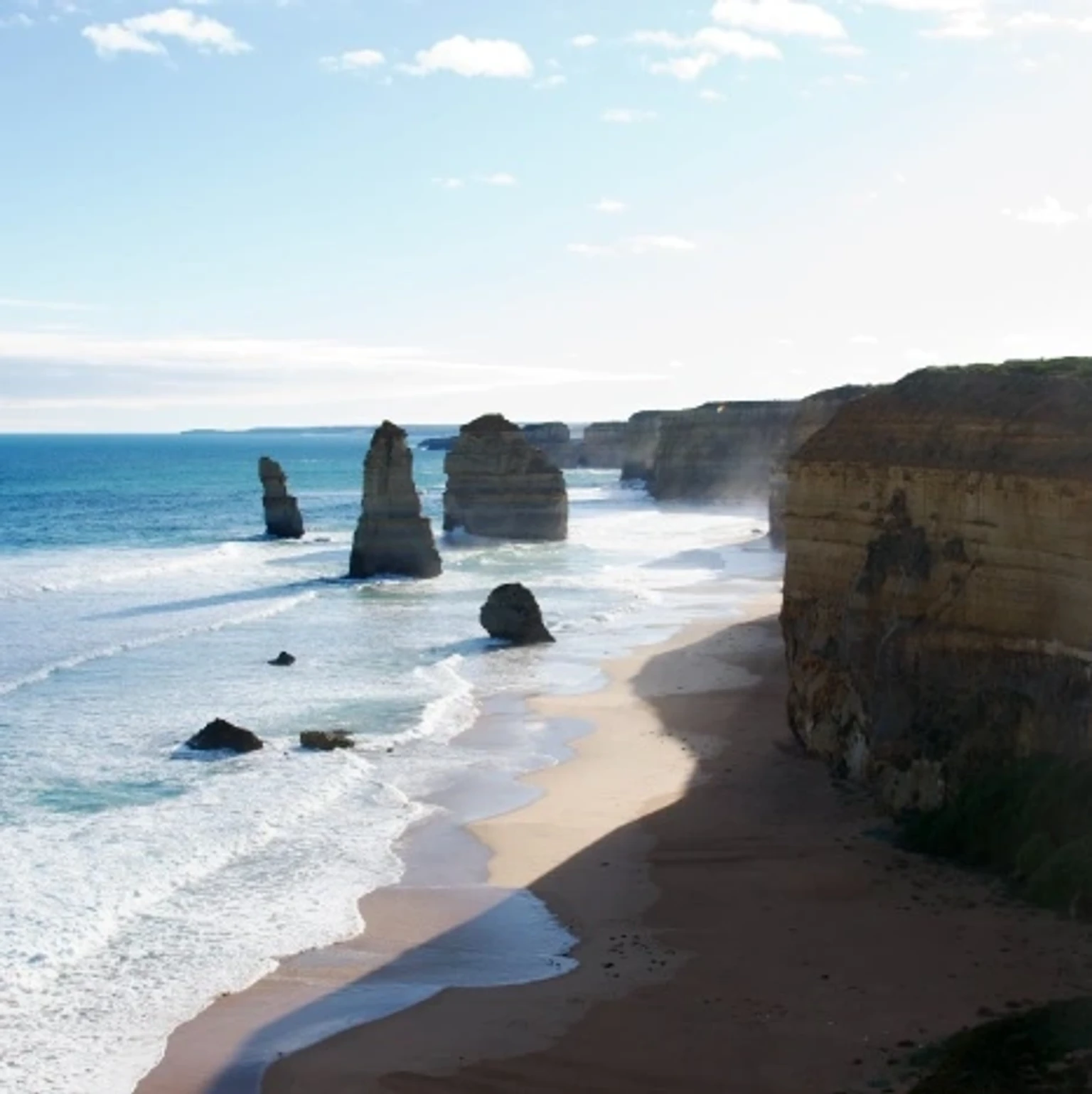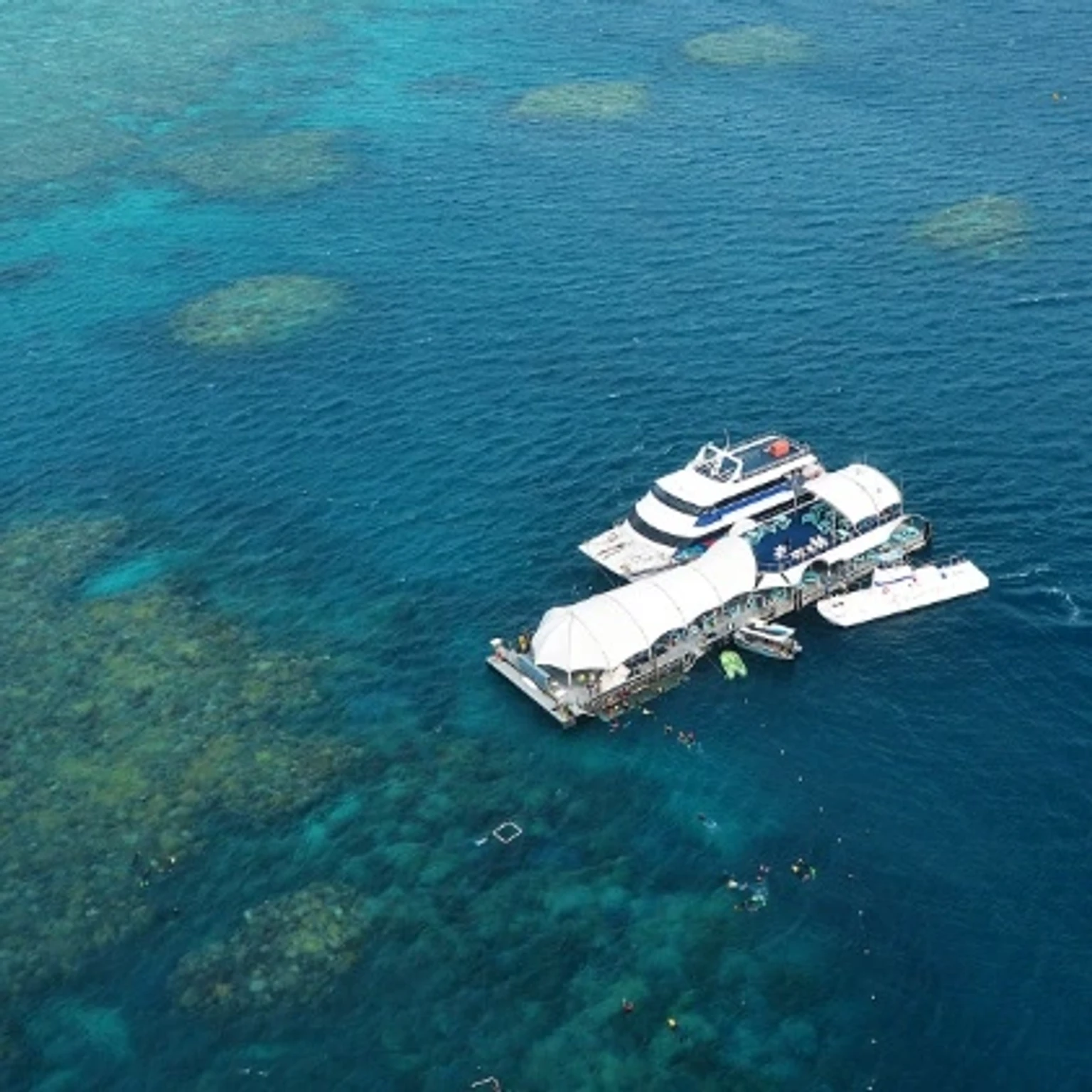


Australia's winter catches out a lot of first-time visitors. The country sits across so many climate zones that winter means one thing in Hobart, something completely different in Brisbane, and nothing at all in Darwin. The winter season in Australia runs June to August, but the temperature range across that period goes from below zero in the mountains to 30 degrees in the tropical north. Planning for one winter when the country has several is the mistake most people make. This guide covers what you actually need to know before deciding where, when and how warmly to pack.
Key Takeaways
Key Information | Quick Answer |
Winter months | June to August |
Australia winter temperature | Ranges from below zero (alpine) to 30 degrees Celsius (tropical north) |
Best places | Melbourne, Sydney, Great Barrier Reef (Cairns), Perth, Tasmania, Snowy Mountains |
Snow areas | Thredbo, Perisher, Charlotte Pass (NSW), Mount Buller, Falls Creek, Mount Hotham (VIC), Cradle Mountain (TAS) |
Best month | July to August for snow.; June or August for milder city visits |
Ideal stay | 8 to 14 days for two or three regions |
What to pack | Layers. Light jacket for Brisbane, proper winter coat for Melbourne and the mountains |
What Is Winter Like in Australia?
The winter months Australia experiences are June, July and August. That much is simple. What catches people is how different winter feels depending on which part of the country they are in. Southern Australia gets properly cold. Northern Australia barely notices the season.
Area | Typical Winter Feel | Approx. Temperature | What You May Notice |
Sydney | Cool, mostly dry, sunny days with cold mornings | 8 to 17 degrees Celsius | Pleasant during the day, cold evenings. Rarely needs more than a jacket |
Melbourne | Cold, changeable, windy, grey stretches | 6 to 14 degrees Celsius | Can feel colder than the numbers suggest due to wind. Layering matters |
Brisbane | Mild, dry, comfortable | 11 to 21 degrees Celsius | Feels more like autumn than winter. Light layers cover most days |
Perth | Mild to cool, wetter than summer | 8 to 18 degrees Celsius | Rain is more frequent than in summer. Mornings can be cold |
Adelaide | Cool, some rain, dry spells | 7 to 15 degrees Celsius | Similar to Melbourne but slightly less windy |
Hobart | Cold, short days, frost common | 3 to 12 degrees Celsius | The coldest capital. A real winter coat is not optional |
Darwin | Warm, dry, low humidity | 20 to 30 degrees Celsius | This is the dry season. Winter in name only. Shorts and a t-shirt |
Where Is the Best Place to Visit in Australia in Winter?
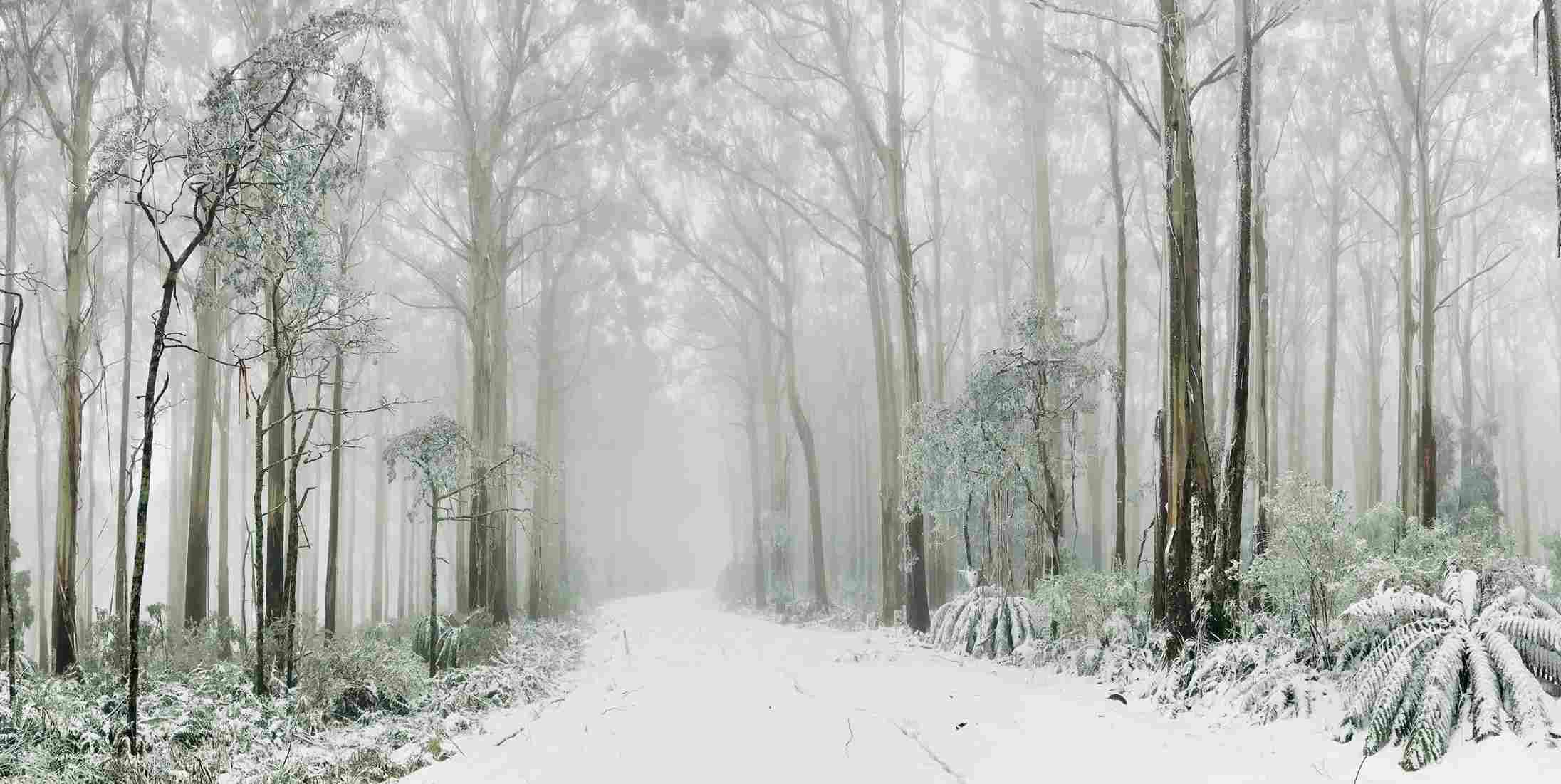 There is no single best winter destination. It depends on what kind of winter you want.
Place | Winter Weather | What You Can Do | Best For | Main Advantage |
Melbourne | Cool, changeable, 6 to 14 degrees | Laneways, coffee culture, galleries, Great Ocean Road, Victorian Alps nearby | City breaks, food lovers, culture | Best cafe and arts scene in the country. Snow is 3 to 4 hours away |
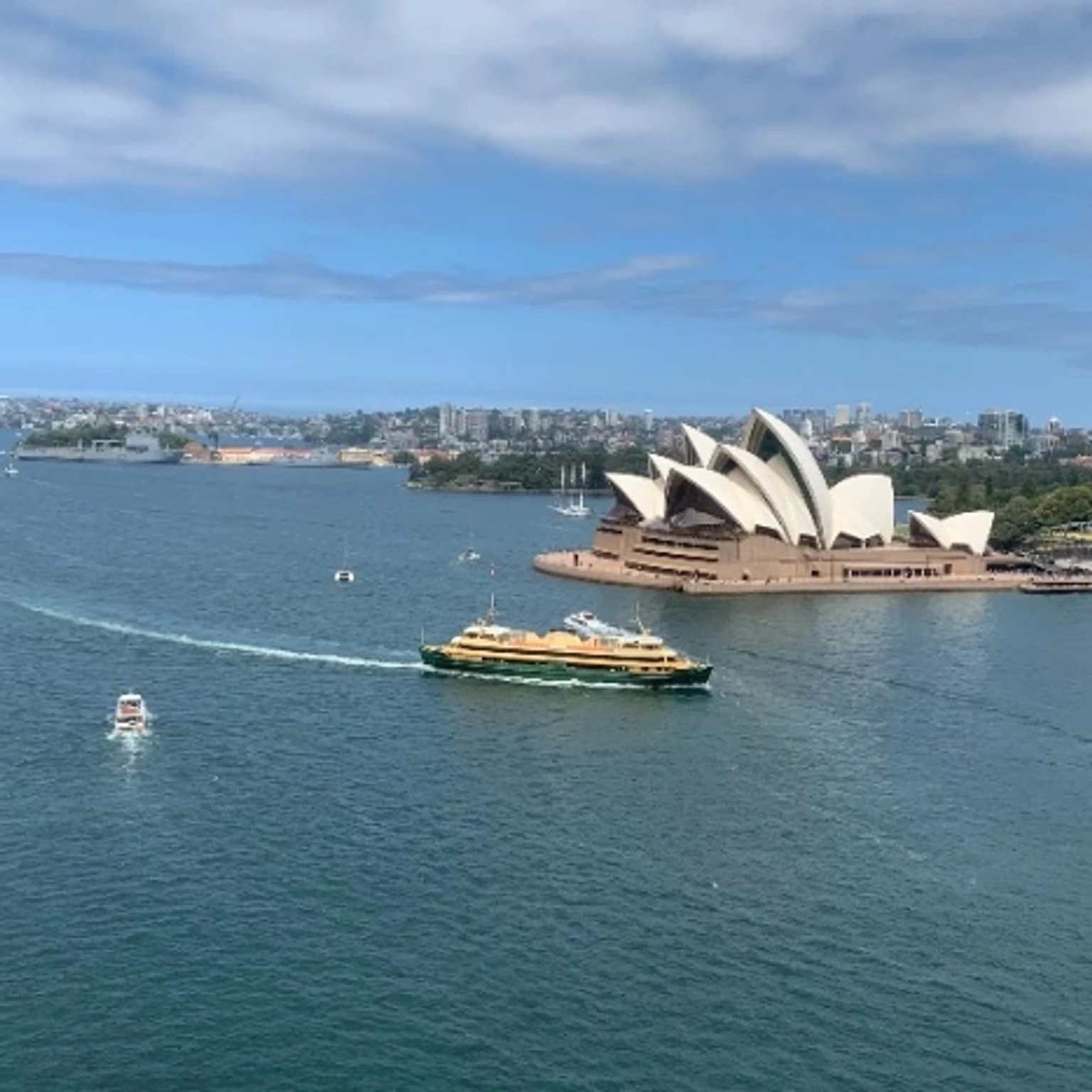
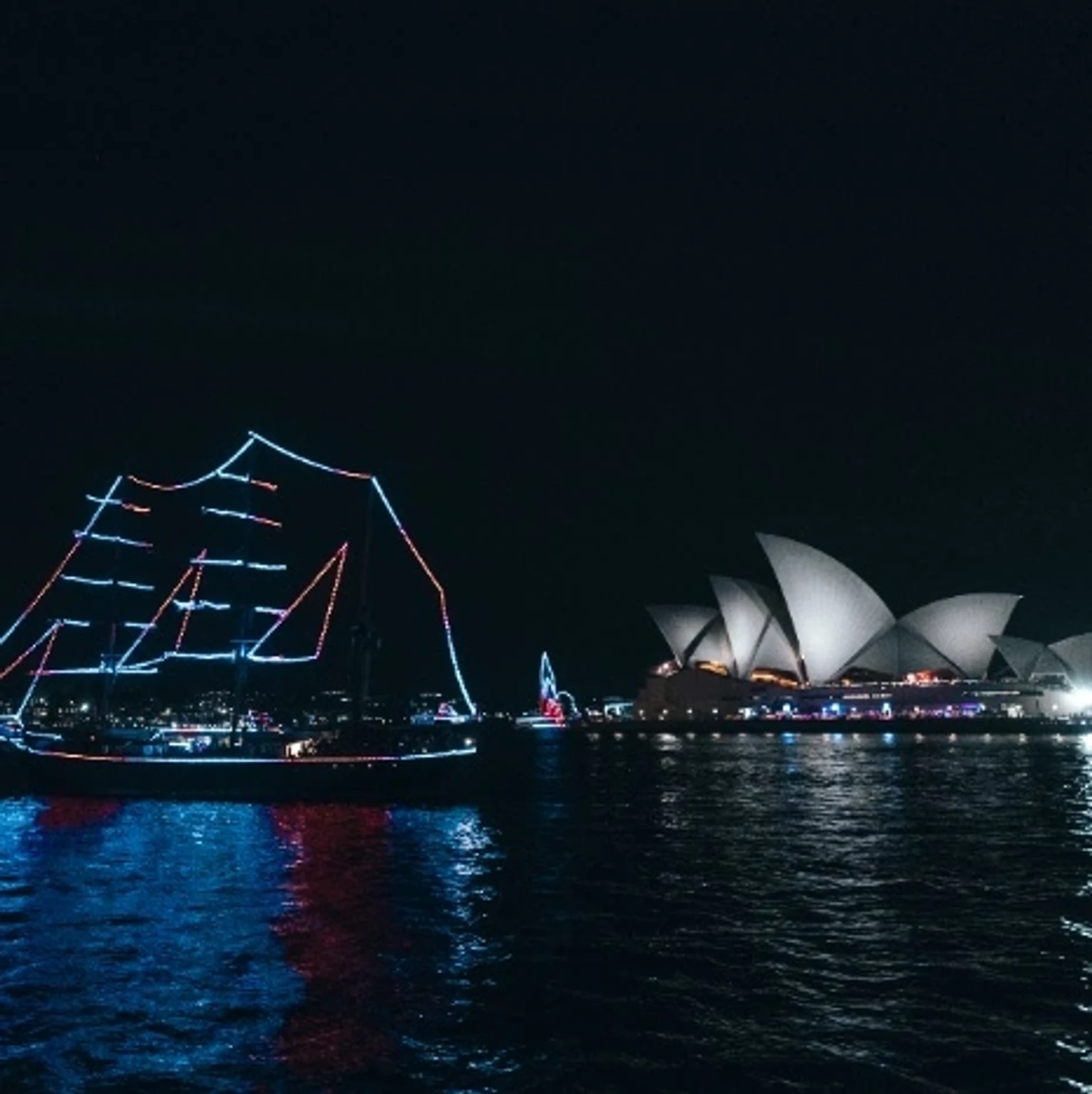
Sydney | Cool, mostly dry, 8 to 17 degrees | Harbour walks, Opera House, Bondi to Coogee, Blue Mountains | First-time visitors, city and nature | Milder than Melbourne. Most major sights work year-round |
Brisbane and Gold Coast | Mild, 11 to 21 degrees | Theme parks, surfing, beach walks, hinterland drives | Families, sun seekers, anyone avoiding cold | Warm enough for outdoor life. Gold Coast theme parks run year-round |
Cairns | Warm, dry, 18 to 26 degrees | Great Barrier Reef, rainforest, Daintree | Divers, reef visitors, nature travellers | The best season for the reef. Calm seas and clear visibility |
Perth | Mild to cool, 8 to 18 degrees | Kings Park, Rottnest Island, Swan Valley, Fremantle | City and coast, wine, wildlife | Fewer crowds than summer. Wildflower season starts late August |
Hobart and Tasmania | Cold, 3 to 12 degrees | Cradle Mountain, MONA, winter wilderness, possible snow | Nature lovers, adventure travellers | Real winter. Snow on the mountains. Quiet roads and trails |
Canberra | Cold, frosty mornings, 0 to 11 degrees | National Gallery, War Memorial, Truffle Festival (June to August) | History, food, culture | Genuine cold. Frost on the ground most mornings |
What Are the Best Things to Do in Australia in Winter?
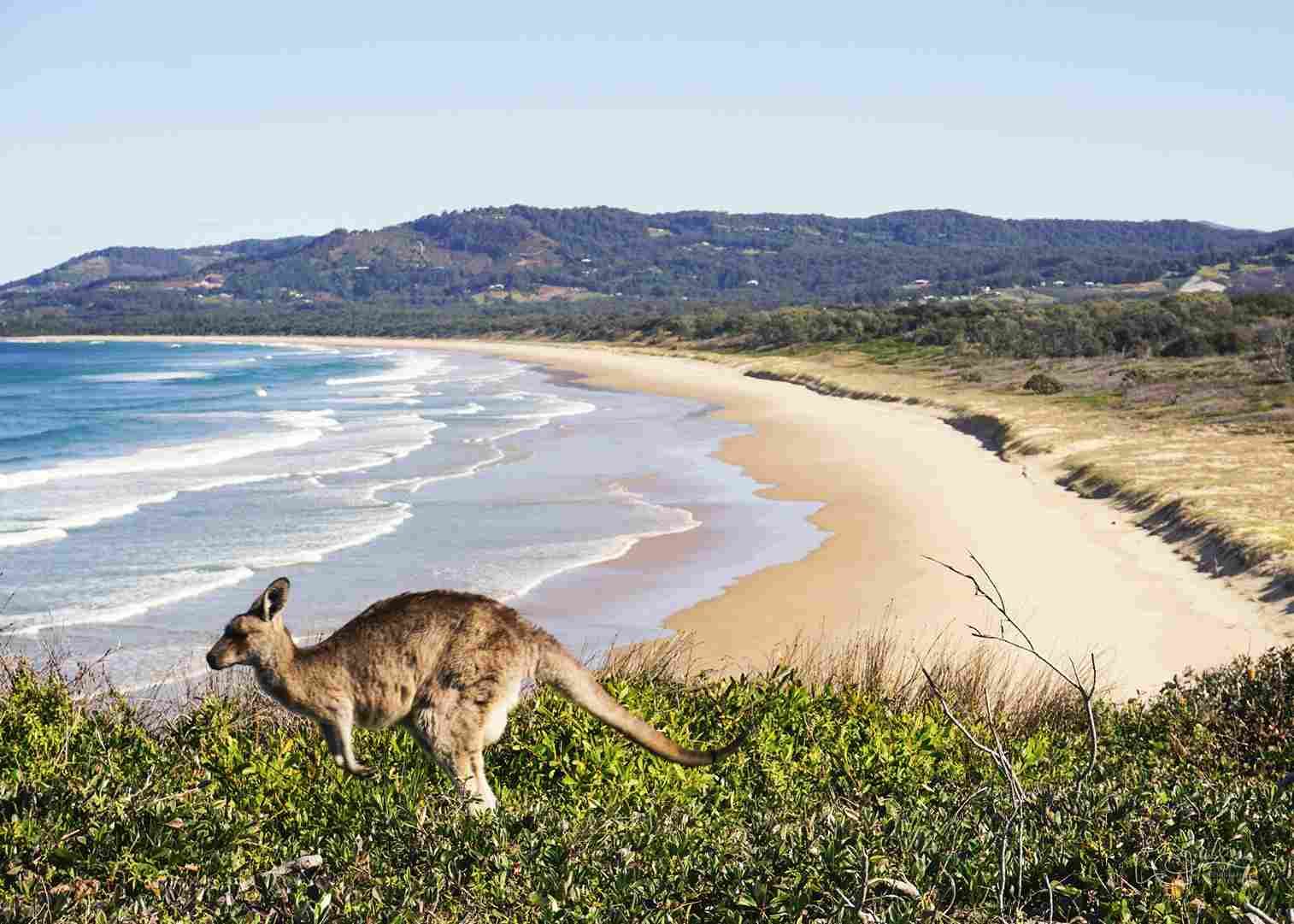 Winter in Australia brings seasonal activities you won’t find at other times of the year. Here are some of the best things to do this season.
- See snow: Head to the Australian Alps in NSW or Victoria. Snow is seasonal, but resorts use snowmaking when needed.
- Ski or snowboard: Try Thredbo, Perisher, Mount Buller, Falls Creek or Mount Hotham. The season usually runs from June to early October.
- Explore cities: Enjoy Melbourne’s cafes and galleries, Sydney’s harbour walks or Hobart’s winter food events.
- Take a scenic drive: Drive the Great Ocean Road, Blue Mountains or Daintree Rainforest.
- See wildlife: Go whale watching from June to October. Kangaroos and koalas can be seen year-round at wildlife parks.
- Visit national parks: Explore Cradle Mountain, Blue Mountains or Daintree Rainforest. Winter can be a quieter time for walks.
- Enjoy winter food: Try Melbourne’s cosy cafes or Adelaide’s winter food festivals.
- Watch whales: Humpback whales pass along the east coast from June. Hervey Bay is a popular spot from August.
Where Can You See Snow in Australia in Winter?
Snow in Australia is limited to the alpine regions. It does not fall in cities.
Resort or Area | State | Altitude | Snow Season | What You Can Do | Best For |
Thredbo | NSW | 1,370m base, 2,037m summit | June to early October | Skiing, snowboarding, village atmosphere | Best vertical drop in Australia |
Perisher | NSW | 1,720m base, 2,034m summit | June to early October | Skiing, snowboarding, largest resort by area | Largest skiable area |
Charlotte Pass | NSW | 1,760m | June to September | Cross-country skiing, snow walks | Highest resort village. Quieter, no car access in winter |
Mount Buller | VIC | 1,380m base, 1,805m summit | June to early October | Skiing, snowboarding, day access from Melbourne | Closest major resort to Melbourne (3 hours) |
Falls Creek | VIC | 1,500m base, 1,780m summit | June to early October | Skiing, cross-country, ski-in ski-out village | Compact village with good intermediate runs |
Mount Hotham | VIC | 1,750m base, 1,861m summit | June to early October | Skiing, snowboarding, challenging terrain | Highest Victorian resort. Good advanced terrain |
Cradle Mountain | TAS | 800 to 1,545m | Snow possible June to August | Snow walks, winter wilderness, no ski lifts | Seeing snow without skiing. A different winter experience |
Snow is not guaranteed on any specific date. Resorts use snowmaking to supplement natural falls, particularly early and late in the season. July and August are the most reliable months for natural snow.
What Is the Best Time to Visit Australia in Winter?
Month | Winter Feel | Snow | Crowds | Best For |
June | Early winter. Cool in the south, barely noticeable in the north. Snow season opening | Season opening, snowmaking active, natural snow building | Lowest winter crowds. School holidays start late June | City visits, early-season skiing, quieter travel |
July | Peak winter. Coldest month across most of the south. Snow at its best in the alps | Reliable snow, with most lifts open and the busiest school-holiday crowds | School holidays continue into mid-July. Ski resorts busiest | Snow sports, winter food events, whale watching starts strongly |
August | Late winter. Conditions easing in the cities, snow still present at higher elevations | Often the deepest snow of the season, with the peak typically in late August or early September | Quieter than July at most destinations | Spring wildflowers starting in WA. Good balance of winter and milder weather |
The coldest month in Australia is July for most of the south. The warmest winter month is typically August as spring approaches.
How Many Days Do You Need in Australia in Winter?
Holiday Length | What It Allows | Suitable For |
5 to 7 days | One city and one nearby region (Sydney plus Blue Mountains, Melbourne plus Great Ocean Road) | Short break, city-focused |
8 to 10 days | Two cities or one city plus snow (Melbourne plus the Alps, Sydney plus Cairns) | Most first-time winter visitors |
12 to 14 days | Two to three regions with time to breathe (Sydney, Melbourne, reef or Tasmania) | A proper winter holiday covering variety |
3 plus weeks | Multiple regions including remote areas (add Perth, Tasmania, or a longer reef stay) | Extended travel, deeper regional experiences |
Australia is large. Flying between cities takes 1 to 5 hours depending on the route. Do not plan more than three regions unless you have at least 12 days.
What Should You Pack for Winter in Australia?
Item | Where You Will Need It Most |
Warm jacket | Melbourne, Hobart, Adelaide, Canberra, all alpine areas |
Thermal layer | Alpine areas, Tasmania, Canberra mornings |
Light fleece | Sydney, Perth, Brisbane evenings |
Waterproof layer | Melbourne, Tasmania, Perth, alpine areas |
Comfortable shoes | All cities |
Snow boots | Alpine areas only (rental available at resorts) |
A Country That Has More Than One Winter
Winter in Australia does not ask you to pick between cold and warm. It gives you both, depending on where you go. The reef is at its best. The cities are quieter. The mountains have snow. The tropical north is in its dry season. The planning is really about matching the right part of the country to the kind of winter you want, and packing for the version of it you are actually going to get.
At Holiday Tribe, we build winter Australia holidays around the regions that suit how you want to travel. Whether that is a city and snow combination, a reef and rainforest stay, or a longer route through several climate zones, our holiday advisors can put together a plan that fits. Flights are not included unless you want them added.