

Plaka sits at the base of the Acropolis hill, which means the most famous ancient site in Athens is literally above you while you eat, shop and walk around. The neighbourhood is mostly pedestrian, built on streets that were old before modern Athens existed, and has a mix of tourist restaurants, genuinely good local tavernas, jewellery shops, Byzantine churches and residential lanes that most visitors never find because they stay on the two main streets. Plaka Athens works differently depending on when you visit. The morning is quiet, the middle of the day is busy with tour groups, and the evening is when the neighbourhood feels most like itself.
Key Takeaways
Key Information | Quick Answer |
What Plaka is known for | Oldest Athens neighbourhood, below the Acropolis. Stone streets, tavernas, shops, small museums |
Where to stay | Hotels in and around Plaka put you within walking distance of most central Athens sights |
Where to eat | Tavernas on the side streets off Adrianou and Kydathinaion. Avoid the main-street tourist restaurants |
Main historical attractions | Acropolis, Roman Agora, Lysicrates Monument, Anafiotika, Museum of Greek Folk Art |
Shopping | Greek jewellery, leather sandals, olive oil products, ceramics, local food products |
Best time to walk around | Early morning (before 10am) or early evening (5pm to 9pm) |
What Is Plaka in Athens Known For?
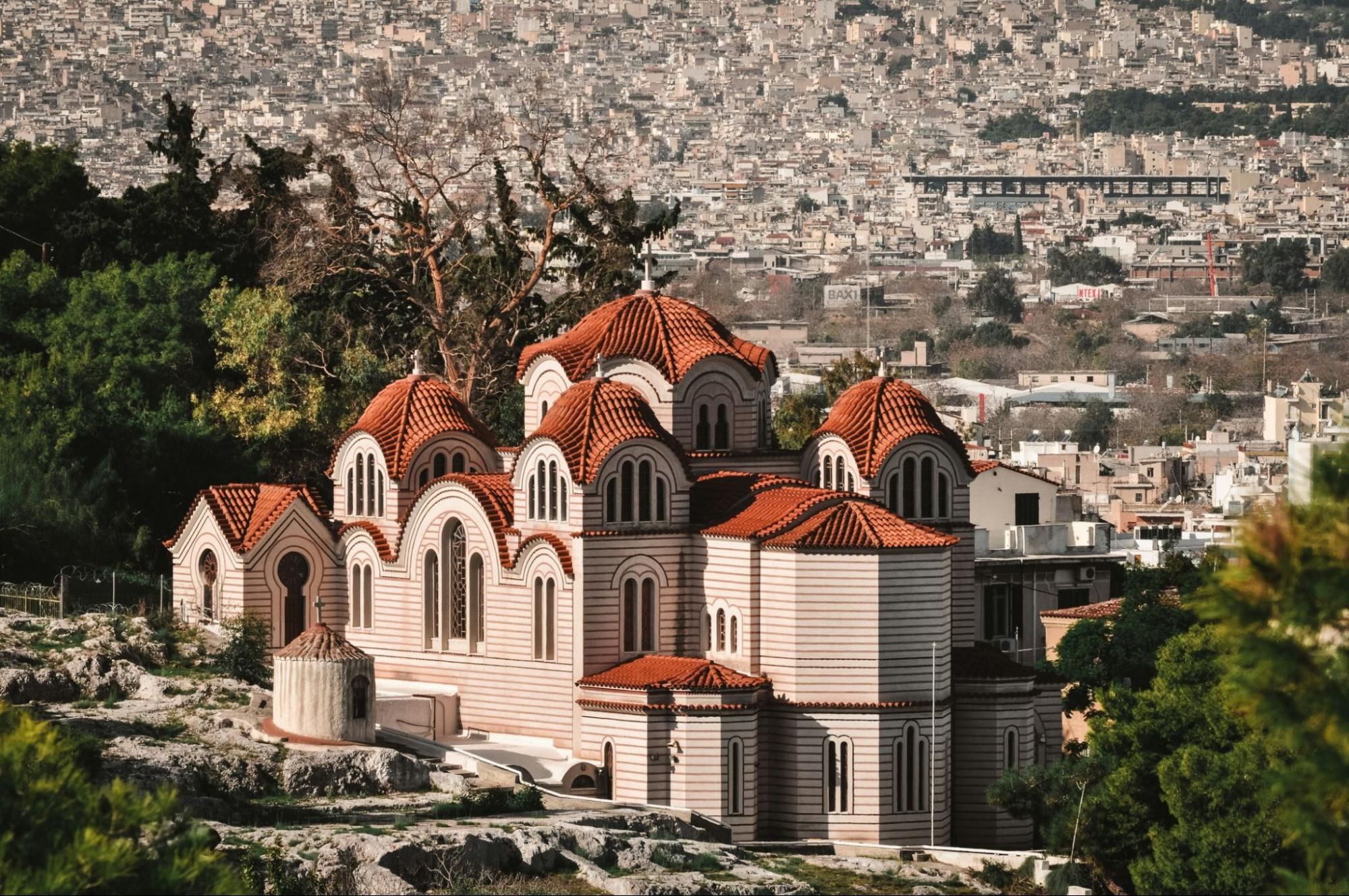 Plaka is one of the oldest continuously inhabited neighbourhoods in Athens and sits directly below the north slope of the Acropolis. It is where most first-time visitors spend the largest share of their walking time, and it is the part of central Athens that looks and feels least like a modern city.
- Old Athens character: The streets here have been in use for centuries. Parts of the neighbourhood follow the same layout they did in antiquity
- Acropolis setting: The Acropolis is visible from many points in the Plaka district, and the proximity means the ancient world is part of the background rather than a separate destination
- Narrow streets: Cobblestoned and mostly pedestrian. The smaller lanes climb steeply, and most of the interesting parts sit one or two streets away from the main routes
- Neoclassical houses: Colourful 19th-century buildings with balconies, shutters and trailing bougainvillea line the quieter streets
- Cafes and tavernas: Coffee culture is strong. Tavernas range from tourist-facing restaurants with menus in six languages to small family-run places with handwritten Greek-only menus on the side streets
- Shopping: Greek jewellery, handmade leather sandals, olive oil soaps, ceramics, embroidery and souvenirs. The range is wide, the quality varies, and the side streets tend to be better value than the main pedestrian routes
- Street atmosphere: Live music at tavernas in the evening, cats on doorsteps, the sound of cutlery from courtyards you cannot quite see into. Plaka changes character significantly after dark
- Historical character: Roman columns, Byzantine churches and Ottoman traces sit alongside residential houses and functioning restaurants. Layers of history coexist without needing a museum to explain them
Also Read: Mykonos Nightlife in 2026: Beach Parties, Clubs & Dining Spots
Where Should You Stay in Plaka?
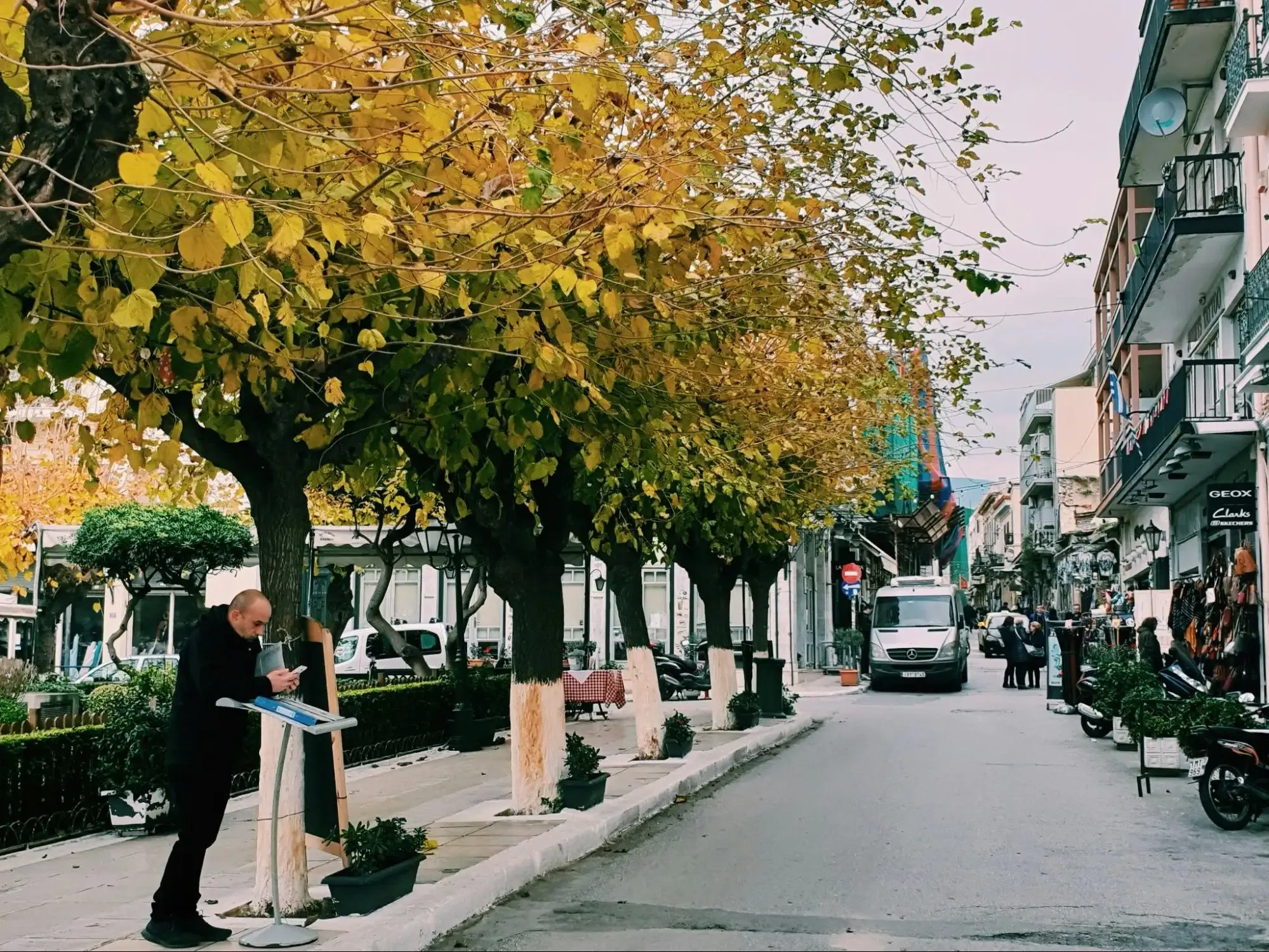 Staying in Plaka puts you within walking distance of the Acropolis, the Roman Agora, Monastiraki, Syntagma Square and most of the main Athens museums. It is the most convenient base for a first visit.
- Plaka Hotel
- AVA Hotel Athens
- Electra Palace Athens
- Hermes Hotel
- Acropolis View Hotel
Where Should You Eat in Plaka?
The main streets of Plaka (Adrianou and Kydathinaion) are lined with restaurants that wave menus at you. Some are perfectly fine. Most are overpriced for what they serve. The better food tends to be one or two streets off the main route, where the restaurants rely on locals as well as visitors.
- Scholarchio: Tripodon Street, Plaka. One of the oldest tavernas in the neighbourhood. Traditional Greek dishes at reasonable prices
- Palia Taverna tou Psarra (The Old Tavern of Psarras): Erotokritou and Erechtheos streets, upper Plaka. Open since 1898. Known for fresh fish
- Kafeneio: Epiharmou Street, Plaka. Small, local, with a regular Athenian crowd alongside the visitors
- Paradosiako: Voulis Street, near Plaka's edge. A locals' spot that serves home-style Greek food year-round. No frills, good food
- Bakaliarakia tou Damigou: Kydathinaion Street. Open since 1864. Known for battered cod with garlic sauce. Basement setting below Brettos Bar
Also Read: Top Beaches to Visit in Greece 2026
What Foods Should You Try in Plaka?
Here are a few of the most mouthwatering local dishes that tourists love to savour.
- Moussaka: The standard Greek comfort dish
- Souvlaki: Grilled meat on a skewer or wrapped in pita with tomato, onion and tzatziki
- Spanakopita: Good as a quick walk-around snack
- Greek salad: Simple and ordered at every meal
- Loukoumades: Krinos on Eolou Street (near Plaka's edge) has been selling them since 1923
- Baklava: Layered filo pastry with nuts and honey syrup. Available at most bakeries and sweet shops in the area
What Can You Buy in Plaka?
A holiday can feel incomplete when you don’t buy something to keep as a memory and remind you of the place even after you return home.
- Greek jewellery: Silver and gold pieces, often based on ancient or Byzantine designs. Adrianou Street has the widest selection
- Leather goods: Handmade sandals are the most popular purchase. Quality varies, so check the stitching before buying
- Local ceramics: Hand-painted plates, bowls and small decorative pieces. Some are mass-produced; some are genuine workshop pieces
- Olive oil products: Soaps, oils and skincare. Olive oil soap bars are light, packable and good value
- Greek food products: Oregano, thyme, honey, olives, dried herbs. Good for bringing home
- Souvenirs: Everything from postcards and fridge magnets to reproduction ancient Greek items. The side streets tend to be cheaper than the main pedestrian routes for the same products
Which Historical Attractions and Museums Should You Know?
Acropolis
The Acropolis sits directly above Plaka and is the single most important ancient site in Athens. The Parthenon, the Erechtheion and the Temple of Athena Nike are all on the summit. Tickets cost approximately €30. Go early to avoid the midday heat and the tour group crowds.
Roman Agora
A short walk from the main Plaka streets. The Tower of the Winds (an ancient octagonal clock tower) and the Gate of Athena Archegetis are the main surviving structures. Smaller and quieter than the Ancient Agora and often less crowded.
Museum of Modern Greek Culture
On Kydathinaion Street, inside Plaka itself. Houses a collection of traditional Greek textiles, embroidery, ceramics and folk objects. Compact and manageable in about an hour.
Lysicrates Monument
A 4th-century BC choragic monument on Lysikratous Street in Plaka. One of the best-preserved examples of Corinthian columns in Athens. Easy to walk past without noticing, which is why it is worth knowing about in advance.
Anafiotika
A tiny cluster of whitewashed houses clinging to the north slope of the Acropolis, directly above Plaka. Built by stonemasons from the island of Anafi in the 19th century. It looks like a Cycladic island village dropped into the middle of Athens. Most visitors walk right past the entrance without realising it is there. The staircases are steep and narrow, and the area is residential, so visit quietly.
What Should You Know Before Visiting Plaka?
The following pointers offer useful information to help you prepare better for your visit to Plaka.
- Coffee culture: Greeks take their coffee seriously. A freddo espresso (iced) or a Greek coffee (strong, unfiltered, served in a small cup) at a Plaka cafe is a good way to slow the day down. Expect to sit for longer than you would at a chain coffee shop
- Best time of day: Early morning (before 10am) for quiet streets and photography. Early evening (5pm to 9pm) for atmosphere, when the swallows fly between buildings and the tavernas open their courtyards
- Walking: Plaka is best covered on foot. The streets are mostly pedestrian, uneven and sometimes steep. Cars and taxis are not useful here
- Weather: Athens summers are hot, regularly above 35 degrees from June to August. Walking Plaka at midday in July is genuinely uncomfortable. Mornings and evenings are far better. Winters are mild (8 to 15 degrees) with occasional rain. Cobblestones can be slippery when wet
- Athens to Plaka: The closest metro station is Monastiraki (Lines 1 and 3) or Akropoli (Line 2), both about 5 to 8 minutes' walk into Plaka. From Syntagma Square, Plaka is a short walk south down Kydathinaion or Nikis Street
- Opening hours: Shops and restaurants open later than in northern Europe. Many restaurants do not start dinner service until 7 or 8pm.
- Evening atmosphere: Plaka after dark is a different neighbourhood. The fairy lights come on, the tavernas fill with music, and the Acropolis is lit above you. An evening walk through Plaka is worth doing even if you have already spent the day there
- Footwear: Flat, comfortable shoes with good grip. The cobblestones are uneven, and the steeper lanes can be slippery
- Crowds: Adrianou Street is busy by 11am in summer, particularly when cruise ships are docked in Piraeus. Step one street off the main route and the crowds thin noticeably
A Neighbourhood That Sets the Pace for Athens
Plaka in Athens is the part of the city where most first visits begin, and for good reason. The Acropolis is above you, the restaurants are around you, the shopping is between them, and the historical layers sit in the streets rather than behind glass. It works well as a base, as a walking destination and as the place you return to in the evening after a day elsewhere in the city. The best approach is to step off the main streets, go early or late, and let the smaller lanes set the pace rather than the crowd.
At Holiday Tribe, we build Athens and Plaka into structured Greece holiday packages that cover accommodation, transfers and sightseeing. If you prefer something shaped around your own pace, our holiday advisors can put together a customised plan that includes the right Athens base and whatever combination of history, islands and coastline suits how you travel. Flights are not included unless you want them added.