


Imagine you're in China, standing by a river, in June. You hear drums beating, see paddles cutting through the water, and catch the scent of sticky rice steaming in bamboo leaves. This is the Dragon Boat Festival in China, one of the world’s oldest celebrations and a highlight on the local calendar. In 2026, it falls on Friday, June 19, giving most people in mainland China a three-day holiday. Behind the races and the food is a 2,000-year-old story about loyalty, loss, and a poet who stayed true to his country. Whether you are planning a holiday in Hongkong or any parts of China or just want to know why people race painted boats and eat pyramid-shaped dumplings, here is what you need to know, from the festival’s history and food to tips for a smooth visit.
What Is the Dragon Boat Festival in China?
The Dragon Boat Festival in China, called Duanwu Jie in Mandarin and Tuen Ng in Cantonese, takes place on the fifth day of the fifth lunar month. It is also known as the Double Fifth Festival, and some people jokingly call it Zongzi Jie because of its famous food. Many travellers who search for "dragon day in China" are actually looking for this festival.
The festival is mainly about honouring a well-loved poet, protecting against summer sickness, and bringing families together to share food and spend time by the water. Along with Spring Festival, Tomb-Sweeping Day, and Mid-Autumn Festival, it is one of China’s four major traditional holidays. This makes it perhaps the most famous festival in China after Lunar New Year.
What Is the Story Behind the Famous Dragon Boat Festival in China?
Rewind to 278 BCE, during the Warring States period in China, Qu Yuan was a poet and statesman in the state of Chu, remembered for his loyalty and poetry. He stood strong against the powerful state of Qin, making it impossible for them to conquer Chu. This earned him jealous and corrupt rivals who accused him of betraying his country. This led to his banishment from the state.
According to tradition, later on, when Qin forces captured Chu’s capital, Ying, Qu Yuan drowned himself in the Miluo River out of grief on the fifth day of the fifth lunar month. Local people hurried out in boats, beat drums, splashed water to protect his body, and threw rice into the river to keep fish away. These acts became part of the Dragon Boat Festival, which now includes dragon boat races and eating zongzi. While historians believe the festival also has older seasonal and dragon-worship roots, Qu Yuan remains its most well-known figure.
Why Is China So Obsessed With Dragons?
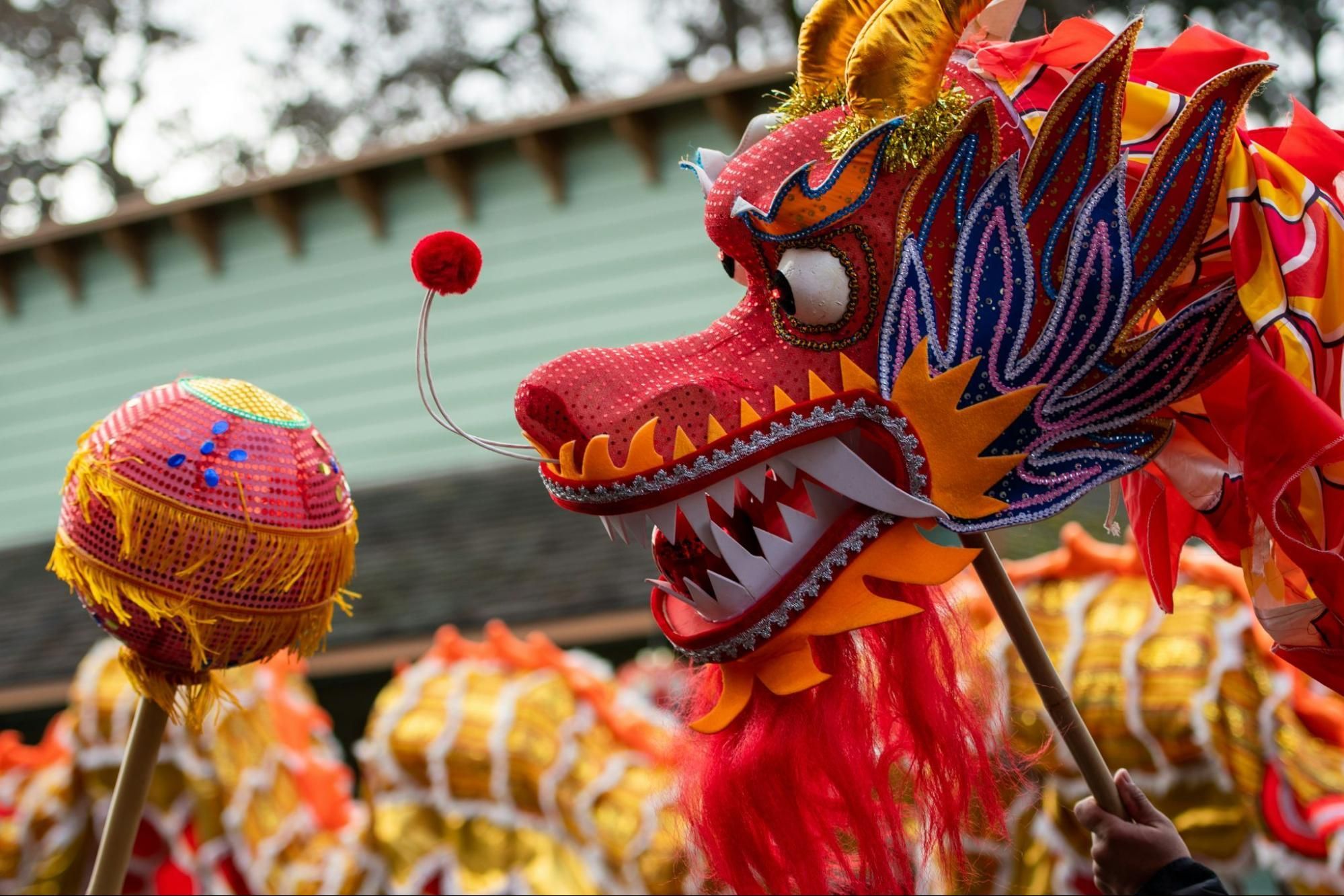
This is one of the most commonly searched questions about the famous festival in China, and the answer is quite charming. In Chinese culture, the dragon is not seen as a fire-breathing villain but as a kind symbol of water, rain, power, and good luck. Long ago, farmers prayed to dragon gods for rain, and emperors decorated their robes and thrones with dragon designs. The painted boats, with dragon heads at the front and tails at the back, reflect this deep respect. So, the fascination is really about honouring the dragon, not fearing it.
When Is the Dragon Boat Festival 2026, and How Long Does It Last?
Mark your calendar: the Dragon Boat Festival in 2026 is on Friday, 19 June. Mainland China has a three-day public holiday from 19 to 21 June, while Hong Kong, Macau, and Taiwan each have one day off.
How long does the Chinese Dragon Boat Festival in China last? The main celebration happens on one lunar date, but preparations like soaking leaves and training rowing teams start during the first week of the fifth lunar month. The festival date changes each year because it follows the lunar calendar.
Year | Date |
2026 | 19 June |
2027 | 9 June |
2028 | 28 May |
What Do People Eat During the Dragon Festival in China?
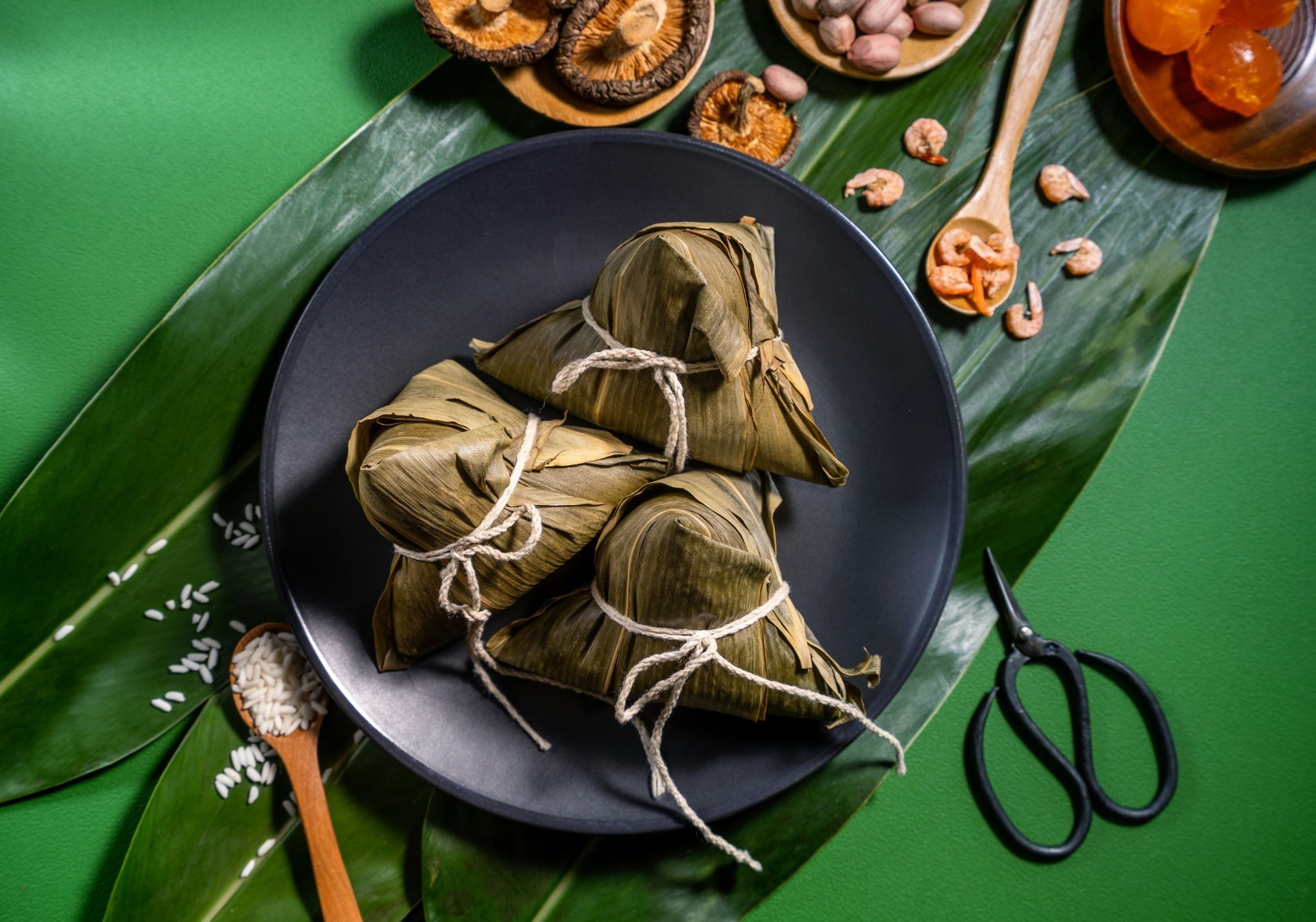
Food is the soul of the Dragon Festival in China, and the main highlight is zongzi. These are glutinous rice parcels wrapped in bamboo or reed leaves, shaped into neat pyramids, and steamed. This is also when regional pride comes into play.
North China: Sweet, stuffed with red bean paste or jujube dates. Beijing favours a red-date version.
South China: Savoury, filled with salted egg yolk and fatty pork. Jiaxing's pork zongzi is nationally famous.
Cantonese style: The most loaded, with pork belly, dried scallop, mushroom, chestnut and salted egg yolk.
Modern stalls: Spicy crayfish, Kung Pao chicken and even luosifen-filled zongzi for the brave.
Besides the dumplings, you should also try these:
- Eel is so valued in early summer that an old saying claims eating it now is even better than ginseng. (Ginseng is a medicinal root that has been used for centuries in East Asian traditional medicine)
- Salted duck eggs and tea eggs are sometimes placed in small net bags and hung around children's necks for good luck.
- In the lower Yangtze region, the "Five Yellows" are yellow croaker, eel, cucumber, salted duck egg yolk, and Realgar wine.
Here's a quick note about that last tradition. Realgar wine, or xionghuangjiu, was once a common drink during the Dragon Boat Festival. People believed it could protect them from illness, snakes, and other dangers. Because realgar has arsenic, drinking it has mostly stopped today. In some areas, the tradition continues in a symbolic way, like putting a little on a child's forehead or using it in other festival customs instead of drinking it.
What Other Traditions Should You Look Out For?
People hang mugwort and calamus on their doors because their strong scent is thought to keep away insects and bad luck.
Children often wear small, embroidered pouches filled with fragrant herbs as charms for protection.
There is also an egg-balancing game played at solar noon, when yang energy is believed to be strongest. People try to stand a raw egg upright, and if they succeed, it is said to bring a year of good luck. Surprisingly, it works more often than you might think.
Where Can You Watch the Best Dragon Boat Races?
The races are truly a sight to see and make the holiday worthwhile. Here are a few places that stand out:
Place | Why Go |
Yueyang, Hunan | Beside the Miluo River where Qu Yuan died; the spiritual home of the festival |
Yichang and Jingzhou, Hubei | Qu Yuan's home province, rich in ceremony and heritage |
Guangzhou and the Pearl River Delta | Big, lively city races with deep Cantonese roots |
Hong Kong | International crews, harbour-side crowds and a carnival mood |
Tribe Travel Tip: The three-day holiday is one of the busiest times for travel all year. To avoid last-minute stress, try to book your hotels and inter-city trains about four to six weeks in advance. If you want a good spot by the river, get there by mid-morning before the crowds arrive.
What Should First-Time Travellers Know?
A bit of preparation can make your holiday much smoother. Here’s a quick guide to help you get started:
- China’s population is about 1.4 billion (2025), making it one of the most crowded countries. It’s a good idea to book popular attractions and hotels ahead of time.
- The currency in China is the renminbi (RMB), and its unit is the yuan (¥). People often call it "kuai" when talking informally.
- Most people use mobile apps like Alipay and WeChat Pay for daily purchases, and visitors can usually connect their international cards. It’s still smart to keep some cash handy for small vendors and street food stalls.
- June is hot and humid in most places, so bring light, breathable clothes and try to do outdoor activities in the morning or evening.
Planning Your Getaway With Holiday Tribe
The Dragon Boat Festival in China brings together history, sport, and street food along the riverbank. Plan your visit for 19 June 2026, try zongzi, and enjoy the lively drumbeats.
If you want to avoid the hassle of planning, we can help. Holiday Tribe creates Hong Kong holidays based on your interests, from race-day spots by the harbour to local markets, city views, and great food. Our advisors handle hotels, transfers, sightseeing, and local experiences. Just share your dates, and we’ll take care of everything else.