

Travelling between cities in Japan is an experience in itself. The bullet train in Japan, known as the Shinkansen, links Tokyo, Kyoto, Osaka, Hiroshima, and many other cities at speeds up to 320 km/h. By 2026, the Shinkansen (bullet train, Japan) network covers over 3,000 km of high-speed track, making it easy to visit several major cities in just a few hours.
This guide covers how the Shinkansen works, Japan bullet train’s speed, the number of lines, ticket prices and the JR Pass, what the trains are like inside, top destinations, and useful travel tips.
What Is the Bullet Train in Japan?
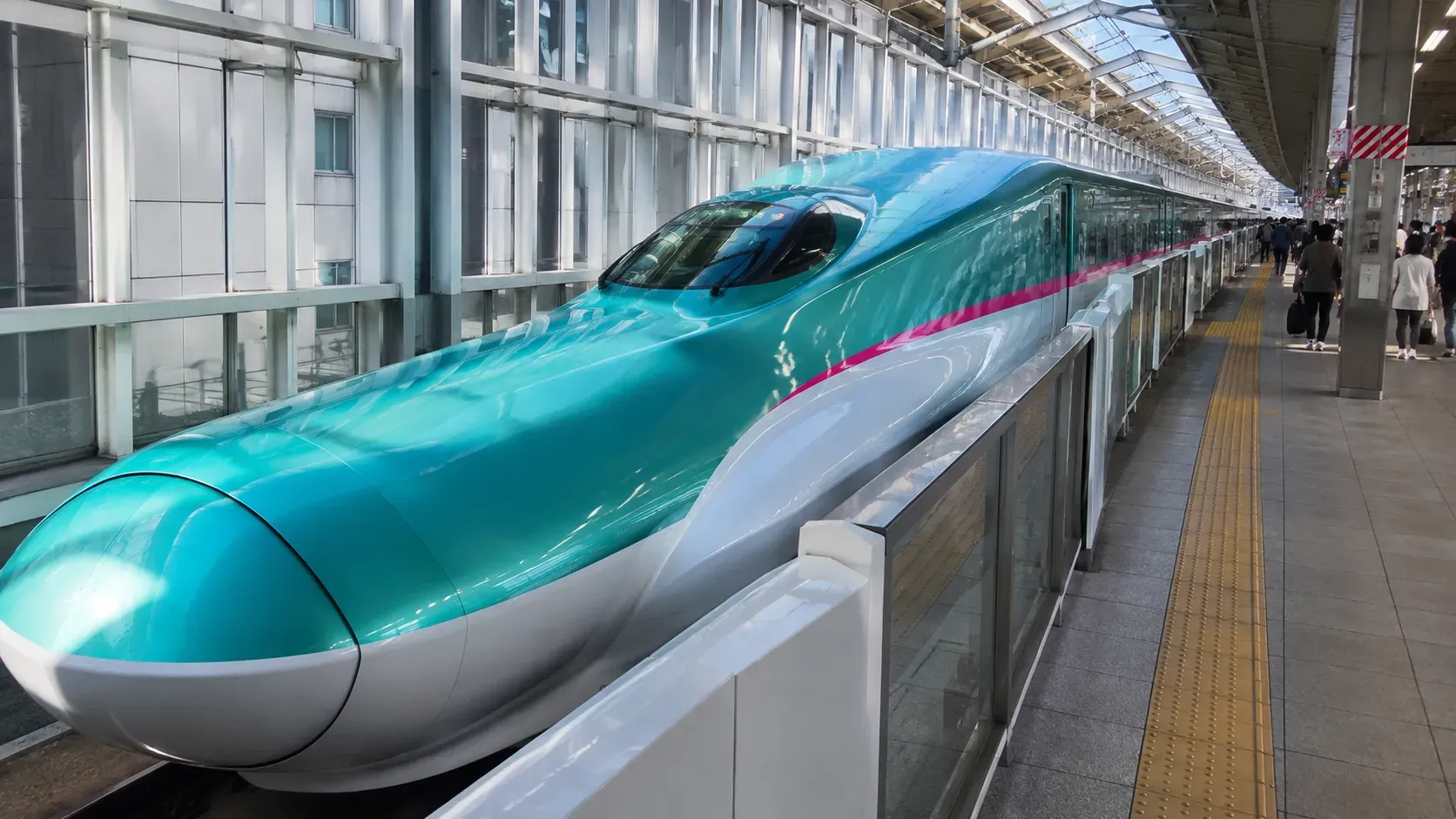
The bullet train in Japan is officially called the Shinkansen, a Japanese term literally meaning “new main line”. It is operated by the Japan Railways (JR) Group, which includes five regional operators: JR East, JR Central, JR West, JR Kyushu, and JR Hokkaido.
The first bullet train in Japan launched on 1 October 1964, between Tokyo and Osaka on the Tokaido Shinkansen, nine days before the opening ceremony of that year's Tokyo Olympics. It is widely recognised as the world's first high-speed rail system. The network of bullet trains (Japan) has grown significantly since then, now spanning over 3,000 km of dedicated track across the islands of Honshu, Hokkaido, and Kyushu.
The Shinkansen is famous for being on time. On average, trains are delayed by only a few seconds each year.
Detail | Information |
Launched | 1 October 1964 (Tokaido Shinkansen) |
Operator | JR Group (JR East, JR Central, JR West, JR Kyushu, JR Hokkaido) |
Total Track Length | 3,000+ km (as of 2026) |
Maximum Speed | 320 km/h |
Operating Hours | Approximately 6am to midnight (varies by line) |
What Is Japan Bullet Train Speed and How Many Lines Are There?
Japan's bullet train speed depends on the line and service. The fastest trains, the E5 and H5 series on the Tohoku Shinkansen, reach up to 320 km/h on the Hayabusa service.
The Hayabusa is the fastest bullet train in Japan, running between Tokyo and Shin-Aomori. On other lines, Japan bullet train speeds range between 240 km/h and 285 km/h, so you can easily travel between major cities in one day.
How many bullet trains are there in Japan? As of 2026, there are 9 main Shinkansen lines. The Nishi-Kyushu Shinkansen is an additional newer route connecting Takeo-Onsen and Nagasaki.
Line Name | Key Route | Main Train Services | Max Speed |
Tokaido | Tokyo to Shin-Osaka | Nozomi, Hikari, Kodama | 285 km/h |
Sanyo | Shin-Osaka to Hakata | Nozomi, Hikari, Sakura | 300 km/h |
Kyushu | Hakata to Kagoshima-Chuo | Sakura, Tsubame | 260 km/h |
Tohoku | Tokyo to Shin-Aomori | Hayabusa, Yamabiko | 320 km/h |
Hokkaido | Shin-Aomori to Shin-Hakodate-Hokuto | Hayabusa | 260 km/h |
Hokuriku | Tokyo to Tsuruga | Kagayaki, Hakutaka | 260 km/h |
Joetsu | Tokyo to Niigata | Toki, Tanigawa | 240 km/h |
Akita | Tokyo to Akita (via Tohoku) | Komachi | 130 km/h (shared track) |
Yamagata | Tokyo to Shinjo (via Tohoku) | Tsubasa | 240 km/h |
The network of bullet trains in Japan stretches from the southern tip of Kyushu all the way to Hokkaido in the north.
What Is the Bullet Train Ticket Price in Japan?
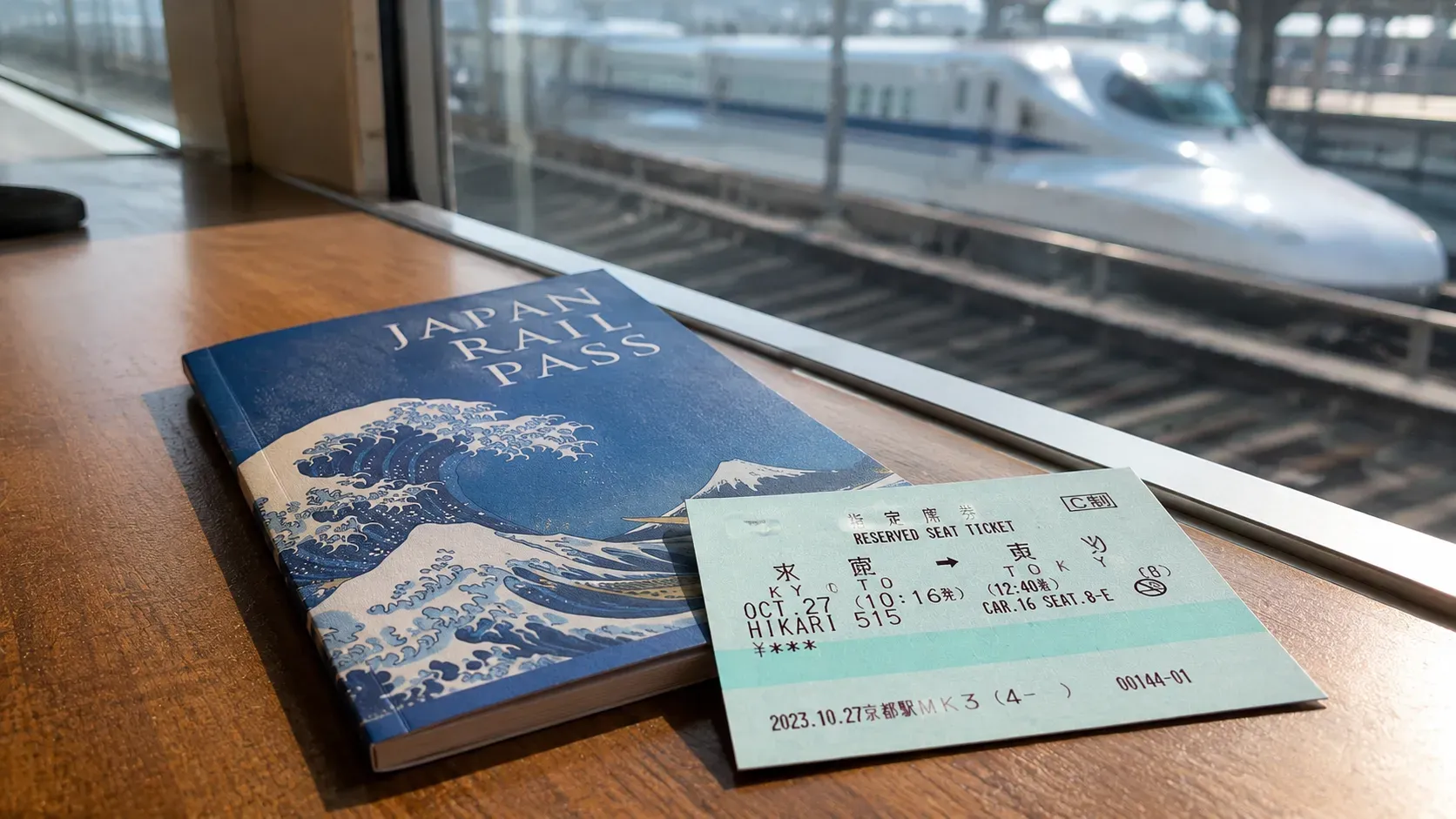
Bullet train ticket prices in Japan vary. The cost depends on how far you travel, which train service you use (like Hikari, Nozomi, or Hayabusa), and your seat class. Each ticket includes a base fare and a limited express surcharge.
Below are the key 2026 one-way fares for reserved seats on popular routes. INR conversions are approximate.
Route | Train Service | Approx. Fare (¥) | Approx. Fare (INR) | Journey Time |
Tokyo to Kyoto | Hikari | ¥13,850 | INR 8,300 | 2 hrs 15 min |
Tokyo to Shin-Osaka | Hikari | ¥14,720 | INR 8,800 | 2 hrs 30 min |
Tokyo to Hiroshima | Hikari | ¥19,590 | INR 11,700 | 3 hrs 50 min |
Tokyo to Hakata (Fukuoka) | Hikari/Sakura | ¥22,950 | INR 13,700 | 5 hrs |
Shin-Osaka to Hiroshima | Kodama/Hikari | ¥10,560 | INR 6,300 | 1 hr 30 min |
Tribe Travel Tip: Fares are based on official JR fare information. Always check the official JR Pass website before booking, as prices and reservation policies may change.
The bullet train Japan JR Pass is an alternative worth calculating for longer itineraries. It covers unlimited rides on most Shinkansen lines for 7, 14, or 21 consecutive days. The pass does not cover Nozomi services on the Tokaido and Sanyo lines or Mizuho services, but JR Pass holders can use Hikari services on the Tokaido and Sanyo lines as the covered alternative to Nozomi, typically adding 30 to 50 minutes to the journey.
Important for 2026 travellers: From 1 October 2026, JR Pass prices increase through overseas agents. Purchasing through the official Japan Rail Pass website before that date, or while promotional pricing lasts, locks in the current rate. Check the official site for the latest pricing window. Activate the pass at any major JR ticket office on arrival by presenting your passport.
What Is Bullet Train Japan Inside Like?
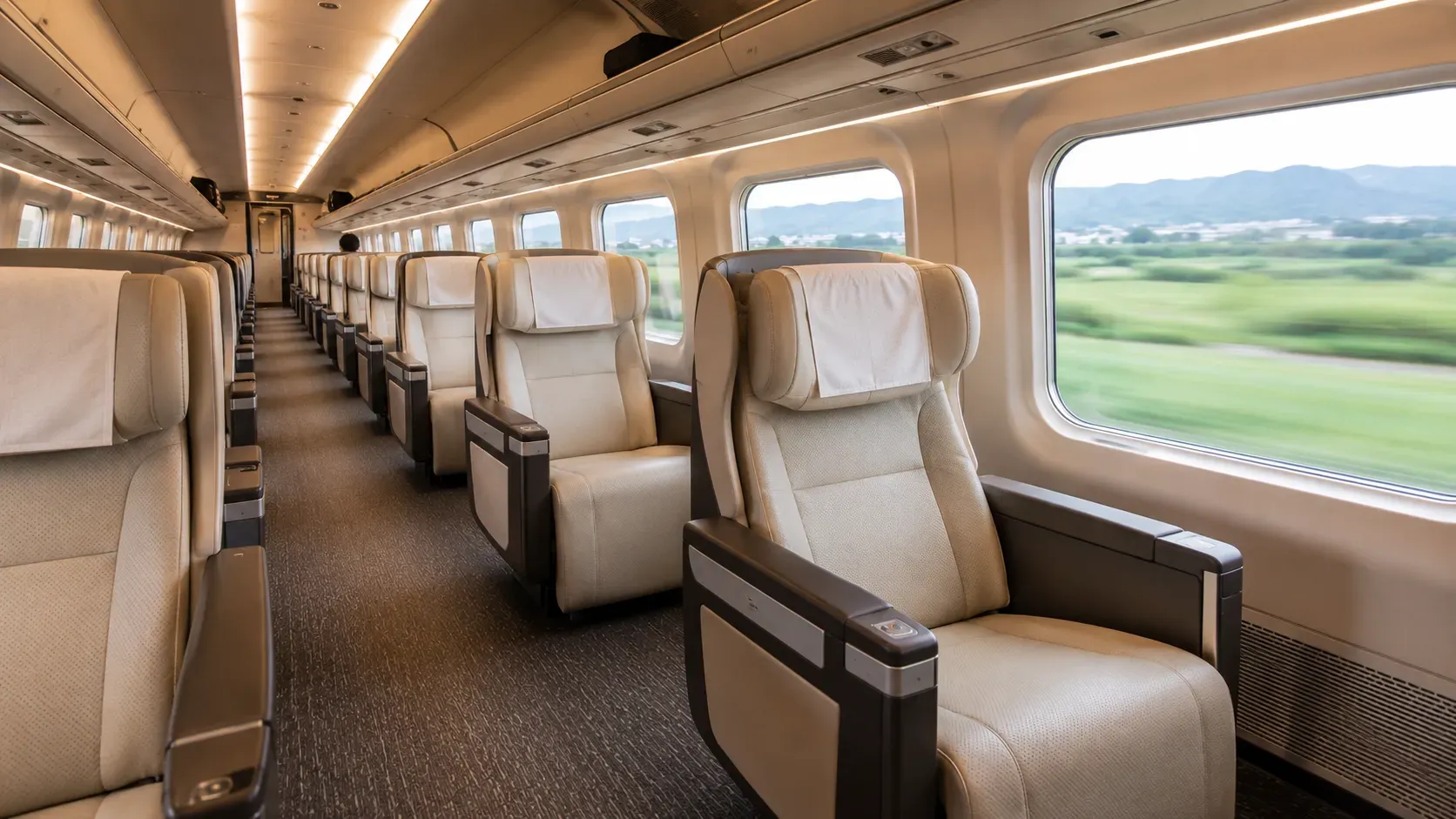
Inside, the bullet train (Japan) is clean, quiet, and well-kept. Every carriage has air conditioning, forward-facing seats, and overhead luggage storage. Even at speeds over 300 km/h, the ride feels smooth unless you look out the window.
There are three seat classes on the bullet train in Japan:
Seat Class | Covered by JR Pass? | Key Features | Best For |
Ordinary Class | Yes | 3-2 seating, reclining seats, free Wi-Fi on most routes | Most travellers; good comfort at standard fare |
Green Car | Yes (with Green Car pass upgrade) | Wider seats, footrests, more legroom, reserved only | Those wanting more space on longer journeys |
GranClass | Partially (surcharge applies) | Seats recline nearly flat, meals and drinks served, available on E5/H5 series (Tohoku and Hokkaido lines) and E7/W7 series (Hokuriku and Joetsu lines) | Premium comfort; available on the fastest bullet train in Japan routes |
You can eat and drink on board. Picking up a station ekiben (bento box) before boarding is part of the Shinkansen tradition and something most regular travellers do. Stalls and kiosks inside major stations sell hot and cold options close to the platform gates.
Bullet train Japan inside etiquette: keep your voice down, set your phone to silent, and avoid making calls in the main carriage. If your luggage is over 160 cm, you need to reserve a special luggage space at the back of certain carriages.
Which Destinations Can You Reach by Bullet Train?
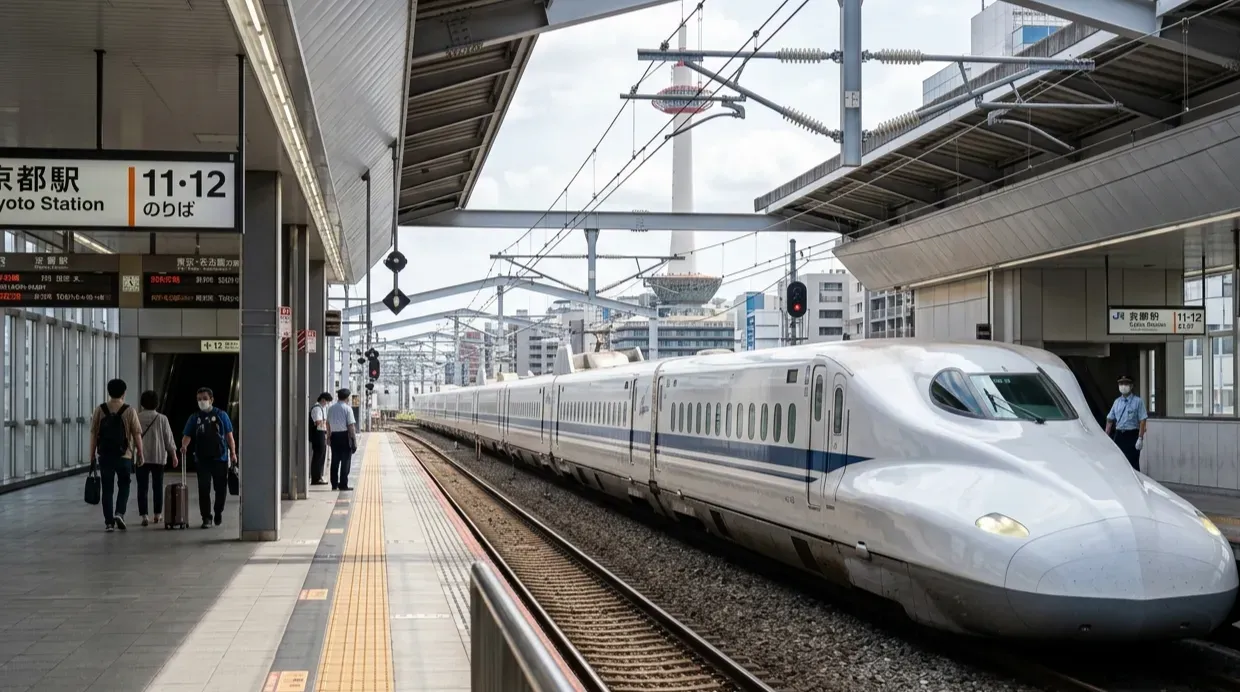
The bullet train in Japan makes multi-city travel genuinely practical. The 9 lines cover many bullet train routes across Honshu, Kyushu, and Hokkaido; most major destinations are just a few hours from Tokyo.
Also read: Our complete guide on Tokyo weather and Things to do in Tokyo.
City | Journey from Tokyo | Key Attraction within 30 min of Station |
Kyoto | 2 hr 15 min (Hikari) | Fushimi Inari Taisha (5 min by JR Nara Line local train from Kyoto Station); Nishiki Market (15 min walk) |
Hiroshima | 4 hr (Hikari) | Peace Memorial Museum (2km from station); Hiroshima Castle (2km) |
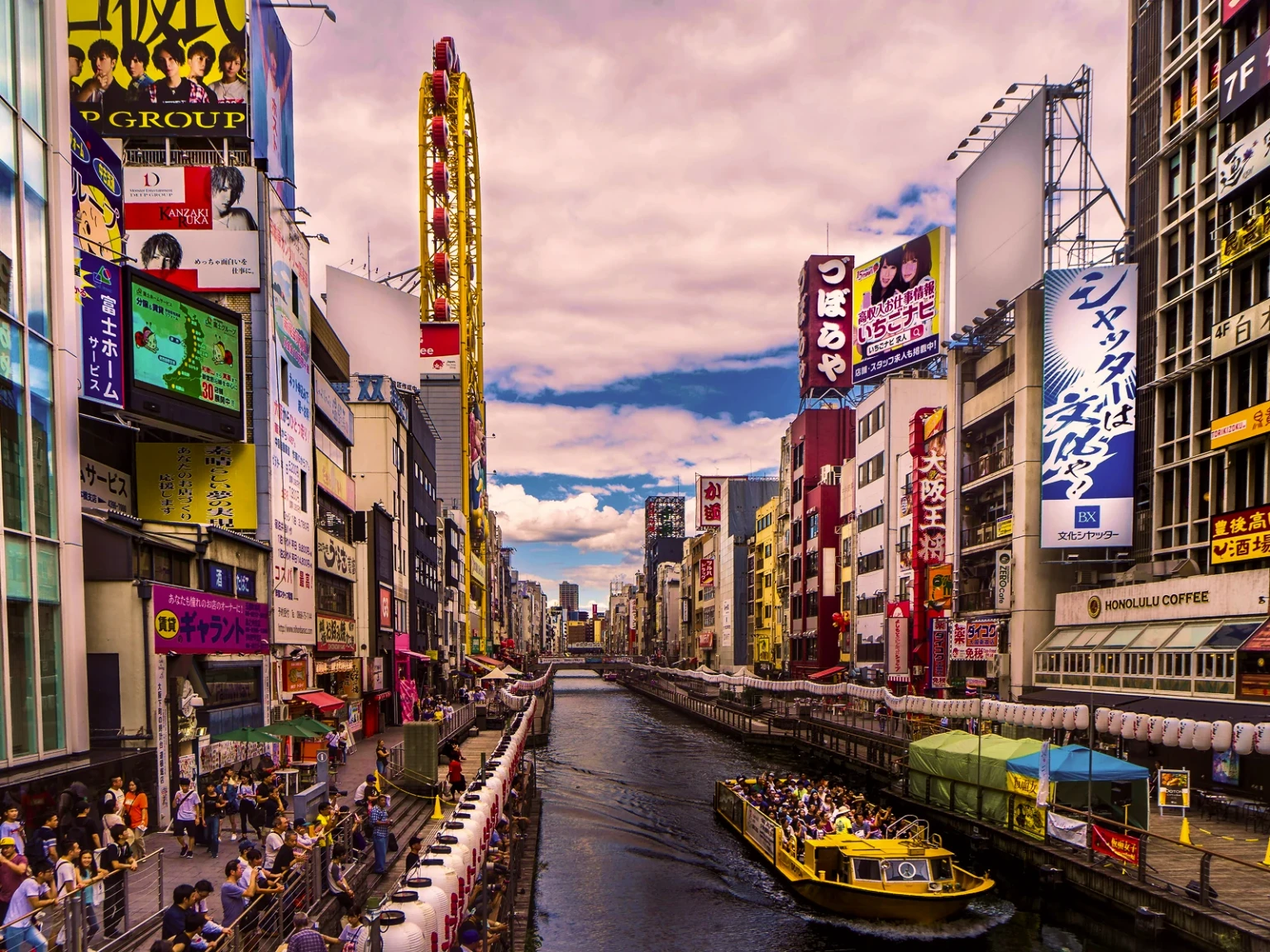
Osaka (Shin-Osaka) | 2 hr 30 min (Hikari) | Dotonbori (20 min by metro); Osaka Castle (25 min by metro) |
Kanazawa | Approx. 2 hr 30 min (Kagayaki, Hokuriku Shinkansen) | Kenroku-en Garden (15 min walk); Higashi Chaya district (20 min) |
Toyama | 2 hr 10 min (Hokuriku line) | Shirakawa-go (50 min by bus); Japanese Alps access |
Hakata (Fukuoka) | 5 hr (Hikari/Sakura) | Hakata Old Town (10 min walk); Ohori Park (15 min by metro) |
Note: Since March 2024, the Hokuriku Shinkansen has extended beyond Kanazawa to Tsuruga, with Kagayaki services reaching Tsuruga in approximately 3 hr 8 min from Tokyo.
Tribe Travel Tip: Hakata to Hiroshima is around 1 hour on the Sakura service, making same-day connections across western Honshu easy.
Many of these destinations, including Kyoto, Osaka and Hiroshima, are easy to combine into one itinerary when travelling by Shinkansen.
What Tips Should You Know Before Riding the Bullet Train?
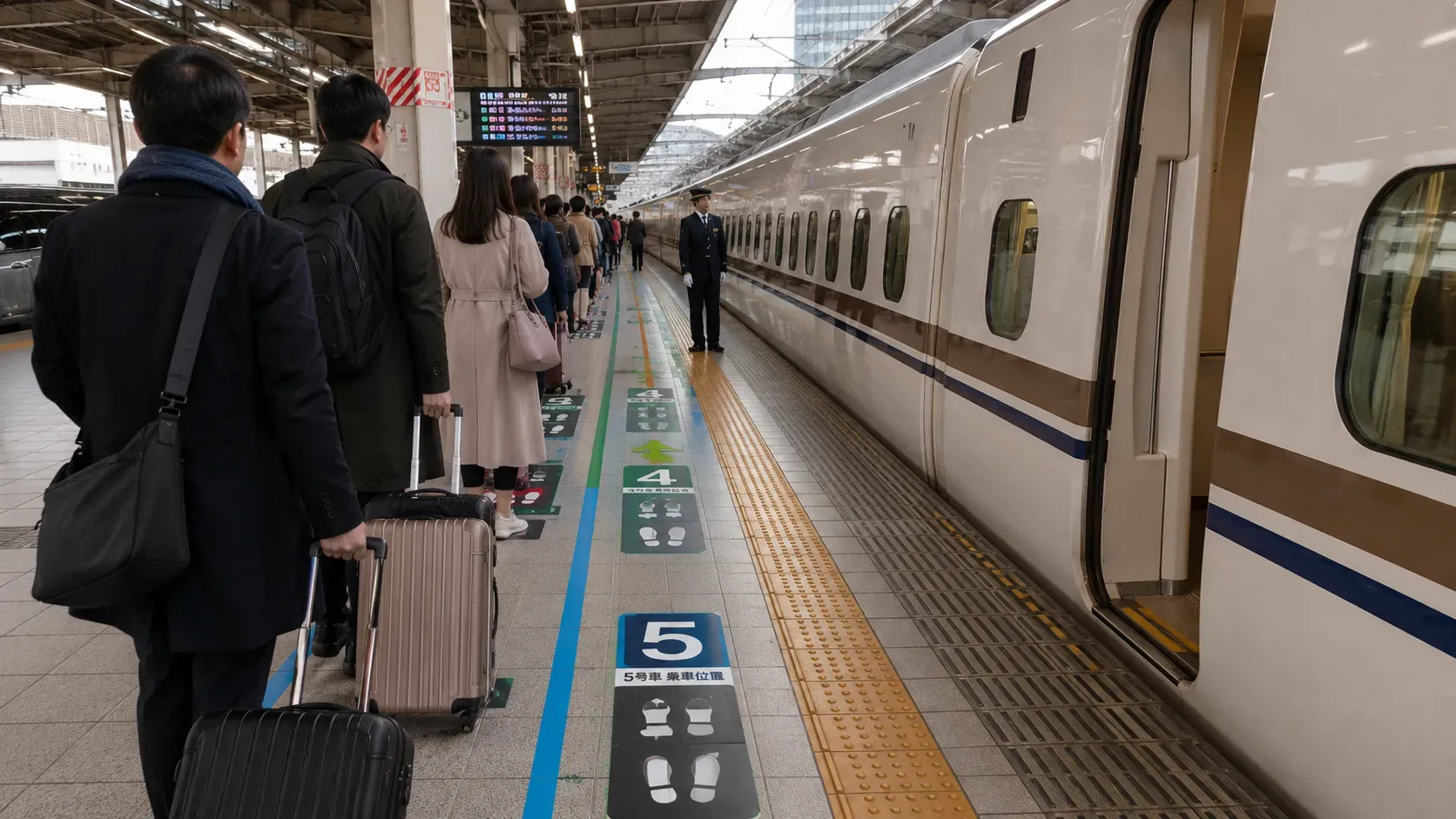
A few simple habits can make your bullet train Japan experience much smoother, especially if you are riding the Shinkansen for the first time.
- Reserve seats in advance: Cherry blossom season (late March to early April) and Obon (mid-August) are peak periods; carriages fill quickly. JR Pass holders can make seat reservations for free at any JR ticket office or green-screen reservation machine.
- Arrive at the platform early: Shinkansen trains leave exactly on schedule. Platform floor markings show exactly where each carriage door will stop; standing in the right position saves time boarding.
- Get an IC card on arrival: SUICA (Tokyo) and ICOCA (Osaka/Kyoto) are contactless cards that work on local trains, buses, and at convenience stores across most destinations. Top up at any JR station.
- Compare routes before buying the JR Pass: Use the official Japan Rail Pass calculator to determine if your itinerary justifies using the pass instead of individual tickets. Always verify current bullet train ticket prices in Japan on the official site before booking.
- Check luggage dimensions: On the Tokaido, Sanyo and Kyushu Shinkansen routes, luggage larger than 160 cm (total dimensions) requires a reserved oversized baggage seat. A ¥1,000 handling fee applies if you board without the required reservation.
Final Takeaway
The bullet train in Japan makes the country feel much smaller. Thanks to its speed and punctuality, you can easily travel between Tokyo, Kyoto, Osaka, Hiroshima, and Fukuoka in just one day.
The Shinkansen is fast, comfortable, and always on time, making it one of the best ways to see several Japanese cities during your holiday. The JR Pass covers most routes, and booking seats is easy once you arrive.
If you want a custom itinerary for your Japan getaway, Holiday Tribe's travel advisors can help plan every city and stay for you.