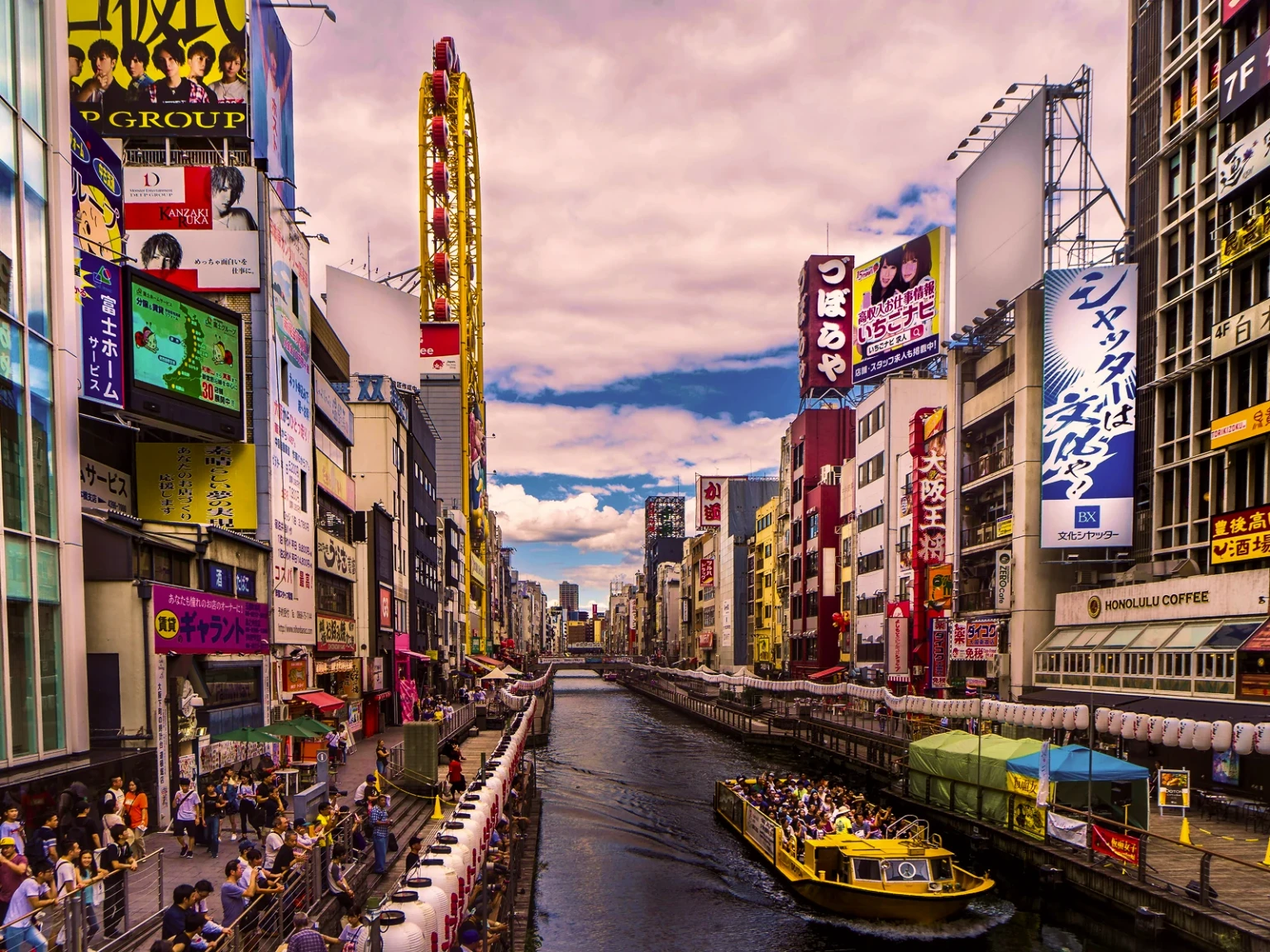


Japan has introduced its biggest revision to visa fees in decades, with new charges taking effect on 1 July 2026 for most nationalities applying for visas. While the revised structure affects many applicants worldwide, Indian passport holders continue to benefit from a separate fee arrangement confirmed by the Embassy of Japan in India. Alongside the revised visa fees, Japan has also announced changes affecting international travellers and certain long-term visa categories.
In this guide, you'll find the latest Japan visa updates, what the new fee structure means for Indians, the departure tax changes, business manager visa revisions, and the steps Indian travellers should take before applying.
What Changed in Japan's New Visa Fee Structure?
The Japan tourist visa update came into effect on 1 July 2026. Japan's Cabinet approved the revision on 19 June 2026, and it applies to all visa applications submitted at Japanese diplomatic missions on or after that date.
The revision marks a significant increase in Japan's visa fee structure. The Japan visa application fee has now been set five times higher than before:
- Single-entry visa: ¥3,000 (old) - ¥15,000 (new)
- Multiple-entry visa: ¥6,000 (old) - ¥30,000 (new)
Applications fully accepted and completed before 30 June 2026 are processed under the old fee. Any application submitted on or after 1 July 2026 follows the new structure as part of the latest Japan visa updates.
The revised visa fees apply to applicants who are required to pay Japan's standard visa fee, unless a country-specific arrangement or exemption applies. Applicants should check the Japanese embassy or consulate serving their place of application for the applicable fee.
What Do Japan Visa Fees for Indians Mean?
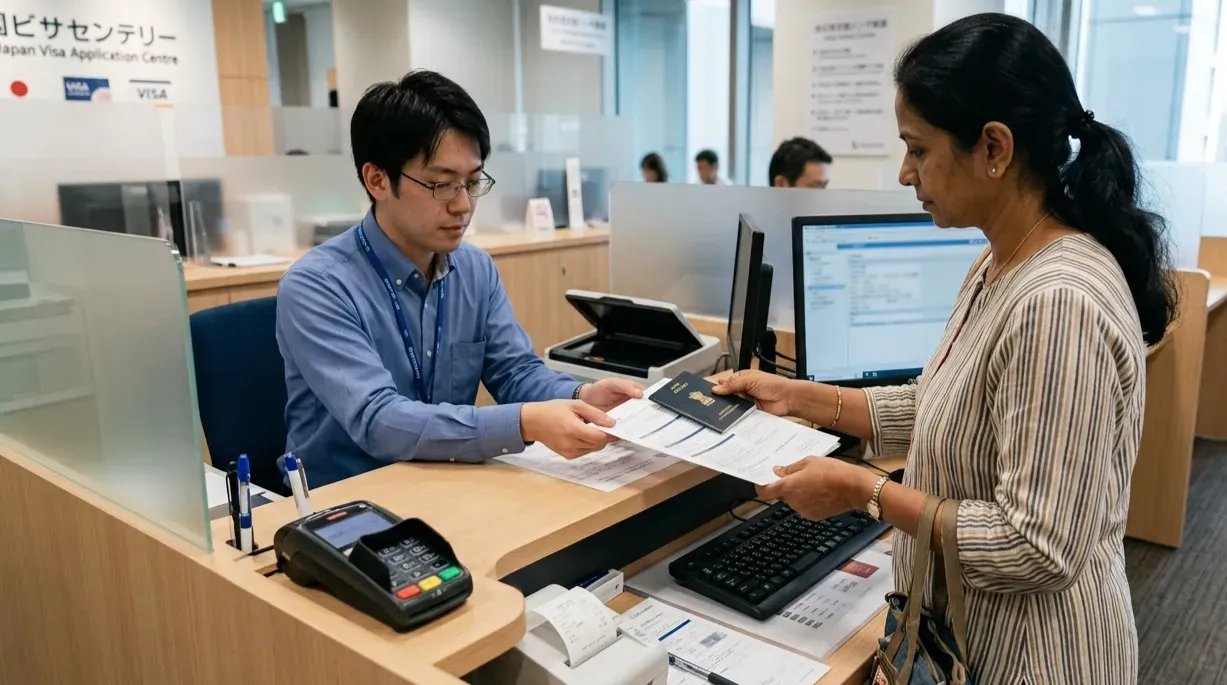
The most important part of these Japan visa updates for Indian readers: Indian passport holders are exempt from the fee hike.
The Embassy of Japan in India has confirmed that Japan visa fees for Indians remain at INR 500 for both single-entry and multiple-entry short-term visas. The official embassy fee continues to be payable in Indian rupees.
The visa cost for Japan from India for Indian nationals remains INR 500 as the official embassy visa fee. If you choose to use a visa assistance service, additional service charges may apply separately.
For non-Indian passport holders applying at Japanese missions in India, the revised rates are approximately INR 8,650 for a single-entry visa to Japan and INR 17,350 for a multiple-entry visa. These are the new rates in force from 1 July 2026.
Japan's e-Visa for eligible Indian applicants is also unaffected. The official embassy fee of INR 500 continues to apply.
Tribe Travel Tip: The embassy visa fee is payable when you submit your visa application. If a visa is not issued, the embassy visa fee is generally not charged.
How Has the Japan Visa Application Fee Changed?
Here is how the new Japan visa application fee compares to the previous fee structure across nationalities. The difference for most visa-required nationalities is significant, while Japan’s visa fees for Indians remain unchanged.
Visa Type | Old Fee (¥) | New Fee (¥) | INR Equivalent (New, approx.) | Applies to Indians? |
Single-entry | ¥3,000 | ¥15,000 | INR 8,650 | No |
Multiple-entry | ¥6,000 | ¥30,000 | INR 17,350 | No |
Indian nationals (single or multiple) | ¥500 equivalent | No change | INR 500 | Yes |
Tribe Travel Tip: The visa cost for Japan from India for Indian nationals refers to the official embassy visa fee of INR 500.
What Is Japan's New Departure Tax?
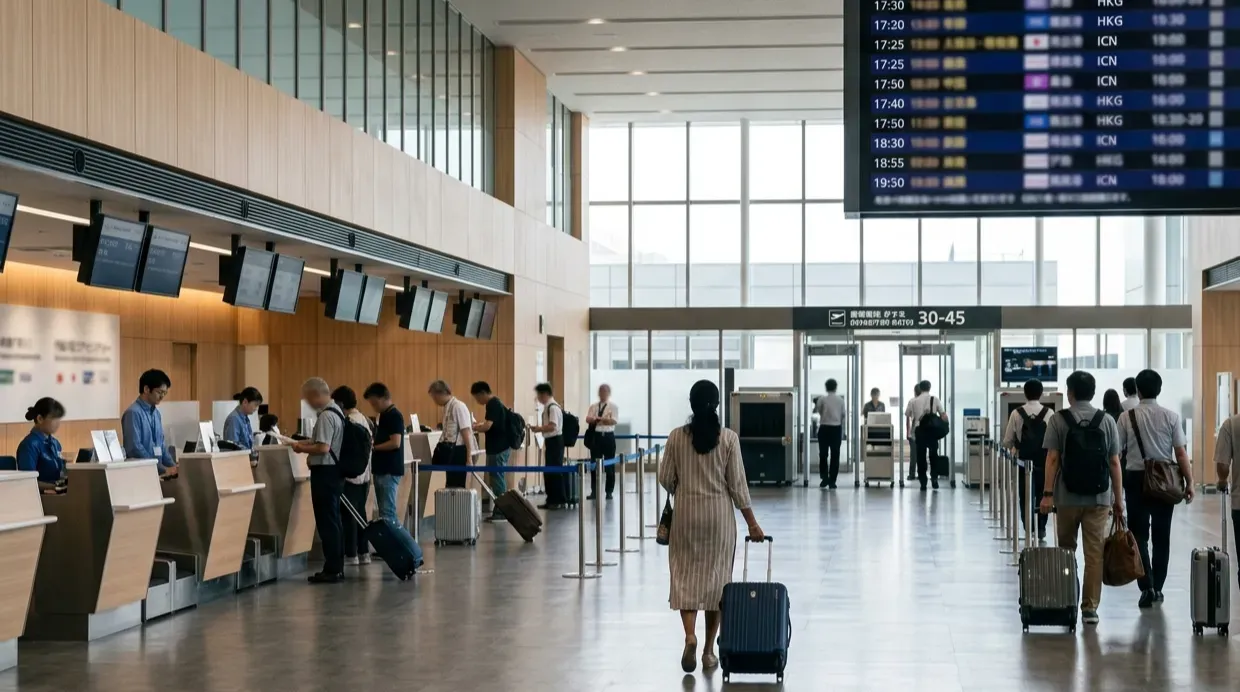
Separate from Japan's new visa update on tourist fees, Japan has tripled its departure tax. The change came into effect on 1 July 2026, the same date as the Japan visa updates on tourist visa fees.
Every person leaving Japan now pays ¥3,000 per departure. This covers Indian tourists, Japanese citizens and business travellers. The additional ¥2,000 per departure works out to approximately INR 1,150 at current exchange rates.
The funds are directed toward managing overtourism and improving infrastructure in high-footfall areas. If your itinerary involves leaving and re-entering Japan, the cost applies each time.
This is not an update on Japanese tourist visas but a separate travel tax. It is separate from the visa application process and is collected at the point of departure.
Departure tax: old vs new
- Old rate: ¥1,000 per person, per departure (all travellers)
- New rate: ¥3,000 per person, per departure (all travellers, from 1 July 2026)
- Increase: ¥2,000 additional, approximately INR 1,150
- Who pays: Everyone departing Japan, including Indian tourists, Japanese nationals, and business travellers. Transit passengers departing within 24 hours of arrival are exempt, as are children under 2.
- When it applies: Every time you depart Japan; applies per departure, not per holiday.
- Purpose: Funds directed toward overtourism management and high-footfall infrastructure
What Changed for Business Manager Visa Holders?
Japan’s latest visa update also covers changes well beyond tourist fees. Japan has significantly tightened its rules for business manager visa holders, affecting foreign entrepreneurs living and working in the country.
Three key changes came into effect on 16 October 2025:
- The capital requirement has been raised to ¥30 million. Existing holders have until 16 October 2028 to comply.
- Visa holders must now employ at least one full-time employee who is a Japanese national, Special Permanent Resident, Permanent Resident, spouse/child of a Japanese national or Permanent Resident, or Long-Term Resident.
- A Japanese language requirement has been added. The applicant or a full-time employee must meet one of the following: JLPT N2 or above, BJT score of 400+, graduation from a Japanese university, completion of Japanese high school education, or 20+ years of continuous residence in Japan.
The Ministry of Justice will assess individual cases but has no plan to reverse these rules. The shift in Japan’s visa fees and residency requirements together indicates broader changes to Japan's immigration policy.
Requirement | Old Rule | New Rule (from 16 October 2025) |
Minimum capital | Previous threshold | ¥30 million (INR 1.75 crore) |
Japanese employee | Not required | At least 1 Japanese national, special permanent resident, permanent resident, or long-term resident |
Grace period for existing holders | N/A | Existing holders have until 16 October 2028 to comply with the new requirement |
Japanese language requirement | Not required | JLPT N2 or above, or other accepted proof (see above) |
Entry route | Business manager visa | Same; conditions now stricter |
What Should Indian Travellers Do Now?
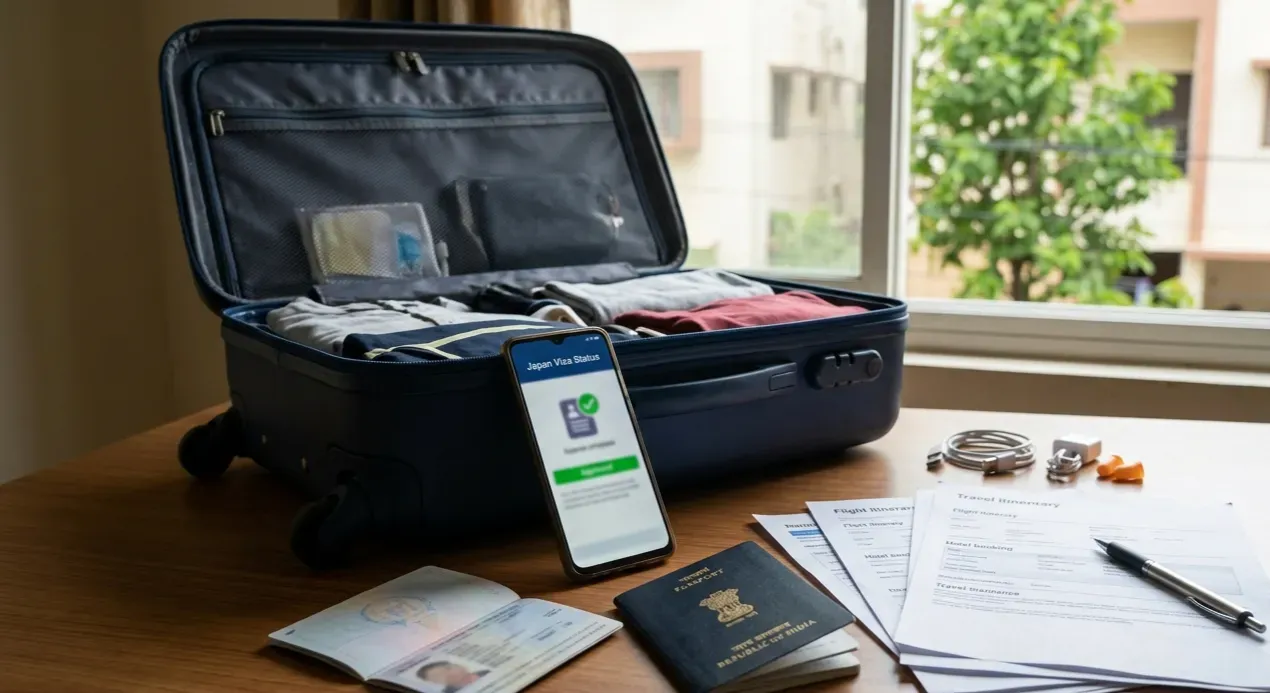
Japan visa fees for Indian nationals are unchanged. The visa cost for Japan from India remains INR 500 as the official embassy visa fee.
Departure tax addition: Allow approximately INR 1,150 per departure from Japan.
Processing generally takes 5 to 7 working days for complete applications, so it is advisable to apply 4 to 6 weeks before your travel date. Holiday Tribe can assist you throughout the Japan visa process, from reviewing your documents to guiding you through the application, helping make your travel preparations smoother.
These Japan visa updates do not change the application process for Indians. You still need a visa for Japan before travelling. The e-Visa option for eligible applicants is also unaffected.
Application tips for Indian travellers:
- How to apply: Submit a completed visa application along with the required supporting documents.
- Key documents: Valid passport (with at least 6 months' validity), completed application form, recent passport-size photograph, confirmed flight itinerary, accommodation details, and bank statements for the last 3 to 6 months.
- Processing time: Most complete applications are processed in 5 to 7 working days. During peak travel seasons, apply at least 4 to 6 weeks before departure.
- e-Visa: Eligible applicants can use Japan's e-Visa system where applicable. The visa is issued electronically and can be presented on a mobile device during travel.
- JESTA note: Japan is building JESTA, a digital pre-travel authorisation system expected by 2028. It will apply to visa-exempt nationalities only. Indian applicants will still need a standard visa for Japan under the current rules.
Note: Applying for the first time? Read our Japan Visa Guide to understand the application process, required documents, and supporting paperwork before submitting your application.
Final Takeaway
The biggest Japan tourist visa update in nearly 50 years has arrived. For most nationalities, Japan visa fees have jumped five times overnight. For Indian passport holders, the good news is clear: the INR 500 fee stands, confirmed by the Embassy of Japan in India.
Japan visa fees for Indians remain among the most accessible of any long-haul destination. The one cost to factor in is the new departure tax of ¥3,000 per person, which applies to everyone.
If you are planning a holiday in Japan and want help with the visa process, itinerary, or hotels, Holiday Tribe's travel advisors can help plan your itinerary and assist with the visa application process.