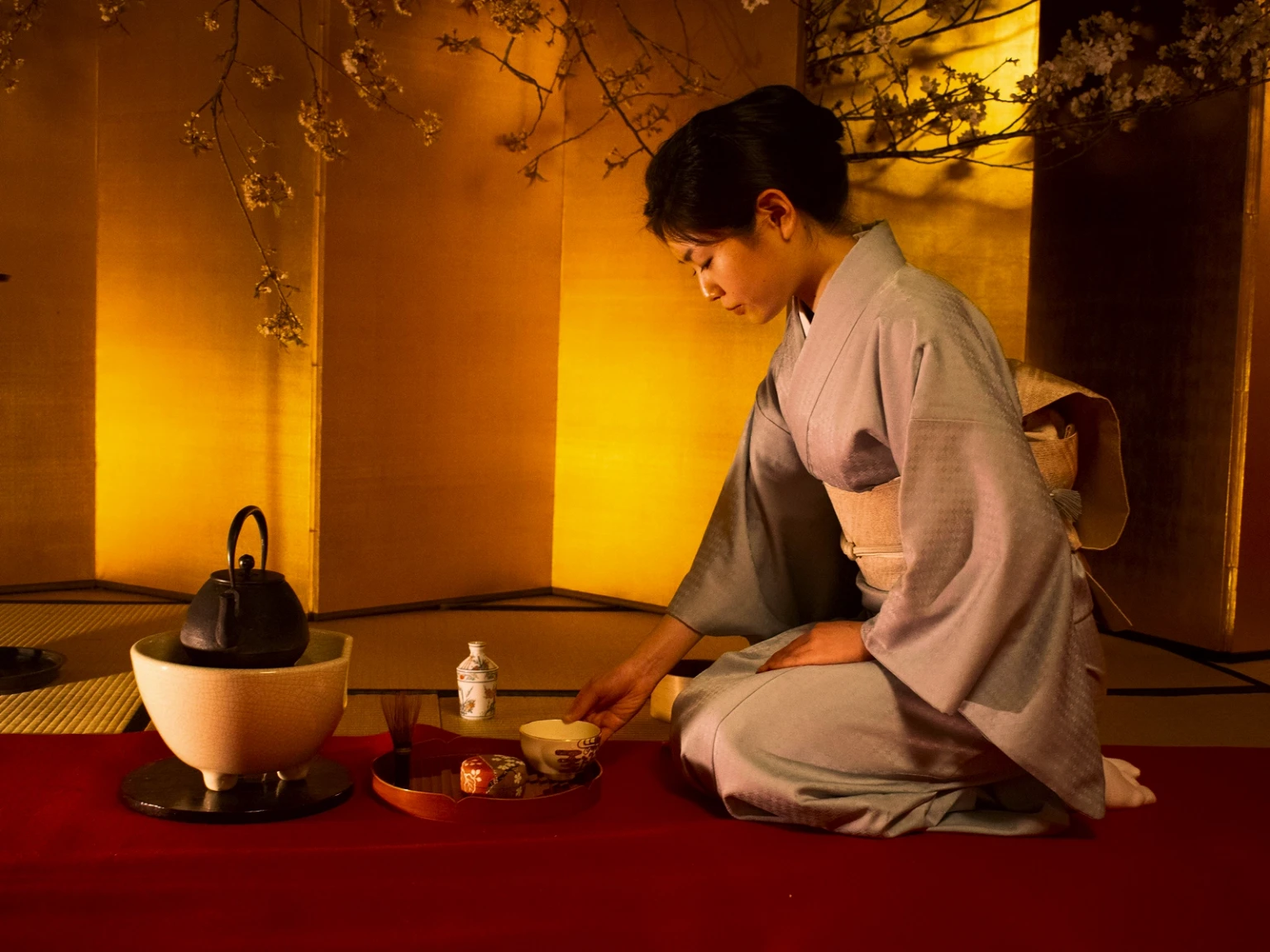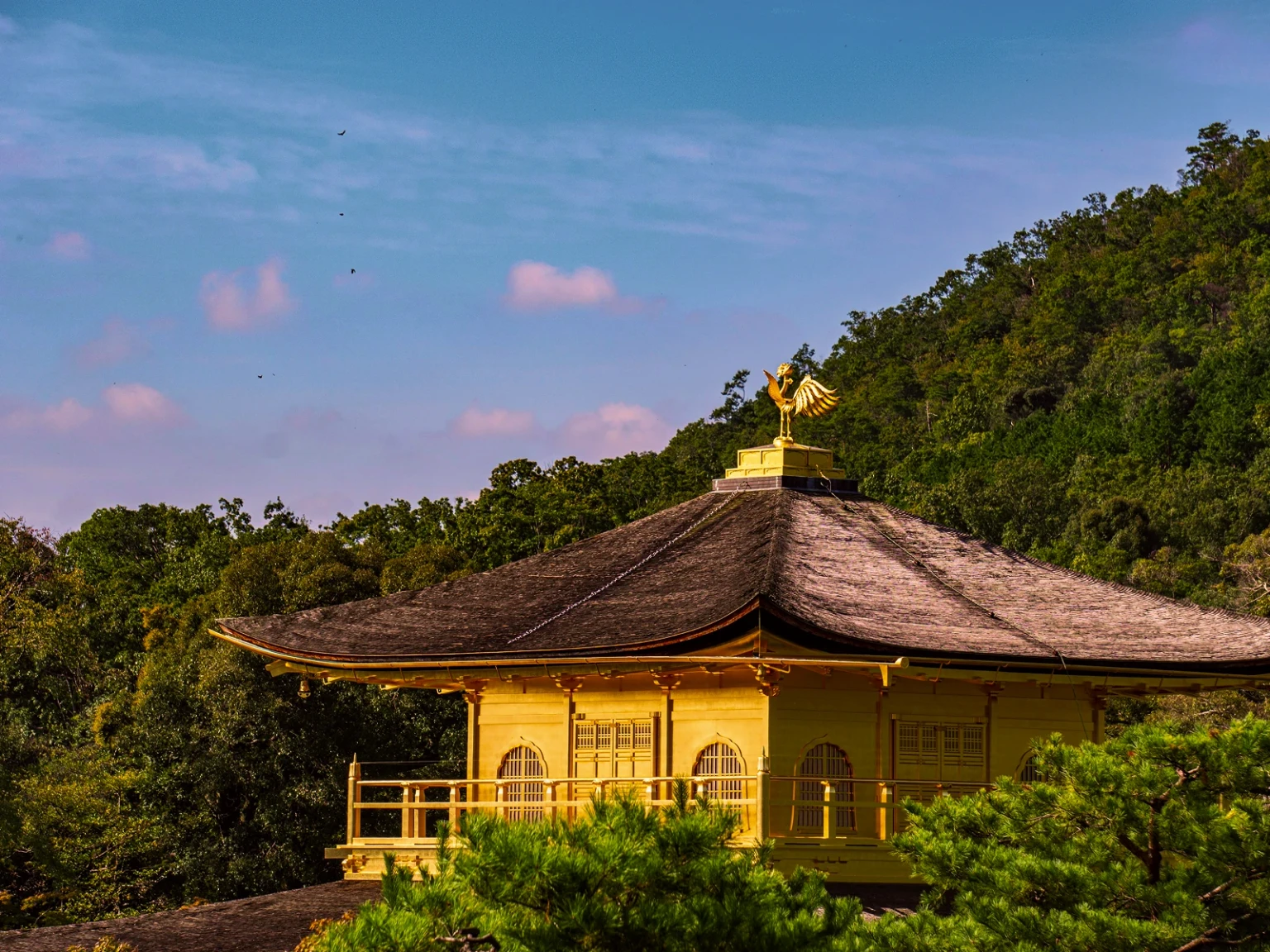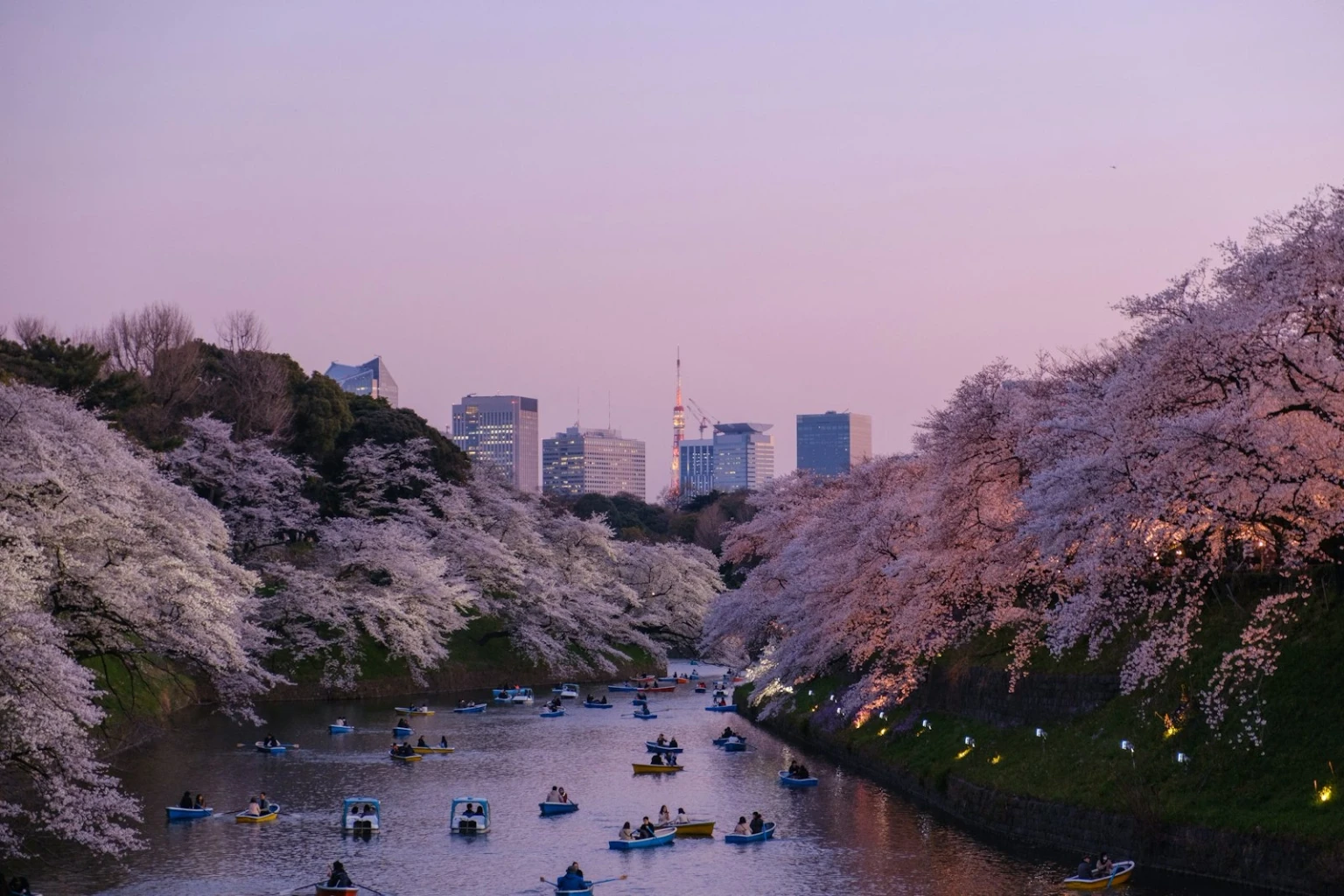


Most first-time visitors arrive in Tokyo, pick a bright restaurant near the station, and end up paying three times more for food that locals would never line up for. The best food in Japan is often tucked away in a side alley, hidden in a basement, or served at a market stall with just a few seats and no English menu. We want to help you find those places and bridge the gap between tourist spots and where locals really eat. Japan has 47 prefectures, and almost every one has its own special dish, unique broth, and way of doing things. Think of this not as a menu, but as a guide: what to order, where it truly comes from, and about how much it costs. Arrive hungry, and we’ll take care of the rest.
What Is The Staple Food Of Japan And Why It Matters?
If you wonder what brings every meal together in Japan, the answer is simple: rice. Short-grain white rice is the staple food and influences almost everything else on the table. Traditional meals follow a format called ichiju-sansai, which means one soup, three sides, and a bowl of rice in the center. This balance is also why Japanese meals feel so light: a bit of grilled fish, a pickle, and something simmered, all arranged around that bowl.
Before diving into what to eat in Japan, here are a few things you should know:
- Washoku is the term for traditional Japanese cuisine, and it has been on UNESCO’s Intangible Cultural Heritage list since 2013.
- You’ll often hear people say “itadakimasu” before eating. It’s more about expressing gratitude than saying grace, so feel free to join in.
- Tipping isn’t common in Japan. If you leave extra cash, it might cause polite confusion instead of gratitude.
The Best Food To Eat In Japan: 10 Dishes Worth Planning Around
Sushi And Sashimi
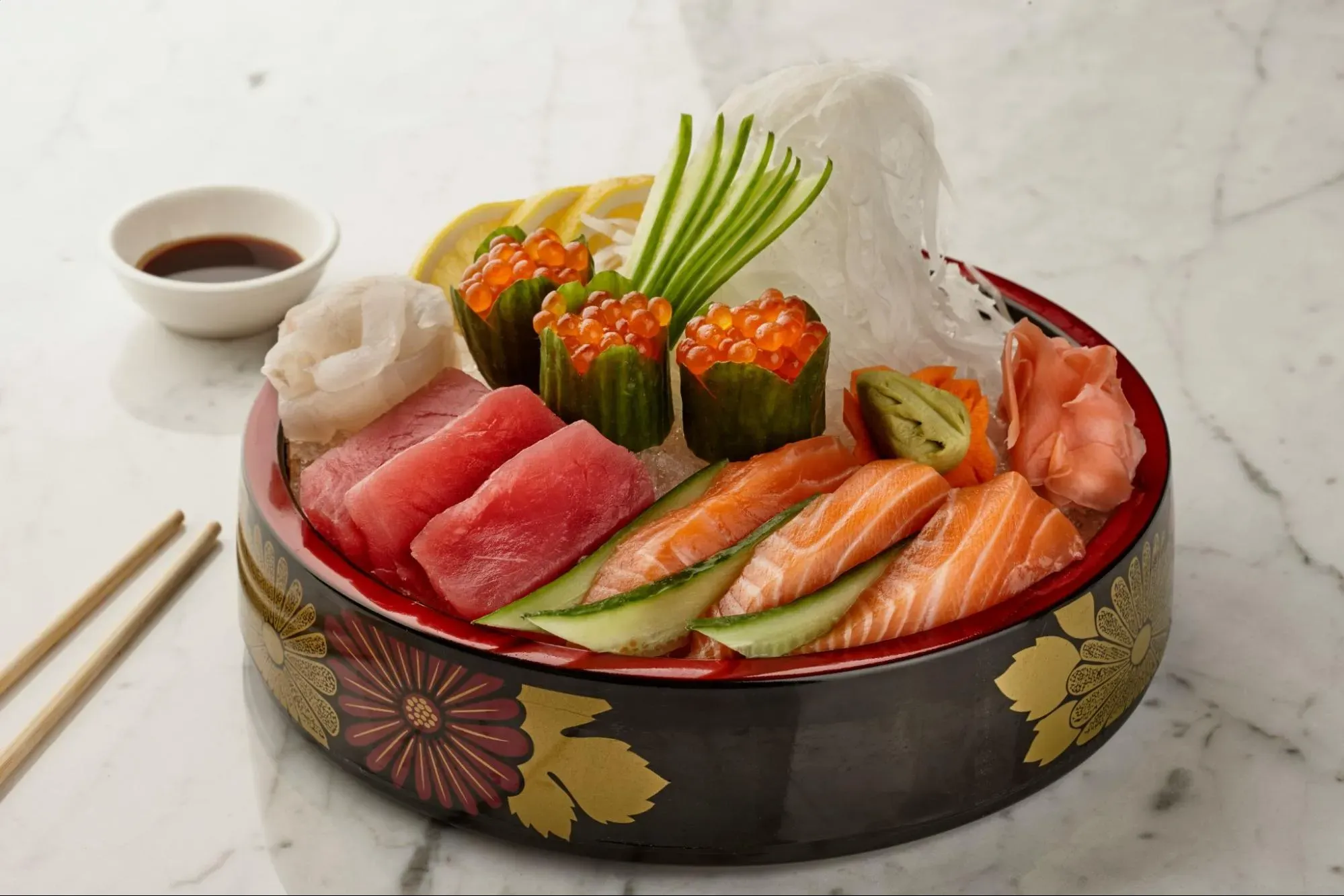
Every list of must-try food in Japan begins here. Set aside the conveyor-belt image for a moment. At a good sushi counter, you get perfect rice and fish, nothing more, nothing less. Still, kaiten-zushi (conveyor belt) places are a lot of fun and very affordable.
- Where to try it: Tsukiji Outer Market, Tokyo; any kaiten-zushi chain for a relaxed go.
- Rough price: ¥110 to ¥300 a plate; omakase counters climb to ¥10,000 and up.
- Best for: First-timers who want the real thing without fuss.
Ramen (Tonkotsu, Miso, Shio)
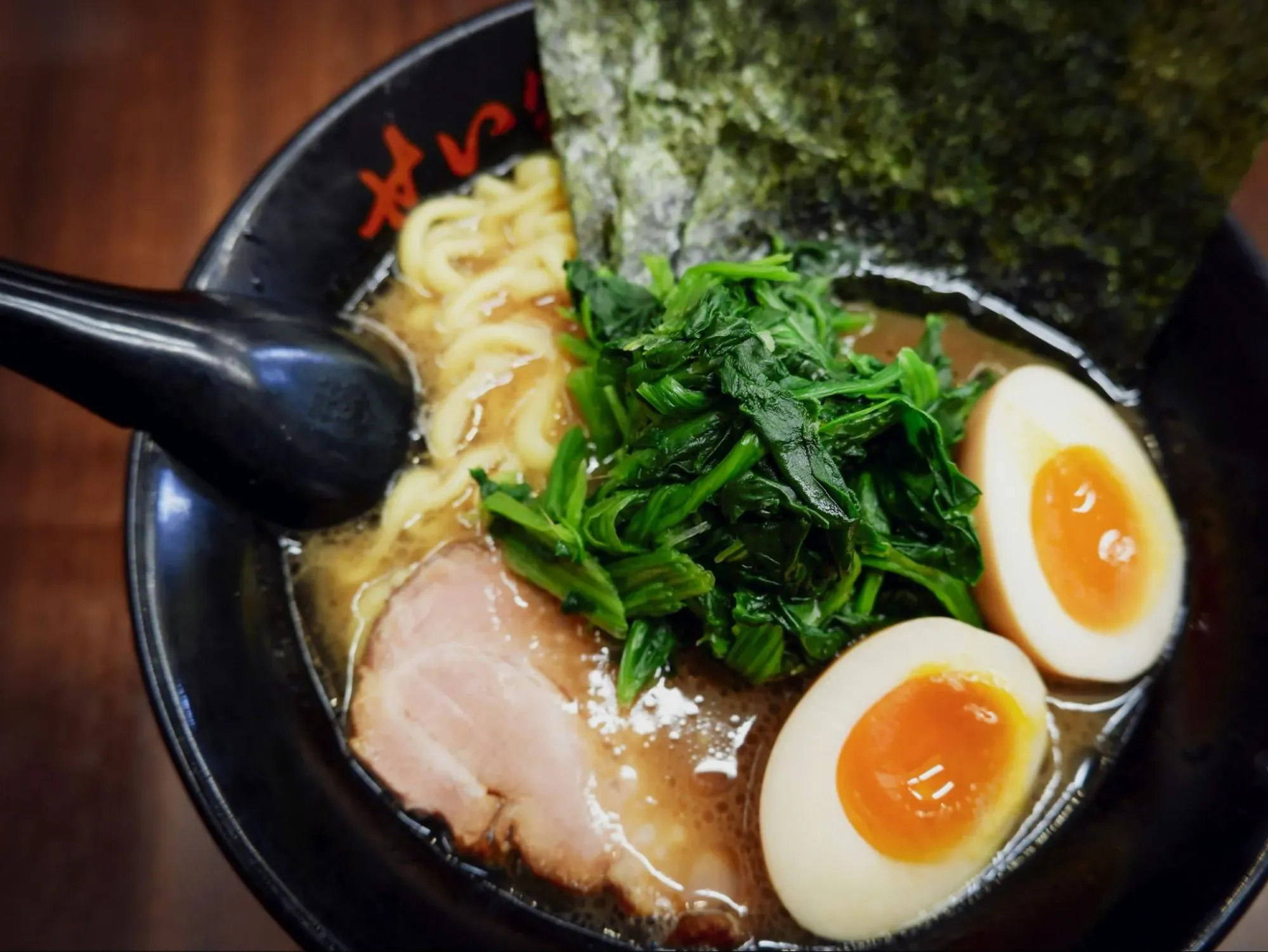
If sushi is the star, ramen is the comfort food locals love, not just something for tourists. People even enjoy a bowl after a night out. Each region has its own style of broth.
- Where to try it: Fukuoka for creamy tonkotsu, Sapporo for miso, Hakodate for clear shio.
- Rough price: Around ¥600 to ¥1,200; the national average hit a record ¥736 in March 2026.
- Best for: Cold days and late nights. Slurping is polite, so go loud.
Takoyaki
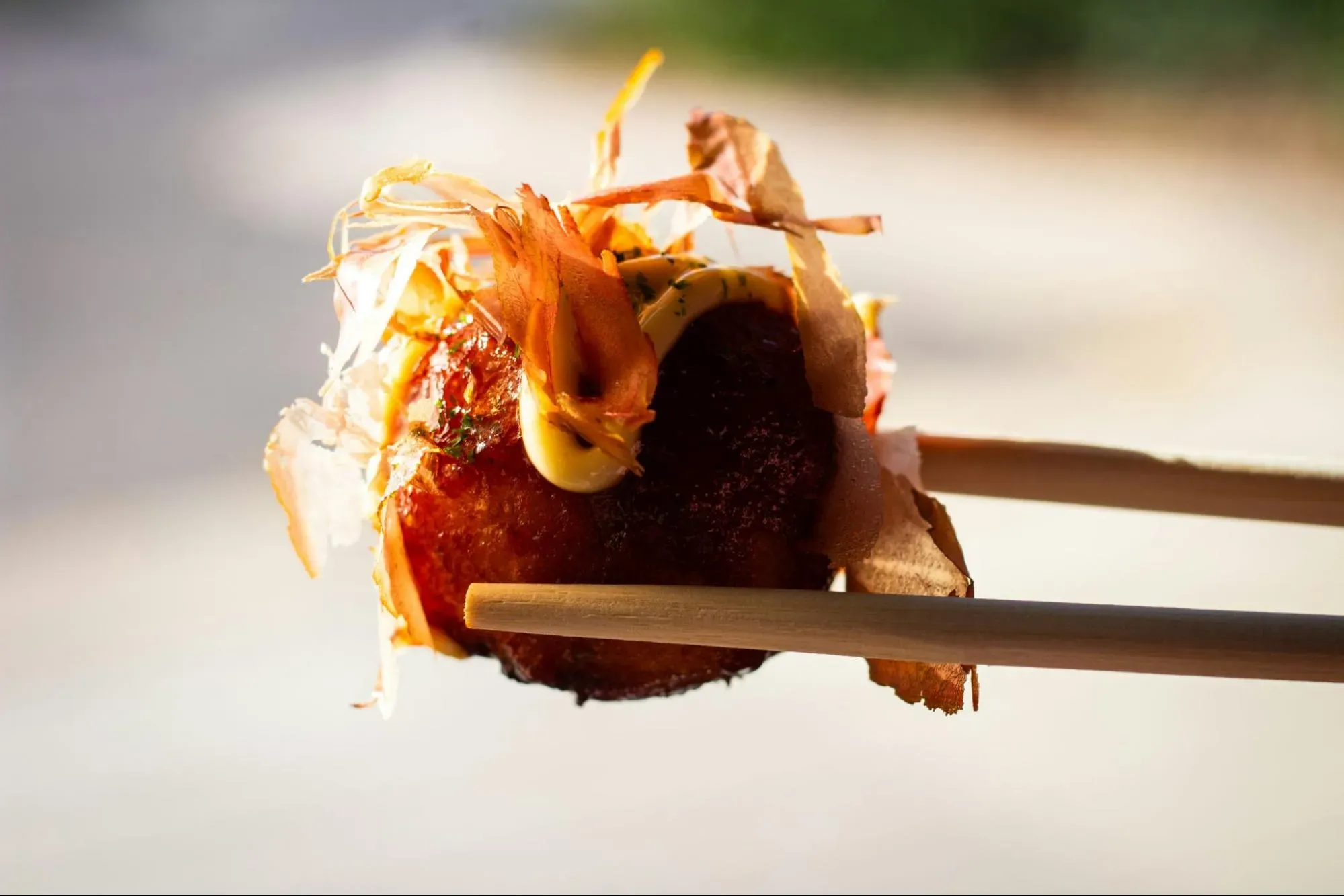
Osaka is known as “the nation’s kitchen,” and takoyaki is its signature snack. These golden batter balls have a piece of octopus inside, crispy on the outside and soft in the middle. Eating them on the street in Dotonbori as the neon lights come on is a classic Japan experience.
- Where to try it: Dotonbori, Osaka, from any busy stall.
- Rough price: ¥500 to ¥700 for six to eight pieces.
- Best for: Street snacking and your first bites of Osaka.
Okonomiyaki
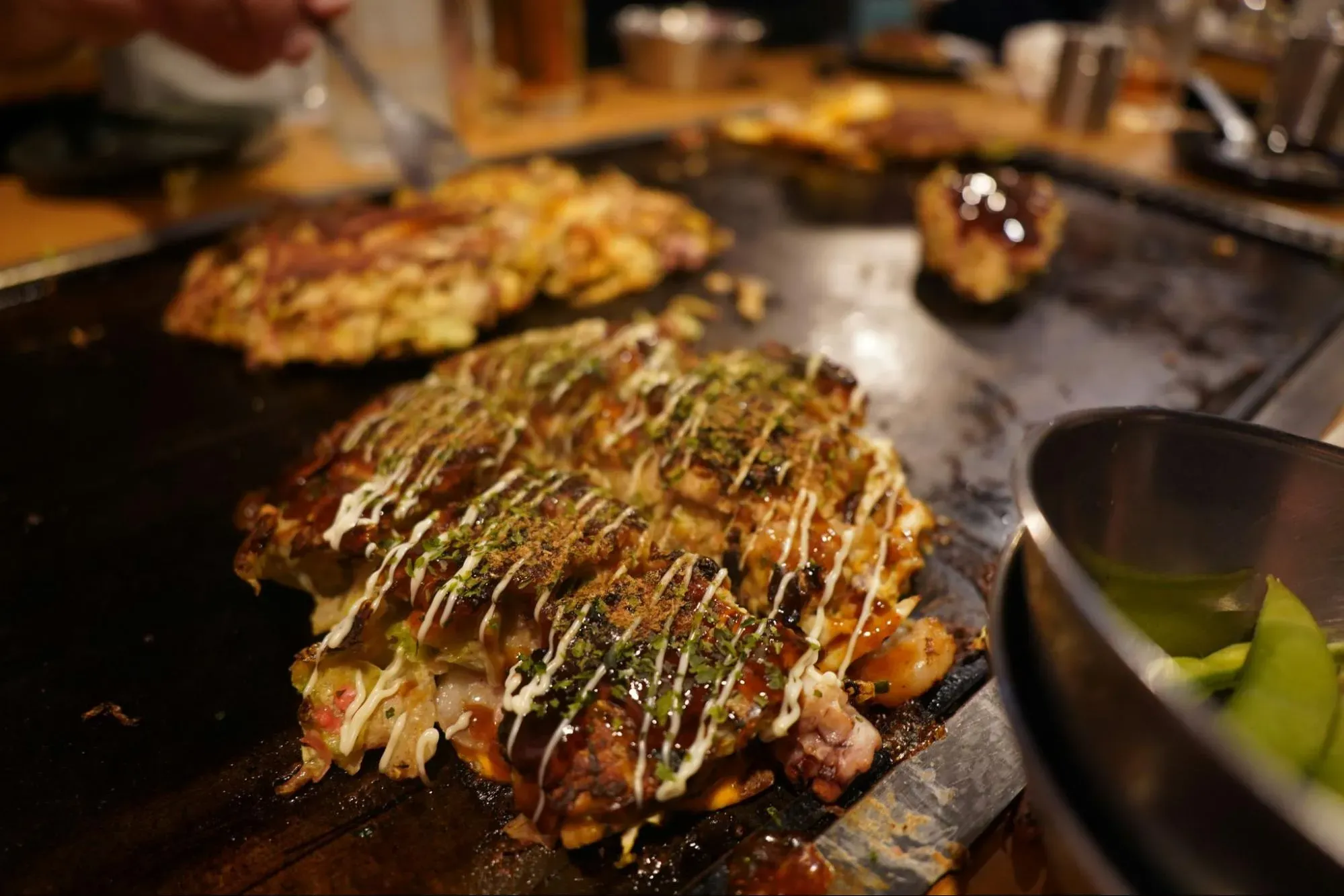
Imagine a savory pancake made just the way you want. Osaka-style mixes all the ingredients into the batter, while Hiroshima-style layers them and adds noodles. Both are some of the most satisfying foods to try in Japan when you are hungry.
- Where to try it: Hiroshima for the layered version; Osaka for the classic mix.
- Rough price: ¥800 to ¥1,500.
- Best for: Groups who like cooking at the table.
Tempura
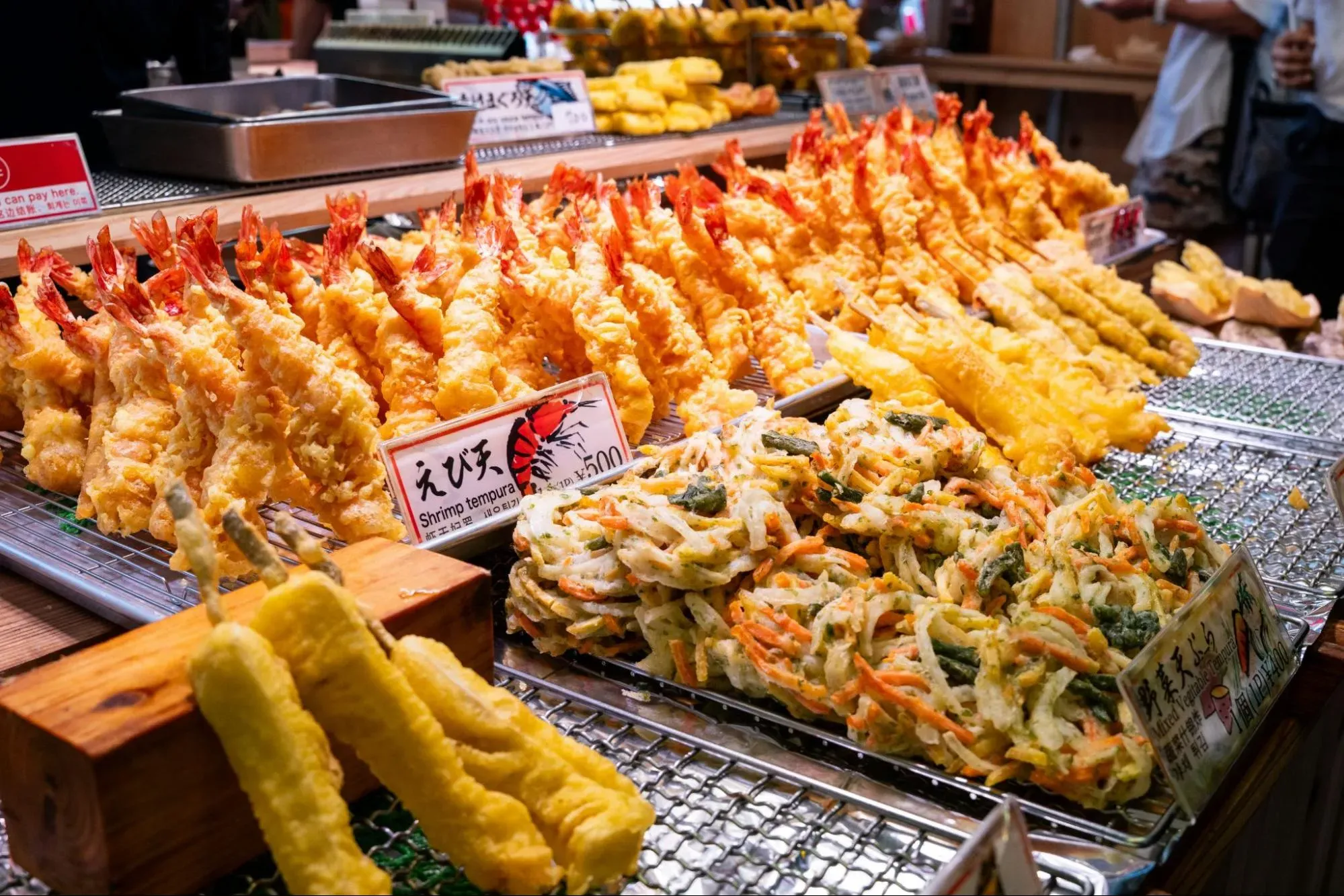
Tempura is a great Japanese food to try if raw fish feels like too much. It is lightly battered, quickly fried, and not greasy when made well. At a tempura counter, the chef gives you each piece straight from the oil.
- Where to try it: Specialist spots like Tsunahachi, Tokyo.
- Rough price: ¥1,200 to ¥3,000 for a set.
- Best for: Anyone cautious about raw fish who still wants something memorable.
Udon And Soba
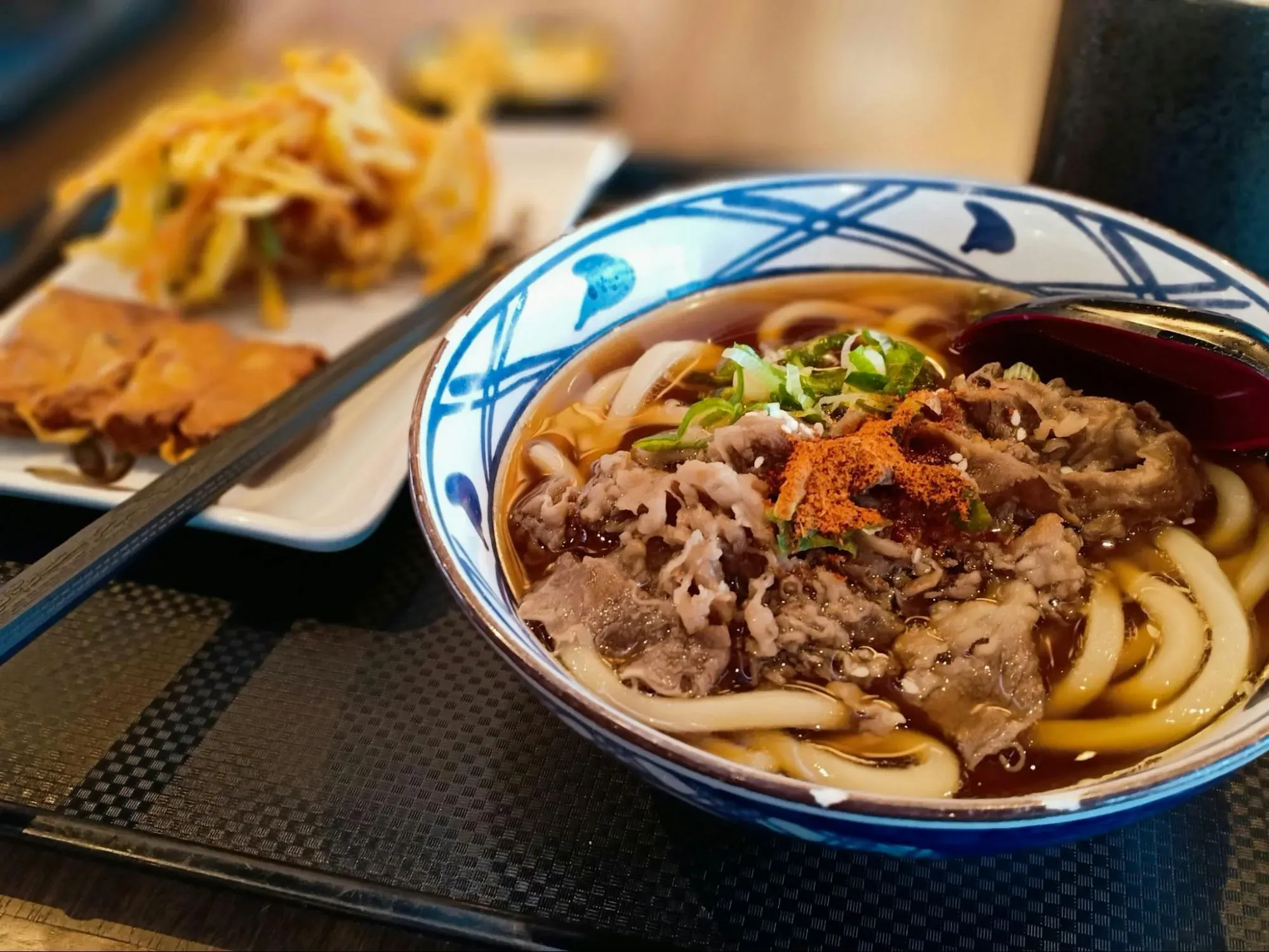
There are two main types of noodles to know. Udon is thick, chewy, and warm. Soba is thinner, made from buckwheat, and can be served hot or cold. Both are quick, reliable meals when you are short on time, and Kagawa’s Sanuki udon is especially worth trying.
- Where to try it: Kagawa for Sanuki udon; standing soba bars in any station.
- Rough price: ¥300 to ¥800.
- Best for: A fast, filling lunch between sightseeing.
Yakitori And Izakaya Plates
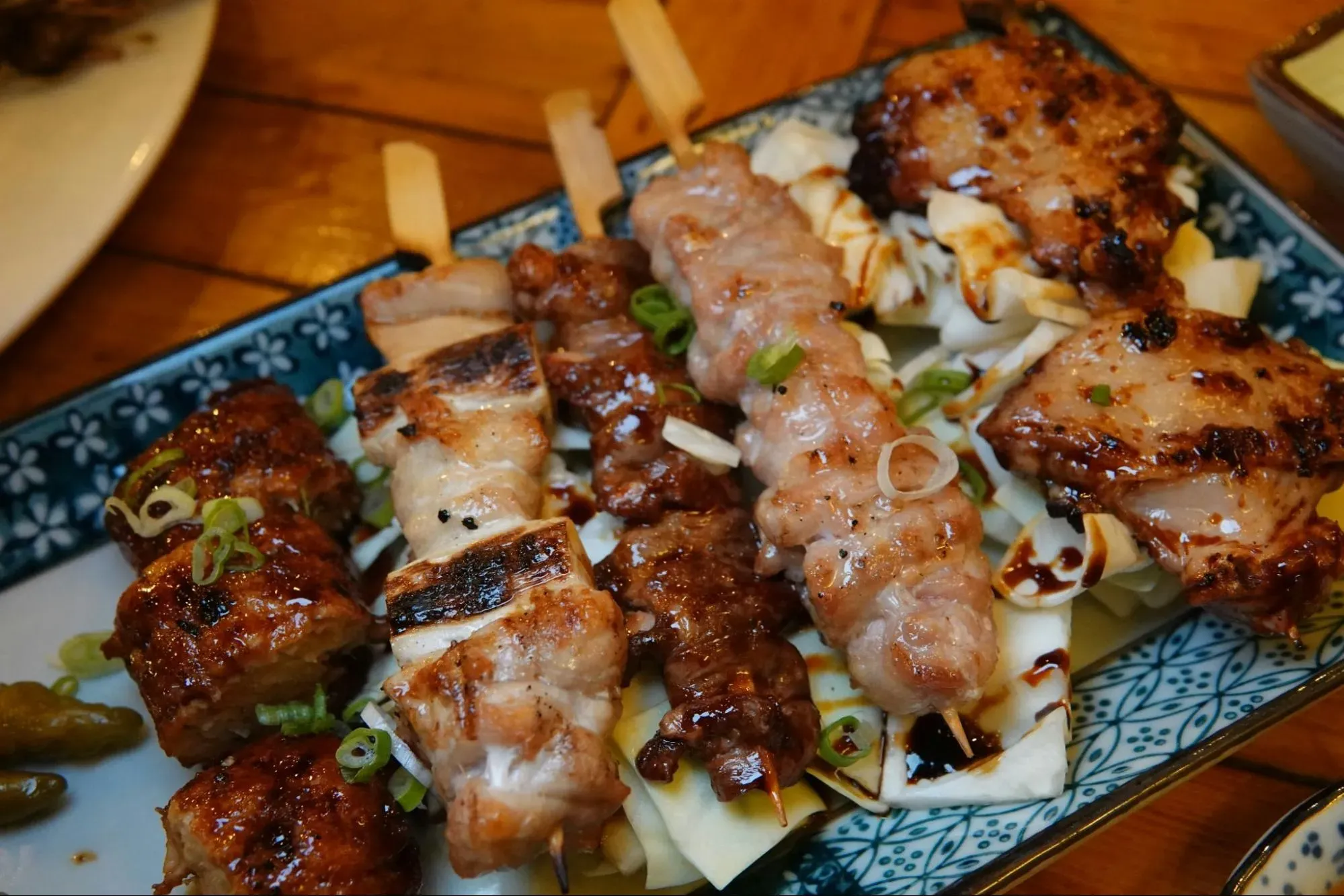
An izakaya is a Japanese pub, and yakitori (grilled chicken skewers) is a staple there. Sharing small plates with beer or sake is one of the most social ways to enjoy Japanese food, and it is the easiest way to try many dishes at once.
- Where to try it: Omoide Yokocho, Tokyo; any lantern-lit alley.
- Rough price: ¥150 to ¥400 a skewer; ¥3,000 to ¥6,000 for a full evening.
- Best for: Couples and groups wanting a proper night out.
Wagyu Beef
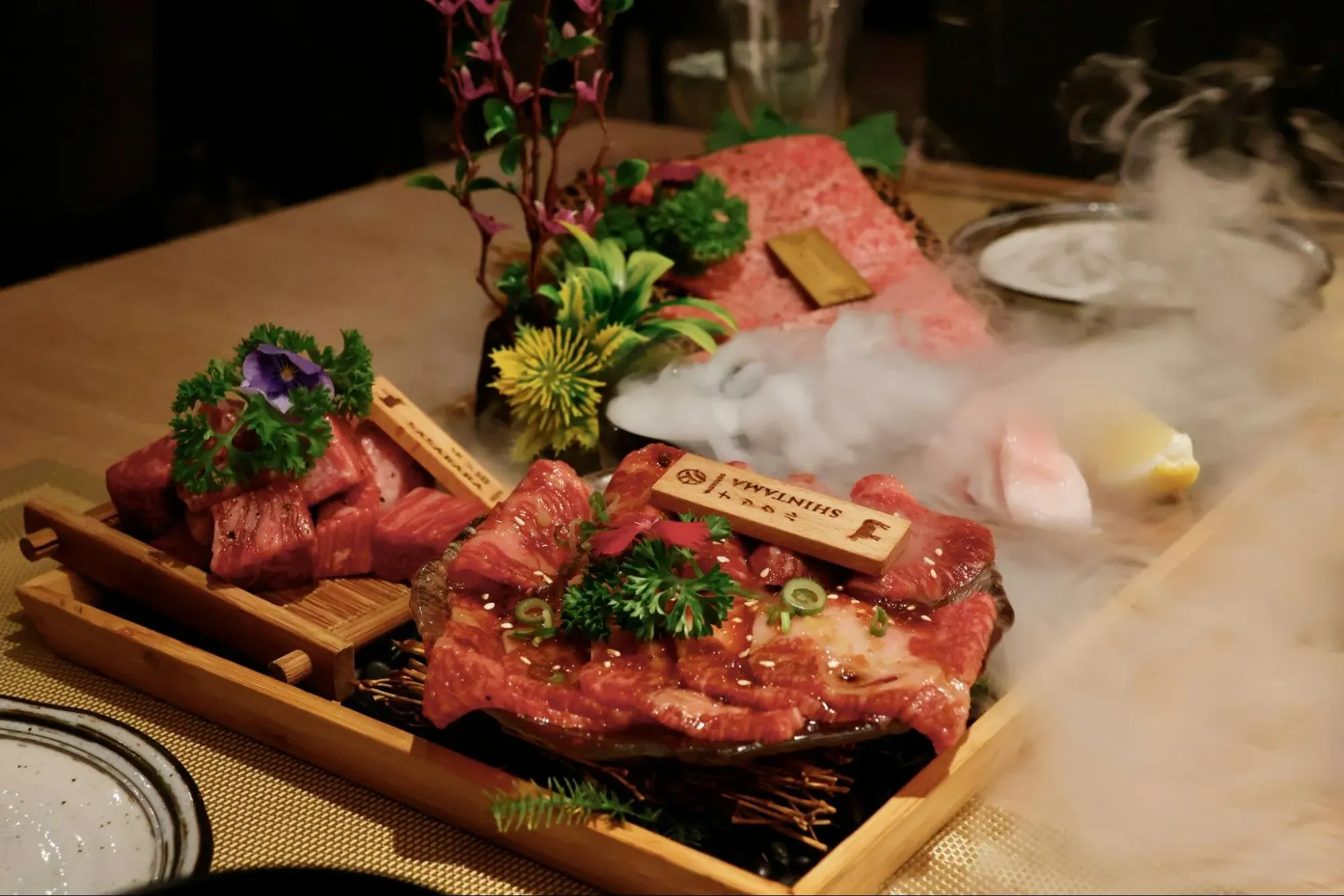
Wagyu is the famously marbled beef, with Kobe being the most famous type. The melt-in-the-mouth texture comes from its fat structure, not just marketing. Even a small portion is a memorable splurge and often tops lists of Japan’s best food.
- Where to try it: Kobe and Hida regions; teppanyaki counters.
- Rough price: From ¥3,000 for a set lunch to ¥20,000+ at dinner.
- Best for: A honeymoon or anniversary dinner.
Onigiri And Konbini Finds
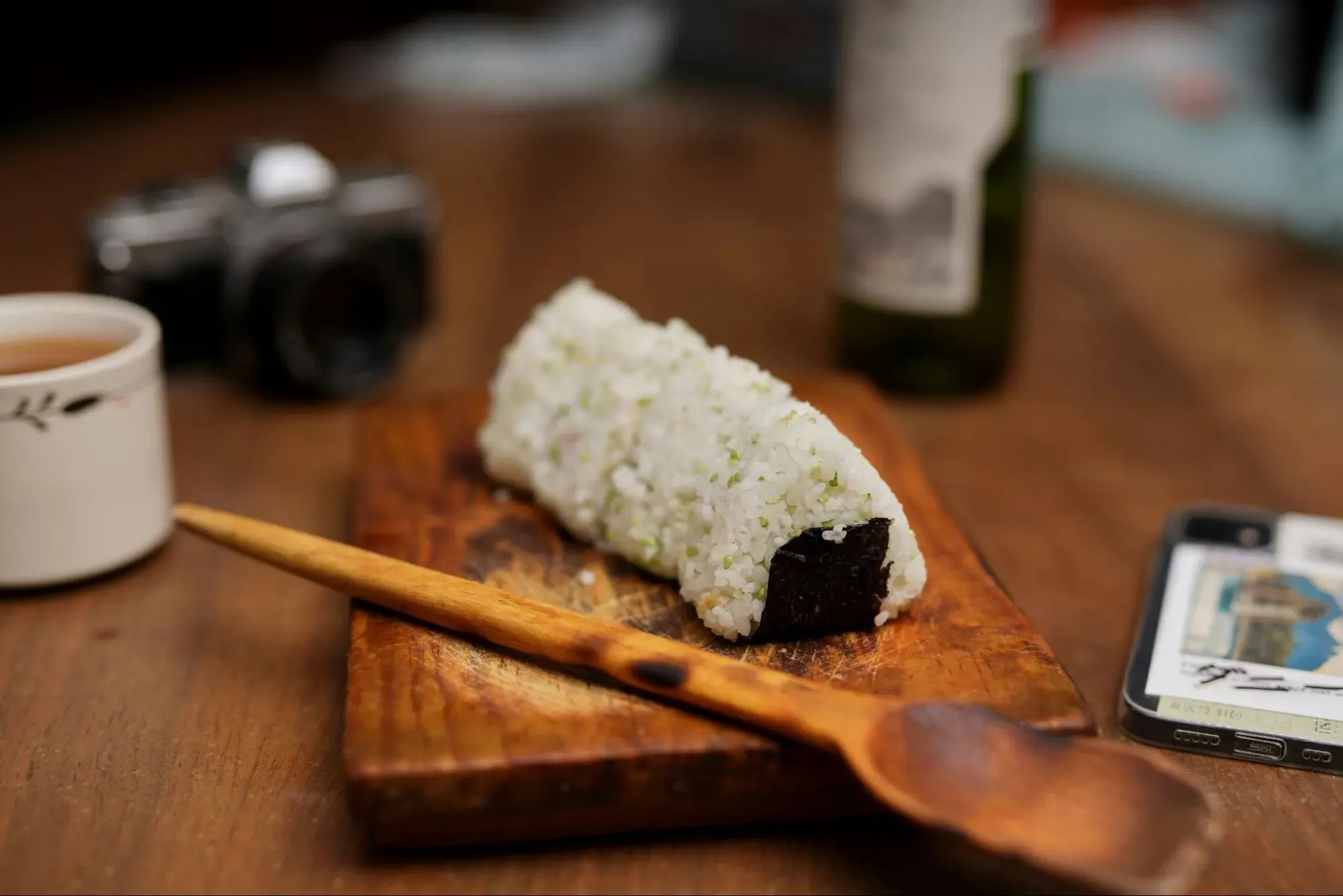
Do not overlook convenience stores; they have some of the most underrated food in Japan. 7-Eleven, Lawson, and FamilyMart offer tasty onigiri (rice balls), egg sandwiches, and hot snacks for very little money. They are especially helpful for vegetarians.
- Where to try it: Any konbini, open 24/7.
- Rough price: ¥150 to ¥500.
- Best for: Breakfast, long train days and veg backups.
Japanese Sweets (Wagashi, Taiyaki, Mochi)
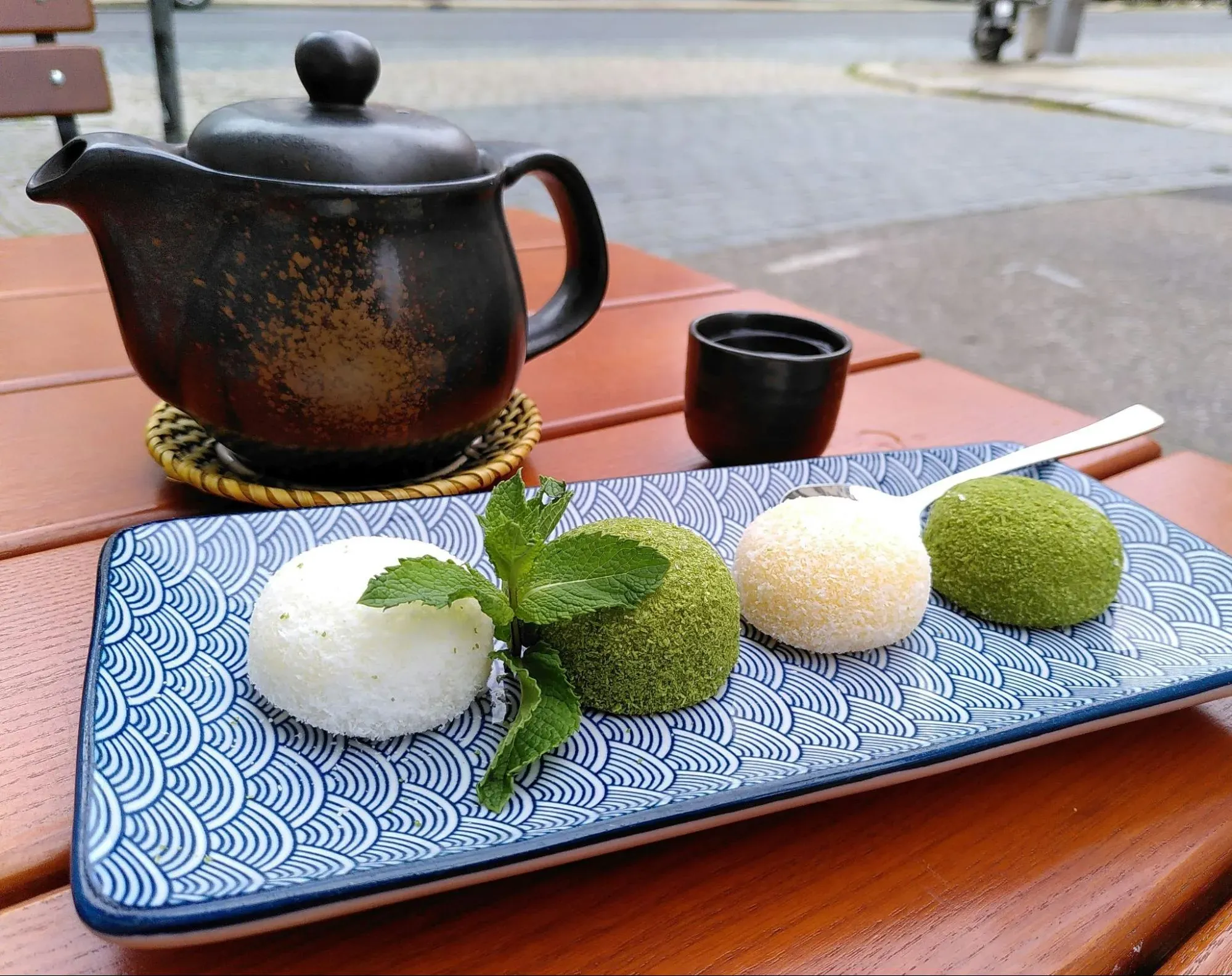
End your meal with something sweet. Wagashi are delicate treats for tea time, taiyaki is a fish-shaped cake filled with red bean or custard, and mochi is soft pounded rice. Japanese desserts are usually much less sugary than Western ones.
- Where to try it: Kyoto tea houses; festival stalls for taiyaki.
- Rough price: ¥150 to ¥500.
- Best for: An afternoon break and edible souvenirs.
Tribe Travel Tip: Many top ramen and sushi counters still use cash and ticket machines. Carry some yen, as you cannot always use a card.
How Much Does Food Cost? Food Price In Japan, Broken Down
Here’s some good news for your planning. Even though hotel prices have gone up since the pandemic, food costs in Japan have mostly stayed the same. You can enjoy great meals without spending too much.
Meal / Item | Typical Price (¥) | Good To Know |
Convenience store meal | 700 to 1,000 | Open 24/7, great for breakfast |
Bowl of ramen | 600 to 1,200 | 2026 national average around ¥736 |
Conveyor belt sushi | 110 to 300 per plate | Full meal ¥1,000 to ¥2,500 |
Izakaya dinner | 3,000 to 6,000 | Small plates plus drinks |
Wagyu set lunch | 3,000+ | Dinner climbs much higher |
Tribe Travel Tip: Are you a vegetarian travelling in Japan? Try learning the phrase “niku nashi” (no meat), check if broths contain dashi (fish stock), and look for konbini onigiri, vegetable tempura, and shojin ryori, the Buddhist temple cuisine. It’s usually easier than most first-timers expect.
Turn This Menu Into A Real Japan Holiday
The truth is, Japan’s best food isn’t found all on one street. Tonkotsu is from Fukuoka, takoyaki is Osaka’s speciality, the best wagyu comes from the west, and Tokyo’s quiet sushi counters are tucked away in basements. Planning a route to try it all can be tricky, and that’s where we help. At Holiday Tribe, you can choose a ready-made package if you want everything mapped out, or a fully customised trip if you want us to plan each city and meal to your tastes. Let our advisors know you’re travelling for the food, and we’ll make sure your days take you to the regions that serve your favourite dishes best. Come hungry.