

Ladakh gets its name from two words, "la" meaning pass and "dhak" meaning many, and once you're on the road there, you understand exactly why. Every route out of Leh eventually climbs toward a high crossing, and each one has its own character, view, and story. Some were once part of ancient trade routes carrying silk and salt between Central Asia and the plains of India. Today, they carry travellers chasing thin air, endless skies and a landscape that barely feels real. If you're planning a vacation to this corner of the Himalayas, here's everything worth knowing about the passes in Ladakh before you set out.
What Makes Ladakh the Land of a Thousand Passes?
 Ladakh sits where four mountain systems meet: the Great Himalayan range, the Zanskar range, the Pir Panjal range, and the Ladakh range itself, with the Karakoram further north. This overlap is why the region has so many mountain passes packed into a relatively compact stretch of territory. Traders once used these routes to move goods between Tibet, Central Asia and the Indian subcontinent, and the same paths were later paved and widened by the Border Roads Organisation for military and civilian use.
What makes these crossings special isn't just their height. Each one opens onto a completely different landscape on the other side.
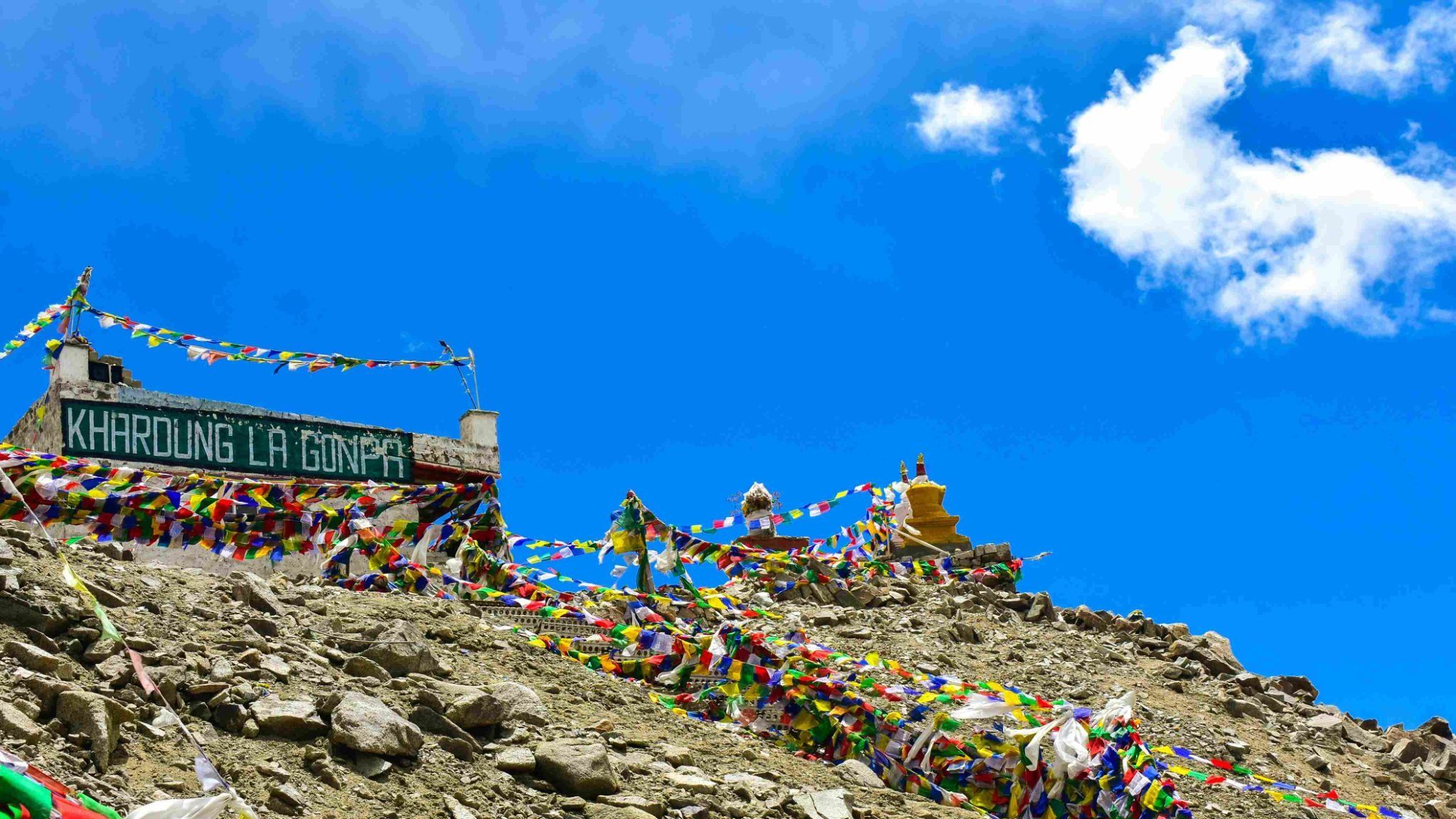
- Khardung La leads you into the green ribbon of the Nubra Valley.
- Chang La drops you toward the deep blue of Pangong Tso.
- Zoji La marks the shift from Kashmir's greener valleys to Ladakh's stark, high-desert terrain.
- Taglang La opens onto the wide, empty Moray Plains.
Tribe Travel Tip: Carry a printed or offline map of your route. Network coverage disappears completely once you start climbing, and it's easy to miss a turn on roads with very few signboards.
Which Is the Highest Pass in Ladakh?
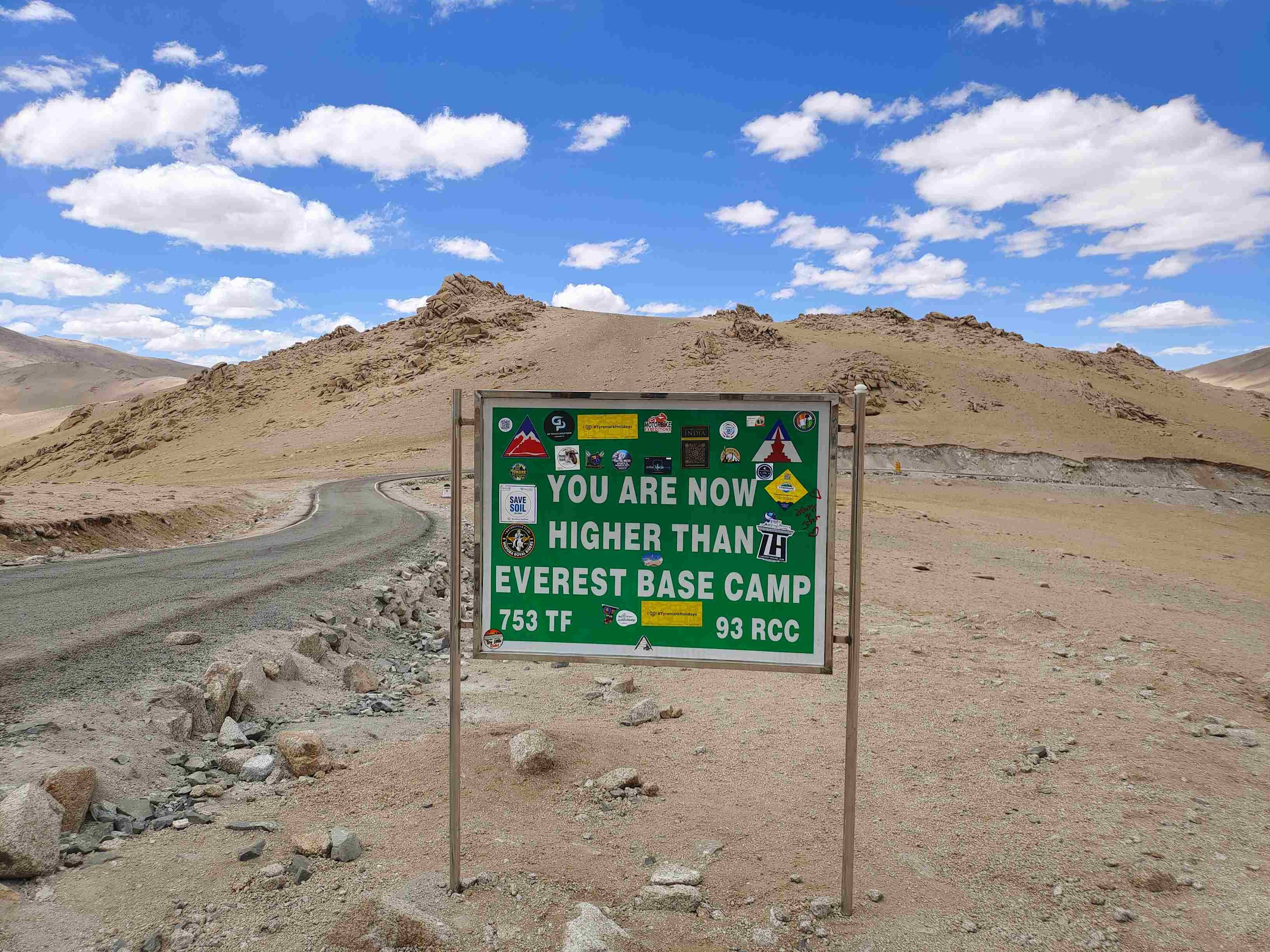 The highest pass in Ladakh is Umling La, at roughly 19,024 feet (5,798 metres), making it one of the highest motorable roads in the world. Built by the Border Roads Organisation and opened in 2017, it connects the remote villages of Chisumle and Demchok and lies close to Hanle, an area better known for its dark sky reserve. For years, Khardung La was popularly believed to hold this title, largely thanks to old signboards, but GPS and satellite elevation data have since confirmed Umling La as the actual record holder.
Pass | Approx. Height | Known as |
Umling La | 19,024 ft (5,798 m) | World's highest motorable pass |
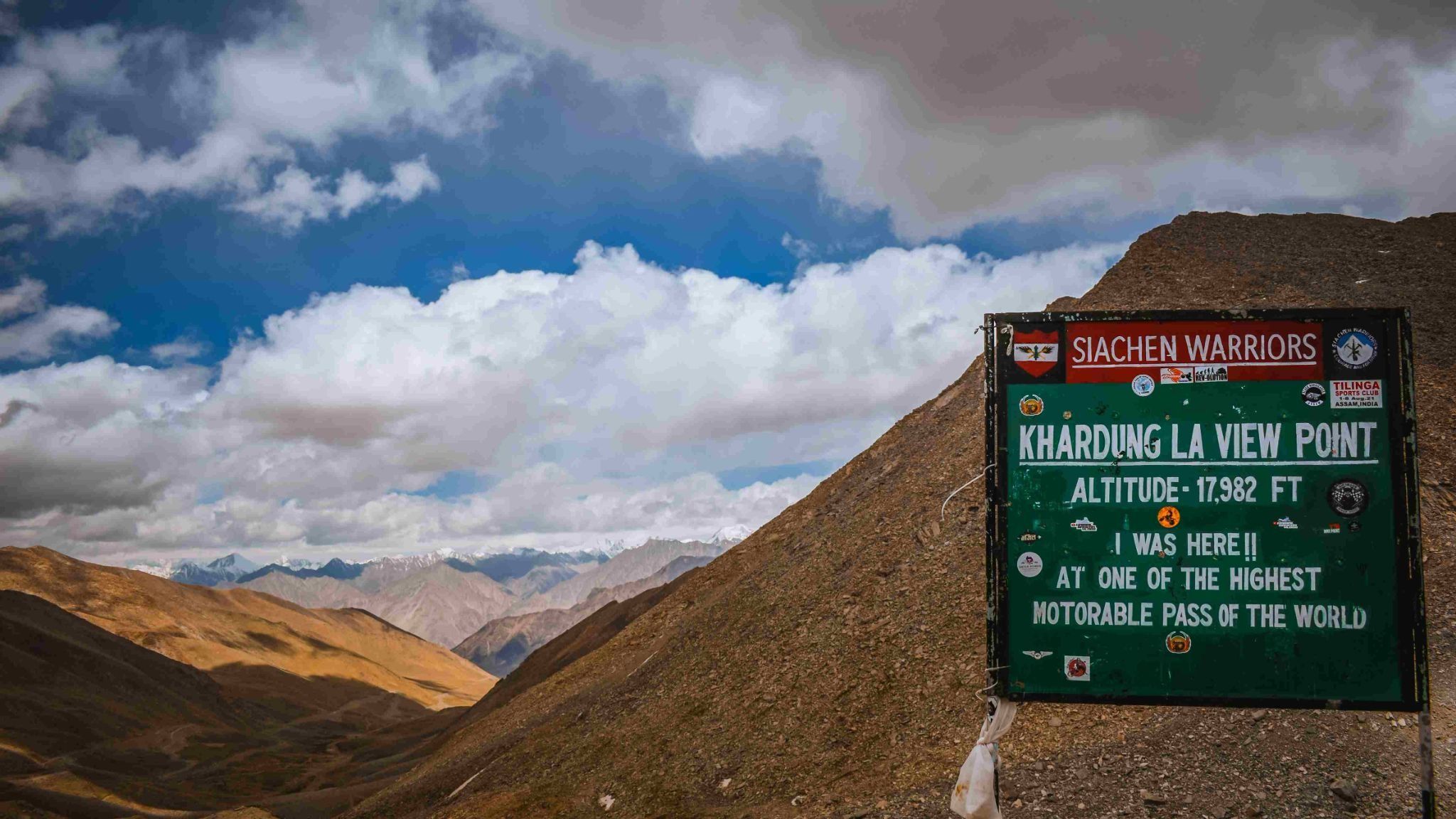
Khardung La | 17,582 ft (5,359 m) | Gateway to Nubra Valley |
Chang La | 17,585 ft (5,360 m) | Route to Pangong Tso |
Marsimik La | 18,314 ft (5,582 m) | Restricted, army permit only |
Reaching Umling La takes real planning since it's roughly 235 km from Leh and needs a permit for the Hanle or Koyul route. It isn't a casual detour, but for travellers who want to stand at the top of the world's road network, it's worth the extra days on the itinerary map.
What Is the Complete List of Passes in Ladakh You Should Know?
 If you're mapping out a longer vacation, it helps to have a full list of passes in Ladakh sorted by what they connect to and how accessible they are. Not every pass needs to be on your route, but knowing what each one offers helps you plan smarter.
Pass | Connects | Best for |
Khardung La | Leh to Nubra Valley | First timers, easy day tour from Leh |
Chang La | Leh to Pangong Tso | Lake views, photography |
Taglang La | Leh to Manali highway | Road tour travellers |
Zoji La | Srinagar to Leh | Kashmir to Ladakh road route |
Fotu La | Srinagar-Leh highway near Lamayuru | Moonland viewpoints |
Baralacha La | Manali-Leh highway | Confluence of three mountain ranges |
Wari La | Sakti to Nubra Valley | Quieter, less crowded route |
Umling La | Hanle to Demchok | Highest pass seekers, experienced drivers |
Each of these sits on a different highway, so your choice depends on whether you're flying into Leh directly or driving in from Srinagar or Manali.
How High Are the Passes in the Ladakh Range?
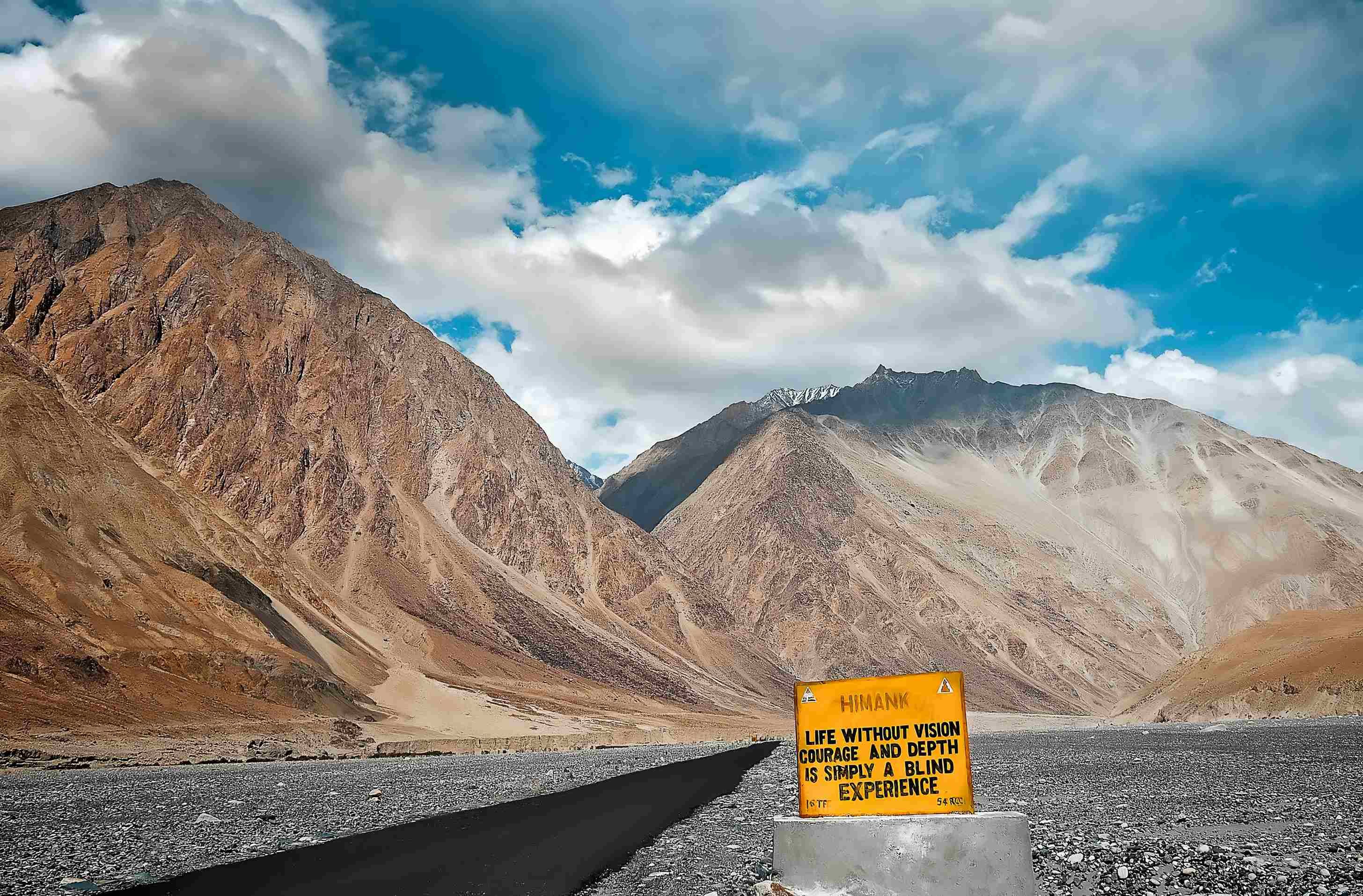 Not every pass here belongs to the same mountain system, and that's part of what makes the region's geography so interesting. The passes in the Ladakh range itself, mainly Khardung La and Chang La, tend to sit between 17,500 and 17,700 feet. Cross into the Zanskar range, and you'll find Taglang La at a similar elevation, while the Pir Panjal range further west holds Zoji La at a comparatively gentler 11,575 feet.
- Ladakh range: Khardung La, Digar La
- Zanskar range: Taglang La, Baralacha La
- Pir Panjal range: Zoji La
This spread matters in practice too, since Zoji La stays open longer into the season, while the higher Ladakh range crossings depend heavily on when the snow clears.
When Should You Plan Your Vacation to Cross the Highest Passes in Ladakh?
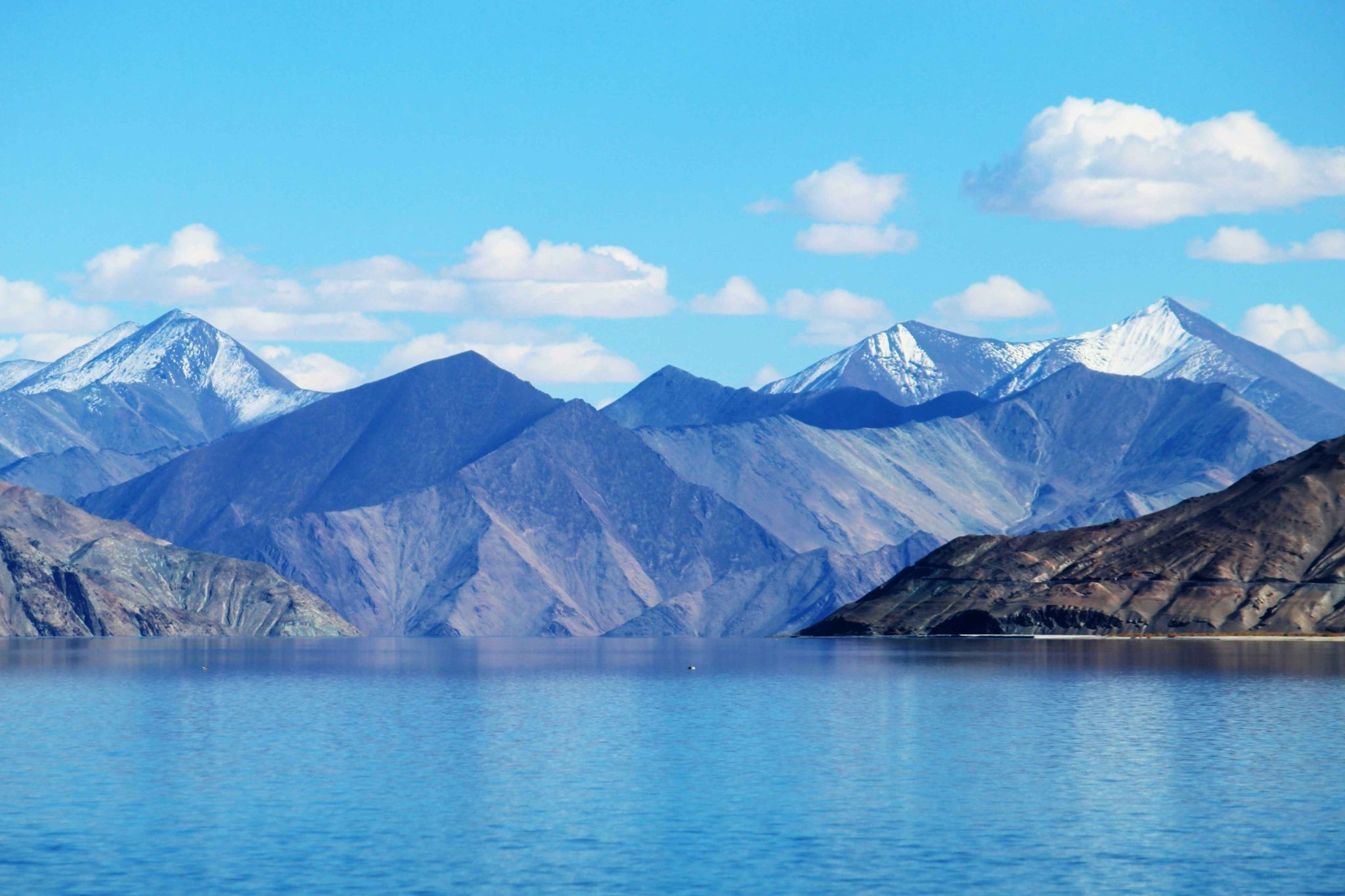 Timing makes or breaks a Ladakh escape. Most of Ladakh's highest passes stay snowbound through winter and open only between late May and early October, with June to September offering the smoothest conditions.
Month | Road Condition | Good for |
May | Snow clearing, roads reopening | Early season, fewer crowds |
June to August | Fully open, peak season | Family vacations, first time visitors |
September | Clear skies, cooler nights | Photography, quieter roads |
October | Snowfall begins | Only for experienced travellers |
November to April | Mostly closed | Not recommended, except Chang La in some years |
Chang La is a slight exception since Pangong Tso freezes over in winter, drawing a small number of travellers even in the colder months. For most people, though, a summer or early autumn window makes for a far more comfortable adventure.
Tribe Travel Tip: Book your stay in Leh for at least a day or two before attempting any high pass. Your body needs that time to adjust to the altitude before you climb further.
What Permits and Preparations Do You Need Before Crossing These Passes?
Several passes in Ladakh, particularly those near the border like Umling La, Chang La and the Nubra Valley route, fall under Inner Line Permit zones. Indian citizens can apply online or through the District Magistrate's office in Leh, and it's worth sorting this out before you start driving, since checkpoints along the way will ask for it.
- Apply for your Inner Line Permit at least a day in advance.
- Carry printed copies along with a valid photo ID.
- Keep your vehicle's paperwork and fuel topped up, since stations are scarce beyond Leh.
- Pack warm layers even in summer, as temperatures drop sharply at higher points.
- Watch for signs of altitude sickness like headaches or breathlessness and descend if symptoms worsen.
A small environment and wildlife conservation fee also applies for entry into Ladakh, which goes toward protecting these fragile high-altitude ecosystems.
Also read: Best Time to Visit Leh Ladakh
Ladakh Awaits, One Pass at a Time
Every pass in Ladakh tells a different part of the region's story, from ancient trade routes to modern engineering feats sitting close to the clouds. Whether you're chasing the title of standing on the world's highest road or want the classic Leh to Nubra drive, planning around the right season and permits makes all the difference.
At Holiday Tribe, you can get Ladakh vacation plans that cover passes, permits and stays, along with flight assistance for travellers heading onward to other Himalayan destinations. If Ladakh's high roads have been on your list, get in touch and we will make it happen.