

Royalty, grandeur, and castles are the right words to describe the vibe of the Loire Valley. It was once a residential area for French royals, and today it is an appealing tourist destination where you can get a glimpse into the daily lives of its past rulers.
This river valley sits near the lively Loire River, and its landscape offers a glimpse of vineyards, small towns and more chateaux than you can reasonably visit in a week. That is part of its appeal and part of what makes planning it slightly harder than a city break. The region includes a UNESCO World Heritage Site, and the combination of Renaissance architecture, wine, cycling, food and countryside gives it a character that no single French city quite matches.
This guide covers the experiences worth building a Loire Valley France holiday around and the practical decisions that make the difference between a well-paced visit and one that tries to do too much.
Key Takeaways
Key Information | Quick Answer |
Best known for | Chateaux, wine, villages and countryside |
Ideal stay | 3 to 4 days |
Best base | Tours or Amboise |
Best way to get around | Car rental for flexibility. Trains connect major towns |
Best for | Couples, history lovers, wine travellers, cyclists |
Best time | May to June and September to October |
Why Is the Loire Valley So Popular and Why Should You Visit?
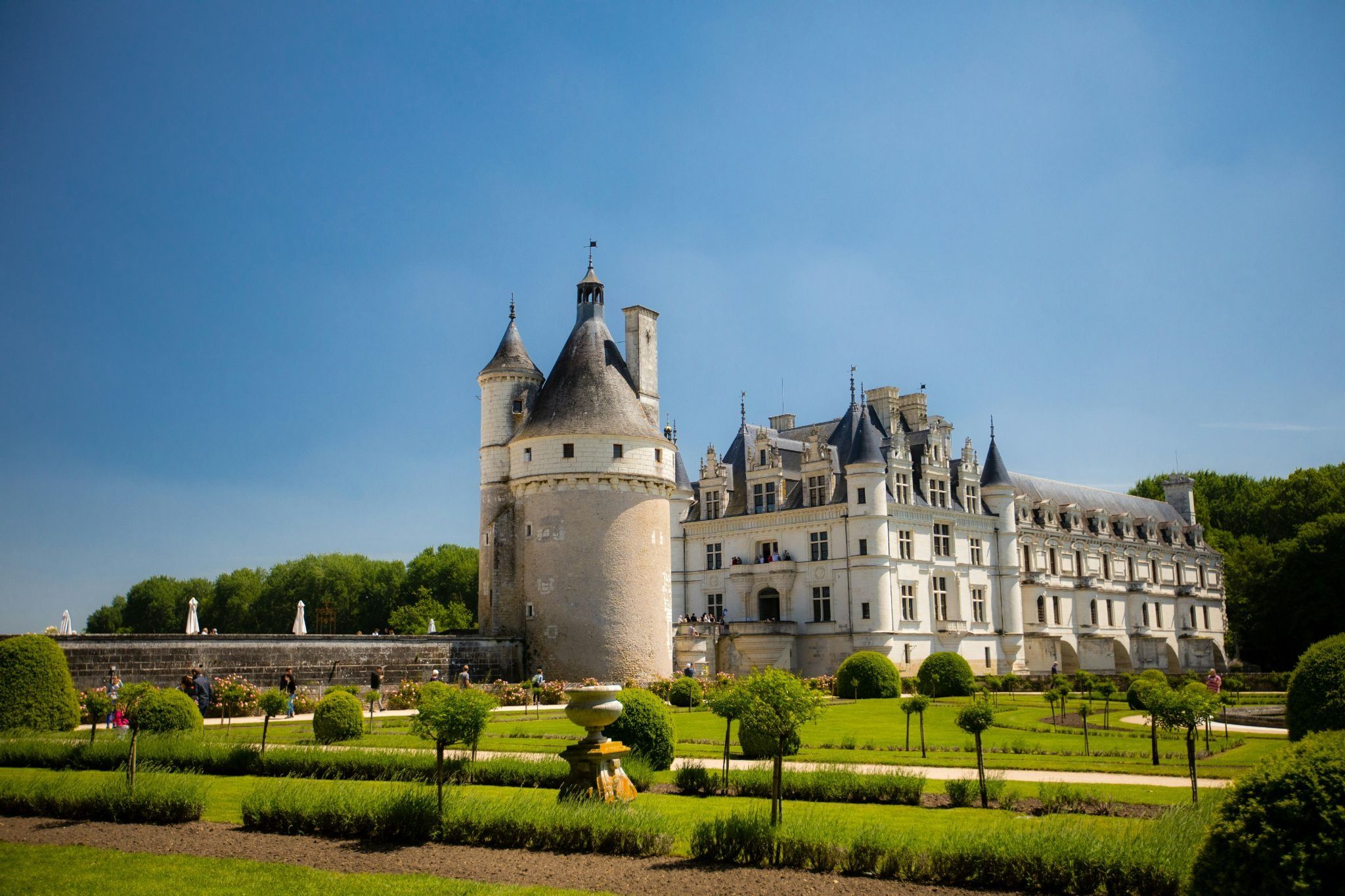 The Loire Valley is not a city and not a beach. It is a region built around a different pace: chateaux in the morning, wine in the afternoon, a quiet dinner in a small town in the evening. That rhythm is what brings people here.
- Chateaux: The region has over 300, including some of the most recognised Renaissance and royal estates in France. Chambord, Chenonceau, Villandry and Blois are all within an hour of each other
- Countryside: Rolling vineyards, sunflower fields in summer, the Loire River itself. The landscape between the chateaux is a large part of the experience
- Wine: Vouvray is known for Chenin Blanc, Chinon for Cabernet Franc, Saumur for sparkling wines. Cellar visits with tastings are available across the region
- Cycling: The Loire à Vélo route runs over 800km along the river, with flat, well-signed cycling paths connecting towns and chateaux
- Food: Rillettes, goat cheese (Sainte-Maure de Touraine), tarte Tatin, freshwater fish from the Loire. Regional menus are simple and seasonal
- Towns and villages: Amboise, Chinon, Blois and Saumur each have their own character and are small enough to walk in an afternoon
- Chateau means: A French castle, manor or grand country residence. In the Loire Valley, it usually refers to a historic royal or aristocratic estate
What Are the Best Things to Do in the Loire Valley?
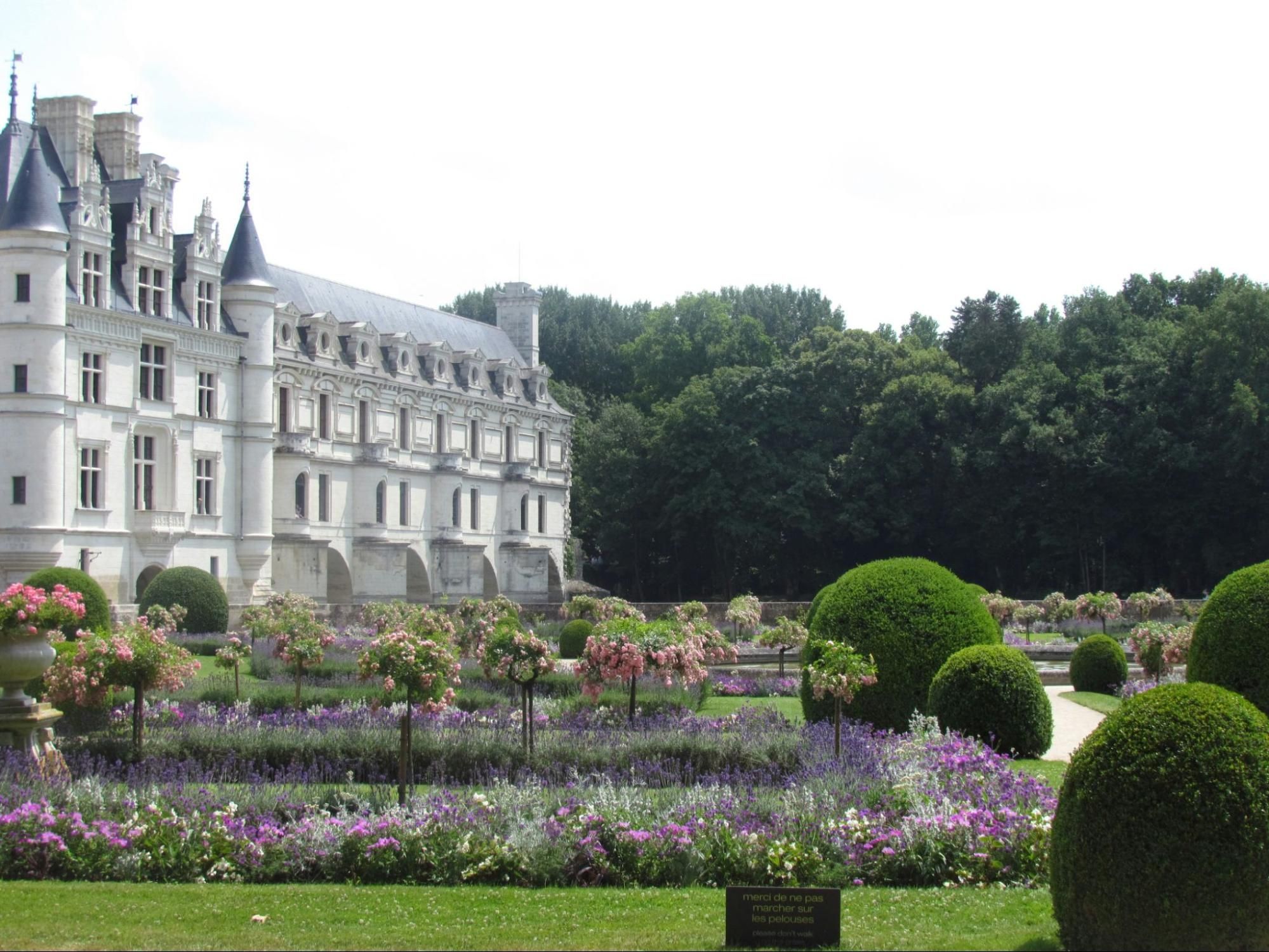 Loire Valley looks dazzling. It has delicious meals to taste for each time of the day. Bicycle activity sweeps around the town seamlessly, creating a balance between rush and boredom. And most importantly, the whimsical, tall, and grand Chateaux of France. Uncover each of these accessible things to do in Loire Valley, France.
Visit the Major Chateaux
There are five major Loire Valley castles known for their architecture and their connection to the historical rulers of France. Each castle covers a large area, so it can take some time to see everything. You will also need to pay an entry fee to visit each of these Loire Valley castles, as explained below.
- Chateau de Chambord: Allow around 2 to 3 hours. In 2026, entry is €31 for visitors who are neither nationals nor residents of the EEA.
- Château de Chenonceau: Allow 2 hours. Entry: approximately EUR 19
- Chateau Royal de Blois: Four architectural styles, from medieval Gothic to classical. Allow about 90 minutes. Entry: €16 for adults in 2026.
- Chateau de Villandry: The gardens are the main draw. Six formal garden spaces including the famous ornamental kitchen garden. Allow 2 hours. Entry approximately EUR 13 (chateau and gardens)
- Chateau de Cheverny: Smaller in scale, with six themed gardens and the Moulinsart exhibition. Allow around 1½ hours. Entry: €15.50 for adults in 2026.
Cycle Through the Loire Valley
You might find bicycles standing on one side of the street, waiting for you to use them. If you are wondering where to ride these slow-paced vehicles, there is no need to worry. You can follow the Loire à Vélo route, which connects nearby towns and chateau areas.
- Best for: A slower, active way to see the countryside between chateau stops
- Typical experience: A half-day ride between two towns with a chateau visit and lunch in between
- Bike hire: Available in most towns along the route, typically EUR 15 to 25 per day. Electric bikes available at higher rates
Visit a Loire Valley Wine Cellar
The town still follows the traditional way of preserving old wine to this day. To see it, you simply have to choose one of the wine areas, such as Vouvray (Chenin Blanc), Chinon (Cabernet Franc), Saumur (sparkling), or Bourgueil (reds). There, you will see large barrels containing different Loire Valley France wine varieties, from dry whites and sparkling wines to lighter reds. Most tastings cost around EUR 5 to 15 per person.
- What to expect: Small cellar-door visits with a walk through the cave (many are carved into the tuffeau limestone), followed by a tasting of 3 to 5 wines
- Best for: Wine-curious travellers who want a tasting without the formality of Bordeaux or Burgundy
Eat Local Loire Valley Food
The local dishes of this valley include Rillettes (slow-cooked potted pork), pike-perch from the Loire, mushrooms grown in tuffeau caves, and tarte Tatin (upside-down apple tart). When savouring these appetising meals on your France holiday, try pairing them with local wine. Vouvray with goat cheese is one of the simplest and most popular pairings in French food.
- Where to eat: Market towns like Amboise, Chinon and Tours have small restaurants serving regional menus. Markets run in most towns at least twice a week
Stay in a Town and Experience the Countryside
If you love taking in the town’s culture, rhythm, and everyday life slowly and without haste, then it is better to choose a stay inside the town. The atmosphere here is lively, so do not mistake the slower pace for a dry or non-crowded place. Amboise and Chinon are compact, walkable towns with good restaurants and a quiet evening pace.
- Best for: Travellers who want to slow down between chateau visits
- Countryside experience: Driving or cycling between chateaux takes you through vineyard-lined roads, sunflower fields and small villages that most guidebooks do not mention
- Good base options: Tours (largest town, best train connections), Amboise (smaller, central to many chateaux), Blois (quieter, near Chambord and Cheverny)
What Should You Know Before Planning a Loire Valley Holiday?
Question | Specific Answer |
Which chateaux should you visit? | First-timers: Chambord and Chenonceau. Gardens: Villandry. Architecture: Blois. A quieter visit: Cheverny |
How many days do you actually need? | 2 days covers 3 to 4 chateaux. 3 to 4 days adds wine, cycling and countryside time. A week lets you go deeper |
Where should you stay? | Tours for train access and restaurants. Amboise for a central, smaller base. Blois for Chambord and Cheverny proximity |
Can you visit without a car? | Partly. Trains connect Tours, Amboise and Blois. You can visit Chenonceau and Villandry without a car. Chenonceau has a nearby TER station, while Villandry is connected to Tours by bus line 32 |
How do you plan a chateau route? | Pick a base. Group nearby chateaux (Chambord and Cheverny one day, Chenonceau and Amboise another). Add one non-chateau experience per day |
What can you skip? | Skip when short on time: smaller chateaux like Azay-le-Rideau. Keep if gardens matter: Villandry. Leave for a longer stay: Chinon and Saumur |
What does a Loire Valley holiday actually cost? | See cost table below |
What should you book in advance? | Chateau tickets for Chambord and Chenonceau in summer. Popular guided tours. Wine tastings at smaller domaines. Hotels in Amboise during peak months. Car rental |
A Region That Rewards the Right Pace
The Loire Valley works best when you resist the temptation to visit every chateau and leave room for the things between them: a wine tasting at a small cellar, a cycle ride between two towns, lunch at a market-square restaurant where the menu changes with the season. Three or four days at a comfortable pace is enough to understand why the region has drawn people for centuries, and why it keeps them coming back.
At Holiday Tribe, we build the Loire Valley into structured France holiday packages that cover accommodation, transfers and chateau itineraries.