

You’ve probably heard that the subway is how New York really gets around, and that’s true. Still, when you’re at a turnstile for the first time, holding a confusing map and surrounded by fast-moving crowds, it doesn’t feel so easy. Here’s what trips up most people in 2026: the yellow MetroCard your cousin mentioned is gone. This guide is here for that moment- your first subway ride- so you can get around the city like a pro. We’ll keep things simple and practical: how to use the subway, what to tap, what to pay, and the common mistakes first-timers make.
How Does The New York Subway Actually Work?
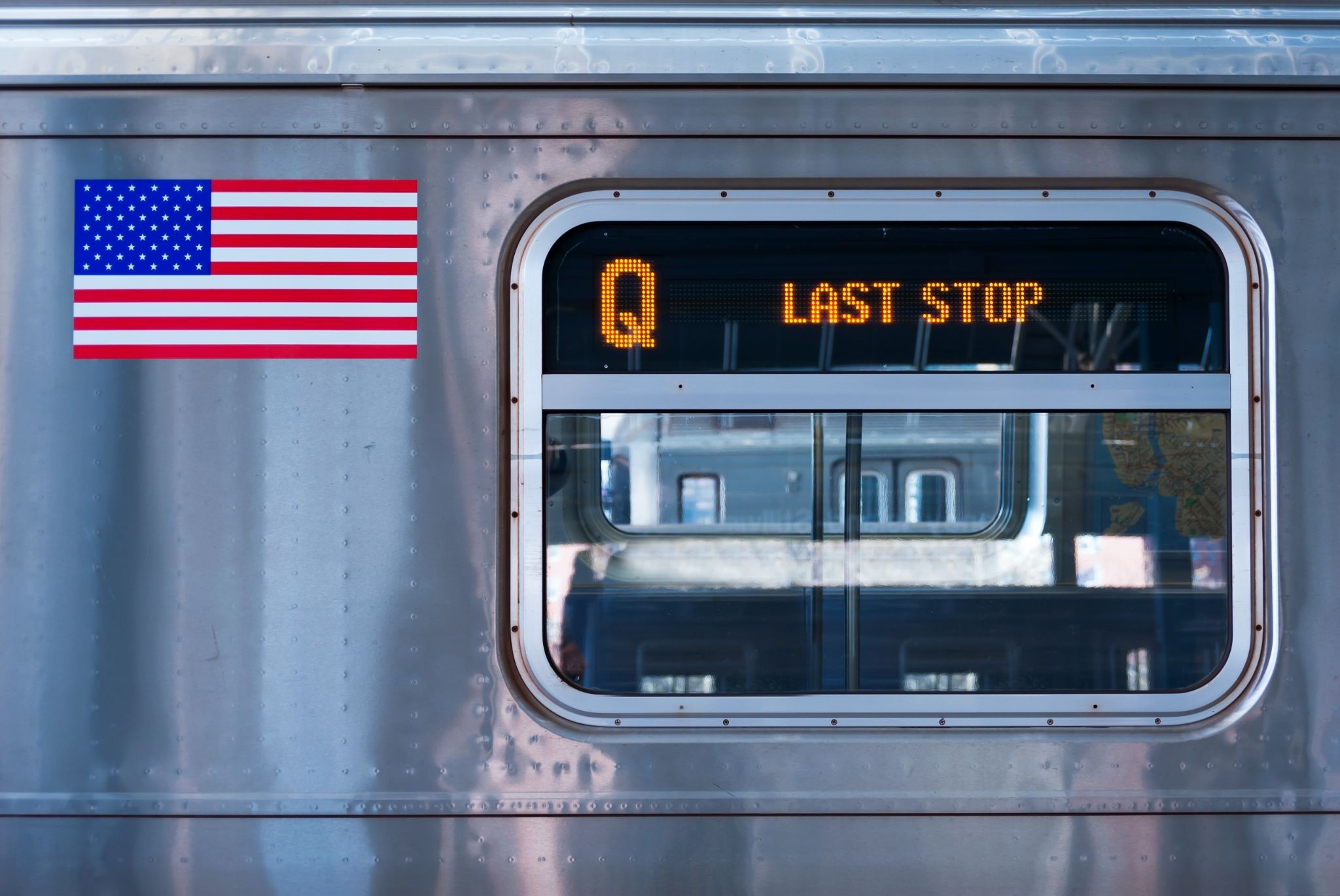
Before we talk about fares, here’s a quick overview. The subway runs all day, every day, with 472 stations, more than any other metro system in the world. For newcomers, most confusion comes down to two questions you’ll face on every platform.
- Which direction? Uptown or downtown.
- Which train type? Local or express.
Once you figure out those two things, you’ve pretty much learned how to use the NYC subway. The rest is just extra details.
How To Use The NYC Subway: Direction And Train Type
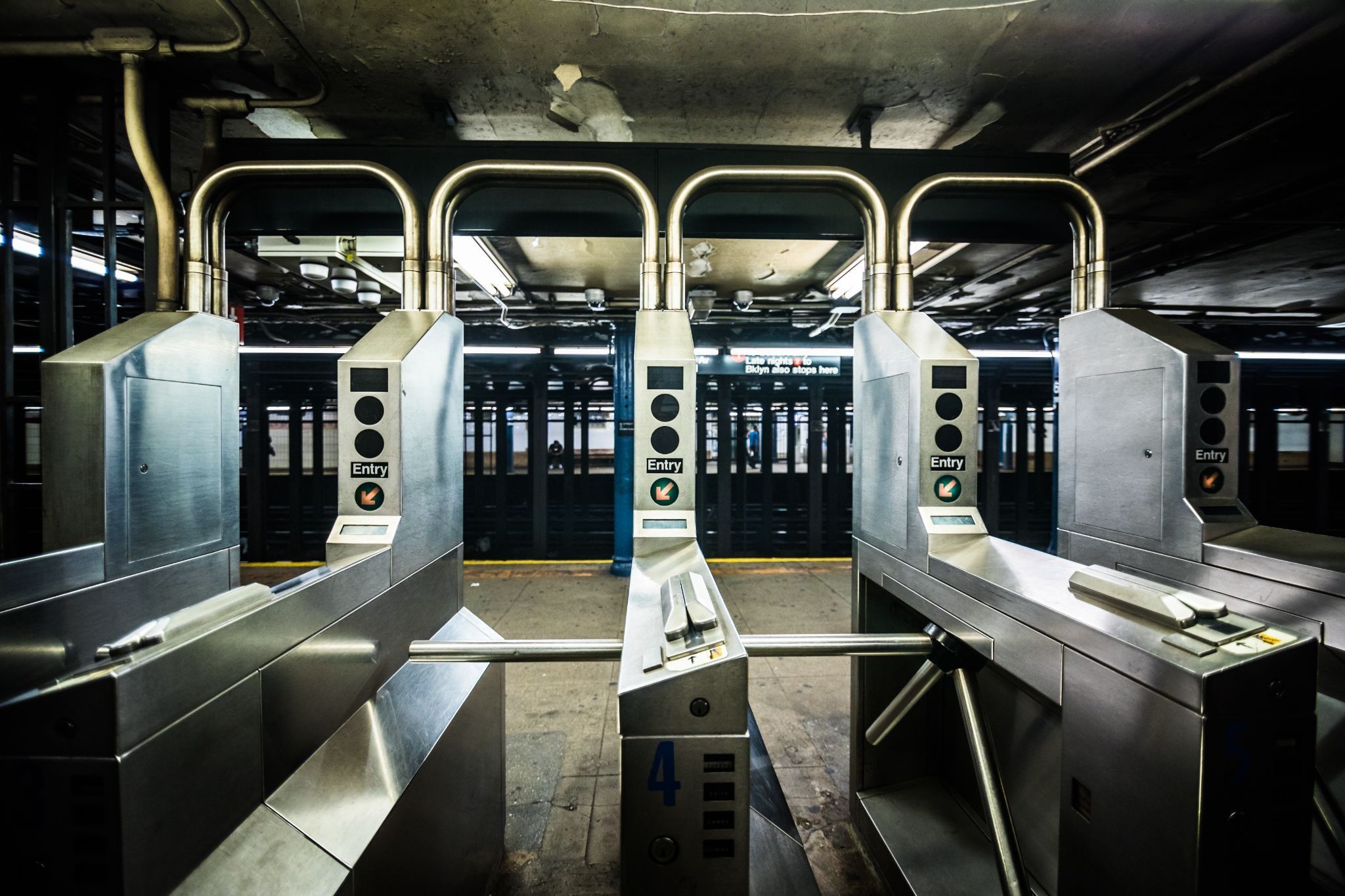
Subway lines use letters and numbers, not colours, so you’ll ride “the 1” or “the A,” not “the blue one.” Match the letter or number to your direction and you’re already ahead of most visitors.
Uptown Or Downtown?
In Manhattan, uptown means north and downtown means south. Street numbers go up as you head uptown and down as you go downtown, so the avenue signs work like a compass.
- Check the entrance sign before you tap. Smaller stations often have separate stairs for each direction, labeled “Uptown & The Bronx” or “Downtown & Brooklyn.”
- If you pick the wrong stairs at those stations, you might have to tap out and pay again to cross over, since the two platforms aren’t always connected inside.
Local Or Express?
This part trips up a lot of people. Local trains stop at every station. Express trains skip smaller stops and only stop at big hubs, so they’re faster if your stop is on their route, but not helpful if it isn’t.
- On the subway map, a black dot shows a local stop and a white dot shows an express stop.
- Late at night and on weekends, express trains often run as local or take different routes, so check before you get on.
Tribe Travel Tip: Let a map app choose your train. Google Maps, Citymapper, or the official MTA app will tell you the exact line and direction in real time. This helps because weekend service in New York can change suddenly.
New York Subway Fares In 2026: What You’ll Pay
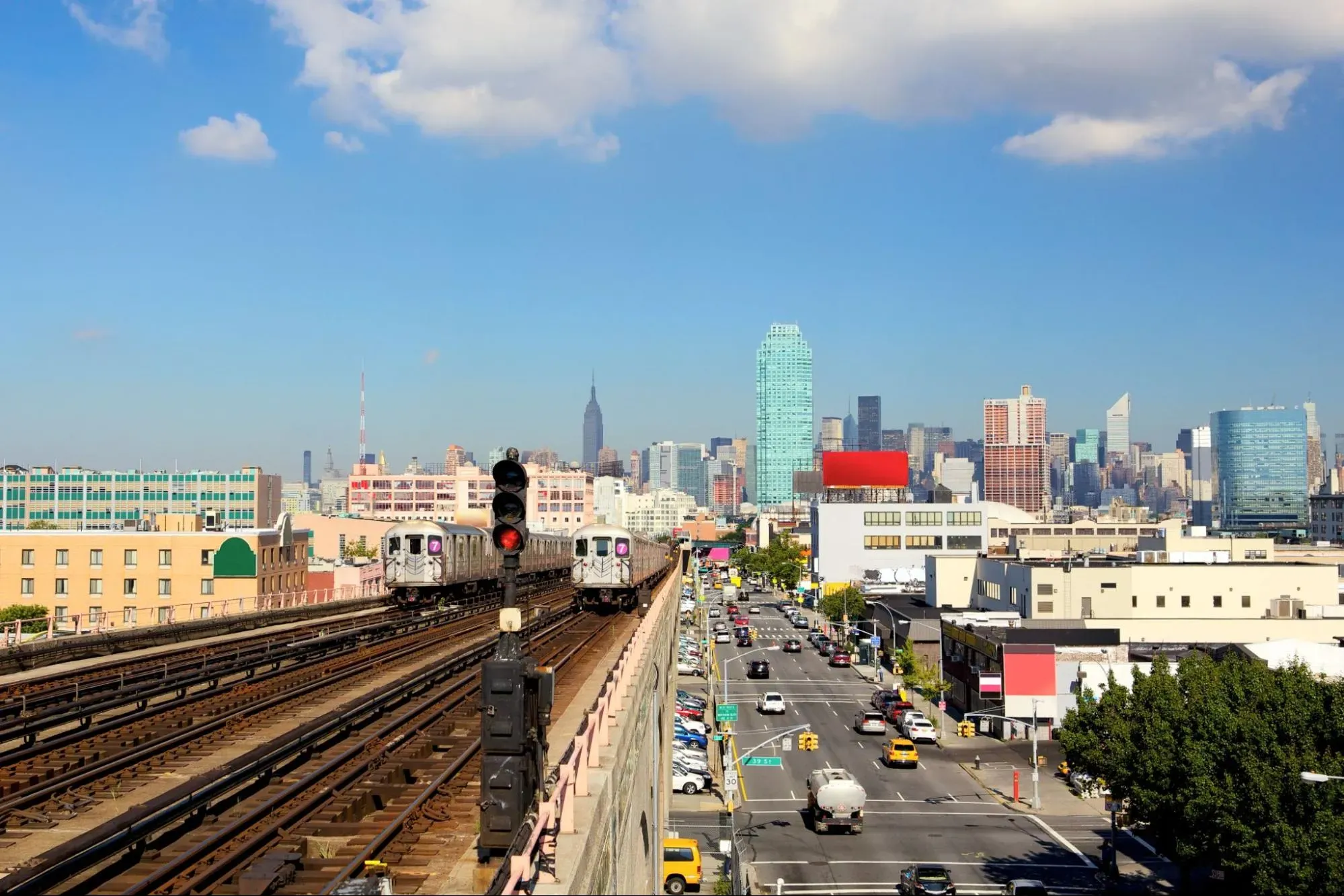
This is the part of any New York subway guide that changes the most, so here are the latest numbers. One flat fare gets you anywhere on the subway, no matter how far you go or what time it is.
Fare (2026) | Price |
Subway or local bus, single ride | $3.00 |
Weekly fare cap (OMNY) | $35.00 |
Reduced fare (seniors, disability) | $1.50 |
Single-ride paper ticket | $3.50 |
How You Pay Now
The main change is that the MetroCard is no longer available. Since the end of 2025, you cannot buy or refill one, so everyone now uses OMNY, the tap-and-go system. This is now how subway fares work in New York.
- You can tap a contactless Visa or Mastercard, your phone or watch with Apple Pay or Google Pay, or a reusable OMNY card at the turnstile.
- Wait until the screen says GO, then walk through. Each tap lets one person enter.
The Weekly Fare Cap (Your Free Rides)
This system replaces the old unlimited passes. If you tap with the same card or phone all week and pay $35, every ride after that is free until your seven days are over.
- Since each ride costs $3.00, you reach the cap on your twelfth ride.
- Keep in mind that the cap only works with one payment method, so do not switch between your phone and a card on different days.
Tribe Travel Tip: Indian travellers, your contactless card should work, but your bank might charge a foreign-currency fee for each ride. To avoid this, pay through your phone with one linked card, or use an OMNY card, so the weekly cap still counts on a single method.
Getting From The Airport On New York Public Transport
Most first-timers meet the system on day one, straight off a long flight, and the subway is the backbone of New York public transport for a reason.
- From JFK: Take the AirTrain to Jamaica or Howard Beach, then the subway. That is in total, and it usually beats a cab stuck in traffic.
- From Newark (EWR) and LaGuardia (LGA): There is no direct subway, so you connect by AirTrain and train, or a short bus link, before the subway takes over.
First-Timer Mistakes To Skip
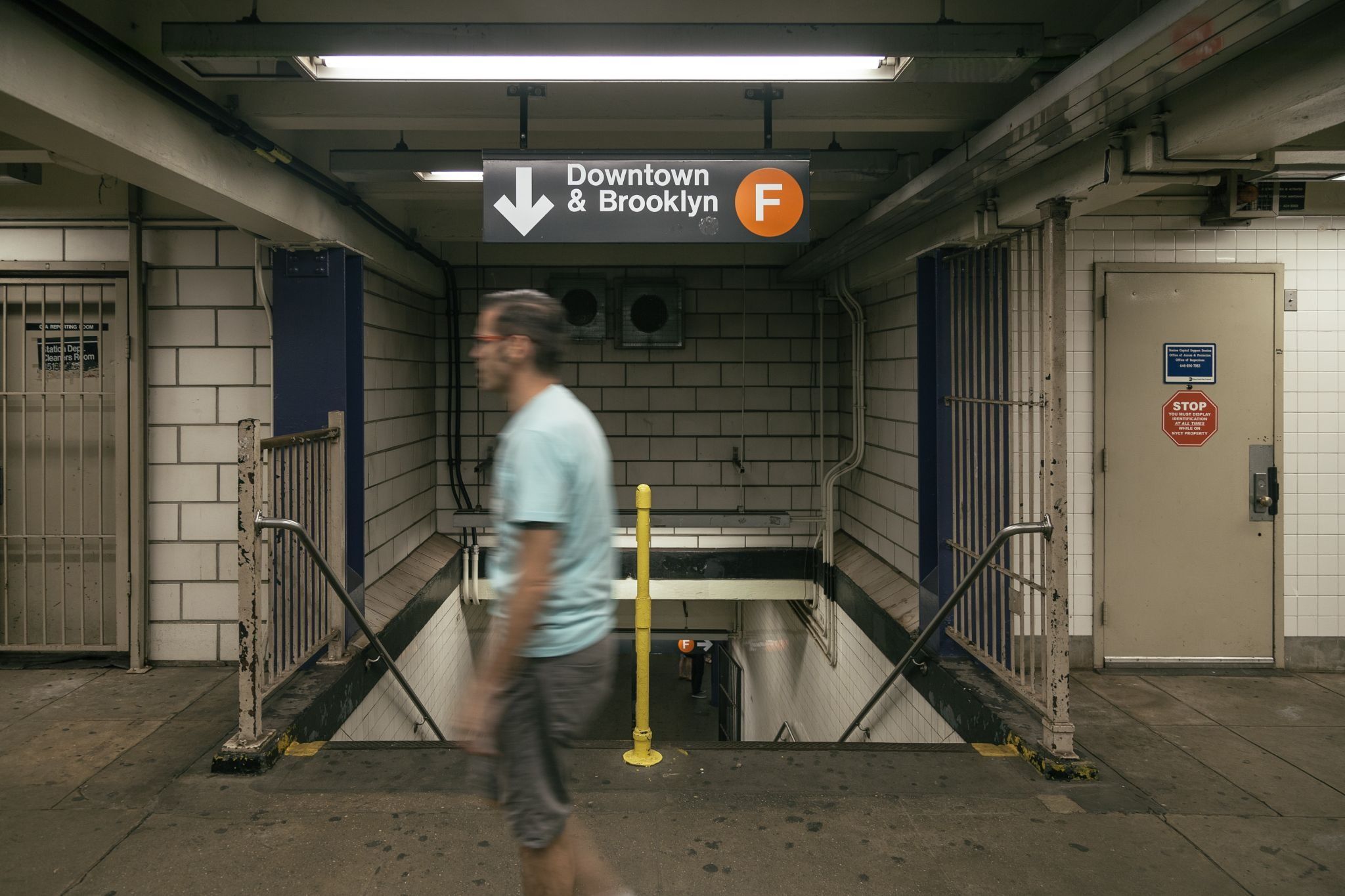
A few simple habits can make your first subway ride much smoother, as this guide often points out.
- Buying a single paper ticket. It costs $3.50 against the $3.00 tap, and it never counts toward your weekly cap.
- Boarding without checking direction. Uptown when you wanted downtown is the classic first-day detour.
- Jumping on an express. Match the train’s stop list to your station, or watch your stop sail past.
- Splitting payment across cards. The cap only grows on one method.
- Assuming weekends run normally. Lines reroute, so trust the app over the wall map.
See More Of New York, One Tap At A Time
Once you get used to it, the subway is the best-value way to see the city. It runs at 3 a.m. just as well as at noon. Use this guide as your first-ride cheat sheet, and you will be exploring New York in no time.
If you want everything planned before you arrive, we can help. Holiday Tribe offers two options: ready-made itineraries with your stays, transfers, and sightseeing included, or a fully customised route based on your travel style. Just tell our advisors what you want from your New York holiday, and we will take care of the rest, so your first subway tap feels easy.