


There’s a certain feeling you get from being in one of the most isolated places in the world, slightly short of breath, surrounded by thin air, brown cliffs and barren lands, trying to find yourself in monasteries and the highest roads in the world. The sense of knowing you’re at a place where only a percentage of people will ever be. This feeling is what you call Ladakh.
Whether you are chasing photographs, culture, or simply a break from the noise of city life, tourist places in Ladakh have something for you, and this list has the top 15 so your Ladakh adventure is made easy.
Which Leh Ladakh Tourist Places Should Top Your List?
Before you go into the details, here is a quick overview of the fifteen places to visit in Leh that shape almost every vacation:
Place | Distance from Leh | Altitude | Best for |
Leh Palace | In Leh town | 3,500 m | History and views |
Shanti Stupa | 5 km | 3,609 m | Sunset and calm |
Khardung La | 40 km | 5,359 m | High passes |
Magnetic Hill | 30 km | 3,900 m | Curiosity stop |
Sangam (Indus and Zanskar) | 35 km | 3,150 m | River views |
Nubra Valley | 120 km | 3,048 m | Sand dunes |
Pangong Tso | 150 km | 4,350 m | Lakes |
Tso Moriri | 220 km | 4,522 m | Wildlife |
Tso Kar | 170 km | 4,530 m | Quiet lakes |
Hemis Monastery | 45 km | 3,505 m | Festivals |
Thiksey Monastery | 19 km | 3,600 m | Architecture |
Alchi Monastery | 70 km | 3,100 m | Old murals |
Lamayuru | 125 km | 3,510 m | Moonland scenery |
Turtuk Village | 205 km | 2,900 m | Border culture |
Hall of Fame | 4 km | 3,500 m | War history |
What Are the Best Places to Visit in Ladakh for Lakes?
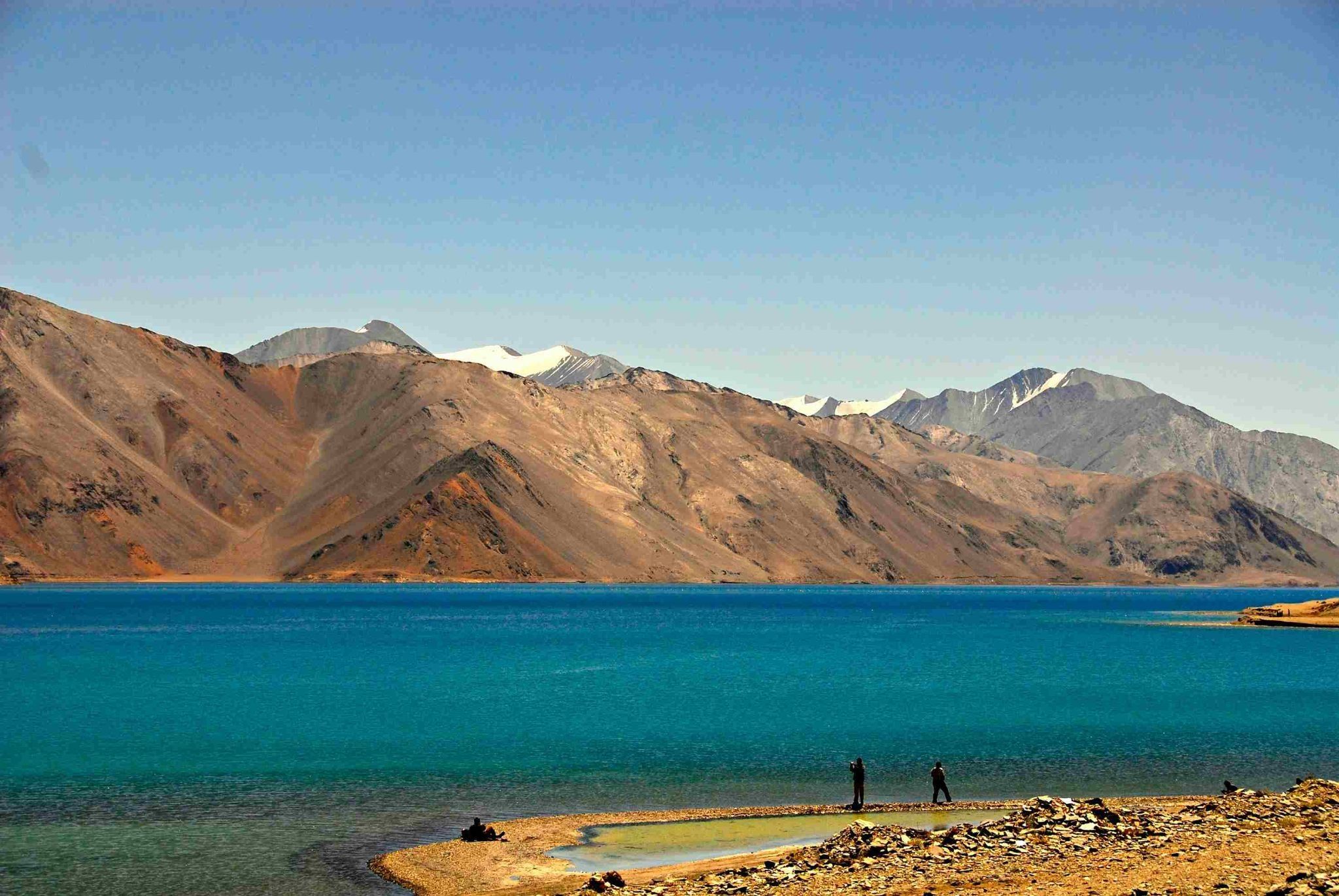
Ladakh's lakes are the reason most people fall for this region in the first place, and each one has its own personality.
- Pangong Tso: This lake shifts between deep blue, grey, and green through the day, and it stretches so far that part of it lies in Tibet. It sits roughly five hours from Leh over Chang La, one of the higher passes on this route.
- Tso Moriri: If you’re looking for a quieter and more remote place, this option is about 220 km from Leh. This area is a Ramsar Wetland and is home to breeding bar-headed geese, which are famous for flying over the Himalayas at very high altitudes.
- Tso Kar: The smallest of the three, sitting in the Rupshu valley. Its shallow, salt-crusted shore draws migratory birds and rarely sees the crowds that gather at Pangong.
These places to visit in Ladakh pay off best for travellers who give each lake enough time rather than rushing between them on the same day. A single overnight stay at Pangong or Tso Moriri, in a homestay or a basic camp, changes the experience completely compared to a quick drive-by visit.
Which Monasteries Are Part of the Must-See Tourist Places in Leh?
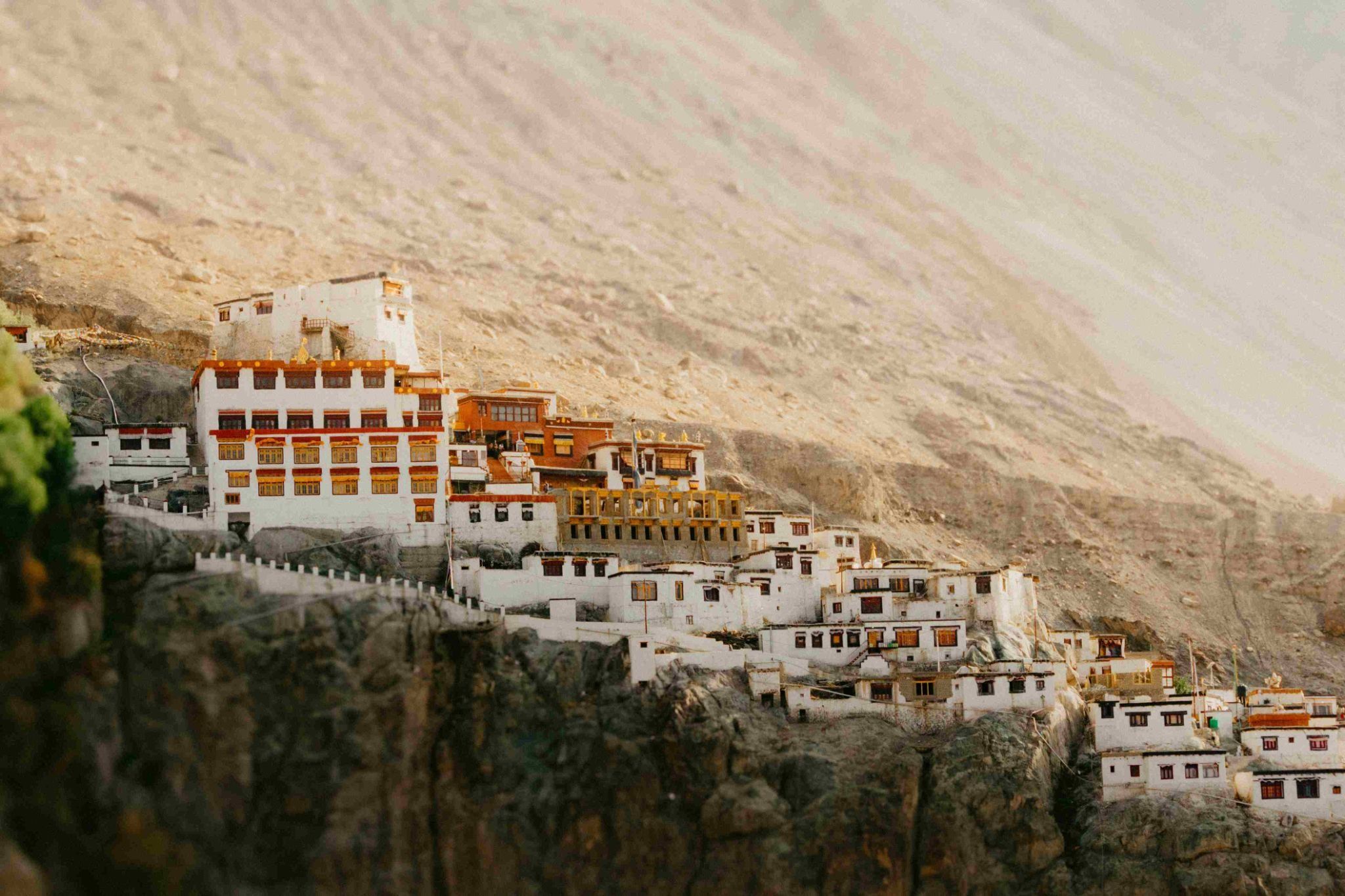
Ladakh's monasteries, or gompas, preserve centuries of Tibetan Buddhist art and daily rituals that continue today.
- Hemis Monastery: Founded in the 17th century, it hosts the Hemis Festival every summer with masked dances that draw visitors from across the country.
- Thiksey Monastery: Built like a smaller version of the Potala Palace in Lhasa, it is spread across twelve levels on a hillside near Leh.
- Alchi Monastery: Unlike most gompas, Alchi sits on flat ground and holds some of the oldest wall paintings in the entire Himalayan belt, dating back over a thousand years.
- Lamayuru: Set against a landscape locally called Moonland for its eroded, crater-like hills, this is one of the oldest monasteries in the region.
Tribe Travel Tip: Early morning prayer sessions, usually before 7 am, are the best time to witness monastery life without the midday rush of visitors.
What Adventure Spots Make Ladakh Tourist Places Worth the Climb?
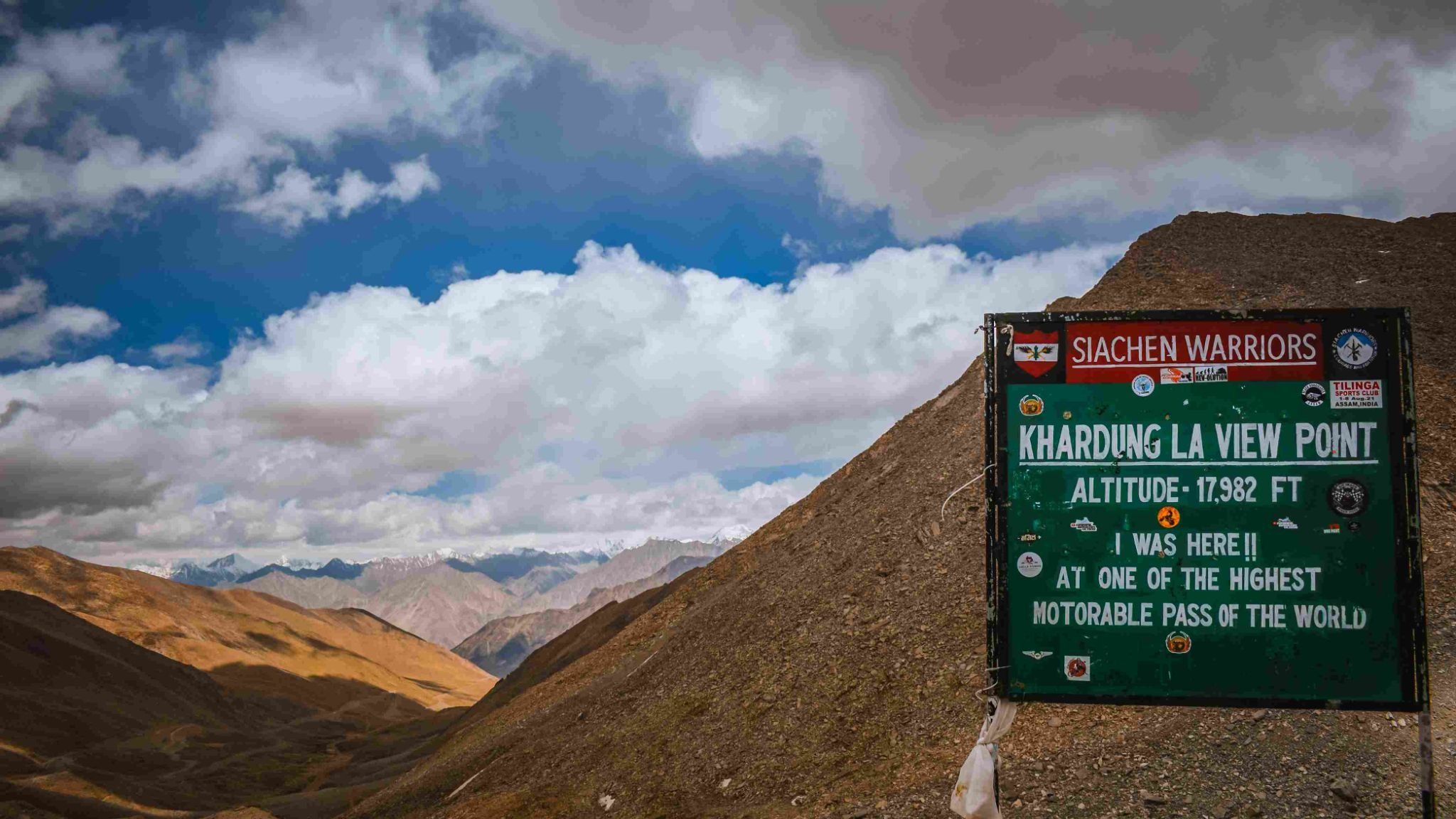
If you want your holiday to include a little adrenaline, these spots deliver it without too much of a hassle.
- Khardung La: Long marketed as the highest motorable pass in the world, it actually sits at 5,359 metres, with nearby Dungri La claiming the true record. Either way, the views over the Karakoram range are hard to beat.
- Nubra Valley: Reached via Khardung La, this valley mixes double-humped Bactrian camel rides on the Hunder dunes with green villages fed by the Shyok and Nubra rivers.
- Magnetic Hill: A short stretch of road near Leh where vehicles appear to roll uphill on their own, an optical illusion tied to the surrounding slopes rather than actual magnetism.
Tribe Travel Tip: If you enjoy being on two wheels, several of these Ladakh tourist places also feature on the classic Leh to Nubra and Leh to Pangong motorbike routes.
Which Ladakh Tourist Places Reveal Local History and Culture?
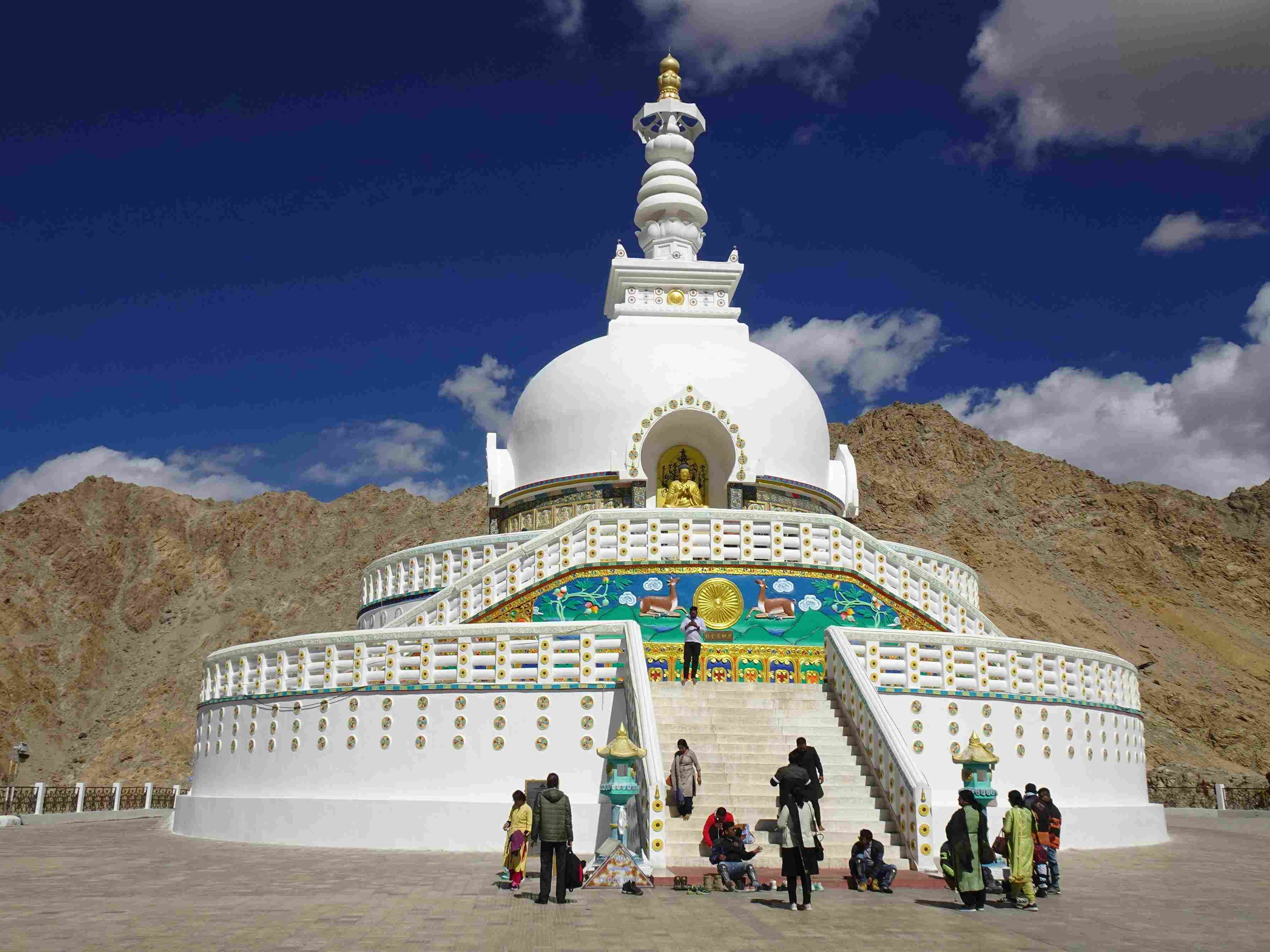
These best places to visit in Ladakh work well as a single-day circuit if you are short on time, since most sit within an hour or two of Leh town, aside from Turtuk, which is a longer detour toward the border.
- Leh Palace: A 17th-century royal residence built for the kings of Ladakh, overlooking the old town from a ridge above the market.
- Shanti Stupa: A white domed Buddhist monument built in 1991, best visited near sunset when the whole Leh valley glows gold.
- Hall of Fame: A museum run by the Indian Army that documents the region's military history, including the 1999 Kargil conflict, with photographs and recovered equipment.
- Turtuk Village: A Balti village near the Pakistan border that opened to tourists only in 2010, known for its apricot orchards and a culture distinct from the rest of Ladakh.
- Sangam Point: The confluence of the Indus and Zanskar rivers, where two different colored waters meet and mix near Nimmu village.
Tribe Travel Tip: Pair Leh Palace and Shanti Stupa with a walk through the old town market, where local Ladakhi handicrafts, pashmina shawls, and apricot products make good souvenirs.
What Is the Right Season to Visit These Places in Ladakh?
Leh is about 3,500 metres above sea level, and many tourist spots in Ladakh are even higher. Spend at least two relaxed days in Leh before you travel to places like Khardung La or Pangong.
Even if you are fit, skipping this can lead to altitude sickness. Drink extra water, take it easy for the first couple of days, and give your body time to adjust before any long tours.
Season | Months | What to expect |
Peak summer | June to August | All passes open, warmest days, busiest roads |
Early autumn | September | Fewer crowds, cooler nights, clear skies |
Winter | December to February | Frozen Zanskar river, limited access, extreme cold |
Shoulder months | May, October | Some passes and camps not fully ready |
If you are flying into Leh, book a flight that lands earlier in the day so you have time to settle in before evening, when the cold sets in fast. Those driving in over the Manali or Srinagar highway acclimatise more gradually along the way.
Do You Need Permits for These Ladakh Tourist Places?
Yes, several of the spots on this list sit close to sensitive border areas and require a permit before you go.
- Nubra Valley, Pangong Tso, Tso Moriri, and Hanle all fall inside restricted zones.
- Indian citizens apply for an Inner Line Permit, while foreign travellers apply for a Protected Area Permit.
- Permits are issued through the Deputy Commissioner's office in Leh or online through the Ladakh Autonomous Hill Development Council portal.
- Carry a few photocopies of your ID, since checkpoints along these routes ask for permit copies at multiple stops.
Tribe Travel Tip: Apply for permits a day in advance rather than the same morning you plan to leave, since processing at smaller counters can take longer during peak season.
Ready to Plan Your Leh Ladakh Escape?
Besides the obvious raw landscape of Ladakh, there’s also a mix of spirituality and belonging that comes from the monasteries, and the appreciation of beauty you get witnessing Pangong Lake change colour, 4,350 metres above sea level. Acclimatise well,have some patience, and most of all be open to what you’ll feel. No matter what you’re looking for, tourist places in Ladakh will have your answer.
If Ladakh is on your bucket list, advisors at Holiday Tribe can help you with customised travel packages that cover everything you want to see along with stays and optional flights. Get in touch to turn your dream into a reality today.