

You might know Spain through football and movies; it’s often portrayed as a country of deep tradition and culture, and that representation is 100 per cent correct. Only in Spain can you spend one afternoon watching a flamenco dancer stomp out a rhythm in a candlelit Seville courtyard, and stand by evening, under Gaudi's melting stone spires in Barcelona, wondering how one nation holds so many different experiences.
This mix of culture keeps travellers coming back from all over the world. Whether you are chasing the sound of a guitar in Andalusia, the smell of paella by the coast, or a quiet family afternoon in a plaza filled with pigeons and gelato, Spain has a version of itself that you’ll love. This guide walks through the places in Spain that best capture its culture, along with practical notes on timing, visas, and who each spot suits.
Why Spain Deserves a Spot on Every Culture Lover's List
You can't learn about Spain's culture merely by going to a museum; you come to know it in a tapas bar where strangers begin to talk to each other, in a square where the entire town gathers for an evening walk, and in a cathedral which used to be a mosque.
Few countries display their history so openly, having Roman roads, Moorish courtyards, and Gothic spires all incorporated into one old town. All the food, the siesta routine, and the warmth with which people greet you combine to create an atmosphere that seems genuine and not merely put on for tourists. Indian travellers in particular have found it much easier to get to the country since direct and one-stop flight options have been available and vegetarian food is now easy to obtain in most tourist areas.
What Are the Best Places to Visit in Spain for Culture and History?
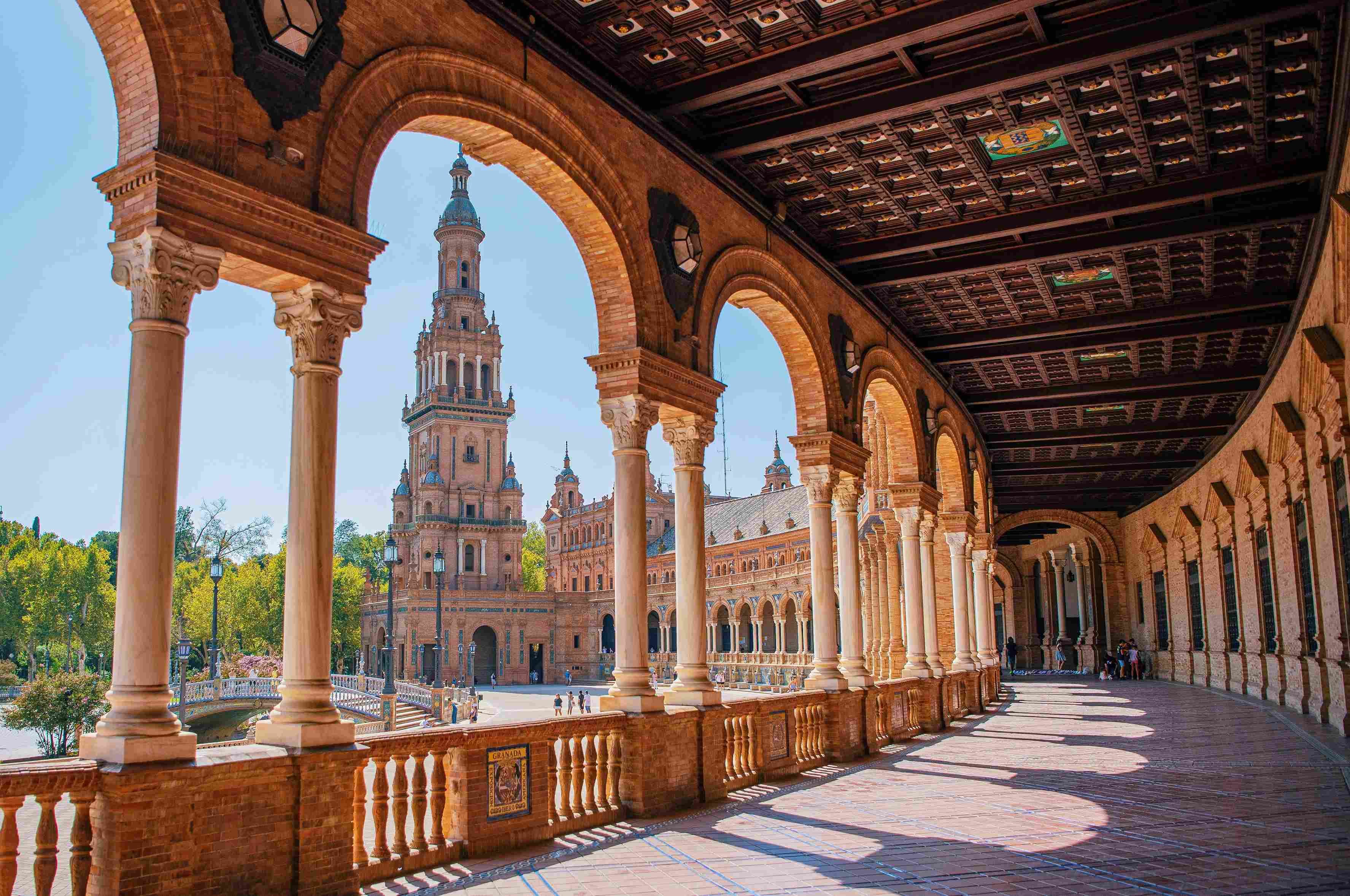 Culture in Spain is regional, so the experience shifts noticeably depending on where you land. Andalusia in the south carries the deepest Moorish and flamenco roots, while the north holds onto older Basque and Celtic threads that feel almost like a different country.
- Seville, the birthplace of flamenco, where courtyard cafes still host live cante jondo performances most evenings
- Granada, home to the Alhambra, a fortress and palace complex built by Moorish rulers that remains one of the most visited places to visit in Spain
- Cordoba, where the Mezquita mosque cathedral shows Islamic and Christian architecture layered into a single building
- Toledo, once home to Muslim, Jewish, and Christian communities living side by side, still visible in its old quarter
- Santiago de Compostela, the final stop of the centuries-old Camino pilgrimage route
Tribe Travel Tip: Book a flamenco show in a small tablao rather than a large tourist theatre. The smaller rooms in Seville and Jerez tend to feel far more personal.
What Are the Most Beautiful Places in Spain to Visit for Art and Architecture?
 If Andalusia gives you history, Barcelona and the north give you imagination. This is where Spanish creativity took an entirely different direction, shaped by artists unafraid to bend a straight line.
City | Known for | Best for |
Barcelona | Gaudi's Sagrada Familia and Park Guell | Architecture lovers, first timers |
Bilbao | Guggenheim Museum's titanium curves | Modern art, a quieter city break |
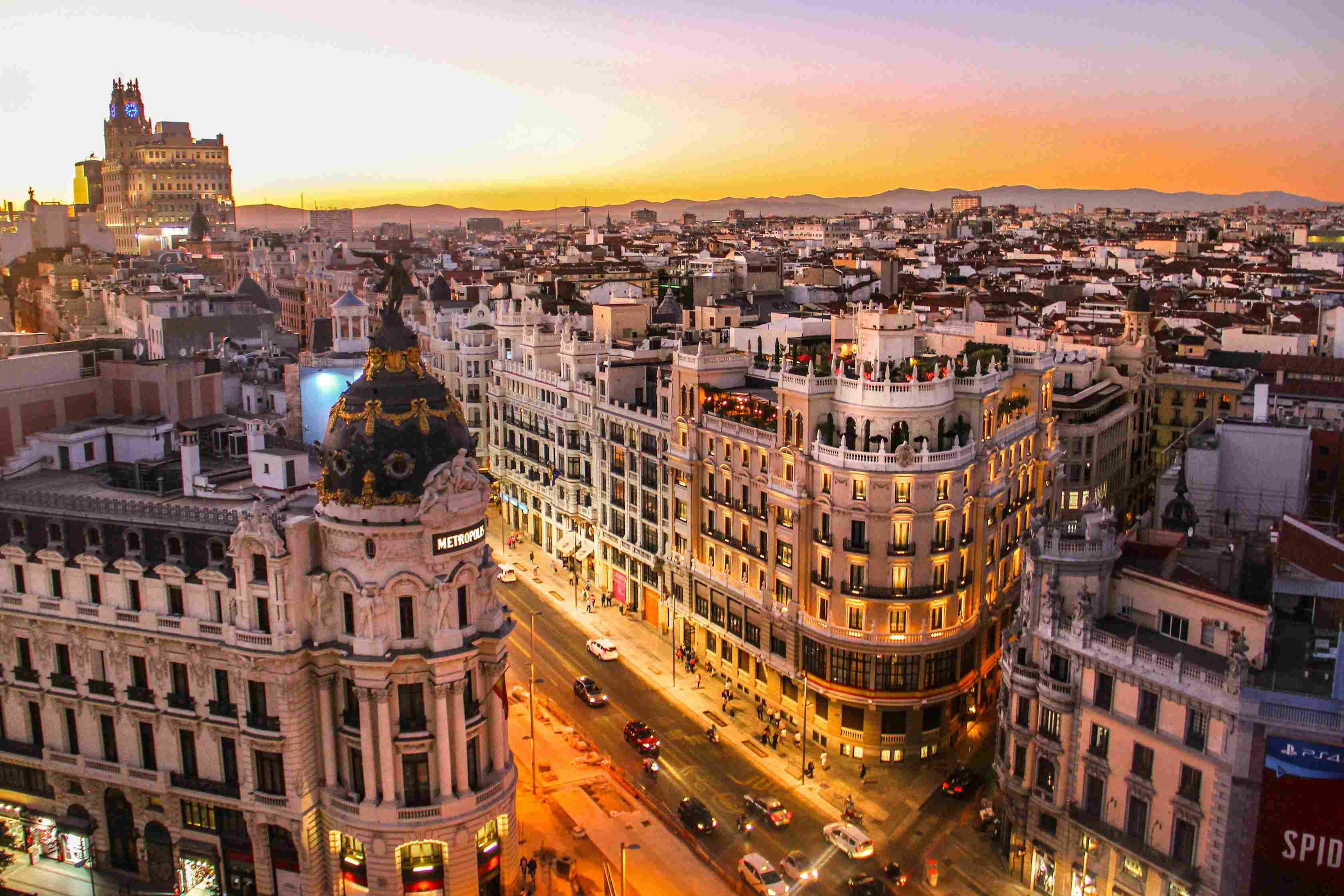
Madrid | Prado and Reina Sofia museums | Classic and contemporary art together |
Figueres | Dali Theatre Museum | Surrealist art, a quirky afternoon |
Barcelona alone could fill several days, since Gaudi's work is scattered across the city rather than kept in one gallery. The Sagrada Familia is still under construction after more than a century, and that ongoing work is part of what makes it one of the most beautiful places in Spain to visit for anyone curious about how a single vision can outlive its creator.
Tribe Travel Tip: Book Sagrada Familia tickets online at least a few days ahead. Walk-up slots are rare, and the tower climb sells out fastest.
What Are the Fun Places to Visit in Spain for Festivals and Local Life?
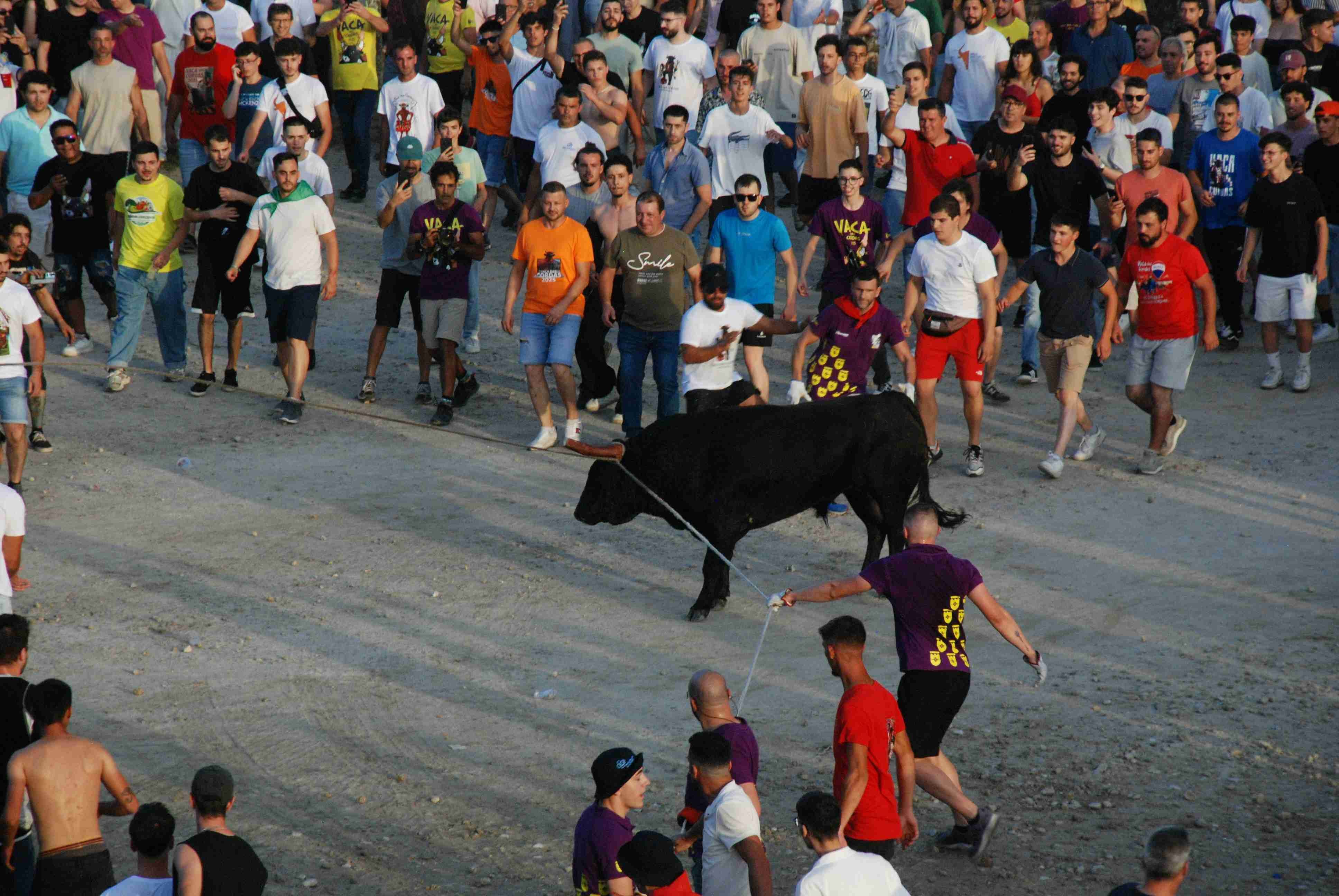 Spain takes its festivals just as seriously as it does its food, and if you time your holiday to experience one of them, your ordinary week can become something you talk about for years. Every region has its own particular festival, usually linked to a patron saint or a harvest custom.
- Pamplona's Festival of San Fermin, held every July from the 6th to the 14th, is famous for the early morning running of the bulls through the old town streets
- La Tomatina in Bunol, near Valencia, a tomato-throwing festival held on the last Wednesday of August where around 150,000 kilos of tomatoes fly through the streets in under an hour
- Semana Santa, the Holy Week processions held across the country before Easter, with Seville's silent, candlelit parades considered among the most moving
- Feria de Abril, Seville's spring fair held roughly two weeks after Easter, filled with flamenco dresses, sherry, and all-night dancing
- Las Fallas, Valencia's March festival of giant sculptures that end up burned in a single fiery night
These are some of the most fun places to visit in Spain when you want to see the country at its loudest and most alive, though each one draws heavy crowds and fills hotels fast, so book your stay well ahead if your dates line up with one of them.
Tribe Travel Tip: If bulls and crowds are not for you, Pamplona's daytime market stalls and evening pintxos bars during San Fermin week are worth visiting without ever going near the encierro route.
What Are the Best Places to Visit in Spain for Couples?
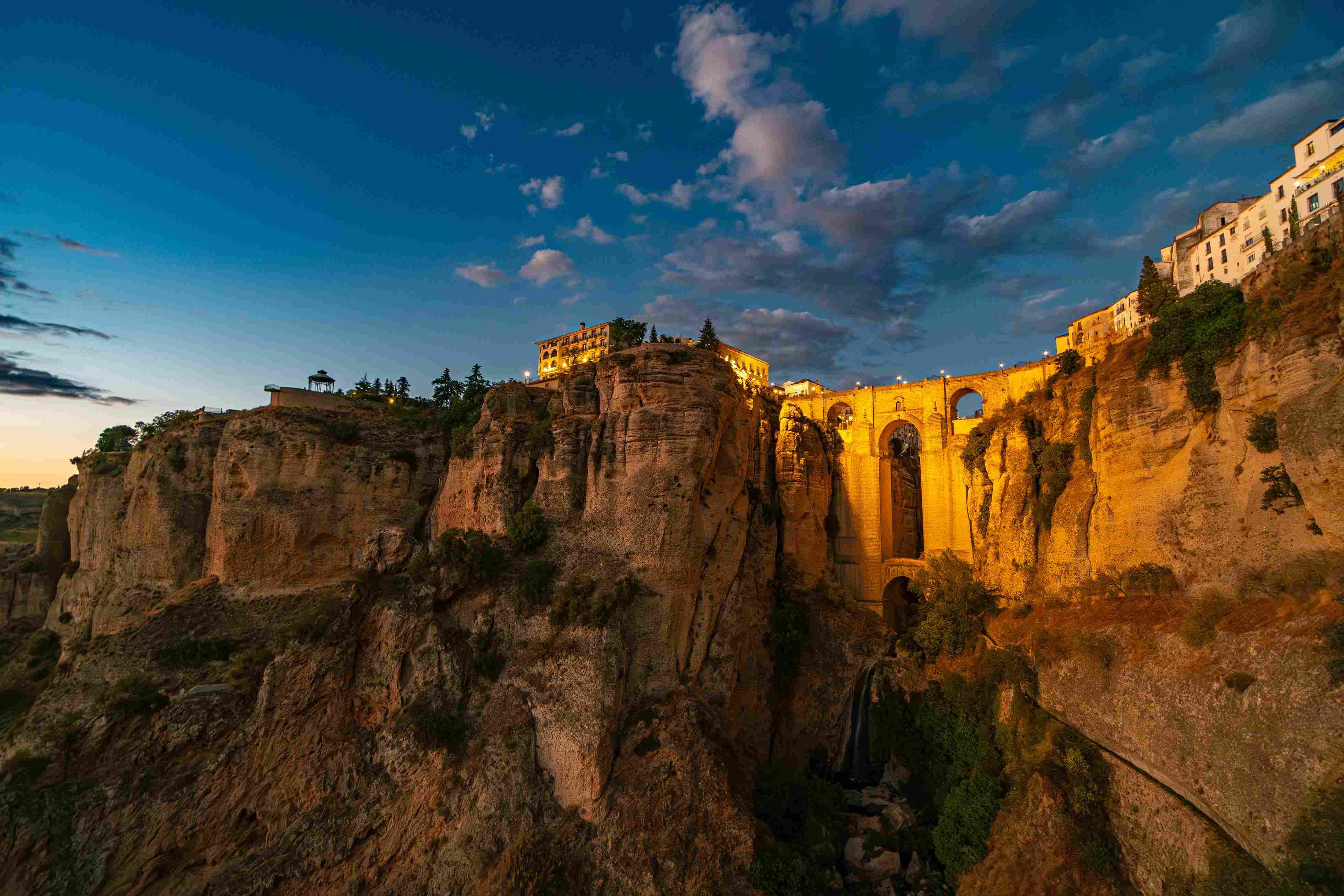 Spain has a more relaxed and personal aspect which often comes as a surprise to couples who had only known it from festival photographs. Here, sunsets are regarded as a small ritual and many towns have in fact been built with such a peaceful evening in mind.
- Ronda, a hilltop town split by a deep gorge, with views that pair perfectly with a long dinner
- San Sebastian, a Basque coastal city known for pintxos bar hopping and a beach walk along La Concha Bay
- Ibiza's quieter northern coves, away from the club scene, for couples who want beach time rather than nightlife
- Cadiz, one of Europe's oldest cities, with a walkable old town and rooftop bars looking out over the Atlantic
A slow evening walk through Ronda or a shared plate of pintxos in San Sebastian tends to stay in memory longer than any single monument, which is part of why these show up so often on lists of the best places to visit in Spain for couples planning something more personal.
Tribe Travel Tip: Book a sunset table at a rooftop bar in Cadiz a day ahead during summer. The best spots facing the Atlantic fill up quickly once the evening heat breaks.
What Are the Best Places to Visit in Spain with Family?
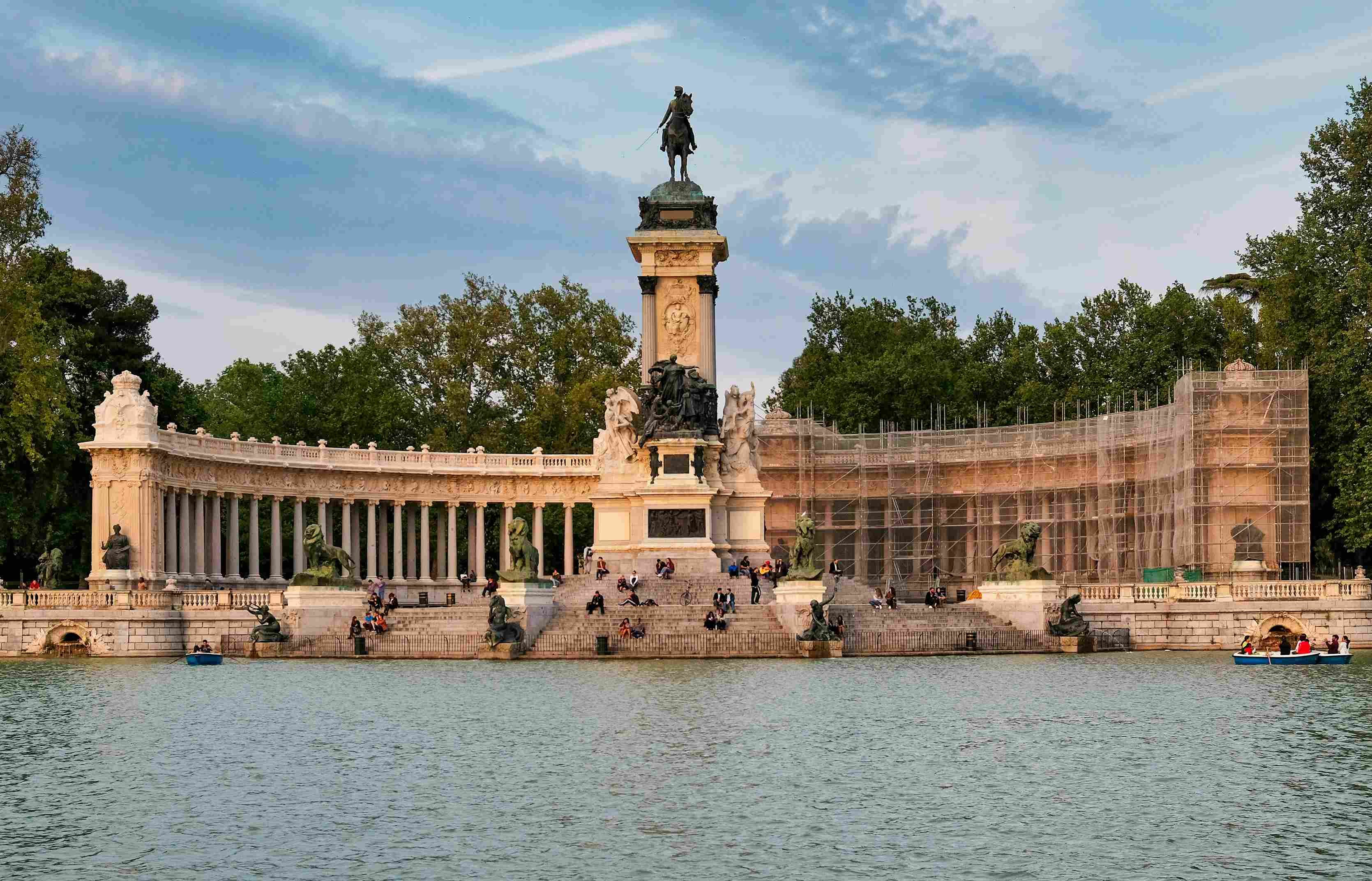 Travelling with children and grandparents at the same time usually means choosing spots with shorter walks, easy food options, and enough variety to keep every age group interested all day.
- Madrid's Retiro Park, with a boating lake and open lawns perfect for an easy afternoon
- Valencia's City of Arts and Sciences, home to an aquarium, science museum, and planetarium all within walking distance
- PortAventura Park near Tarragona, one of Europe's larger theme parks with rides for younger and older kids alike
- Barcelona's beachfront promenade, where a slow walk ends naturally in ice cream and people watching
- Cordoba's Mezquita and old quarter, compact enough for a half day without exhausting younger legs
These are some of the best places to visit in Spain with family, since most sit close to a metro line or a short taxi ride, which keeps the day manageable even with strollers or slower walkers in the group.
Tribe Travel Tip: Plan museum and theme park visits for the morning. Spanish afternoons run hot in summer, and most families shift outdoor plans to the evening once the sun softens.
When Should You Plan Your Spain Adventure?
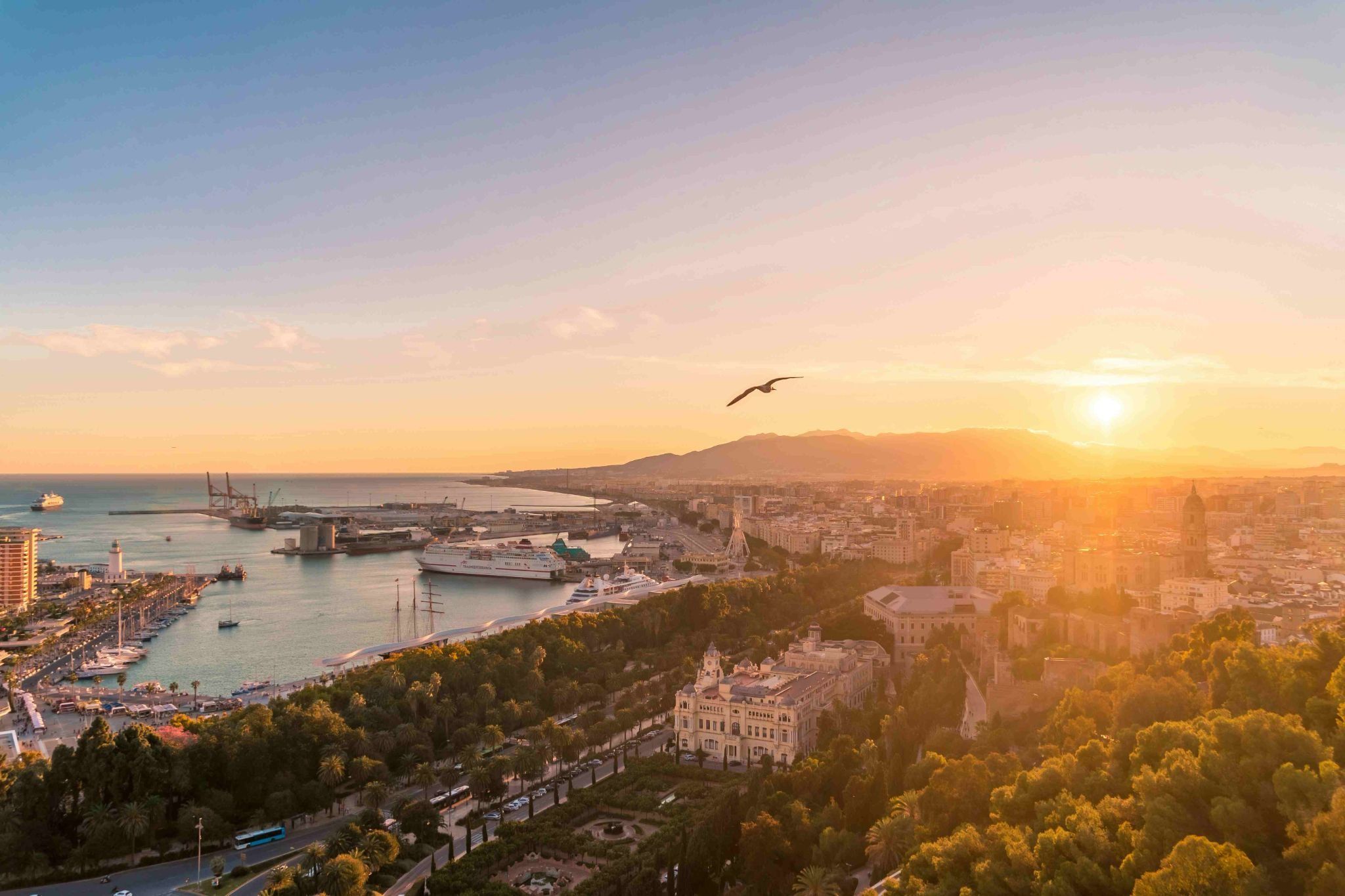 Spring and autumn tend to offer the best balance of good weather and manageable crowds across most of the country, while summer suits travellers who want the festival energy and don't mind the heat or higher prices. Here’s what you need to know about Spain’s weather year-round:
Season | Months | What to Expect | Best for |
Spring | March to May | Mild days, blooming plazas, fewer crowds | Culture focused escapes, walking cities |
Summer | June to August | Hot, festival heavy, peak crowds | Coastal towns, festivals like San Fermin and La Tomatina |
Autumn | September to November | Warm days, cooler nights, harvest season | Wine regions, quieter city visits |
Winter | December to February | Cool and crisp, except in the south | Christmas markets, lower priced stays |
.
Do You Need a Visa to Visit Spain From India?
Since India is not included in the list of countries that do not require a visa, Indian passport holders must obtain a Schengen visa if they want to visit Spain for tourism. The holiday visa permits a stay of up to 90 days in any period of 180 days within the Schengen area and requires that you go through the normal visa application procedure before travelling.
As the processing time generally takes a few weeks, it is important to apply well in advance of your intended travel dates, particularly during the busy summer period. Although the requirements and processing times may change, it is advisable to consult Spain's official immigration website shortly before your travel dates rather than depending on outdated guides.
Check out: Best cities to visit in Spain
Conclusion
Whether you are planning a quiet escape with a partner, a family-filled week, or an adventure built around one of the country's famous festivals, Spain offers a rare mix of history, art, and full-hearted celebration that few countries manage all at once. Whether you visit for a weekend or a whole week, you can be sure there will be places in Spain you’ll keep coming back to.
If you want to experience Spain’s culture and traditions firsthand, Holiday Tribe can help with customised Europe travel packages that cover itineraries, accommodations, transfers and optional visa and flight assistance. Contact our holiday advisors to book your vacation today!