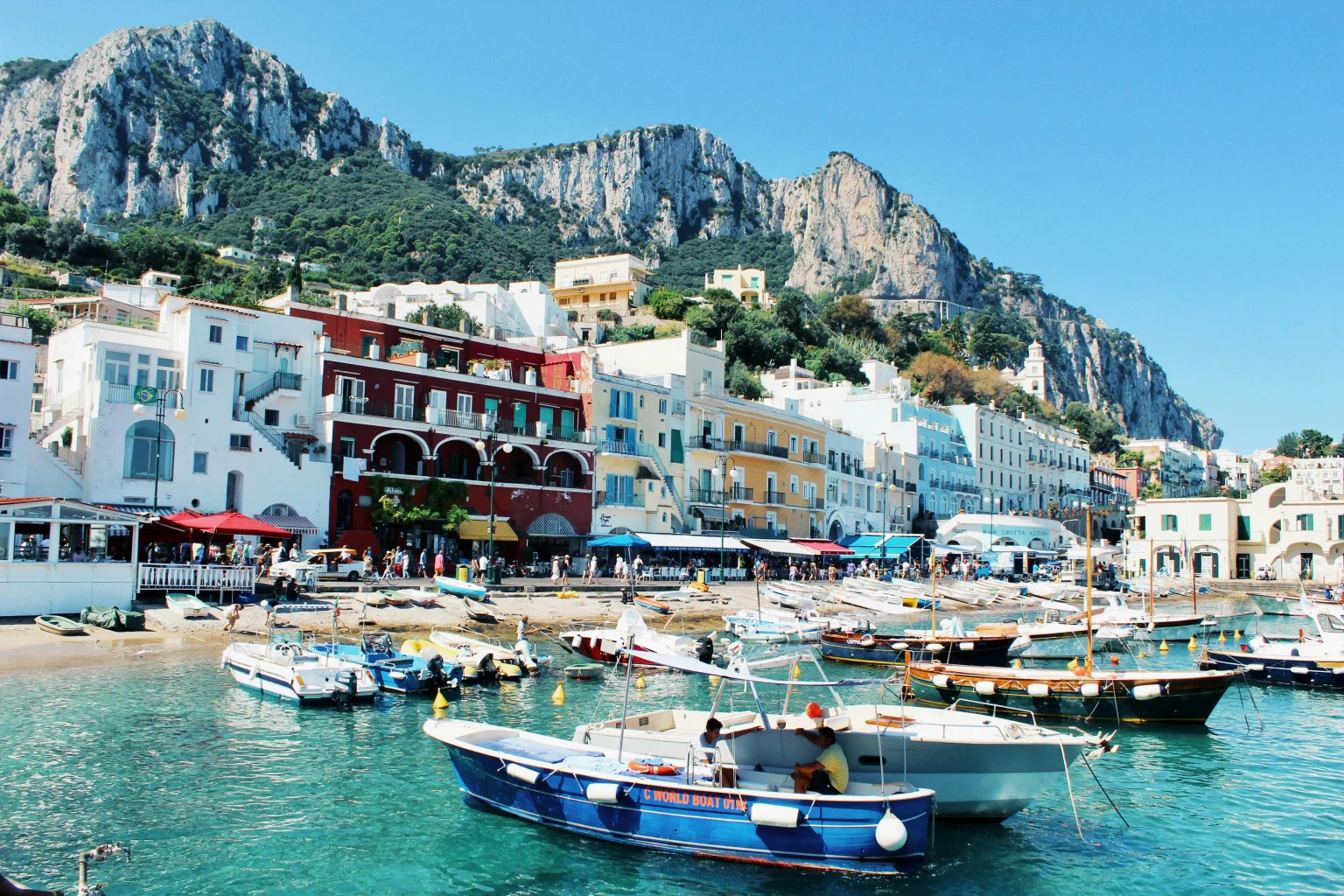


Name a destination that pulls you in with rich medieval history, with its cobblestone streets, whitewashed villages and the majestic temple of the Acropolis of Lindos.
That is Rhodes, the fourth-largest Greek island. It has spirited beaches where families can relax freely, while wind-sports enthusiasts head to the coast for activities on the water. Its landscapes pull you into a world of pine-covered mountains, valleys, vineyards, villages, coves and archaeological sites, challenging what you may expect from a Greek island.
Swimmers find their spot, history enthusiasts satisfy their curiosity at another, and food lovers savour appetising local meals that make the most of their holiday. It is big enough to fill a week, yet most sights are within a day's reach of Rhodes city. Here is how to plan it.
Key Takeaways
Key Information | Quick Answer |
Best known for | Beaches, Rhodes Old Town, Lindos and history |
Ideal stay | 5 to 7 days |
Best base | Rhodes Town for first-timers; east coast resorts for beach time |
Best way to get around | Rental car, with buses for Rhodes Town and Lindos |
Best periods to visit | May to June and September to October |
Best for | Travellers who want history and beaches in one holiday |
What Is Rhodes Island and Why Is It So Popular?
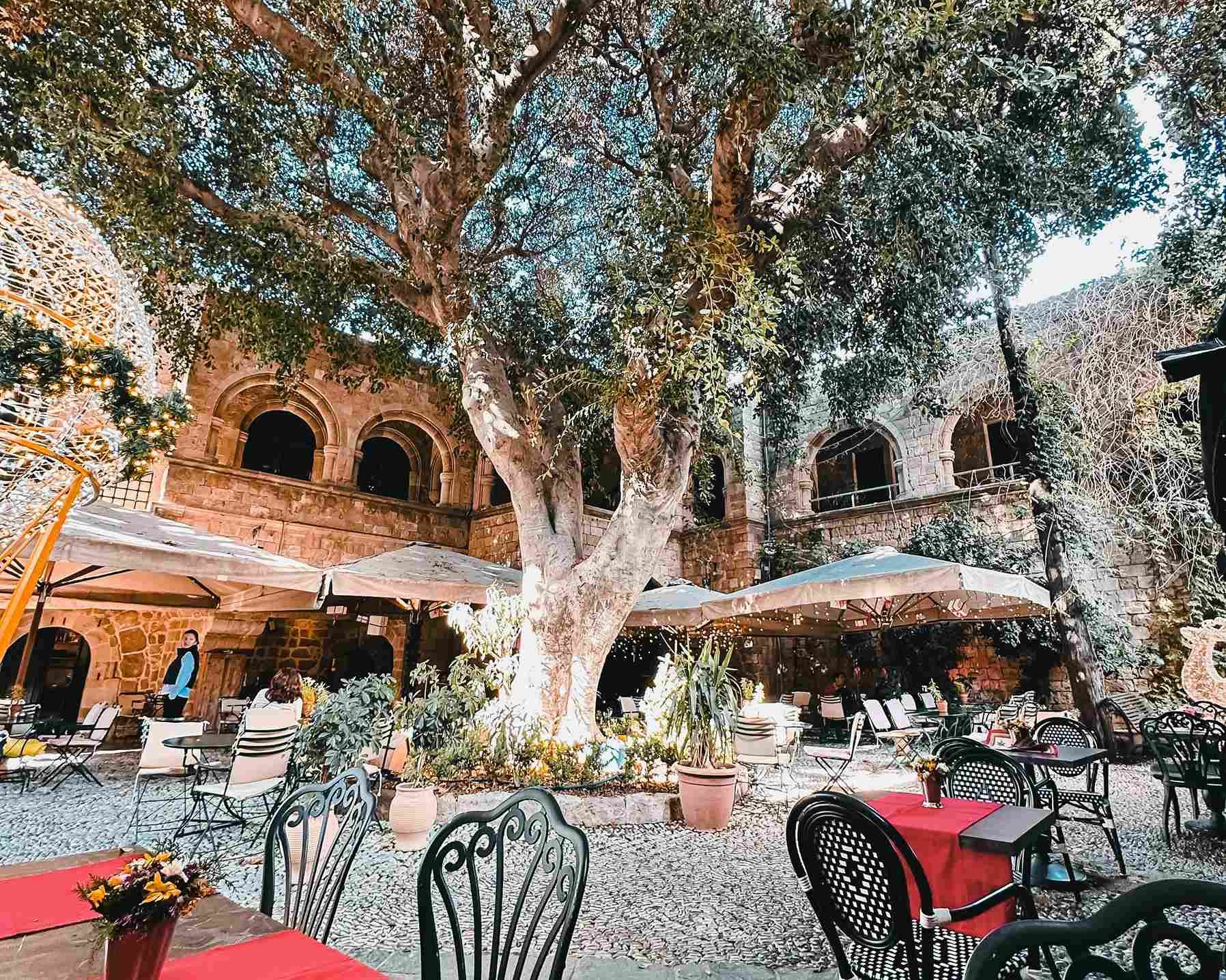 Rhodes is Greece's fourth-largest island. It lies about 18 kilometres from Turkey, and around 125,000 people live there. So it has real towns, not just resorts.
- Beaches: The east coast is calmer, with sandy Tsambika and lively Faliraki. The west is windier, which is why Prasonisi is a windsurf and kitesurf hotspot.
- History: Three ancient cities (Lindos, Kamiros and Ialysos), then the Knights of St John, who ruled from 1309 to 1523.
- Rhodes Old Town: A UNESCO-listed medieval town that is still lived in, inside Knights-era walls.
- Lindos: A whitewashed village beneath an acropolis, where a temple of Athena stands on a 116-metre cliff.
- Nightlife: Cocktail bars and late dining in Rhodes Town; a louder party scene in Faliraki.
- Villages and countryside: Pine forest, olive groves and small villages with tavernas, all within short drives.
- Package-holiday appeal: A large airport, established resorts and simple transfers make booking easy.
Rhodes in Simple Terms
Think of Rhodes as a bigger, more developed island than most in Greece. It has resort areas, a historic town, beaches and inland villages, linked by decent roads. Ferry timetables and road signs use the Greek name, Rodos, so Rodos island Greece is the same place you are booking.
How Do You Visit Rhodes and Get There?
Most visitors fly. The ferry suits island hoppers.
- By Air: Rhodes International Airport (Diagoras, RHO) has seasonal direct flights from many European cities. Flights from Athens take about 55 minutes.
- By Ferry: Overnight ferries from Piraeus take 12 to 18 hours. Rhodes also connects to Kos, Symi and other Dodecanese islands.
- From Rhodes Airport: The airport is about 14 km from Rhodes Town. A taxi takes 25 to 35 minutes and costs €27 to €29; the bus costs about €2.50 and takes roughly 20 to 40 minutes. A taxi to Lindos costs far more, so most people hire a car or book a transfer.
- Best Arrival Option: Fly direct if you can. If you land late or have children, pre-book a transfer, as taxi queues can be long in peak season.
How Do You Get Around Rhodes?
Option | Best For | Main Advantage | Main Limitation |
Rental car | Island sightseeing | Beaches, villages and ruins on your own timing | Limited parking at Lindos; Old Town is pedestrian |
Bus | Rhodes Town, Lindos, Faliraki | Low fares, direct routes to main resorts | Fewer services at weekends and off-season; can be crowded |
Taxi | Short transfers | Door to door, no parking stress | Costly over long distances |
Scooter | Short local journeys | Easy parking near beaches | Little luggage space; tiring in heat |
Organised tour | No-driving visitors | Transport and guide arranged | Fixed schedule at each stop |
Best Option for Island Sightseeing: A rental car. It lets you combine a beach, an inland village and a ruin in one day. Expect around €25 to €35 a day for a compact car in peak season. It is not essential. Buses cover Rhodes Town and Lindos, and tours cover the rest.
Tribe Travel Tip: Book your car two to three weeks ahead for July and August, when availability shrinks.
What Are the Best Things to Do in Rhodes?
Rhodes works best when you mix history with beach time and village evenings, rather than ticking off sights.
Visit Rhodes Old Town
Rhodes city in Greece has two halves: the walled Old Town and the modern New Town. The old town is where you will find the cobbled Street of the Knights with a passage going toward the Palace of the Grand Master. Walking on this pathway can be a great activity to explore the town soothingly. You will have lanes going past the courtyards where encountering shops is common.
See Lindos and the Acropolis
Lindos sits about 50 km from Rhodes Town. Its whitewashed lanes climb towards the Acropolis, with a Doric temple overlooking the coast. The walk up is steep, and some steps are uneven, so comfortable shoes help. You cannot drive into the village, so leave your vehicle outside and walk from there. Early morning is the better time to visit, before the heat and crowds build up.
Tribe Travel Tip: Visit Lindos early, then swim on the way back at Anthony Quinn Bay.
Spend Time at Rhodes Beaches
The east coast is calmer; the west gets more wind. A few useful options:
- For swimming: Anthony Quinn Bay, a rocky cove with clear water, with Ladiko beach next door.
- For a resort beach day: Tsambika or Faliraki, with sunbeds, cafes and watersports.
- For a city beach: Elli, in Rhodes Town.
- For wind sports: Prasonisi, at the southern tip.
Visit Historic Sites
- Ancient Kamiros: A Hellenistic town on the west coast where streets and house foundations are easy to read.
- Filerimos: A hilltop above Ialysos with a monastery, ancient remains and views towards Rhodes Town.
- Monolithos Castle: A Knights' fortress on a tall rock above the west coast, good at sunset.
Experience the Island's Villages and Countryside
Inland Rhodes is greener than you might expect. Embonas, at the foot of Mount Attavyros, is the island’s main wine village, with tavernas serving local dishes. Archangelos is known for its pottery, while Siana is known for honey and souma, a local spirit. A car is the easiest way to get around, as bus services are limited in the inland villages.
Enjoy Rhodes After Dark
It changes by area. Rhodes Town has relaxed Old Town tavernas and a livelier stretch of bars on Orfanidou Street in the New Town. Faliraki is the party resort. Lindos, Kolymbia and Pefkos are quieter, with dinner by the sea.
When Is the Best Time to Visit Rhodes?
May to June
Days are warm and long, but the summer heat has not fully set in yet. June is warm enough for swimming, while the sea in late May can still feel a little cool. Bring a light layer for the evenings, especially if you are visiting earlier in the season.
September to October
September still has warm sea temperatures of around 25 to 26°C. By October, they fall to about 23°C. The weather remains pleasant during the day, while Rhodes is noticeably quieter after the summer rush. Some sites close earlier too, so check their timings before you visit.
Both periods balance warm sea, manageable heat and lighter crowds for most travellers.
Who Is Rhodes Best Suited To?
Traveller | What Rhodes Offers Them |
Families | Sandy resort beaches at Tsambika and Faliraki, organised activities and manageable boat excursions to Symi |
History lovers | Medieval Rhodes Town, Lindos Acropolis and Ancient Kamiros |
Couples | Quiet Old Town evenings, sunset at Monolithos and wine tavernas in Embonas |
Nightlife travellers | Rhodes Town and Faliraki, with very different evening scenes |
Beach-focused travellers | Calm east coast swimming and windy Prasonisi for wind sports |
Package-holiday visitors | Large resort areas with established hotels, transfers and organised excursions |
First-time Greece visitors | Direct flights, widely spoken English and sights plus beaches in one place |
What Should You Know Before Planning a Rhodes Holiday?
Rhodes offers a lot, but a few practical points are worth knowing before you book.
- Summer Heat: July and August can bring heatwaves. Sightsee early or after 17:00 and rest near the sea in the middle of the day.
- Crowds: The last two weeks of August are the most crowded, with queues at Lindos and busy restaurants.
- Getting Around: Lindos is about an hour by car and takes longer by bus. Pick your base based on the places you plan to visit most.
- Sea Conditions: Summer winds can make the west coast rough. The east coast is usually better for calmer swimming.
- Walking: The Old Town has cobbled streets, while Lindos has plenty of steps. Flat shoes with a good grip will make things easier.
- Tourist Areas: Faliraki and some resorts are geared towards tourists. In the Old Town, go a few streets away from the main routes for quieter tavernas.
Conclusion
Rhodes is an ideal place to spend your holiday. The experience here is hard to match, from swimming at its beaches and walking along cobblestone streets lined with whitewashed houses that tell the story of the town, to tasting tempting local dishes. These are the moments that can make your holiday in Rhodes truly memorable.
When planning a Greece holiday, keep an eye on distances, summer heat and the fire risk map, and the island is easy to plan. Choose Rhodes Town for history or the east coast for beach time, and add Lindos as a day out.