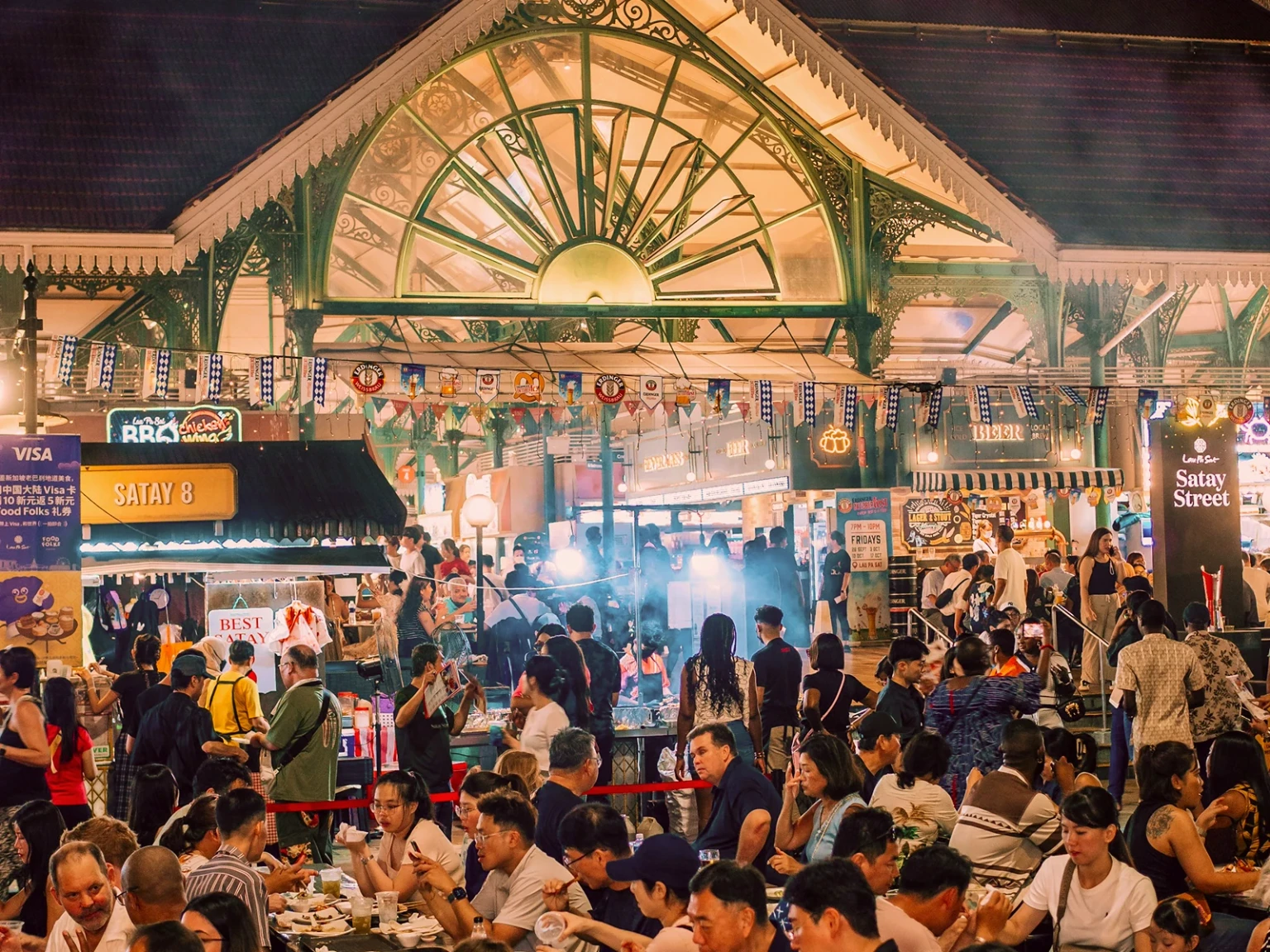


Imagine you’re in Singapore and you hear a wok sizzling nearby. Someone calls out an order number above the noise of trays, and a man a couple of seats away is cracking open a chilli crab with his hands. This is what a Singapore Hawker Centre is, and it’s the best place to satisfy your appetite in the city.
This isn’t just a food court. It’s where people in Singapore really eat, all day long, enjoying dishes like chicken rice, laksa, and satay cooked over open coals. The food is delicious, prices are low, and the culture is so important it’s recognised by UNESCO. Here’s what to try, where to find it, and what you’ll need in 2026.
What Is a Hawker Centre in Singapore?
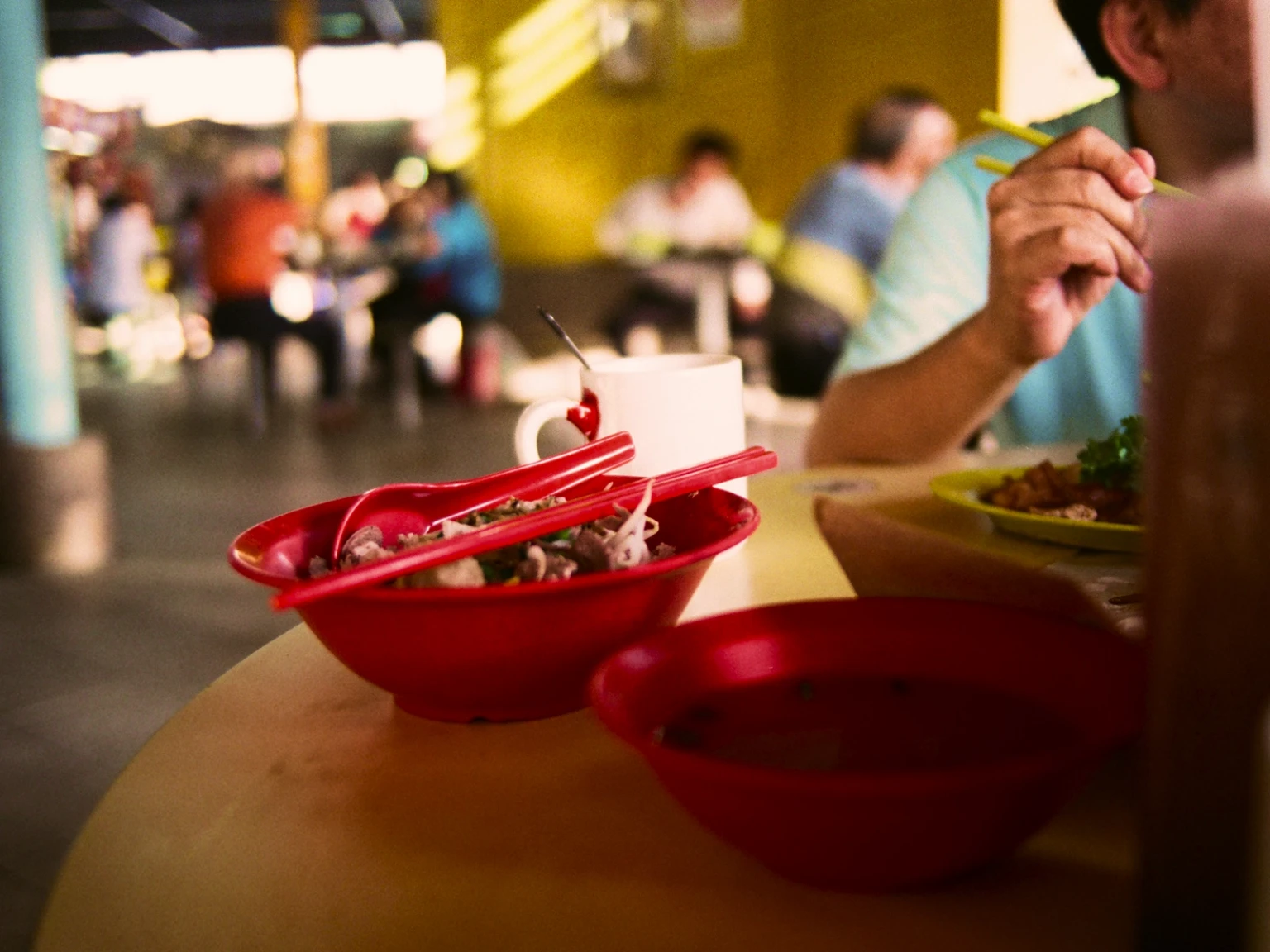
A hawker centre is an open-air space filled with small food stalls, each specialising in a single dish perfected over many years. You order at the counter, take your plate to a shared table, and eat alongside office workers, families, and taxi drivers.
Hawker centres have not always existed. In the 1960s and 1970s, the government moved street hawkers from the roadsides into proper buildings with running water and waste disposal. The food remained the same, but hygiene got better. Now, there are about 120 government-run hawker centres across the island, with around 13000 stalls in total.
Singaporeans often refer to these places as "community dining rooms," and they mean it. In December 2020, hawker centre food became Singapore's first entry on the UNESCO Representative List of Intangible Cultural Heritage. More than 850,000 people signed a pledge to support this effort. When people ask what makes Singapore street food unique, the answer is not just one dish. It is the idea that a S$4 plate of food can be a craft handed down through three generations.
How Does Ordering at a Hawker Centre Work?
No waiters greet you and no central menu guides your choices, leaving newcomers momentarily puzzled. The rhythm is simple once you know it.
1. Find a seat first. During lunch and dinner rushes, claim a table before you queue (see "chope" below).
2. Walk the stalls. Most display photos and prices on the signboard, so you rarely need to speak much.
3. Order and pay at the stall. Payment is on the spot. Carry small cash, as many older stalls still do not take cards.
4. Collect your food. Some give you a number and call it, some hand it over straight away, and a few bring it to your table.
5. Drinks are separate. You can order kopi, tea and juices from their own drinks stall.
6. Return your tray. Clear up when you are done.
That is the whole system. No reservations, no service charge, no fuss.
What Famous Singapore Food Should You Eat First?
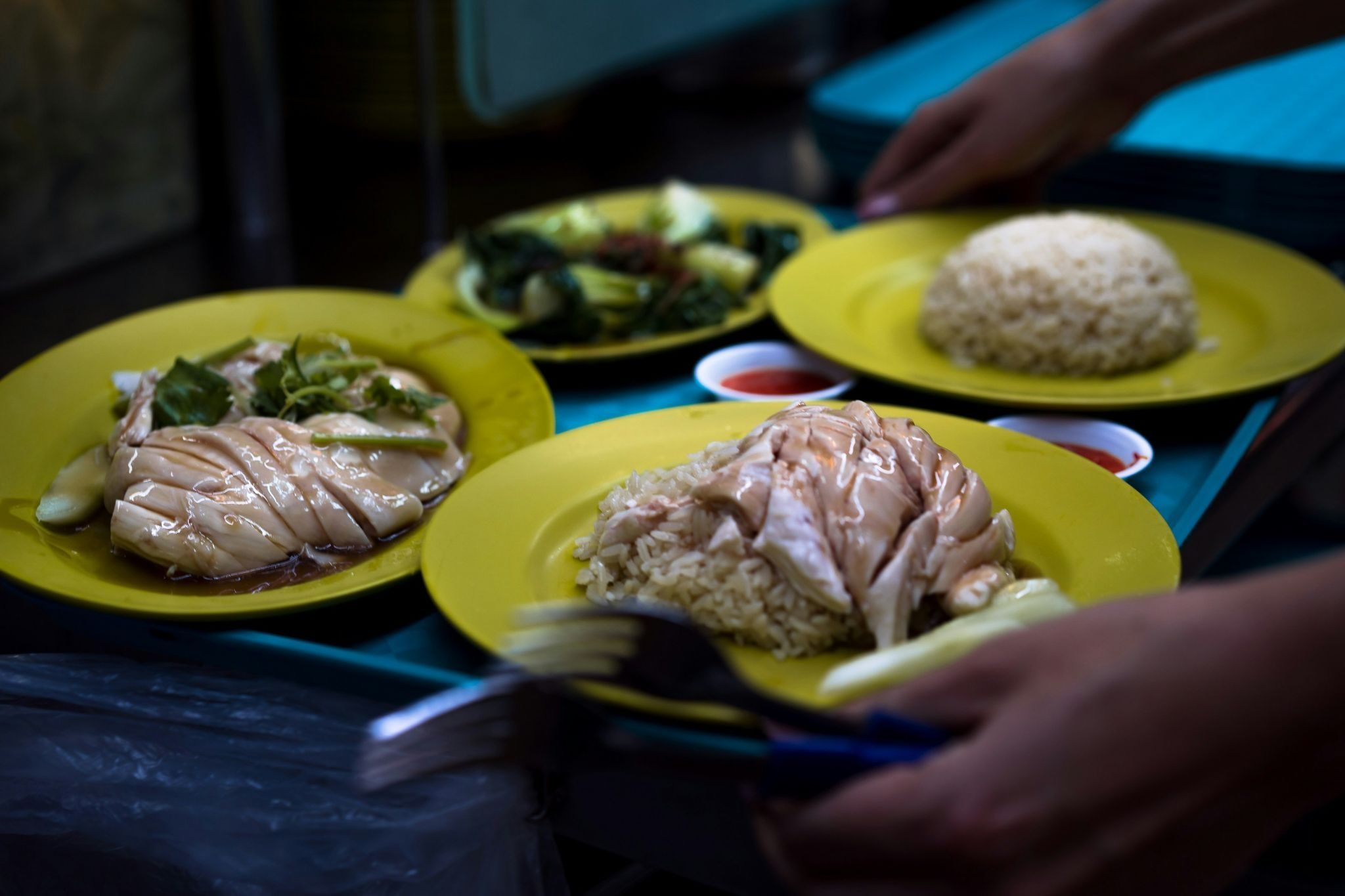
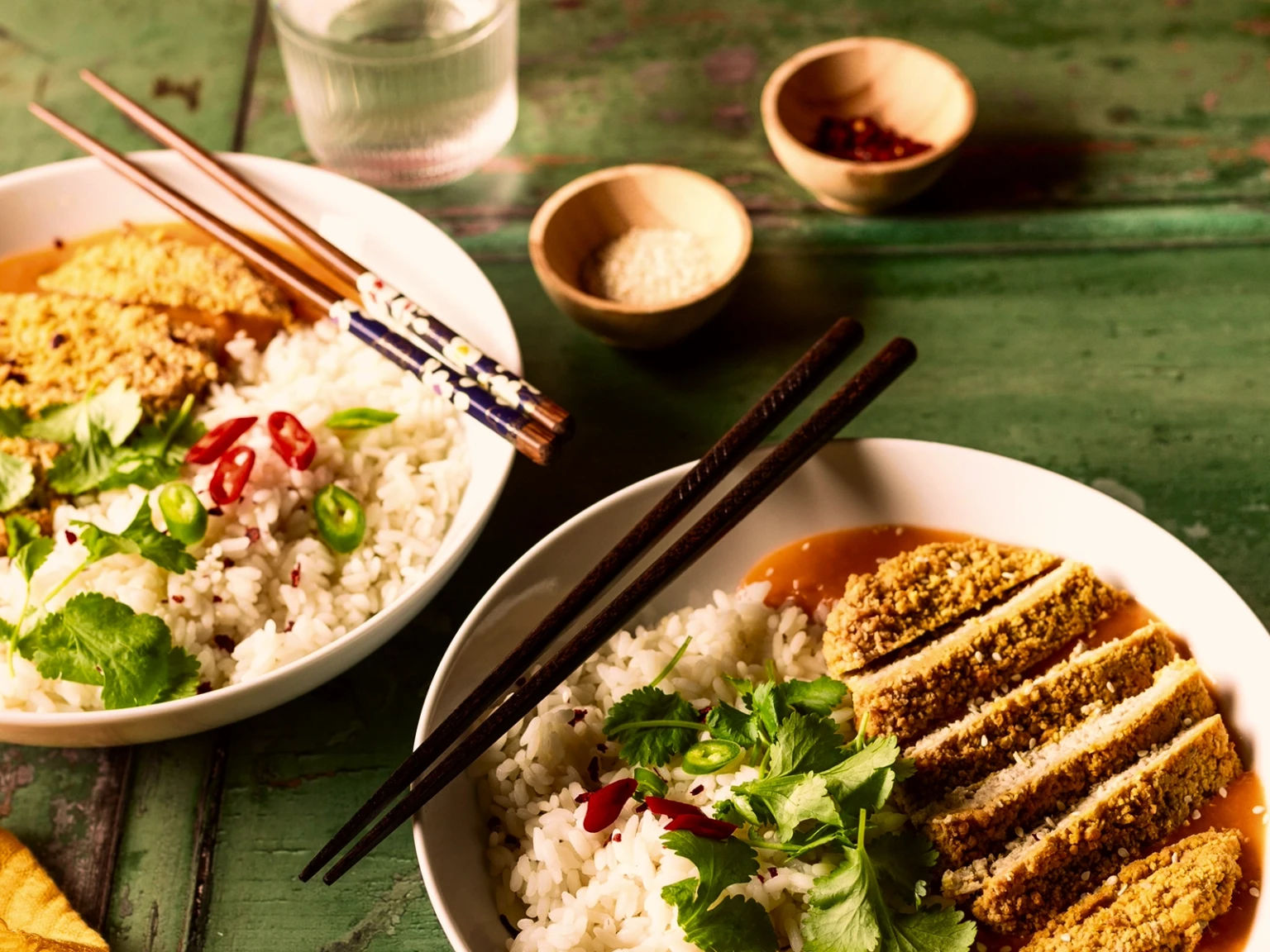
If you want to try one item of Singapore food, try Hainanese chicken rice. It’s poached chicken with rice cooked in its stock, served with chilli on the side. This is Singapore’s most famous food, and nearly every centre offers a version. Usually, a longer queue means tastier chicken.
After that, try the other classic and famous Singapore food dishes. Locals often debate which place makes each one best.
Dish | What It Is | Roughly |
Hainanese chicken rice | Poached chicken, fragrant rice, chilli-ginger | S$4–6 |
Char kway teow | Smoky stir-fried flat noodles, cockles, egg | S$5–7 |
Laksa | Coconut-curry noodle soup with prawns | S$5–8 |
Hokkien mee | Prawn-stock fried noodles | S$5–8 |
Bak chor mee | Vinegary minced-pork noodles | S$5–8 |
Satay | Charcoal skewers with peanut sauce | S$0.60–1 each |
Chai tow kway (carrot cake) | Savoury radish cake fried with egg, nothing sweet about it | S$4–6 |
Chwee kueh | Steamed rice cakes with preserved radish, a breakfast staple | S$3–4 |
Oyster omelette (orh luak) | Fried egg, starch and plump oysters | S$5–8 |
Chilli crab | Mud crab in sweet-spicy tomato gravy | S$25+ per crab |
Leave room for dessert. Chendol is shaved ice over coconut milk, palm sugar, and green rice-flour jelly, and ice kachang is a small mountain of shaved ice topped with red beans, jelly, and syrup. Both are built for the heat.
Here’s a tip from the locals: don’t order everything from one stall. Try one dish, finish it, then walk to the next stall for something new. This way, you can sample several dishes without your food getting cold.
How Do You Order Kopi Like a Local?
When you order coffee at a hawker centre, there is a special way of speaking that mixes Hokkien and Malay. If you get your order right, the staff might give you a small nod of approval. Everything starts with the word "kopi," and you add different words to change your order.
You Say | You Get |
Kopi | Coffee with condensed milk, sweet and creamy |
Kopi-O | Black coffee with sugar |
Kopi-C | Coffee with evaporated milk and sugar |
Kopi kosong | Coffee with no sugar ("kosong" means zero) |
Kopi peng | Iced coffee |
Siew dai | Less sweet (add to any order) |
The same idea applies to tea. Just use "teh" instead of "kopi." "Teh tarik" is tea poured back and forth between two jugs until it gets frothy. You’ll see this more often at Malay and Indian-Muslim stalls, and it’s fun to order just to watch the process. If you want your drink to go, ask for "tapao."
Which Is the Most Popular Hawker Centre in Singapore?
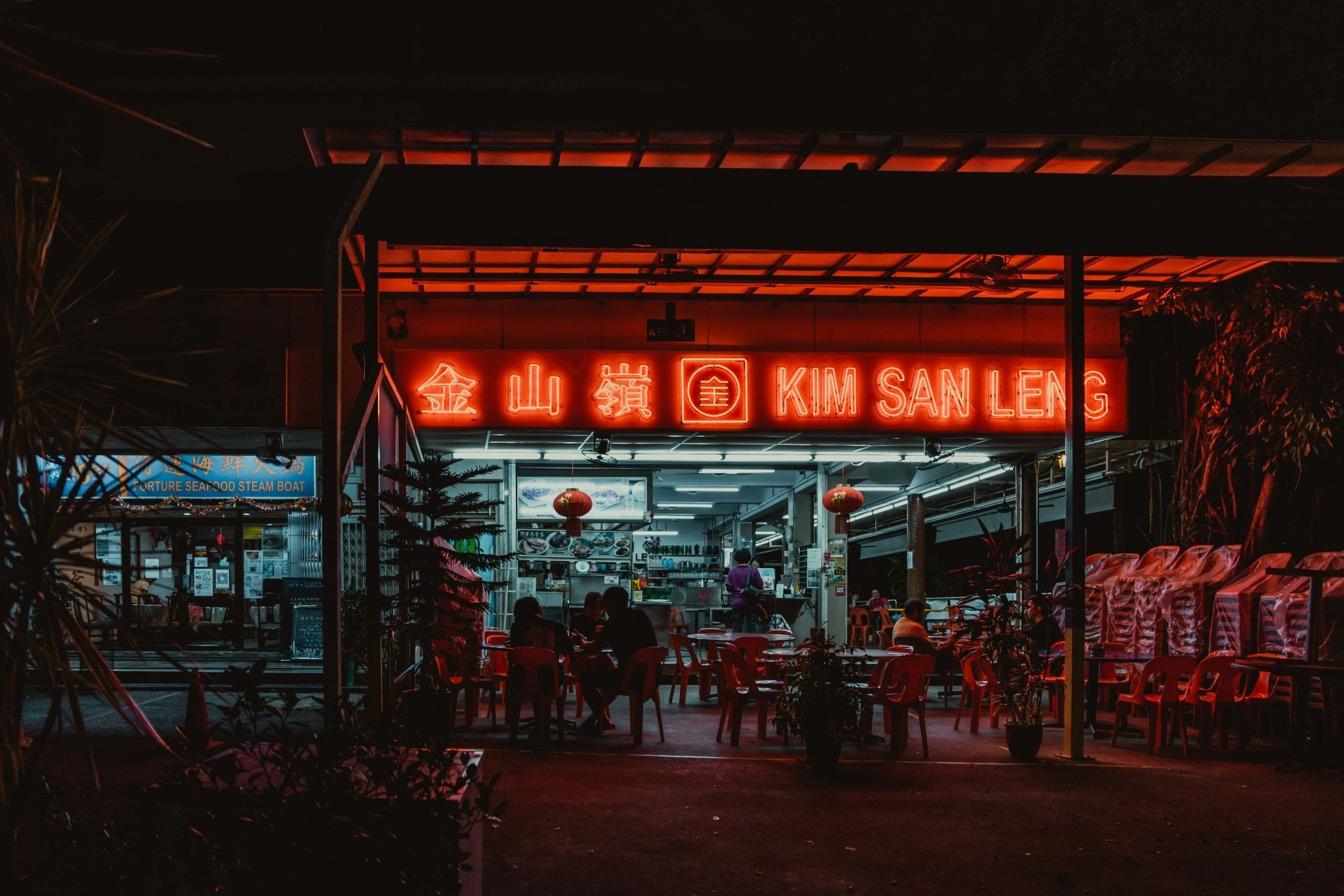 There isn’t just one clear winner, but a few names stand out repeatedly. Here are some options to consider.
Maxwell and Chinatown Complex
Maxwell Food Centre is a friendly classic just a short walk from Chinatown and is known for its Tian Tian Hainanese Chicken Rice. Just five minutes away, you’ll find Chinatown Complex, Singapore’s largest hawker centre with about 260 stalls and an entire upstairs filled with food. This is also where Hawker Chan made history in 2016, becoming the world’s first hawker stall to win a Michelin star for soya sauce chicken rice that cost less than S$3.
Lau Pa Sat and Newton
Lau Pa Sat stands out as a Victorian cast-iron market hall right in the middle of the financial district. During the day, it serves office workers. At night, Boon Tat Street next to it turns into "Satay Street," with charcoal grills and rows of plastic stools. Newton Food Centre, close to Orchard Road, is the spot featured in Crazy Rich Asians, known for its bright lights and seafood. Locals might say it is a bit touristy, but it is lively and easy to get to.
Old Airport Road and Tekka
If you want to see where locals really line up, visit Old Airport Road Food Centre. It's famous for black carrot cake and the popular bak chor mee at Tai Wah. Over in Little India, Tekka Centre brings together South Indian and Indian-Muslim dishes, plus the occasional Teochew duck rice stall. These places feel the most genuine.
Tiong Bahru and the local favourites
Tiong Bahru Market sits in a curved 1950s building above a wet market and is known for its heritage hawker stalls. Here, you can try chwee kueh from the famous Jian Bo, lor mee, and roast meats, often cooked by the next generation of stallholders. If you want sea air in the evening, head to East Coast Lagoon Food Village, the only beachfront hawker centre, where you’ll find plenty of barbecued seafood and satay. For a late-night meal, Chomp Chomp in Serangoon Gardens opens only in the evening and is popular for its smoky BBQ sambal stingray and sugarcane juice.
A quick map of what to pick:
If You Want | Go To |
First visit, central and easy | Maxwell |
The biggest variety | Chinatown Complex |
Atmosphere and satay at night | Lau Pa Sat |
Where locals eat | Old Airport Road, Tiong Bahru |
Indian food | Tekka Centre |
Sea breeze and seafood | East Coast Lagoon |
Here’s something to note for 2026: out of all these stalls, only Hill Street Tai Hwa Pork Noodle at Crawford Lane near Lavender MRT still has a Michelin star, which it has kept since 2016. Hawker Chan lost its star in 2021.
What Is the Real Food Cost in Singapore at a Hawker Centre?
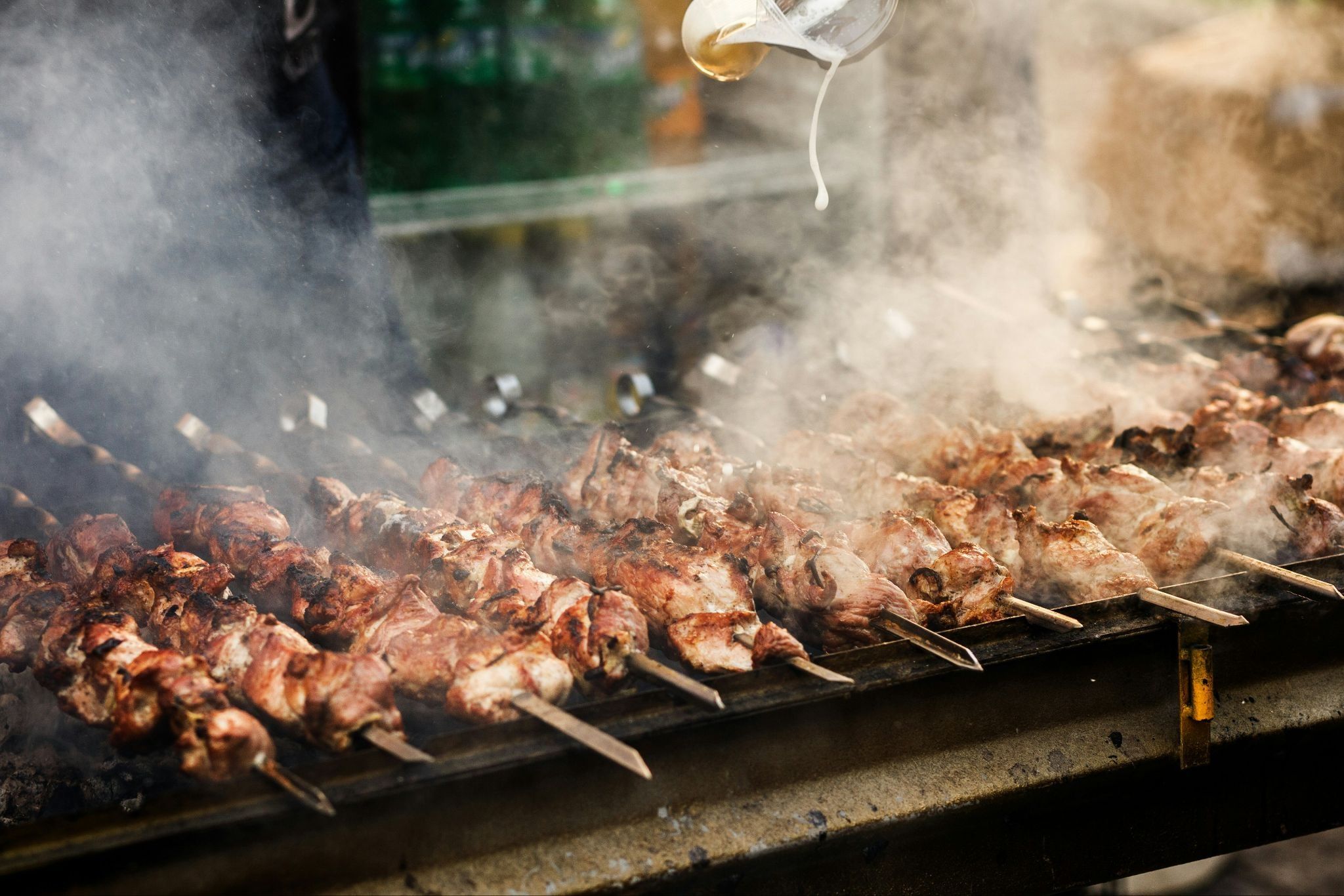
Singapore is an expensive city. Its hawker food is not. That is the happy contradiction at the centre of the whole experience.
Item | Food Cost in Singapore |
Simple plate (chicken rice, wonton mee) | S$3–5 |
Noodle soups and fried dishes | S$5–8 |
Satay | S$0.60–1 per skewer |
Kopi, teh, sugarcane, barley | S$1–2 |
BBQ stingray | S$10–15 |
Chilli crab | S$25+ per crab |
Usually, two people can enjoy a good meal at several stalls, including drinks, for about S$20 to S$25 in total. The price you see on the sign is exactly what you pay. There is no tipping or service charge, so hawker centre food offers some of the best value in the city.
Tribe Tip: How to Eat Like a Local at a Hawker Centre
There are two customs that set visitors apart from locals.
The first is called "chope." In Singapore, people reserve tables by leaving a packet of tissues, an umbrella, or a water bottle on them before they line up for food. If you see a table that looks empty but has a tissue packet on it, it is already taken. The word "chope" comes from "chop," meaning to stamp or mark, and the whole system relies on trust.
The second custom is tray return. Since September 2021, everyone is expected to clear their own tray and place it on the return racks after eating. Enforcement has become stricter, and locals will notice if you forget.
Here are a few more quick tips. If you see a crowded table, just ask, "Can share?" If you are concerned about food safety, look for the hygiene grade posted at each stall. Grades go from A to D, set by the National Environment Agency. Choose stalls with an A or B rating and you should be fine. It's uncommon to find lower grades still in business.
Where Singapore Tastes Like Itself
You might visit the skyline, take a cable car ride, or shop on Orchard Road, but you only truly get to know Singapore when you sit at a hawker centre table with chicken rice and kopi, sharing the space with strangers. This food, which has earned a UNESCO title, remains the city’s warmest and most welcoming tradition.
When you are ready to turn this into a real holiday, Holiday Tribe can create a Singapore plan that matches your travel style, from the best hawker centres to the top neighbourhoods to stay in. Our planning tool, Tara, helps organise everything, and Saathi is there to support you once you arrive. We are holiday advisors, not travel agents, and we always include a great food map in your plan.