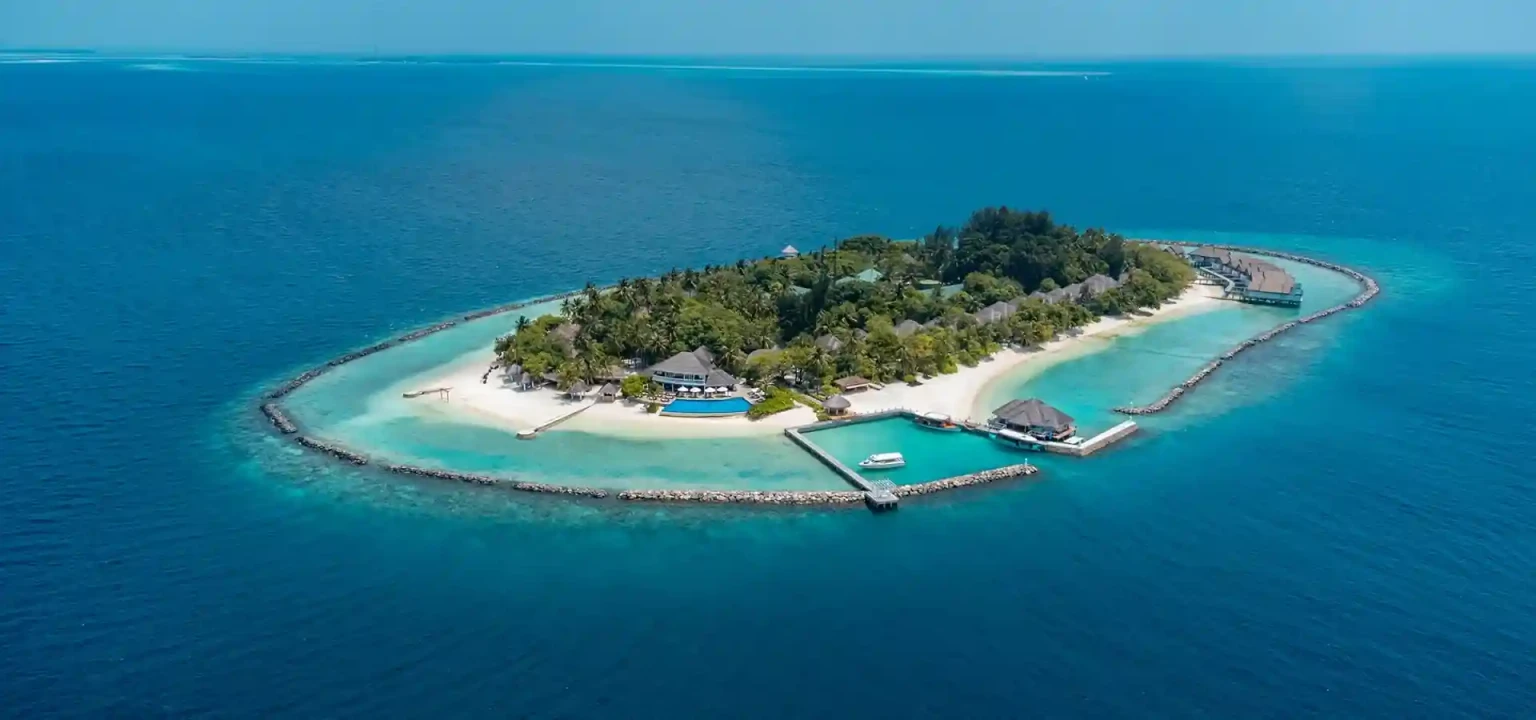


Standing on the edge of a dhoni as the sun sets over the Indian Ocean, the moment hardly feels real. The water below is such a vivid blue, it hardly seems real. A spinner dolphin leaps out, then another follows. The boat captain, a Maldivian who has been sailing since he was twelve, barely glances over. For him, this is just another Tuesday.
This is what most travel guides miss about the Maldives. Many visitors spend a week on the beach, eat at the resort, and then head home. That’s perfectly fine. But there are so many fun things to do in Maldives beyond just relaxing on the sand. You might regret missing out if you don’t try them. Here’s what you should really experience.
What is there to do in the Maldives besides the beach?
There’s actually a lot to discover. Picture it in four groups: unforgettable marine life, local island culture that most visitors miss, unique food, and crafts you’ll want to bring home. Each experience in the Maldives draws you away from your lounge chair and into something authentic.
1. Swim with Whale Sharks and Manta Rays
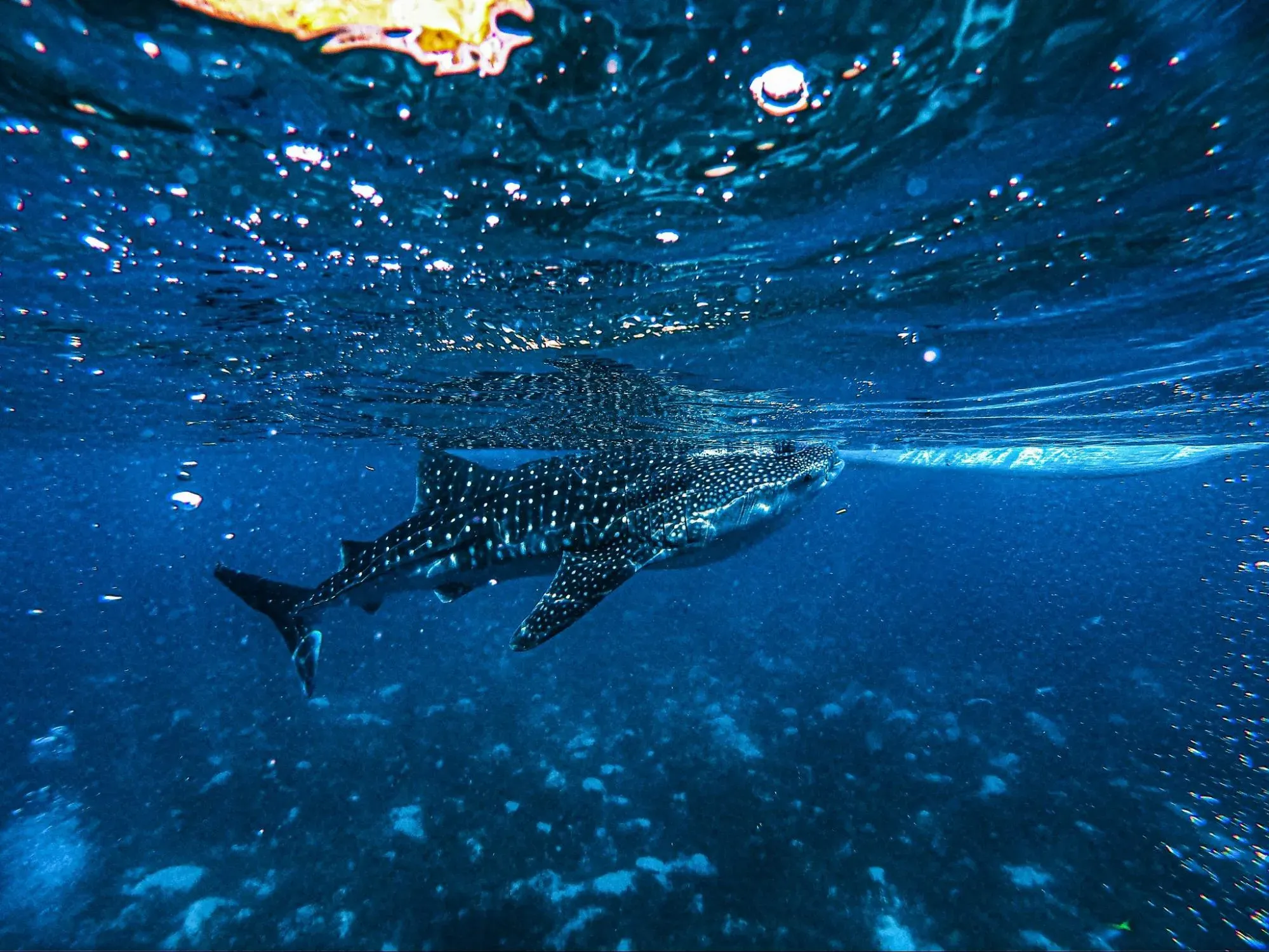
Whale sharks live in the South Ari Atoll Marine Protected Area all year, especially near Dhigurah and Maamigili. Most are young males that feed on plankton close to the surface. They are huge, slow, and don’t mind people at all.
Manta rays are different. They come together at Hanifaru Bay in Baa Atoll, a UNESCO Biosphere Reserve, from May to November. On days with strong tidal feeding, you might see more than a hundred mantas circling in one place. The sight is truly incredible.
Tribe Travel Tip: Before you book, keep in mind that Hanifaru is only open for snorkelling, not scuba diving. You’ll need a licensed guide and a permit (of USD 30), and you’ll get about 45 minutes in the water. There’s a limit of about 45 snorkelers at a time, so it’s best to plan ahead instead of showing up on the day.
2. Walk into the Sea of Stars
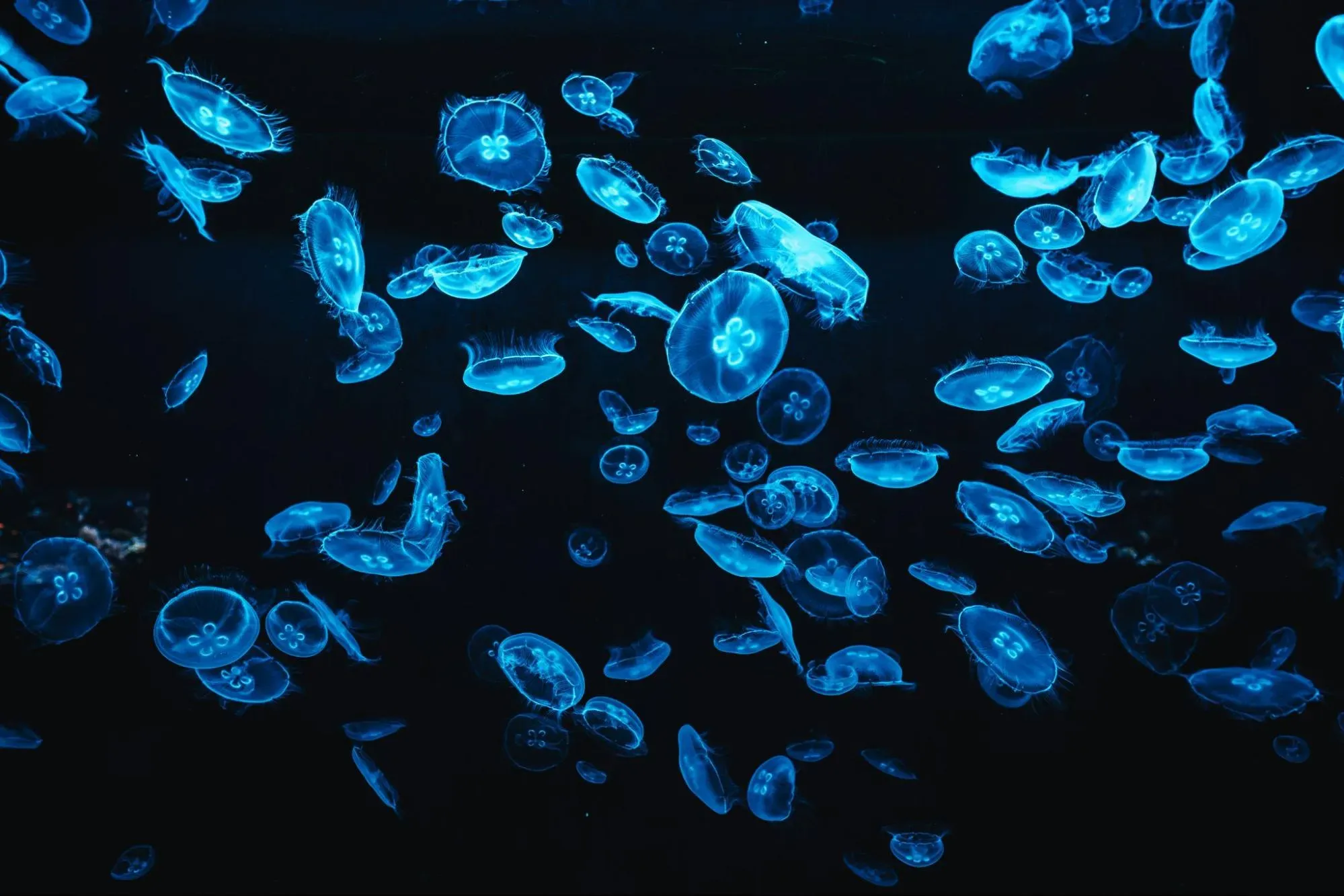
Vaadhoo Island in Raa Atoll has a beach that glows blue after dark.
Tiny bioluminescent creatures called Noctiluca scintillans light up when the water moves. Step into the shallow water and each movement creates a cool, electric blue glow. Scoop some up and see it pulse in your hands. It’s safe, and so magical you might forget to take a photo.
The best time to see this is from June to October, especially on nights when there is no moon. Head to the beach and let your eyes adjust for about fifteen minutes. For the best romantic things to do in Maldives, it doesn’t get more surprising than this.
3. Eat Like a Maldivian, Not Like a Resort Guest
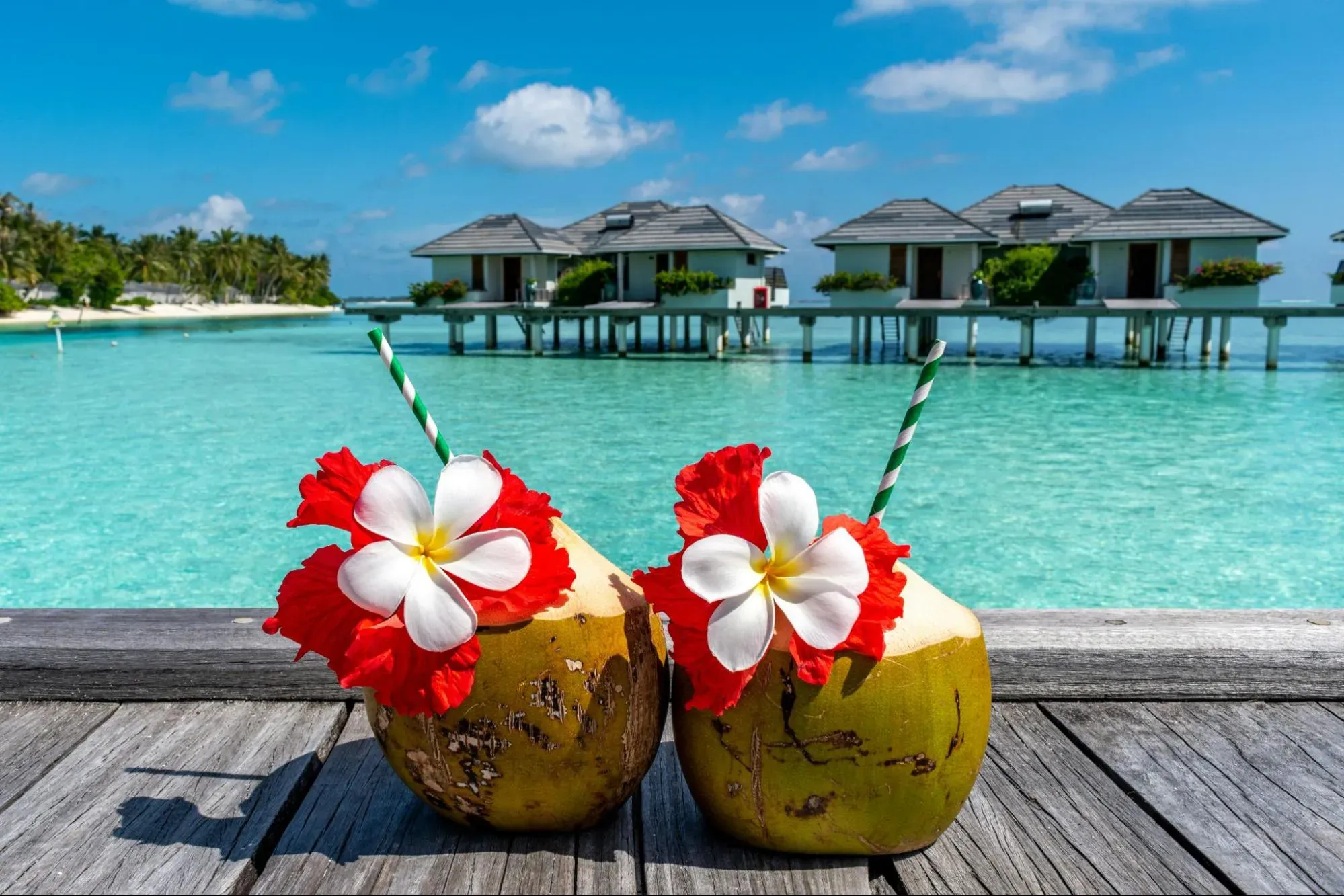
Maldivian food stands out with its own unique character. It’s based mostly on tuna and coconut, and it’s nothing like what you’ll find at a resort buffet.
Begin your day with mas huni for breakfast. It’s a mix of shredded smoked tuna, grated coconut, onion, chili, and lime, served with roshi flatbread and sweet black tea called sai. The dish is light, full of flavor, and truly unique.
For lunch, try garudhiya. A clear tuna broth over rice with lime. Clean and surprisingly addictive.
At 4pm, join the locals and stop by a sai hotaa tea shop for some snacks. Gulha are tuna dumplings, bajiya are pastry parcels, and kavaabu are fishcakes. Try one of each and take your time enjoying them.
Here’s an interesting fact: unlike many other Pacific island cultures, Maldivians traditionally do not eat raw fish. Since tuna is so important to their economy, this is a conscious decision. Many people also end their meal with betel leaf and areca nut, which you can find at kiosks throughout the islands.
None of this food is at your resort. It's on the local islands.
4. Island-Hop to the Local Islands
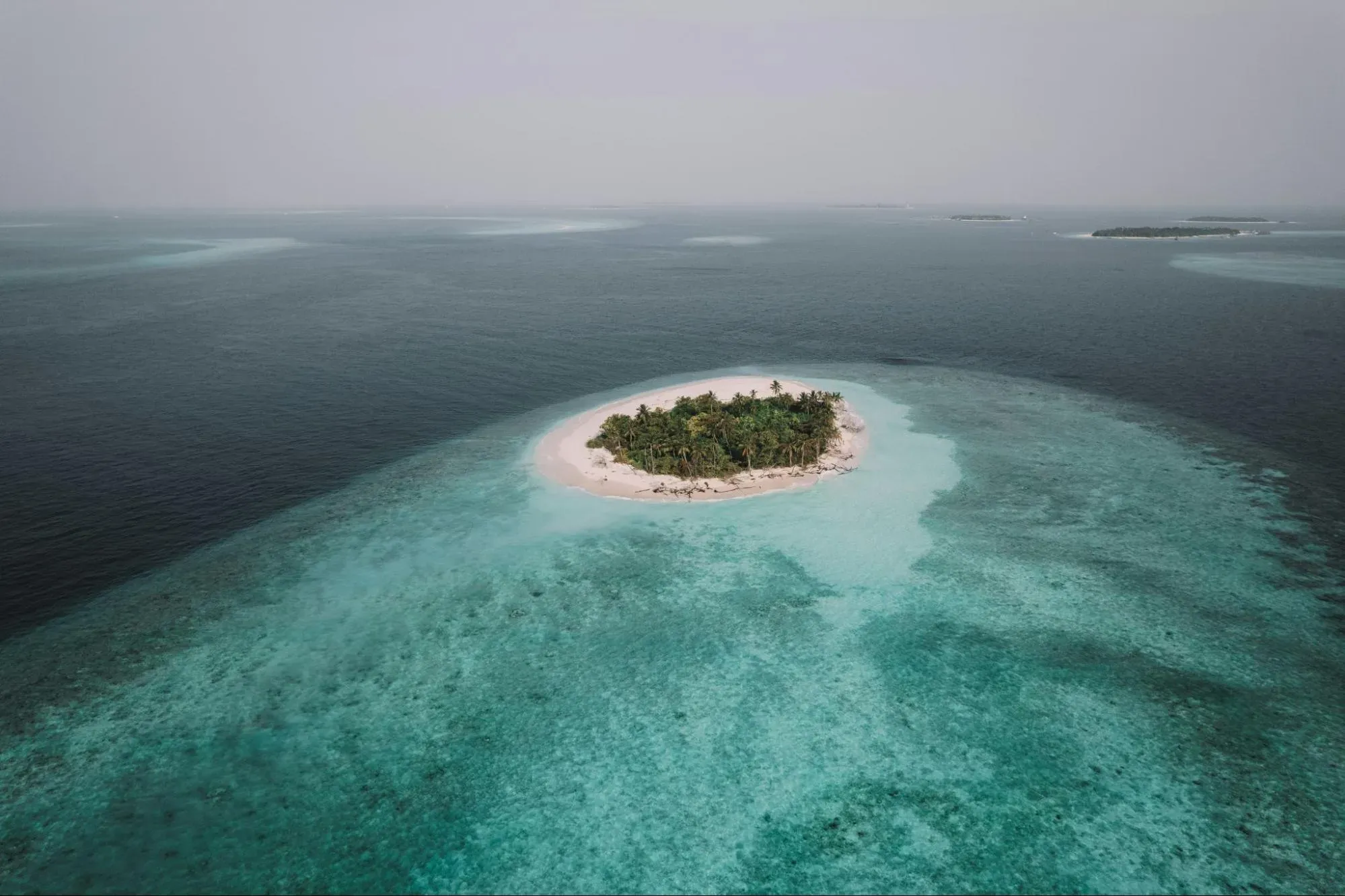
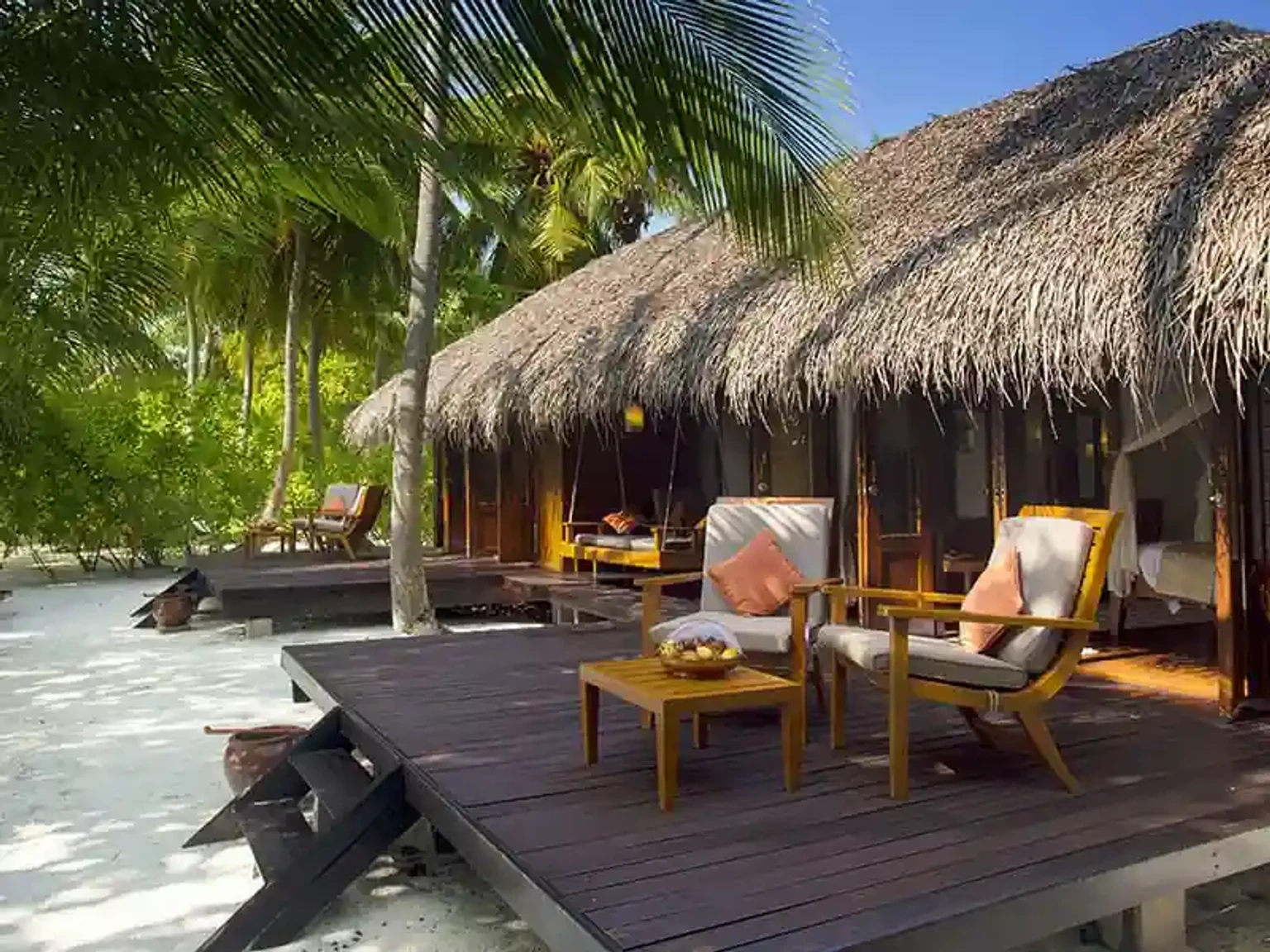
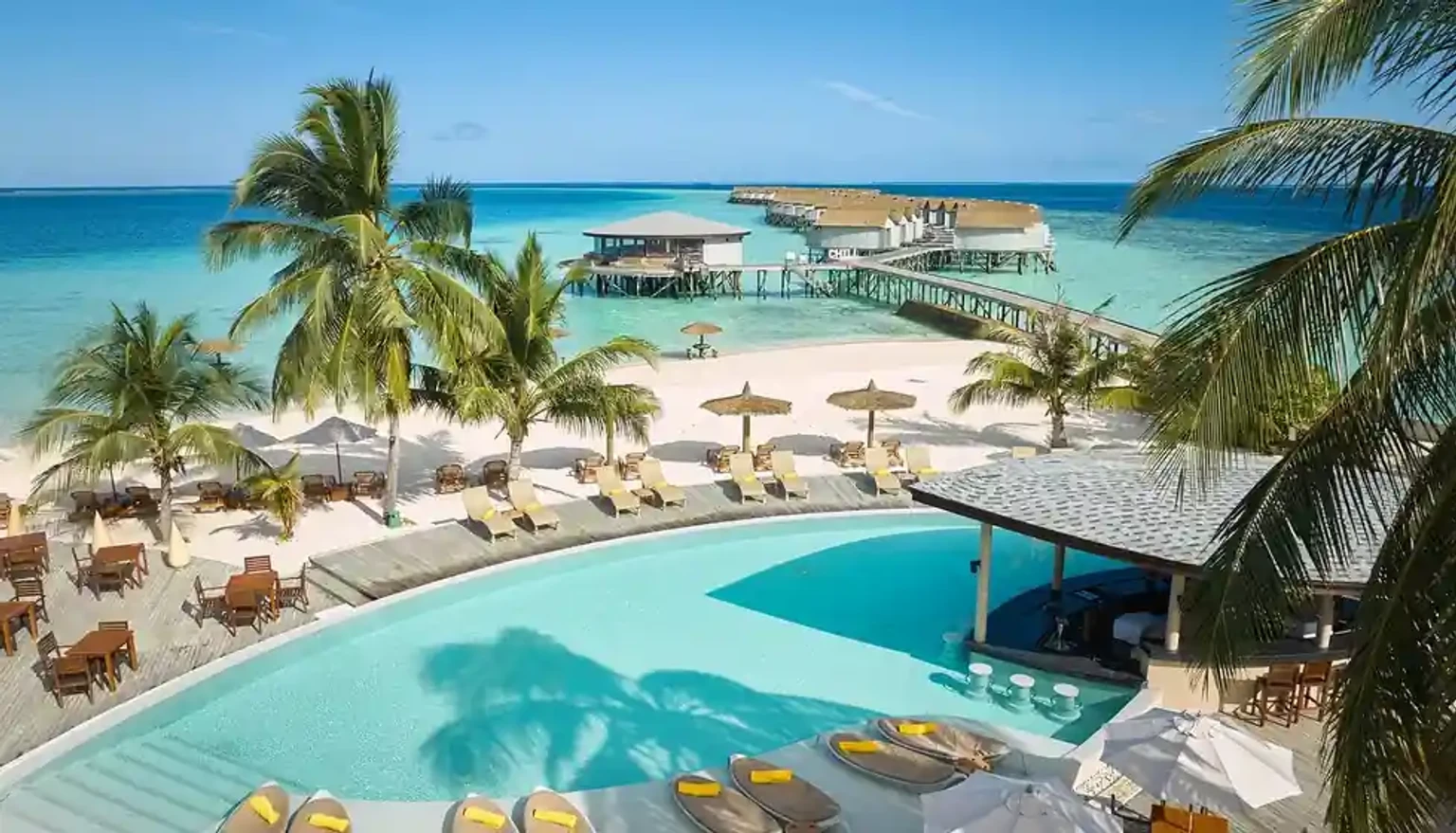
Resort islands feel polished and private, separated from real Maldivian life. Local islands offer a completely different experience.
Maafushi is the easiest place to start. Here, you’ll find guesthouses instead of villas, the affordable alternative to traditional Maldives hotels, real cafés, and streets where fishing families live and work. The fish market opens early in the morning. Kids ride their bikes by, and tea shops get busy in the afternoon.
This is where you can really try the foods mentioned above and find the crafts listed later.
Speedboats from Malé reach Maafushi in about 45 minutes. Local ferries take longer but cost less. If you’re comparing places to stay in the Maldives, a guesthouse on Maafushi offers a truly different holiday and is much more affordable.
5. Feel the Bodu Beru Drums
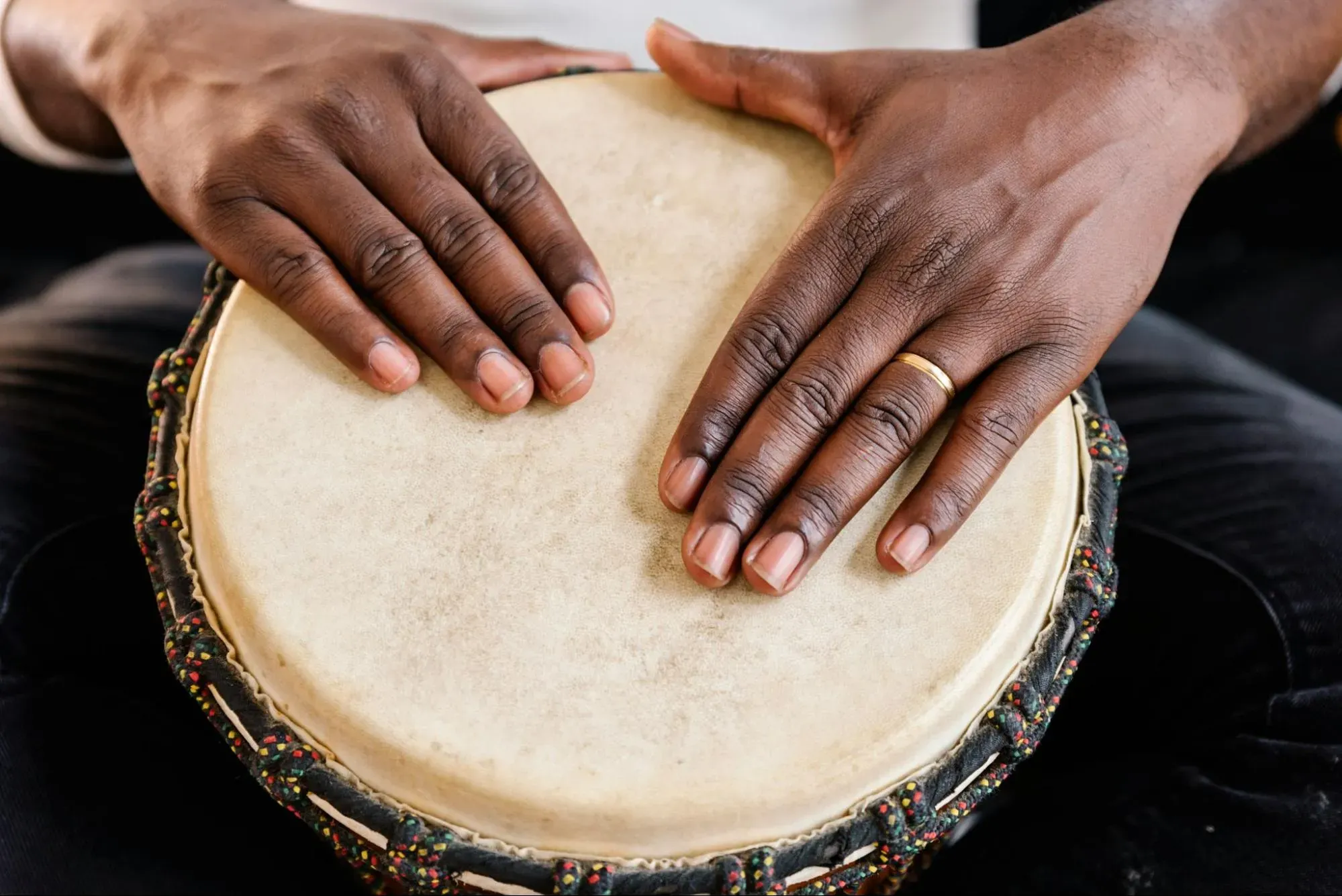
Many visitors first see Bodu Beru during a resort welcome night and think of it only as entertainment. But that view misses its deeper meaning.
Bodu Beru translates to "big drum." The tradition is thought to have African origins, brought to the Maldives through centuries of trade. The drum itself is crafted from coconut wood and covered with animal skin.
The performance begins slowly, with singers joining in as the rhythm picks up. Soon, the music becomes fast, loud, and hypnotic. On local islands, Bodu Beru is more than a show, it's a true cultural event with a unique energy. If you have the chance to experience it there, don't miss it.
6. Sail a Sunset Dolphin Cruise on a Dhoni
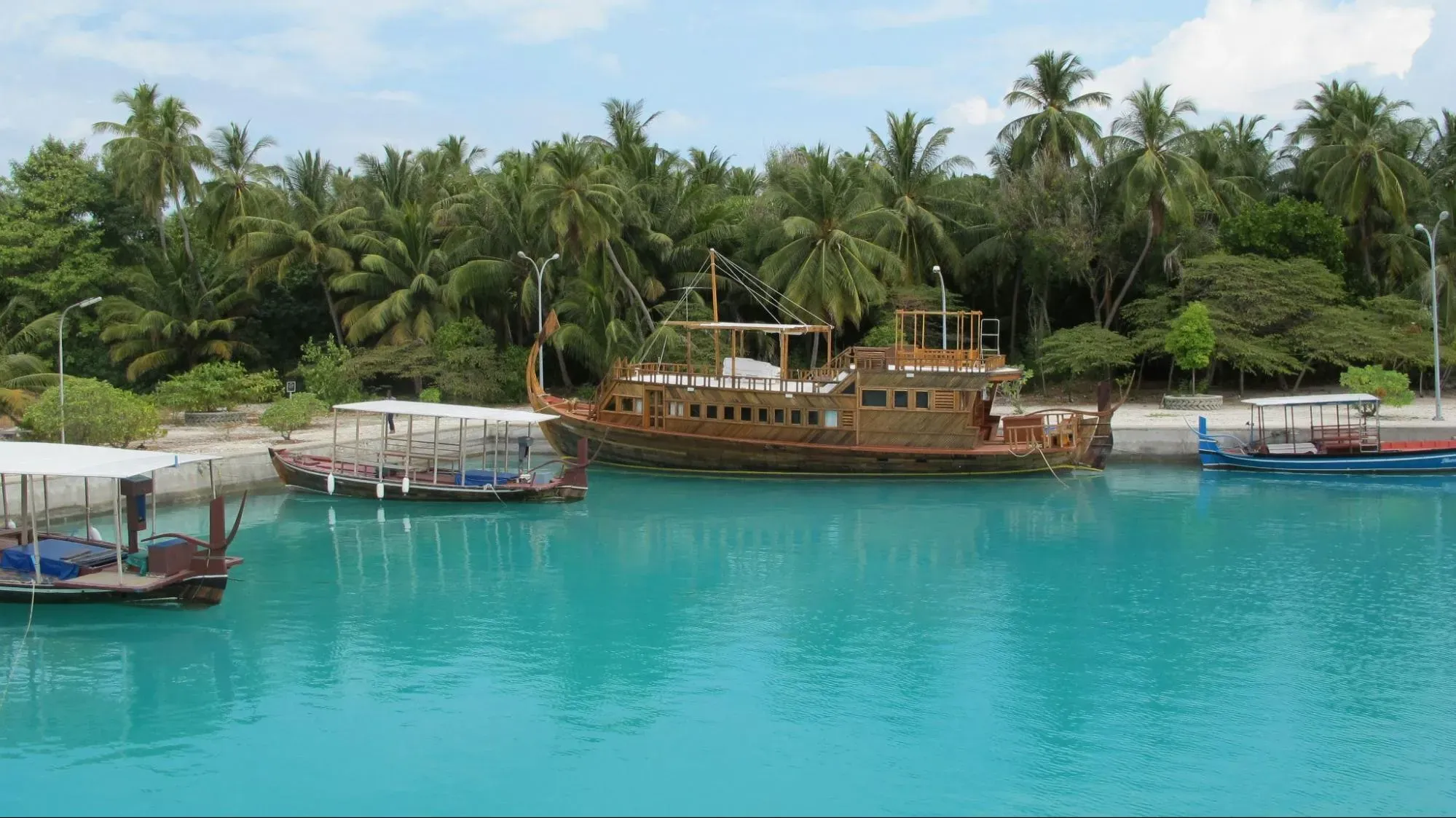
The dhoni is the traditional fishing boat of the Maldives. With its wide hull and flat bottom, it has carried people across these atolls for centuries. Taking a ride at sunset is still the classic way to travel between the islands.
Spinner dolphins often appear during sunset cruises. They swim alongside the boat and spin in the water, which is how they got their name. Watching them is especially exciting for children.
A sunset cruise with dolphins is both a romantic activity and a great family outing are a few memorable things to do in Maldives with family. The combination of sunset and dolphins is something everyone can enjoy.
7. Picnic on a Private Sandbank
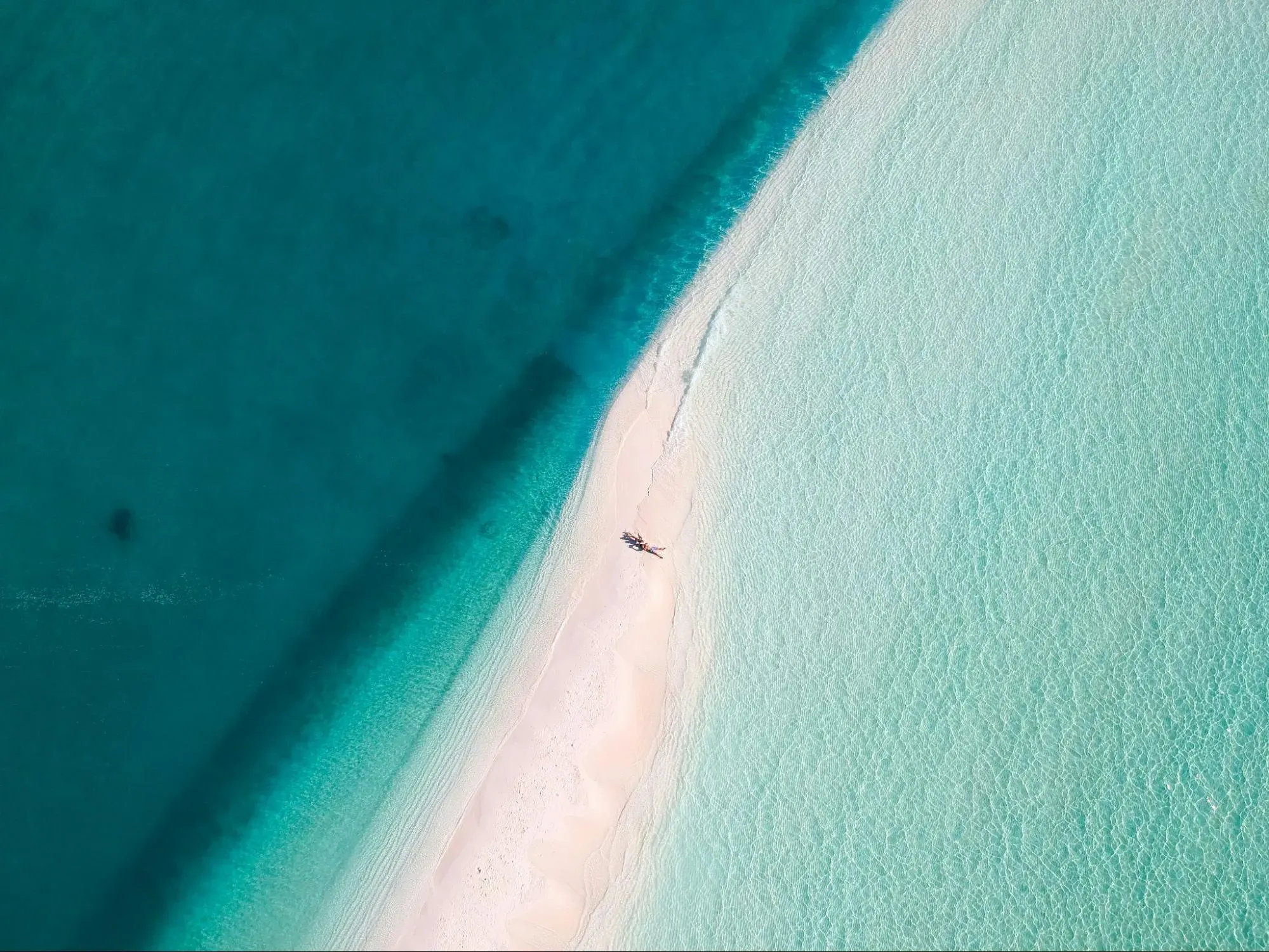
A sandbank is just a stretch of white sand in the middle of a turquoise lagoon. There are no palm trees, no shade, and no other people around. It’s just sand, water, and sky.
Your resort or guesthouse will arrange for a boat to drop you off with a cooler full of food. You can swim, eat, and relax for a couple of hours. Then they pick you up again.
The lagoon water is so warm that you really won’t want to leave. It’s easy to lose track of time and forget about your afternoon plans making it one of the best romantic things to do in Maldives.
8. Get on the Water: Surf, Kayak and Paddleboard
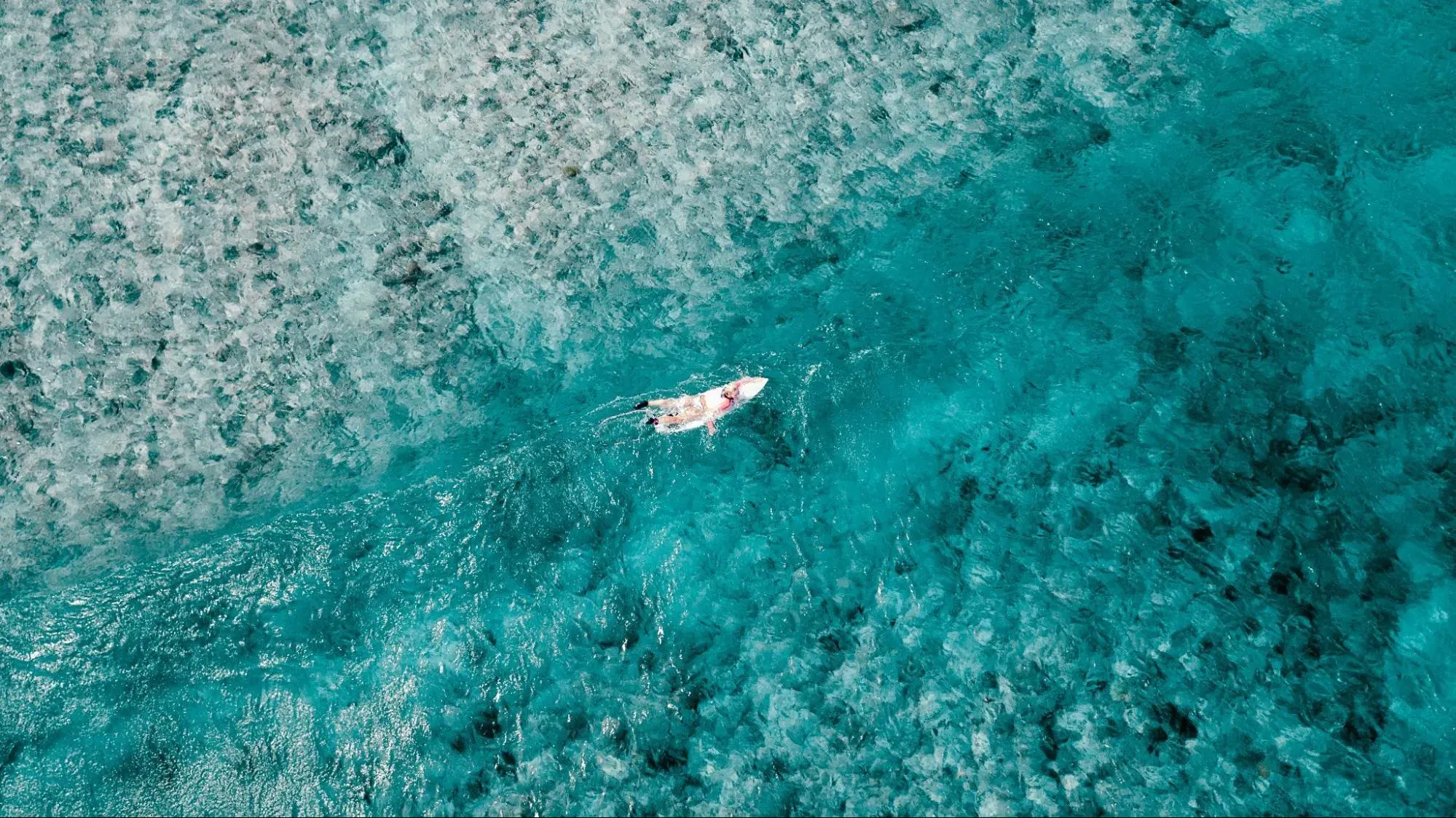
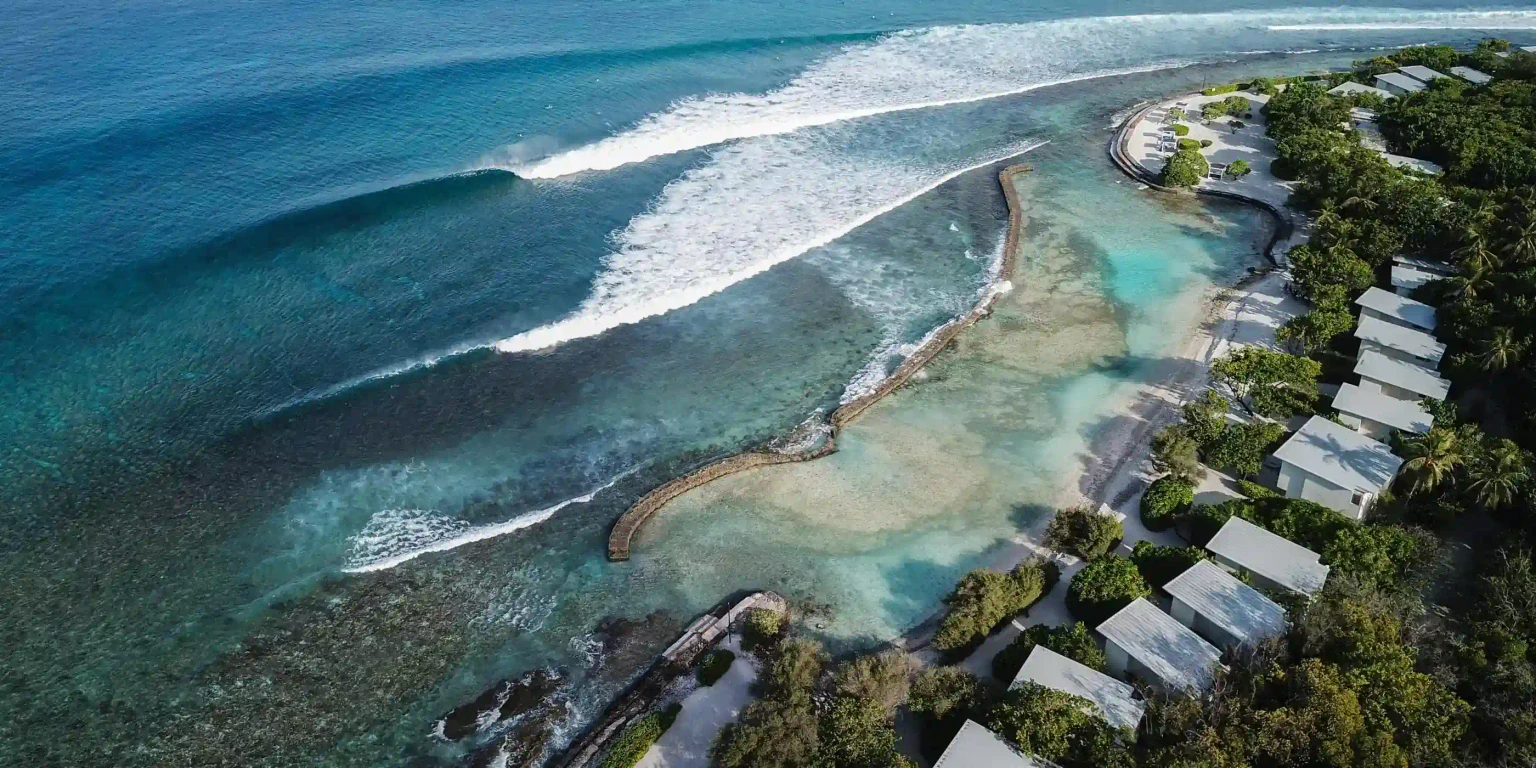
The Indian Ocean offers great surf, and the North and Central atolls have some excellent reef breaks. Spots like Cokes at Thulusdhoo and Chickens in North Malé Atoll draw experienced surfers from May to October, when the south-west swells arrive.
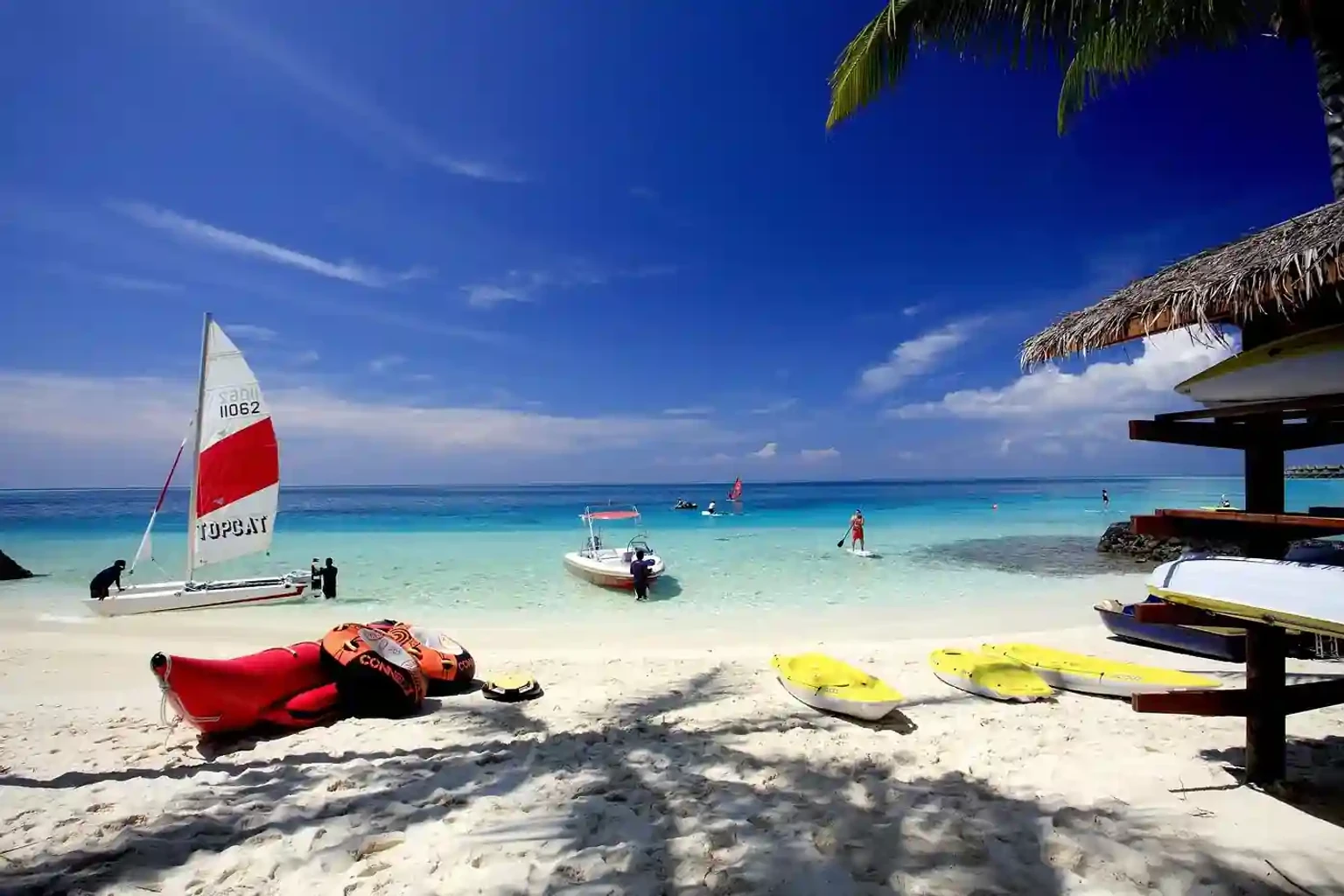
If surfing isn’t your thing, the lagoons are perfect for kayaking, paddleboarding, and parasailing.
Glass-bottom boat rides are a great choice for non-swimmers and younger kids. You get a full view of the reef without getting wet. Once you focus on the water, you’ll quickly find plenty of fun things to do in Maldives.
9. Wander Malé for a Half-Day
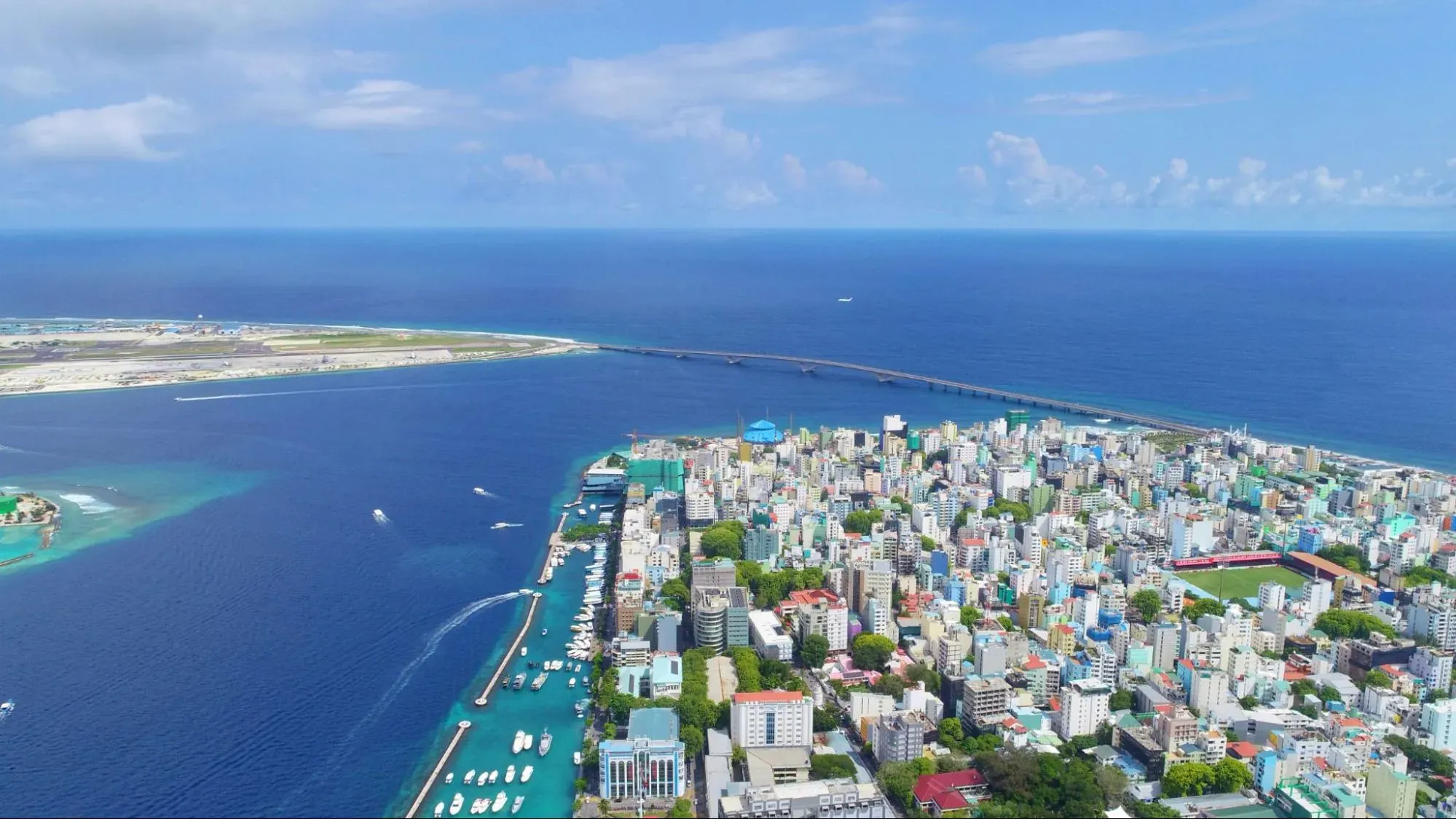
Malé is incredibly crowded for its size. You notice it as soon as you get off the airport ferry. The city is loud, compact, and completely different from the rest of the Maldives.
The Hukuru Miskiy, also known as the Old Friday Mosque from 1658, is made completely from coral stone. Just seeing the carved walls makes the visit worthwhile.
The National Museum is small, but it helps you understand the history of the sultanate and the pre-Islamic period that most visitors overlook.
Walk along Majeedhee Magu and check out the local fish market by the waterfront. By 6am, the place is already busy, with yellowfin tuna being carried around like luggage. It's chaotic and amazing.
Spending just half a day in Malé helps you appreciate the rest of your holiday even more.
10. Take Home Real Maldivian Crafts
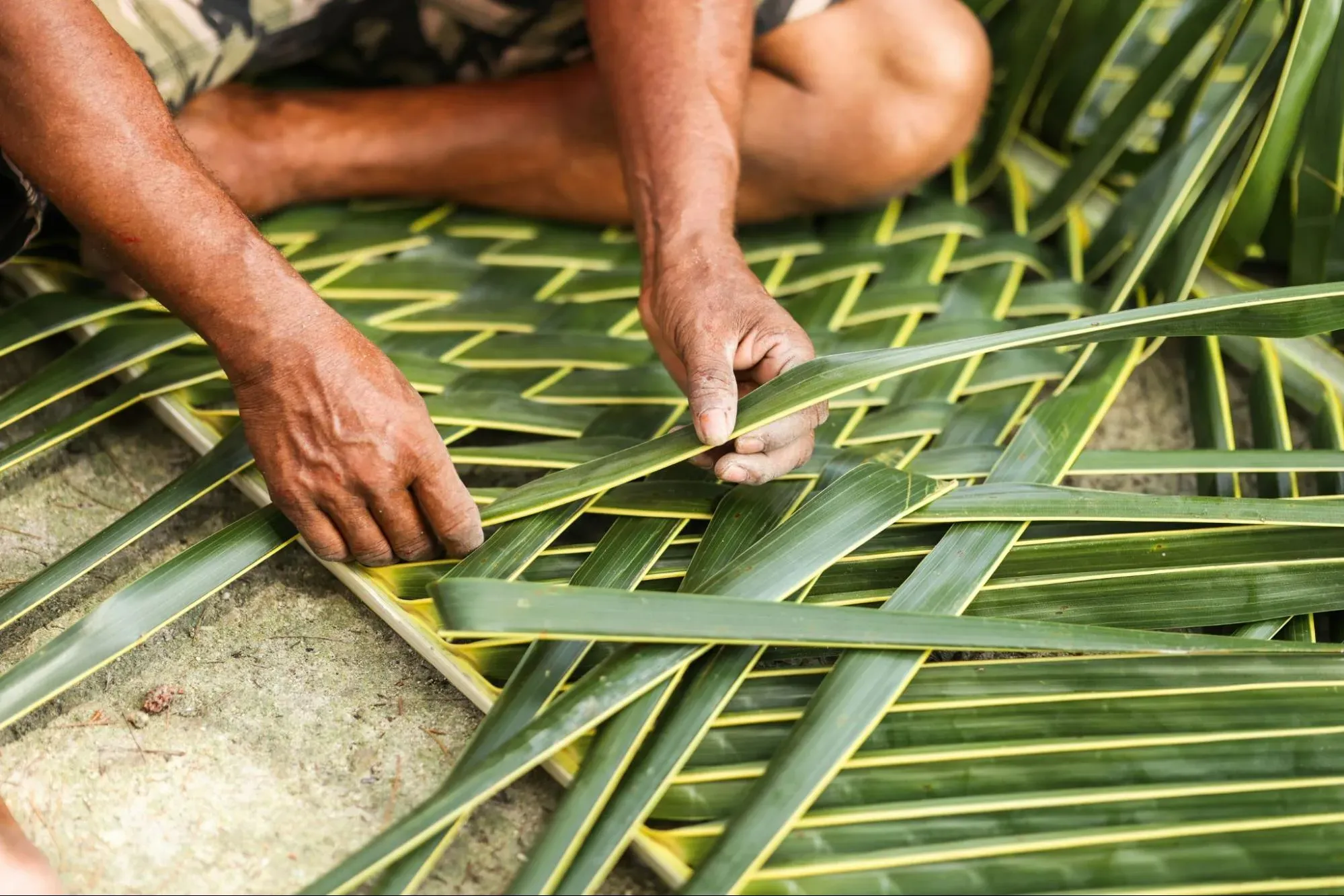
Most travel blogs just list the usual stuff. Here’s what you should actually buy, and what you should avoid.
Look for lacquerwork from Thulhaadhoo in Baa Atoll. You’ll find boxes, vases, and bowls in black, red, and yellow. Locals call it liyelaa jehun, and it’s truly beautiful. The island is even known as the lacquer island because of this craft.
Thundu kunaa are woven reed mats from Gadhdhoo in the southern atolls. They have tight geometric patterns and traditional designs, plus they fold flat so they’re easy to pack in your suitcase.
Vacuum-packed smoked tuna and rihaakuru, a dark, concentrated tuna paste, are both legal to carry home and will seriously upgrade your kitchen.
Don’t buy anything made from coral, turtle shells, or shark teeth. These are banned from export under CITES. Customs will take them away, and buying them harms the reefs you just enjoyed.
Tribe Travel Tips
- The local islands follow conservative Muslim traditions. Outside the designated bikini beaches, make sure to cover your shoulders and knees.
- You can only get alcohol at resorts or on liveaboard boats.
- In Malé, many shops close around midday on Fridays for prayers. It’s best to visit the markets in the late afternoon when everything is open and lively.
Final Verdict
The Maldives is about more than just relaxing on the beach. Try swimming, riding the local ferry, visiting a tea shop, asking about the gulha, or walking the beach at midnight. These experiences can change how you see island holidays, and most of them are free or cost very little compared to your trip.
At Holiday Tribe, we help you choose the right atoll for your interests, find the best season for your plans, and decide if a local guesthouse or luxury Maldives hotels fits your travel style. The Maldives is not the same for everyone. It's about finding what works best for you.