

India's popular destinations are popular for good reason. But the list most people work from- Goa, Jaipur, Manali, Kerala- is a small slice of a country that has far more to offer once you step outside the obvious. The ten underrated places in India in this guide are not extreme or inaccessible. They are real destinations that deliver a strong holiday experience without the crowds, the inflated prices and the feeling that you are seeing the same version of India that everyone else has already photographed.
Key Takeaways
Key Information | Quick Answer |
Number of destinations | 10 |
Main focus | Lesser-known Indian destinations worth visiting |
Best for | Quieter, less-obvious holidays |
Destination types | Mountains, villages, wildlife, coast and culture |
Planning | Check best season and accessibility for each destination before booking |
What Are the Best Underrated Places to Visit in India?
"Underrated" does not mean a place is completely unknown. It means the destination deserves more attention than it currently gets. The ten below are all practical for a holiday, offer something specific, and sit well outside the standard India tourist circuit.
1. Tirthan Valley, Himachal Pradesh
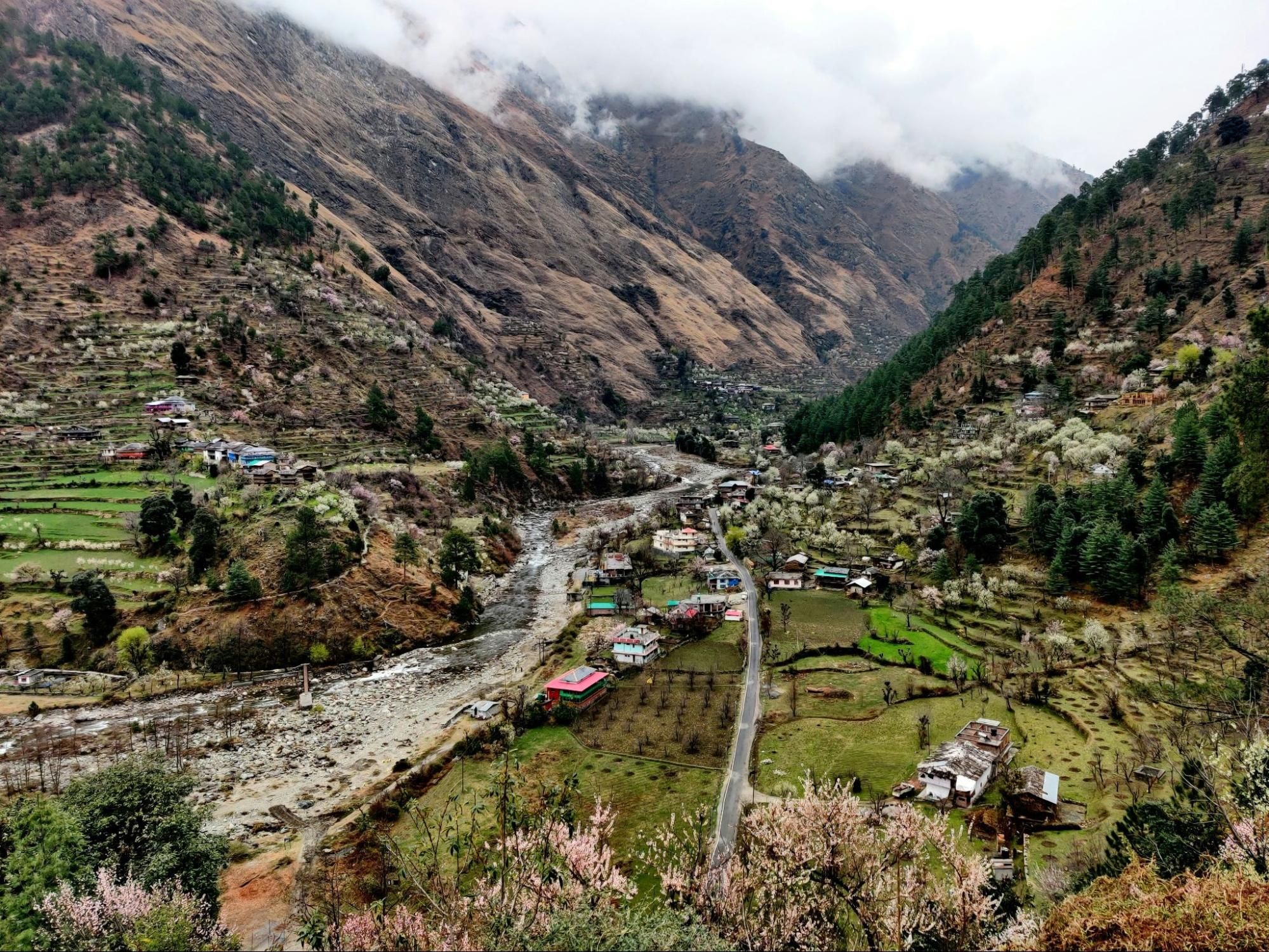 Most Himachal travellers head to Manali or Shimla and miss Tirthan entirely. The valley sits at the edge of the Great Himalayan National Park, with a river running through it clean enough to drink from. The pace here is deliberately slow. Wooden guesthouses, quiet trails through deodar forest, and trout fishing in the Tirthan River make this the kind of place where doing less feels like the point rather than a compromise.
Best Time to Visit: March to June and September to November
Accessibility: Fly to Bhuntar (Kullu), then drive approximately 1.5 hours to the valley
Best For: Nature lovers, couples, slow travellers and hikers
Things to Do: Hike in the Great Himalayan National Park, fish for trout, visit Jalori Pass, walk riverside village trails
2. Majuli, Assam
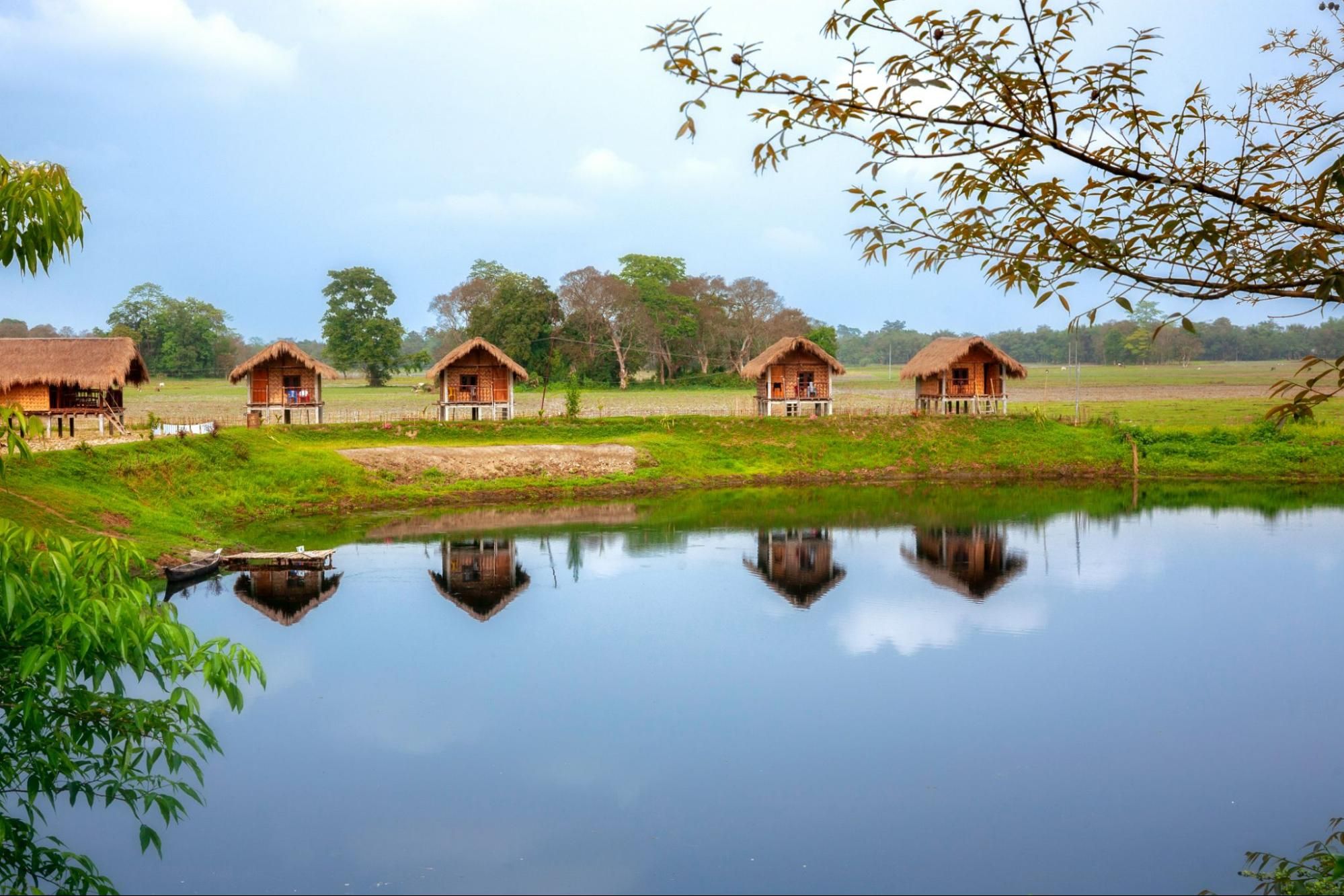 Majuli is a river island in the Brahmaputra, and the landscape shifts with the river every monsoon season. The island's satras (Vaishnavite monasteries) are living cultural institutions where monks perform classical dance, make masks by hand and maintain traditions that have run for centuries. Majuli has no malls, no chain hotels and almost no tourist infrastructure. That is both the challenge and the draw.
Best Time to Visit: October to March, when the water levels recede and the island is fully accessible
Accessibility: Fly to Jorhat, then drive to Nimati Ghat (approximately 1 hour) and take a ferry (approximately 1 hour)
Best For: Culture lovers, photographers and travellers comfortable with basic facilities
Things to Do: Visit satras, watch mask-making, cycle through villages, photograph the Brahmaputra landscape
3. Gandikota, Andhra Pradesh
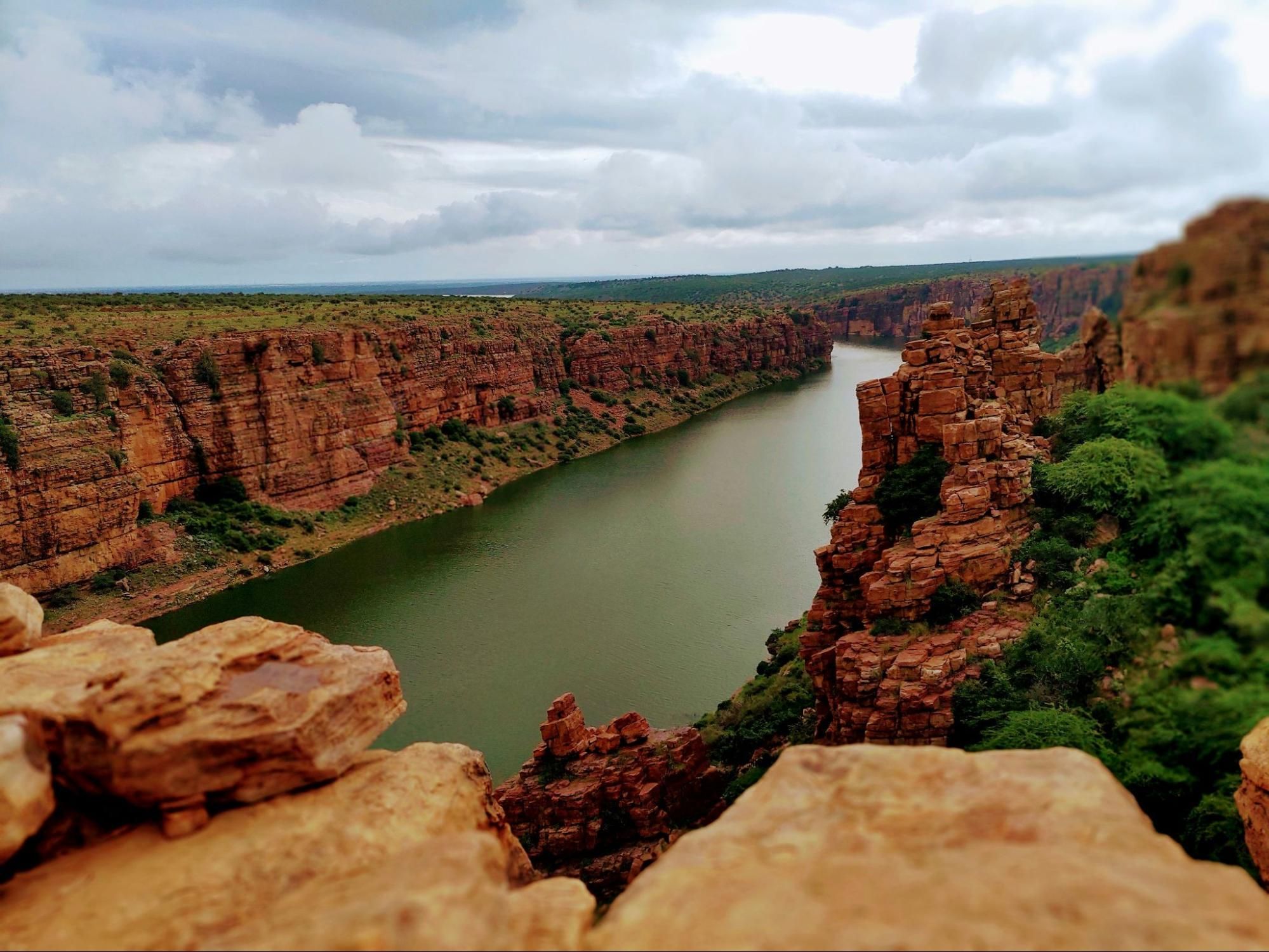 A gorge in Andhra Pradesh that drops away below a 13th-century fort, with the Pennar River at the bottom. The comparison to the Grand Canyon is overused, but the view from the fort wall is genuinely surprising for a destination that almost nobody outside the region has heard of. The fort, a mosque and a temple all sit on the same clifftop, and the overnight camping on the gorge rim is the experience most visitors remember.
Best Time to Visit: October to February for cooler weather and clearer skies
Accessibility: Drive from Bengaluru (approximately 5 hours) or Hyderabad (approximately 6 hours). Limited public transport
Best For: Photographers, campers and history-curious travellers
Things to Do: Walk the fort ruins, camp on the gorge rim, visit Mylavaram Dam, photograph the canyon at sunrise
4. Chettinad, Tamil Nadu
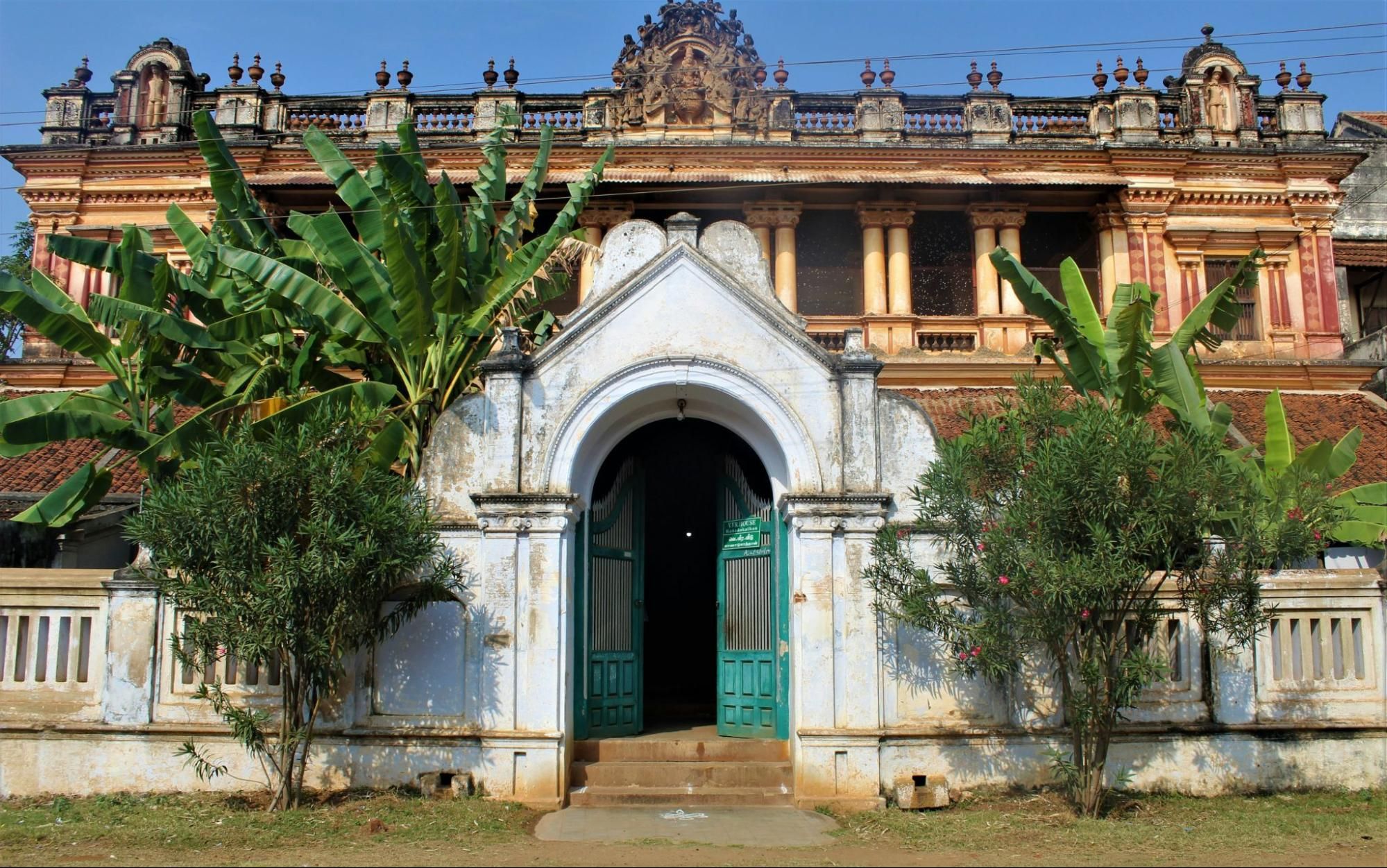 A cluster of villages in southern Tamil Nadu where merchant families built enormous mansions in the 19th and early 20th centuries, then largely left. The architecture is still standing, the food is among the spiciest and most distinctive in South India, and the villages are quiet enough to walk through without seeing another tourist for an hour. Chettinad is a cultural holiday that does not require temples or museums to work.
Best Time to Visit: October to March
Accessibility: Fly to Madurai (approximately a 2-hour drive) or Trichy (approximately a 1.5-hour drive)
Best For: Architecture lovers, food lovers and cultural travellers
Things to Do: Walk through mansion villages, eat Chettinad cuisine, visit Athangudi tile workshops, see Karaikudi market
5. Ziro Valley, Arunachal Pradesh
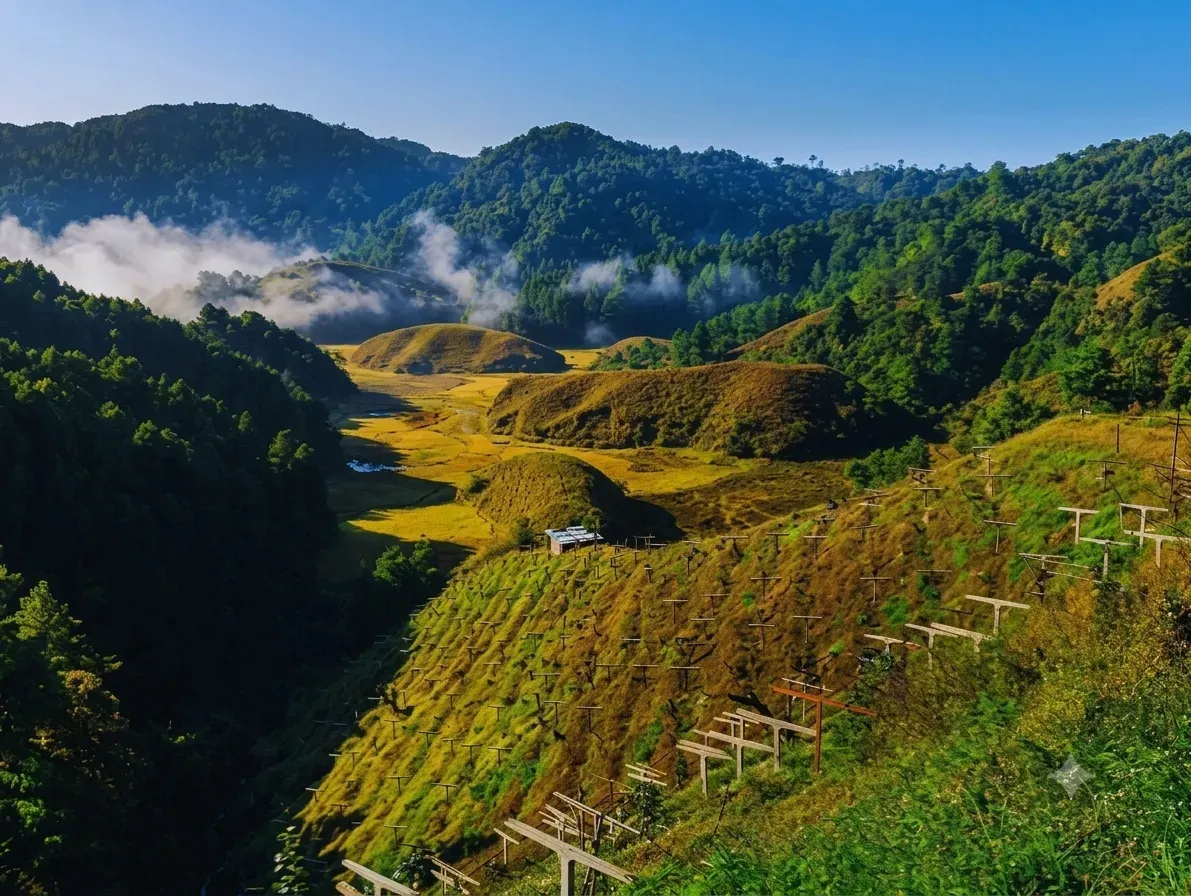 A wide valley of rice paddies, pine hills and Apatani tribal villages that operates at a pace most Indian destinations have lost. The Apatani community's farming practices are UNESCO-recognised, the Ziro Music Festival (September) brings independent musicians from across the country, and the landscape between the villages is worth walking slowly through rather than driving past. Permits are required for Arunachal Pradesh and add a step to the planning.
Best Time to Visit: March to October. September for the Ziro Music Festival
Accessibility: Fly to Itanagar or Lilabari, then drive approximately 5 to 6 hours. Inner Line Permit required
Best For: Culture lovers, music festival travellers and nature seekers
Things to Do: Walk through Apatani villages, attend the Ziro Music Festival, hike surrounding trails, photograph rice terraces
6. Gokarna, Karnataka
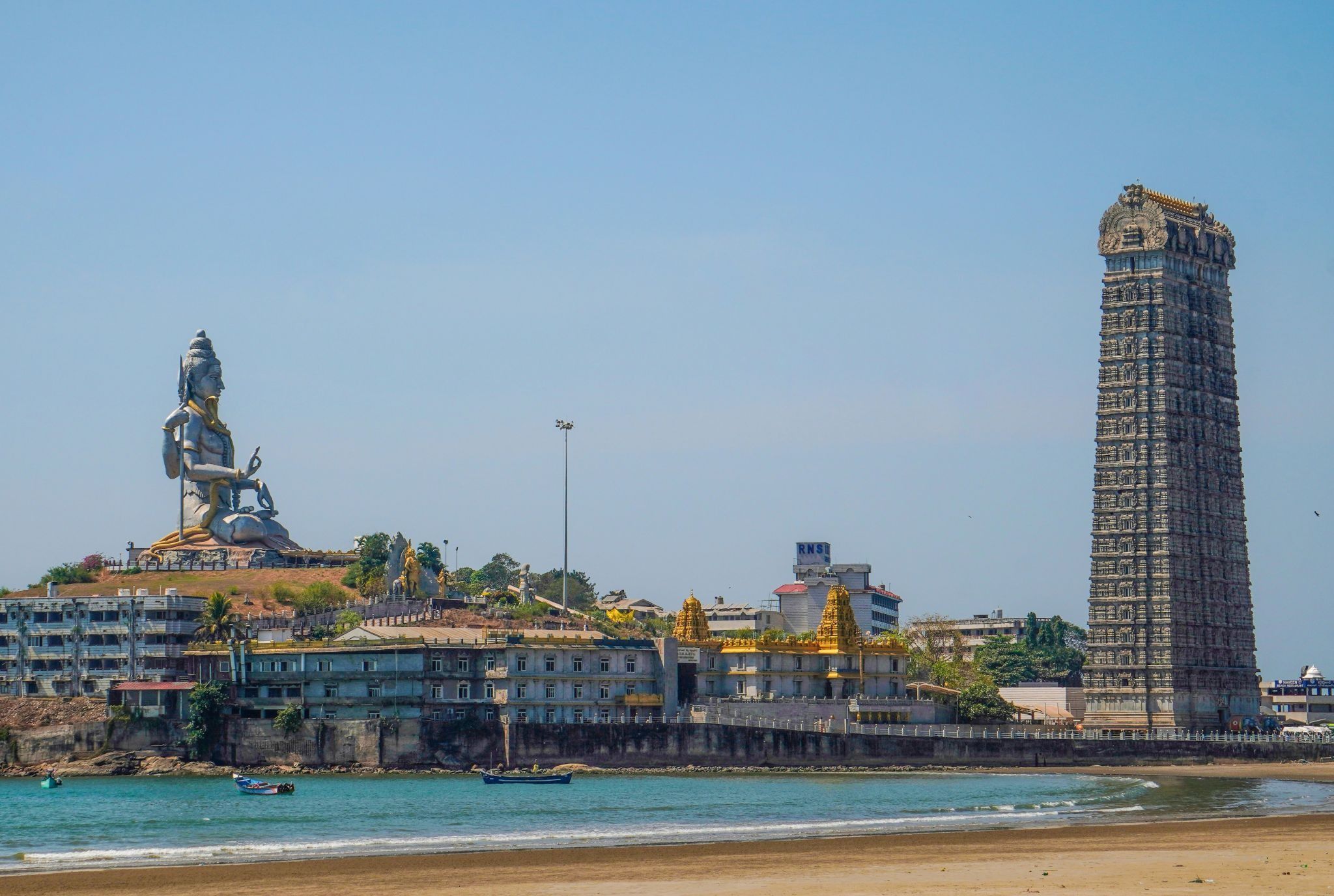 Gokarna often gets called "Goa without the crowds," which undersells it. The beaches here, particularly Om Beach, Half Moon Beach and Paradise Beach, sit between rocky headlands connected by cliff paths that require a short hike to reach. The town also has a centuries-old Mahabaleshwar Temple and a quieter kind of coastal energy that suits people who want the beach without the party.
Best Time to Visit: October to March for the driest and most comfortable conditions
Accessibility: Fly to Goa (approximately a 3-hour drive) or Hubli (approximately a 3.5-hour drive)
Best For: Beach lovers, couples, solo travellers and yoga practitioners
Things to Do: Hike between beaches, visit the Mahabaleshwar Temple, kayak along the coast, watch sunset from Om Beach
7. Orchha, Madhya Pradesh
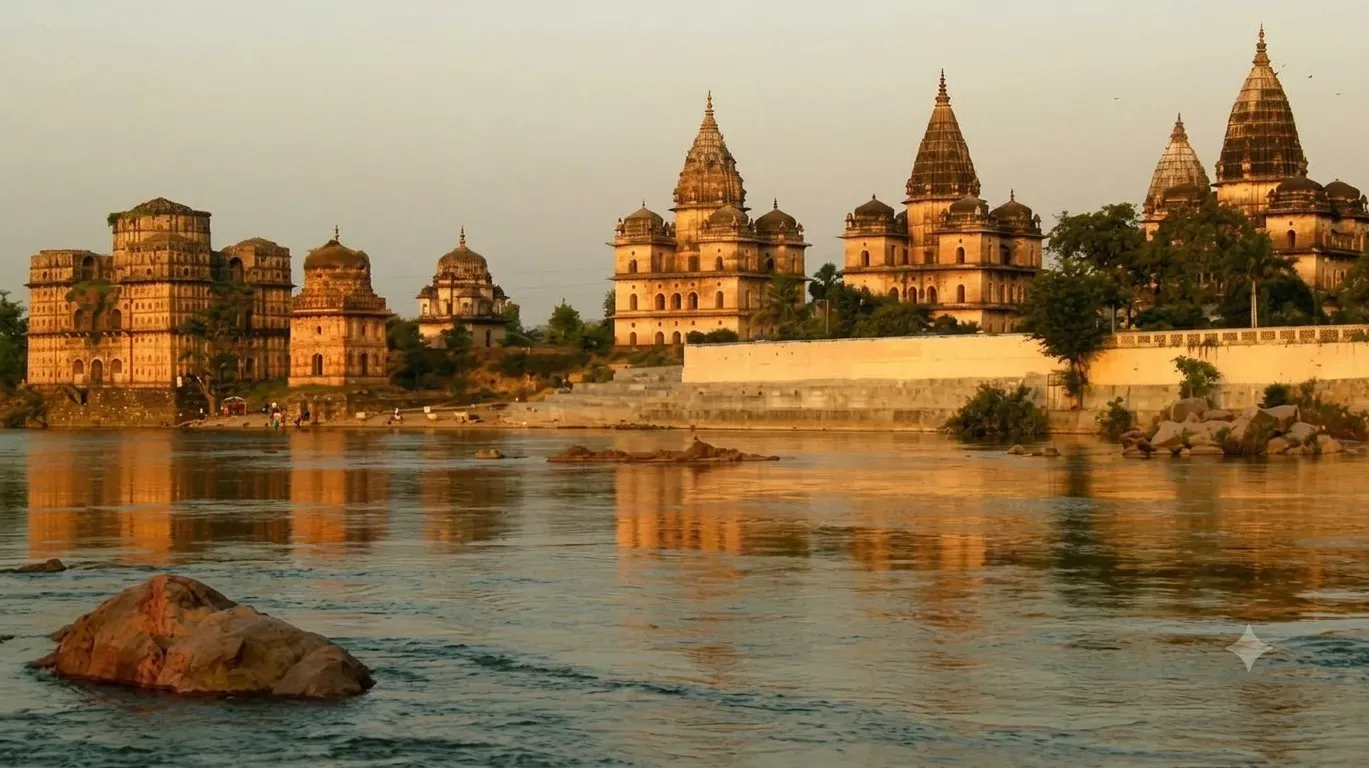 A small town on the Betwa River with cenotaphs, palaces and temples that would be famous if they sat in Rajasthan instead of Madhya Pradesh. The Orchha Fort complex, the Chaturbhuj Temple and the riverside cenotaphs are all within walking distance, and the town is small enough that two days cover the historical core without rushing. It sits between Jhansi and Khajuraho, which makes it easy to add to a wider central India route.
Best Time to Visit: October to March
Accessibility: Train to Jhansi (well connected from Delhi, 4 to 5 hours), then a 15 km drive to Orchha
Best For: History lovers, photographers and travellers on a central India route
Things to Do: Visit the fort complex, walk the riverside cenotaphs, see the Chaturbhuj Temple, cycle through the old town
8. Jawai, Rajasthan
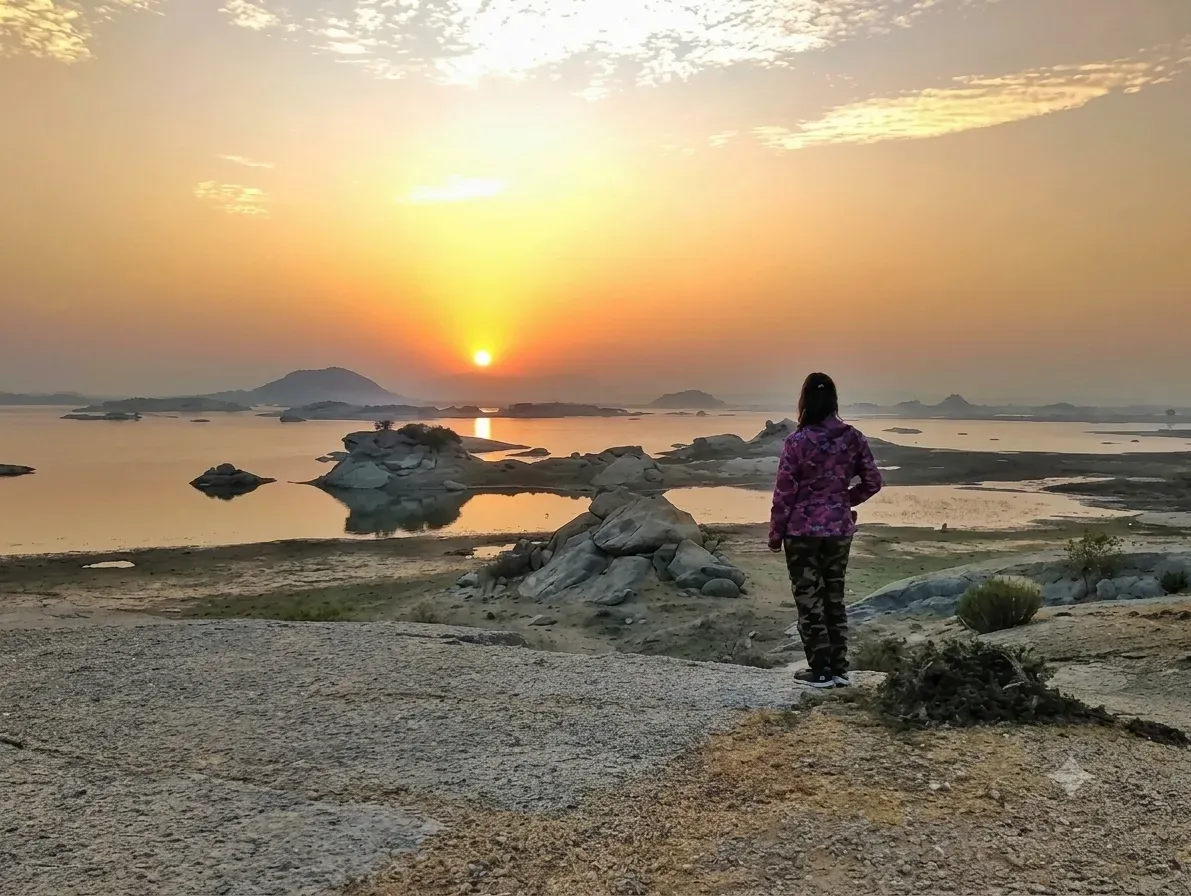 A landscape of granite hills and scrubland in southern Rajasthan where leopards live alongside the local Rabari pastoral community. The leopards here are habituated enough to be visible regularly without deep jungle tracking, and the setting, open granite boulders reflected in the Jawai Dam, is unlike any other wildlife destination in India. It is Rajasthan without the forts, the palaces and the tourist trail.
Best Time to Visit: October to March for cooler weather and clearer leopard sightings
Accessibility: Fly to Udaipur (approximately a 2.5-hour drive) or take a train to Abu Road
Best For: Wildlife lovers, photographers and couples
Things to Do: Leopard safaris, visit Rabari villages, birdwatching at Jawai Dam, photograph granite formations
9. Chopta, Uttarakhand
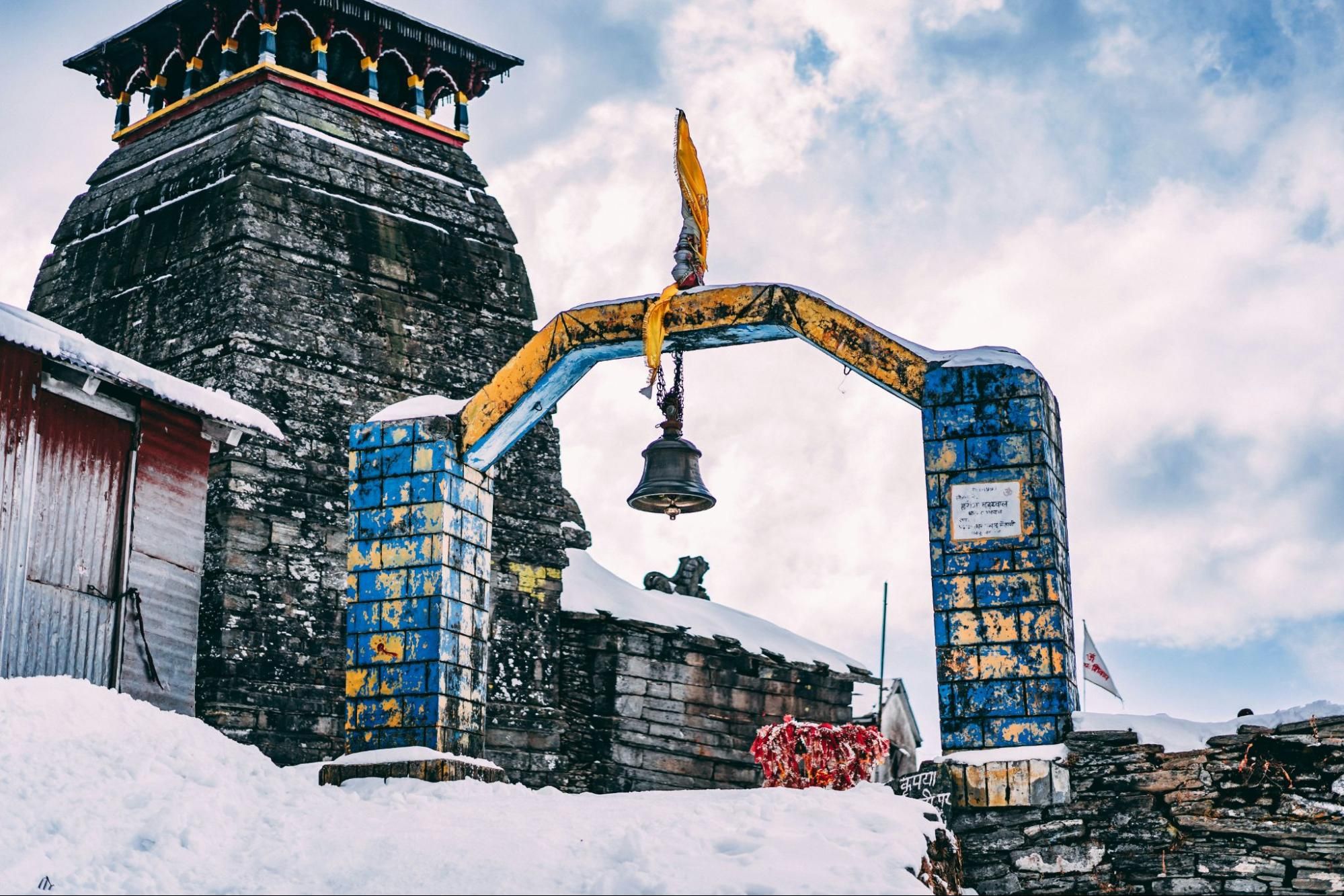 A small meadow at 2,680 metres in Uttarakhand that serves as the base for the Tungnath and Chandrashila treks. The Tungnath temple is the highest Shiva temple in the world, and the Chandrashila summit at 4,000 metres gives a wide Himalayan panorama on clear days. Even without trekking, Chopta's position among oak and rhododendron forests makes it one of the better underrated places to visit in India for travellers who want mountains without the Manali crowds.
Best Time to Visit: March to June and September to November. December to February for snow
Accessibility: Drive from Haridwar or Rishikesh (approximately 7 to 8 hours). No direct rail or air connection
Best For: Hikers, nature lovers and mountain seekers wanting a quieter alternative to Manali
Things to Do: Trek to Tungnath and Chandrashila, walk through rhododendron forests, birdwatching, stargazing
10. Munroe Island, Kerala
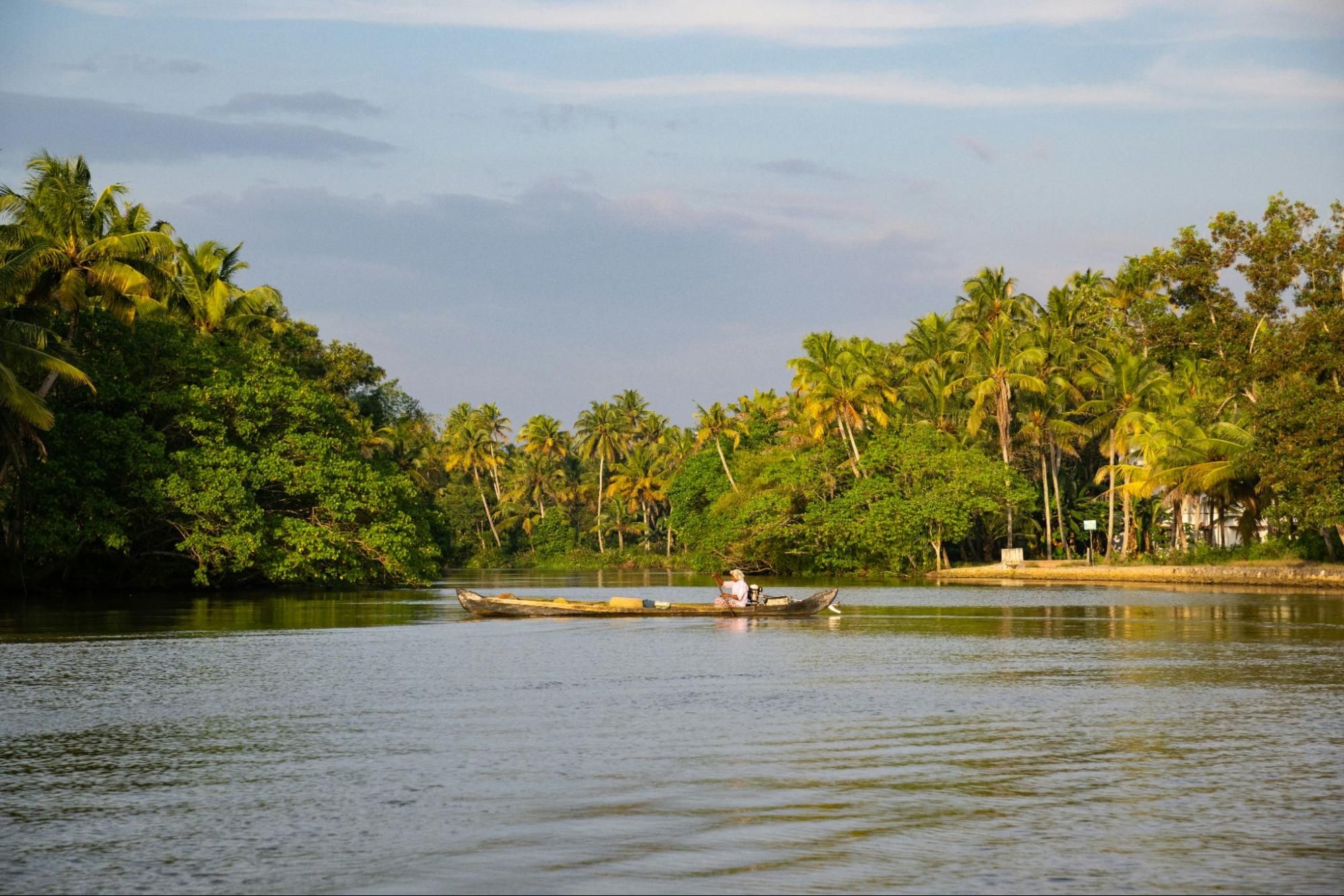 A cluster of small islands at the confluence of Ashtamudi Lake and the Kallada River in southern Kerala. The waterways here are narrower, quieter and less commercialised than the Alleppey backwaters most visitors default to. Canoe rides through mangrove channels, coir-making villages and prawn farming along the banks give a more grounded view of Kerala's backwater life than a houseboat on the main lake does.
Best Time to Visit: September to March
Accessibility: Fly to Trivandrum (approximately a 3-hour drive) or take a train to Kollam (approximately 30 minutes by road)
Best For: Couples, slow travellers and anyone wanting Kerala backwaters without the standard houseboat crowds
Things to Do: Canoe through narrow backwater channels, visit coir-making workshops, watch prawn farming, walk through island villages
Conclusion
These ten underrated places in India cover mountains, coast, wildlife, cultural villages and historical towns, and none of them will feel like a destination you have already seen before. The common thread is that each one offers a genuine holiday experience that the more popular alternatives nearby have become too crowded to deliver as well.
Holiday Tribe builds India holidays around destinations like these, with curated itineraries, stays and transfers planned around less-obvious routes. If you want a holiday advisor to help build an India itinerary that goes beyond the standard circuit, talk to us.