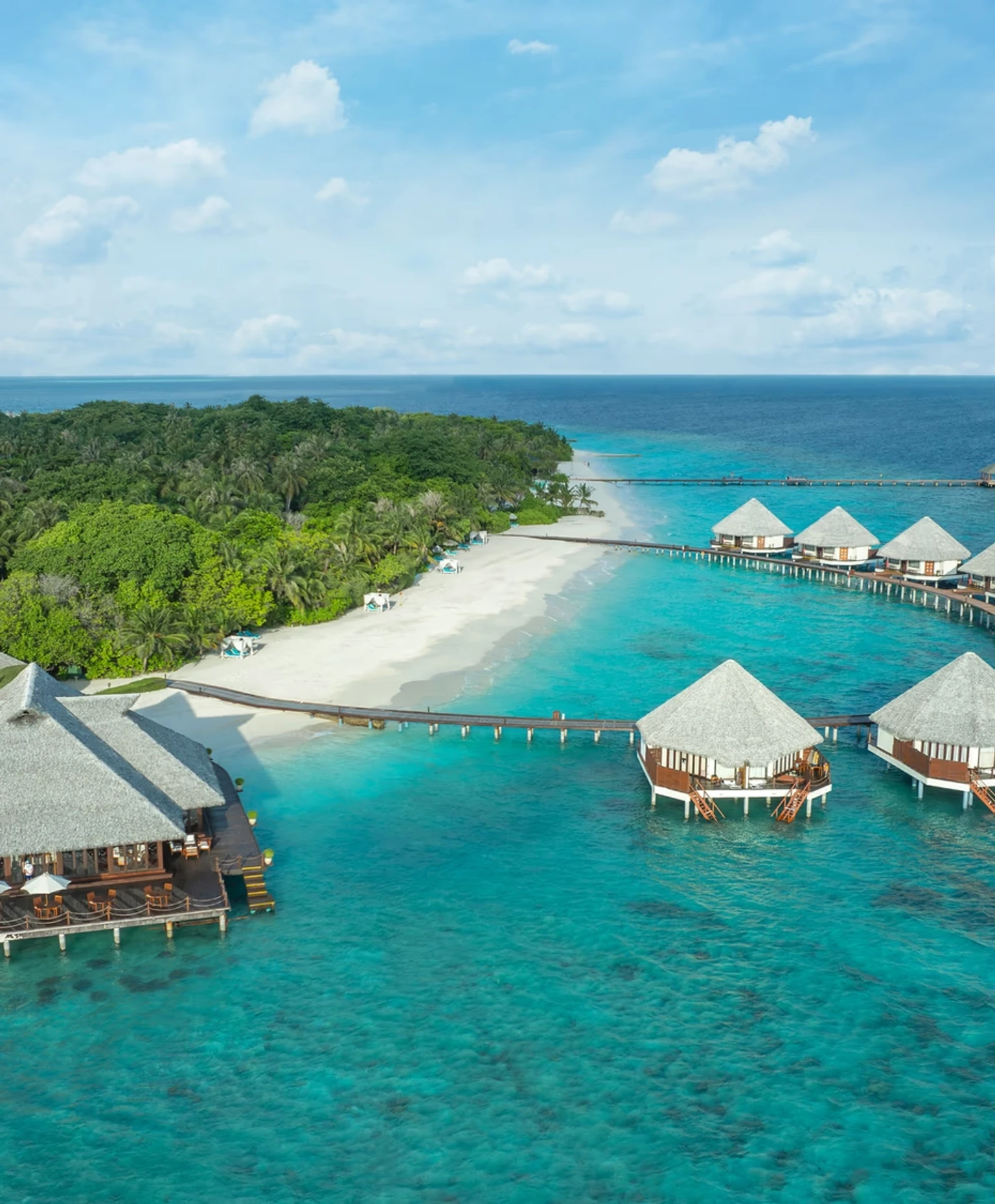


Planning a beach holiday and not sure where to start? There are thousands of beaches in the world, but only a handful that genuinely stop you in your tracks.
Some beaches have sand so fine it squeaks when you walk. Others glow pink from crushed shells. A few are hidden in lagoons that look unreal in photos and even more stunning in person. On some, you’ll share the shore with wildlife, making you feel like a visitor.
We’ve picked the 10 most beautiful beaches in the world that are worth planning your whole holiday around. Each one offers something truly unique.
10 Most Beautiful Beaches in the World
From pink sand lagoons to Arctic shores, these are the top 10 beaches in the world you should add to your list. Each stands out for its own special reason.
1. Elafonissi Beach, Crete, Greece
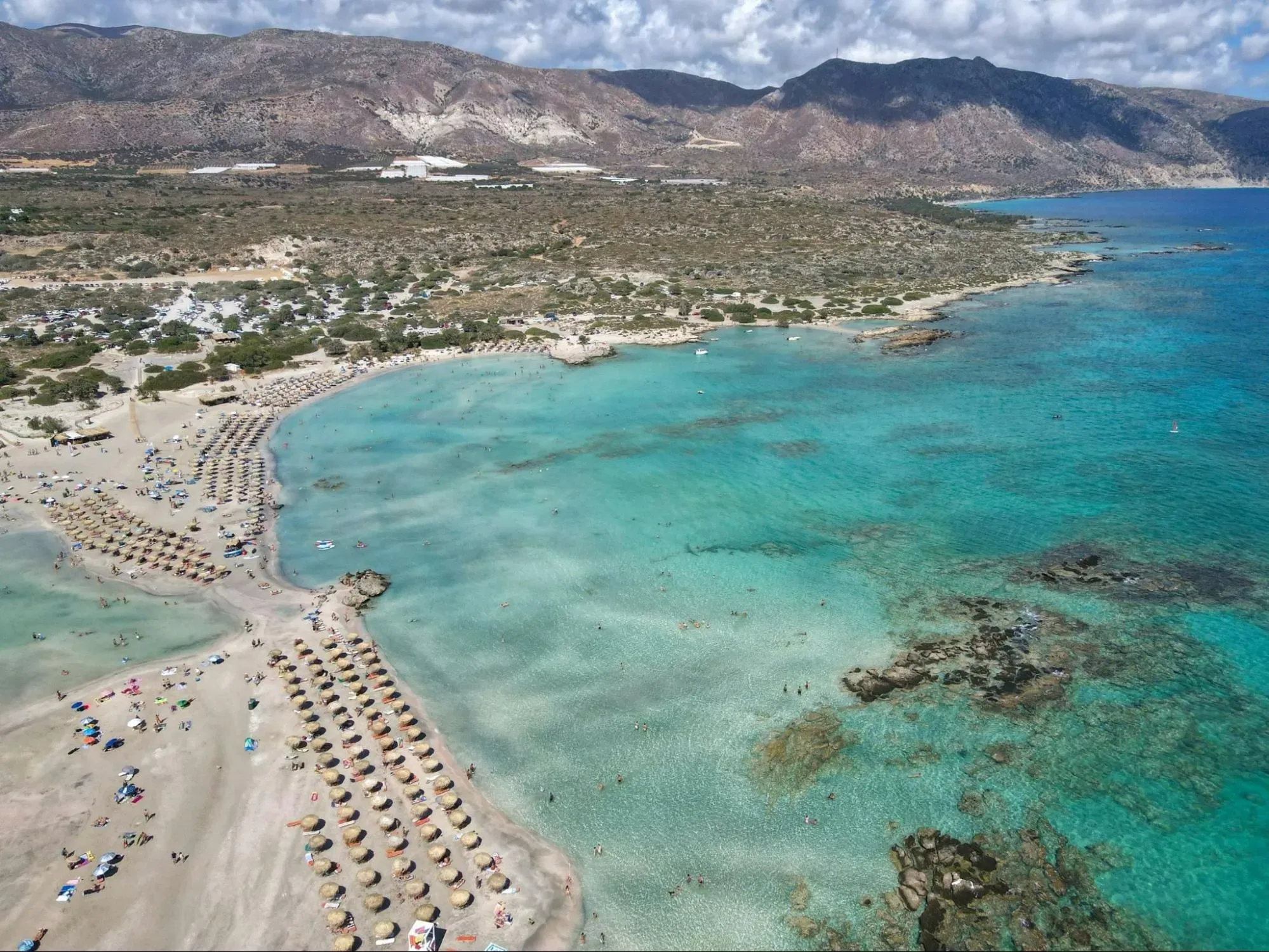
Elafonissi is one of the most iconic pink sand beaches in Europe. The sand gets its soft, reddish tint from millions of crushed shells and coral fragments, and the colour shifts subtly with the light throughout the day. The water is shallow, calm, and almost crystal-clear, making it a favourite for families and slow swimmers.
- Best time: May to June or September to October.
- Weather: Warm and sunny; peak summer (July-August), and it gets very crowded.
- Tribe Travel Tip: Natural shade is limited; bring your own sun protection. Sunbeds available for rent.
2. Whitehaven Beach, Whitsunday Islands, Australia
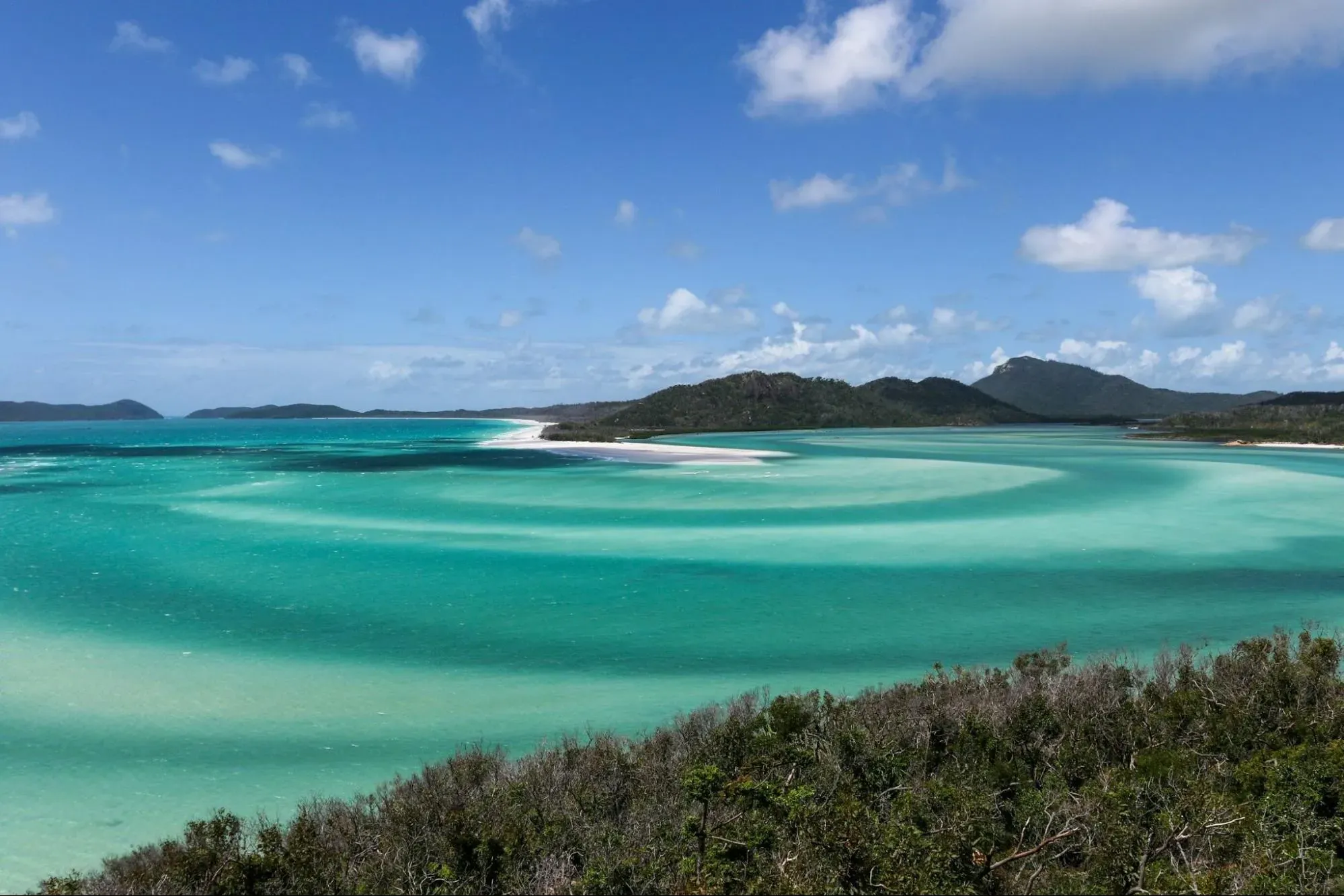
Whitehaven is famous for its 98% pure silica sand: bright white, naturally cool underfoot, even on hot days. It stretches for 7 km across an uninhabited island with no roads, shops, or hotels. The swirling tidal patterns at Hill Inlet lookout are what make this beach truly iconic.
- Best time: May to October (dry season).
- Weather: Temperatures average 19-26°C, with lower humidity.
- Tribe Travel Tip: No pets, smoking, or collecting of shells and sand. Camping is allowed only at the southern end with a pre-booked permit from Queensland Parks and Wildlife Service. Accessible only by boat or scenic flight.
3. Anse Source d'Argent, La Digue, Seychelles
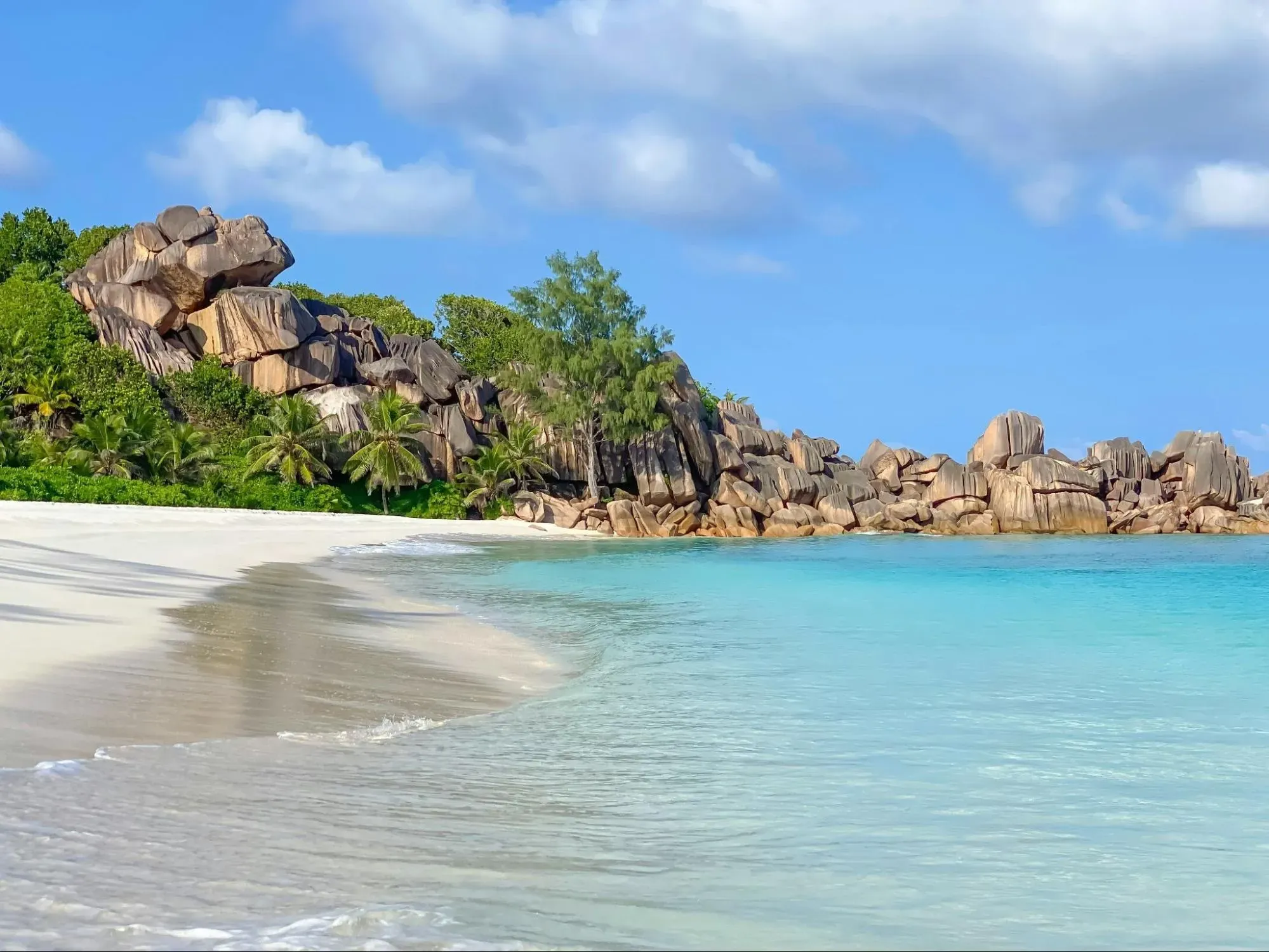
Giant granite boulders carved by millions of years of erosion divide this beach into intimate coves of white sand and turquoise water. It's the most photographed beach in the Seychelles, and it earns that title every single day.
- Best time: May to September.
- Weather: The southeast monsoon from May through September brings cooler, breezier weather, still beautiful, and far less crowded.
- Tribe Travel Tip: An entrance fee applies. Beach bars accept cash only. Arrive before 10 AM or after 3 PM for a quieter experience.
4. Balos Lagoon, Crete, Greece
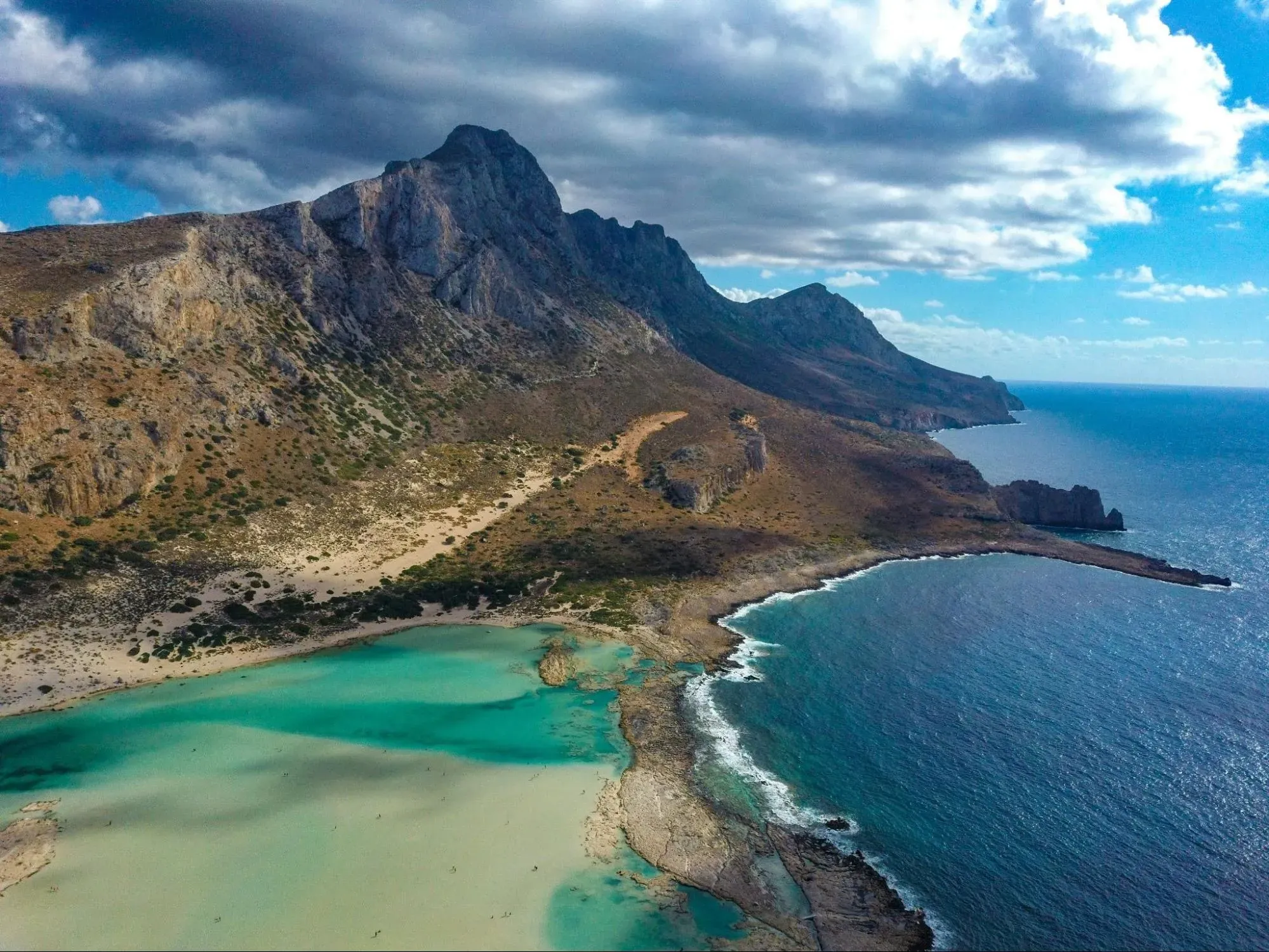
Balos is the beach you'll struggle to believe is real. Tucked into the northwest tip of Crete, the lagoon shifts between shades of white, turquoise, and deep blue. On one side is a crystal-clear open sea; on the other, the calm, pristine shallows of the lagoon.
- Best time: May to September (warm but manageable crowds).
- Weather: Hot and sunny June-August; can be windy near the cape.
- Tribe Travel Tip: Most car rental companies exclude the rough gravel road to Balos. Take the ferry from Kissamos port instead. Arrive early to beat the day-tripper rush.
5. Flamingo Beach, Renaissance Island, Aruba
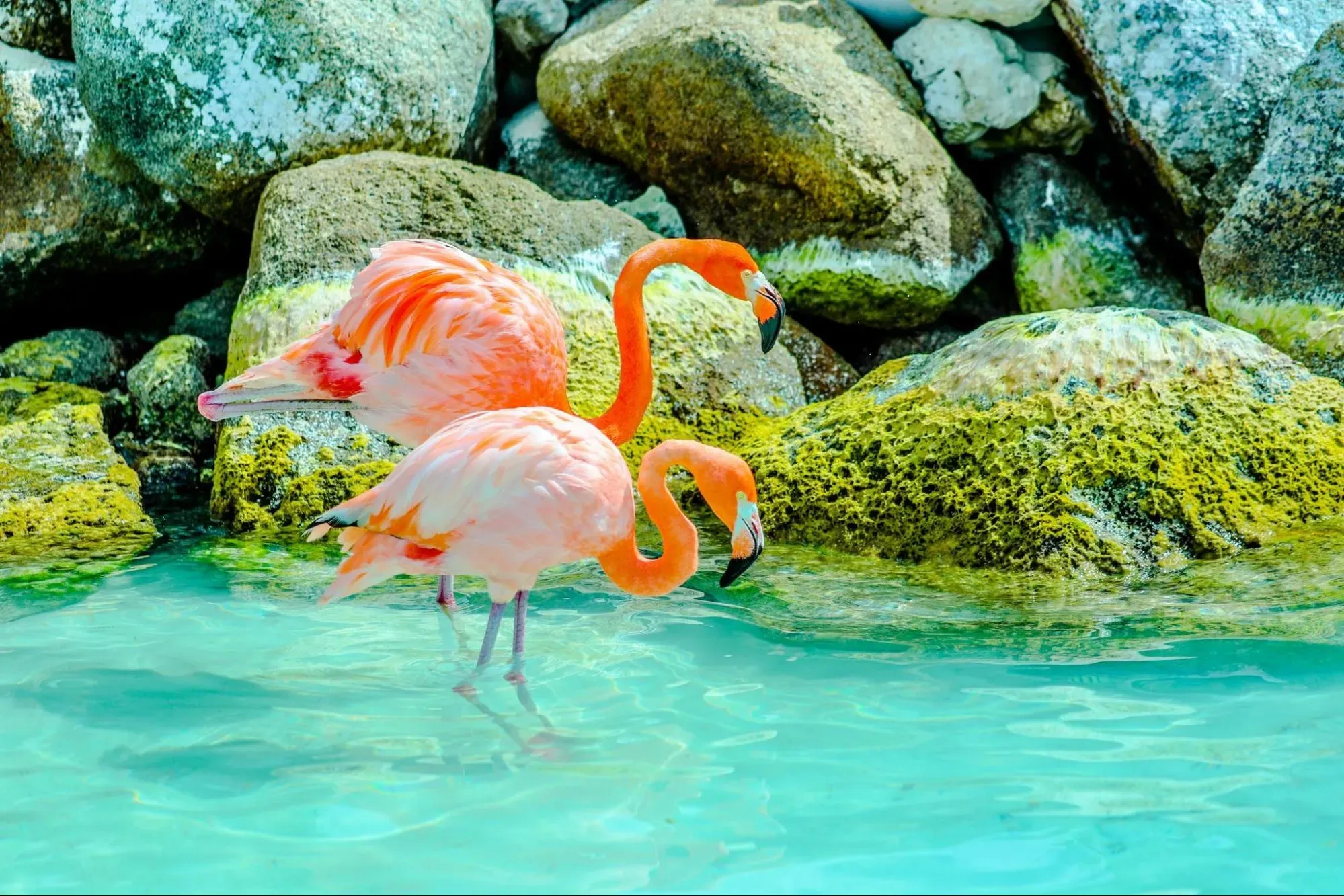
The beach is stunning, with white sand, calm Caribbean water, and palm trees. But what makes it special are the flamingos that wander the shore, wade in the shallows, and sometimes eat from your hand.
- Best time: December to April (dry season, consistently sunny).
- Weather: Warm year-round; Aruba sits outside the hurricane belt.
- Tribe Travel Tip: Day passes cannot be pre-booked; non-guests must visit the Renaissance Wind Creek Resort on the morning they wish to go. Children are only allowed on Flamingo Beach between 9 and 10 AM.
6. Nungwi Beach, Zanzibar, Tanzania
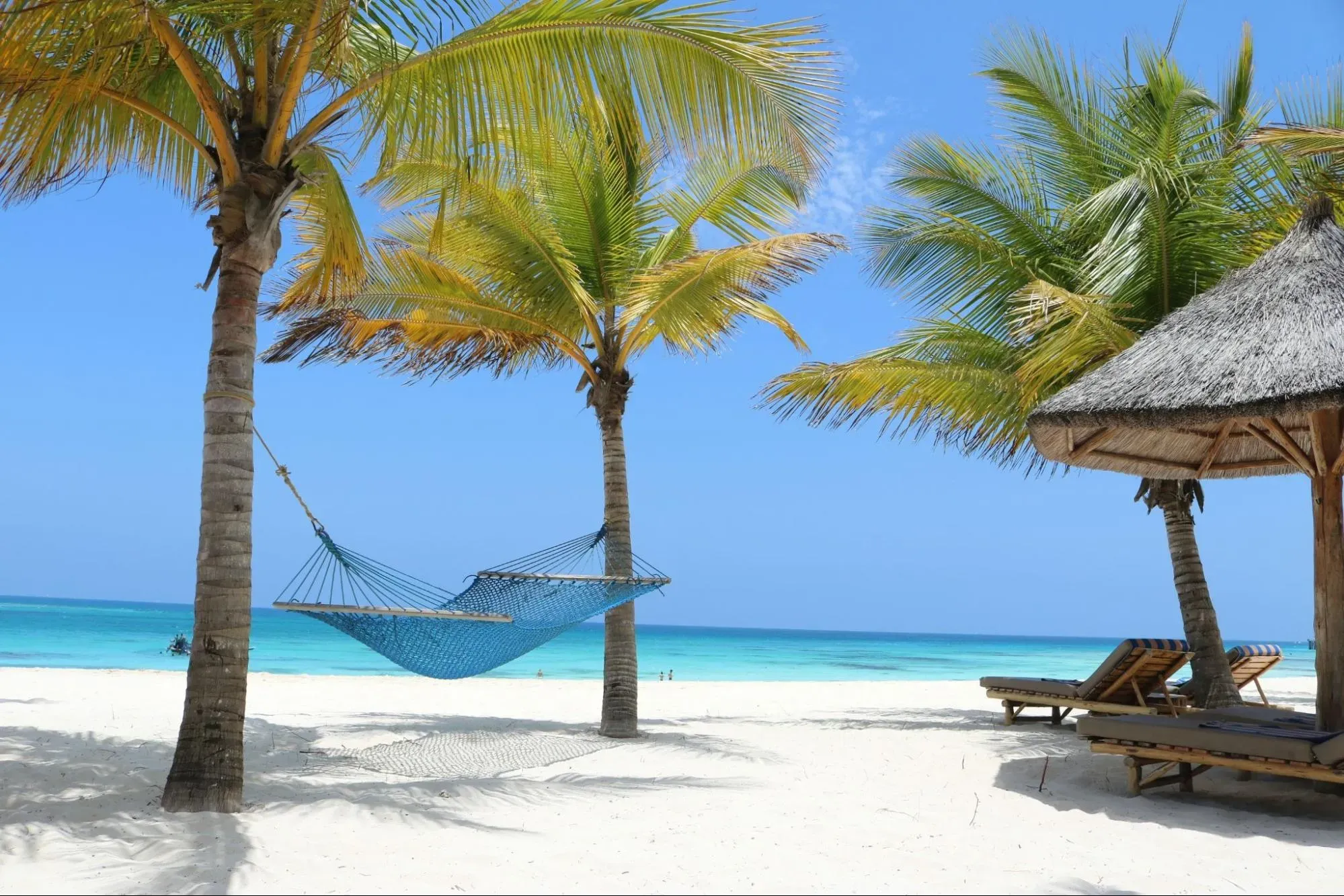
Nungwi’s main advantage over other Zanzibar beaches is its northern location, which means the tides barely change and you can swim all day, even at low tide. With white sand, warm water, and traditional dhow boats on the horizon, it’s the picture of a perfect tropical beach.
- Best time: June to October (dry season).
- Weather: Temperatures between 25-30°C, low humidity.
- Tribe Travel Tip: Avoid March-May (long rains). Book early for July and August, when European holiday crowds peak.
7. Maya Bay, Koh Phi Phi Ley, Thailand
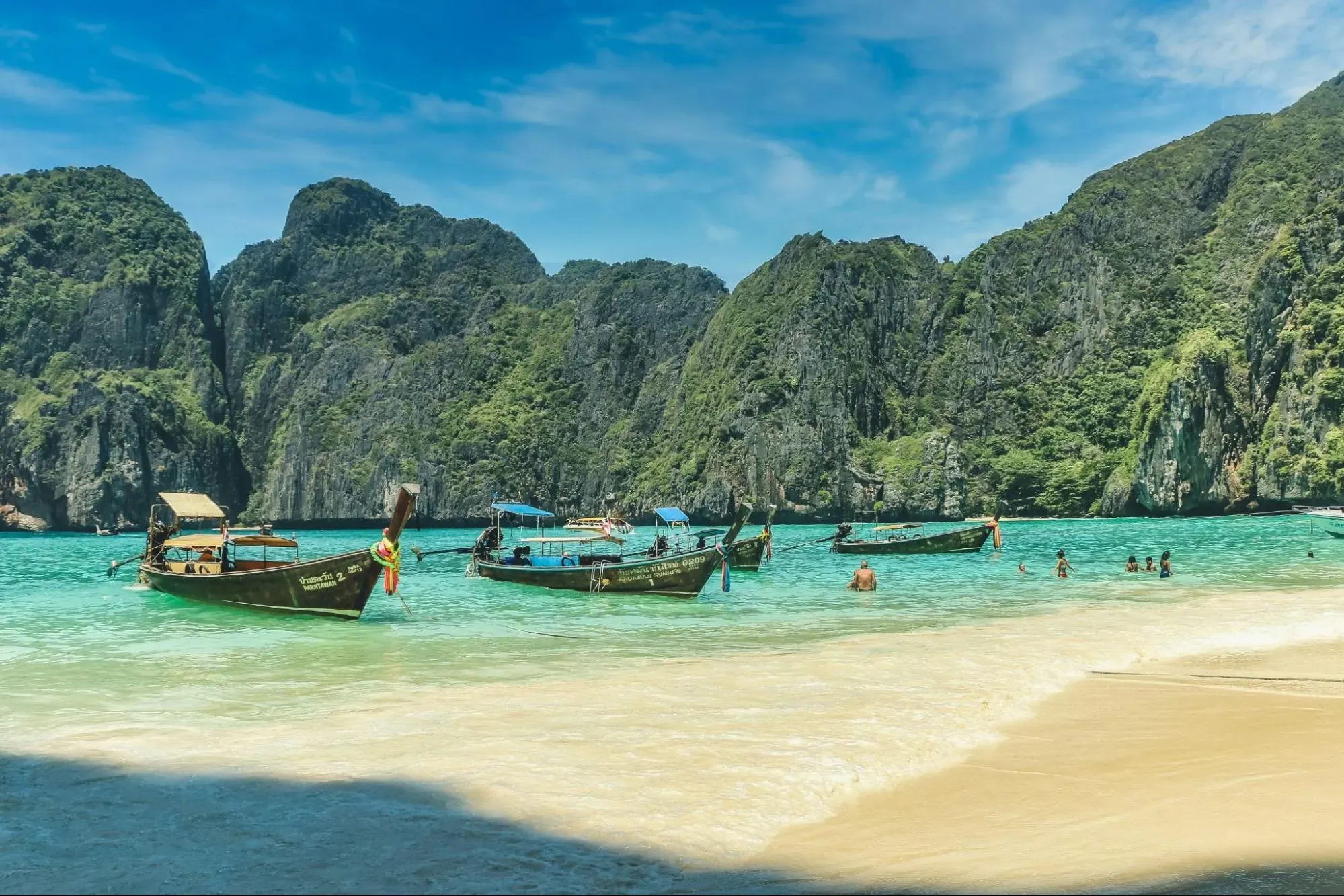
At its busiest, more than 7,000 people visited each day, leaving just 8% of the coral alive. Thailand closed the bay for about four years, and it has made a strong recovery. Reef sharks have returned, coral is growing, and the tall limestone cliffs are just as stunning in real life.
- Best time: November to April.
- Weather: The dry season brings calm seas and clear skies; May-October is the monsoon season.
- Tribe Travel Tip: Swimming inside the bay is banned. No boats allowed inside; visitors walk in via a boardwalk. Park fee: 400 THB adults, 200 THB children. The bay closes annually for two months from 1st August to 30th September for conservation.
8. Playa Balandra, La Paz, México
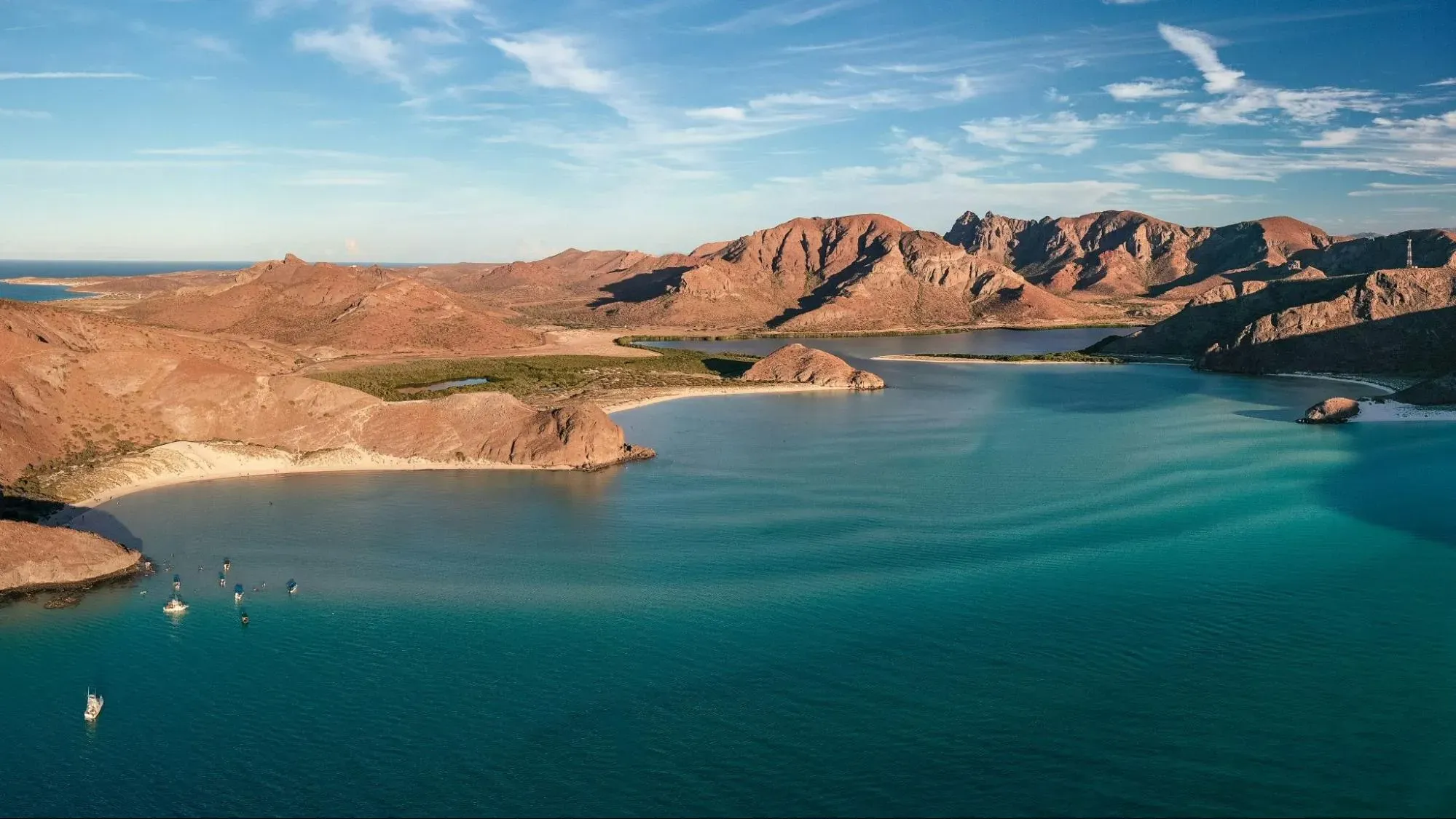
This protected lagoon has clear, shallow water, white sand, and the famous Mushroom Rock. It’s completely undeveloped, with no shops or restaurants. The calm, waist-deep water makes it one of the easiest and most beautiful beaches to visit.
- Best time: November to April.
- Weather: Dry, warm, and sunny; summer gets very hot.
- Tribe Travel Tip: Two daily entry shifts, 450 visitors per slot. A conservation bracelet (~120 MXN) is mandatory and can be bought online in advance; do this before you go. No food is sold inside; bring everything you need.
9. Rauðasandur Beach, Westfjords, Iceland
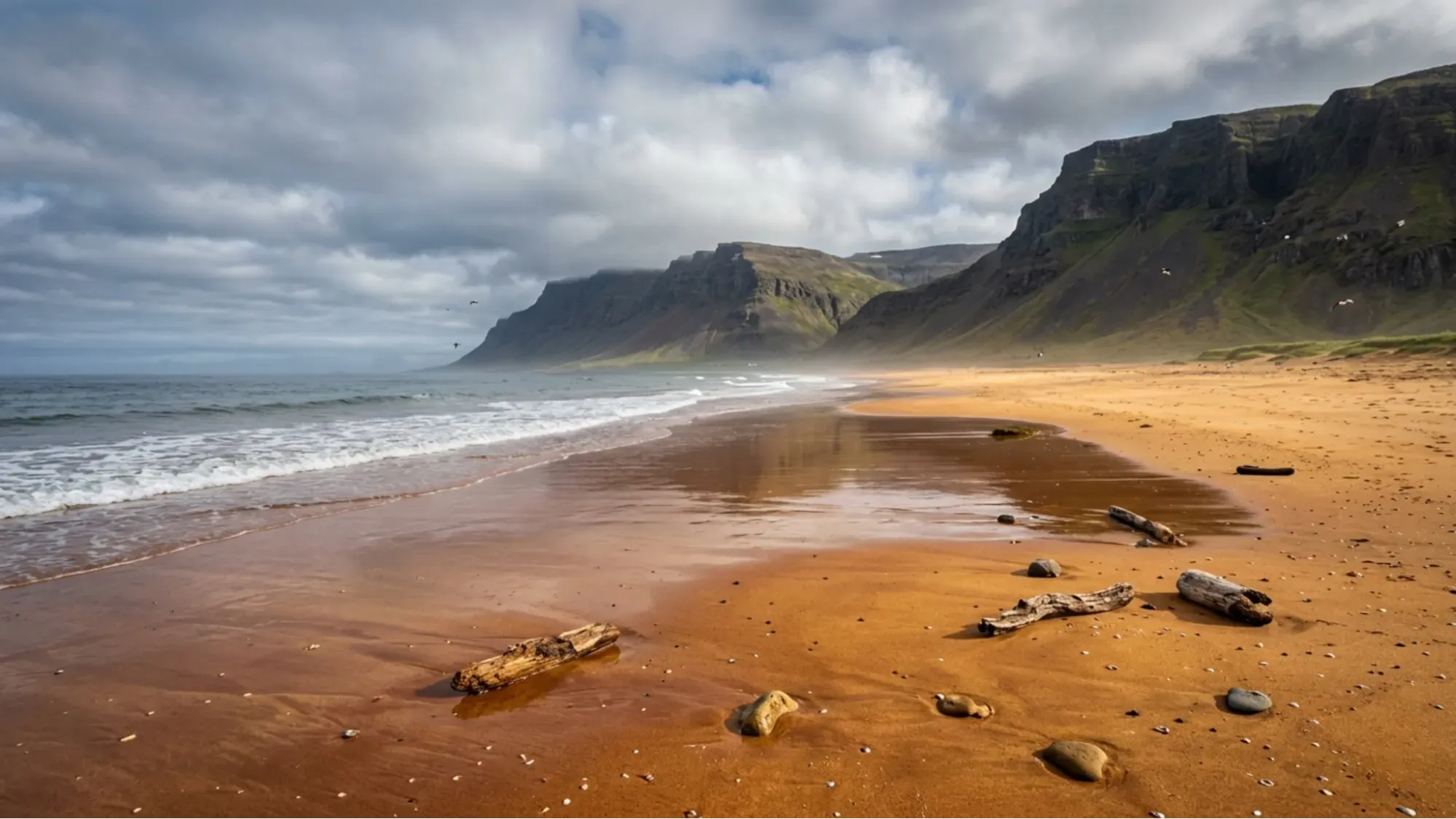
Not all beautiful beaches have turquoise water. Rauðasandur stretches for 10 km with rust-red and pink sand, colored by crushed scallop shells, beneath sea cliffs in a remote part of Iceland. Seals rest on the shore and puffins nest on the cliffs nearby. It’s about as different from a typical beach as possible.
- Best time: June to August.
- Weather: Mild Arctic summer, 8-12°C; long daylight hours.
- Tribe Travel Tip: The road is unpaved and can be rough in early summer. No facilities on the beach; bring everything you need.
10. One Foot Island, Aitutaki, Cook Islands
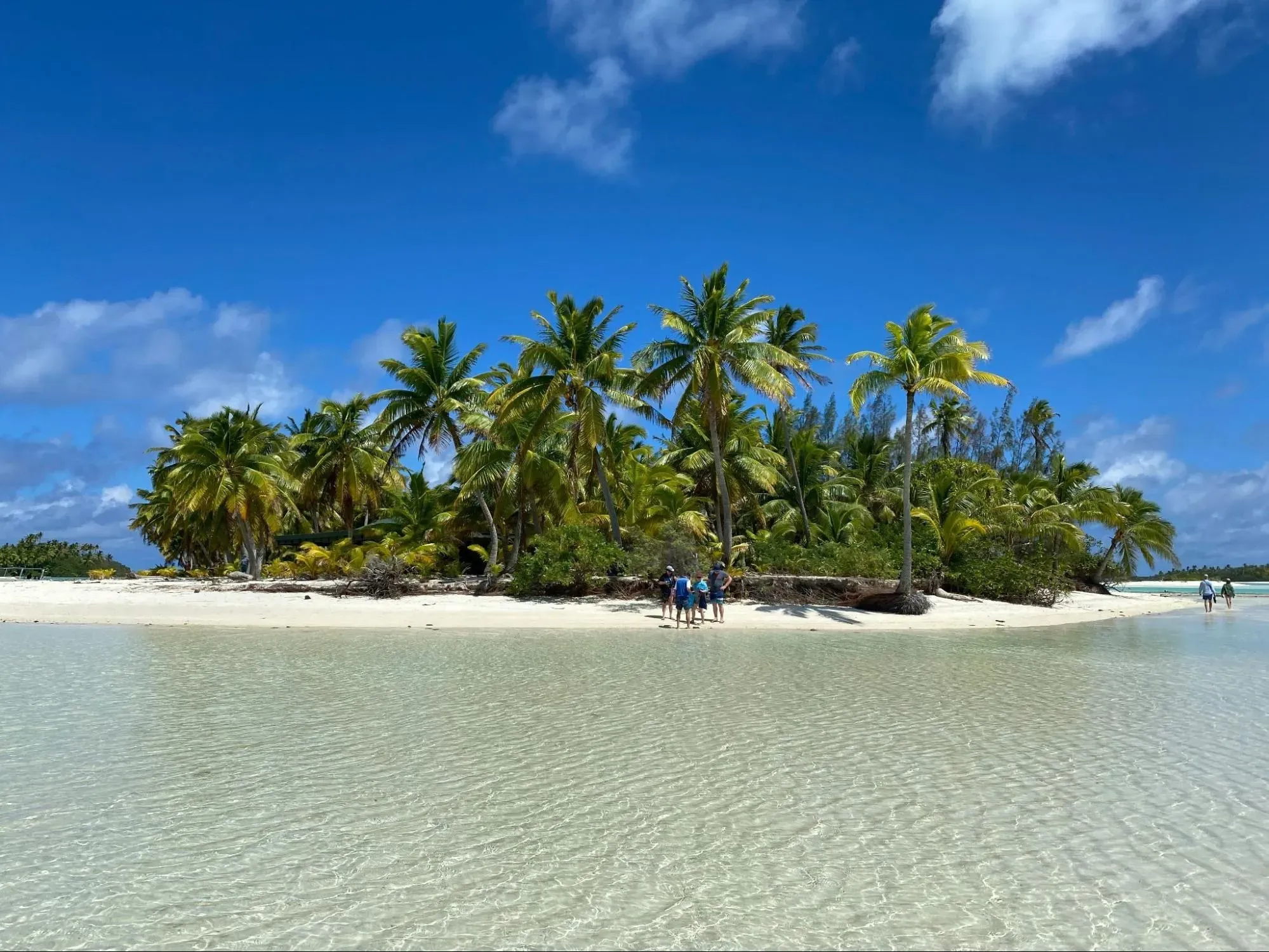
This small stretch of white sand sits inside one of the world’s most beautiful lagoons. The water is warm, clear, and only waist-deep. You can walk around the whole island in 10 minutes and will probably wish you could stay longer. It’s also home to the world’s smallest post office, where you can get a unique foot-shaped passport stamp.
- Best time: April to November.
- Weather: Warm and sunny; cyclone season runs December-March.
- Tribe Travel Tip: No fresh water or facilities on the island. Reach it via a lagoon cruise from Rarotonga or by staying on Aitutaki directly.
How to Be a Responsible Beach Visitor?
Beaches remain beautiful when visitors take care of them. Here are some simple rules that really help.
- Use reef-safe sunscreen: Regular sunscreen contains chemicals that damage coral reefs and marine life.
- Leave nothing behind: Pack out all your extras, especially at undeveloped beaches like Rauðasandur and Balandra.
- Keep your distance from wildlife: At Flamingo Beach, let the birds approach you; never chase or corner them.
- Stay on marked paths: At protected sites like Maya Bay and Elafonissi, foot traffic off designated areas damages vegetation and dunes.
- Respect visitor limits: Timed entry and capacity caps are in place to protect these places, not to inconvenience you.
Final Takeaway
The most beautiful beaches in the world aren’t just white sand and palm trees. Some are pink, some are black, some are surrounded by granite boulders or limestone cliffs, and some even have flamingos. This variety is what makes these beaches so special.
Some of these beaches are famous, while others, like Rauðasandur in Iceland or One Foot Island in the Cook Islands, are still hidden gems. But they all have one thing in common: visitors often find themselves wanting to return.
Choose your favorite and start planning. When you’re ready to book, Holiday Tribe offers guides, tips, and itineraries for every beach on this list.