

There are dozens of countries in Europe, and many of them are best suited to a short city break rather than a two-week marathon. You can land on a Friday, walk through a thousand years of history before lunch, eat something you will talk about for months, and be home by Sunday night. That is the quiet magic of cities in Europe. They sit close together, are easy to reach, and are packed with character.
This guide pulls together 21 countries in Europe with the best city break destinations, from obvious icons like Paris and Rome to quieter favourites like Bergen and Kraków. For each one, you get the headline city, a local detail worth knowing, and when to go, so you can plan around real life rather than a brochure.
How Did We Pick the Best Countries to Visit in Europe for City Breaks?
A great city break makes the most of a long weekend. Look for a place with a walkable centre, a quick trip from the airport, and plenty of food, history, and atmosphere to enjoy over two or three days. The best countries to visit in Europe for this have main cities that do the heavy lifting, so you are not stuck on long transfers.
Most of these cities are perfect for a two- or three-night stay, and you can even visit two nearby capitals in one week. If you want to save money, cities in Central and Eastern Europe often offer better value than places like Paris or Copenhagen.
Which Western European Cities in Europe Top the List?
This is the classic first lap for most travellers, and for good reason. The cities in western Europe are polished, easy to navigate, and well-connected.
France
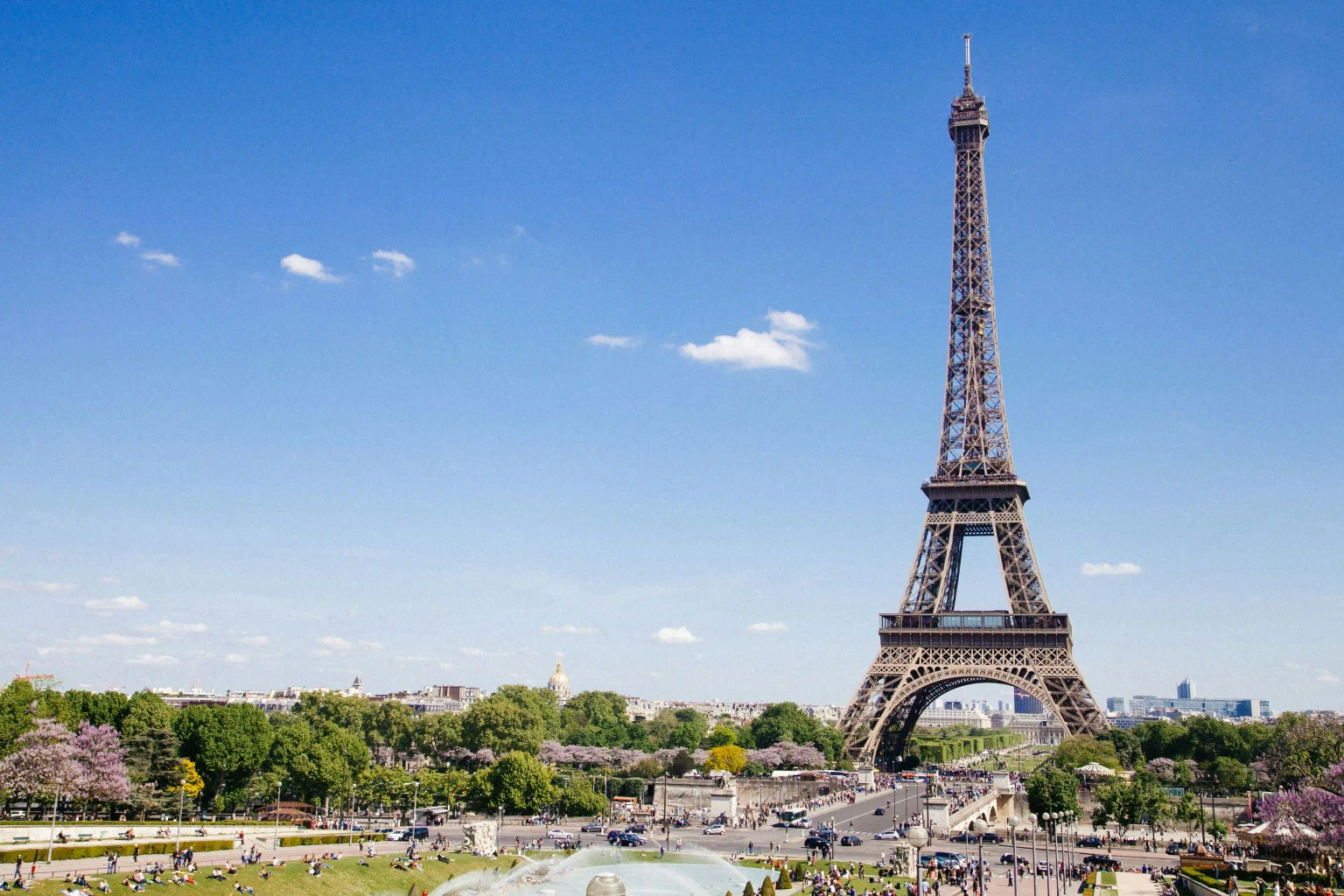
Best City: Paris

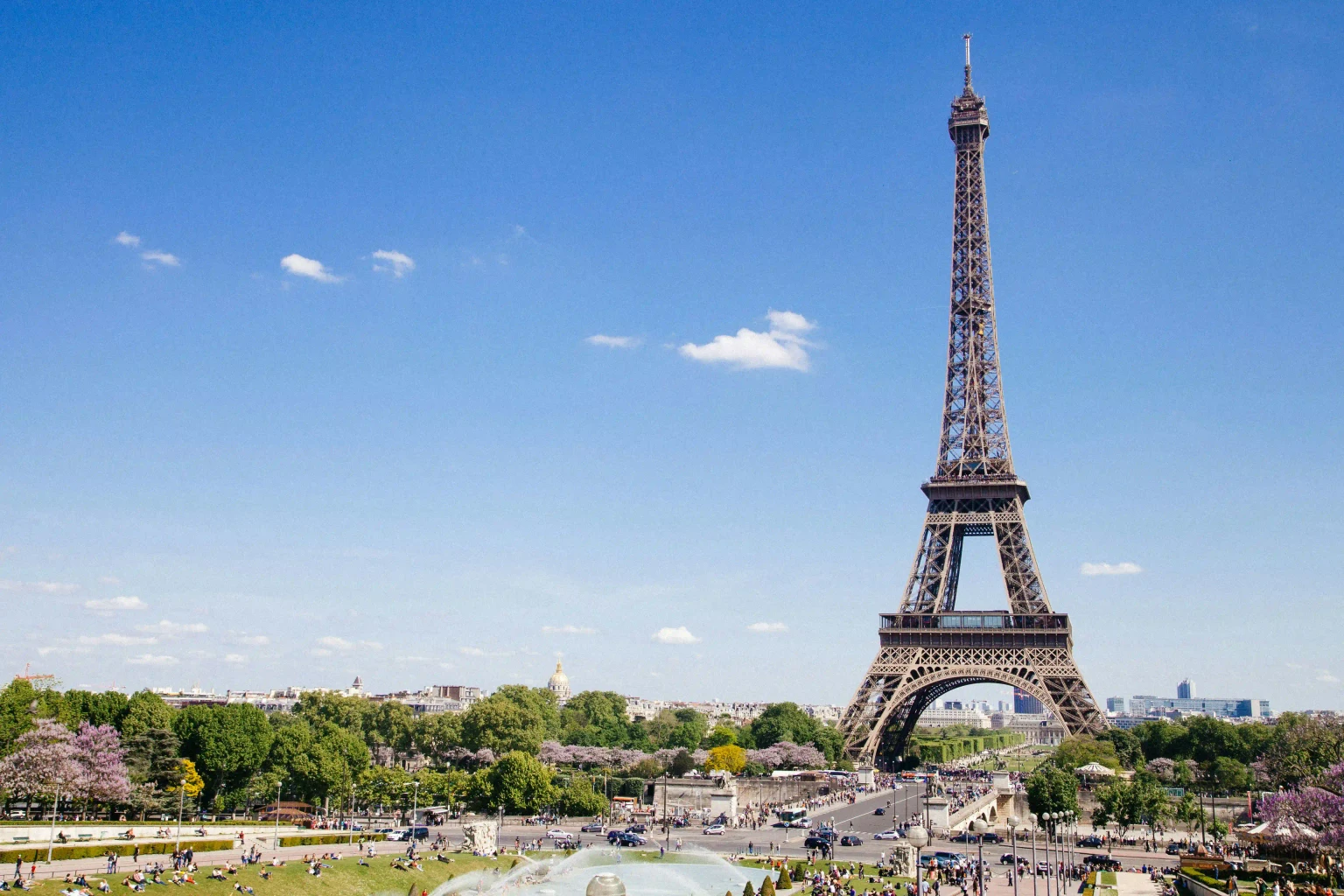
Paris is always a great choice, but it’s even better when you also visit Nice on the Riviera or Lyon, which is known as France’s food capital. Here’s a fun fact: the Eiffel Tower was originally built as a temporary structure and was supposed to be taken down after 20 years.
- Best time: Spring in Paris, early summer on the coast
- Local gem: A flaky morning croissant beats any landmark queue
United Kingdom
Best City: London
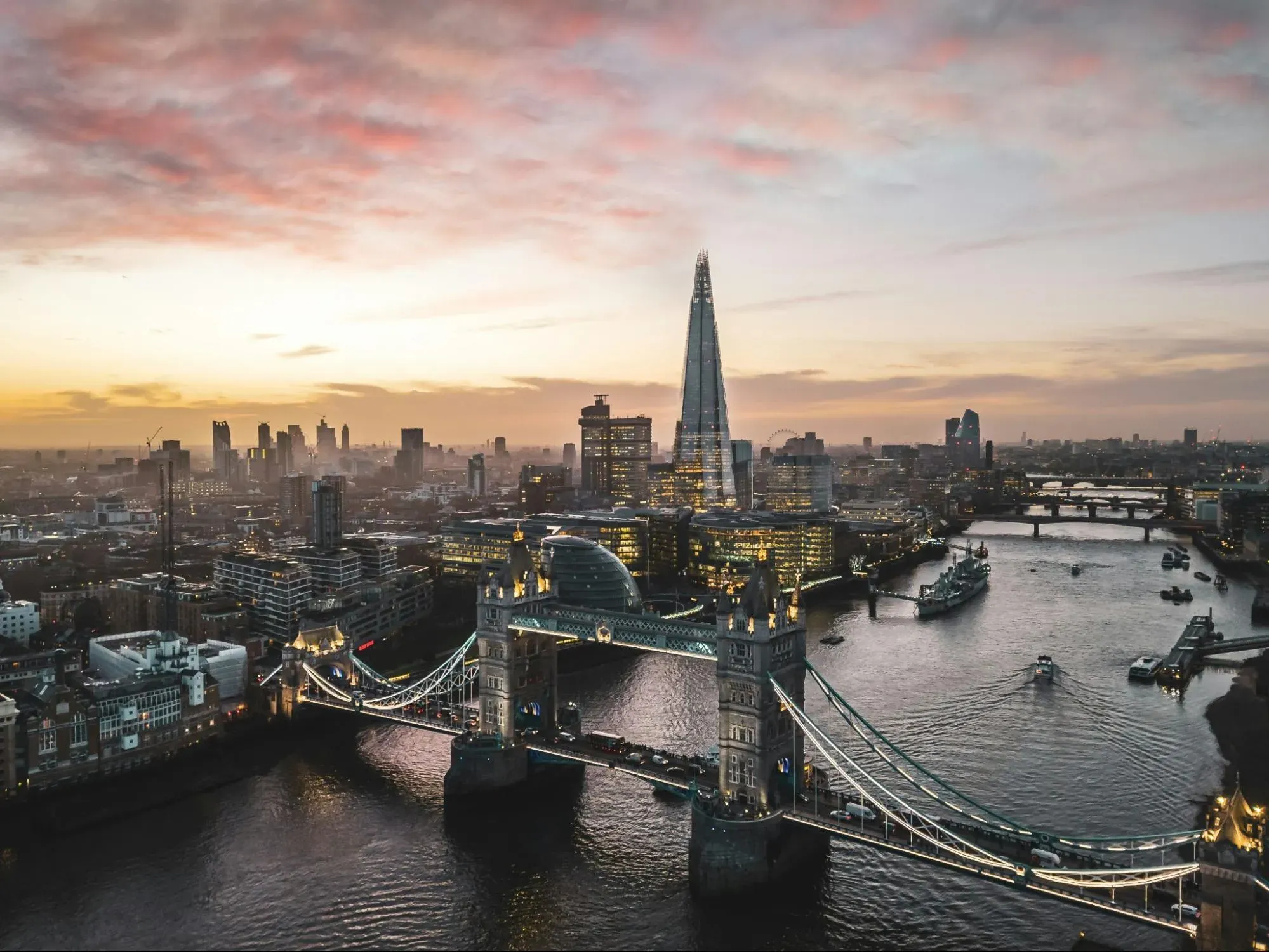
London packs centuries into walking distance, and Edinburgh adds a castle perched on an ancient volcanic rock. The London Underground opened in 1863 and is the oldest underground railway in the world.
- Best time: London works year-round; Edinburgh in August for the Fringe
- Local gem: The British Museum and Tate galleries are free to enter
Ireland
Best City: Dublin
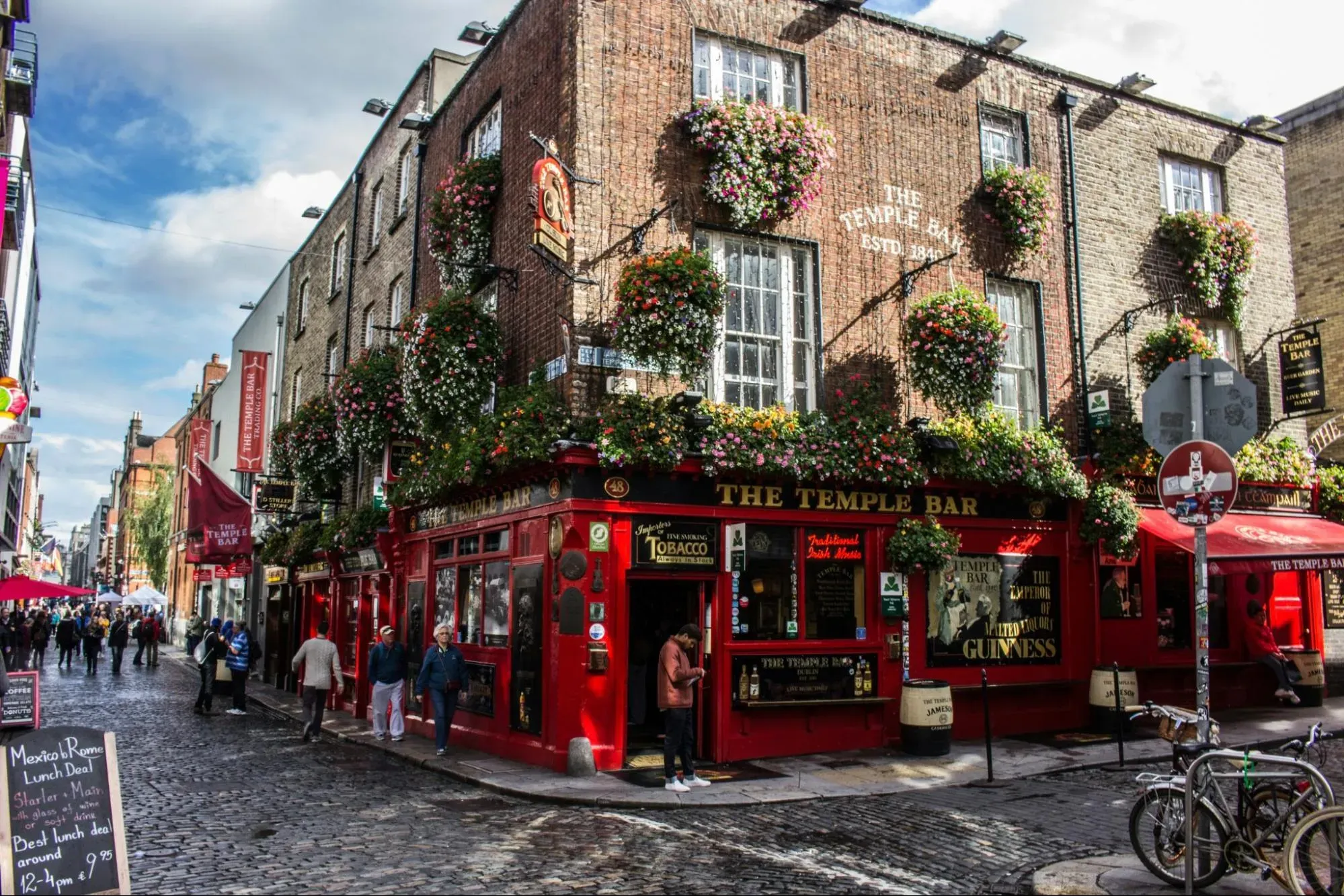
Dublin is small, friendly, and perfect for wandering between pubs, bookshops, and the River Liffey. It is a UNESCO City of Literature, and Trinity College guards the medieval Book of Kells.
- Best time: Late spring or early autumn for softer weather
- Local gem: Live traditional music in a Temple Bar back room
Belgium
Best City: Bruges
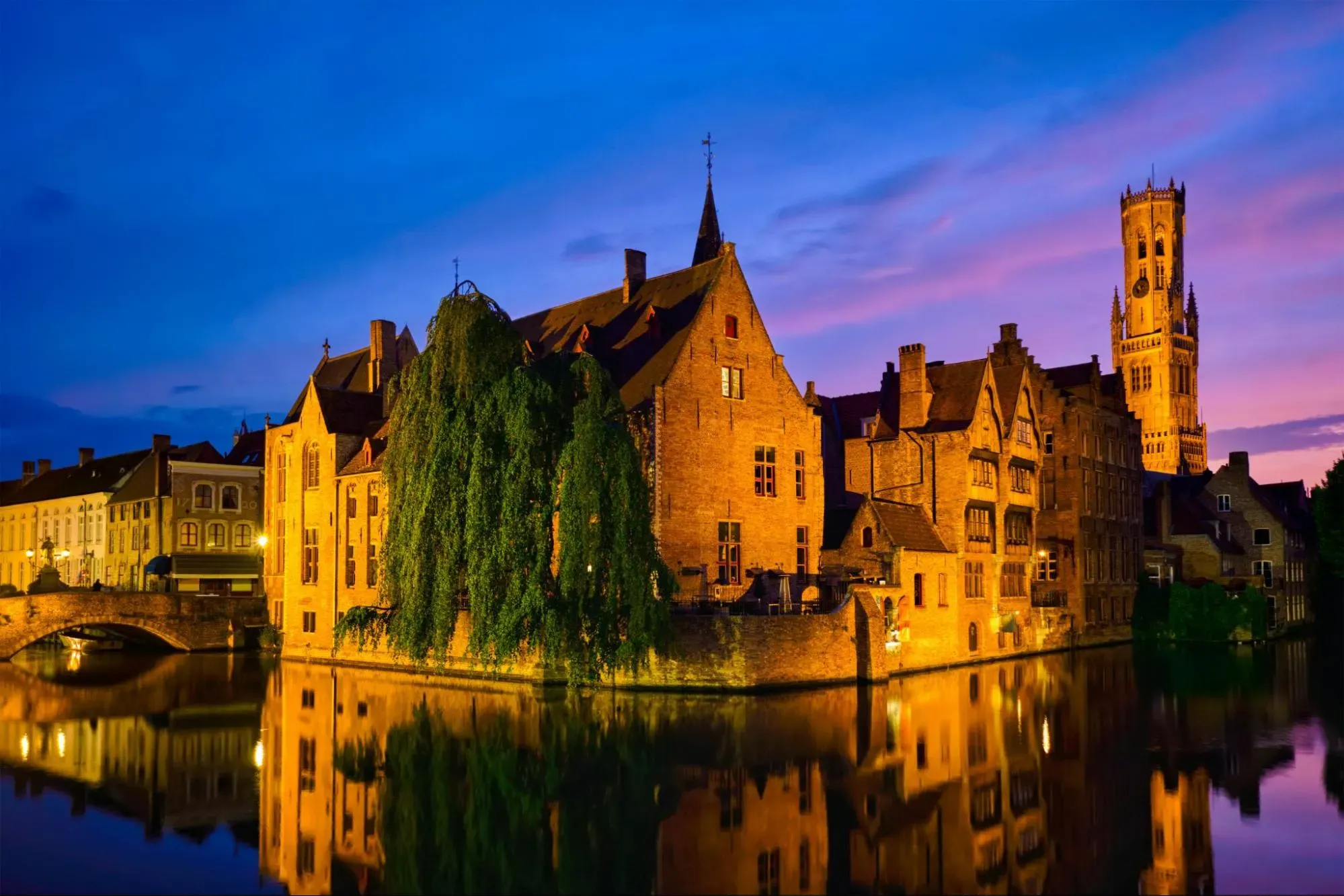
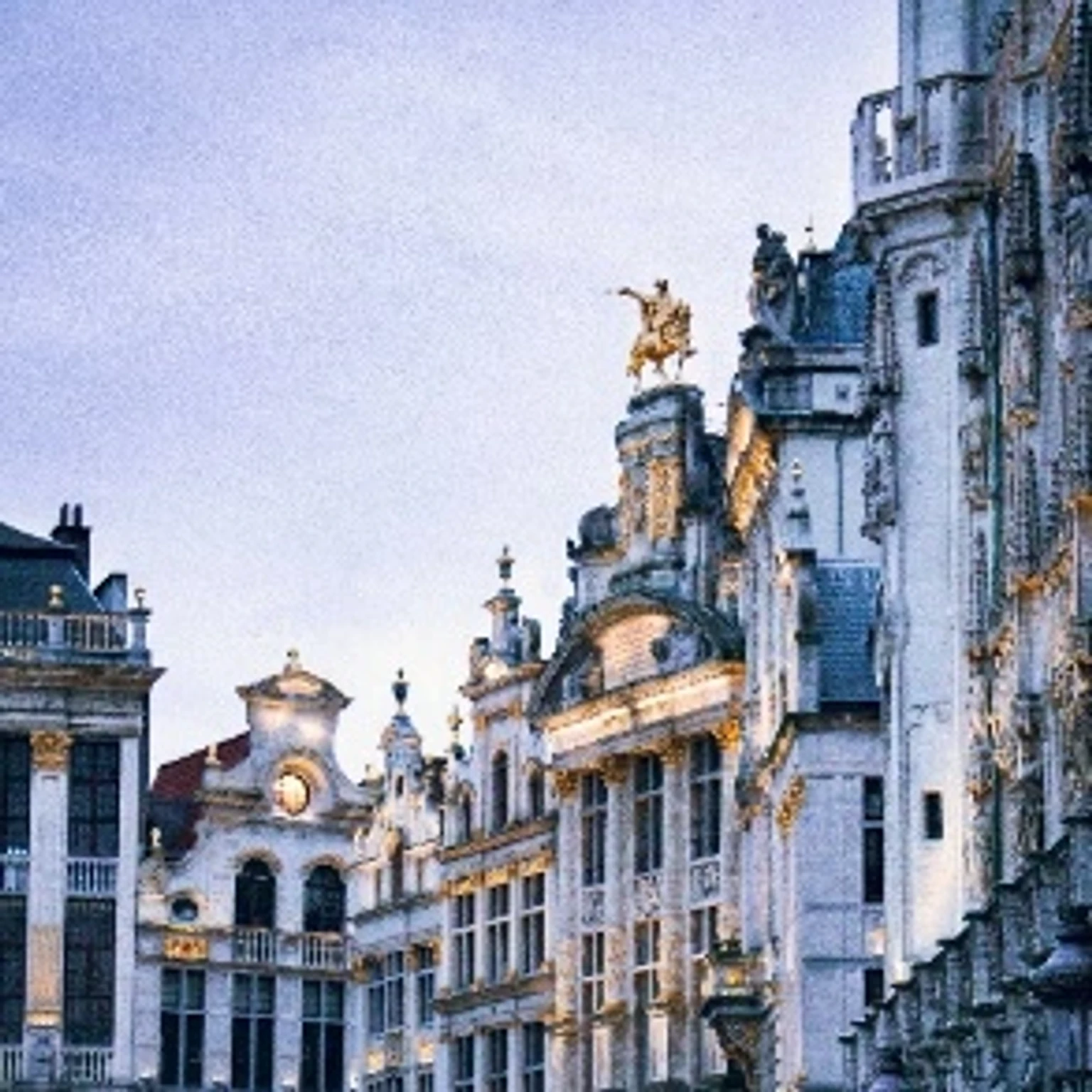
Bruges is a medieval town surrounded by canals and is often called the Venice of the North. Brussels is known for its impressive squares and delicious waffles. Belgium also offers more than 1,000 types of beer and a rich chocolate tradition.
- Best time: Autumn, once the day-trippers thin out
- Local gem: A paper cone of frites with mayonnaise, the proper way
Netherlands
Best City: Amsterdam
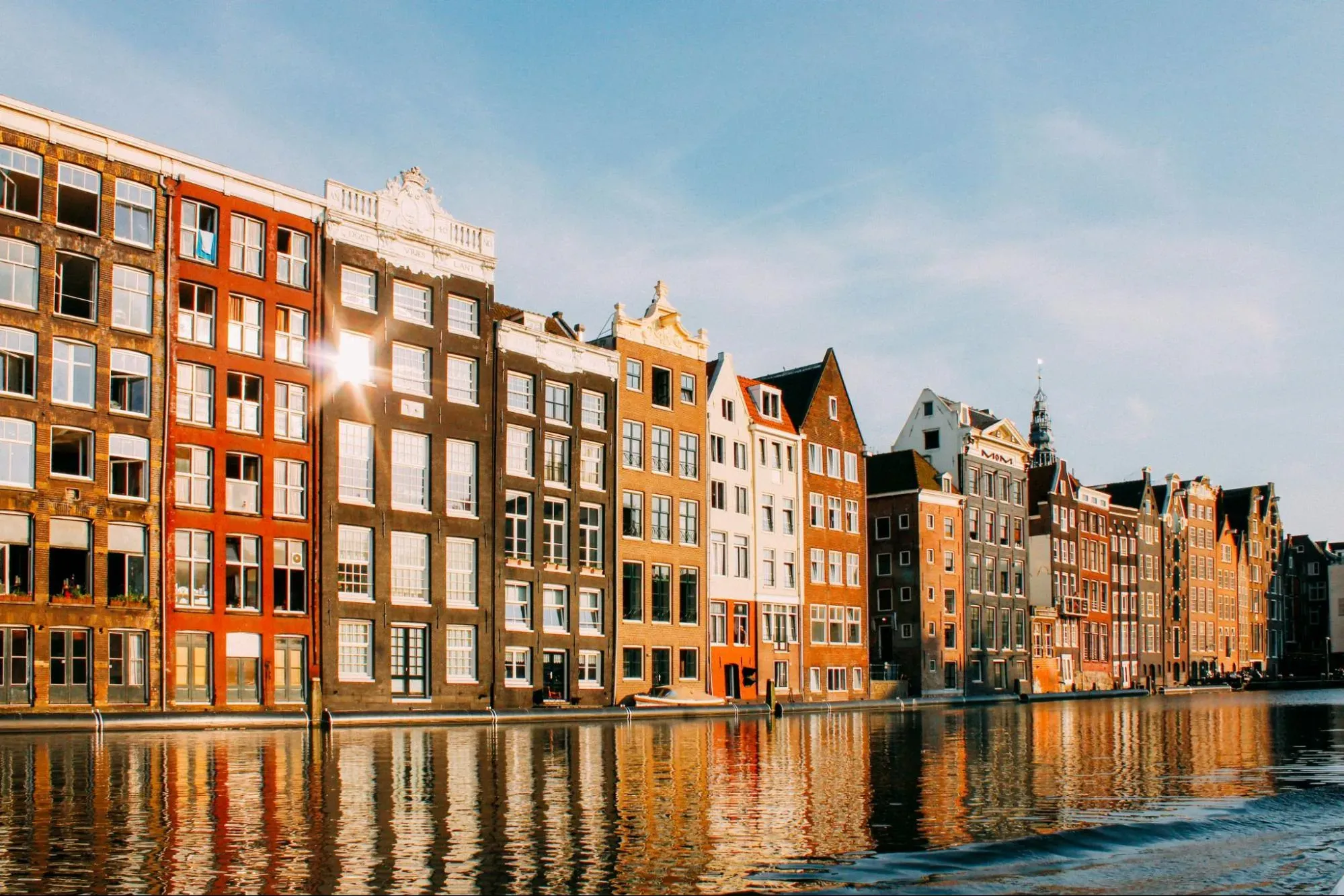
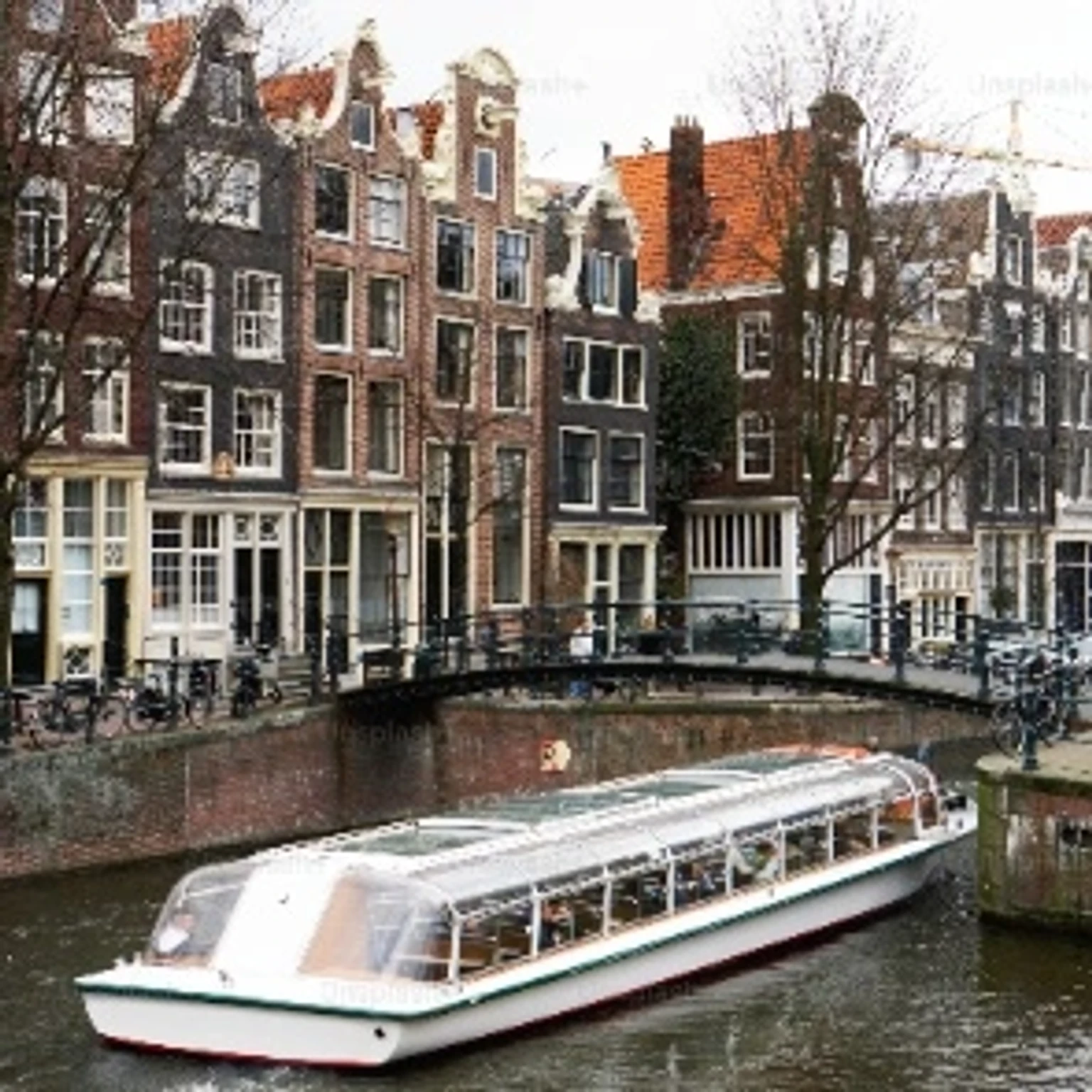
Amsterdam is known for its bikes and waterways, with about 165 canals and tall, gabled houses that lean slightly. The city has more bicycles than people, and it is home to the Anne Frank House and the Van Gogh Museum.
- Best time: April for tulips, summer for canal-side evenings
- Local gem: A quiet brown café a few streets from the crowds
Where Are the Most Beautiful Cities in Europe in the South?
If you are looking for the most beautiful cities in Europe, the south is a great choice. You can count on sunny weather, rich history, and dinners that start late in the evening.
Italy
Best City: Rome
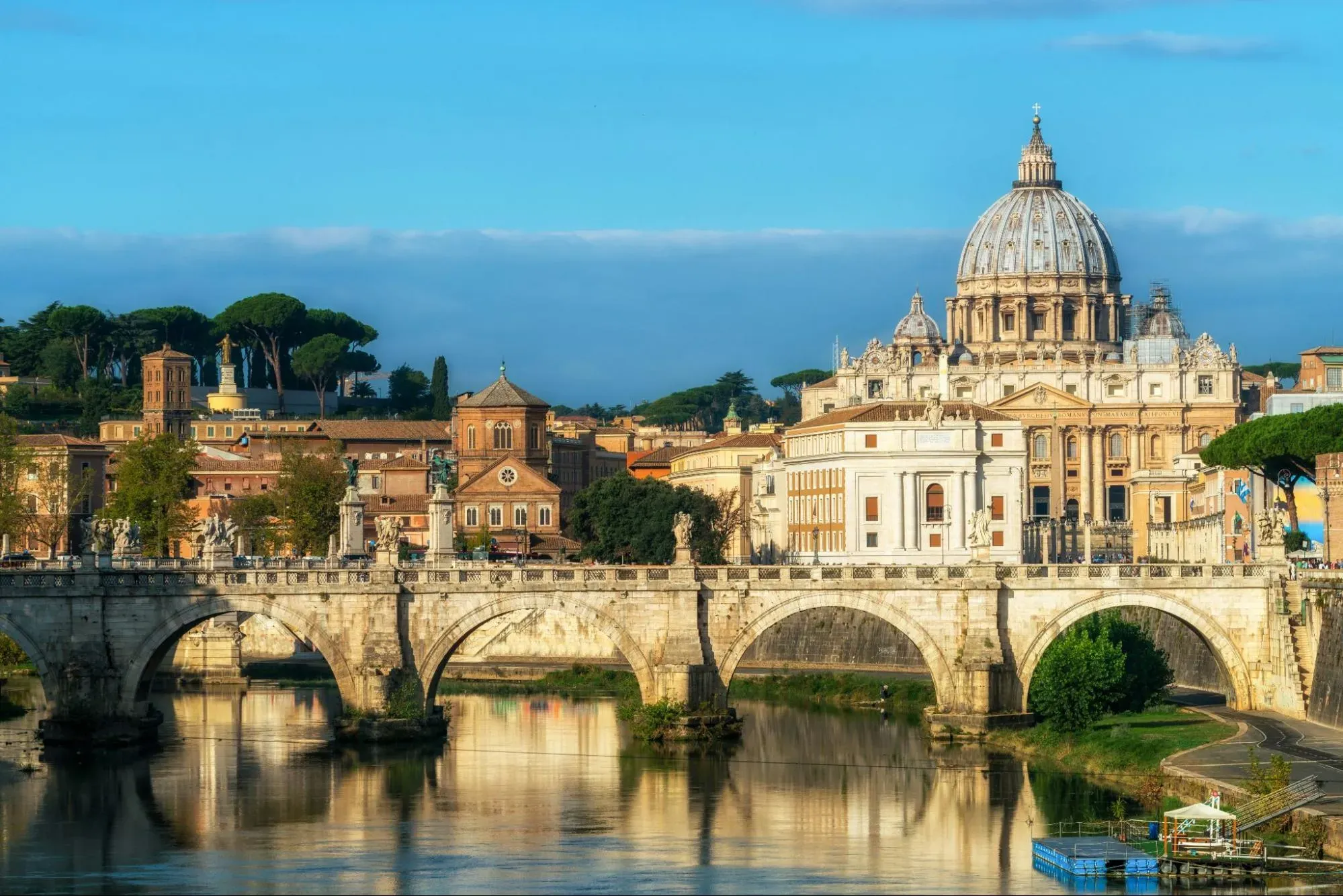
Italy almost seems too good to be true. You can visit Rome’s ancient ruins, admire Florence’s Renaissance art, and glide through Venice’s canals, all just a train ride apart. The Pantheon in Rome has been used for nearly 2,000 years, and the coins people throw into the Trevi Fountain are gathered for charity.
- Best time: Spring or autumn to dodge the heat and the crowds
- Local gem: An espresso taken standing at the bar, paid the local price
Spain
Best City: Barcelona
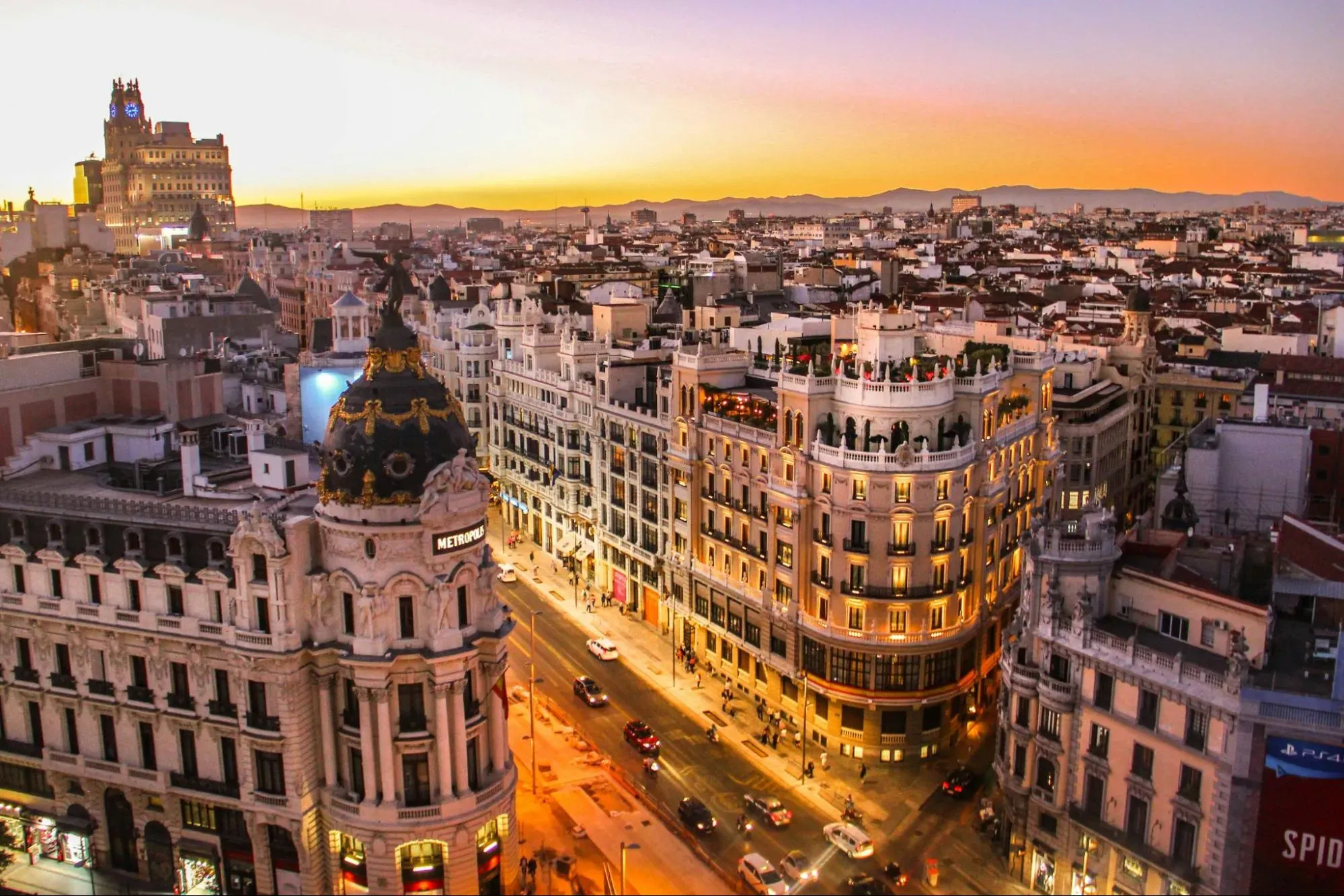
In Barcelona, you’ll find Gaudí’s architecture, sunny beaches, and dinners that stretch past midnight. Madrid offers famous art museums and a nightlife that often begins after 11pm. The Sagrada Família has been under construction since 1882 and reached its landmark completion in 2026 when the central tower was finished, though decorative interior work continues.
- Best time: May or September for warm, manageable days
- Local gem: Pintxos hopping, San Sebastián-style, in the old quarter
Portugal
Best City: Lisbon
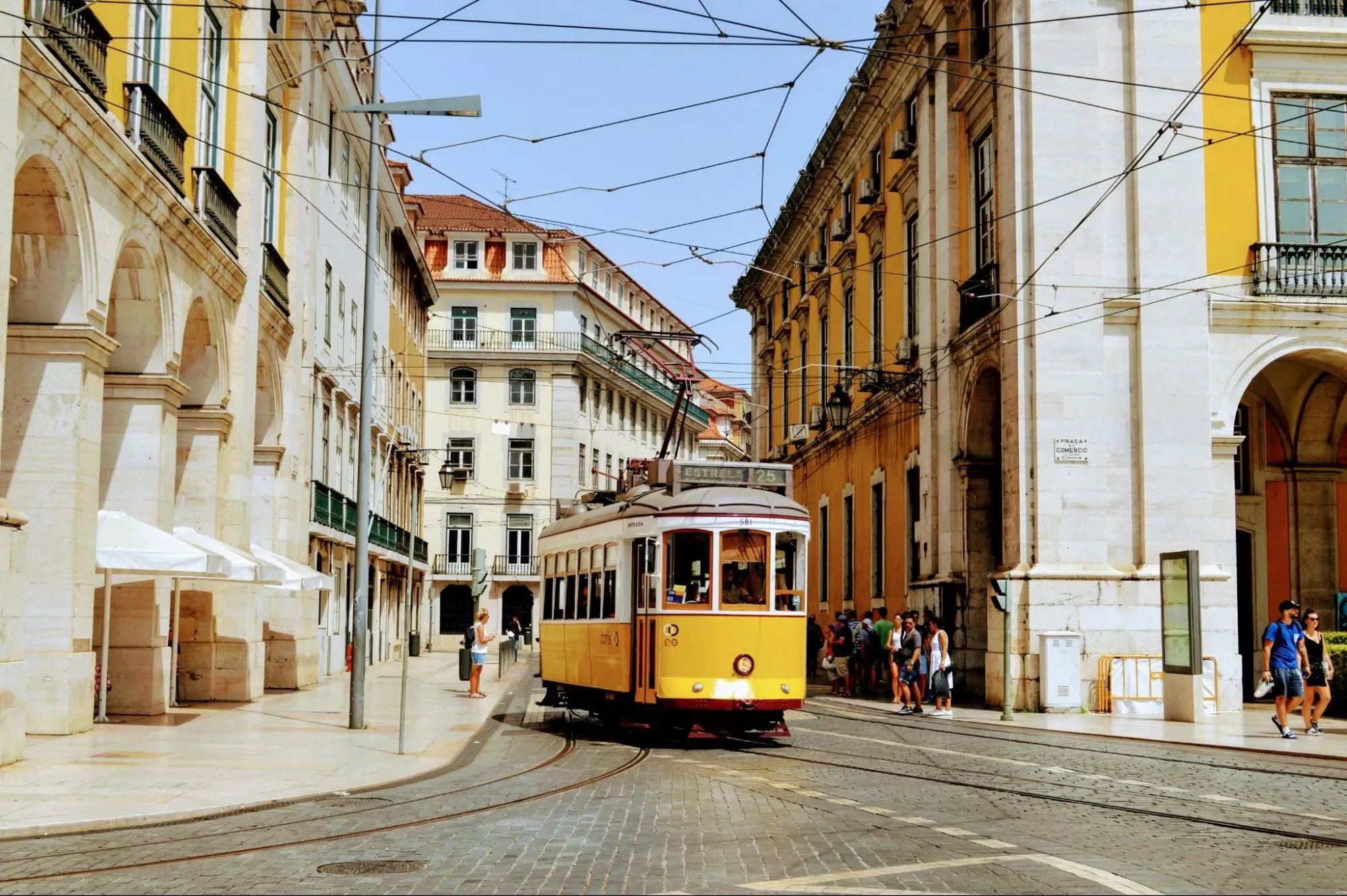
Lisbon stretches across seven hills, with pastel tiles and yellow trams moving through its streets. One of the oldest cities in Western Europe, with roots that predate Rome. Not far to the north, Porto offers its famous port wine and the scenic Douro valley.
- Best time: Spring and early autumn for sun without the swelter
- Local gem: A warm pastel de nata with cinnamon, straight from the oven
Greece
Best City: Athens

Athens is one of Europe’s oldest cities and has been lived in for more than 3,400 years. Today, the Acropolis stands above a city that is both lively and full of character.
- Best time: Spring or autumn; high summer is fierce
- Local gem: A rooftop bar with the floodlit Parthenon in view
Croatia
Best City: Dubrovnik
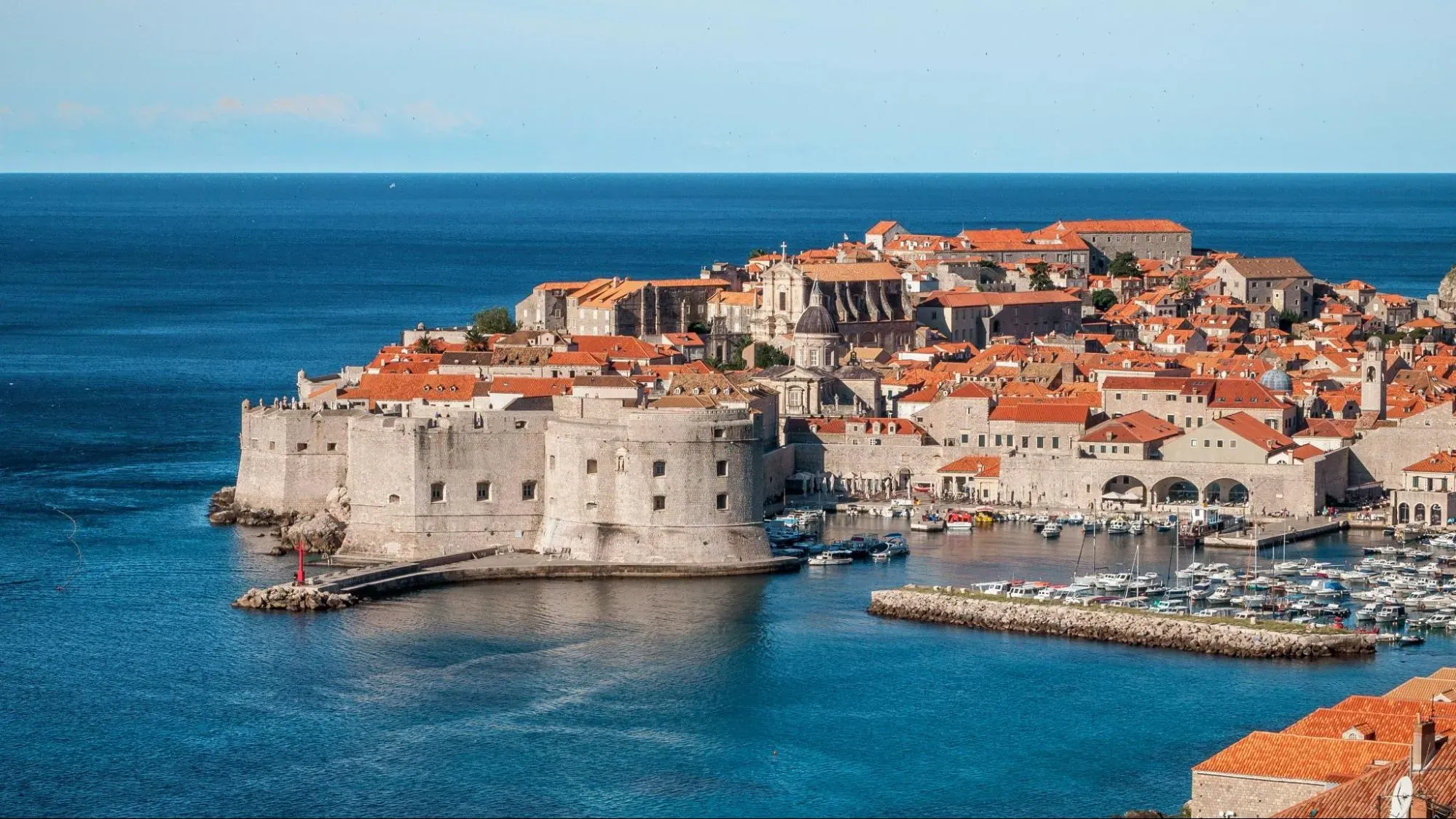
Dubrovnik’s marble streets and sea walls stood in for King’s Landing in Game of Thrones. Split, on the other hand, was built within the walls of a Roman emperor’s palace.
- Best time: June or September to skip the peak crush
- Local gem: A swim straight off the old-town rocks
Turkey
Best City: Istanbul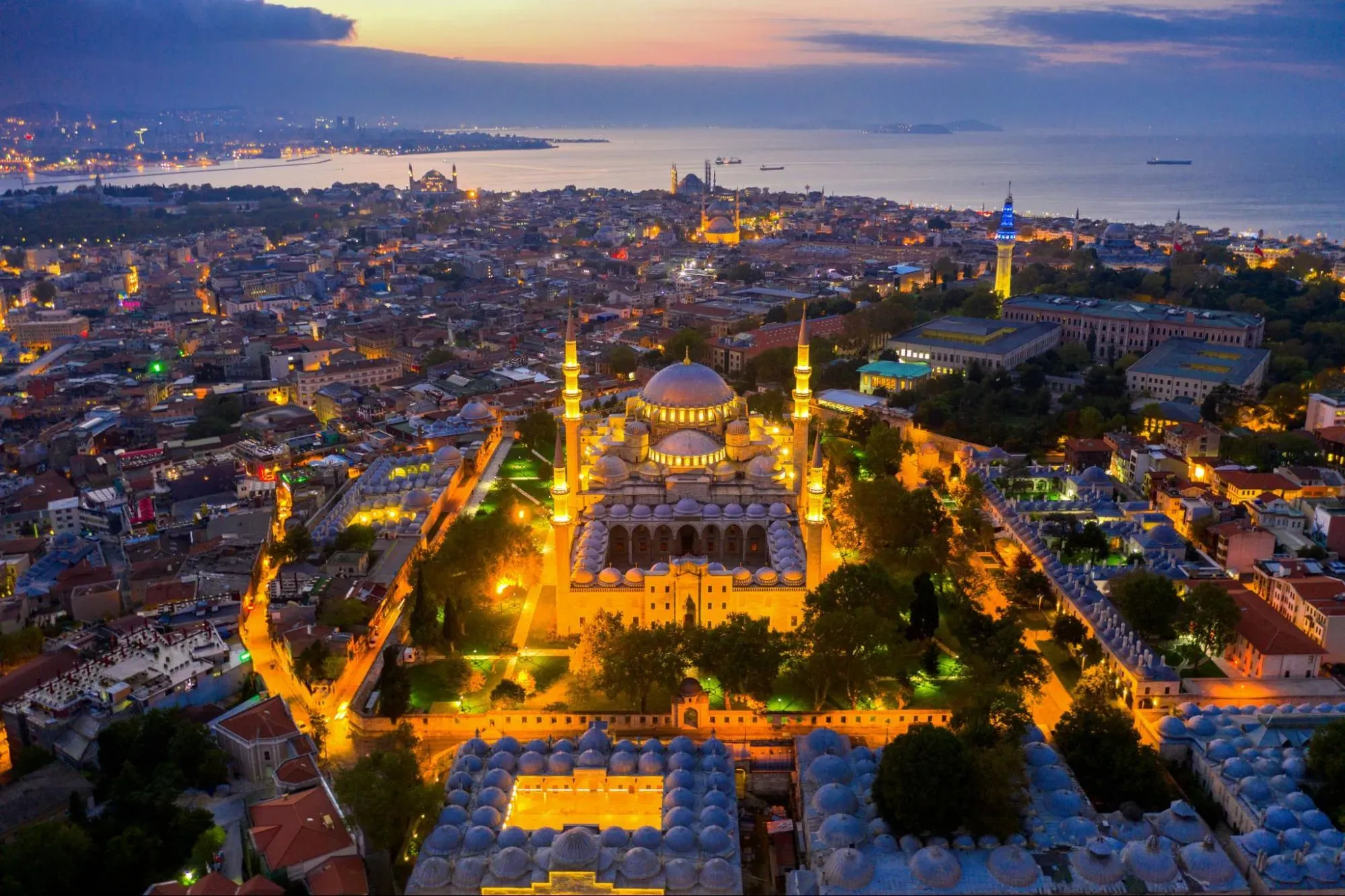
Istanbul is a unique city that spans two continents. Europe lies on one side of the Bosphorus, and Asia is on the other. Landmarks like Hagia Sophia, the Blue Mosque, and the Grand Bazaar are at its heart.
- Best time: April to May or September to October
- Local gem: A ferry across the strait at sunset with a glass of tea
Which Central European Cities Are the Best Cities in Europe for a Break?
Some of the best cities in Europe sit right in the middle of the map. They are walkable, full of history and easy on the wallet.
Germany
Best City: Berlin
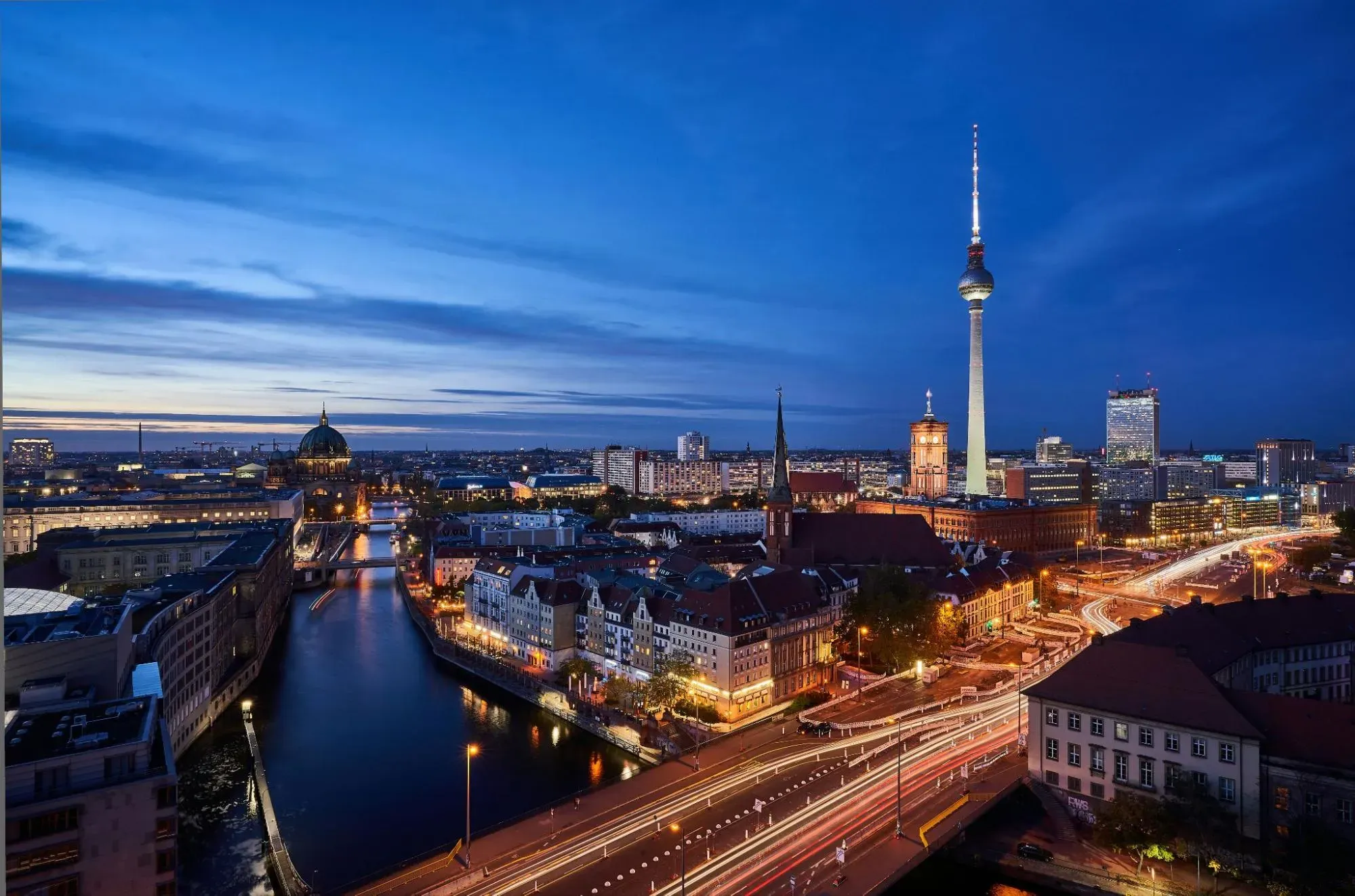
Berlin feels raw and creative, shaped by its modern history. Munich is known for its beer halls, Bavarian traditions, and easy access to the Alps. Each autumn, Oktoberfest serves about six to seven million litres of beer.
- Best time: Berlin in summer; Munich for Oktoberfest in late September
- Local gem: The open-air East Side Gallery on the old Wall
Austria
Best City: Vienna
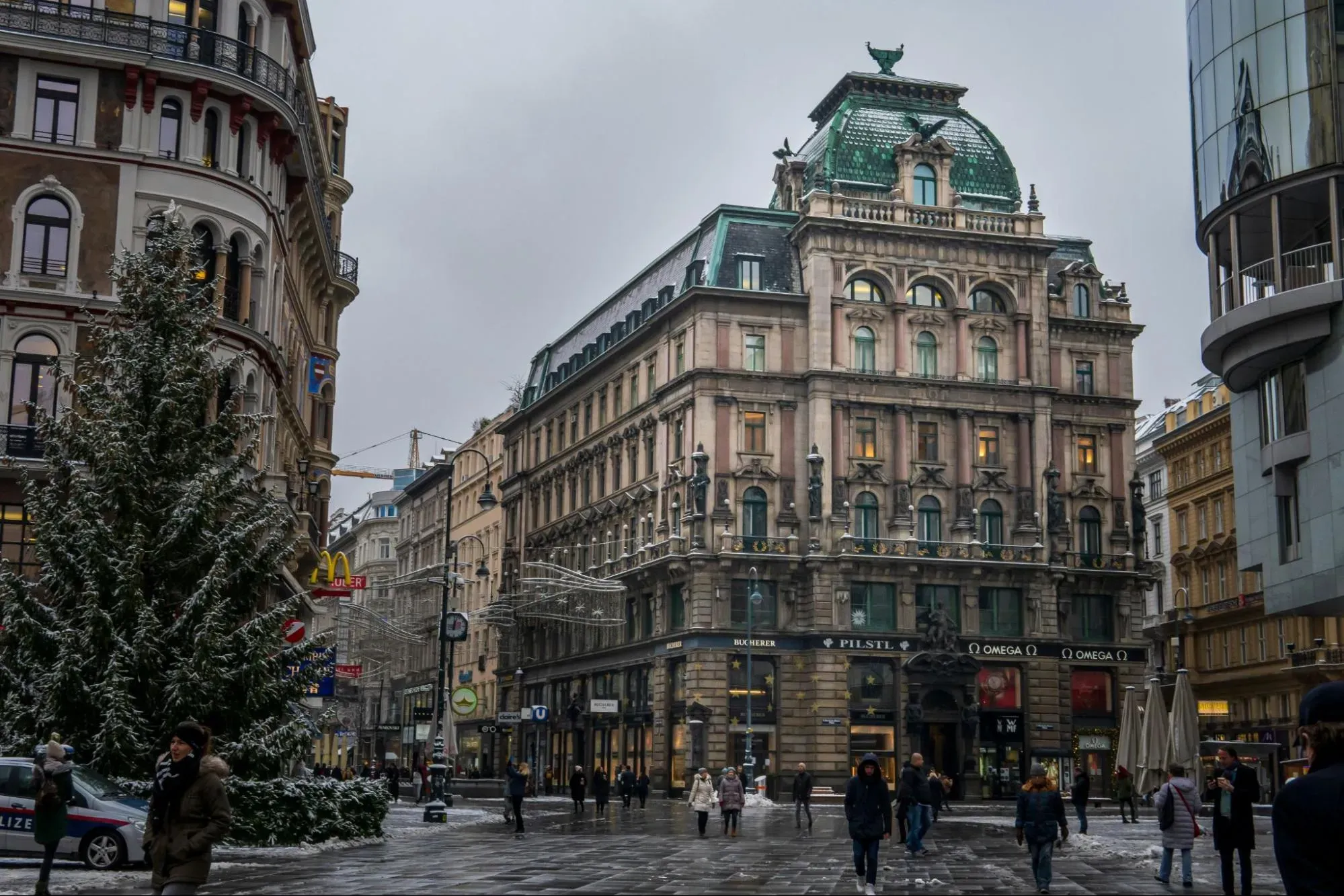
Vienna is known for its imperial palaces, Mozart, and grand coffee houses. Its café culture has been listed as intangible cultural heritage on Austria's UNESCO inventory since 2011. For years, Vienna led the world’s most liveable city ranking, until Copenhagen took the top spot in 2025.
- Best time: Spring, or the Christmas-market season
- Local gem: A slow afternoon with Sachertorte and a newspaper
Switzerland
Best City: Lucerne
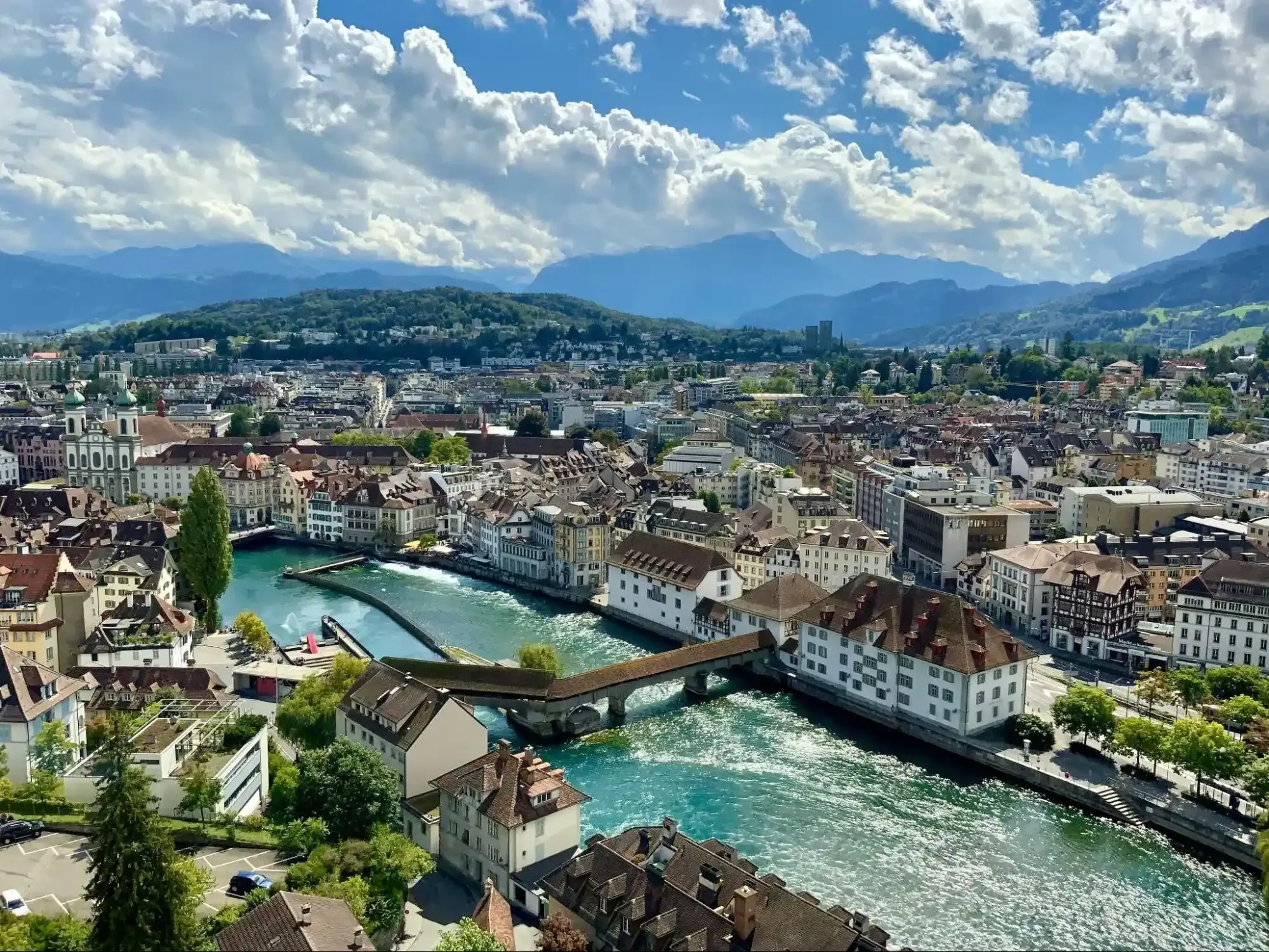
Lucerne hands you a lake ringed by mountains and the Chapel Bridge, one of Europe's oldest covered wooden bridges. Zurich is an hour away and is sleek and lakeside.
- Best time: Summer for hiking, winter for snow
- Local gem: A cheese fondue after a cable-car ride
Czech Republic
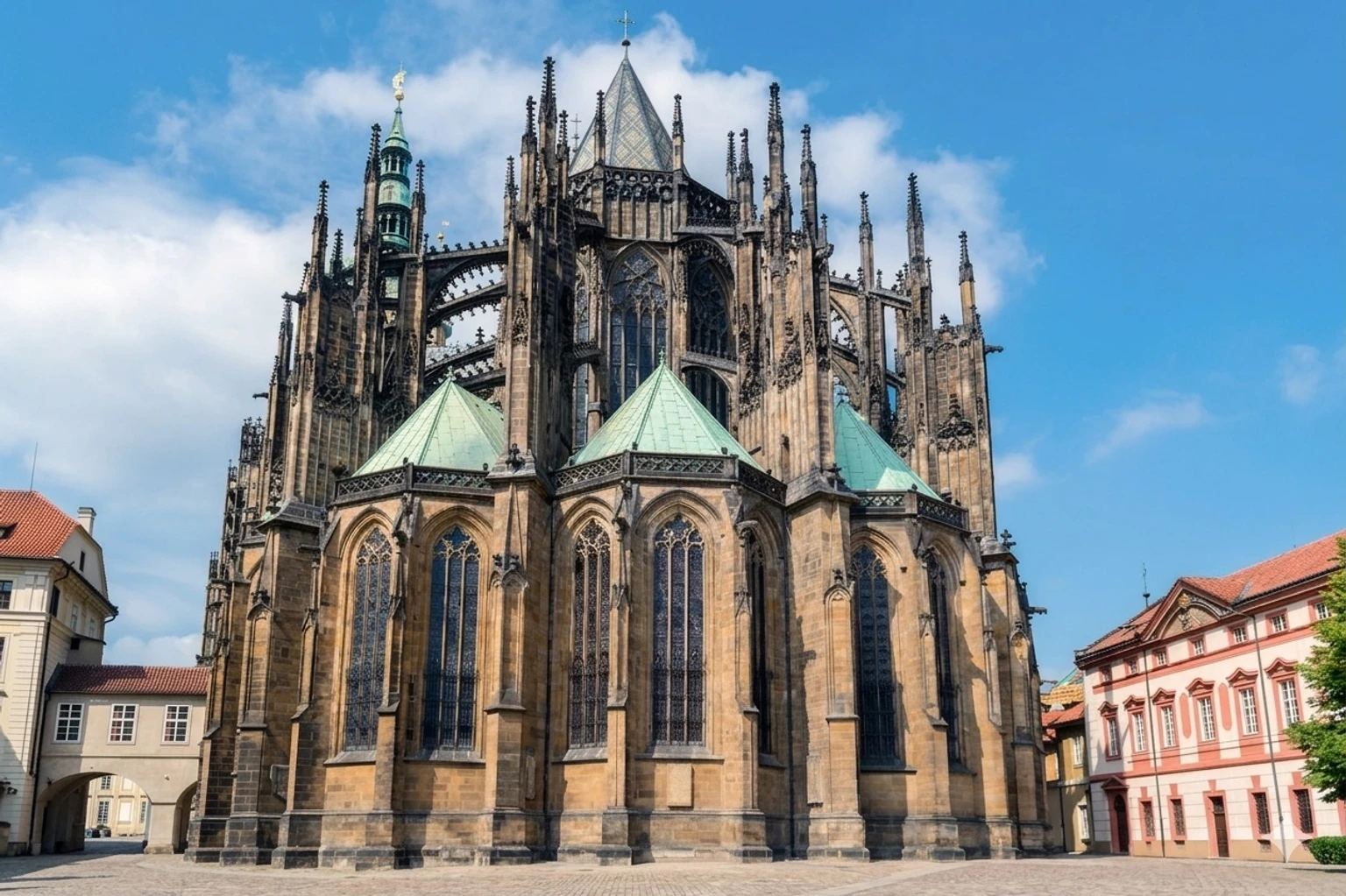
Best City: Prague
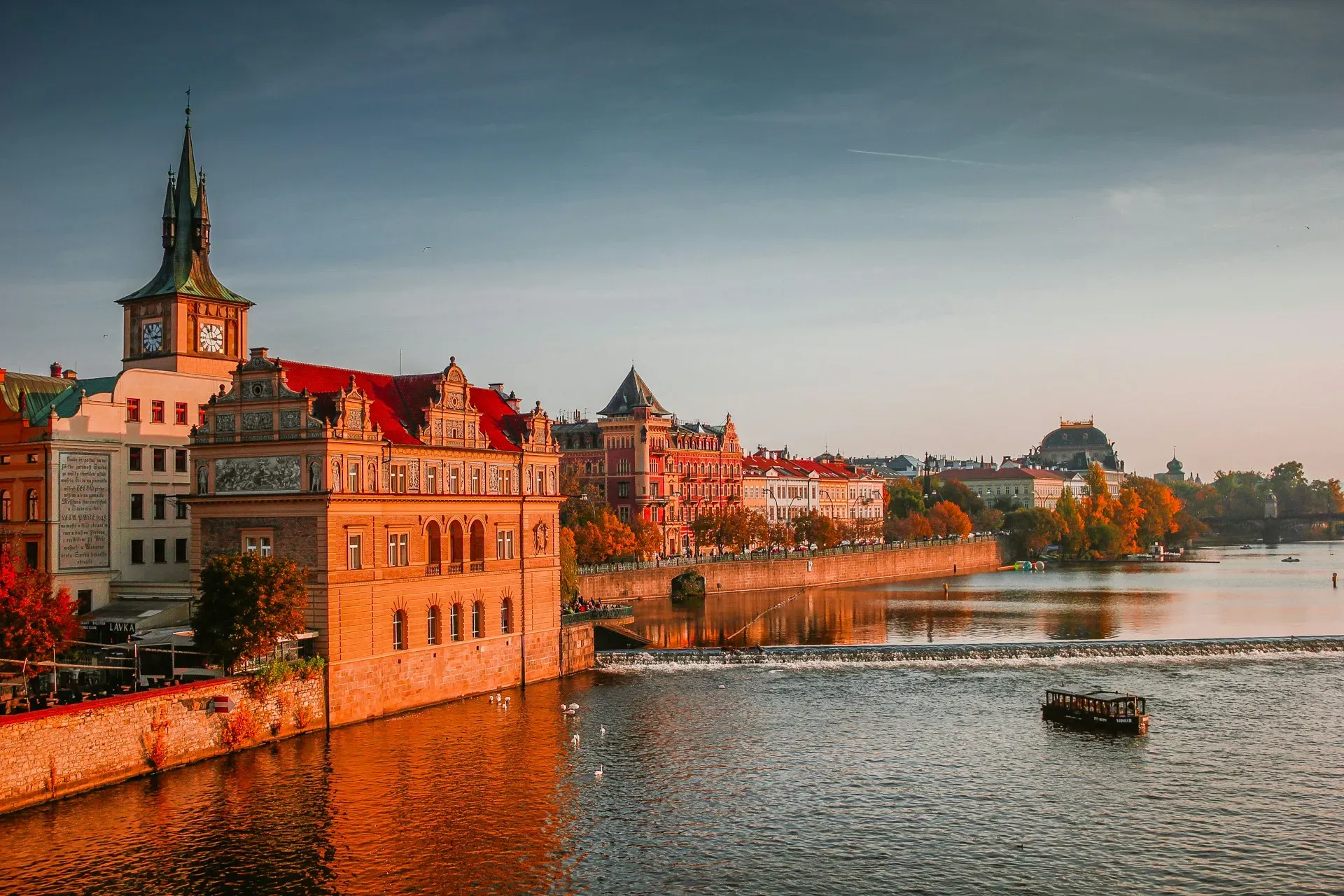
Prague’s skyline is filled with spires, giving it a fairy-tale look. The city is home to the world’s oldest working astronomical clock, built in 1410, and the largest ancient castle complex on Earth.
- Best time: Spring or autumn for thinner crowds
- Local gem: A riverside beer garden looking up at the castle
Hungary
Best City: Budapest
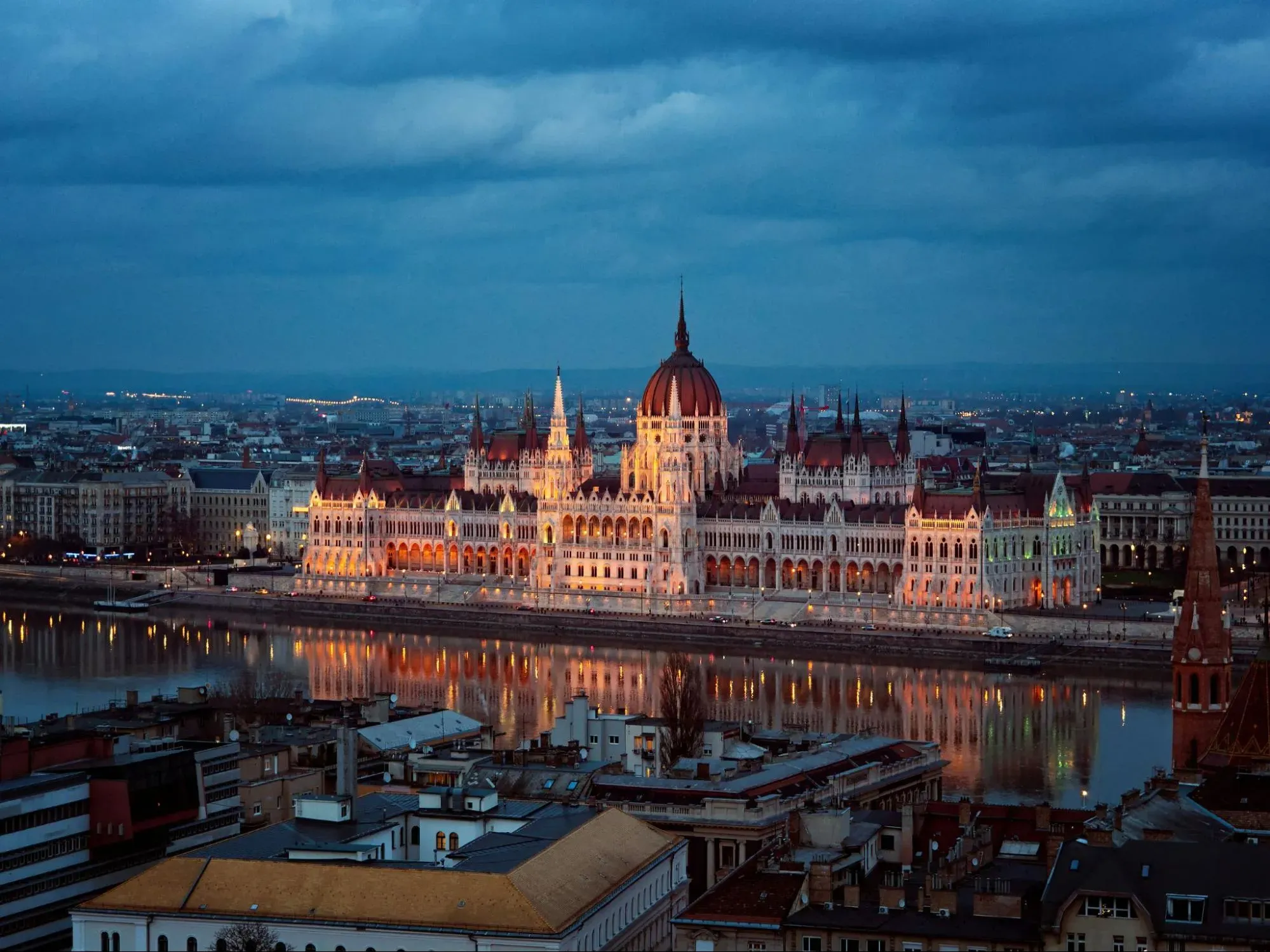
Budapest is divided by the Danube River into hilly Buda and flat Pest. The city is known for its impressive thermal baths and unique ruin bars found in old courtyards. It has over 100 thermal springs.
- Best time: Late spring or early autumn
- Local gem: A soak at the Széchenyi baths, then a ruin bar after dark
Poland
Best City: Kraków
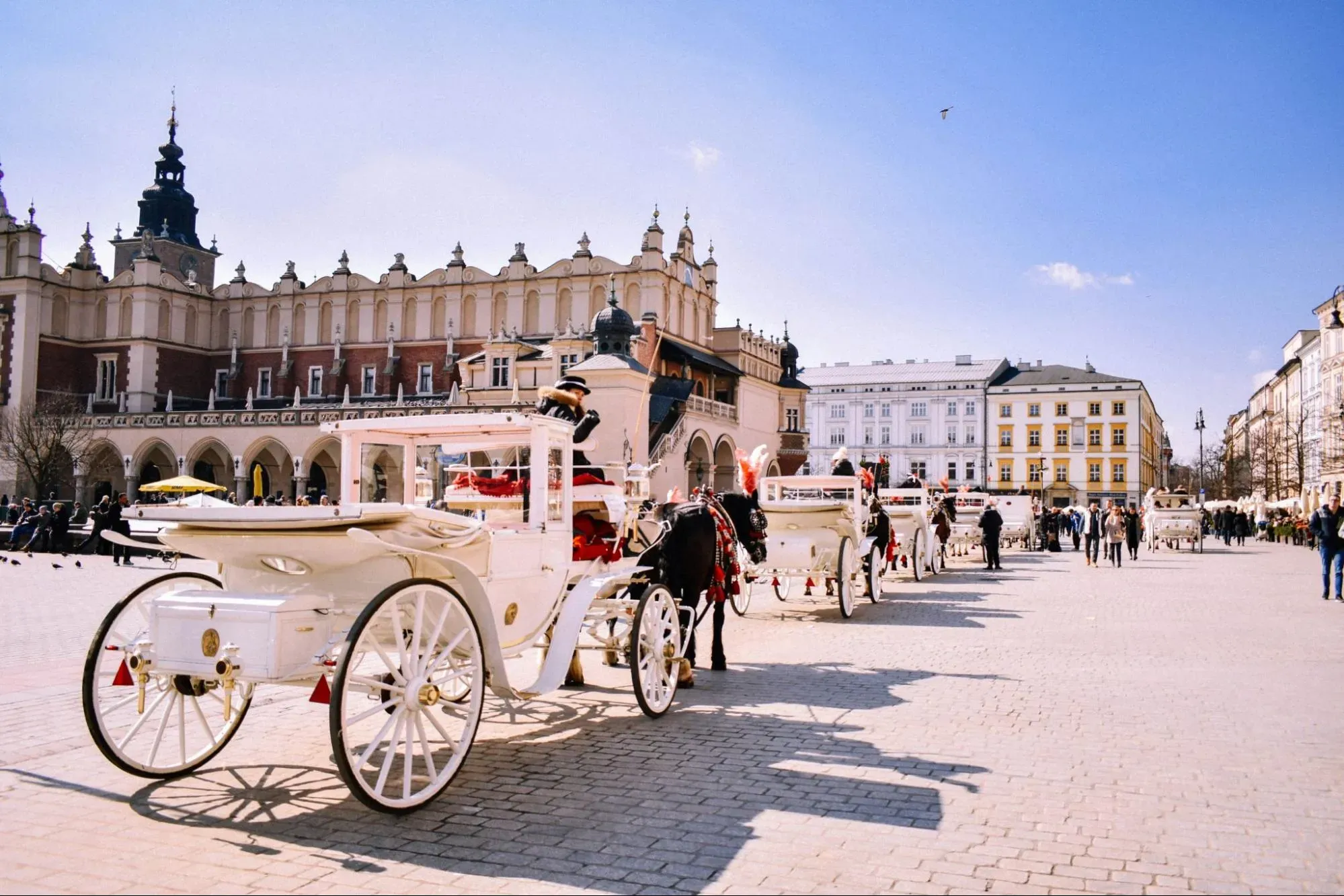
Kraków was mostly untouched by the war, which means its old town and huge market square still have a true medieval atmosphere. Not far from the city, you can visit the Wieliczka Salt Mine, where chapels are carved completely out of rock salt.
- Best time: Late spring through early autumn
- Local gem: A plate of pierogi in the main square
What Are the Best Nordic Cities in Europe to Visit?
The Nordic capitals are clean, calm and seriously good-looking, and they make some of the most rewarding cities in Europe for design lovers and nature seekers.
Denmark
Best City: Copenhagen
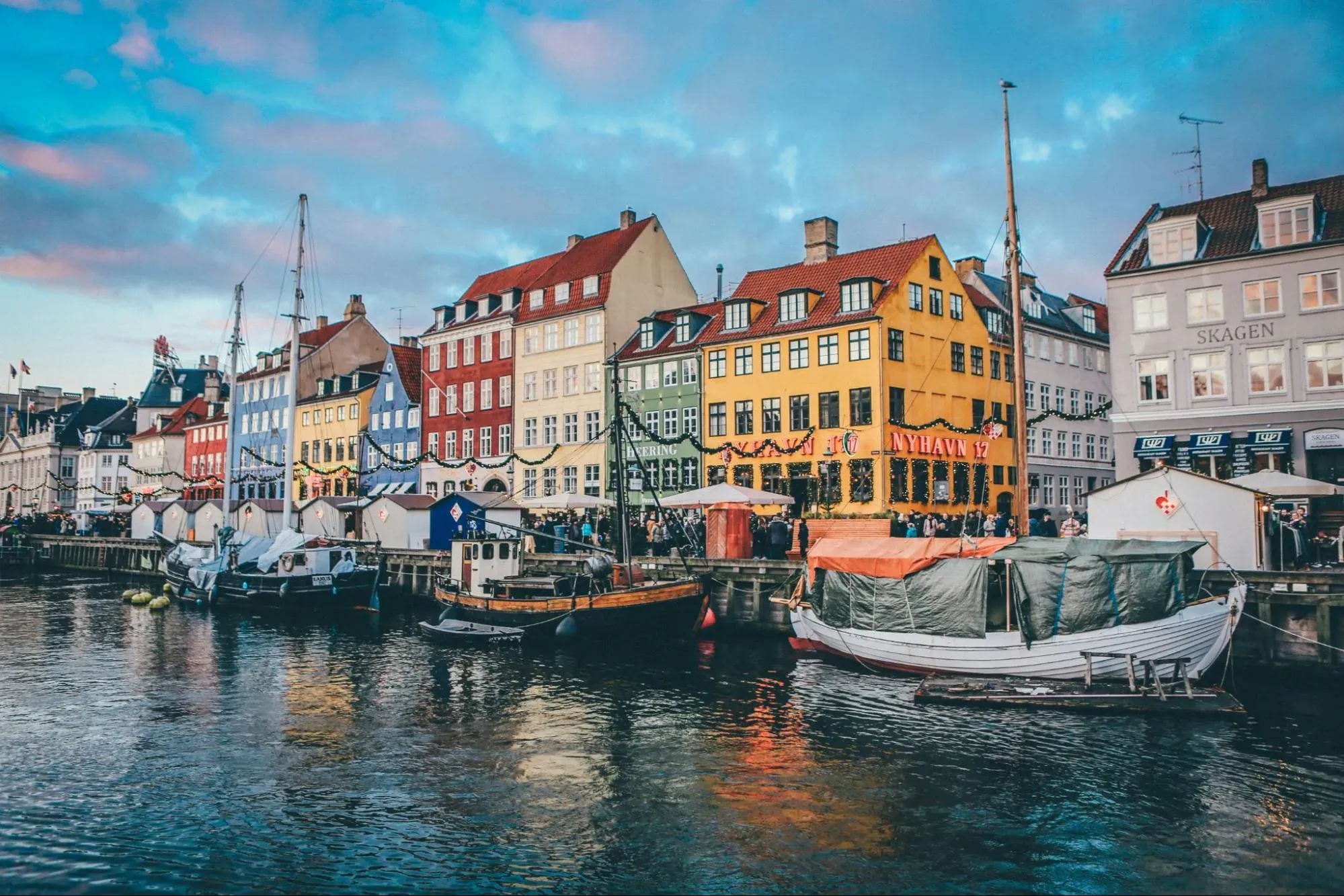
Copenhagen is bikes, design, and swimming in the harbour. In 2025, it was named the world's most liveable city. Tivoli Gardens, which opened in 1843, is one of the oldest amusement parks in the world and even inspired Walt Disney.
- Best time: Summer for long days and harbour life
- Local gem: A cinnamon pastry by the colourful Nyhavn quay
Sweden
Best City: Stockholm
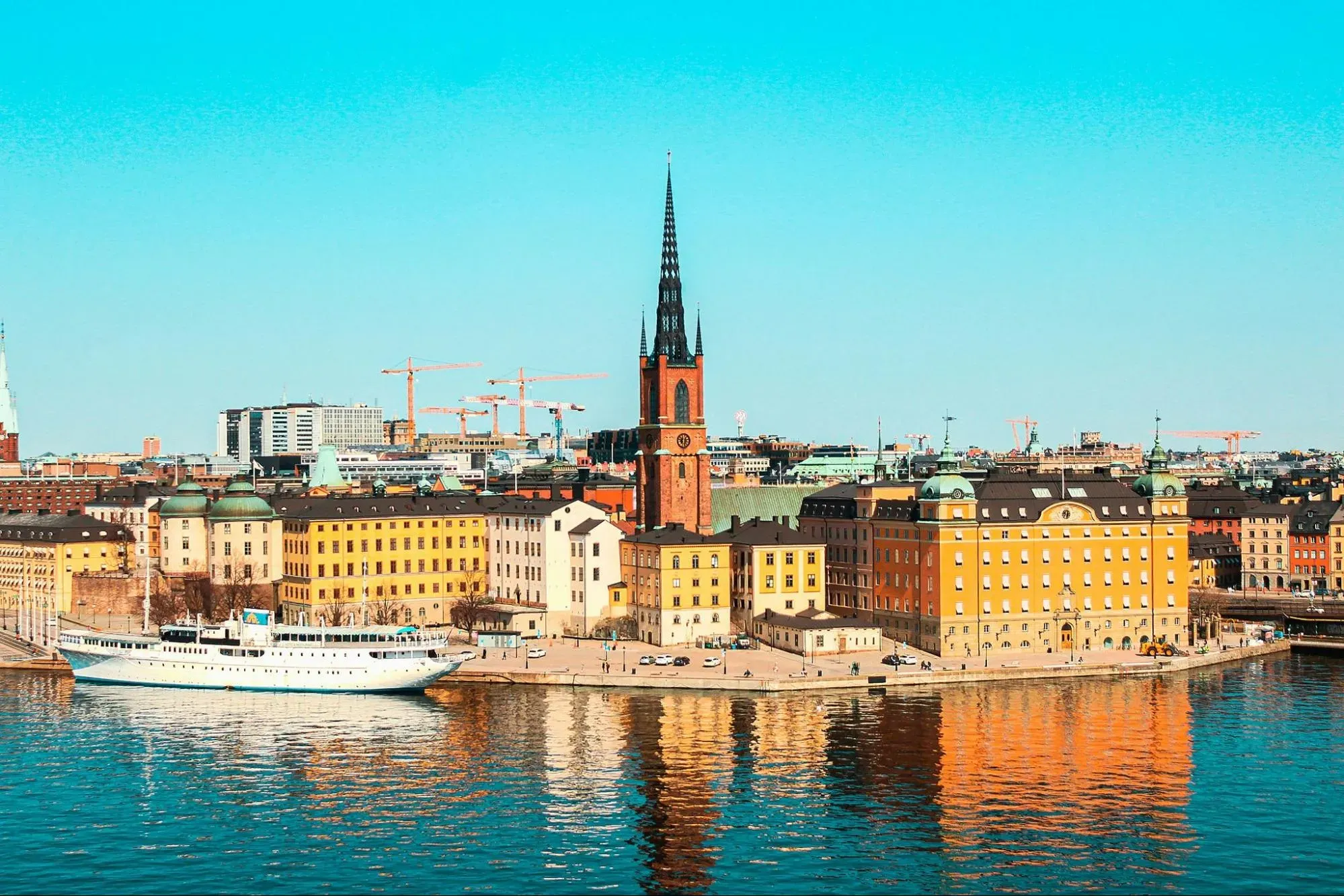
Stockholm unfolds over 14 enchanting islands, linked by graceful bridges, where a lovingly preserved old town meets the iconic ABBA and Vasa museums.
- Best time: Summer for near-endless daylight
- Local gem: Fika, the Swedish coffee-and-cake ritual is taken seriously
Norway
Best City: Bergen
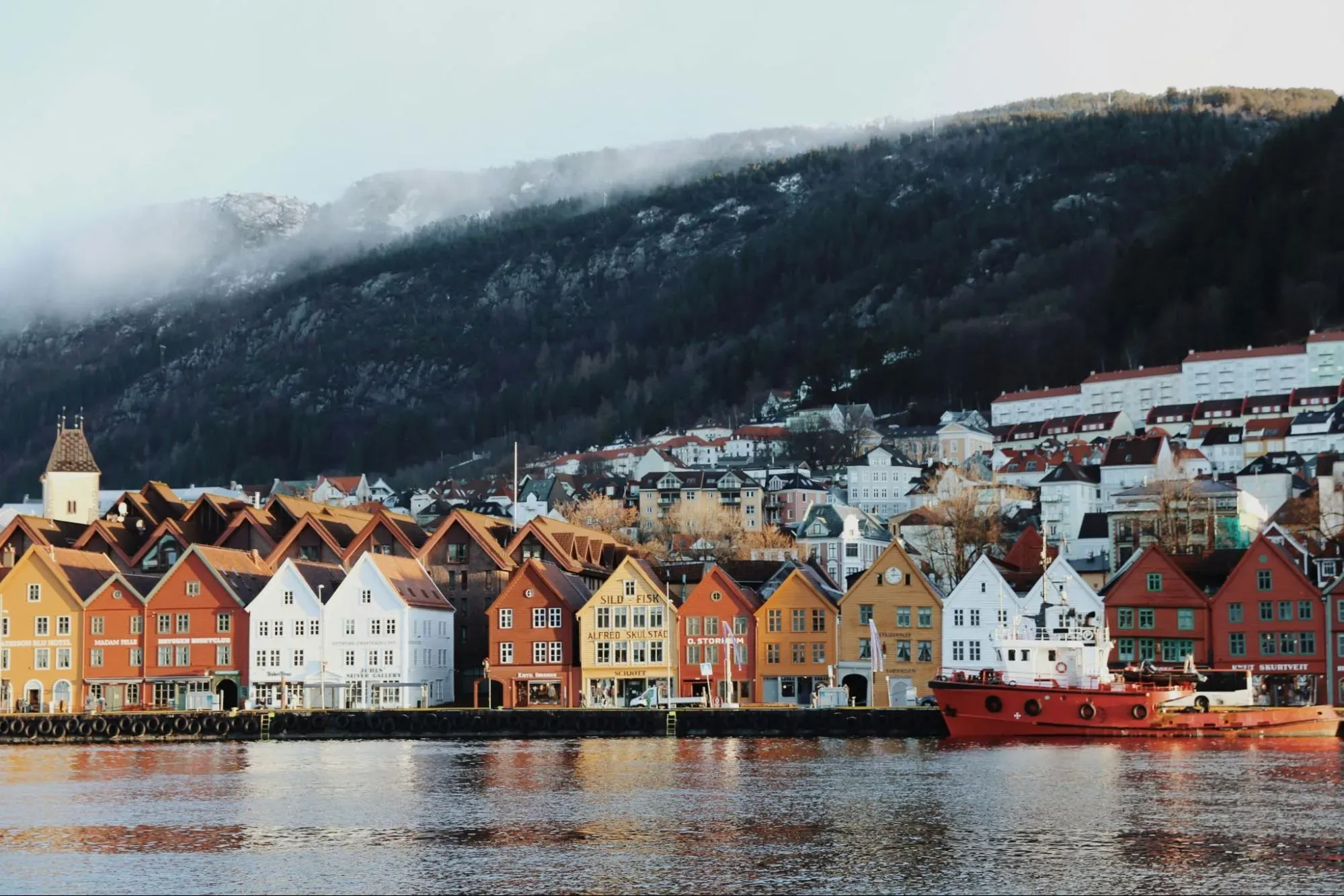
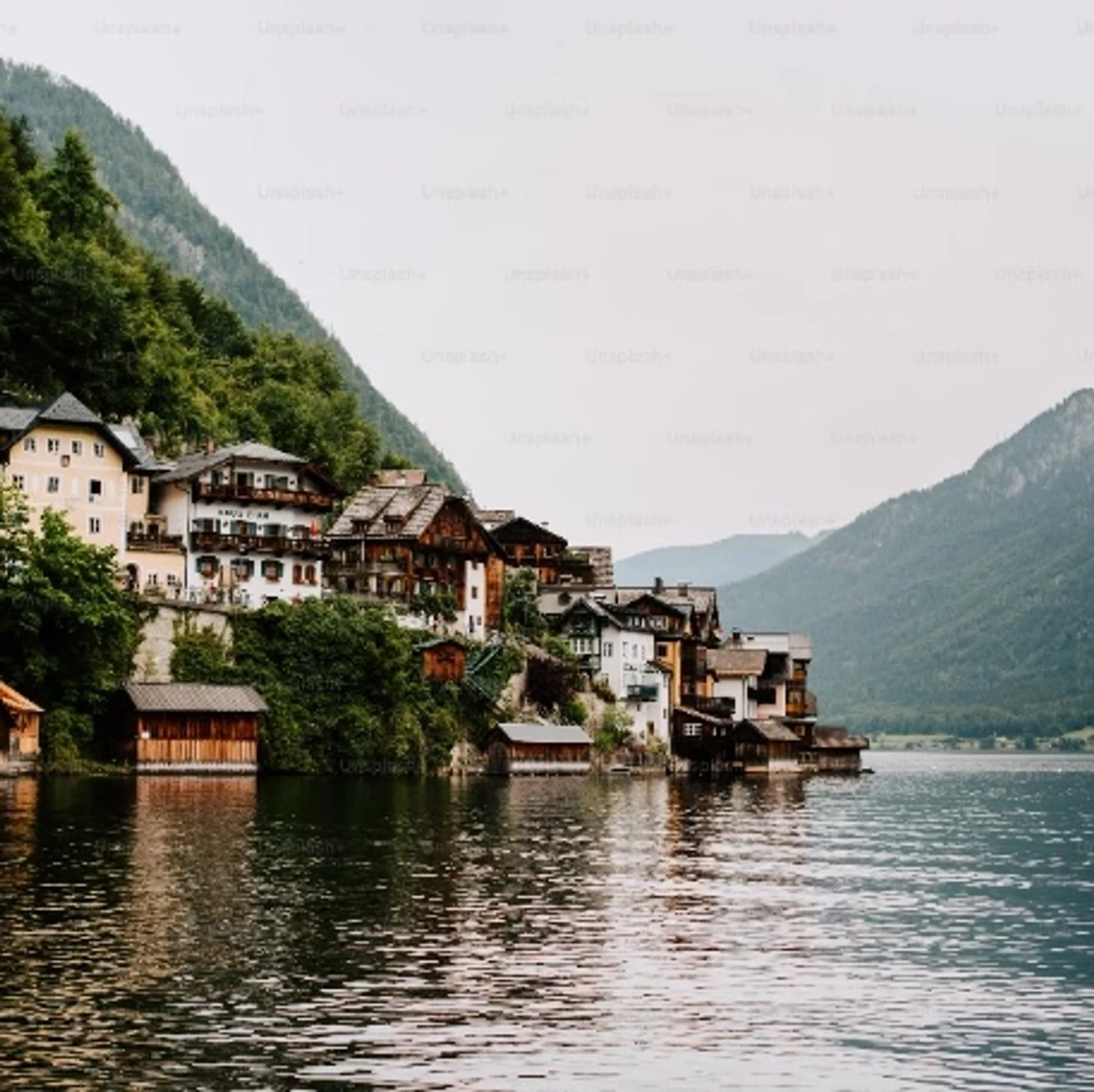
Bergen is known as the gateway to the fjords, with its colourful Hanseatic wharf houses and mountains right next to the city. It rains a lot here, so remember to bring a good jacket.
- Best time: Late spring to early autumn for fjord holidays
- Local gem: The funicular up Mount Fløyen for the view
Iceland
Best City: Reykjavik
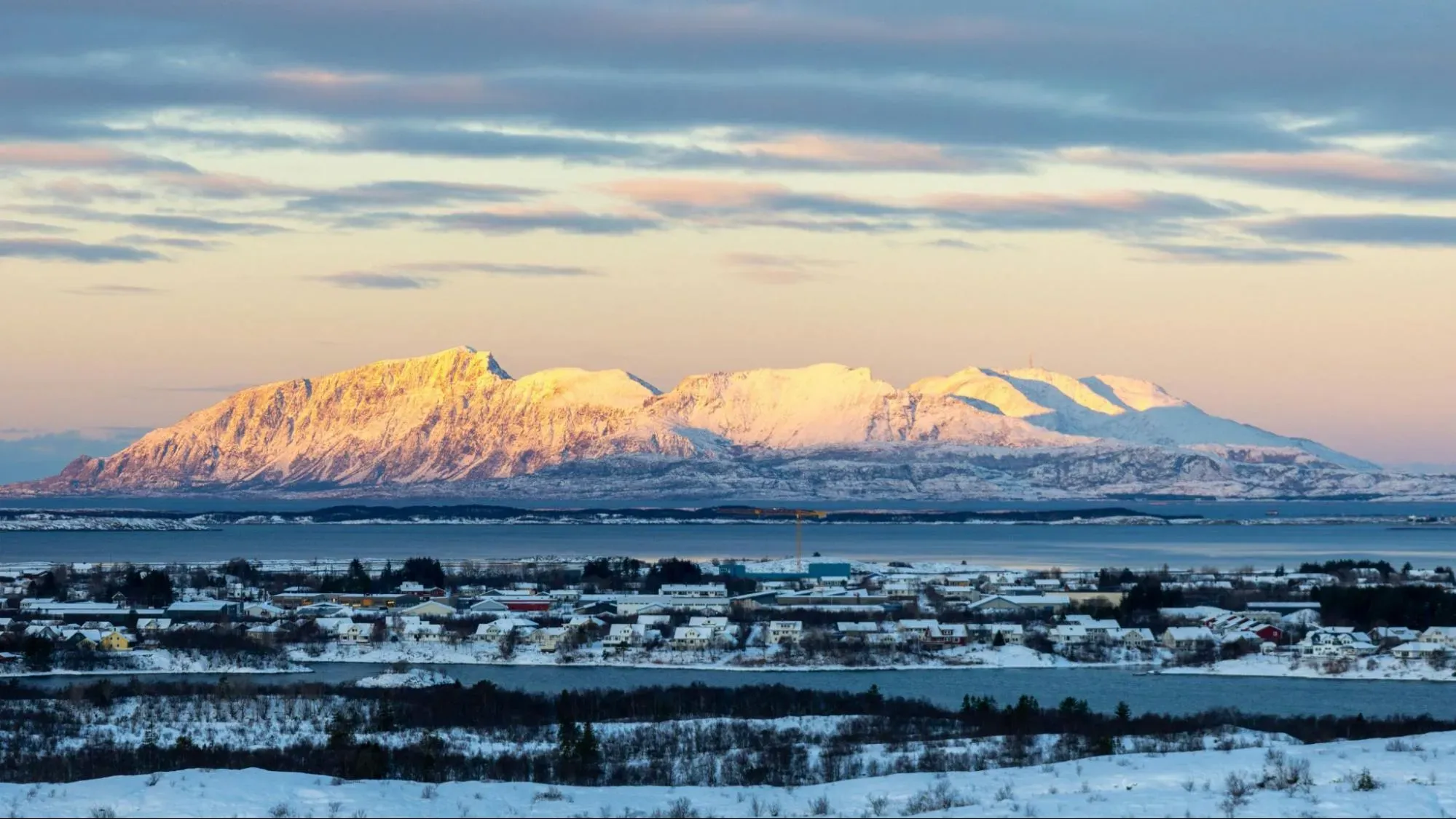
Reykjavik is the world's northernmost capital and a great starting point for waterfalls, geysers, and, in winter, the Northern Lights.
- Best time: Winter for auroras, summer for the midnight sun
- Local gem: A long soak in a geothermal pool alongside locals
Which of These Countries in Europe Should You Visit First?
With so many countries in Europe waiting to be explored, your perfect starting point depends on your travel companions and the adventures you seek.
If you are | Start with |
A first-time international traveller | London, Paris or Amsterdam (easy and English-friendly) |
A couple after romance | Venice, Prague or Vienna |
Travelling with family | Copenhagen, Amsterdam or Lucerne |
Chasing food and nightlife | Barcelona, Lisbon or Budapest |
After nature with a city base | Bergen, Reykjavik or Lucerne |
Tribe Travel Tip: Most of these countries are in the Schengen Area, so you only need one Schengen visa to travel between them without extra border checks. The UK, Ireland, and Turkey are not part of Schengen and require separate entry. Make sure to plan your route before booking. Our packages cover land travel only, so flights and visa fees can be added if you need them.
Planning Your City Break in Europe With Holiday Tribe
Wander Parisian streets or soak in Reykjavik’s steamy pools, these European gems shine brightest when savoured slowly. Choose one destination to immerse yourself in, then, if you have time, let a neighbouring capital tempt you next.
If planning hotels, transfers, and routes feels overwhelming, let us handle it. Holiday Tribe crafts European journeys tailored to your style, with our AI travel planner curating every detail to match your rhythm. Just tell us your dates and dream cities, and we will make it happen.