


If you're planning a Bali holiday in 2026, the first thing to arrange is your visa. Indian passport holders need a visa to enter Bali, as it has never been visa-free for Indians. Most travellers either get a Visa on Arrival or apply for an e-VOA before their flight. Taking care of all three before you arrive will save you time at the airport.
This guide explains the different types of Bali visa for Indians, the costs for 2026, and what to choose: VOA or e-VOA. You'll also find details on how to apply, what documents you need, and the rules for extending your visa.
Do Indians Need a Visa for Bali in 2026?
If you're planning a Bali holiday in 2026, one of the first questions on your mind is probably: Do Indians need a visa for Bali? The answer is yes.
Bali is part of Indonesia, and the process to get in is simple. Most Indian travellers use a Visa on Arrival (VOA) or an e-VOA, which lets you stay for up to 30 days and can be extended once if you want to stay longer.
Before you board your flight, make sure you complete these three entry requirements:
- Visa (VOA or e-VOA)
- Bali Tourist Levy
- All Indonesia Arrival Card
Is Bali Visa Free for Indians?
No, Bali is not visa-free for Indians. If you've been searching for 'is Bali visa free for Indians' or 'is Bali visa free for Indian travellers,' the answer is no. You need to pay for a Visa on Arrival or apply for a tourist e-visa before you travel. Some nationalities, such as Singaporeans and Malaysians, can enter Indonesia without a visa, which often causes confusion.
What Are the Different Types of Bali Visas for Indians?

Before you apply, it's helpful to know which visa fits your travel plans. Most Indian travellers only need a Visa on Arrival (VOA) or e-VOA for a standard Bali holiday. For a regular holiday, the Visa on Arrival is usually enough. If you plan to stay longer or visit Bali often, there are other options to consider.
Visa on Arrival (VOA / e-VOA)
This is the most popular option for Indian tourists. It allows you to stay in Bali for 30 days, with the option to extend it once for another 30 days. You can either get it at the airport after landing or apply online as an e-VOA before your flight. The 30-day stay includes your arrival day and departure day, so plan your return ticket with that in mind.
Tourist e-Visa for Longer Stays
If you know you'll stay longer than 30 days, a longer-stay tourist e-visa may be a better option. The exact stay duration, extension rules, and fees can change, so check the official Indonesia immigration portal before applying.
Multiple Entry Visa for Frequent Visitors
If you visit Bali often, a multiple-entry visa may be a good choice. The validity period, permitted stay per visit, and extension rules can change, so check the official Indonesia immigration portal before applying.
Visa Type | Maximum Stay | Entries | Best For |
Visa on Arrival / e-VOA | 30 days + 30-day extension | Single Entry | Most tourists |
Tourist e-Visa | Longer stay options available | Single Entry | Longer stays |
Multiple Entry Visa | Rules vary by visa type | Multiple Entry | Frequent visitors |
Bali Visa Cost for Indians in 2026
The Bali visa cost for Indian travellers in 2026 is reasonable, but many first-time visitors miss one detail. You don't just pay for the visa. Bali also has a separate tourist levy, and you need to pay both before or during your arrival.
For most travellers using a Visa on Arrival (VOA) or e-VOA, the visa fee is IDR 500,000 (about ₹2,600). In addition, Bali charges a Tourist Levy of IDR 150,000 (about ₹780). The All Indonesia Arrival Card is free.
So, the total required entry cost is about ₹3,380 per person, though the exact amount may change a bit with the exchange rate.
Fee Type | Amount (IDR) | Approx. Cost (INR) | Who It Is For |
VOA / e-VOA | 500,000 | ₹2,600 | Most tourists |
Bali Tourist Levy | 150,000 | ₹780 | All international visitors |
All Indonesia Arrival Card | Free | ₹0 | All international visitors |
Tourist e-Visa | Varies | Check official portal | Longer stays |
Multiple Entry Visa | Varies | Higher than VOA | Frequent visitors |
Tribe Travel Tip: Paying for your visa does not include the Bali Tourist Levy. These are two separate requirements. To avoid extra charges, use only official Indonesian government websites, since many third-party agents add extra service fees.
VOA vs e-VOA: Which One Should Indians Pick?
If you're unsure which option to choose, both visas cost the same, but your arrival experience will differ.
With a Visa on Arrival (VOA), you receive your visa upon arrival in Bali. During peak travel periods, the VOA queue can take anywhere from 45 to 90 minutes.
An e-VOA is issued before you travel, so you can move through the airport faster and use automated e-Gates if they are available.
Factor | VOA | e-VOA |
Where to apply | At the airport in Bali | Online before departure |
Payment | At arrival | Online during application |
Processing | Instant after landing | Usually approved before travel |
Airport queue | May require waiting in line | Faster arrival process |
Extension start | After arrival | In-person biometric visit at immigration office required since June 2025 |
Choose e-VOA if:
- You want a quicker airport experience.
- You're travelling with family or children.
- You're arriving during peak travel periods.
- You prefer completing paperwork before your flight.
VOA still works if:
- You're booking a last-minute holiday.
- You couldn't apply online before departure.
- You don't mind spending extra time at the airport.
How to Apply for a Bali Visa for Indians? (Step by Step)

The Bali visa process is straightforward once you know the steps. In 2026, most Indian travellers need to complete three steps before arriving in Bali. For all three steps below, use only the official government portals linked in each section.
How to Apply for e-VOA Online?
If you plan ahead, the e-VOA is usually the easiest choice. You can apply from home and get your visa by email before you leave.
- Visit the official Indonesia e-Visa portal.
- Create an account and register your details.
- Select the Visa on Arrival (e-VOA) option for tourism.
- Upload your passport and photograph.
- Pay the visa fee online.
- Download the approved visa PDF sent to your email.
Tribe Travel Tip: Apply a few days before your flight so you have time to receive the approval email and download the visa PDF. It's best to apply at least 7-10 days before your flight.
How to Pay the Bali Tourist Levy?
The Bali Tourist Levy is separate from your visa and must be paid by all foreign tourists.
- Visit the official Love Bali portal.
- Complete the traveller details form.
- Pay IDR 150,000 online.
- Download and save the QR code to your phone.
Tribe Travel Tip: If the portal is down or your payment doesn't go through, you can pay at the BRI Bank counter in the international arrivals hall at Ngurah Rai Airport upon arrival.
How to Complete the All Indonesia Arrival Card?
Indonesia now uses one digital arrival form for international passengers arriving in Bali and other major airports.
- Visit the official website of the Government of Indonesia and select ‘Foreign Visitor’.
- Complete the form within 3 days before your arrival.
- Enter your passport, flight, and accommodation details.
- Submit the form online.
- Receive your QR code by email.
- Keep the QR code ready for inspection on arrival.
Tribe Travel Tip: Even if you already have your visa approved, you still need to fill out the All Indonesia Arrival Card before entering the country.
Documents Required for Bali Visa for Indians
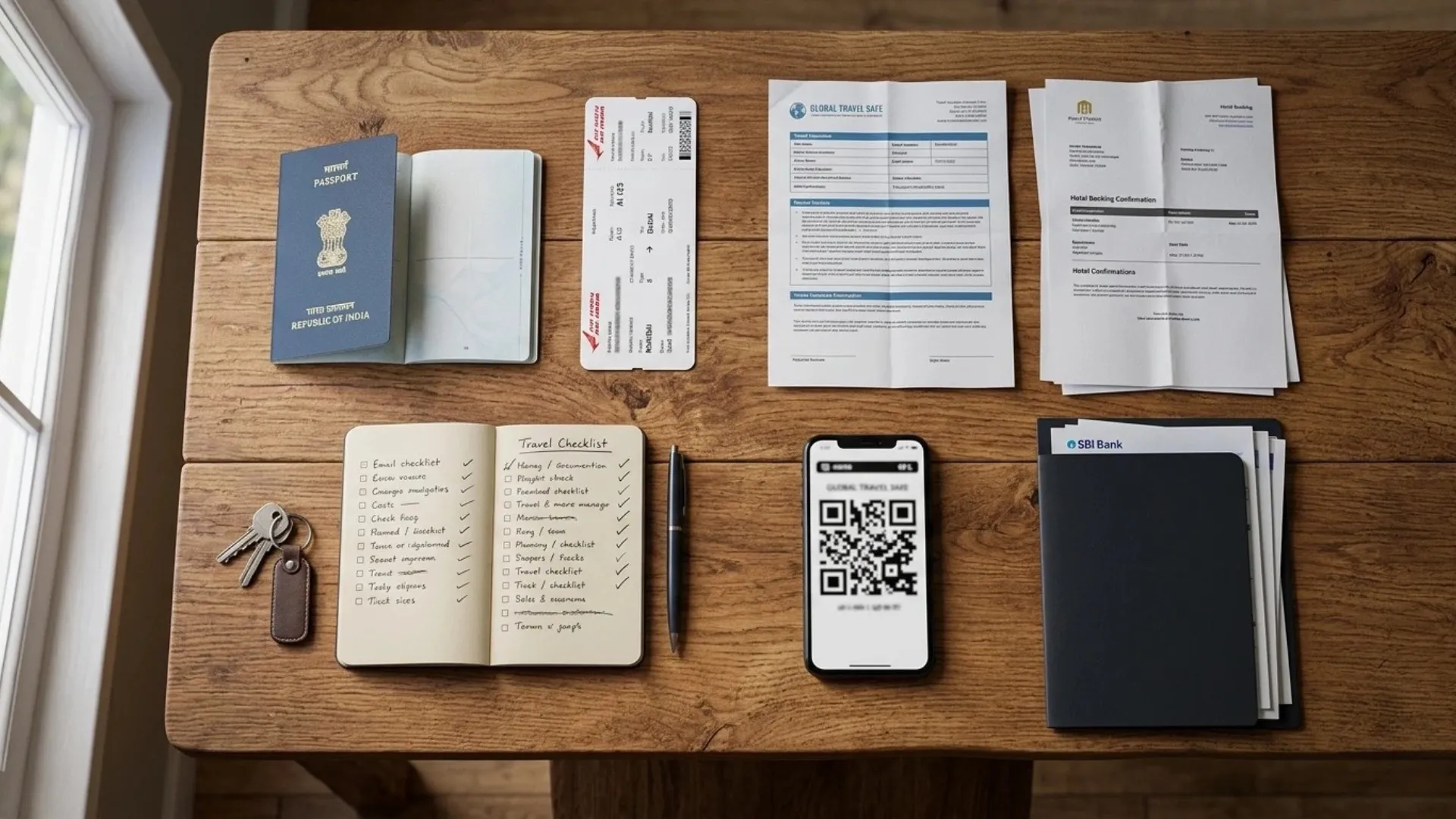
The documents you need for Bali depend on the visa you choose. For most Indians, using a Visa on Arrival (VOA) or e-VOA is simple. It's still best to have all your important documents ready before your flight.
Mandatory Documents
- A passport with at least 6 months' validity from the date of arrival
- Confirmed return or onward ticket
- Bali Tourist Levy QR code
- Visa approval (for e-VOA holders)
Recommended Documents
- Hotel booking confirmation
- Basic travel itinerary
- Recent bank statement
- Travel insurance details
Proof of Funds: What Indians Should Carry
Proof of funds is usually not required for a standard 30-day tourist entry, but immigration officers may ask for evidence that you can support yourself during your stay. Carrying a recent bank statement or access to funds is a good idea.
Bali Visa Extension for Indians
A VOA or e-VOA can be extended once for 30 more days, bringing your maximum stay to 60 days. If you already know you need a longer visa, a longer-stay tourist visa may be a better choice.
- The extension fee is IDR 500,000 (government charge only). Agent service fees are extra.
- From June 2025, you must visit an immigration office in person to provide biometric data: a photo and fingerprints. Even with an agent, one office visit is required.
- Start the process 10 to 14 days before your visa expires.
- Nearest offices: Denpasar (Renon), Jimbaran (near Ngurah Rai), or Singaraja.
Bali Visa Overstay Rules and Fines
Do not overstay your Bali visa. The fine is IDR 1,000,000 (about ₹5,500) per day, paid at the airport when you leave Indonesia. If you overstay by many days, immigration can detain you, deport you, and ban you from returning to Indonesia.
Set a calendar reminder on your phone for your visa expiry date as soon as you arrive. If you think you'll need more time, start the extension process early and don't wait until the last few days.
Tribe Travel Tip: Just one day of overstay costs more than a full 30-day extension. Extension: IDR 500,000. One day of overstay: IDR 1,000,000.
Entry Tribe Travel Tips for Indians Before You Fly
Most entry problems occur when travellers forget a document or miss an online requirement. Before you go to the airport, make sure everything is ready and easy to find on your phone.
- Complete all three required online steps before departure: the visa, the tourist levy, and the arrival card.
- Keep both digital and printed copies of your QR codes.
- Check that your passport is in good condition and has at least six months' validity remaining.
- Enable international transactions on your debit or credit card.
- Carry some Indonesian Rupiah for small expenses after arrival.
- Use only official government websites for visa and entry formalities.
- Save important documents offline in case you have limited internet access at the airport.
Final Word
Getting a Bali visa for Indians is quite simple once you understand the process. The key is to complete the three required steps before you fly: get your visa, pay the Bali Tourist Levy, and submit the All Indonesia Arrival Card. If you're still asking, do Indians need visa for Bali? The answer is yes, but most travellers can easily enter with a VOA or e-VOA. Double-check your documents, keep your QR codes handy, and apply early to avoid last-minute stress.
Planning your Bali holiday? Get in touch with Holiday Tribe for personalised Bali packages and expert travel assistance.