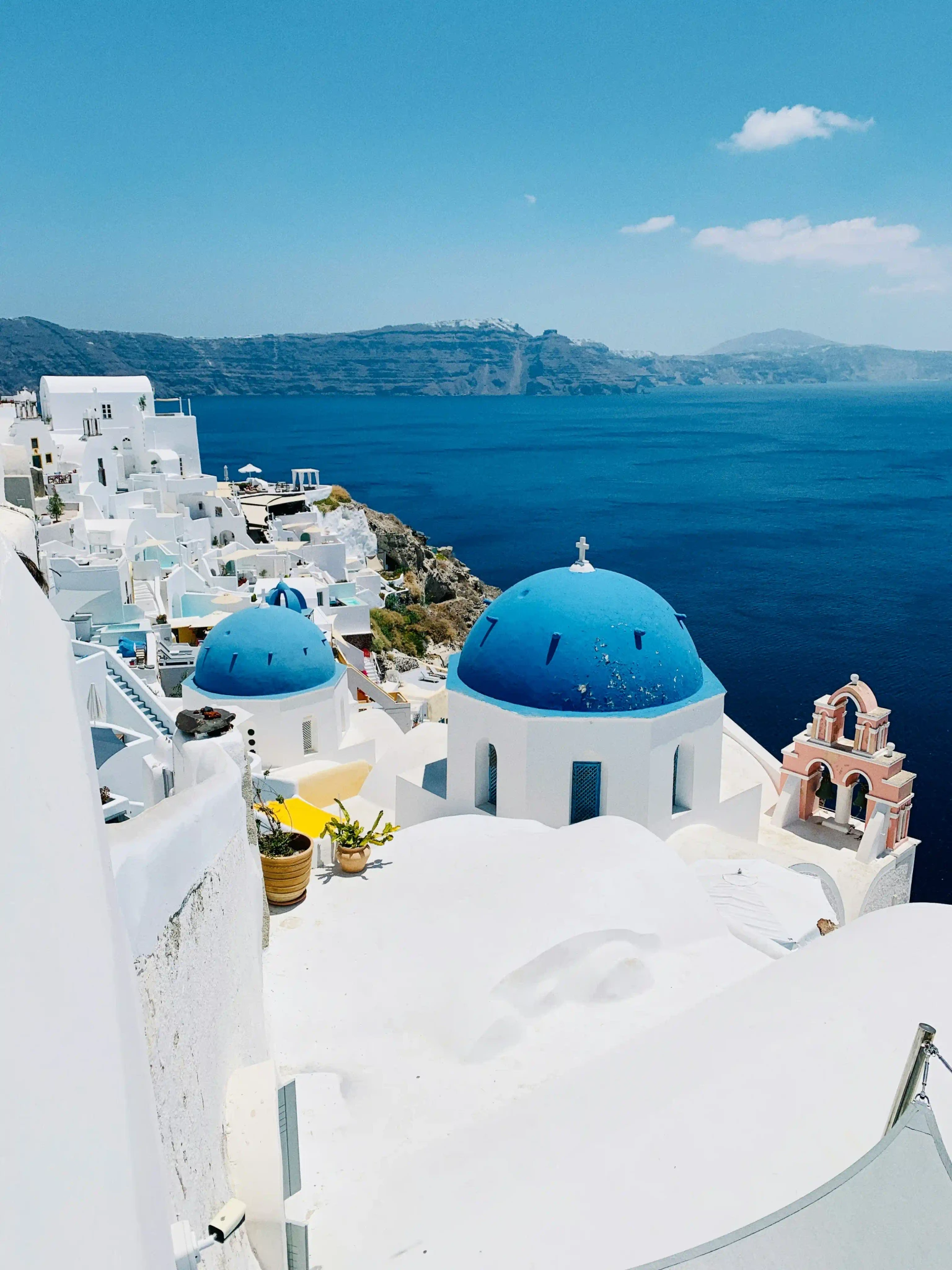


Picture yourself on a whitewashed terrace, holding a glass of cold Assyrtiko, as the sun sets behind a flooded volcano and the cliffs glow pink. This is a typical evening in Santorini, Greece, and it is one reason the island is so popular with couples and first-time travellers. But Santorini offers more than just beautiful sunsets. The island has a 3,600-year history of eruptions and survival, beaches in colours you may never have seen before, food grown in volcanic soil, and villages that seem to float among the clouds. If you are deciding where to travel this year, here are ten reasons why Santorini should be high on your list.
1. The Sunset in Santorini, Greece Lives Up to the Hype
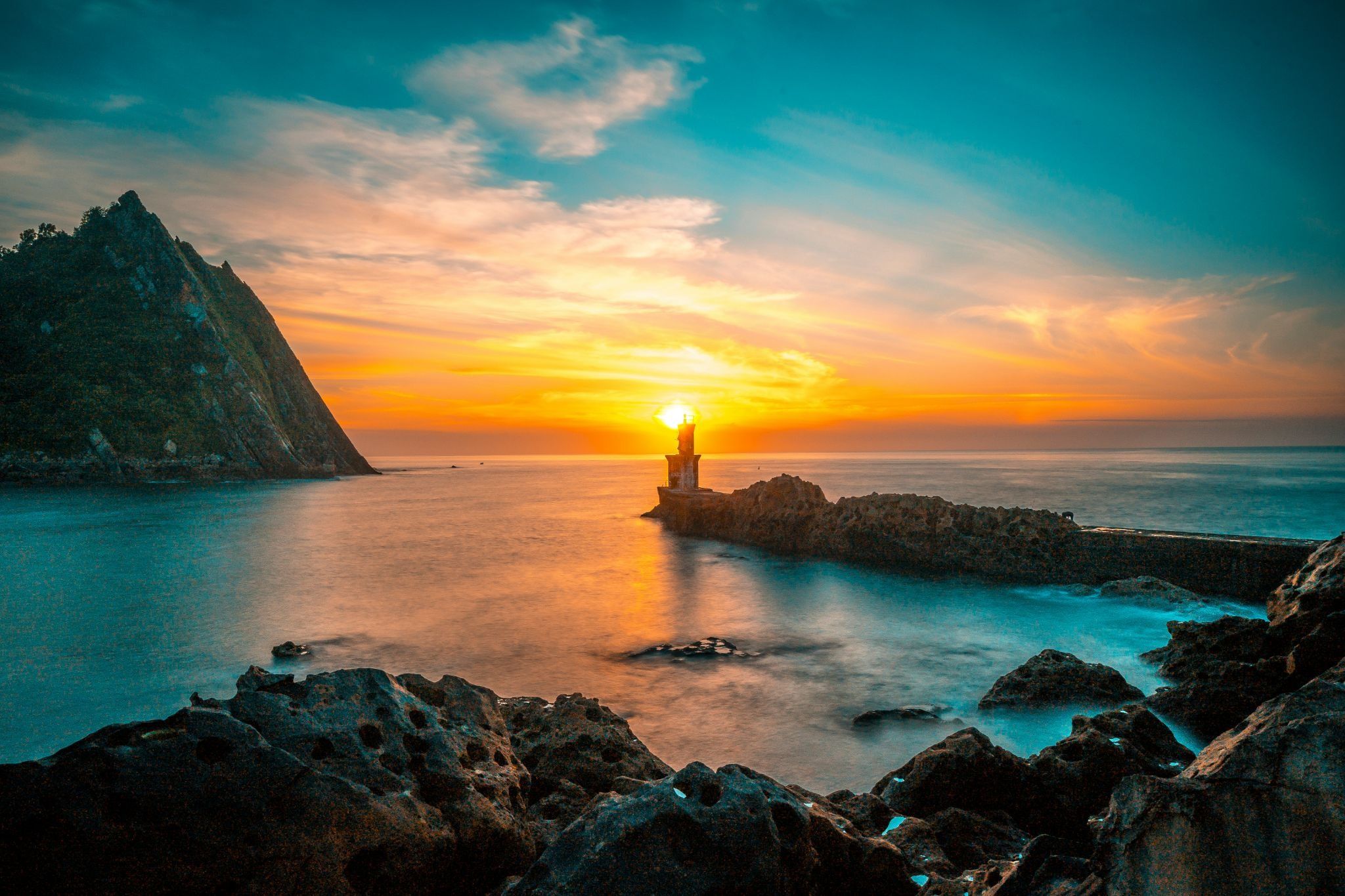
Santorini’s sunset is famous, and Oia is the best place to see it, especially near the ruins of the old Byzantine castle. The light does something unusual here. It reflects off the white buildings and the caldera’s water, making the whole island glow, not just the sky. If you visit in summer, try to arrive an hour early because the best cliff spots fill up fast.
Tribe Travel Tip: If you want to enjoy the sunset without the crowds, try watching from a quieter terrace in Imerovigli. Afterward, have a late dinner in Oia when most day visitors are gone.
2. Every Beach in Santorini, Greece Is a Different Colour
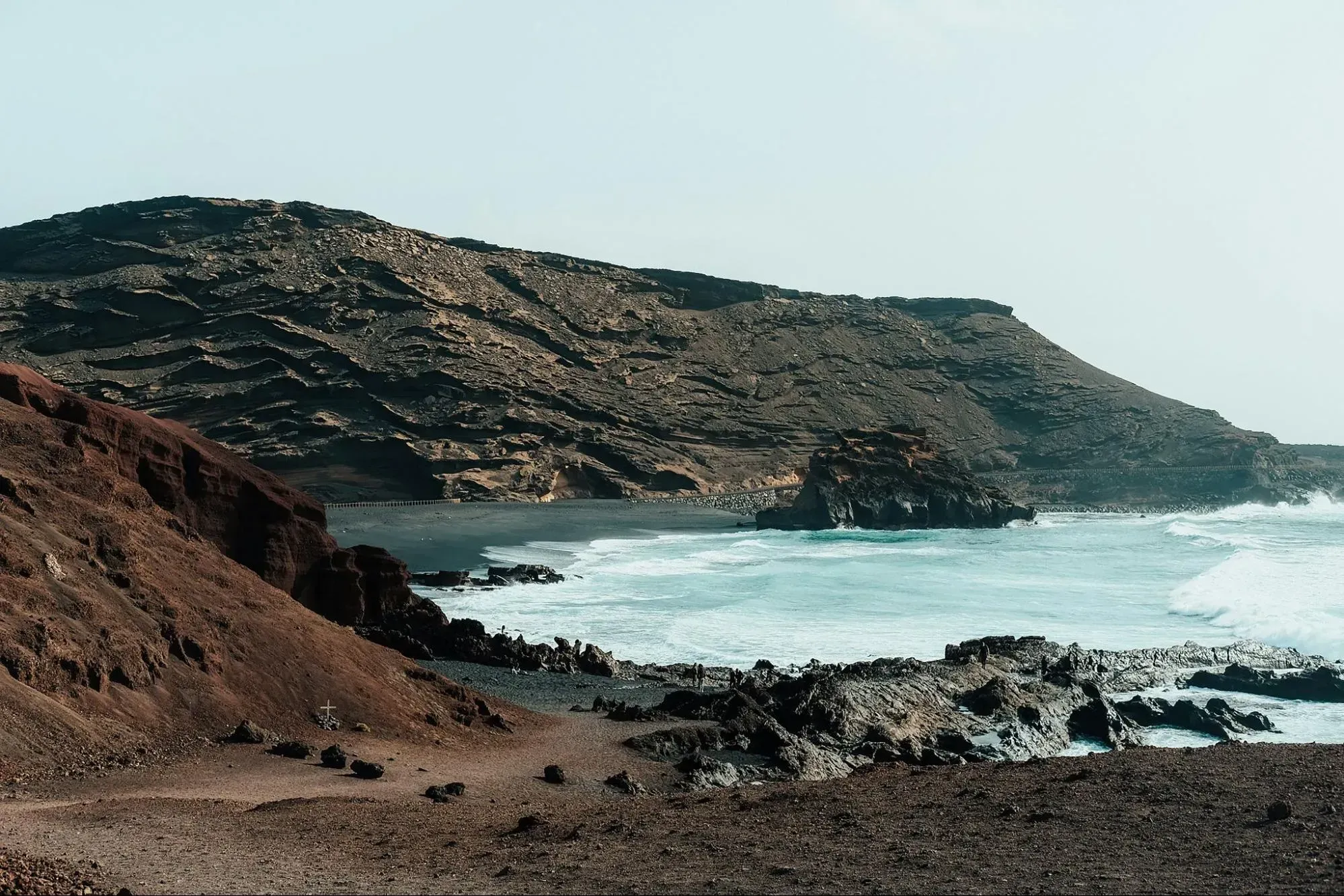
This is where the volcano puts on a display. You won’t find golden sand here. Every beach in Santorini, Greece is black, red, or white, made from old lava and ash. That’s part of why a beach in Santorini feels so different from the rest of the Mediterranean.
Beach | What it is like |
Perissa & Perivolos | Long black-sand stretches, sunbeds, beach bars |
Kamari | Black pebble, organised, family-friendly |
Red Beach | Dramatic red cliffs near Akrotiri (check access; prone to rockfall) |
White Beach | Pale cliffs, reached by boat or a short scramble |
Vlychada | Quiet, wind-sculpted moon-like cliffs |
Tribe Travel Tip: The dark sand soaks up heat, so pack something for your feet by midday.
3. You Can Walk on the Santorini, Greece Volcano
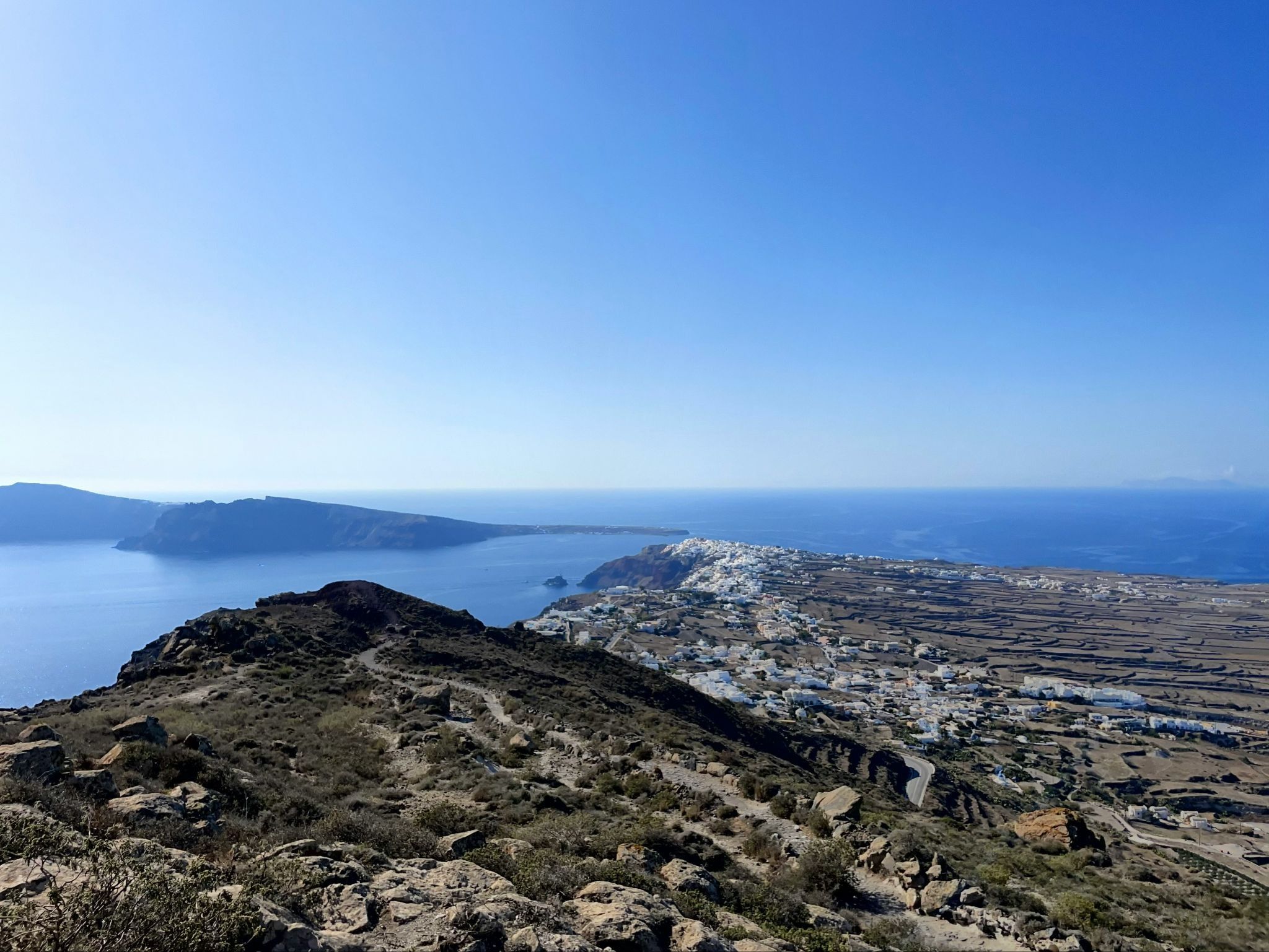
You can visit the Santorini, Greece volcano and it’s one of the best ways to spend half a day. The volcano in Santorini isn’t just a beautiful backdrop; it’s actually what gives the island its unique crescent shape. When you sail across the caldera, you’re crossing a sunken crater that’s now filled with seawater and reaches depths of about 390 metres in some spots. A short boat ride brings you to Nea Kameni, a dark islet that last erupted in 1950, where you can walk up to see steaming craters. Most tours also stop at the nearby hot springs, where you can enjoy a warm swim with a hint of sulphur.
Here’s a fun fact: the massive Bronze Age eruption that shaped the Santorini volcano might have inspired Plato’s story of the lost city of Atlantis.
4. Santorini, Greece Hotels Are Carved Into the Cliffs
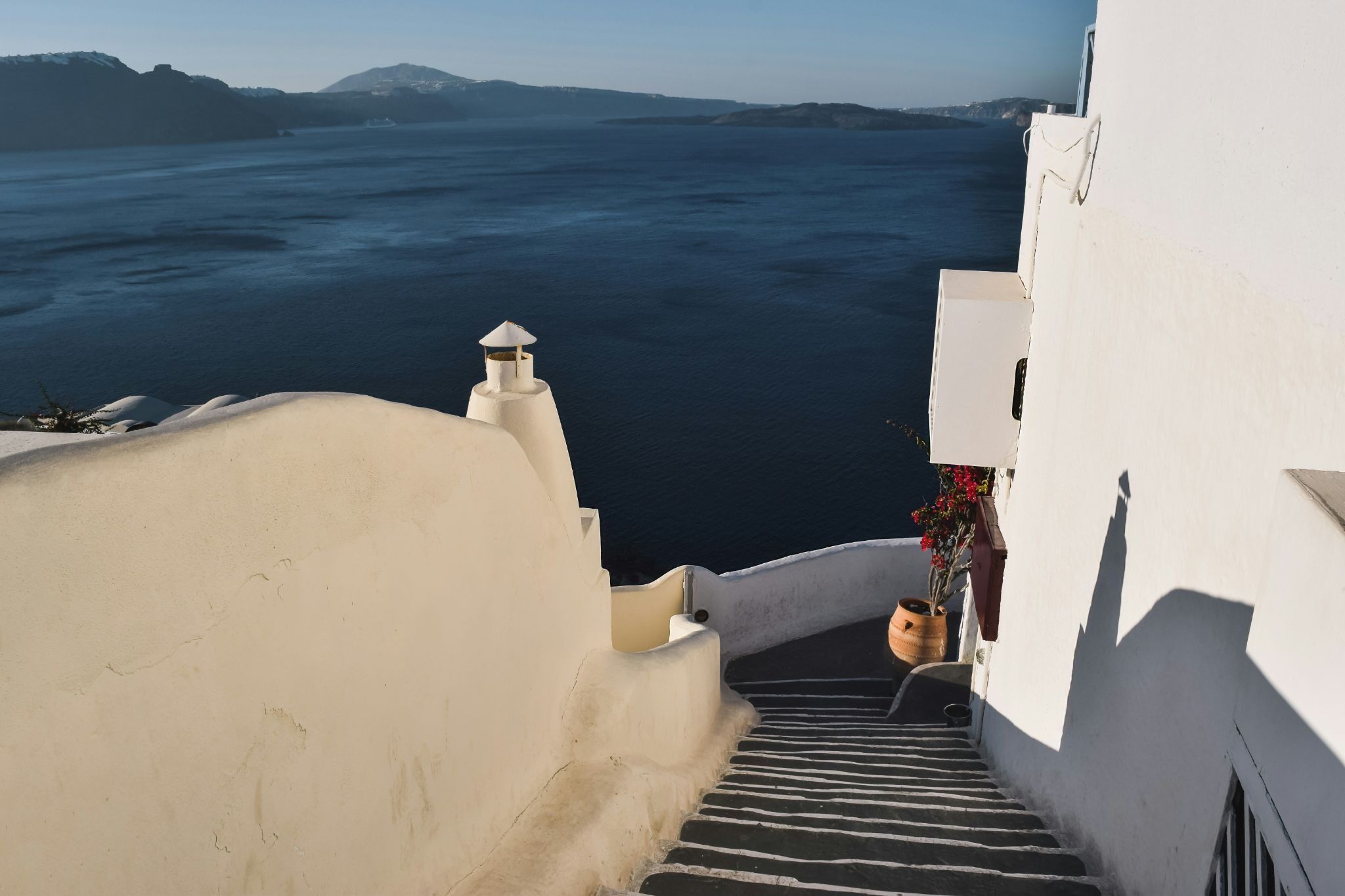
The most well-known are the cave houses, called yposkafa, carved into the soft volcanic rock to stay cool during the summer. Many of these have become boutique hotels in Santorini with plunge pools that appear to hang over the caldera.
Do you really need a caldera view?
People often remember the splurge, but you do not need to book the most expensive suite to enjoy it. A four-star hotel like the Santorini Palace in Firostefani is just a short walk from Fira and offers the same beautiful Aegean views. Rooms at the Santorini Palace fill up quickly, so it is best to reserve a caldera-facing room several months in advance, especially during peak season.
5. Santorini Holds a Living Piece of Ancient Greece
Long ago, this was one of the busiest ports in ancient Greece. In Akrotiri, on the island’s south side, a whole Bronze Age town was buried under ash around 1600 BCE and preserved in time. That’s why people call it the Pompeii of the Aegean. The site was uncovered in 1967, revealing a sophisticated society that traded with Crete, Egypt, and the Near East. There are multi-storey houses and indoor drainage systems. You can walk along raised paths above frescoes that still show their colours after 3,600 years. It’s a rare, hands-on connection to ancient Greece and a cool, shaded escape from the beach.
6. The Food and Wine Grow in Volcanic Soil
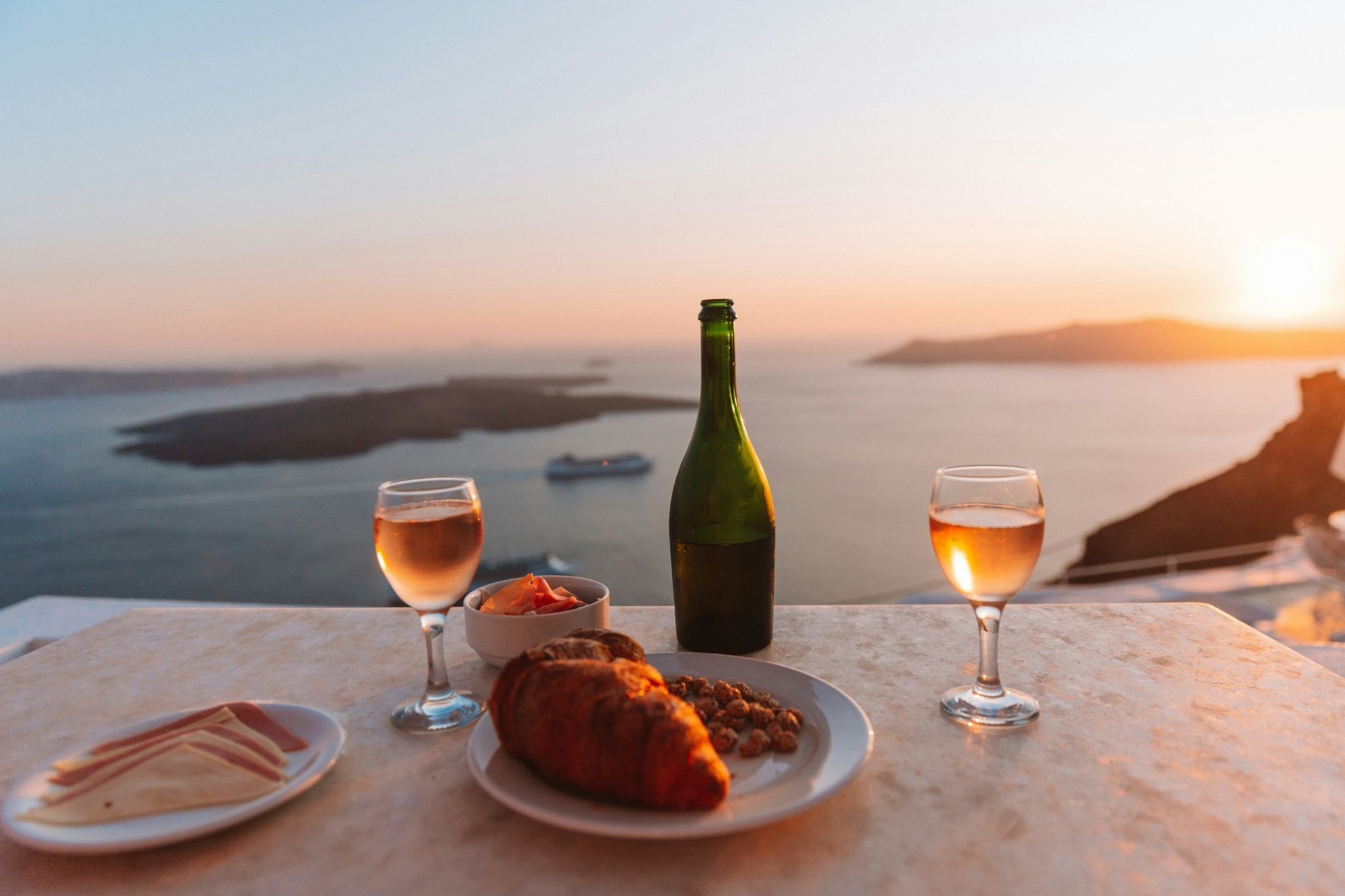
Santorini’s volcanic soil produces food you won’t find anywhere else. The cherry tomatoes are small and very sweet, often fried into tomatokeftedes. Fava, a creamy yellow split-pea purée, has protected-origin status and has been grown here for more than 3,500 years. Try the island’s white aubergine, which is milder and less bitter than the purple variety and is made into a smoky dip, as well as capers that grow wild on the cliffs. The local wines are also special: crisp, mineral Assyrtiko comes from vines shaped into low baskets called kouloura to withstand the wind, and sweet amber Vinsanto is perfect after dinner. If you want to learn more about the famous tomatoes, visit the Santorini Arts Factory, a former tomato-processing plant that shares their story.
7. The Greece Weather Is Made for Beach Holidays
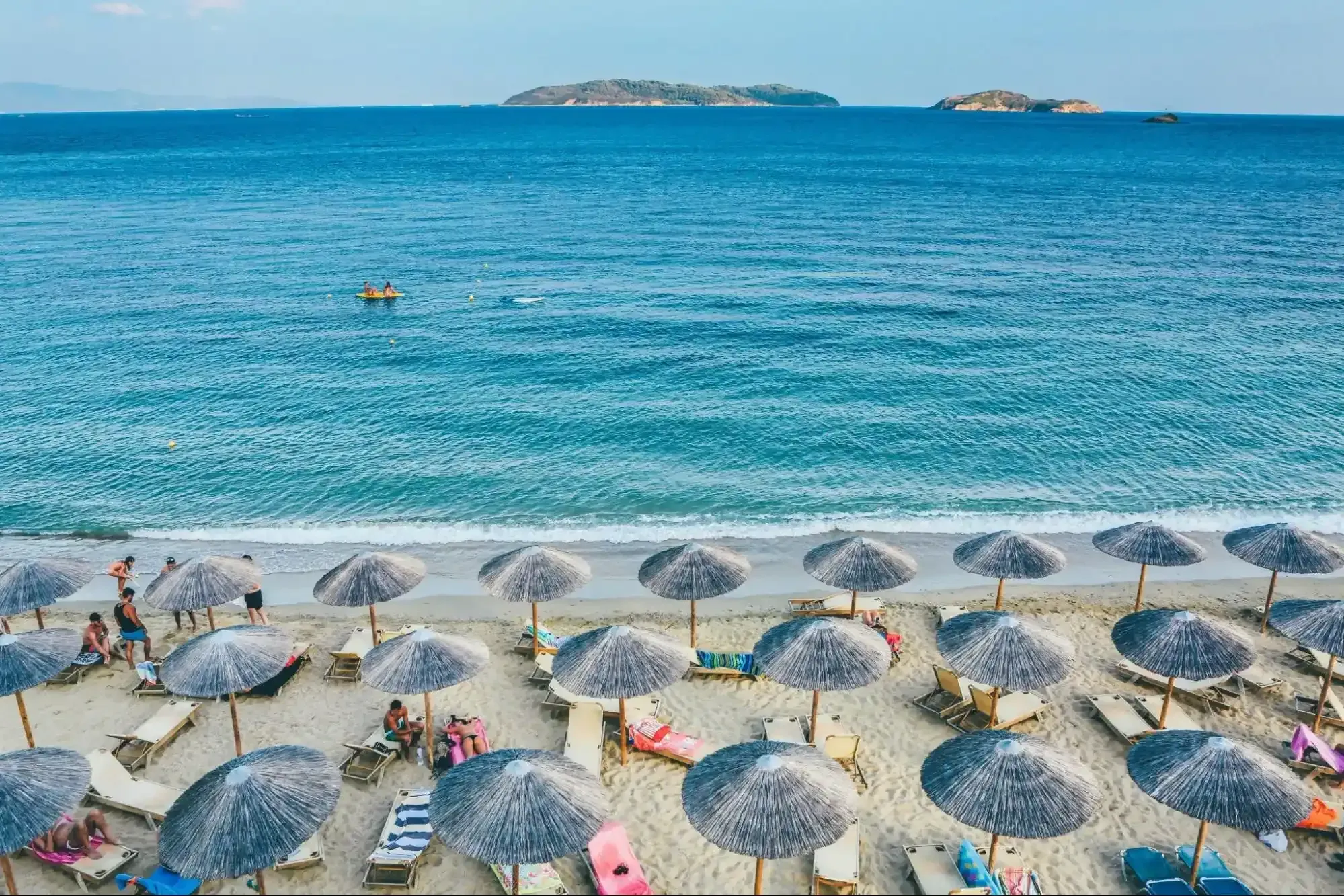
Summers in Greece are warm, dry, and very sunny. The hottest months are July and August, when temperatures reach about 27 to 30°C and the sea is calm and warm for swimming. A steady summer wind called the meltemi often blows, which helps keep the midday heat from feeling too intense and cools the evenings.
Months | What to expect |
May–June | Warm, sea swimmable (~20–22°C), thinner crowds |
July–August | Hot, busiest, sea at its warmest |
September–October | Hot easing to mild, sea still warm, grape harvest on |
If you want beach days without the August squeeze, Greece’s weather in June or September is the sweet spot.
When should you avoid Santorini?
If you want to avoid crowds, try not to visit between mid-July and mid-August. Also, from late November to February, many hotels and ferries close or reduce their services.
8. The Villages Look Like Nowhere Else on Earth
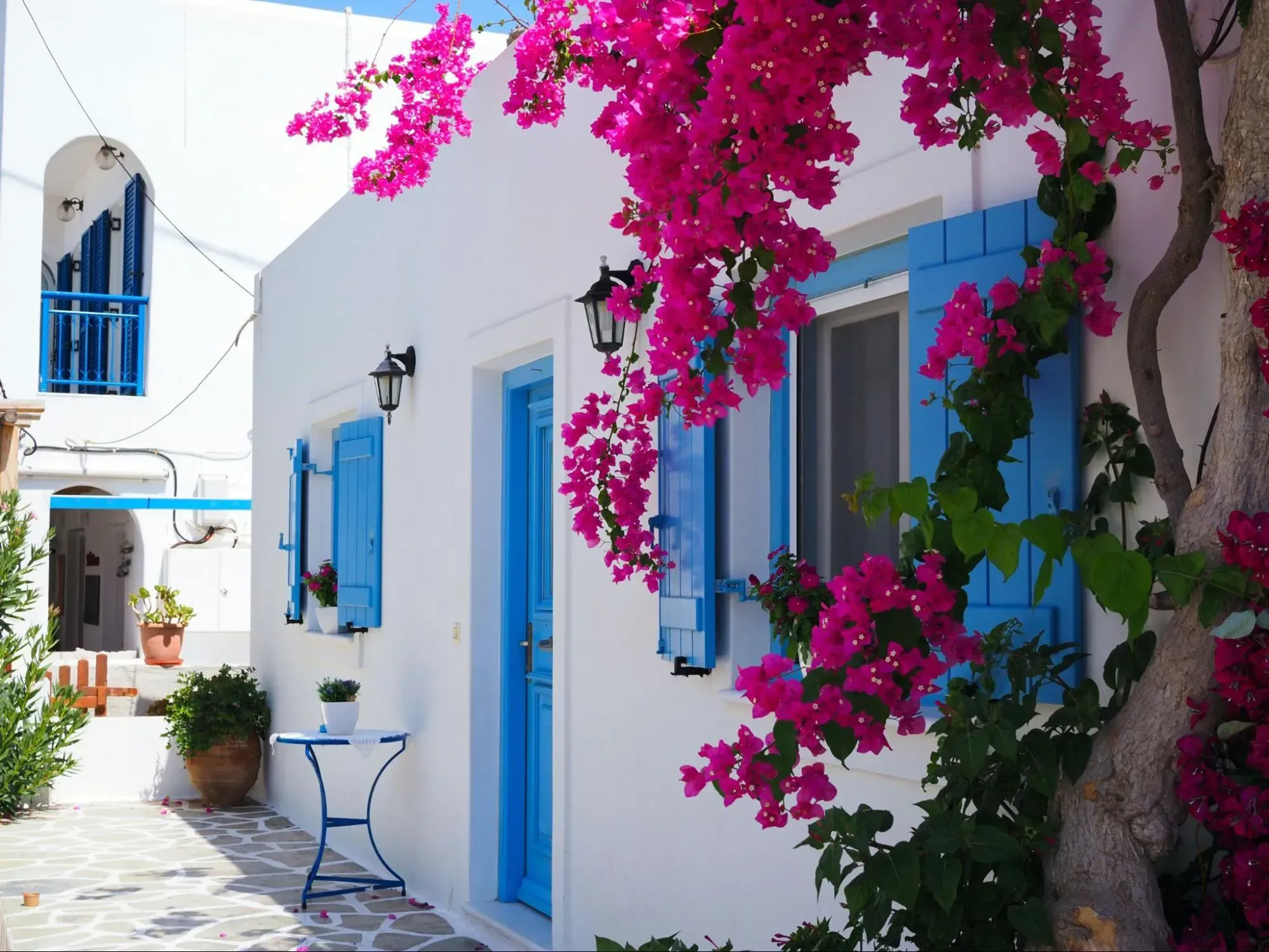
Those blue domes and white cubes are not only for the camera. The white lime helps reflect the strong sun, and the rounded shapes help protect against the wind. Fira is the lively capital, while Firostefani and Imerovigli sit higher up and feel more peaceful. Imerovigli is even called the balcony of the Aegean. Oia is at the northern tip. You can walk the cliff path that connects them, which is about 10 kilometres long, with views of the caldera the whole way. Getting around is simple. There’s a cable car from Fira’s old port up the cliff, and many visitors rent a small car or quad bike to explore the beaches and Akrotiri at their own pace.
9. Santorini Pairs Easily With Other Places to Visit in Greece
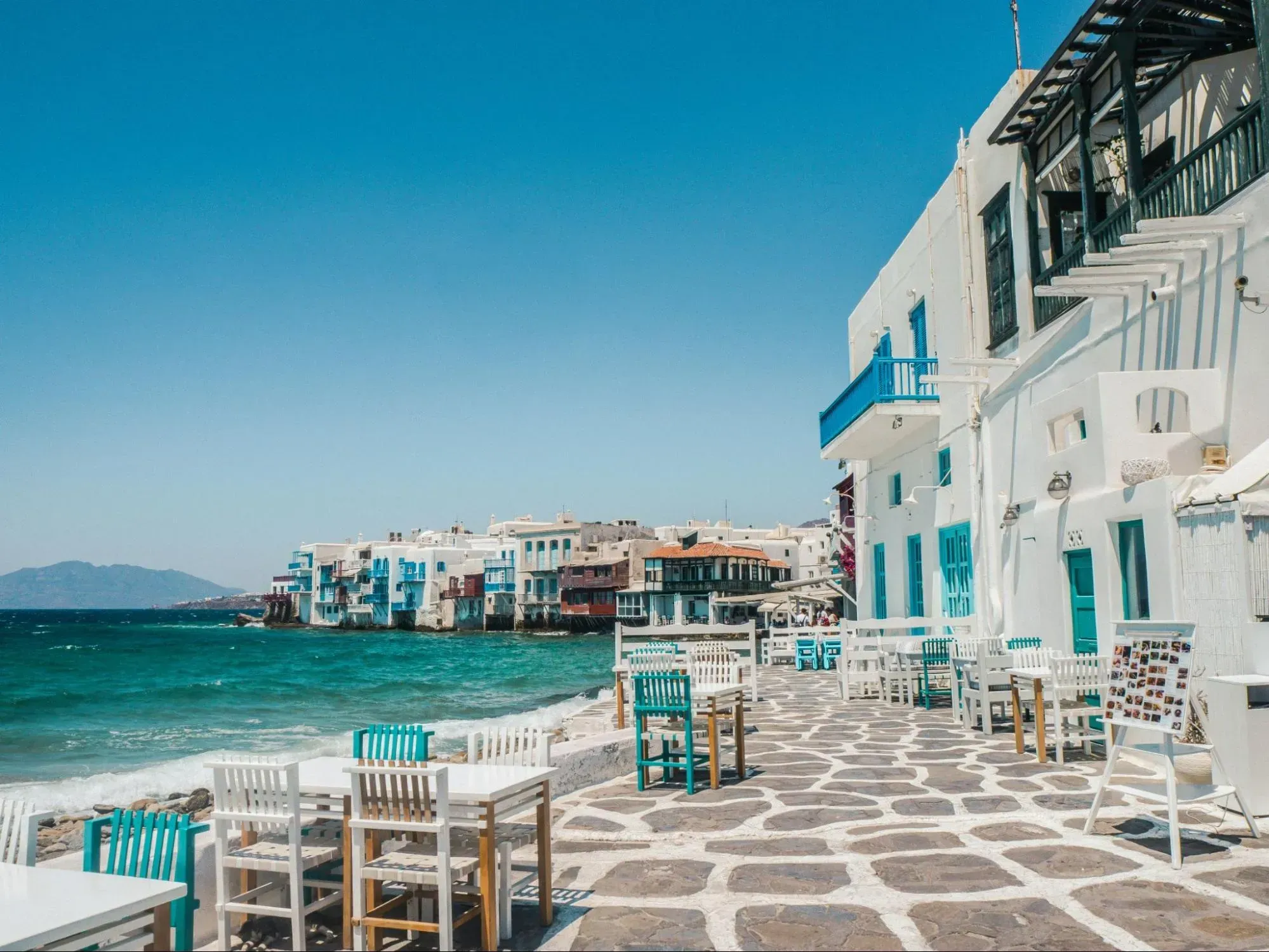
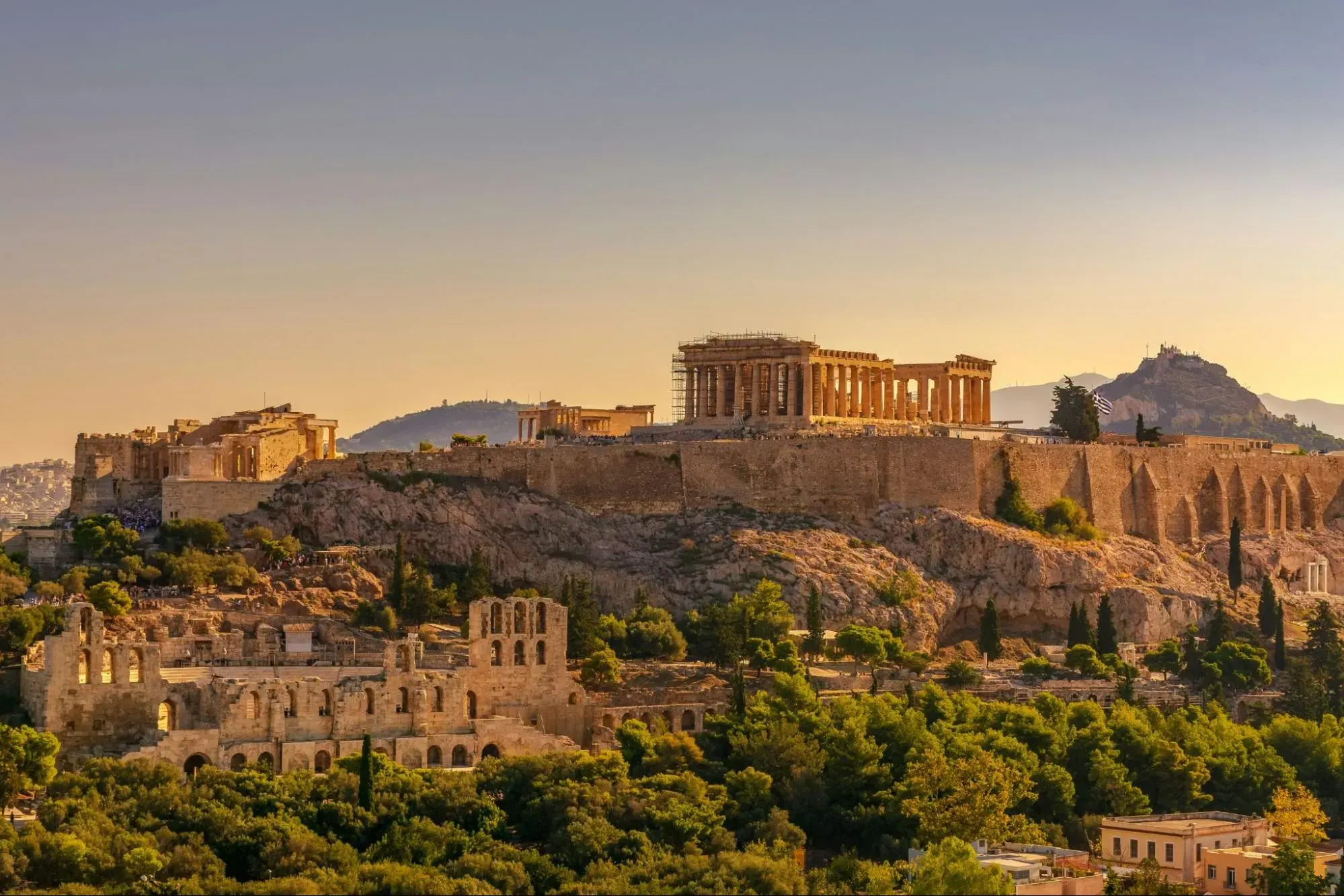
Santorini is part of the Cyclades and is connected by fast ferries to some of Greece’s top spots. You can visit lively Mykonos, relaxed Naxos and Paros, or Milos, known for its unique coastline. Most of these islands are just a few hours away by boat. Many people start their holiday in Athens to see the Acropolis, then head out to the islands. If you have a week, visiting two islands and spending a night or two in Athens is a great way to experience the best of Greece for your first visit.
10. Santorini Suits Couples, Families and First-Time Travellers
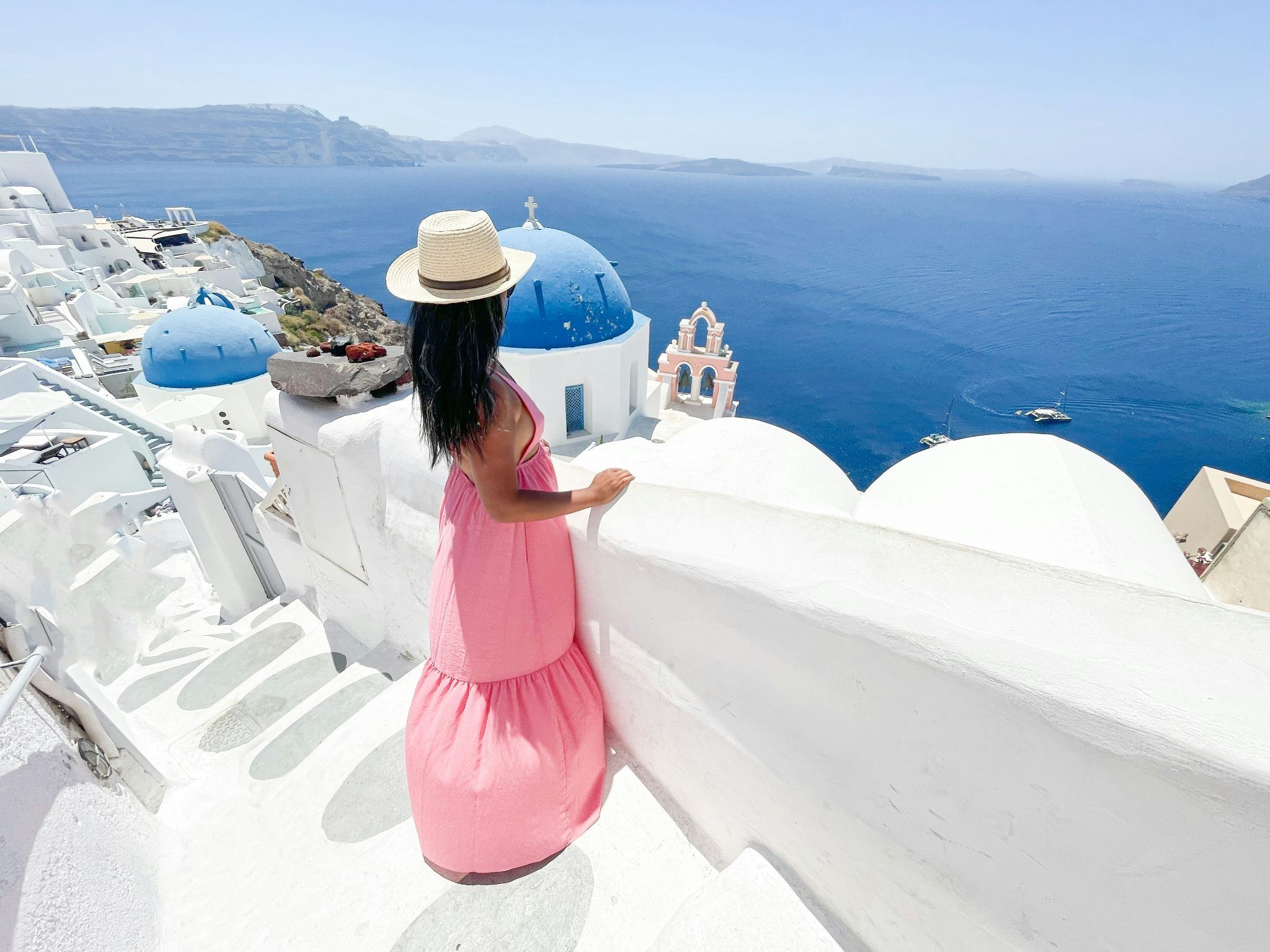
Santorini attracts all kinds of visitors, but some groups enjoy it more than others. Couples and honeymooners love privacy, beautiful sunsets, and long dinners. First-time international travellers appreciate that English is common, the island is easy to walk around, and its small size makes it feel manageable. Families often stay in Kamari or Perissa, where the beaches are flat and well-organised. If you are looking for surfing, all-night parties, or big sandy resorts, you might prefer a different island. Santorini is best for relaxing days and stunning views.
Planning Your Santorini, Greece Getaway With Holiday Tribe
Santorini, Greece, is one of those rare islands that look just as stunning as the photos and then surprise you with even more. You’ll find a living volcano, food grown in volcanic ash, history you can explore on foot, and beaches in unique colours. It’s perfect for couples, honeymooners, or anyone visiting for the first time who wants beauty without any hassle.
If you’d prefer not to plan everything yourself, Holiday Tribe can help. We’re holiday advisors, not travel agents, and we create Santorini holidays based on what you want. We take care of your hotels, transfers, sightseeing, and local experiences. If you need flights or visa support, we can add those too. Just share your dates with our AI travel planner, and we’ll make sure your holiday goes smoothly from the moment you arrive.