

France offers more variety than many people expect. You’ll find Atlantic surf towns, Alpine ski resorts, lavender fields in the south, and a wine culture with many unique regions. Then, about 217 km off the mainland in the Mediterranean, there’s an island that seems to fit all these categories and yet stands apart.
Corsica, France, is officially French and part of the EU, but the island is full of wild herbs, has old stone buildings that look Italian, and has its own unique rhythm. In this guide, you’ll find facts about Corsica Island, the best places to visit in Corsica, top things to do in Corsica, the best times to visit Corsica, and what makes Ajaccio special.
What Is Corsica Island Known For?
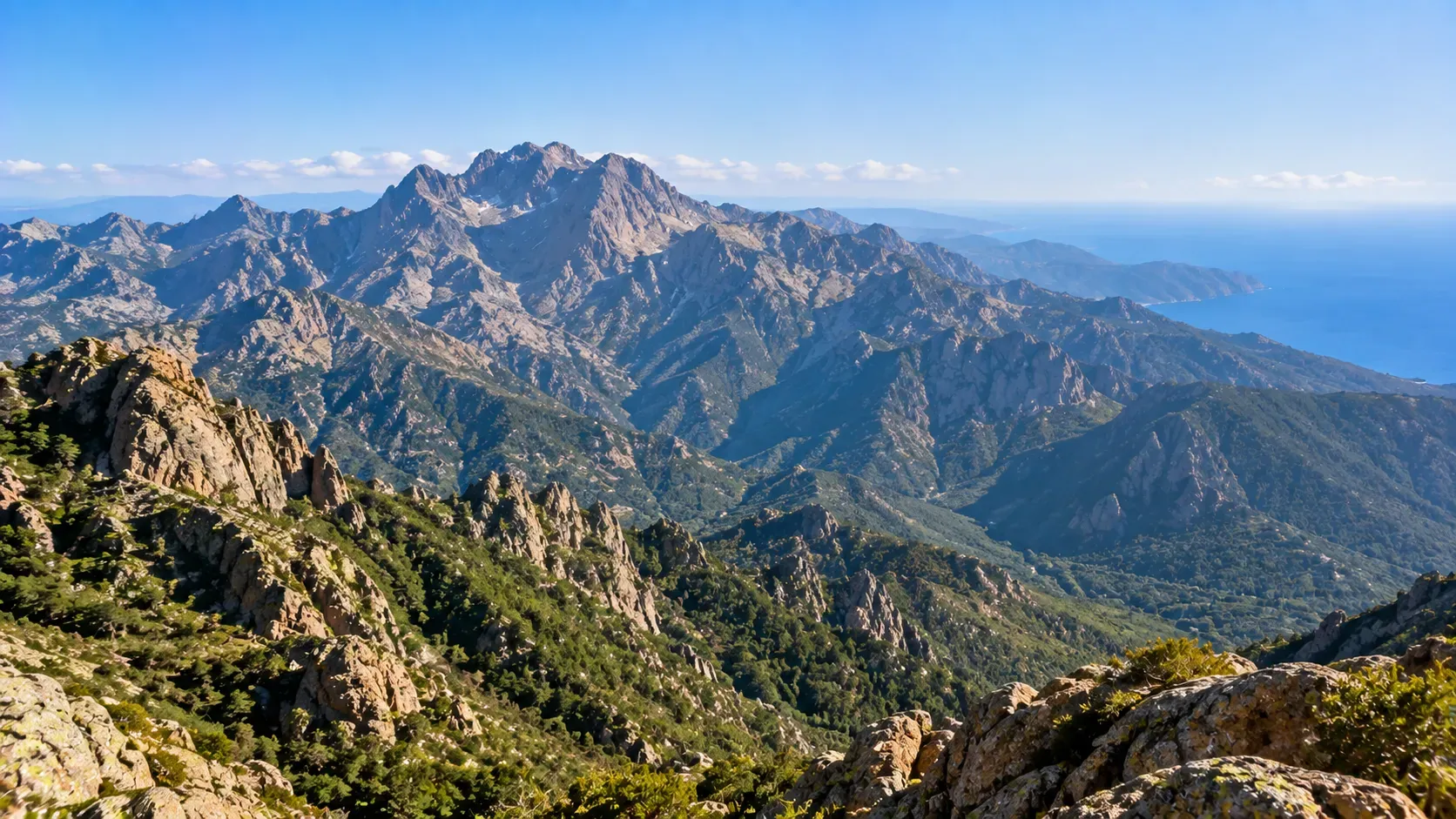
Corsica Island is the fourth-largest island in the Mediterranean Sea, sitting approximately 217 km from mainland France's southern coast and 90 km north of Sardinia. It covers 8,722 km² and is an integral part of France, governed since 2018 as a single territorial collectivity, the Collectivity of Corsica, formed by merging the former departments of Haute-Corse (north, prefectural seat: Bastia) and Corse-du-Sud (south, capital: Ajaccio).
Although politically French, Corsica Island has a distinct cultural identity shaped by centuries of Genoese rule, which lasted from the 13th century until France purchased the island from Genoa in 1768. The architecture, dialect, food, and even place names still carry that layered history today.
Notable Corsica, France facts: Monte Cinto is the highest peak at 2,706 metres; the GR20 is one of Europe's toughest long-distance hiking trails; and the Scandola Nature Reserve is a UNESCO World Heritage Site on the western coast.
Detail | Information |
Area | 8,722 km² |
Status | Territorial collectivity of France (since 2018) |
Location | 217 km from mainland France; 90 km north of Sardinia |
Administrative zones | Haute-Corse (prefectural seat: Bastia); Corse-du-Sud (capital: Ajaccio) |
Highest Peak | Monte Cinto, 2,706 metres |
UNESCO Sites | Scandola Nature Reserve (World Heritage) |
Population | 365,636 (January 2026) |
What Are the Best Places to Visit in Corsica?
The best places to visit in Corsica reflect its geography. The south is known for its popular beaches and cliffside towns, the west for natural scenery, and the centre for mountains. Each area is unique enough to deserve its own holiday.
Bonifacio: Cliffs, Sea Views and the Southern Coast
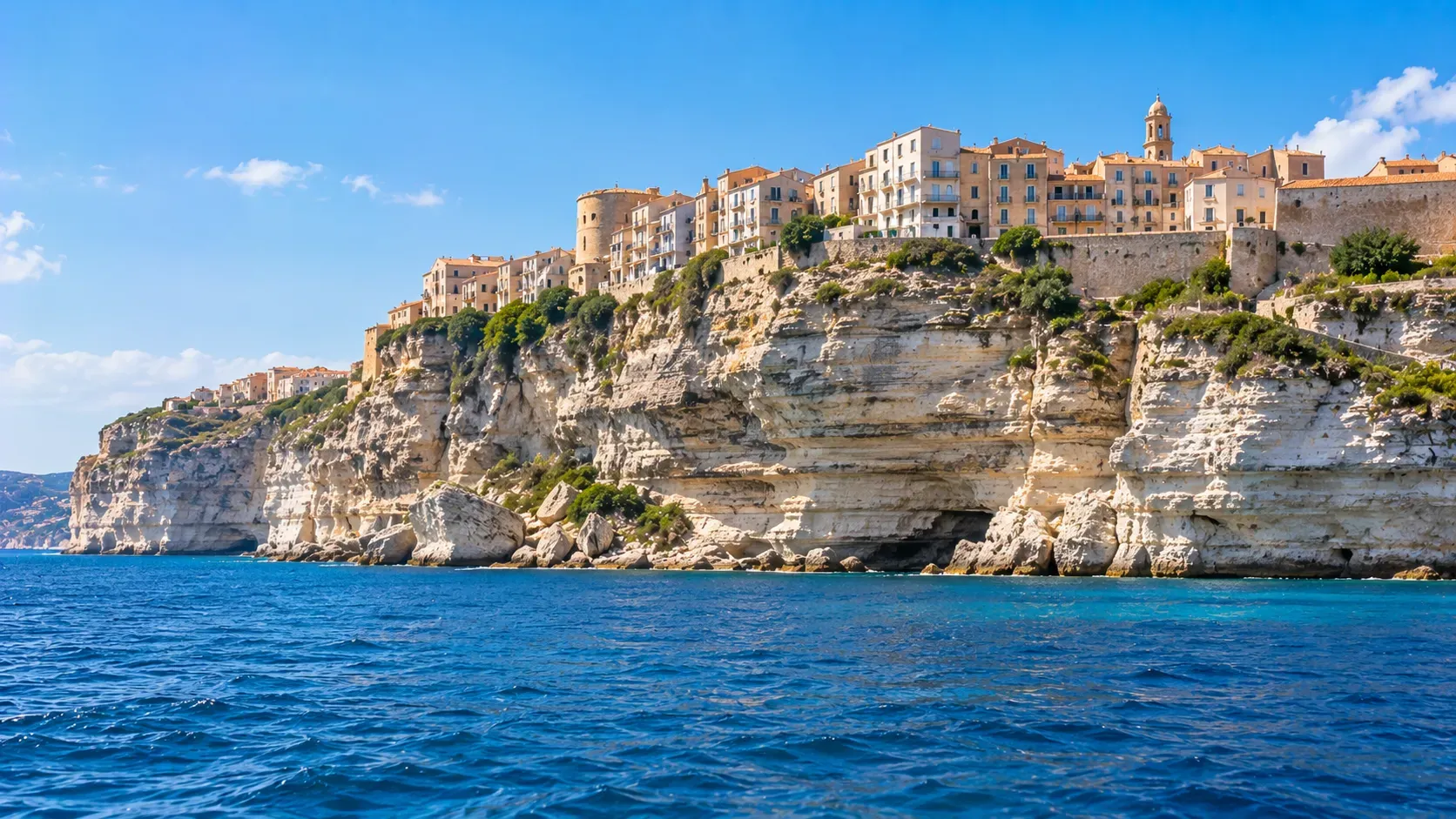
Bonifacio is the most visually striking town on Corsica Island, built directly of white limestone cliffs above the Strait of Bonifacio.
- The old town sits above sea caves, with the water visible through gaps in the rock; from the water, the town looks as though it might slide into the sea
- Access to the upper town is via the Aragonese Steps (also called the King of Aragon's Staircase): 187 steps carved into the cliff face; the views from the top look directly across to Sardinia
- The Lavezzi Islands are a protected natural reserve reachable only by boat from Bonifacio; the sea here is exceptionally clear, and the reserve is a snorkelling and swimming destination that ranks consistently among the best places to visit in Corsica
- Rondinara beach is a near-circular bay between Porto-Vecchio and Bonifacio; sheltered, shallow, and one of the calmest swimming spots on the island
Porto-Vecchio: Beaches, Citadel and Coastal Days
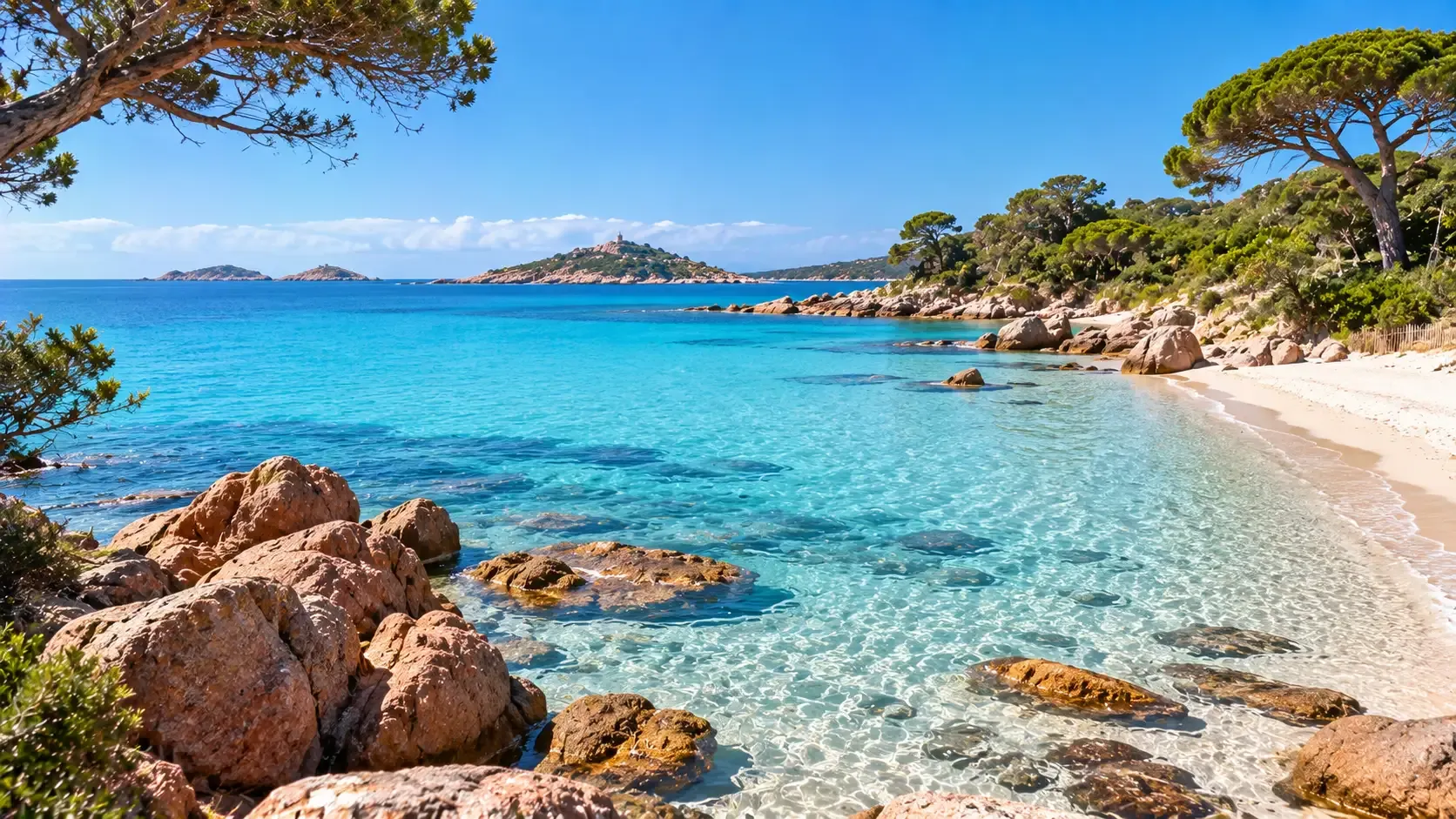
Porto-Vecchio is the main resort town in the south and a great base for exploring Corsica, France’s most photographed beaches.
- Palombaggia: Approximately 15 km south of Porto-Vecchio; pale pink sand, shallow turquoise water, and a backdrop of red rock pines; widely regarded as one of the most beautiful beaches in the Mediterranean
- Santa Giulia: A wider bay about 12 km from Porto-Vecchio; calm, lagoon-like conditions that make it particularly suited to families; consistent shallow entry
- Porto-Vecchio also has a Genoese citadel, a lively marina, and a restaurant scene that stays open later than most places on the island.
Scandola Reserve: Red Cliffs and Wild Western Shores
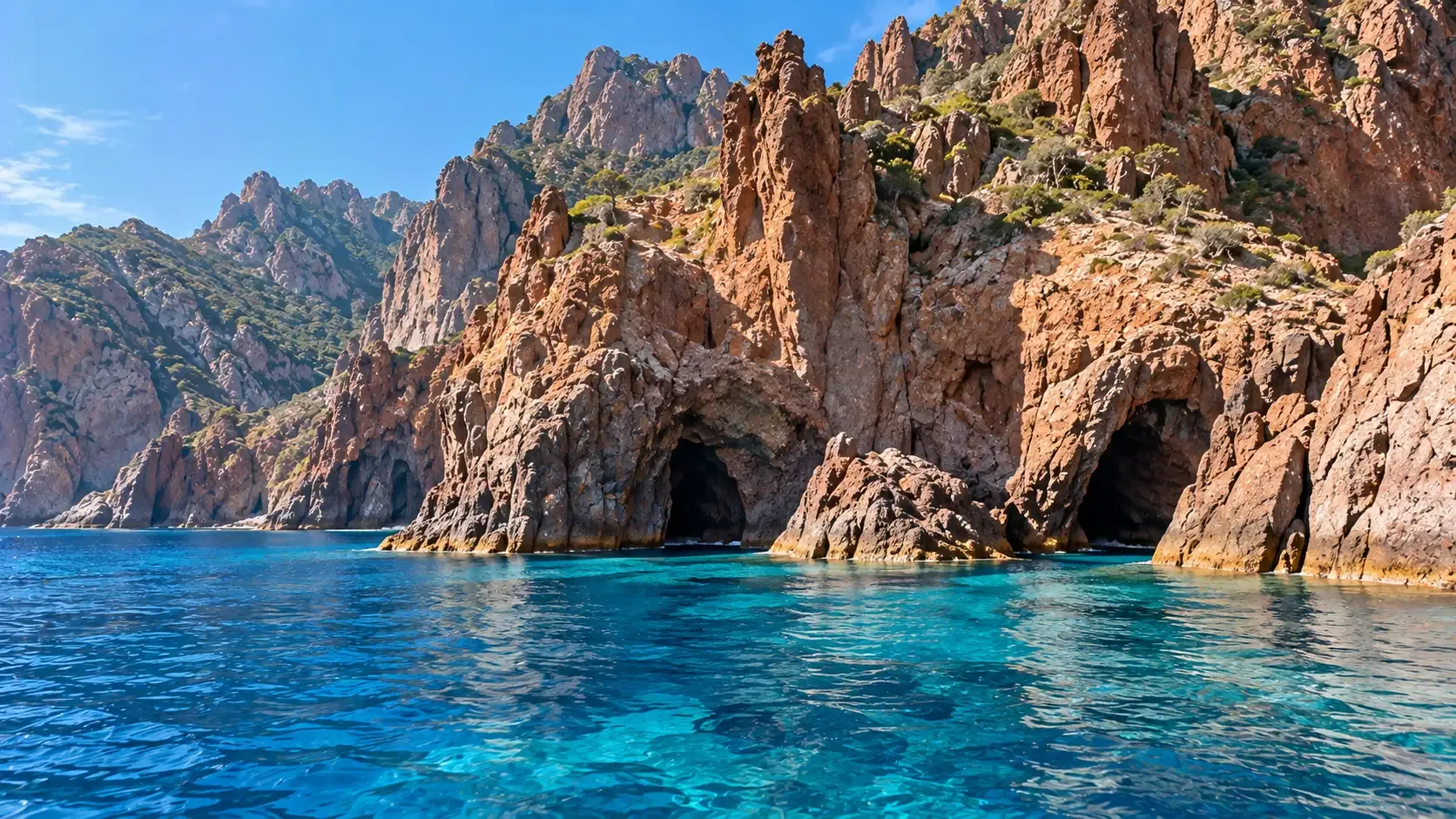
The western coast has some of Corsica Island’s most untouched and hard-to-reach landscapes.
- Scandola Nature Reserve: A UNESCO World Heritage Site covering approximately 1,900 hectares (900 ha of land and 1,000 ha of sea) of red volcanic rock, sea caves, and marine reserve; accessible only by boat from Porto, Calvi, or Ajaccio; osprey, cormorants, and seals are regularly sighted; the red rock cliffs visible from the boat are some of the most distinctive geological formations in the Mediterranean
- Calvi: It’s the main resort town in the north, with a Genoese citadel overlooking a long sandy beach. In summer, it’s popular for windsurfing and water sports, and it has a more laid-back vibe than Porto-Vecchio.
- Cap Corse: The 40 km peninsula in the north that stretches into the sea. It’s dotted with old Genoese watchtowers, fishing villages, and vineyards known for unique local wines. It’s best travelled by car and is one of the quietest spots for those looking to avoid the main tourist areas.
What Are the Best Things to Do in Corsica?
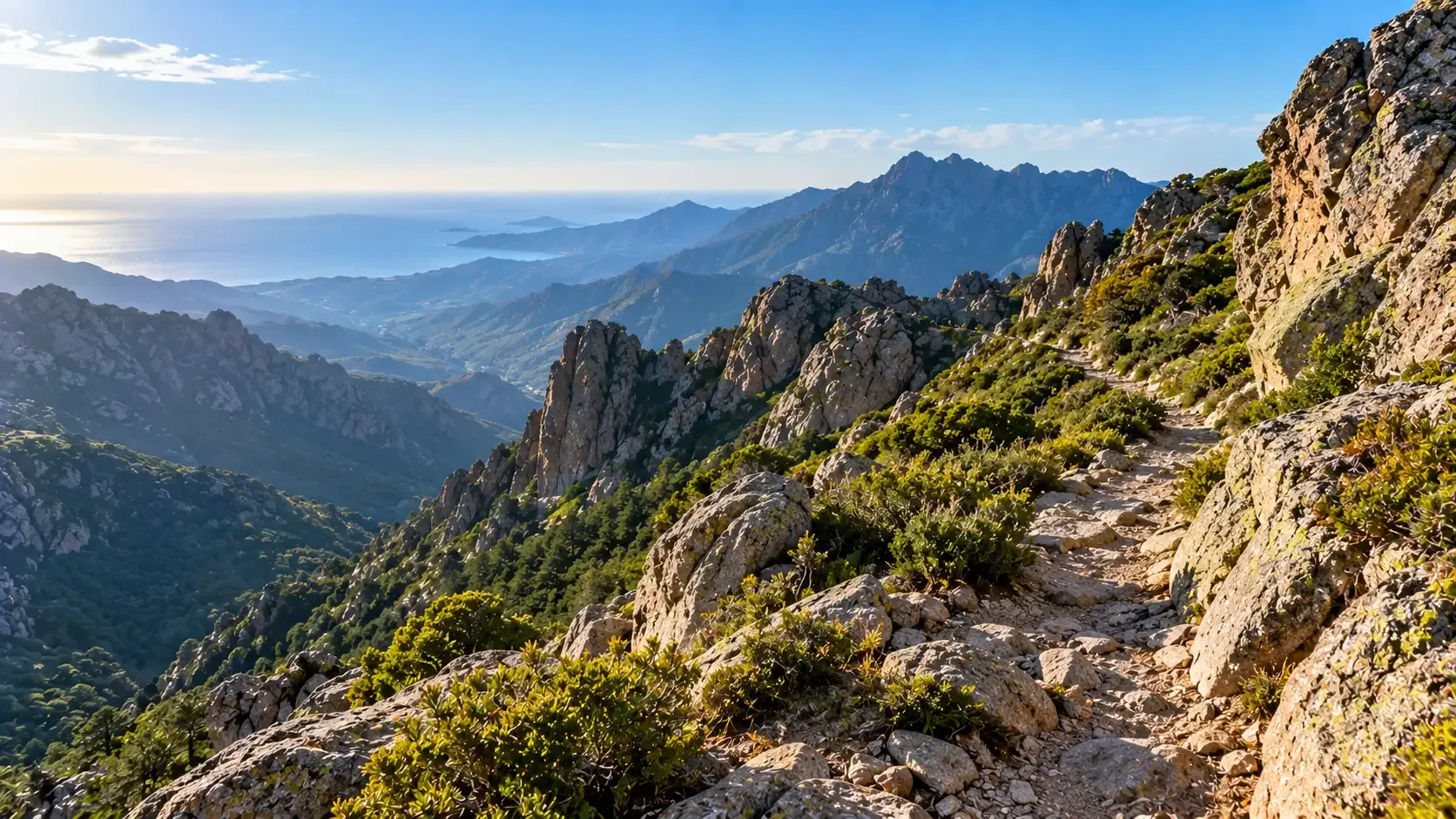
There are many things to do in Corsica; you can hike, enjoy water sports, visit cultural sites, and try local food. Because the island is small, you can usually get from mountain trails to beaches in less than two hours.
The GR20:
The GR20 (Fra li Monti) is the island's most famous hiking route, running 180 km from Calenzana in the north to Conca in the south. It is considered one of Europe's most challenging long-distance trails. Experienced hikers complete the full route in approximately 15 days, sleeping in mountain refuges. Day sections are available, particularly around the Bavella Needles in the south, so you don't need to commit to the full route.
Water activities:
- Boat rides from Porto and Ajaccio to Scandola and the Calanques de Piana (red granite gorges accessible only from the sea)
- Sea kayaking around Cap Corse or the Îles Sanguinaires near Ajaccio
- Snorkelling in the Lavezzi Islands, one of the clearest water reserves in the region
Cultural visits:
- Maison Bonaparte in Ajaccio: Napoleon's childhood home, now a national museum
- Palais Fesch in Ajaccio: France's largest collection of Italian paintings outside the Louvre
- The Genoese towers that line the coast: Over 70 spread across the island, each built as a watchtower during Genoese rule
Activity | Location | Duration | Season |
GR20 hike (full route) | Calenzana to Conca | 15 days | June to September |
GR20 day sections (Bavella) | Southern interior | Half or full day | May to October |
Boat ride to Scandola | From Porto, Calvi, Ajaccio | Half day | April to October |
Palombaggia beach | Porto-Vecchio area | Half to full day | May to September |
Lavezzi Islands (snorkelling) | From Bonifacio | Half day | June to September |
Maison Bonaparte visit | Ajaccio old town | 1 to 2 hours | Year-round |
Palais Fesch museum | Ajaccio | 2 to 3 hours | Year-round (check seasonal hours) |
What Is the Best Time to Visit Corsica?
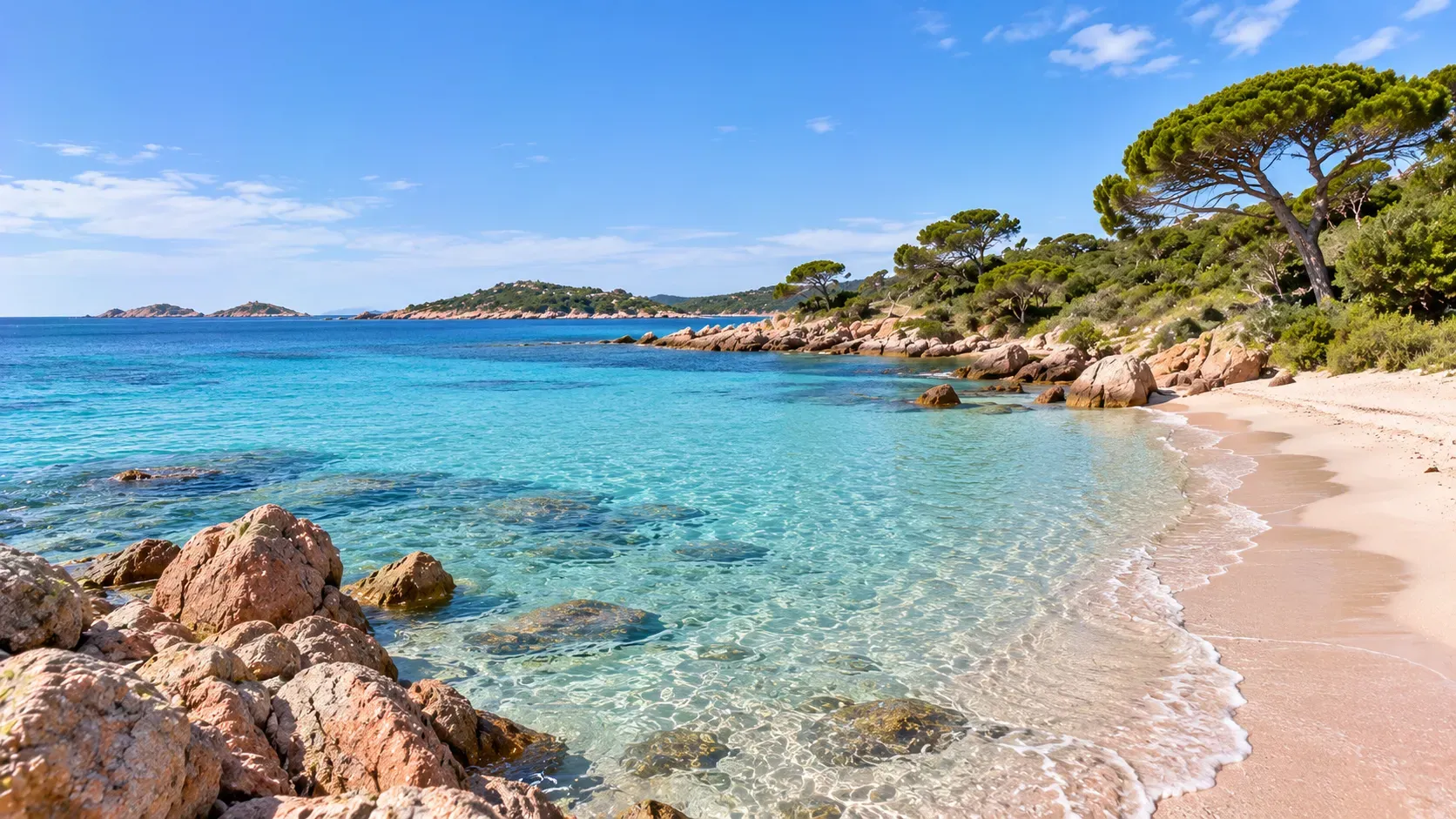
The best time to visit Corsica is May, June, or September. The sea is warm for swimming, the island isn’t crowded, and the wild scrubland, called maquis, smells its best during these times.
July and August are the busiest months. Beaches and roads get crowded, ferries from Nice and Marseille fill up months ahead, and hotels are most expensive. People who know Corsica well usually avoid August.
Month | Sea Temp | Crowds | Road Conditions | Best For |
April | 16°C | Low | Good | Hiking, quiet villages |
May | 19°C | Low to moderate | Good | Beaches opening; GR20 refuges open |
June | 22°C | Moderate | Good | All activities; fewer cars |
July | 25°C | High | Busy | Beach focus; avoid if possible |
August | 26°C | Very high | Congested | Not recommended for first visits |
September | 24°C | Moderate | Good | Best overall month |
October | 20°C | Low | Good | Hiking; sea still swimmable |
The best time to visit Corsica for the GR20 specifically is June or September; the mountain refuges are open, temperatures are manageable at altitude, and trail congestion is lower than in July and August.
Ferries to Corsica, France, from Nice, Marseille, and Toulon are easier to book and run more reliably outside the busy summer months.
What Does Ajaccio Offer as the Capital City?
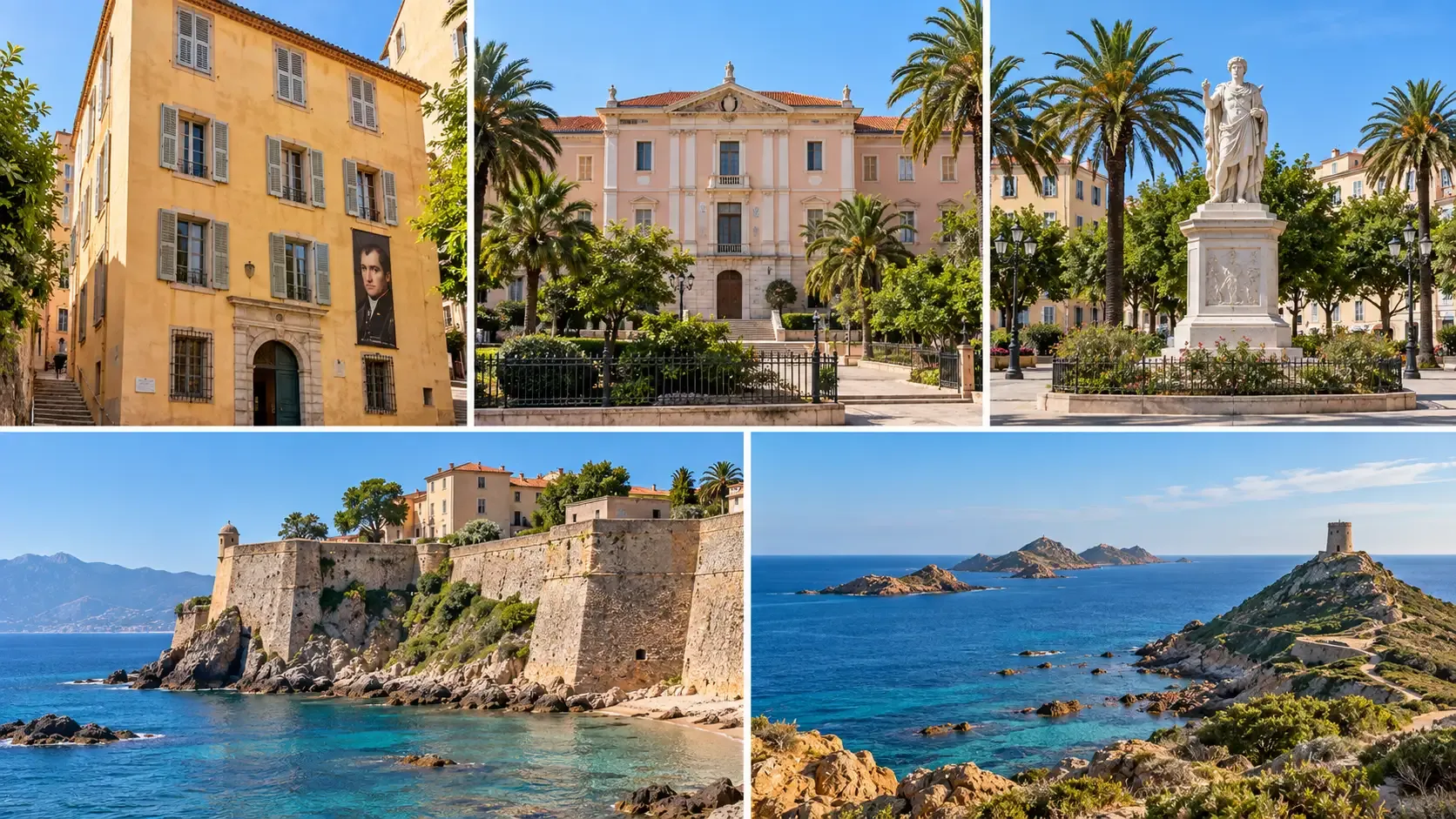
Ajaccio is Corsica’s capital and largest city, with about 76,320 people (2023 census). It’s on the Gulf of Ajaccio in the southwest, serving as both a busy Mediterranean port and the birthplace of Napoleon Bonaparte, who was born here in 1769.
Key Ajaccio highlights:
Site | Type | Entry | Distance from Port |
Maison Bonaparte | National museum; Napoleon's childhood home | Paid (free on certain days) | 5-min walk; old town |
Ajaccio Citadel | Genoese fortification (1492); partially open to public since 2021; some areas under ongoing restoration | Free entry (confirm current access at the official Ajaccio Tourism website) | Waterfront; south end |
Palais Fesch | Art museum; largest Italian paintings collection in France outside the Louvre | Paid | 10-min walk from port |
Place Foch | Central square; morning market; open-air cafes | Free | Waterfront; city centre |
Îles Sanguinaires | Red granite islands; Grand Site de France | Boat ticket | 14 km west; boat from port |
Ajaccio is best enjoyed at a relaxed pace. Spend your morning in the old town near Maison Bonaparte, have lunch by the port, visit Palais Fesch in the afternoon, and dine at a waterfront restaurant in the evening. For a top half-day getaway, take a boat to the Îles Sanguinaires to see the beautiful western coast.
Final Takeaway
Corsica, France, is 217 km from the mainland, but it feels like its own world. Top places to visit in Corsica include the white cliffs of Bonifacio, the UNESCO-listed Scandola Reserve, and the beaches near Porto-Vecchio. You can hike the 180 km GR20, take boat rides, or visit Napoleon museums in Ajaccio. The best times to go are May, June, or September, while August is best skipped. With good planning, you can see a lot of Corsica in a week.
If you’d like to plan a holiday to Corsica, France, tailored to your interests, timing, and preferred places to stay, Holiday Tribe’s advisors can help plan every detail.