


Most festivals are something you watch, but Timkat in Ethiopia is one where you might get splashed. On a January morning in Gondar, priests bless a 17th-century stone pool, and soon thousands of people jump into the cold water to renew their baptism. This is the heart of Timkat, Ethiopia’s Orthodox celebration of Christ’s baptism. It is louder, warmer, and much more welcoming than the quiet church service you might expect. If you have been thinking about visiting Ethiopia for Timkat in January and are wondering when to go, where to stand, or if it is worth planning a holiday around, this guide will help you with the dates, the cities, the three days of rituals, and practical tips for travelling from India.
What Is Ethiopia Timkat, Really?
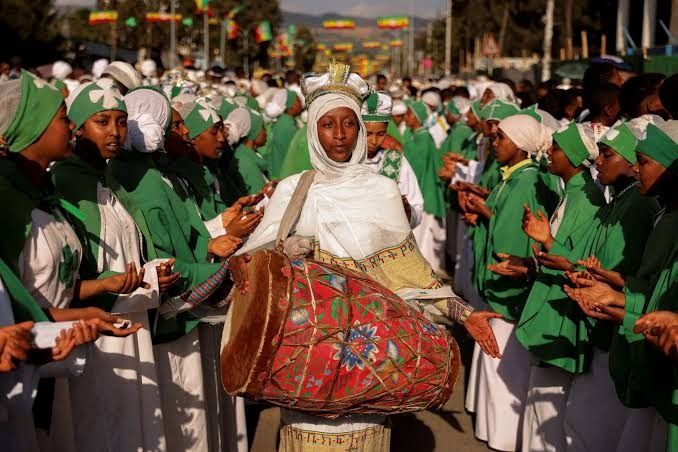
Here’s a quick summary. Ethiopia Timkat, also spelled Timket, is the Ethiopian Orthodox Tewahedo celebration of Epiphany. It marks the day John the Baptist baptized Jesus in the River Jordan. This is a major event, not just a local festival. In 2019, UNESCO recognized it as part of the Intangible Cultural Heritage of Humanity.
Timkat’s date is set by the Ethiopian calendar, so it stays the same each year. The most memorable part of the celebration is the Tabot, a cloth-wrapped replica of the Ark of the Covenant that is usually kept hidden in each church. Once a year, priests carry it on their heads, and the whole town follows behind. This scene is what most people imagine when they think of Ethiopia Timkat.
When Is Timkat In Ethiopia? 2027 Dates
Save the date: In Ethiopia, Timkat is usually on 19 January, but in leap years it’s on 20 January. The day before, called Ketera, is the festival’s eve. Here are the dates for the next couple of years.
Year | Ketera (Eve) | Timkat (Main Day) |
2027 | 18 January | 19 January |
2028 | 19 January | 20 January |
January is the dry season in most parts of the country. The days are bright and the nights are cool, which helps explain why Ethiopia’s Timkat festival attracts visitors from around the world.
What Actually Happens Across The Three Days
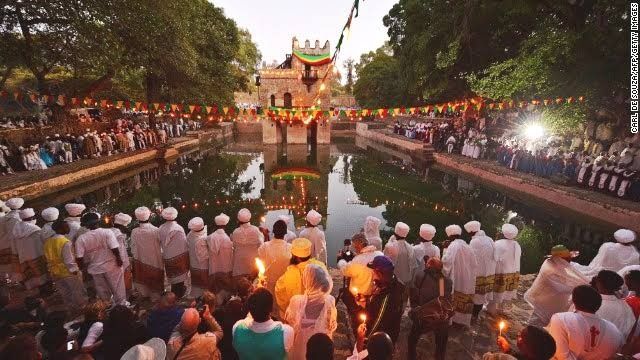
Timkat in Ethiopia is a three-day festival, and each day feels different. If you can only experience one part, go for the eve, when the excitement really starts to build. Here’s what usually happens.
- On the first day, Ketera (the eve), priests carry the Tabot from each church to the water in the late afternoon, wrapped in velvet. People in white cotton shawls gather along the route, with drums, hymns, and incense.
- The second day, Timkat (the main day), is the biggest celebration. A liturgy goes on through the night, and at dawn, the water is blessed. After that, people jump in to renew their baptism, fully clothed and loving every moment.
- On the third day, the Tabots are carried back to their churches, sometimes with a tribute to St Michael. Things are calmer, the crowds are smaller, and it’s a great chance to watch without the rush.
Throughout all three days, Timkat in Ethiopia follows the same pattern: procession, vigil, water, and celebration.
Where Should You Watch The Timkat Festival Ethiopia Celebrates?
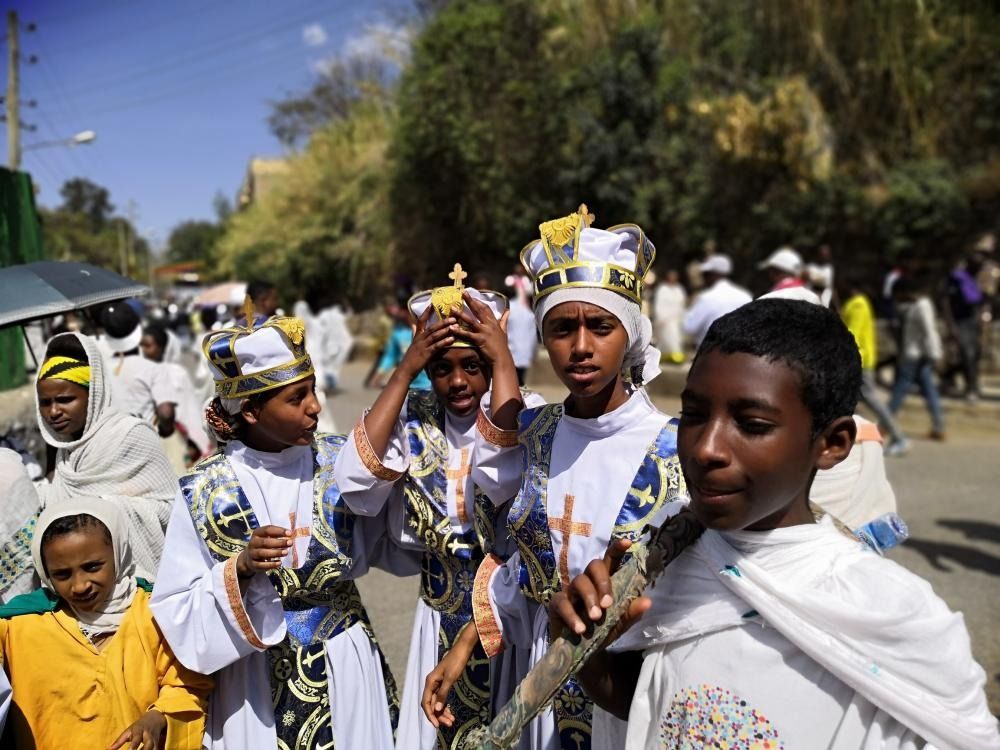
If you want the classic postcard experience, go to Gondar. Still, every city offers its own unique take on Timkat in Ethiopia, so it really depends on what you’re looking for.
- Gondar is the main event. The ceremony takes place at Fasilides Bath, a royal pool from the 17th century, where thousands jump into the blessed water together. It’s the most famous place to experience Timkat in Ethiopia.
- In Lalibela, you can enjoy the festival alongside the famous rock-hewn churches carved into the ground. It’s a deeply spiritual experience with smaller crowds but an incredible atmosphere.
- In Addis Ababa, people gather for Timkat at Jan Meda field in the capital. It’s easy to get to and a good choice if you’re short on time.
- Axum is quieter and full of history, with the blessing taking place at the Bath of the Queen of Sheba.
City | Best For | Crowd Level |
Gondar | The iconic water dive | Very high |
Lalibela | Churches plus ritual | High |
Addis Ababa | Short visits, easy access | High |
Axum | Calm, historic feel | Moderate |
What To Eat, Drink And Try While You’re There
Festival days are all about big feasts, especially since many people have been fasting before. That makes the food taste even better.
- Injera with doro wat: A spongy sourdough flatbread torn and dipped into a slow-cooked chicken-and-egg stew. The national plate, and the one to start with.
- Tej: A honey wine served in a rounded flask. Sweet, strong, and very easy to underestimate.
- The coffee ceremony: Beans roasted, ground and brewed in front of you across three rounds. Coffee was born here, so this is the real thing.
All of this happens close to the Ethiopia Timkat route, as the celebrations spill out into homes and streets.
Planning Ethiopia Timkat From India: The Practical Bits
Here’s some good news: getting to Timkat in Ethiopia from India is easier than many people think, since Ethiopian Airlines offers direct flights to Addis Ababa.
- Visa: Indian travellers can apply for an Ethiopia e-visa online or get one when they arrive at Addis Ababa Bole Airport. If you have an e-visa, you must enter through Bole, so plan your flights with this in mind.
- Vaccination: You need a yellow fever certificate if you are coming from or passing through a country with yellow fever. It’s a good idea to carry one anyway.
- When to arrive: Try to get to your festival city a day before Ketera. This way, you’ll be settled in time for the evening procession.
- What to pack: Bring light layers for warm days and chilly mornings, comfortable shoes for standing, and a white shawl if you want to fit in with the crowd.
When it comes to cost, most Ethiopia Timkat holidays are quoted as land-only, so you’ll need to budget separately for flights. This way, you get a clear idea of expenses and can pick your own route.
Plan Your Festival Holiday With Holiday Tribe
Ethiopia’s Timkat festival is a rare celebration that truly belongs to the people, and you can be right in the middle of it. The water, the drums, the all-night hymns, and the sea of white cotton at dawn will stay with you long after the festival ends. If you want to skip the hassle of figuring out dates, permits, and which city to visit, we can help. Holiday Tribe offers both ready-made Timkat itineraries and fully customised holidays designed around your schedule, your pace, and your group. Just let our advisors know what kind of Timkat experience you’re looking for, if it’s a quick trip to Gondar or a full northern circuit, and we’ll handle the details so you can simply show up by the water.