

A cultural show in Europe offers something you won’t find in a museum. You get to experience living traditions, with real musicians and dancers bringing centuries of history to life. From the sound of flamenco heels in Seville to opera echoing through a Roman amphitheatre, these performances can turn an ordinary evening into a story worth telling. This guide is for travellers who want more than just pictures. Here are 10 traditional performances, each rooted in a different European culture, worth planning an evening around. You’ll learn what makes each one special, where to see it, and the best time to go, since most are seasonal.
What Are the Best Traditional Cultural Shows in Europe?
1. Flamenco, Seville (Spain)
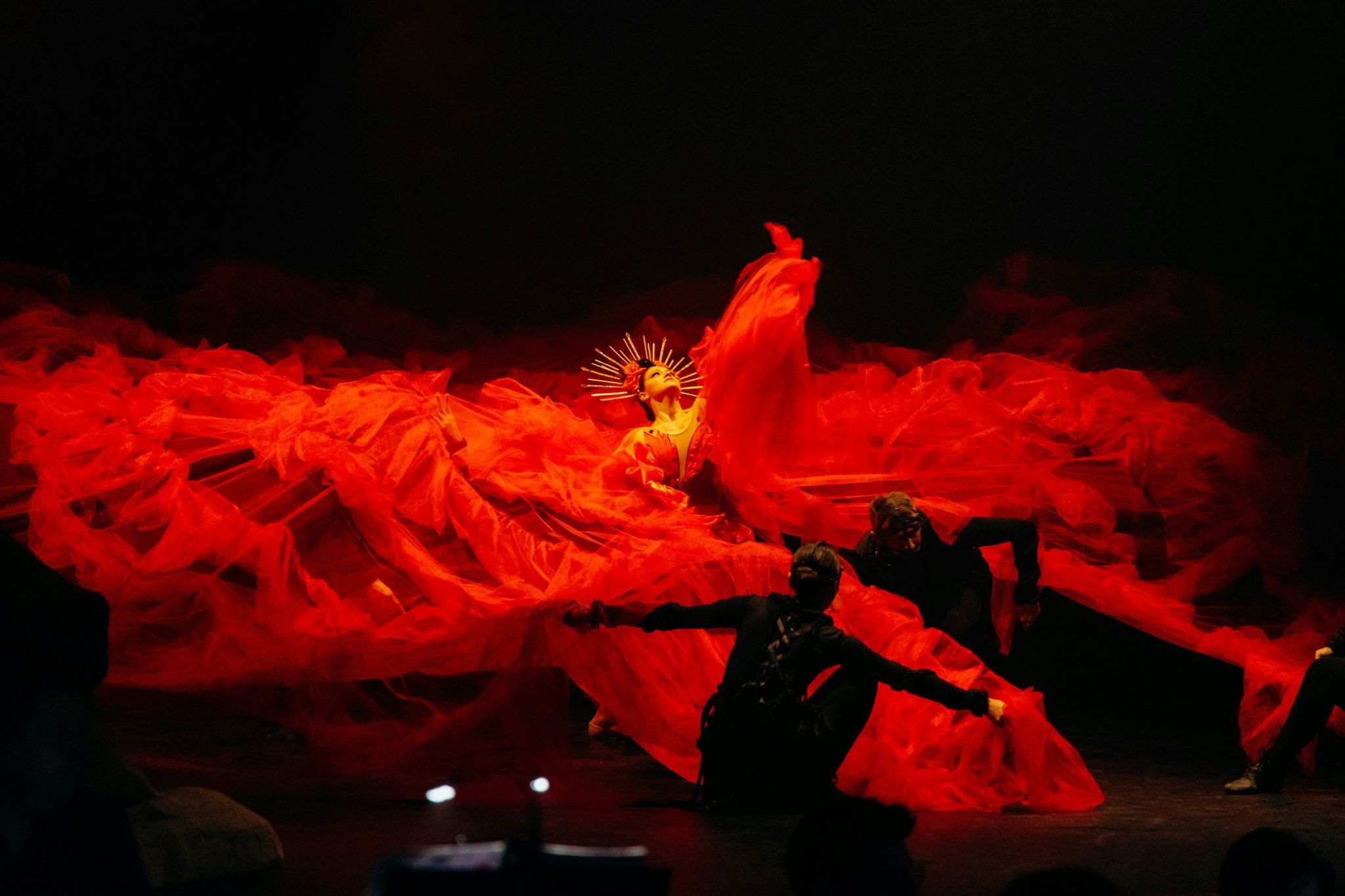
Flamenco makes a powerful first impression like no other European cultural show. UNESCO recognised its importance in 2010, and you can still hear, see, and feel it live across Andalusia in small venues called tablaos. True flamenco brings together three elements: cante (song), baile (dance), and toque (guitar).
- Where to catch it: Seville, Granada and Jerez de la Frontera, in small tablaos rather than big arenas.
- Why it stands out: It is raw and improvised, built on feeling rather than fixed choreography.
- Plan around this: Shows run all year; a later evening slot tends to feel the most honest.
2. Fado, Lisbon (Portugal)
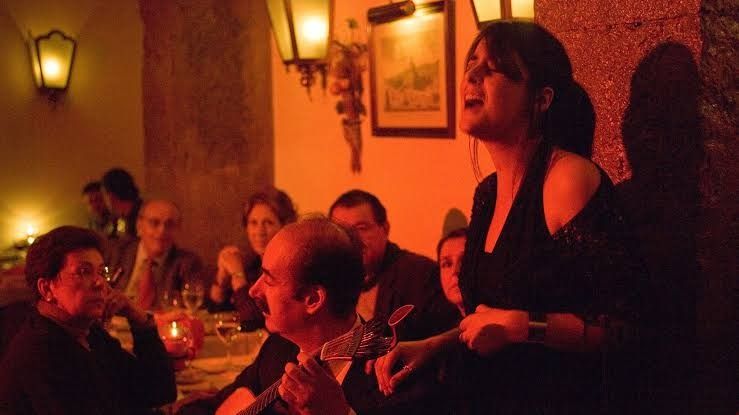
If you’re looking for a slower, more emotional cultural show in Europe, Lisbon’s fado is a great choice. This soulful music, recognised by UNESCO since 2011, is rooted in saudade, the Portuguese word for longing. One singer performs each song, accompanied by the twelve-string, pear-shaped Portuguese guitarra.
- Where to catch it: The Alfama and Bairro Alto districts, in small fado houses.
- Why it stands out: Amália Rodrigues, the "Queen of Fado", made it a national symbol, and the word fado comes from the Latin for fate.
- Plan around this: Dinner-and-fado evenings are common, and some venues ask for silence during each song.
3. Riverdance, Dublin (Ireland)
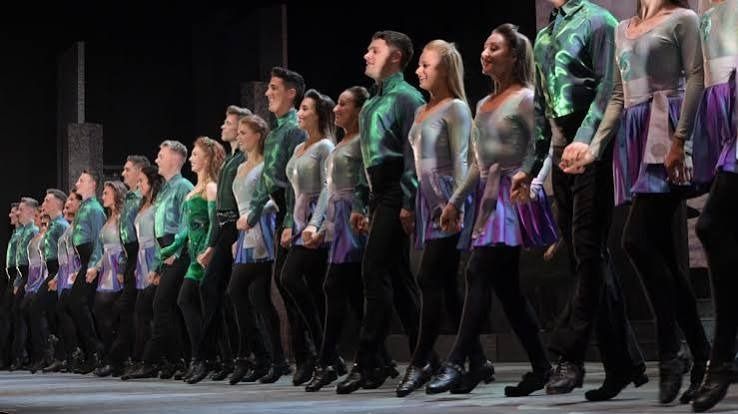
Image Source: Riverdance Official Website
While many cultural shows in Europe have a long history, Riverdance is a newer and lively addition. It started as a seven-minute act during the 1994 Eurovision in Dublin, seen by about 300 million viewers, and became a full stage show in 1995.
- Where to catch it: The Gaiety Theatre in Dublin each summer, plus touring dates.
- Why it stands out: Rapid-fire footwork with a still upper body, set to Bill Whelan's driving score.
- Plan around this: Family-friendly and roughly two hours; book ahead for the Dublin summer runs.
4. Opera at the Arena di Verona (Italy)
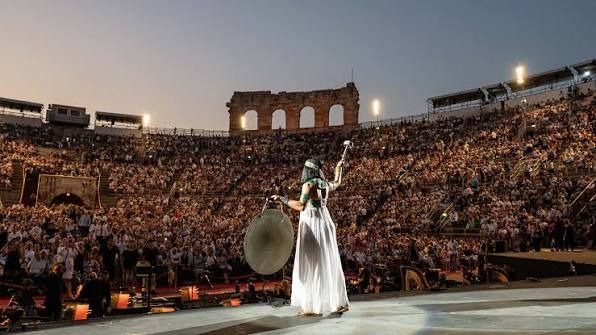
Image Source: Arena di Verona Official Website
If you love big, impressive events, this is the top European cultural show. The Arena di Verona, a Roman amphitheatre built in the first century AD, has held a summer opera festival since 1913. The 2026 season will be its 103rd, running from June to September.
- Where to catch it: Piazza Bra in Verona, in the open-air arena seating around 15,000.
- Why it stands out: Verdi's Aida opened the festival in 1913 and remains its signature staging.
- Plan around this: Bring a cushion, as the stone steps are original, and expect evening starts in the summer heat.
5. Lipizzaner Stallions, Vienna (Austria)
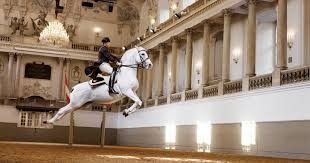
Image Source: Spanish Riding School Official Website
Cultural shows in Europe aren't just about people. Vienna's Spanish Riding School, which has been around since about 1572, is the world's oldest classical riding academy. Here, white Lipizzaner stallions perform dressage routines set to classical music.
- Where to catch it: The baroque Winter Riding School inside the Hofburg Palace.
- Why it stands out: The famous "Airs Above the Ground" leaps, and the fact that this horsemanship is UNESCO-listed.
- Plan around this: Gala performances run about 70 to 90 minutes; the morning training session is a calmer, gentler-priced option.
6. Highland Games (Scotland)
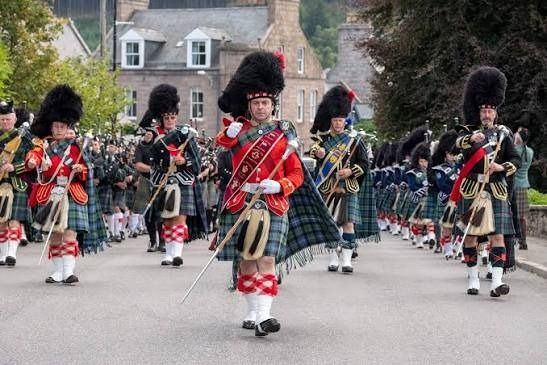
Image Source: Scotland Tourism Official Website
Scotland's Highland Games blend sport and culture, making them one of Europe's oldest games, dating back to the 11th century. You can look forward to massed bagpipes, Highland dancing, and heavy events like the caber toss.
- Where to catch it: The Braemar Gathering each September, often attended by the royal family, is the most famous; smaller games run May to September.
- Why it stands out: The caber is a Scots pine log about six metres long and roughly 79kg, tossed to land at "12 o'clock".
- Plan around this: Outdoor and weather-dependent, family-friendly, and a vivid slice of European history.
7. Greek Folk Dance At Dora Stratou, Athens (Greece)
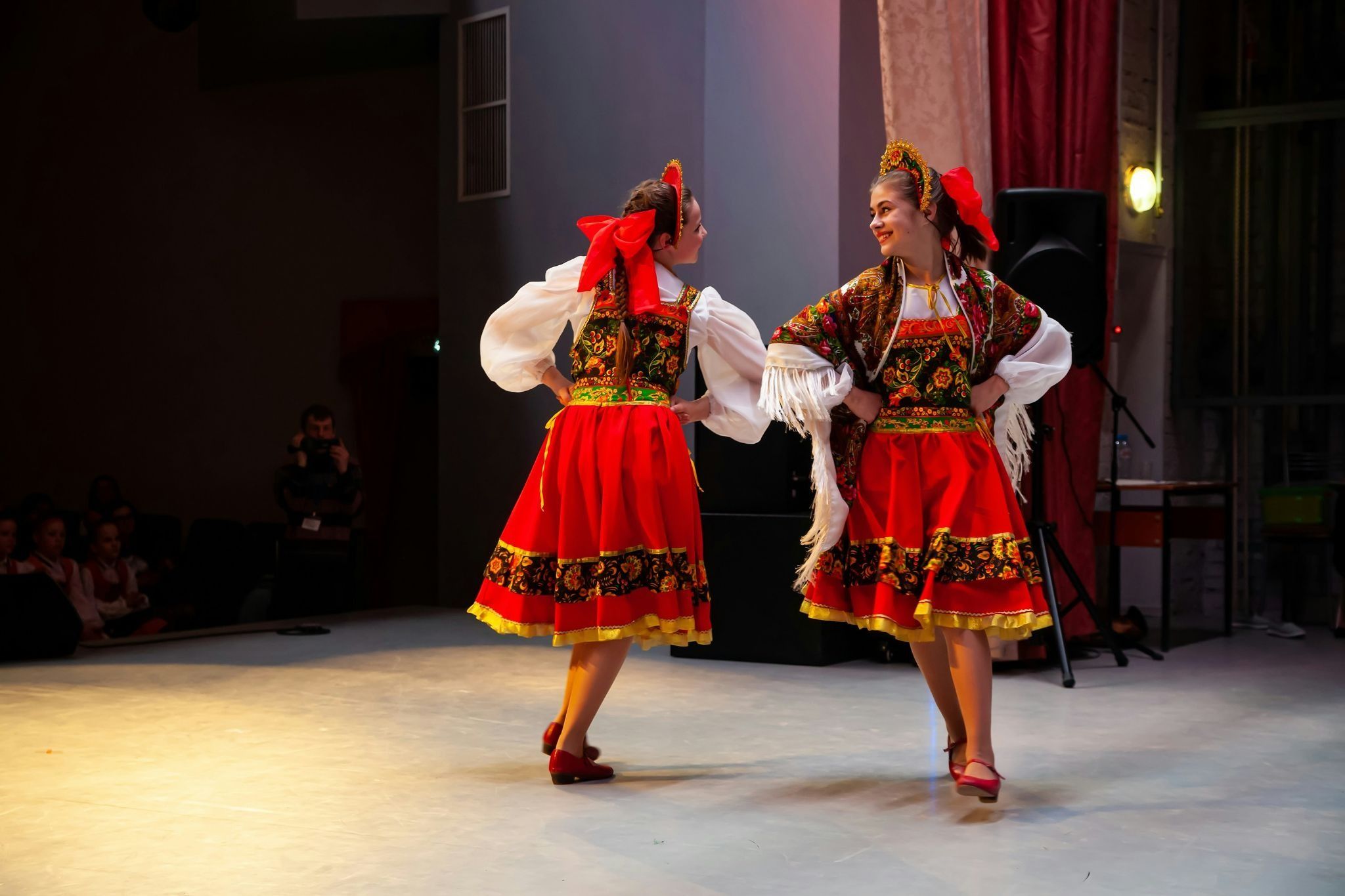
If you want to enjoy a warm, open-air cultural show in Europe, visit the Dora Stratou Theatre in Athens. Since 1953, this "living museum of Greek dance" has featured regional dances performed in over 2,000 authentic costumes made in villages.
- Where to catch it: An 860-seat garden theatre on Philopappou Hill, facing the Acropolis.
- Why it stands out: Each programme represents a different island or province, with live music and folk singers.
- Plan around this: The season runs from late May to September, and shows last about 90 minutes.
8. Fest-Noz (Brittany, France)
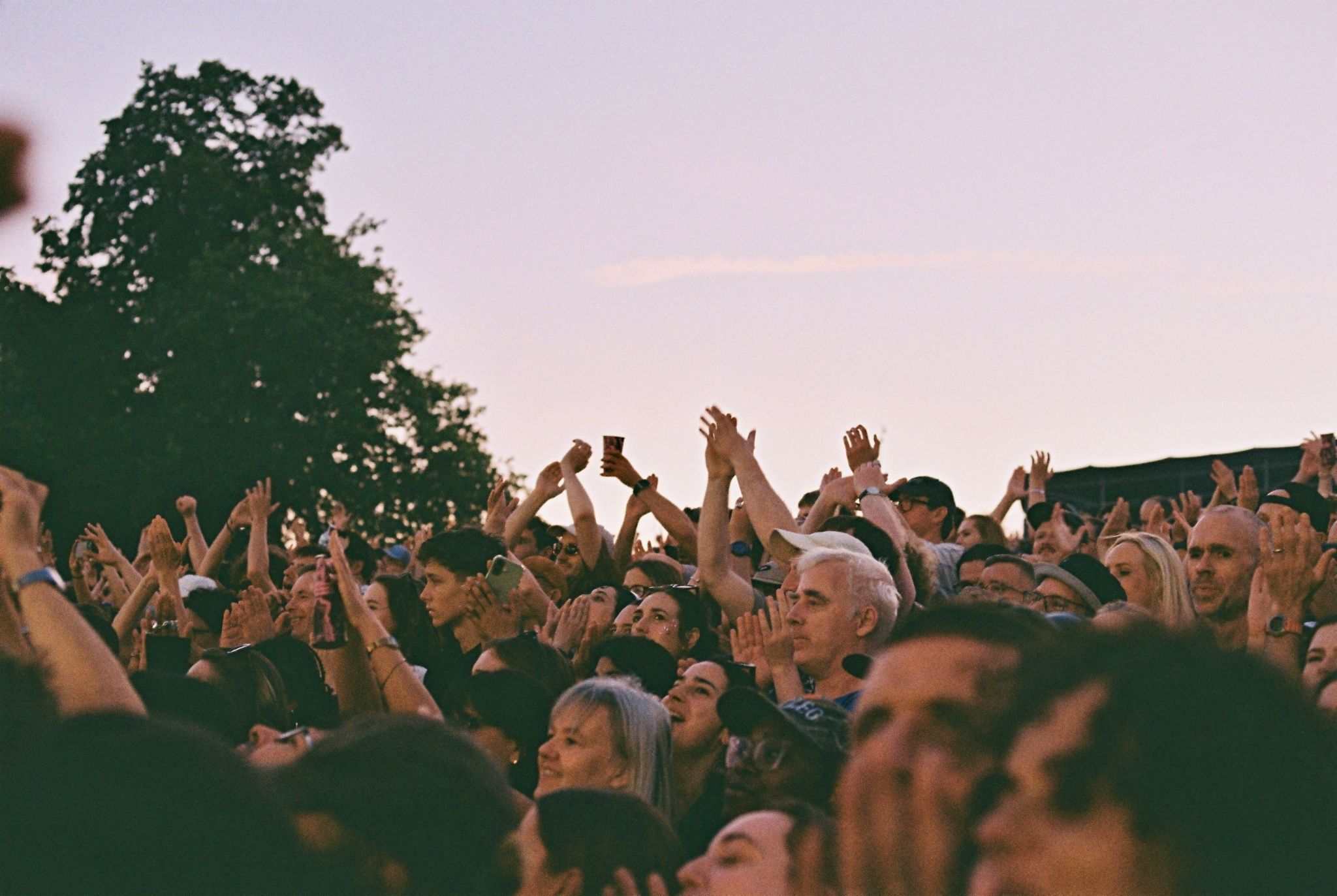
Some of the best festivals in Europe are those where you take part instead of just watching. In Brittany, the fest-noz, which means "night festival" in Breton, brings people together for communal dancing. These events have been recognised by UNESCO since 2012, and about a thousand take place each year.
- Where to catch it: Village halls, barns and open squares across Brittany.
- Why it stands out: Dancers link arms in chains and circles, and regulars happily teach beginners the an-dro and gavotte.
- Plan around this: No experience needed; comfortable shoes and a little cash are the only real requirements.
9. Yodelling and the Alphorn (Switzerland)
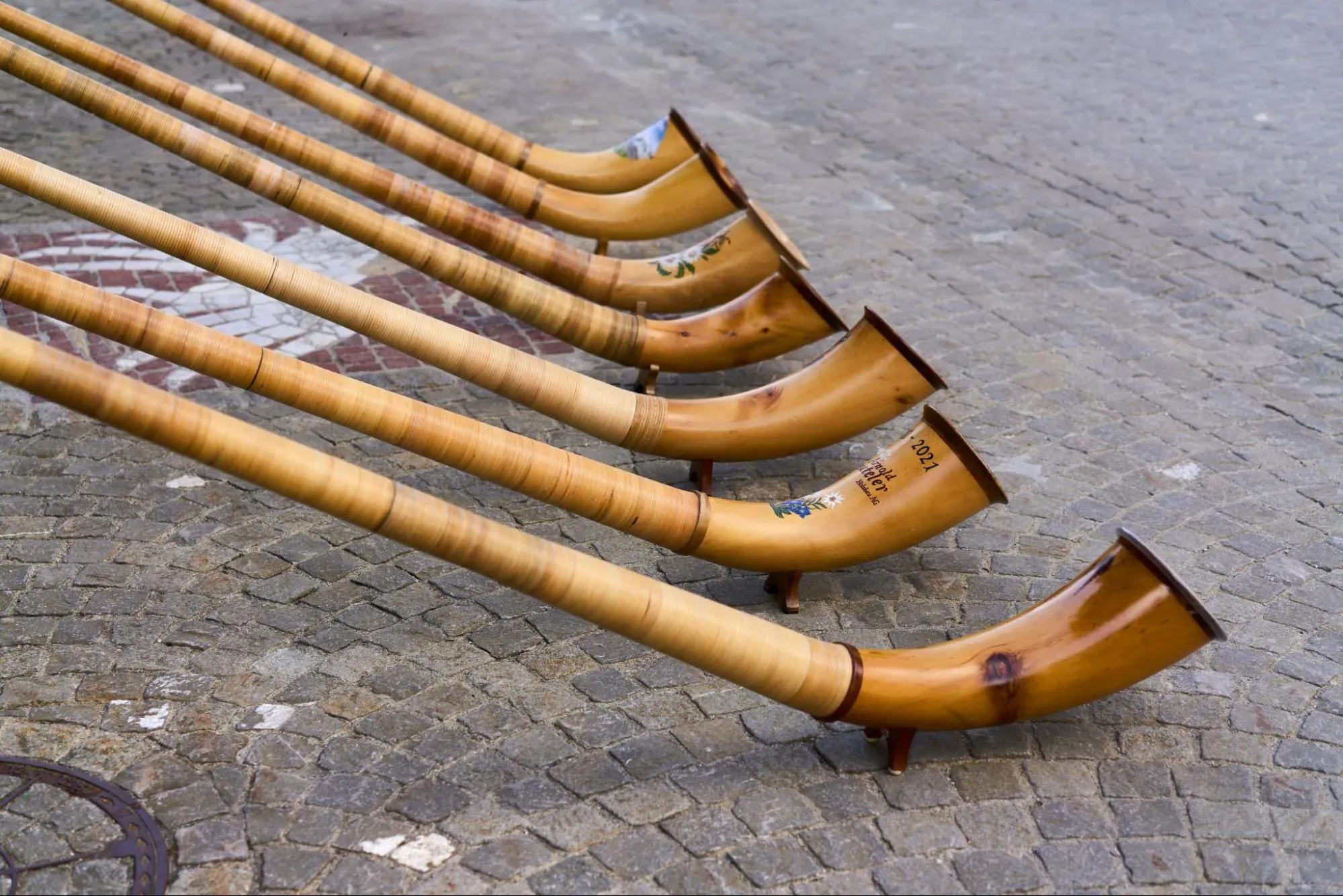
Yodelling is a cultural show in Europe that you often hear before you see. This wordless singing style, which moves between chest and head voice, was added to UNESCO's list in 2025 and is often performed with the long alphorn.
- Where to catch it: Alpine folklore evenings and festivals in regions like Appenzell and the Bernese Oberland.
- Why it stands out: More than 12,000 yodellers are members of Switzerland's Federal Yodelling Association.
- Plan around this: Summer village festivals are your best bet, and the whole thing is family-friendly.
10. Táncház, Budapest (Hungary)
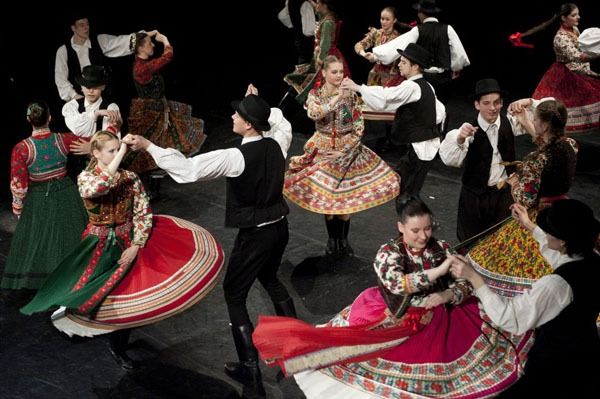
Image Source: Táncház Official Website
The last entry is a European cultural show where the audience becomes part of the performance. Táncház, or "dance house," started as a Hungarian folk revival in Budapest in 1972 and was recognised by UNESCO in 2011 as a model for preserving heritage.
- Where to catch it: Folk clubs across Budapest, where the movement is strongest today.
- Why it stands out: Live string bands play mostly Transylvanian tunes, and anyone of any age can step in.
- Plan around this: Events run weekly in the evenings; go mid-week for a gentler, less crowded first go.
Which European Cultural Show Is Right For You?
Show | Country | Best for | Season |
Flamenco | Spain | Raw emotion, intimacy | All year |
Fado | Portugal | Slow, soulful evenings | All year |
Riverdance | Ireland | Families, high energy | Summer |
Arena di Verona opera | Italy | Grand scale, romance | Jun to Sep |
Lipizzaner stallions | Austria | Elegance, something different | Sep to Jun |
Highland Games | Scotland | Families, spectacle | May to Sep |
Greek folk dance | Greece | Warm open-air nights | Late May to Sep |
Fest-noz | France | Joining in, community | Year-round, peaks summer |
Yodelling | Switzerland | Alpine tradition, families | Summer |
Táncház | Hungary | Hands-on, low cost | Year-round |
Tribe Travel Tip: Most of these events are seasonal, so it’s best to choose your travel dates based on the show you want to see. For example, the Verona opera and Greek dance are at their best in summer, the Braemar Gathering happens in September, and Vienna’s Lipizzaners take a break during the hottest months. Decide on the performance date first, then plan the rest of your holiday around it.
Where European Culture Comes Alive
Seeing a cultural show in Europe can turn a destination from just another stop into a story. These ten experiences include the passion of flamenco, the emotion of fado, and the excitement of Lipizzaner horses. Each one is worth planning for, especially when it comes to timing and tickets. If you prefer to have the details taken care of, Holiday Tribe’s advisors can create a custom itinerary focused on these experiences, making sure your evenings are as special as your days. You can start planning at holidaytribe.ai.