

Most people hear "south of France" and picture one thing: expensive hotels and crowded beaches in July. The reality is more interesting than that. The coast between Menton and Saint-Tropez is lined with towns that each feel like a different country. One has a medieval hilltop village 400 metres above the sea. Another has a harbour full of superyachts and a casino with a passport check at the door. A third has a daily flower market and chickpea pancakes sold from street stalls. The French Riviera connects all of them by a single coastal train line, and you can visit three in a day without trying particularly hard. In this guide, we cover the best towns to visit, where to stay, how to get around and what to eat in each place.
Key Takeaways
Key Information | Quick Answer |
Best places to visit | Nice, Cannes, Monaco, Antibes, Eze, Menton, Villefranche-sur-Mer |
Best base for most travellers | Nice (best transport links, widest accommodation range) |
Best time to visit | May to June and September to October (warm, fewer crowds than July and August) |
Getting around | Regional TER/ZOU trains run every 15–30 minutes along the coast |
Ideal duration | 5 to 7 days to cover the main towns comfortably |
What Is the French Riviera?
The French Riviera, or Côte d’Azur, is the Mediterranean coastline in southeast France. It stretches from the Italian border near Menton to around Saint-Tropez. Here, you'll find blue waters, old harbours, hilltop villages, and charming coastal towns. Monaco is also part of this region.
- Main cities: Nice, Cannes, Antibes, Monaco and Menton are the main French Riviera cities, while smaller places like Èze and Villefranche-sur-Mer add a quieter charm in between.
- What attracts visitors: Beaches, regional food, art museums, lively markets and the laid-back pace of life along the coast.
- Best time: May to October brings warm and generally dry weather. July and August are the busiest months, so expect more crowds and higher prices.
- Easy to explore: The region is quite compact, with many major towns connected by coastal train routes and often reachable within an hour of each other.
Where Should You Stay on the French Riviera?
Nice: Hotel Villa Rivoli
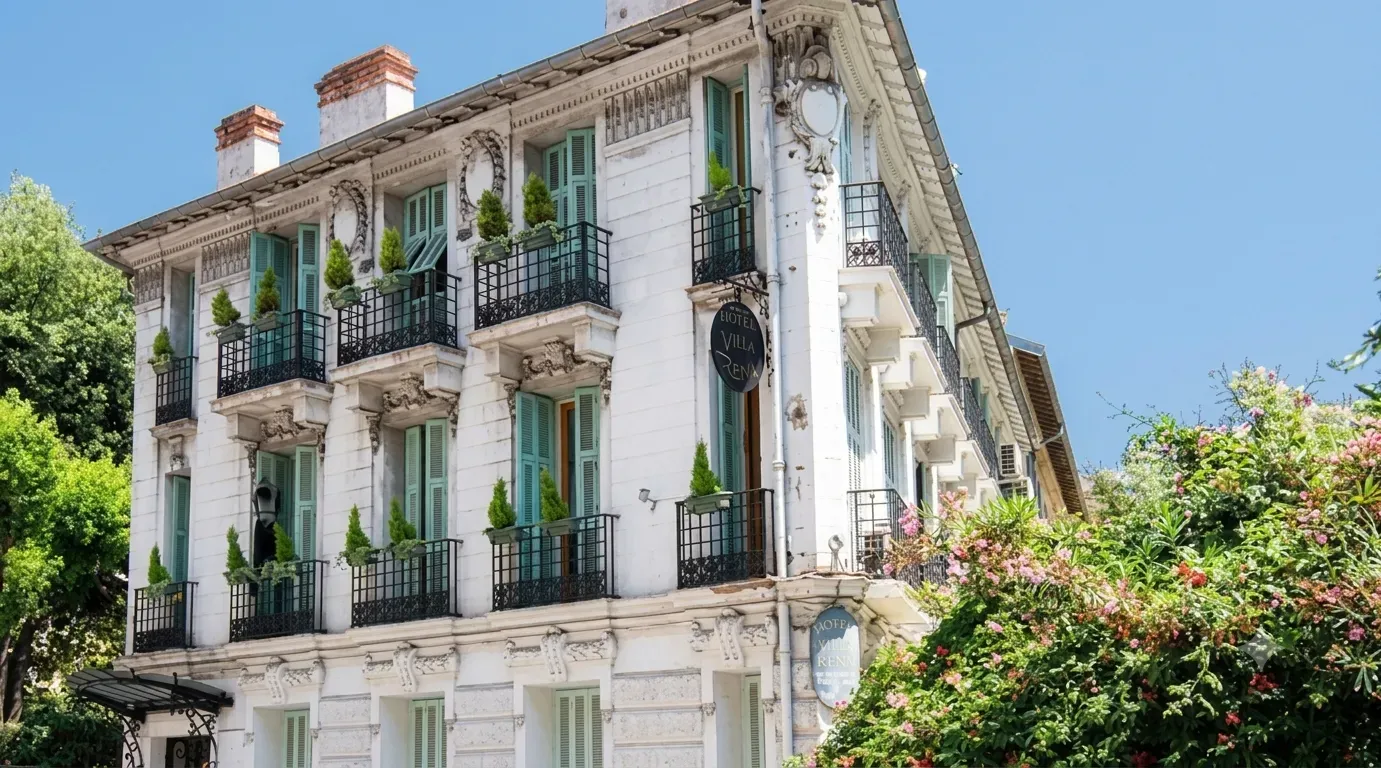
A small hotel inside an old 1890s mansion, with balconies and old-style furniture that give the rooms a traditional character. It is also just a short walk from the Promenade des Anglais.
- Why choose Nice: It has the main airport and train station, making it one of the easiest bases for exploring the French Riviera.
- Extra comfort: You also get access to a private beach spot and a quiet garden where you can sit back.
Antibes: Hotel Belles Rives
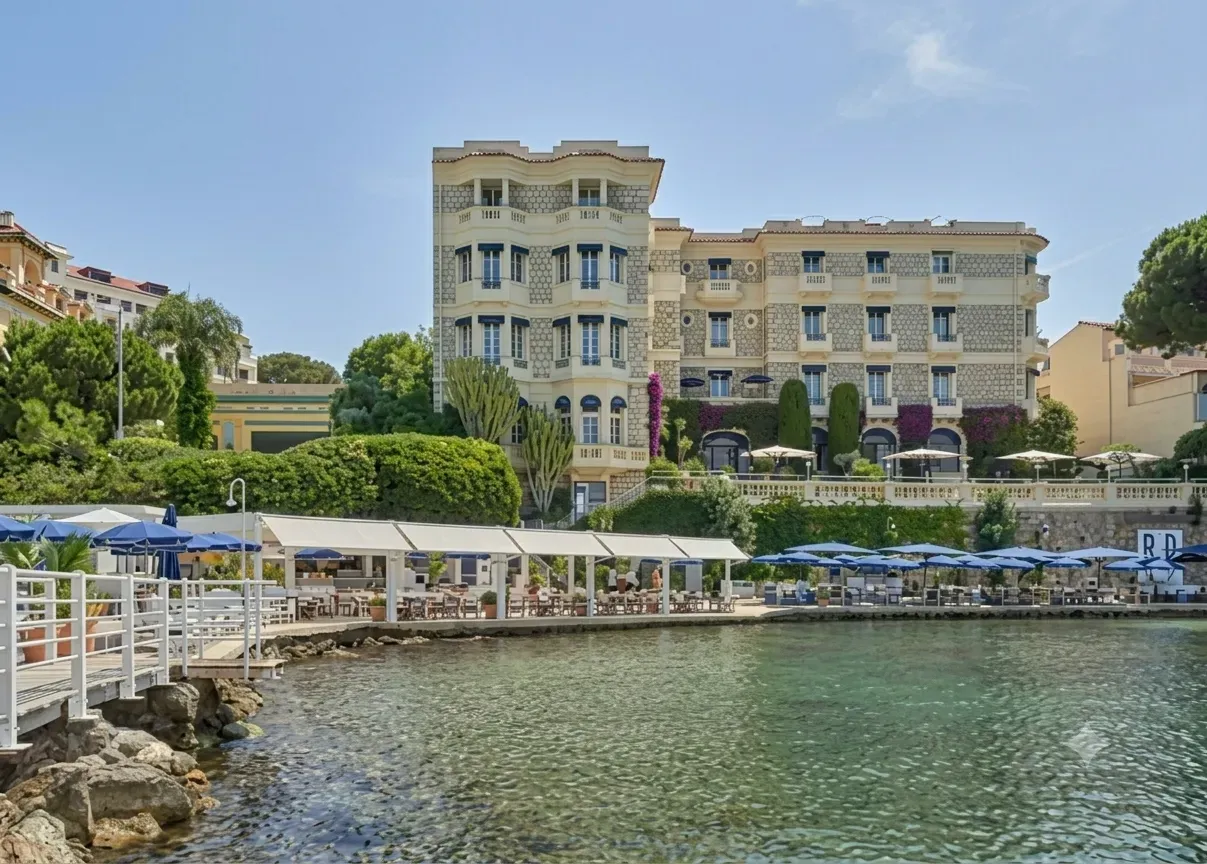
Right on the water at Cap d’Antibes, this hotel comes with its own beach and pier below. F. Scott Fitzgerald once lived here, and the bar still carries his name.
- Why choose Antibes: It is quieter than Nice but only around 15 minutes away by train.
- What’s nearby: You are close to the old town, its daily market and some of the coast’s best beaches.
Villefranche-sur-Mer: Welcome Hotel
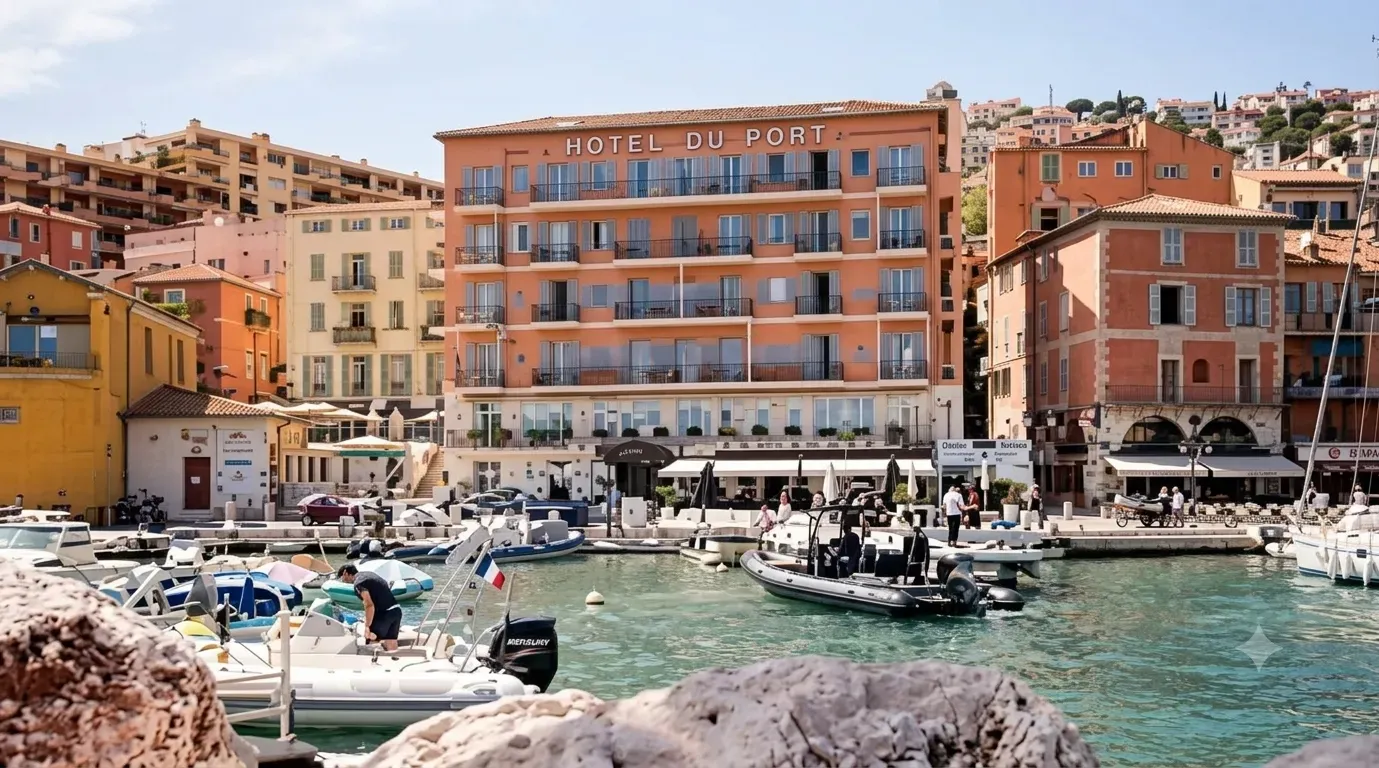
An old townhouse sitting right on the harbour, with shutters and balconies facing the bay. Some rooms look directly towards Cap Ferrat.
- Why choose Villefranche-sur-Mer: Its natural harbour is one of the prettiest on the coast, and the town feels much calmer than the bigger Riviera destinations.
- Good for sea views: It is a strong pick if you want waterfront scenery without paying Monaco-level prices.
Menton: Ibis Styles Menton Centre
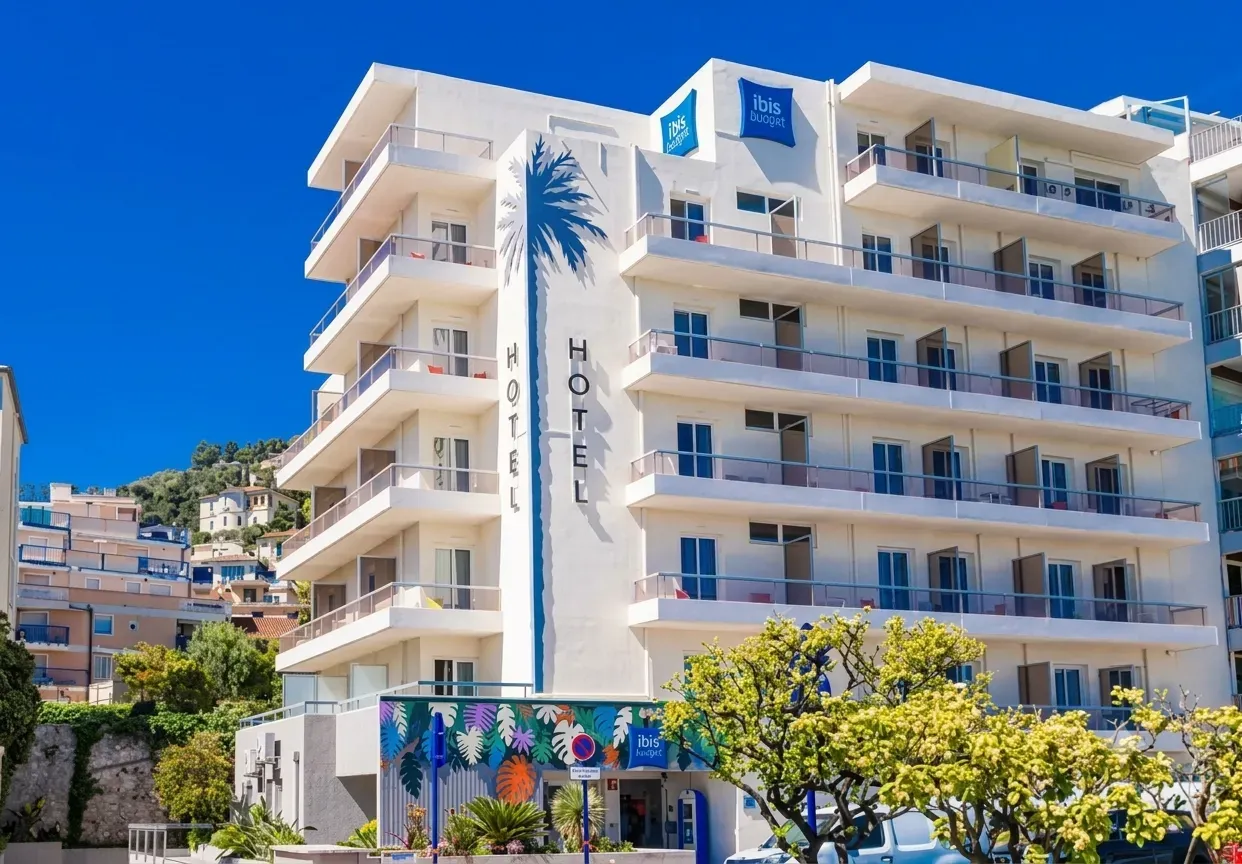
A simple, modern hotel close to Menton’s old town and beach. The staff are also known for being helpful when you need local recommendations.
- Useful extras: Free coffee, water and beach towels are available throughout the day.
- Why choose Menton: It is the last town before Italy, giving you a nice mix of French and Italian influences with fewer crowds.
Cannes: Hôtel Barrière Le Grey d’Albion
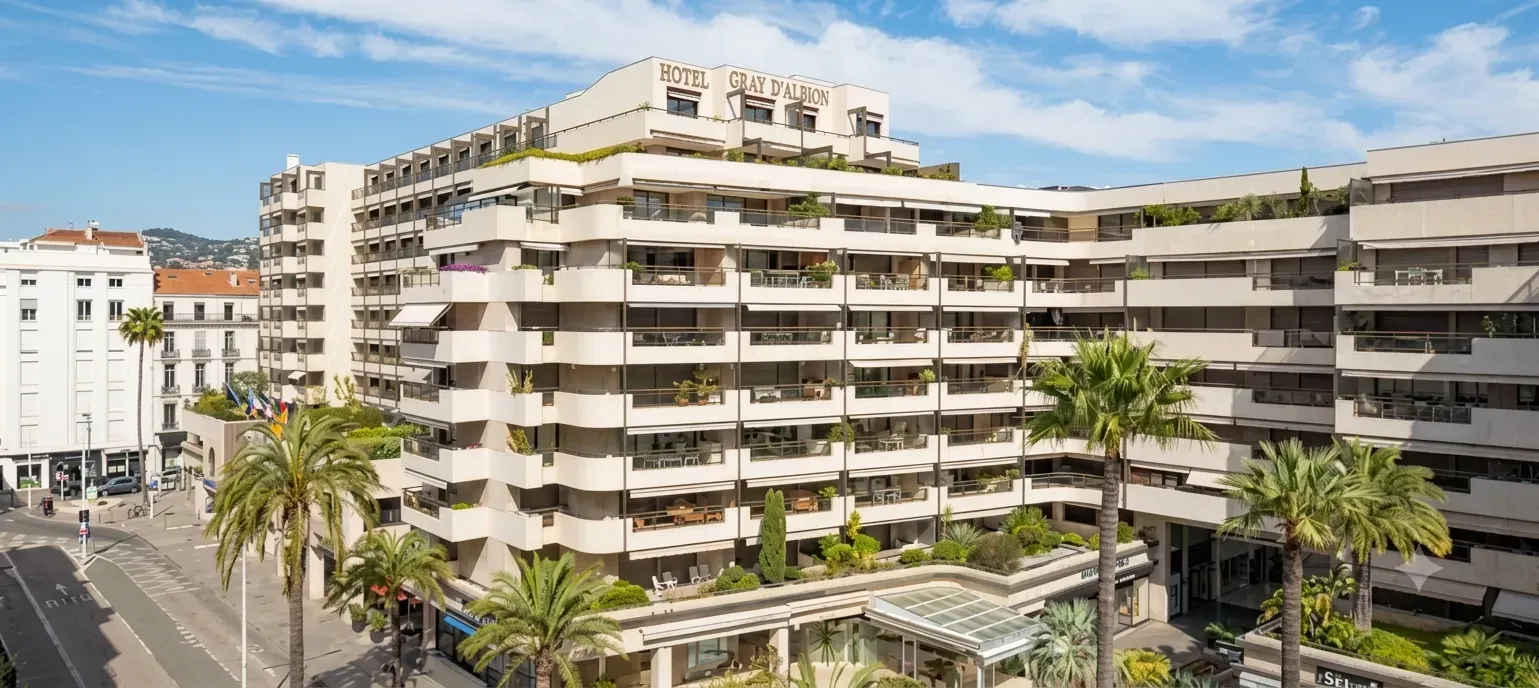
A four-star hotel a short walk from La Croisette, with its own beach and spa. The rooms are modern without feeling overly flashy.
- Why choose Cannes: You are close to the glamorous seafront as well as the more traditional Forville Market side of town.
- Good for: Shopping, restaurants and beach clubs, all within easy reach.
How Do You Get Around the French Riviera?
Option | Approx. Cost | Convenience | Main Limitation |
Regional train (TER/ZOU) | EUR 4 to 15 one way between major towns | Excellent. Runs every 15–30 minutes along the coast. Nice to Monaco: 20 min. Nice to Cannes: 35 min | Doesn't reach hilltop villages like Eze directly |
Bus (ZOU regional) | EUR 1.50 to 2.50 per trip | Reaches villages the train misses, including Eze. Scenic coastal routes | Slower, less frequent, can be crowded in summer |
Rental car | From EUR 30 to 50 per day | Best for inland villages and flexibility | Parking in coastal towns is expensive and limited in summer |
Taxi/Uber | EUR 30 to 80+ per trip | Convenient for airport transfers and late-night travel | Expensive for regular use. Uber availability varies outside Nice |
Pass SudAzur Explore | EUR 20 per day (unlimited trains + buses) | Best value if visiting multiple towns in one day | Only covers regional transport, not long-distance trains |
The train is the best option for most visitors. The coastal TER line connects all the major French Riviera towns, runs frequently, and the journey itself is one of the most scenic rail rides in Europe.
What Are the Best Places to Visit in the French Riviera?
Nice
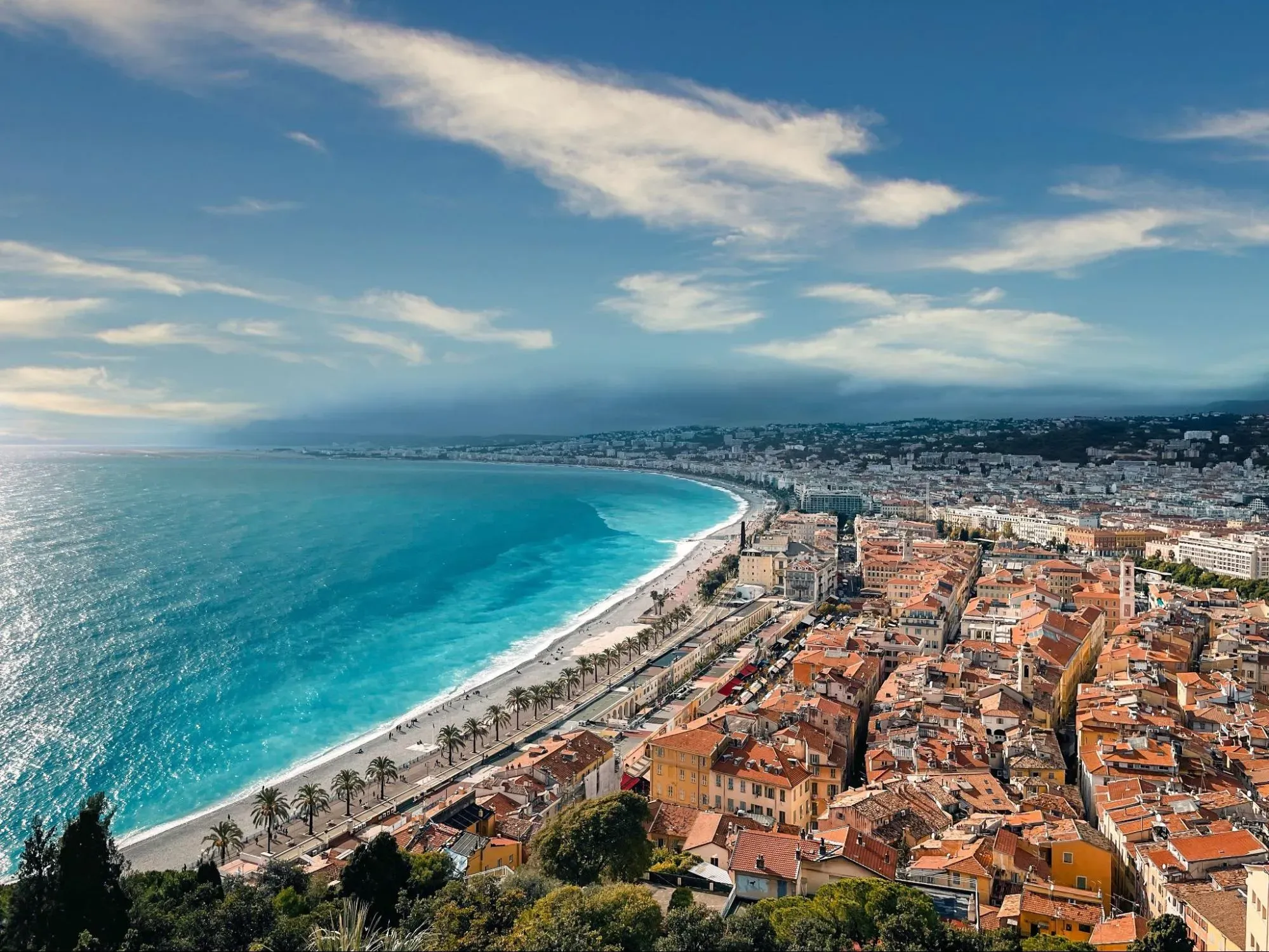
This town is most frequently chosen by first-time visitors as a launching pad to explore the French Riviera. Here, you can spend your morning or evening walking along the Promenade des Anglais, a pedestrian walkway that stretches for around 7 kilometres. The town itself is quite old, so narrow streets, local markets and small restaurants are among its most visible features.
Its Cours Saleya Market is worth visiting for its fresh flowers and produce. Remember, it opens every morning except Monday. Apart from this, Castle Hill is one of the best spots for idyllic views across Nice and its sweeping coastline, bringing the city and sea together in one view. One thing many visitors do not expect is that Nice’s beach is made of pebbles rather than sand. The water, however, is clean and clear, making the coastline a pleasant place to spend time.
Things to Do
- Walk the Promenade des Anglais, preferably in the late afternoon
- Browse Cours Saleya market in the morning
- Climb Castle Hill for the panoramic coastal view
- Visit the Musée Matisse or Musée Marc Chagall
Foods to Try
- Socca: a thick chickpea flour pancake sold hot at market stalls
- Pan bagnat: a pressed tuna sandwich, essentially a Nicoise salad in bread
- Farcis nicois: stuffed vegetables (courgettes, peppers, tomatoes)
Monaco
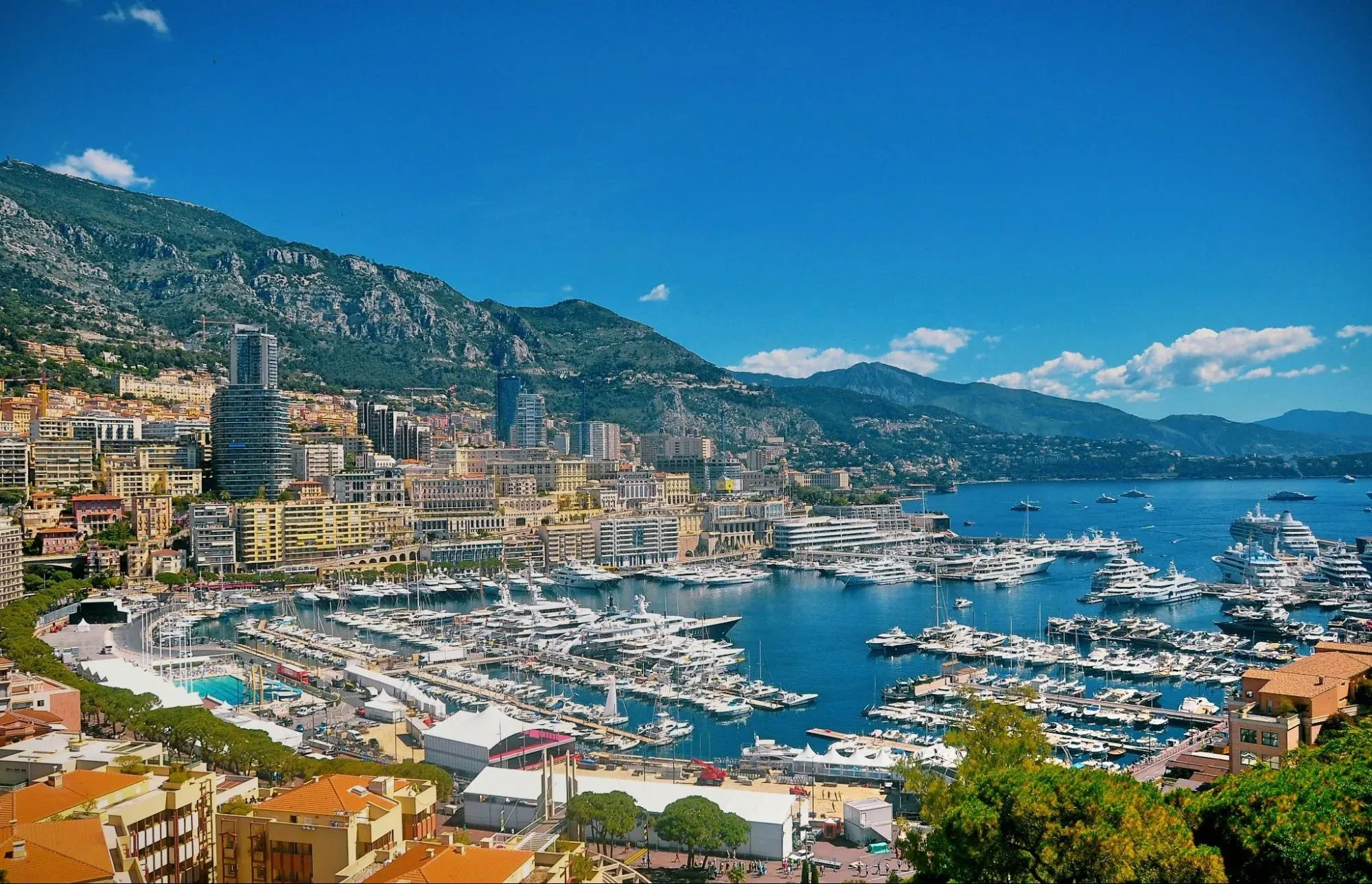
Monaco is a small city-state, just two square kilometres, set between the French Riviera coast and the mountains. It feels very different from the nearby towns, with taller buildings, more expensive cars, and a unique energy. The Monte Carlo Casino area is the most famous, but the old town (Monaco-Ville) on the rock above the harbour is quieter and more interesting. The Oceanographic Museum, founded by Prince Albert I, sits on a cliff with an 85-meter drop to the sea.
Things to Do
- Walk through Monaco-Ville and visit the Prince's Palace Square for the daily guard change at 11:55am
- See the Oceanographic Museum and its cliff-edge aquarium
- Watch the yachts from Port Hercules
- Walk through the Casino Square (entry to the gaming rooms requires a passport and EUR 18 to 20)
Foods to Try
- Barbagiuan: deep-fried pastry filled with Swiss chard and ricotta, Monaco's national snack
- Stockfish: dried cod stew with tomatoes and olives, a Monegasque classic
Antibes
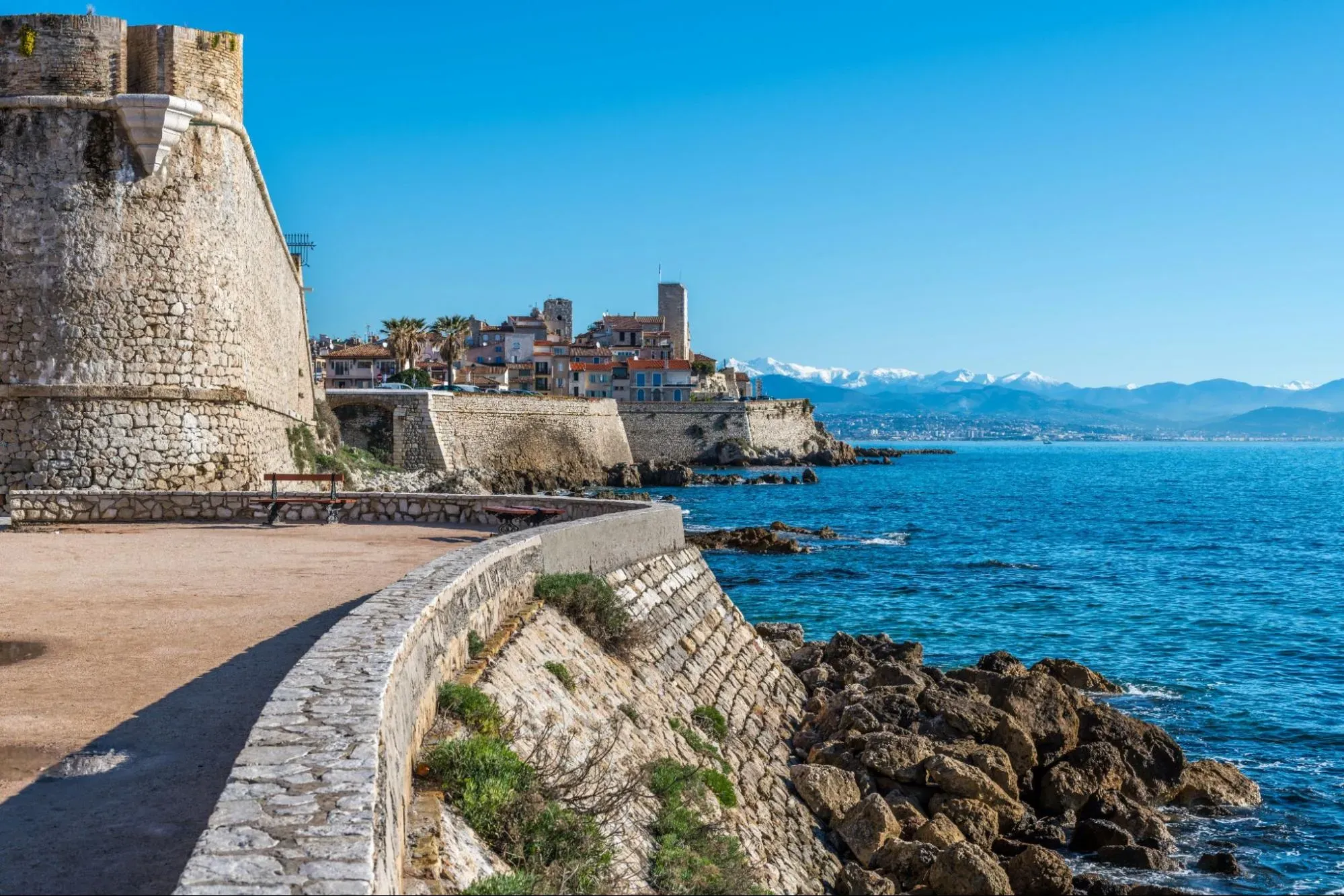
Antibes feels different from Nice and Cannes. Its old town is small and lively, with a daily Provençal market in the covered hall on Cours Massena and local shops that cater to residents, not just tourists. You can walk along 16th-century ramparts overlooking the sea. The Musée Picasso is inside the Château Grimaldi, where Picasso worked for several months in 1946 and left a collection of his art. Cap d'Antibes, the peninsula south of town, has quiet coves, pine-shaded paths, and some of the clearest water on the coast.
Things to Do
- Walk the rampart path along the old town seafront
- Visit the Musée Picasso inside Château Grimaldi
- Swim at the beaches on Cap d'Antibes (Plage de la Garoupe is the standout)
- Browse the Provençal market on Cours Massena (mornings, closed Monday)
Foods to Try
- Pissaladiere: a Provencal onion tart with anchovies and olives
- Fresh sea urchins (in season from October to March, served at market stalls)
Èze
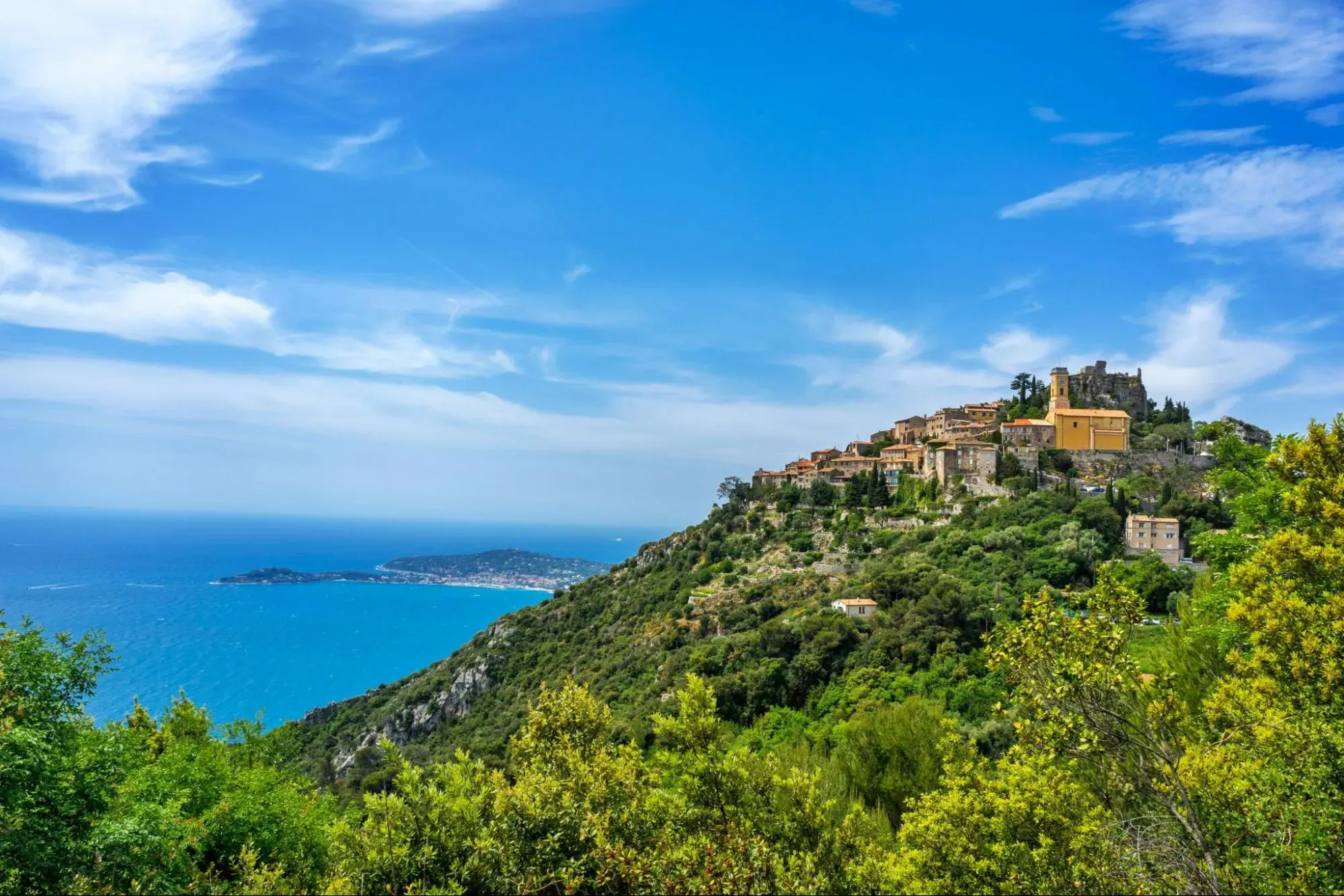
Èze is a medieval hilltop village about 400 meters above the sea, roughly halfway between Nice and Monaco. The village is small, with one entrance gate, narrow stone streets, a few art galleries and perfumeries, and the Jardin Exotique at the top, which has wide views over the coast. The Nietzsche Path links the village to the beach at Èze-sur-Mer below. It takes about 45 minutes to walk down, but it's much harder going up. Most people spend half a day here, but the views and atmosphere are some of the best on the French Riviera.
Things to Do
- Walk through the medieval village lanes to the Jardin Exotique at the summit
- Hike the Nietzsche Path down to the coast (downhill is easier)
- Visit the Fragonard or Galimard perfumery (free tours, both in the village)
Foods to Try
- Bouillabaisse at Le Nid d'Aigle (one of the few restaurants inside the village)
- Provençal tapenade with fresh bread from any of the village cafes
Cannes
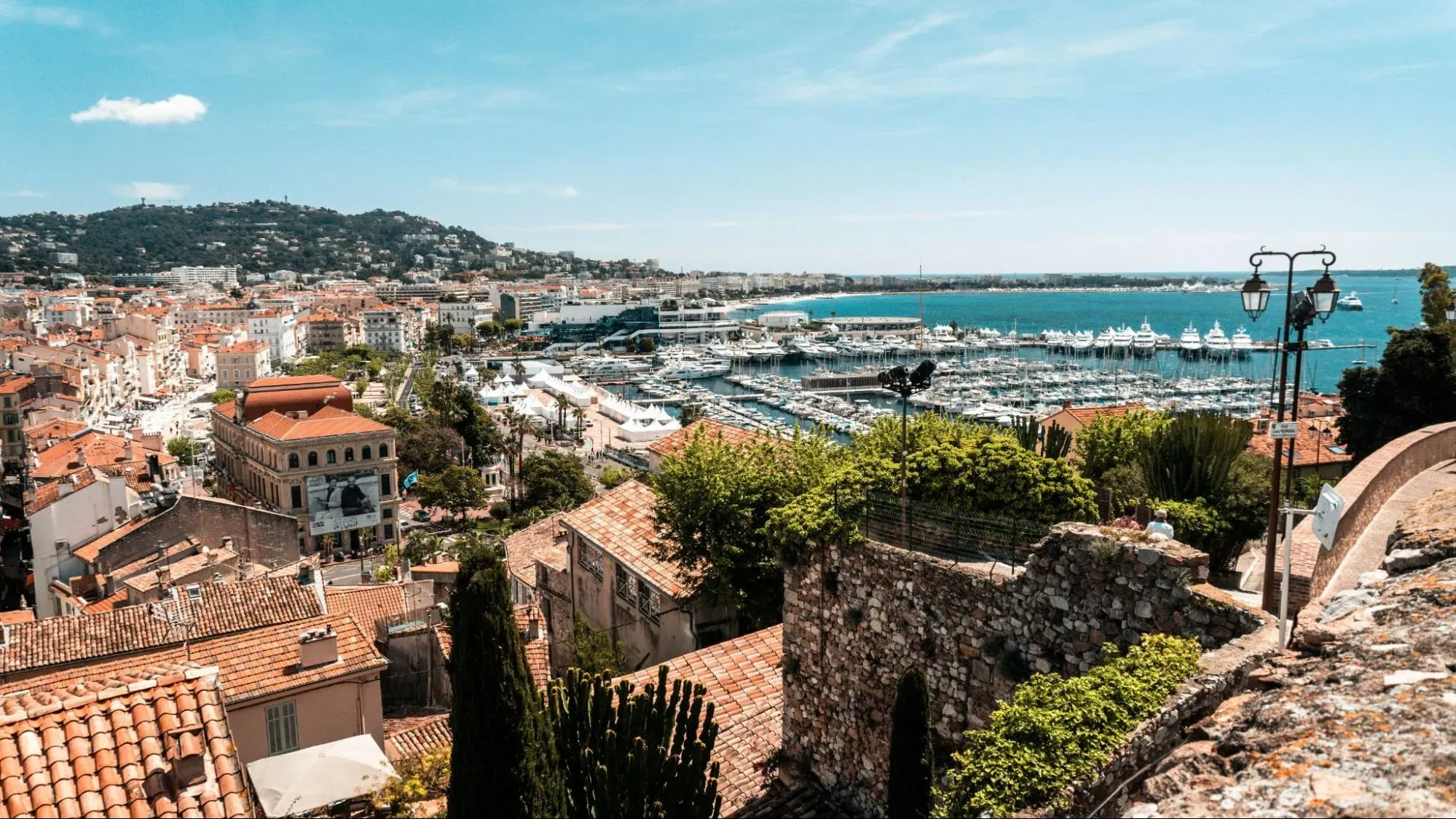
Cannes is famous for its film festival, but it's also a great place to visit any time of year. The Croisette is the well-known seafront promenade lined with hotels and designer shops. The old town (Le Suquet) above the harbour has more character, with narrow streets, a covered market, and views from the hilltop church. The real highlight is the Îles de Lérins, two small islands just a 15-minute ferry ride away. Ile Sainte-Marguerite has walking trails, clear water, a fort where the Man in the Iron Mask was reportedly held, and very little development.
Things to Do
- Walk La Croisette and Le Suquet old town
- Take the ferry to Île Sainte-Marguerite for swimming, walking and the fort
- Browse the Forville Market (mornings, closed Monday)
Foods to Try
- Salade nicoise (originally from Nice, but served well across the Riviera)
- Fresh grilled fish at the Forville Market area restaurants
Menton
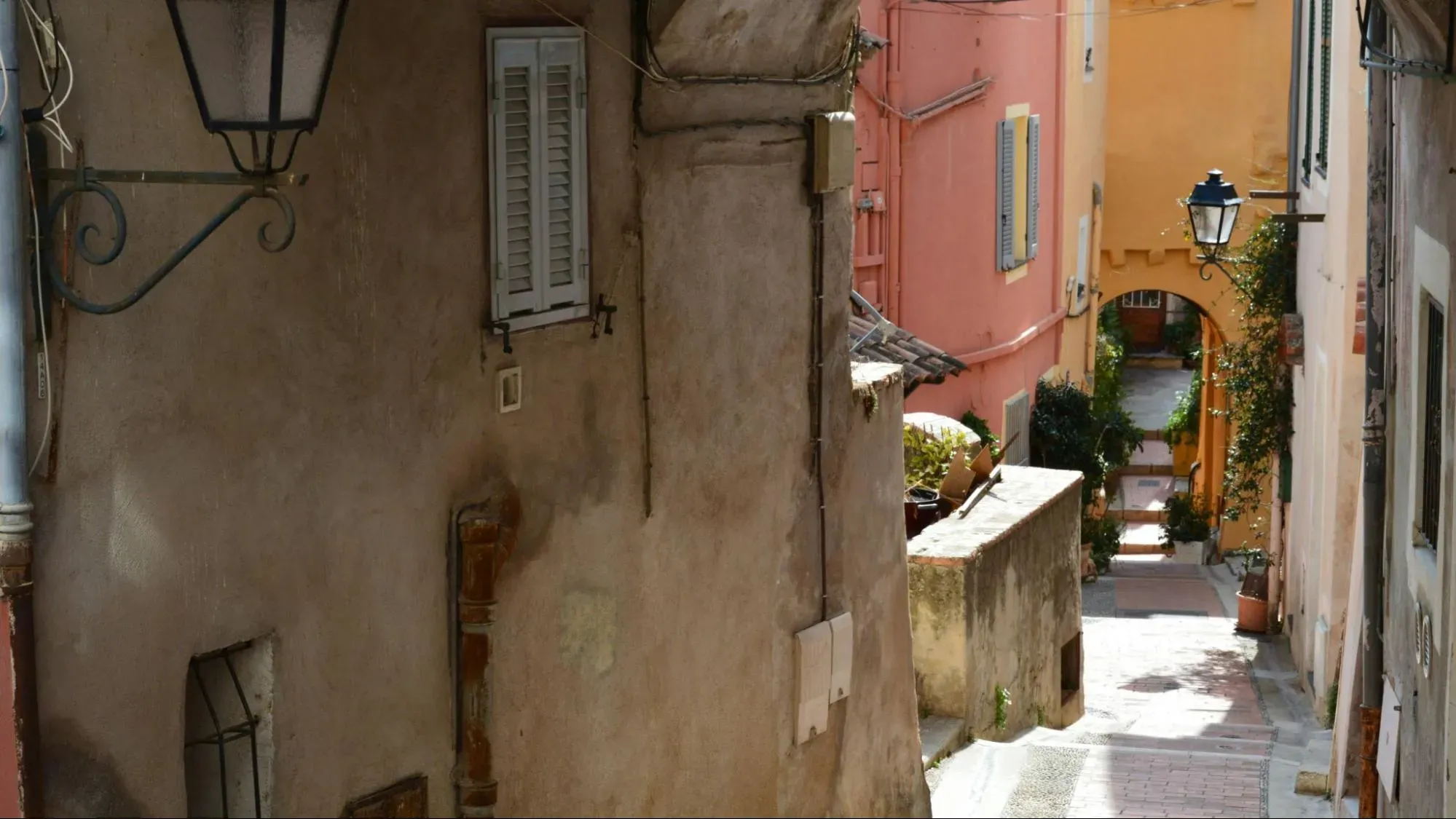
Menton is the last town on the French Riviera before the Italian border, and it feels like a mix of both countries. The old town is made up of pastel-colored buildings climbing the hillside, with the Basilique Saint-Michel at the top. The Jean Cocteau Museum on the waterfront is one of the region's best small museums. Menton has the warmest microclimate on the coast, so lemon trees grow everywhere. Every February, the town hosts the Fête du Citron (Lemon Festival), a two-week event that uses 140 tonnes of citrus fruit.
Things to Do
- Walk through the old town to the Basilique Saint-Michel
- Visit the Jean Cocteau Museum on the harbour
- Swim at the Plage des Sablettes (one of the coast's few sandy beaches)
- Walk across the border into the Italian town of Ventimiglia for the Friday market
Foods to Try
- Tarte au citron de Menton: lemon tart made with local Menton lemons
- Barbajuan: similar to Monaco's version but sometimes filled with pumpkin
Villefranche-sur-Mer
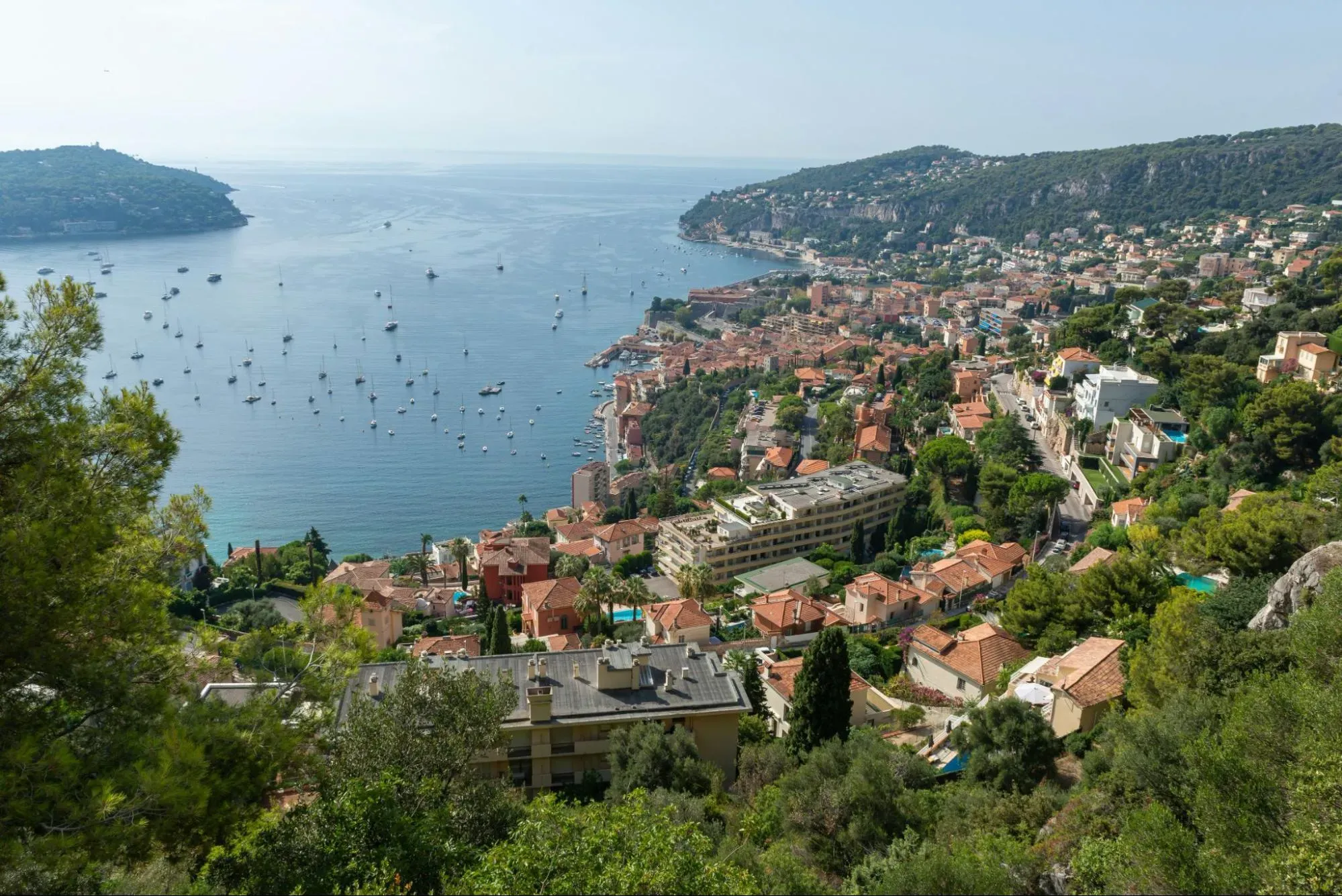
Villefranche is set in a deep natural bay between Nice and Monaco, and the first thing you'll notice is the color. The waterfront buildings are orange, yellow, and pink, stacked above a curved harbor that looks like a postcard. The old town features the Rue Obscure, a covered medieval street that runs under the buildings and has barely changed since the 14th century. The bay is one of the best places to swim on the coast, with calmer and deeper water than most beaches on the French Riviera.
Things to Do
- Swim in the bay (the water is deeper and calmer than most Riviera beaches)
- Walk the Rue Obscure, the covered medieval passage through the old town
- Visit the Chapelle Saint-Pierre, decorated by Jean Cocteau in 1957
- Take photos from the harbour, especially in the morning light
Foods to Try
- Grilled octopus or fresh sea bass at the harbour restaurants
- Tarte tropezienne (a brioche and cream cake, found across the Riviera)
What Should You Know Before Visiting the French Riviera?
- The best months to visit are May to June and September to October. The weather is warm, towns are lively but not too crowded, and prices are lower than in peak summer. In July and August, beaches are packed, traffic is heavy, and accommodation costs go up.
- If you're visiting in summer, book your accommodation early. Coastal towns have limited rooms and apartments, especially in places like Villefranche and Eze. It's smart to book two to three months ahead for July and August.
- The train is the easiest way to get around. The coastal TER runs often and is affordable. If you plan to visit several towns in one day, consider buying a Pass SudAzur Explore: from around EUR 35 for one day (unlimited trains + buses), with 3- and 7-day options available.
- Most beaches here are pebbly, not sandy. Nice, Villefranche, and Antibes have pebbly or rocky beaches. For sandy beaches, go to Cannes or Menton.
- Tipping isn't expected, but rounding up or leaving 1-2 euros at cafes is appreciated. By law, a service charge is already included in French restaurant bills.
Your French Riviera Holiday Starts with Holiday Tribe
The French Riviera is special because each town offers a different side of the south of France. Nice is the city, Eze is the medieval hilltop, Monaco is the showpiece, and Menton is the quiet spot. You can experience all of this in a week without needing a car.
At Holiday Tribe, we build the French Riviera into structured France holiday packages that cover accommodation, internal transfers and sightseeing. If you'd rather build something around your own dates, pace and interests, our holiday advisors will put together a fully customised plan. Flights aren't included unless you want them added. The coast is short. The options are not. Start planning.