

The first thing you notice at a German Christmas market isn’t the lights; it’s the smell. Cinnamon, roasting almonds, and hot wine fill the air around the wooden stalls before you even reach the square. If you’re planning your first winter holiday in Europe, Germany in December sounds wonderful but can feel a bit overwhelming. With more than 200 markets, each with its own dates, it’s hard to know which ones are worth your time. Let’s figure it out together: when to visit, what to eat, what to bring home, and how one great German Christmas market can turn an ordinary December into a holiday your friends will hear about for years.
What Makes A German Christmas Market Worth It?
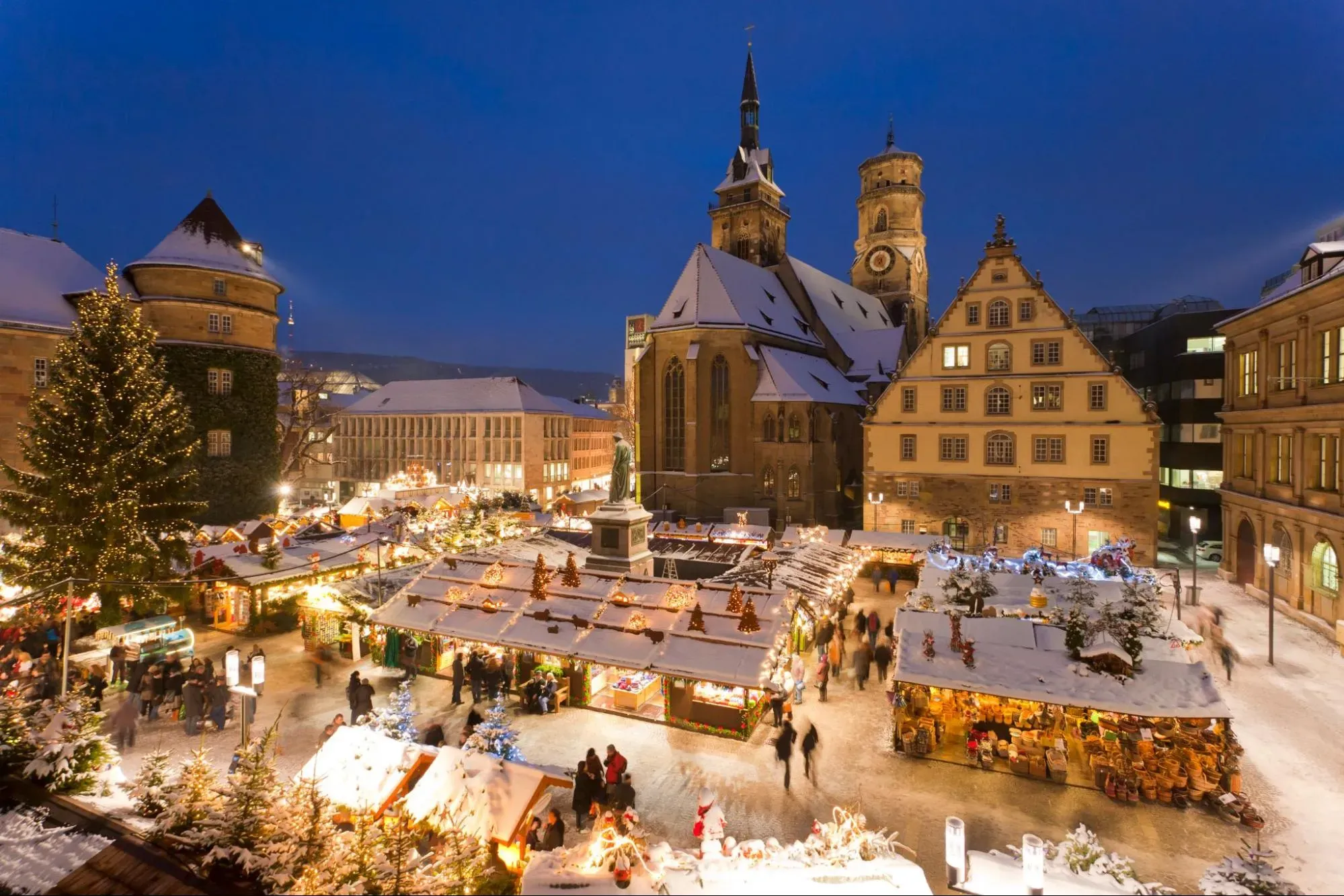
These markets aren’t just for tourists. Germans have kept this 500-year-old tradition alive, and you notice it as soon as you step inside.
- These markets really are old. Dresden’s Striezelmarkt started in 1434, so 2026 will be its 592nd year. Nuremberg’s market has records from the 1600s.
- There’s no entry fee. You only pay for what you eat, drink, or buy, so you can spend a relaxed evening at a German Christmas market without spending much unless you shop at the stalls.
- These markets feel like part of everyday life. Locals stop by after work, choirs perform on stage, and the air is filled with woodsmoke and spice instead of the scent of a shopping centre.
Tribe Travel Tip: If you can, visit one market during the day and another at night. The lights make the markets magical after dark, while daytime is better for seeing the handmade stalls up close.
When Do German Christmas Markets Open In 2026?
Most major German Christmas markets open in the last week of November and close on December 24. Early December is the best time to visit. Below are the confirmed 2026 dates for the markets you should consider.
Market | City | 2026 Dates |
Christkindlesmarkt | Nuremberg | 27 Nov to 24 Dec |
Striezelmarkt | Dresden | 25 Nov to 24 Dec |
Cathedral Market | Cologne | 16 Nov to 23 Dec |
Weihnachtsmarkt | Frankfurt | 23 Nov to 22 Dec |
Christkindlmarkt | Munich | 27 Nov to 24 Dec |
Weihnachtsmarkt | Stuttgart | 25 Nov to 23 Dec |
Nuremberg’s Christmas market opens at 5:30pm on 27 November, starting with a prologue read by the Christkind, the young woman who represents the season. If you want to experience Germany’s most famous Christmas market, don’t miss the opening night.
What’s On Offer At The German Christmas Market Stalls
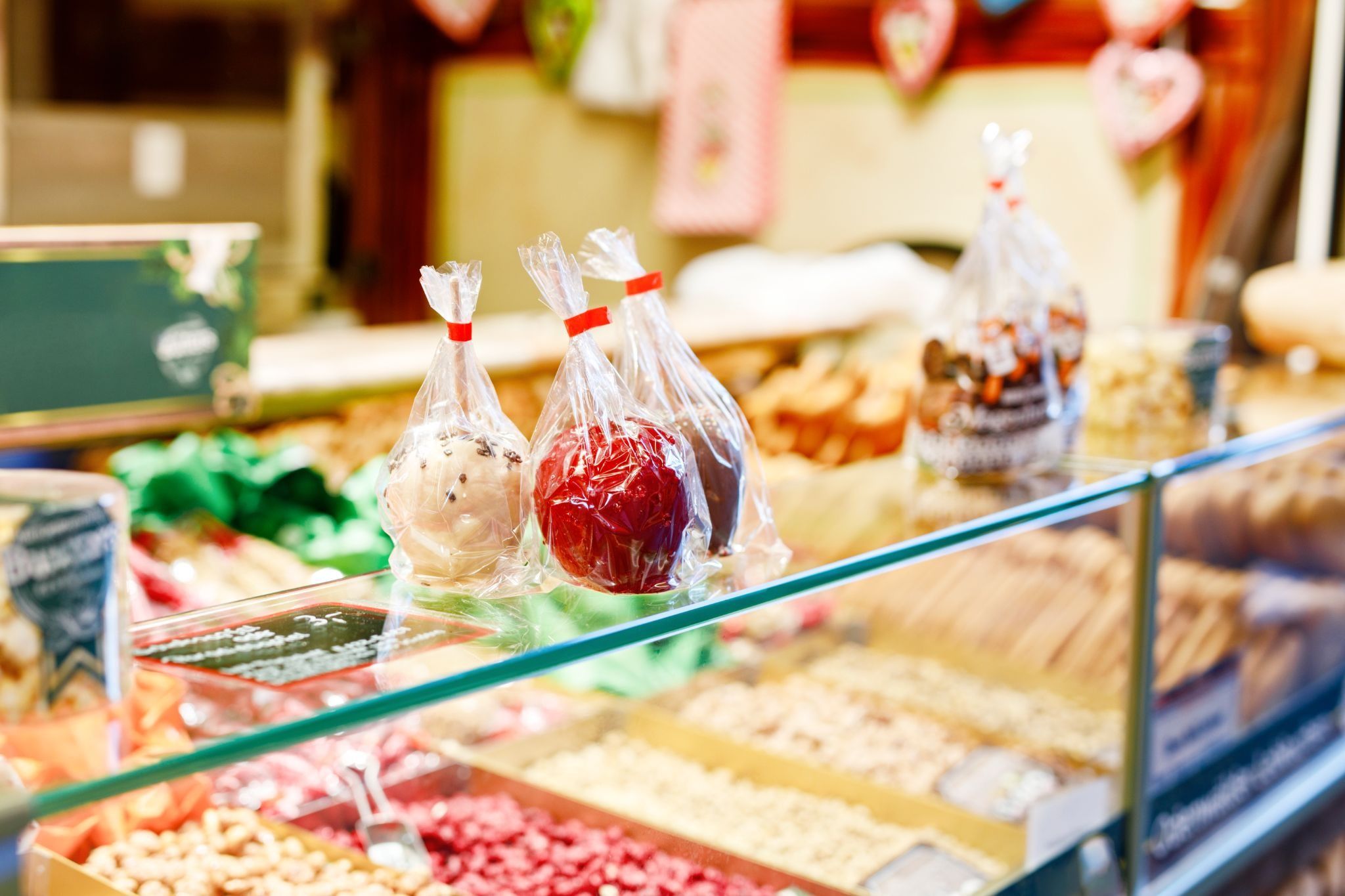
Most people show up for the shopping but end up staying for the food. The German Christmas market stalls are where the evening really comes alive, so make sure you arrive hungry.
Drinks to Warm Your Hands
- Glühwein is the main attraction. This hot, spiced red wine comes in a mug you get to keep. In Dresden, it costs around €4.50 per cup.
- If you’re not drinking alcohol, try Kinderpunsch. This warm fruit punch is made for kids and anyone avoiding alcohol. Most German Christmas market stalls serve both drinks at the same counter.
- Frankfurt has its own version of Glühwein, made with the city’s well-known apple wine.
The Food You Can Eat at the Stalls
Food stalls are fast, affordable to try, and reflect the local flavors. You'll notice their smells before you spot them.
Treat | What it is | Rough price |
Stollen | Dense fruit bread dusted with sugar, Dresden’s pride | ~€3 a slice |
Bratwurst | Grilled sausage in a crusty roll | ~€4 |
Lebkuchen | Soft, spiced gingerbread, best in Nuremberg | varies |
Roasted chestnuts | Warm and smoky, sold by the paper bag | varies |
The prices listed above are estimates for 2026 from the Dresden market. Each German Christmas market has its own prices, but you usually won’t need to spend much to enjoy good food.
What To Buy At German Christmas Markets
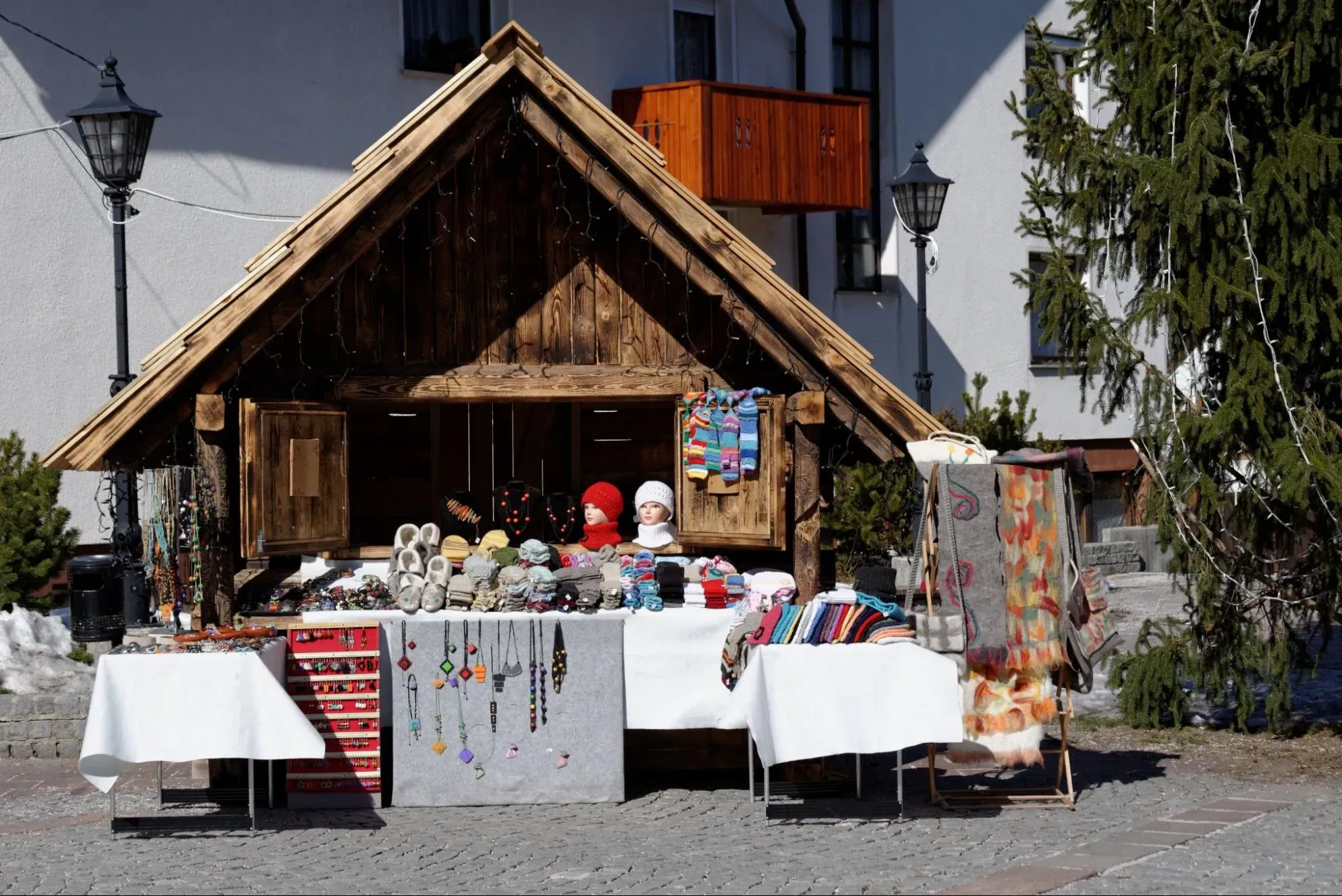
This is where a German Christmas market stands apart from a regular shopping trip. Many of the items are still handmade in German workshops, so you’re bringing home real crafts instead of just keychains. If you’re not sure what to buy at German Christmas markets, start with these ideas.
- Glühwein mugs. When you buy your drink, you pay a small deposit for the mug. You can return it to get your money back or keep it as a dated souvenir. Some collectors even visit different markets just to collect these mugs.
- Nutcrackers and wooden crafts. Nutcracker soldiers, smoking figures, candle arches, and spinning Christmas pyramids all come from the Erzgebirge, or Ore Mountains, in Saxony. Craftspeople have been carving them there since the 17th century.
- Herrnhuter paper stars. These are the many-pointed stars you’ll see glowing in German windows throughout the winter.
- Edible gifts. Boxed Stollen, Lebkuchen tins, and bottled Glühwein all travel well in a suitcase.
Tribe Travel Tip: Turn a nutcracker over before you pay. Some stalls sell imported copies, so a real one will have a “Made in Germany” mark.
Is The German Christmas Market in Birmingham Worth A Visit?
Yes, especially if you’re not heading to Germany this year but will be in the UK. Birmingham’s German Christmas market is the biggest authentic one outside Germany and Austria. It’s the real deal, not just a copy.
- The market began in 1997 with just 10 stalls, as a connection between Birmingham and its sister city Frankfurt. It’s grown bigger every year since.
- In 2026, the market will be open from 5 November to 24 December, spread across Victoria Square and New Street. This has been confirmed by both the Birmingham and Frankfurt councils.
- You’ll find Glühwein, Bratwurst, and handmade stalls just like at a German Christmas market in Germany, but without the long flight.
If you’re already visiting London or the Midlands, Birmingham’s German Christmas market is easy to fit in for an evening. Just remember it opens later, at 1pm, on Remembrance Sunday.
Smart Tips For Your First German Christmas Market
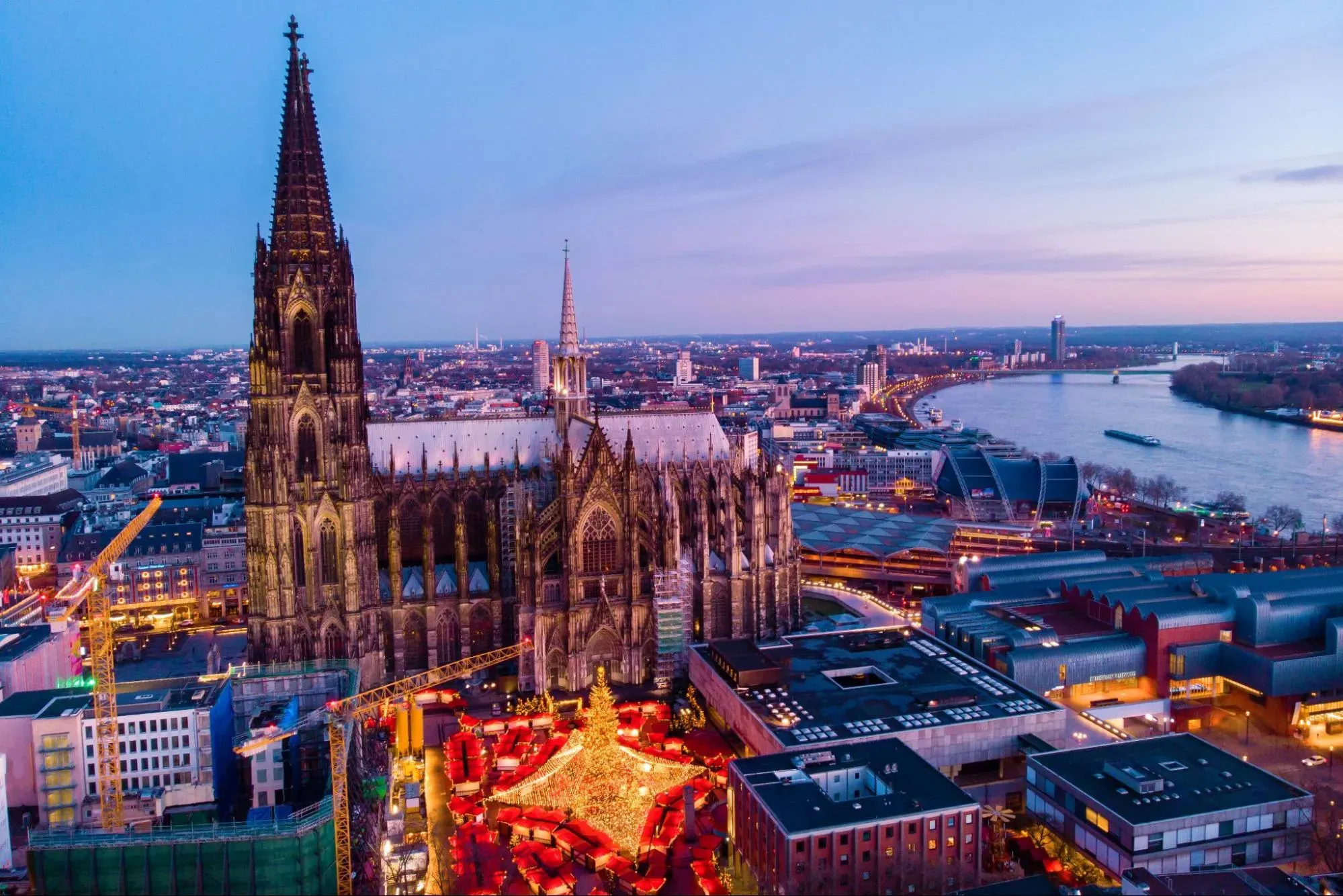
A few simple tips can turn a cold, crowded night into a great experience.
- Try visiting on a weekday evening. Saturdays, especially late afternoon, are usually the most crowded time at most markets.
- Bring some cash with you. Many German Christmas market stalls serve people quickly and prefer coins and notes.
- Dress in proper layers. Since you’ll be standing and walking for hours in cold weather, warm boots are more important than a fancy coat.
- Book your hotel early. Hotels near popular markets fill up months in advance, so it’s best to reserve your room before December.
Ready To Trade December For Glühwein And Fairy Lights?
A German Christmas market is one of those rare holidays that almost everyone can enjoy. Honeymooners find cold-weather romance, families watch their kids light up at the first sight of decorations, and first-time Europe travellers discover something easy to love. The real challenge isn’t having fun, it’s choosing which cities to visit, matching up the dates, and booking hotels before they’re gone.
That’s where we come in. At Holiday Tribe, you can choose a ready-made German Christmas market holiday, or we can create a holiday just for you with your preferred cities, dates, and pace. Just let us know your December plans, and we’ll take care of everything so all you have to do is arrive ready to enjoy.