

You have probably watched the videos: cheeks flapping, a scream that becomes a laugh, and a thumbs up at 200 km/h. But what you never see is the quiet part before the jump, the 15 minutes in a small plane when you start to wonder if you have lost your mind. That space, between fear and excitement, is what most people want to know about before booking skydiving in New Zealand.
Let’s be honest about what it’s really like. Here’s what a first jump feels like, moment by moment, and why New Zealand, with its lakes, glaciers, and snowy peaks, is one of the best places in the world to try it. We’ll also talk about where to go, how much it costs, and how safe it is, so the only thing you need to decide is if you’re ready.
What a Tandem Jump Actually Involves
Here’s the good news: as a first-timer, you won’t have to do anything technical. On a tandem skydive in New Zealand, you’ll be securely attached to a qualified tandem master who handles the exit, the freefall, and the parachute. All you need to do is show up.
- You do: Arrive, listen to a short briefing, put on the gear, and remember to breathe.
- They do: They handle everything else, from the jump itself to the landing.
- Prep time: Your whole visit will take about three hours, and about 15 to 20 minutes of that is spent climbing to altitude.
You don’t need any special skills, nerves of steel, or parachute-packing know-how. That’s why this is perfect for anyone who feels both excited and a little scared.
What Skydiving in New Zealand Actually Feels Like, Second by Second
Most guides leave this out. This is what the emotional journey of your first jump really feels like.
The Climb: The Bit Nobody Warns You About
The plane is small, and you sit on the floor. As you climb past 10,000 feet, the lakes below get smaller, and your stomach gets tighter. This is actually when nerves are at their highest, not during the jump itself. A good tandem instructor will keep talking to you the whole way up to help keep you calm.
The Door: The Longest Three Seconds
The door slides open and cold air rushes in. Your feet hang out over empty space, with the ground looking like a patchwork far below. Every part of you says this is a bad idea. But you don’t have to make the decision; your instructor leans you both forward and out. Strangely, having the choice taken away is a big relief.
The Freefall: Not the Falling You Expect
Here’s the surprise: it doesn’t feel like falling. There’s no rollercoaster drop in your stomach, since nothing is rushing past you to compare yourself to. It feels more like you’re lying on a loud, powerful stream of air at about 200 km/h, with your cheeks flapping and everything feeling alive. You can breathe easily, the ground doesn’t rush up at you, and those 45 to 60 seconds go by in a flash. This part is what makes skydiving in New Zealand so special, and it’s why many people want to jump again before they even land.
The Parachute: Sudden Silence
A strong pull lifts you up, your legs drop down, and suddenly the noise almost disappears. With the fear gone, you can’t help but smile. Now you can really take in the turquoise water and snowy peaks as you glide gently back down for four or five minutes.
The Landing: The Grin That Will Not Leave
Legs up, a gentle slide or a soft landing, and you’re back on the ground. Then come the shaky knees, the laughter, and the question everyone asks right away: can I do it again? That feeling stays with you all day.
Where to Take the Leap: The Best Places to Skydive in New Zealand
There are four main drop zones, each offering a unique view. Choose based on the scenery you want and how long you want to freefall. For most people, the best skydiving in New Zealand is all about glaciers or lakes.
1. Queenstown: The Original
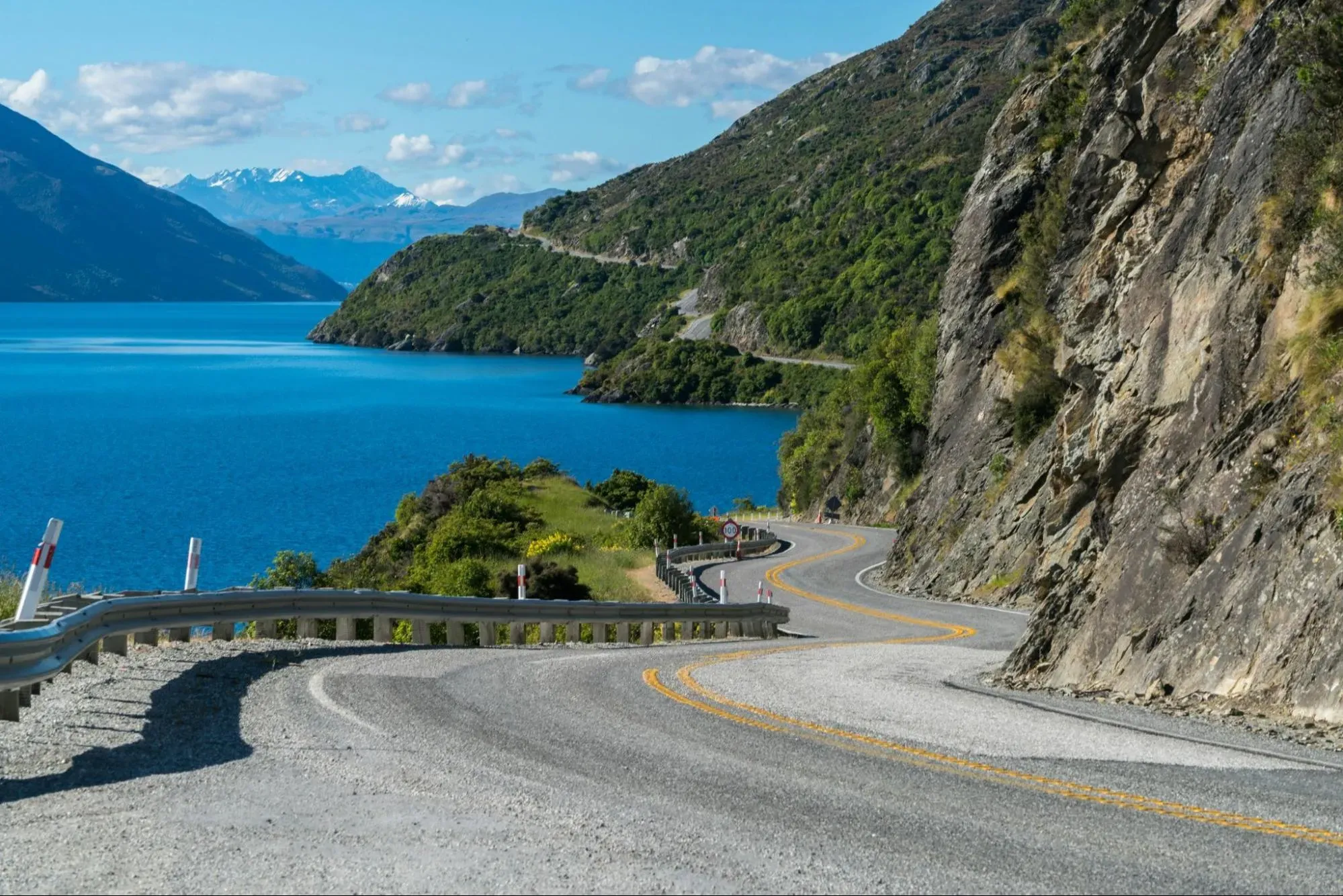
Queenstown is where tandem skydiving started in New Zealand, and it remains the most iconic spot. Since 1990, NZONE has taken first-timers from a drop zone on a working sheep farm at the base of the Remarkables. Most people searching for skydiving in Queenstown end up here, falling towards Lake Wakatipu, which Māori tradition says has a heartbeat.
- The view: Lake Wakatipu, the Remarkables, the Southern Alps
- Jump heights: 9,000, 12,000 or 15,000 ft
- Freefall: Up to 60 seconds
- Best for: First-timers who want the classic alpine backdrop
2. Fox and Franz Josef Glaciers: The Biggest View
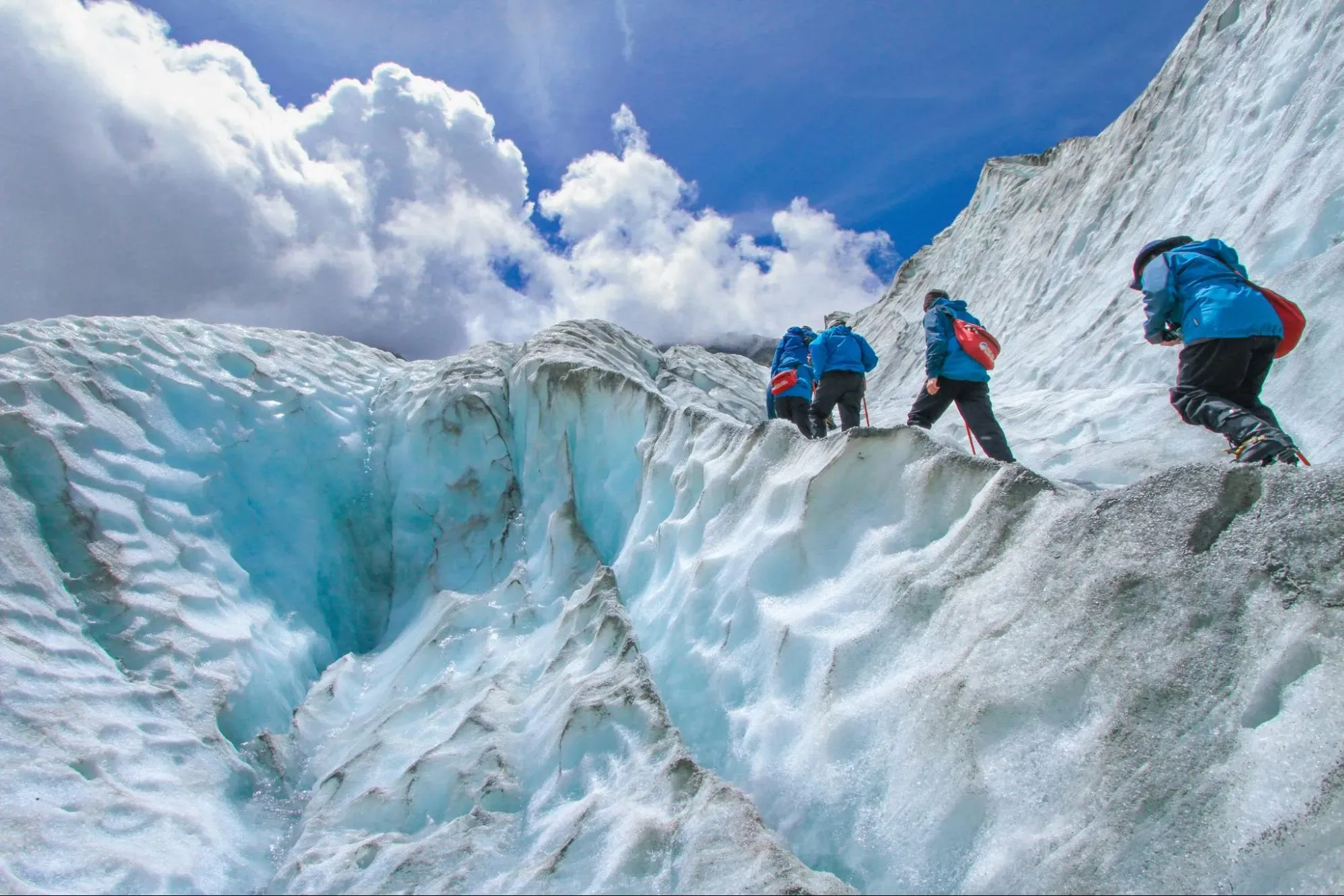
If you want the biggest views in New Zealand, head to the West Coast. The Fox Glacier Skydive gives you two glaciers and Aoraki/Mount Cook, the country’s tallest mountain, on one side and the Tasman Sea on the other. Skydive Franz offers one of the highest jumps in New Zealand up to 18,000 feet, and Red Bull has even called it one of the best places in the world.
- The view: Fox and Franz Josef Glaciers, Aoraki/Mount Cook, the ocean
- Jump heights: 10,000 to 18,000 ft
- Freefall: Up to about 85 seconds
- Best for: Big-view chasers who want the longest fall
3. Taupo: The Value Favourite
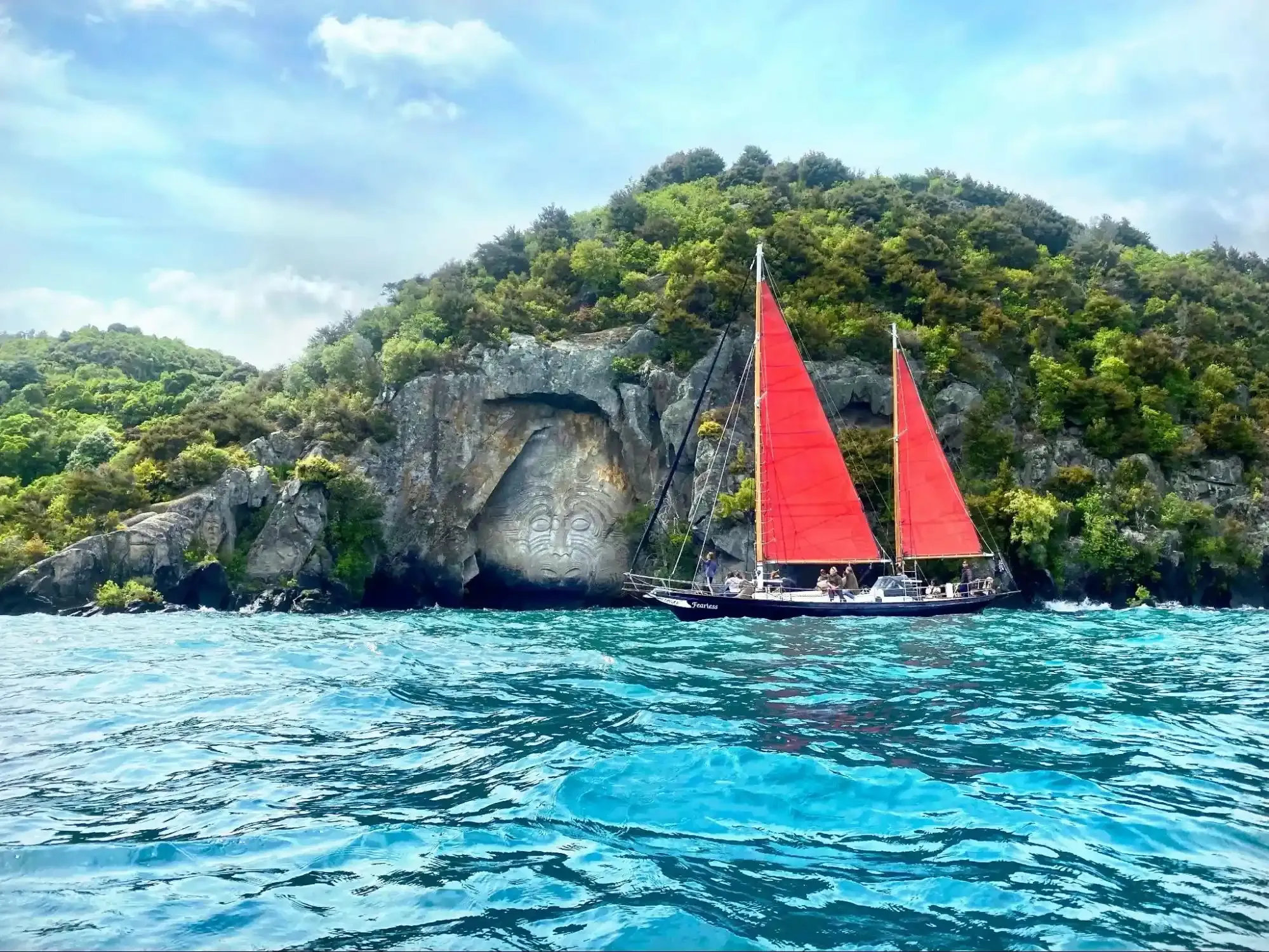
Taupo is the North Island’s most popular drop zone and was the first in New Zealand. You’ll jump over Lake Taupo, which is actually a huge volcanic crater, with the Tongariro volcanoes in the distance and, on clear days, views from coast to coast. It’s known for being of great value and for its busy, social atmosphere.
- The view: Lake Taupo, Tongariro's volcanoes, coast to coast
- Jump heights: 9,000 to 18,500 ft
- Freefall: Up to 75 seconds
- Best for: Value and a lively, well-oiled drop zone
4. Auckland: Both Coasts at Once
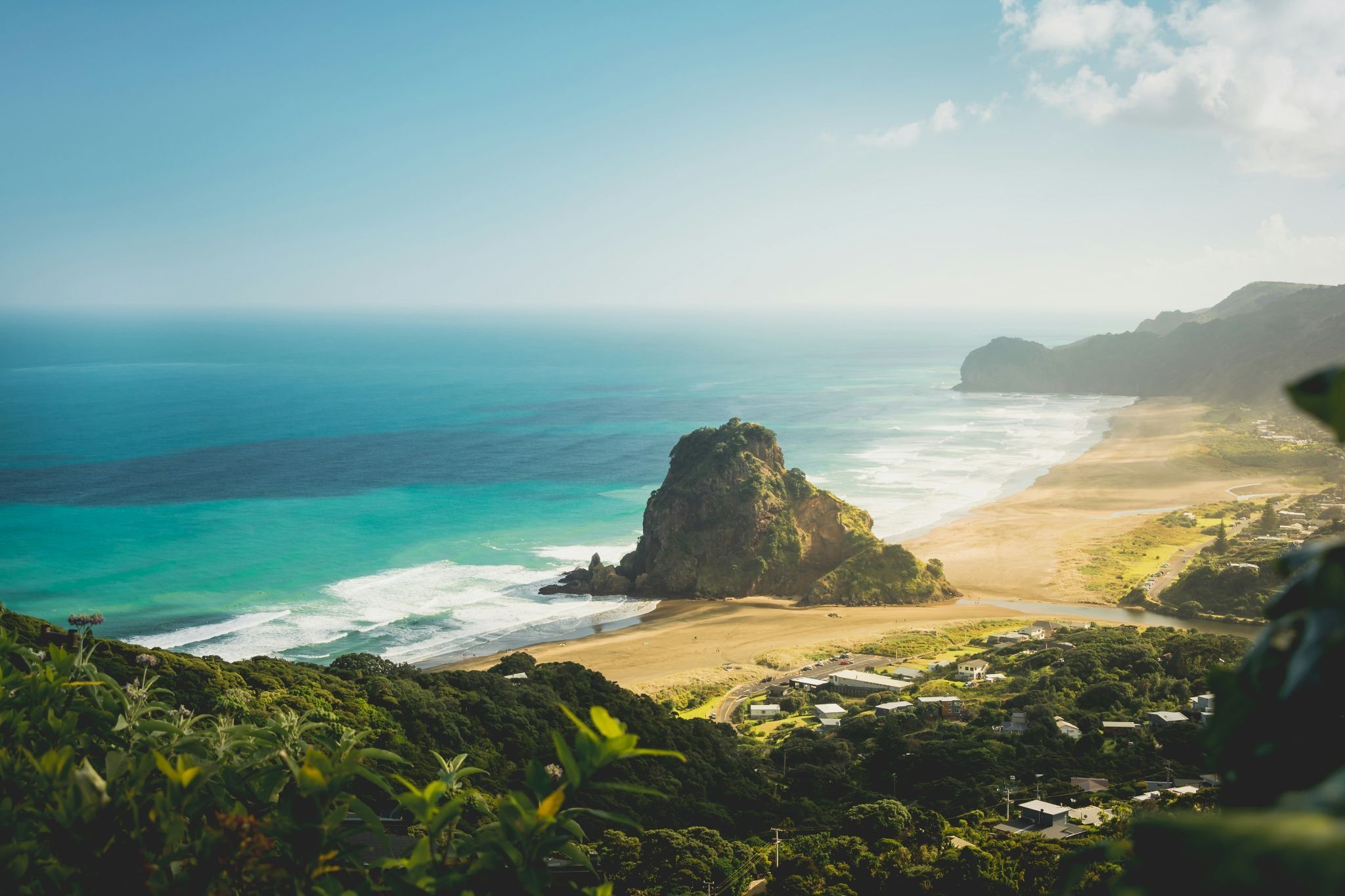
If you’re short on time or staying in the north, skydiving in Auckland, New Zealand is a convenient choice. The drop zone at Parakai is about 45 minutes from the city. From up to 18,000 feet, you can see both coastlines, Waiheke and Great Barrier islands, and distant volcanoes on clear days. There’s also a viewing deck where friends can watch you land.
- The view: Both coasts, Waiheke and Great Barrier islands, Mt Ruapehu on clear days
- Jump heights: 13,000, 16,000 or 18,000 ft
- Freefall: Up to 75 seconds
- Best for: City-based travellers wanting a jump without a long detour
How Much Does Skydiving in New Zealand Cost?
When it comes to skydiving, the price mainly depends on how high you jump. The higher the altitude, the longer the freefall and the higher the cost. Skydiving costs in New Zealand go up with altitude more than anything else. Below are the estimated land prices for 2026, not including the photo and video package.
Jump height | Freefall | Indicative price (NZD) |
13,000 ft | 40 to 45 seconds | from around 300 |
15,000 to 16,000 ft | around 60 seconds | around 370 to 400 |
18,000 to 18,500 ft | up to 75 to 85 seconds | around 450 to 750+ |
Adding photos and video usually costs between NZD 150 and 250, and for a special occasion like this, it’s a good investment. That works out to about ₹17,000 to ₹34,000 at today’s exchange rates.
How Safe Is Skydiving in New Zealand?
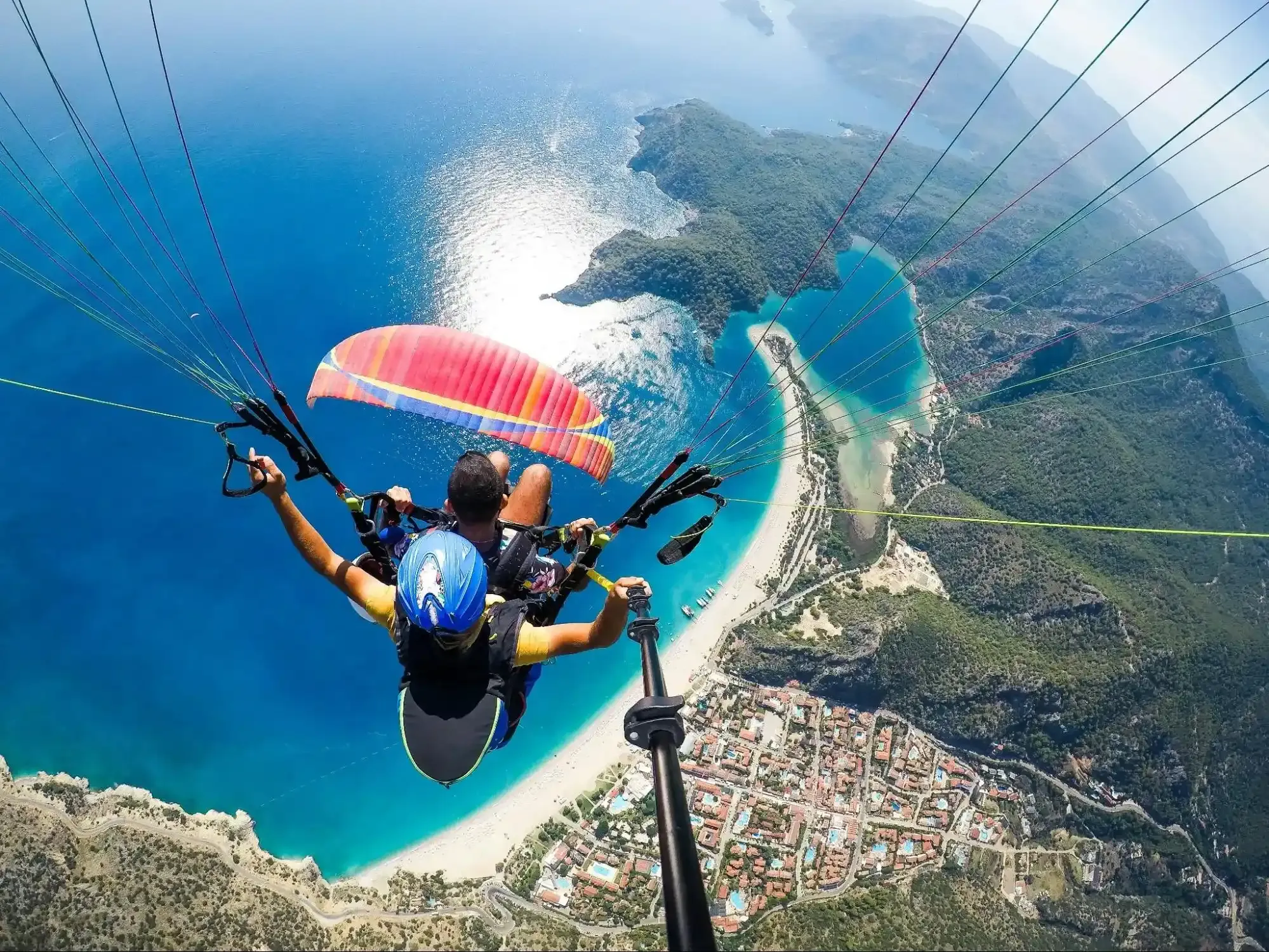
It is very safe by design, but it is important to remember that no activity is completely risk-free. All commercial operators here follow strict rules, and the whole system is set up to make your first jump as predictable as possible.
- Regulated: Operators follow the rules set by the Civil Aviation Authority and the standards of the New Zealand Parachute Industry Association. Many also have a Qualmark Gold quality mark.
- Backed up: Every tandem rig has both a main and a reserve parachute. There is also an Automatic Activation Device that can deploy the reserve parachute by itself if needed.
- Experienced hands: Tandem masters have each made thousands of jumps, and some have completed more than 20,000.
- Weather first: Jumps are often cancelled or rescheduled because of wind or clouds. If your slot is cancelled, it means safety comes first, which is a good thing.
Serious incidents are rare, and when they do happen, they are thoroughly investigated. This is one reason why skydiving in New Zealand has such a strong safety record. As the crews often say, driving to the drop zone is actually the riskiest part of your day.
When Is the Best Time to Skydive in New Zealand?
You can go skydiving any time of year. What really matters is how you want the sky to look. It's better to pick a day with clear, calm weather than to focus on the season.
Season | Months | Why go | Watch for |
Summer | Dec to Feb | Warm, long days, most clear slots | Busiest, book ahead |
Autumn and Spring | Mar to May, Sep to Nov | Crisp clear days, fewer people, good value | Cooler mornings |
Winter | Jun to Aug | Snow-capped peaks at their best | More weather cancellations |
Tribe Travel Tip: Try to book the earliest morning slot, since the air is usually calmest then. It’s also a good idea to leave an extra day in your plans in case the weather causes delays.
Ready to Step Into the Sky?
Your first jump is one of those rare experiences that feels even better in person than it looks on video. Making sure you’re in the right place at the right time is what makes everything go smoothly. That’s where we come in. At Holiday Tribe, we’re holiday advisors, not just travel agents, and we create New Zealand holidays built around the moments that matter most to you.
You can choose one of our ready-made New Zealand holidays, or let our experts and AI travel planner design a holiday just for you in Queenstown, Taupo, or the glaciers, at the height and pace you prefer. We plan for every type of traveller, so just let us know how adventurous you’re feeling, and we’ll take care of everything else.