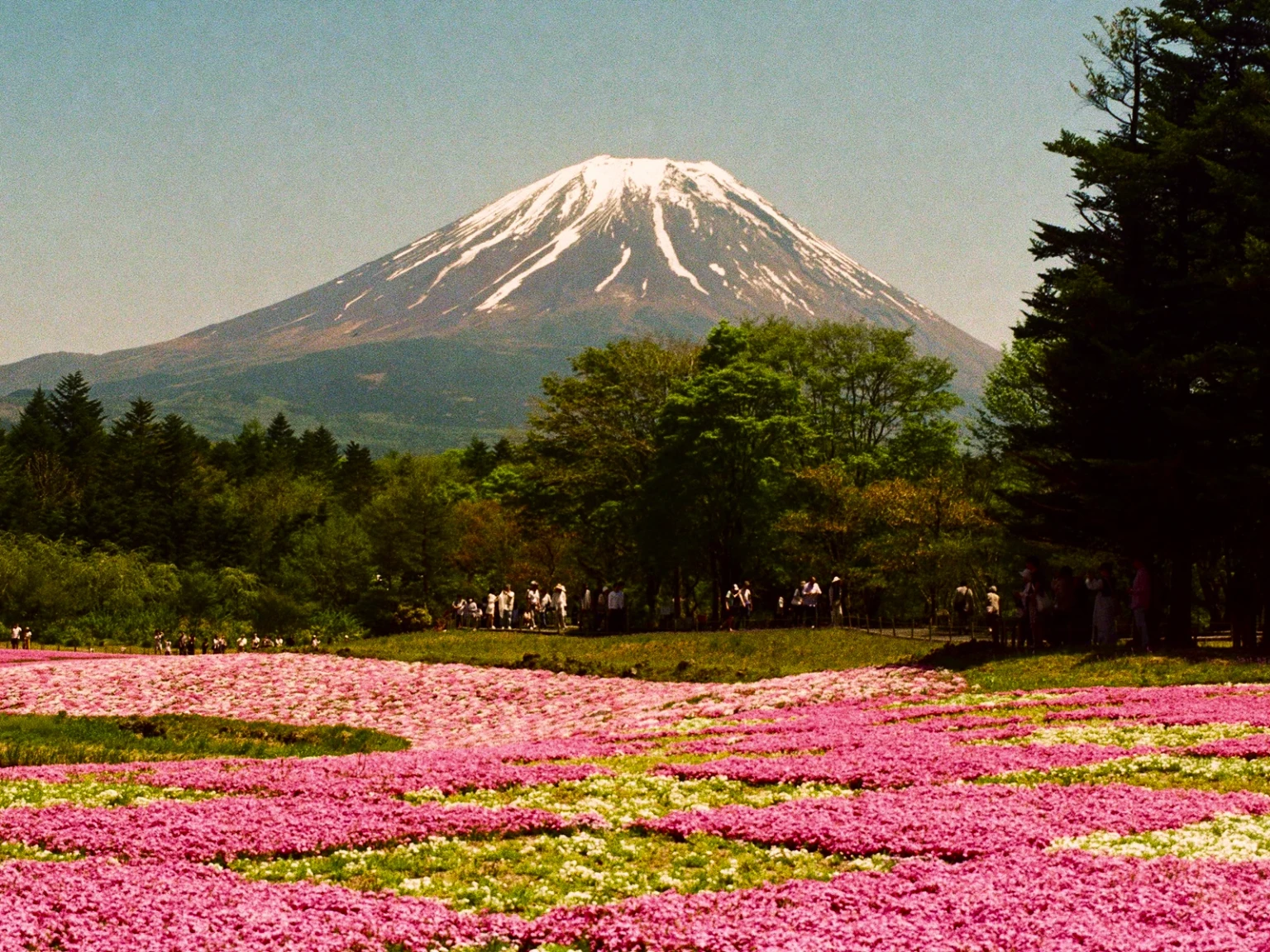


Tokyo is a lot. Wonderful, but a lot. After a few days of busy streets, trains, and bright lights, many people start to want mountains, peace, and a relaxing soak. That’s where Hakone in Japan comes in. Just 90 minutes from Shinjuku, Hakone is known for its hot springs, lake views, and, on clear mornings, Mount Fuji rising above the water. But if you’re visiting for the first time, it’s easy to feel confused about how the famous loop works, the best time to visit for good weather, or how to enjoy the onsen experience. This guide to Hakone, Japan, is here to help with simple, practical tips on how to get there, when to go, what to do, where to soak, and what to eat.
Why Hakone, Japan Is Tokyo's Favourite Mountain Escape
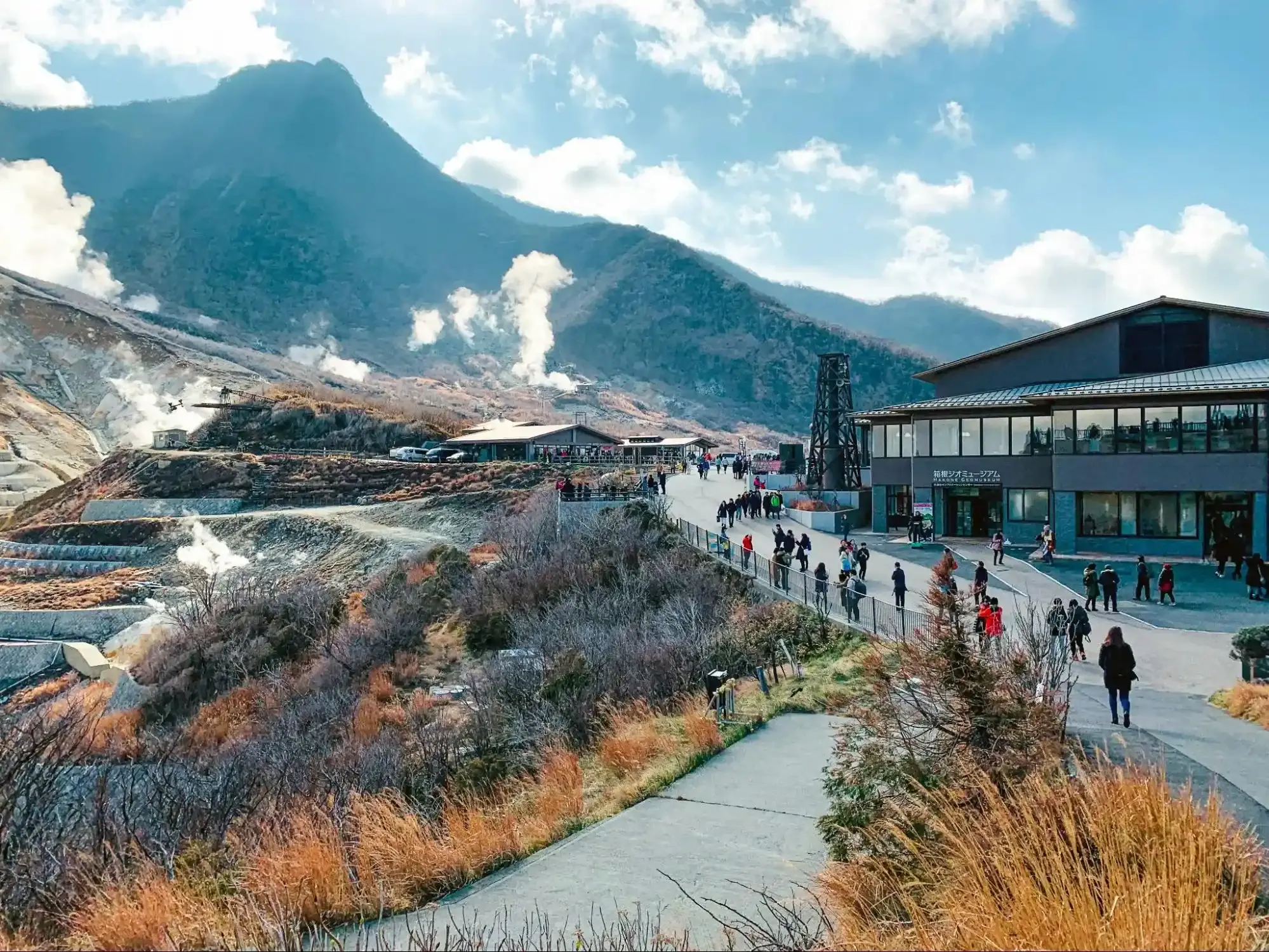
Hakone is like Tokyo’s escape hatch. Every weekend, people leave the city behind and head for these mountains because you can trade busy streets for quiet cedar forests in about the same time it takes to watch a movie. Hakone sits inside Fuji-Hakone-Izu National Park, in a volcanic caldera that formed thousands of years ago. That’s why you’ll still see steam rising from the ground and enjoy naturally hot baths. Here’s why Hakone, Japan, appeals to couples, families, and first-time international travellers:
- It’s easy to get around. Trains, cable cars, a ropeway, and a lake cruise all connect in a simple loop.
- It’s peaceful. When the day-trippers leave at dusk, the town becomes a quiet spa getaway.
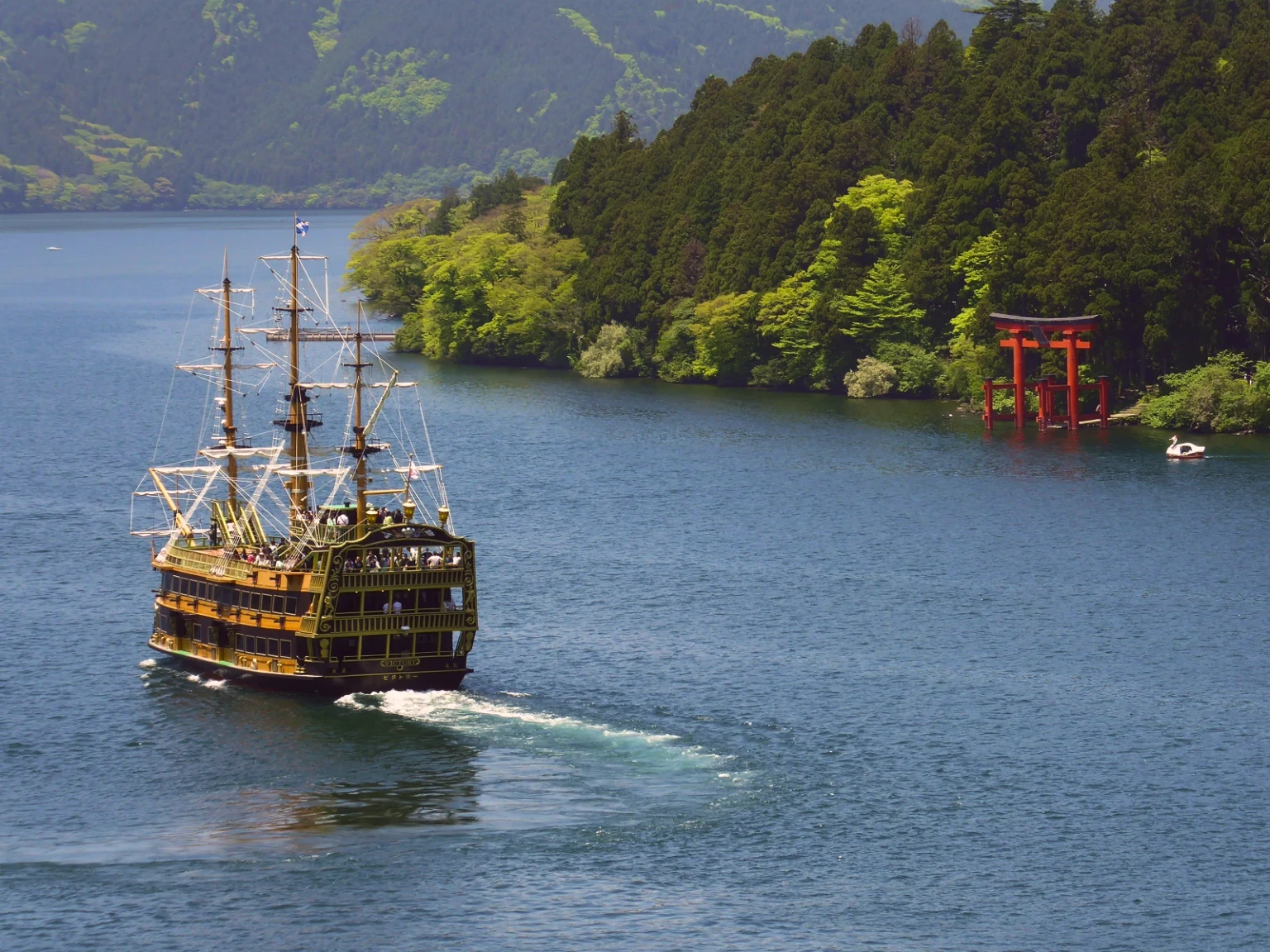
- It looks just like a postcard: Mount Fuji, a red torii gate on the water, and steam rising from the hills.
How to Get to Hakone From Tokyo
Getting there is honestly part of the adventure, and you have a few good ways to go. The most comfortable is the Odakyu Romancecar, a reserved-seat express train that goes straight from Shinjuku to Hakone-Yumoto in about 85 minutes. If you want to get there faster, take the shinkansen to Odawara and then switch to the small Hakone Tozan mountain railway.
Route from Tokyo | Time | Notes |
Romancecar (Shinjuku to Hakone-Yumoto) | ~85 min | Direct, reserved seats, scenic |
Odakyu express + transfer | ~100 min | Covered by the pass, no reservation |
Shinkansen to Odawara + Tozan line | ~50 min | Fastest, small surcharge |
The single smartest buy for tourist attractions in Hakone, Japan, is the Hakone Free Pass from Odakyu. It lets you ride eight types of transport as much as you want, including the ropeway and pirate ship, and gives you discounts at about 70 places.
Hakone Free Pass (from Shinjuku) | Price* | Validity |
2-day pass | ¥7,100 | 2 days |
3-day pass | ¥7,500 | 3 days |
*According to Odakyu's official site, after the October 2025 fare update, prices are around ₹4,000 to ₹4,200. The Romancecar seat costs an additional ¥1,200 each way.
Tribe Travel Tip: The 3-day pass is just ¥400 more than the 2-day pass. If there’s a chance of mist or rain, it’s a small price to pay for the flexibility to enjoy the loop over two easygoing days.
What Is the Best Time to Visit Hakone, Japan?
To be honest, Hakone is great to visit any time of year, but each season gives the town a different feel. Hakone weather also changes with the altitude, so it's a good idea to bring an extra layer just in case.
Season | Weather | Best for |
Spring (Mar to May) | Mild, blossoms | Cherry blossoms, fresh greenery |
Early summer (Jun to mid-Jul) | Rainy, humid | The Hydrangea Train, fewer crowds |
Summer (Jul to Aug) | Warm, cooler than Tokyo | Lake breezes, fireworks, festivals |
Autumn (late Sep to mid-Nov) | Crisp, clear | Foliage, reliable Fuji, onsen evenings |
Winter (Dec to Feb) | Cold, very clear | Clearest Fuji, snow, best onsen |
Autumn is a favourite for many visitors, and it’s easy to see why. From late October, the caldera glows with red and gold leaves. Hakone’s colours appear a week or two before Tokyo’s, making it a smart choice for early autumn holidays. Since this is the busiest season, be sure to book your stay in advance. If you enjoy flowers, visit from late June to mid-July, when about 10,000 hydrangeas bloom along the mountain railway and the evening 'Ajisai' illuminations take place.
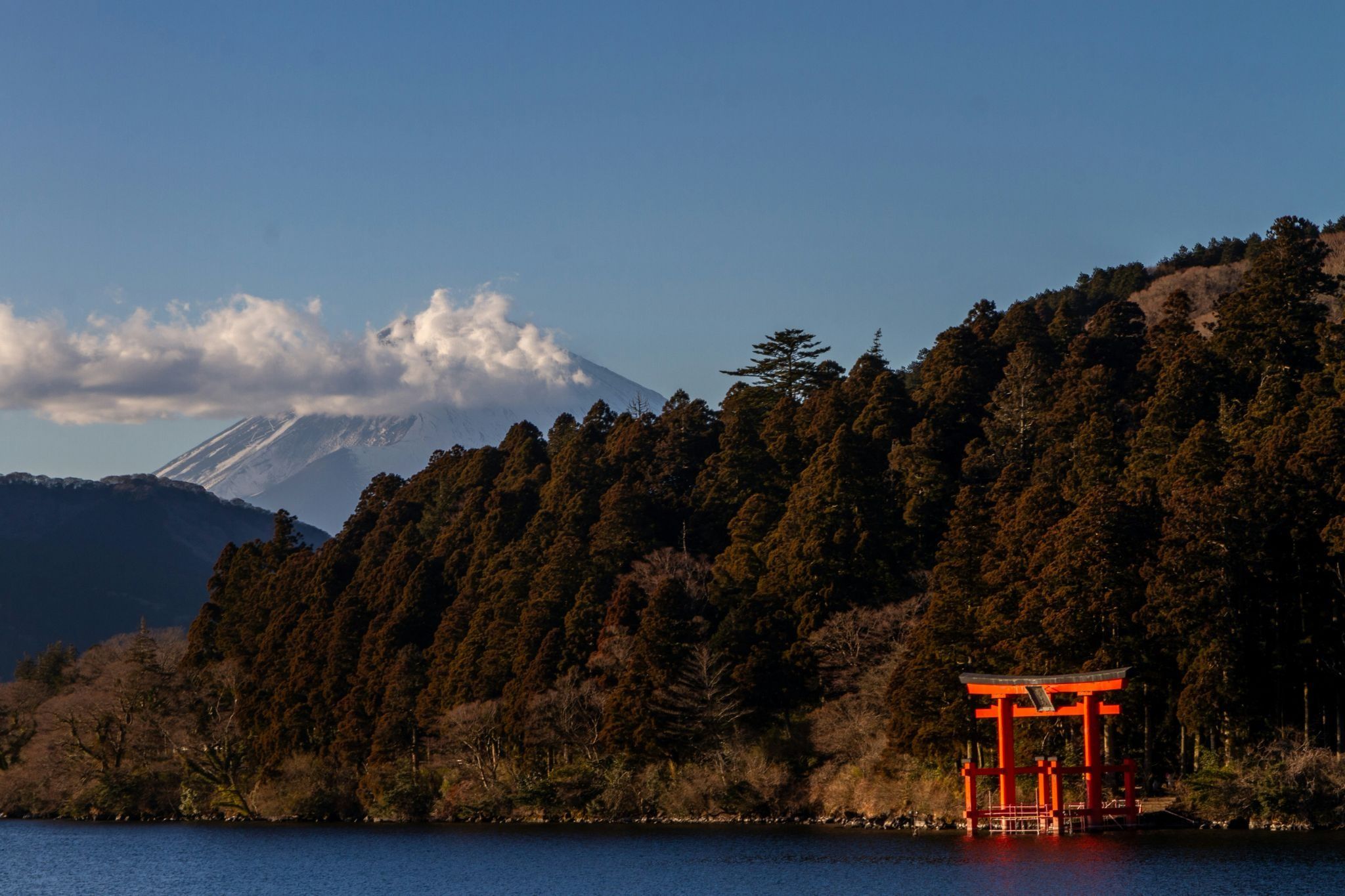
Let’s talk about the mountain. Mount Fuji often hides behind clouds on humid days, but winter in Hakone, Japan, is the best time to catch a clear view. The air is dry and crisp, and sometimes you can see snow on Fuji reflected in Lake Ashi at sunrise. No matter the season, early mornings give you the best chance for a good view. Winter is also the perfect time to enjoy Hakone’s hot springs, as the cold air makes a warm outdoor bath feel especially relaxing.
The Best Things to Do in Hakone, Japan
Hakone’s main attractions are connected in a single, easy-to-follow route. Here are the things to do in Hakone, Japan, you should not miss.
The Hakone Loop, One Ticket, Eight Rides
The main experience is taking the loop: ride a mountain train up to Gora, then a cable car, followed by a ropeway over a volcanic valley, a lake cruise, and finally a bus back down. Each part offers great views along the way.
- Why go: The journey itself is the highlight, with new scenery at every stage.
- Getting there: You can use the Hakone Free Pass for everything. Start your trip at Hakone-Yumoto.
- Time needed: Plan to spend a full, relaxed day.
Owakudani And Its Famous Black Eggs
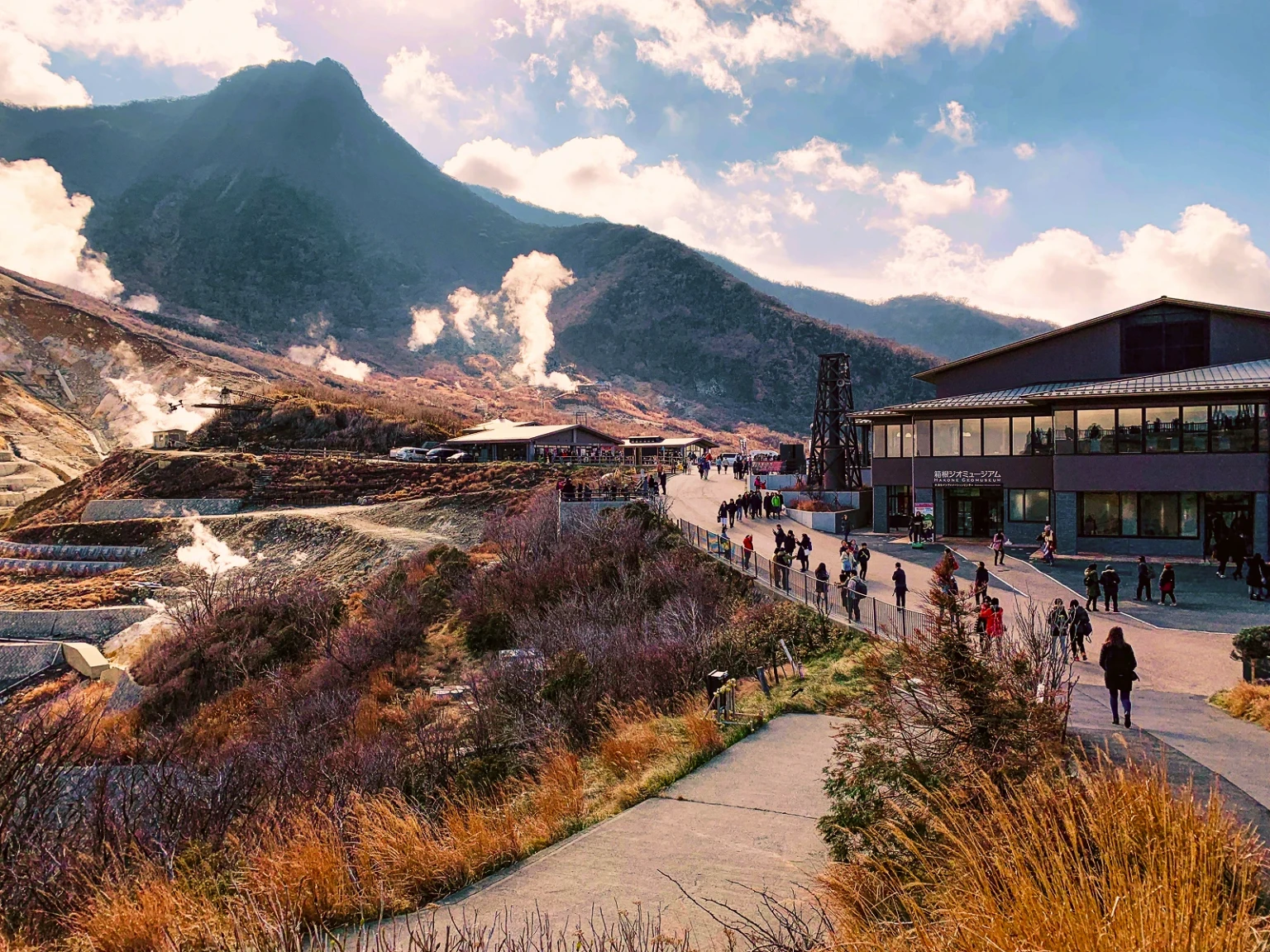
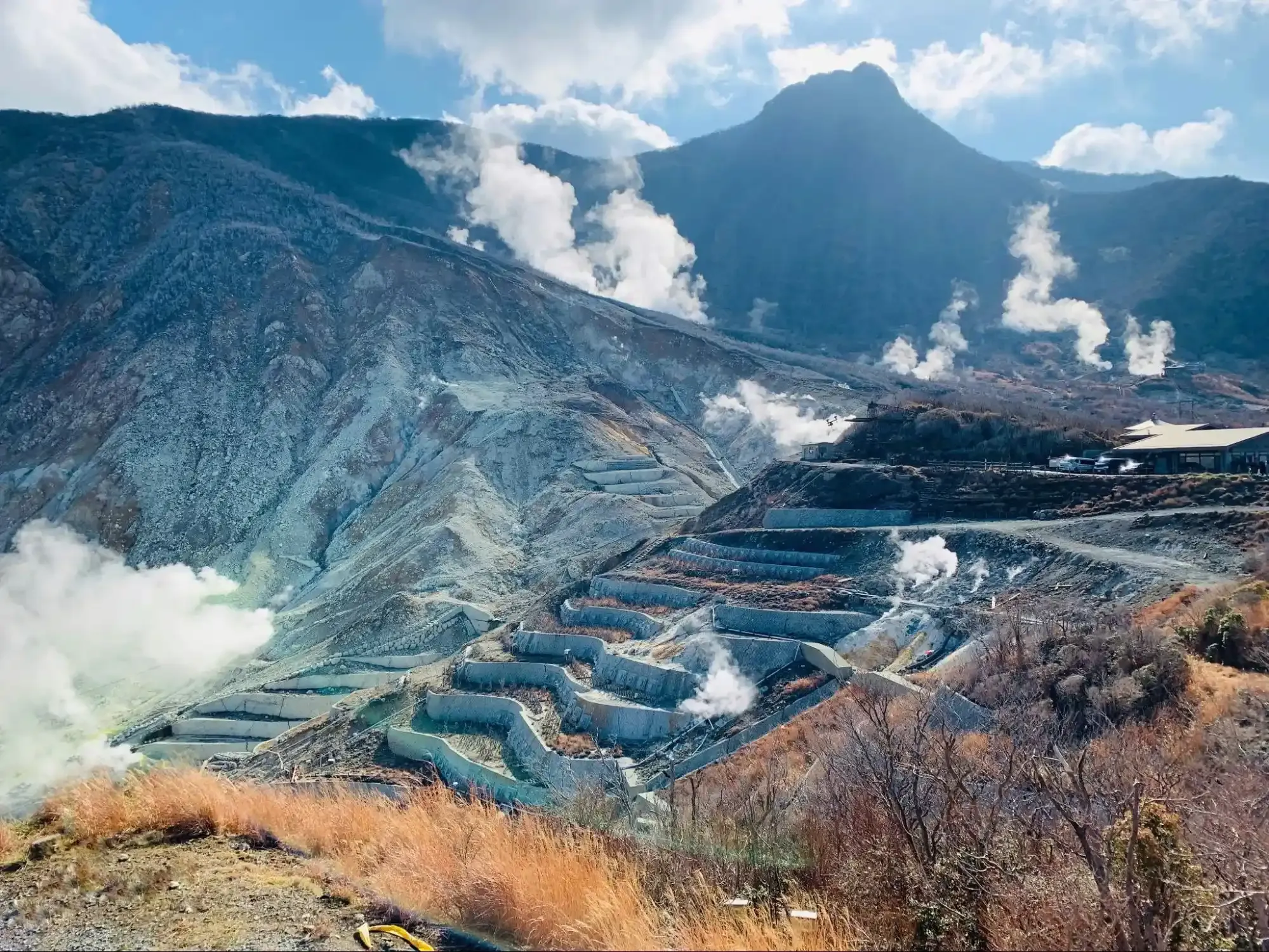
Owakudani, or the "Great Boiling Valley," is a steaming crater about 1,044 meters up, where sulphur vents rise from the ground. Visitors try kuro-tamago, eggs boiled in the hot springs until their shells turn black. According to legend, eating one adds seven years to your life, but locals say not to eat more than two.
- Why go: See unique volcanic landscapes and try a local snack with a fun legend.
- Getting there: Take the ropeway from Sounzan, but check if it is open due to weather or volcanic gas.
- Time needed: You will need about 45 to 60 minutes here.
Tribe Travel Tip: Sometimes the ropeway closes if volcanic gas levels are high. Check the Hakone Ropeway status before you go and keep your plans flexible.
Lake Ashi, The Floating Torii And The Pirate Ship
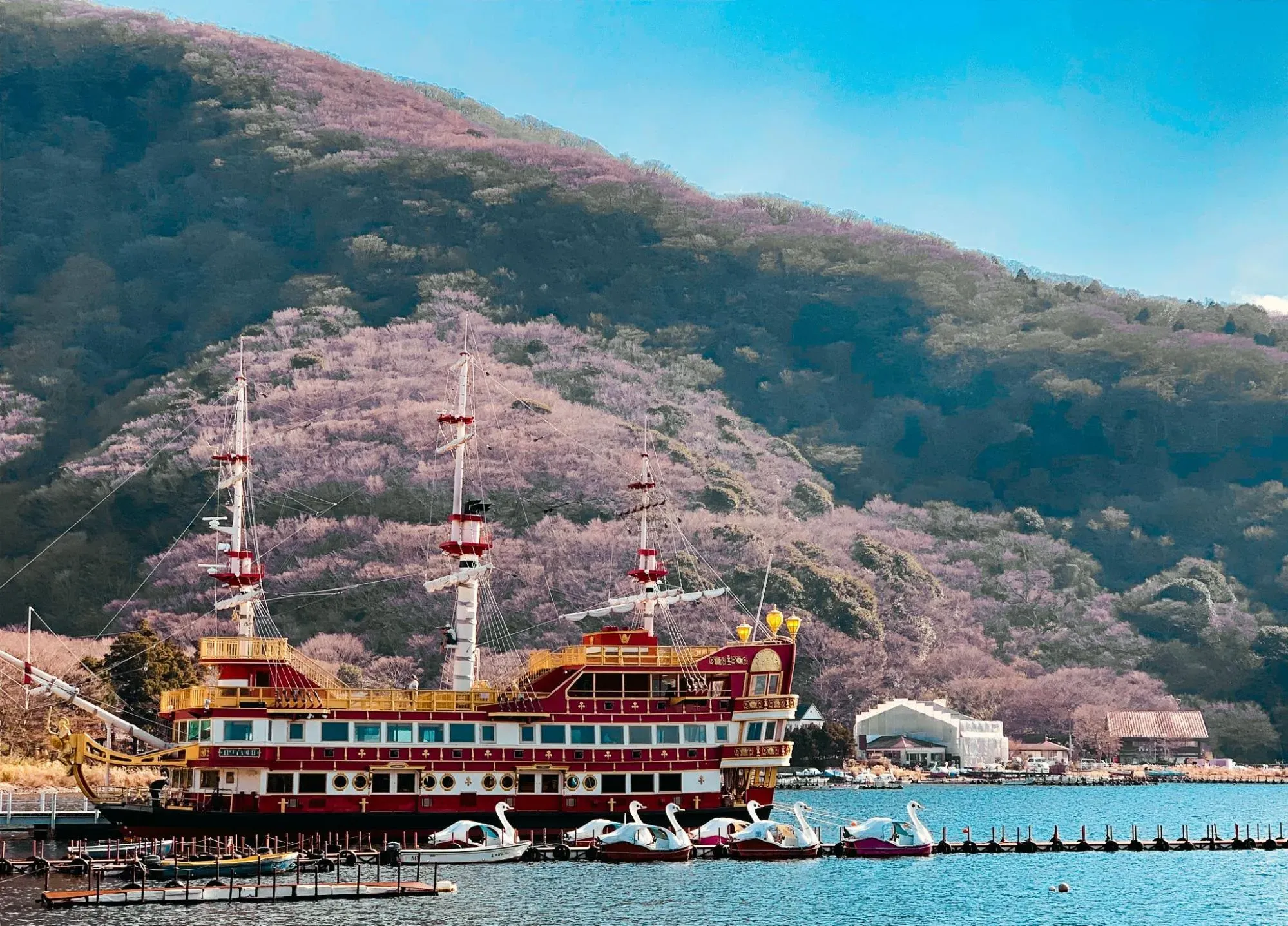
Lake Ashi is the peaceful centre of Hakone. The bright red Heiwa-no-Torii stands in the water near Hakone Shrine, which is over a thousand years old. You can take a themed "pirate ship" cruise across the lake, and on clear days, see Mount Fuji ahead.
- Why go: This is Hakone’s most famous photo spot, and the cruise is a fun bonus.
- Getting there: Boats travel between Togendai, Hakone-machi, and Moto-Hakone.
- Time needed: Plan for 1 to 2 hours, including time to walk to the shrine.
Tribe Travel Tip: The line for a photo at the torii can be over 40 minutes during busy times. Arrive before 8am or near sunset for a quieter experience.
The Hakone Open-Air Museum And More
Japan’s first open-air museum displays sculptures by Henry Moore, Rodin, and others in a hillside park. There is also a Picasso pavilion with hundreds of works and a free hot-spring foot bath for tired feet. If you have more time, visit the Pola Museum of Art in the forest, which features Monet and Renoir, or the glass museum at Sengokuhara, which is especially nice on a sunny day.
- Why go: Enjoy top-quality art surrounded by mountain views.
- Getting there: It is just a short walk from Chokoku-no-Mori station.
- Time needed: Set aside 2 to 3 hours for your visit.
Hakone Hot Springs: How to Do Onsen Right
Soaking is what it’s all about, so let’s keep things simple. These mineral-rich baths are why the town is here, and even if you’re just visiting for the day, you can relax at a public bathhouse like Tenzan Onsen near Hakone-Yumoto. If you haven’t tried it before, the etiquette is easy to follow once you know the basics:
- Wash and rinse well at the seated showers before getting into the bath.
- Don’t wear swimwear, and keep your small towel out of the water.
- Tie up long hair, and take your time if the water feels hot.
Keep in mind that many communal baths still do not allow guests with tattoos.
Tribe Travel Tip: If you have tattoos, consider booking a ryokan room with a private open-air bath, or pick a tattoo-friendly place like Tenzan Onsen. With a private bath, you can relax without any worries and enjoy the soak together.
Where to Stay in Hakone, Japan: Ryokan And Hotels
Picking where to stay comes down to the kind of experience you want. Staying at a Hakone ryokan with tatami floors, a kaiseki dinner, and its own hot spring is a memorable experience on its own. If you prefer a regular bed and buffet meals, there are also plenty of hotels in Hakone to choose from.
Area | Vibe | Best for |
Hakone-Yumoto | Lively gateway, most restaurants | Easy arrival, first-timers |
Gora | Higher up, centre of the loop | Private-bath ryokan, onsen focus |
Miyanoshita | Historic, classic hotels | Old-world charm |
Sengokuhara | Quiet, pampas grass fields | Calm and art museums |
Moto-Hakone | Lakeside, by the torii | Sunrise Fuji reflections |
Here’s a planning tip that often gets overlooked: once you leave Hakone-Yumoto, there aren’t many restaurants open at night. Booking a ryokan with dinner included in Gora or near the lake can save you from searching for food in the evening. Also, the best rooms usually get booked three to six months in advance during autumn and cherry blossom season.
What to Eat in Hakone, Japan
You’ll find plenty to eat in Hakone. Besides the famous black eggs, local restaurants serve hearty mountain comfort food, and the regional specialities are truly delicious.
- Soba: These are handmade buckwheat noodles, often topped with grated yam, known as tororo soba.
- Yuba: This is delicate tofu skin that’s silky, mild, and a staple in Hakone.
- Kaiseki: A multi-course dinner at a ryokan is seasonal and definitely worth trying at least once.
- Amazake: Try a warm, sweet rice drink at the 400-year-old Amazake-chaya teahouse along the old Tokaido road.
- Black egg sweets: You’ll find treats ranging from manju buns to unique black egg Kit Kats you can only get in this region.
Planning Your Hakone Escape With Holiday Tribe
Hakone is special because it brings together Japan's best experiences: hot springs, a sacred lake, mountain art, and views of Mount Fuji, all in a peaceful, walkable area close to Tokyo. The key is putting the route, timing, and the right ryokan together so your holiday feels relaxed, not rushed. That's where we help. At Holiday Tribe, our advisors create both ready-made and fully customised itineraries based on your dates, your pace, and whether you want to see the sunrise by the lake or enjoy a private onsen under the stars. Just tell us how you like to travel, and we'll take care of everything so you can simply enjoy your holiday.