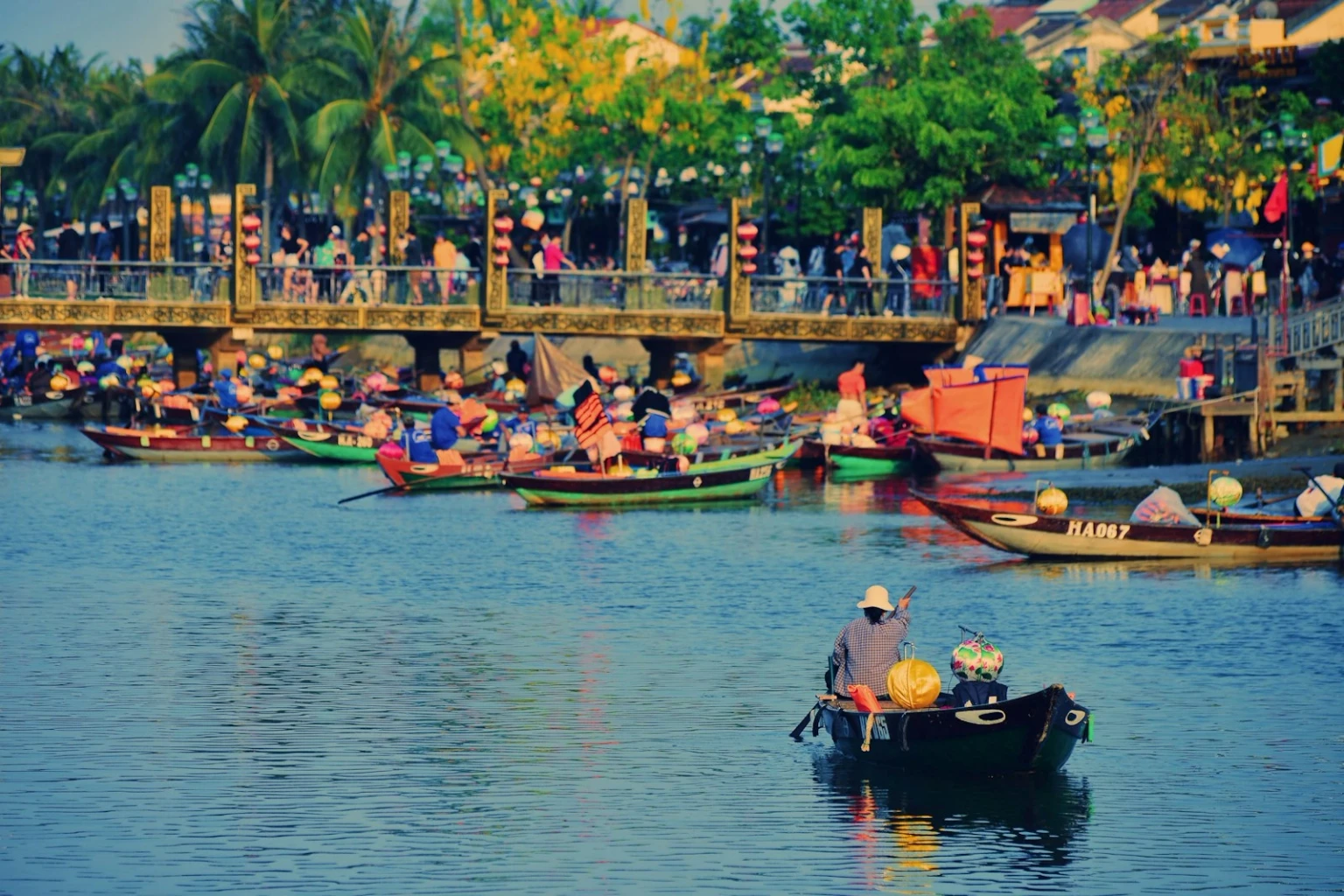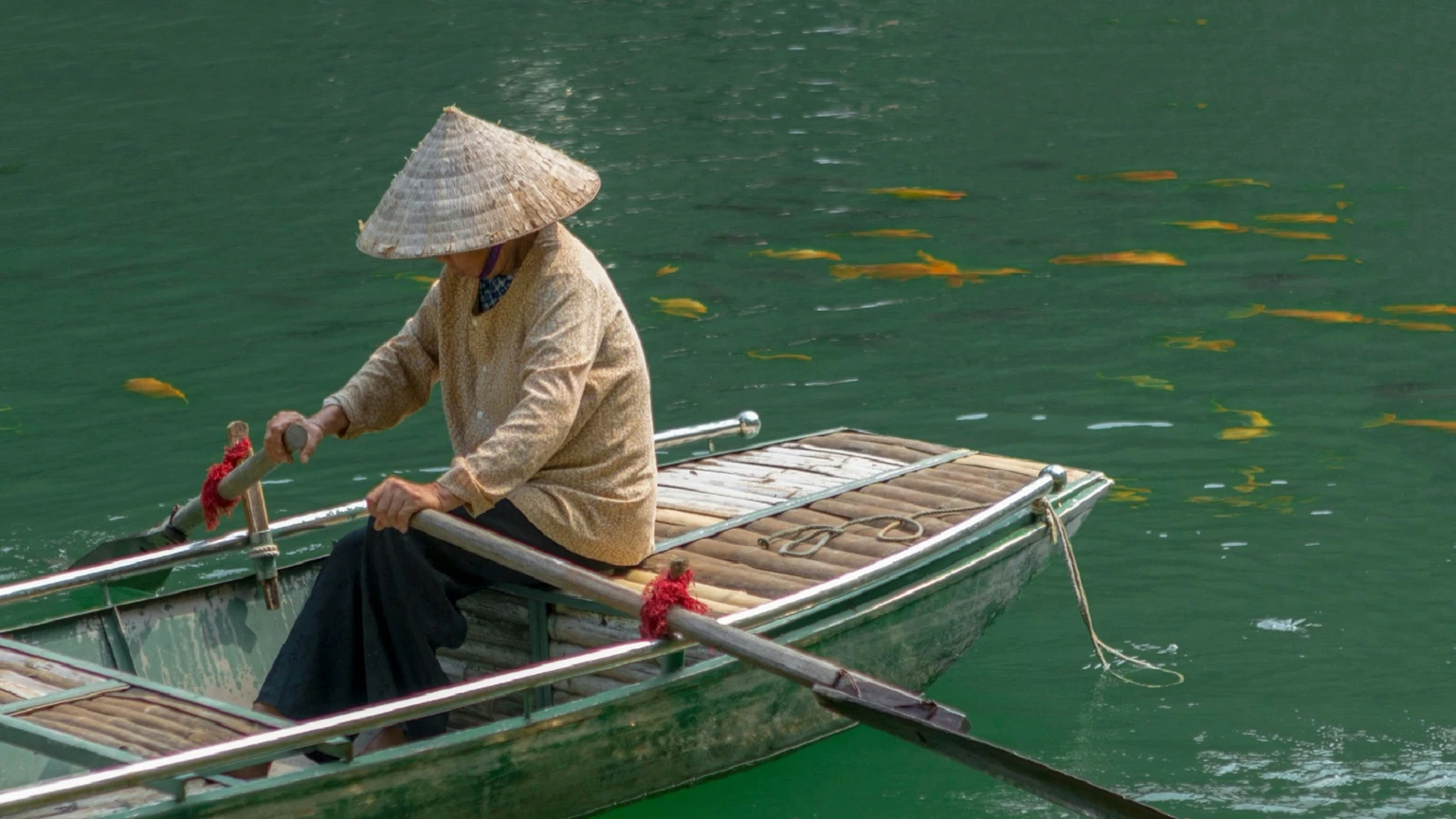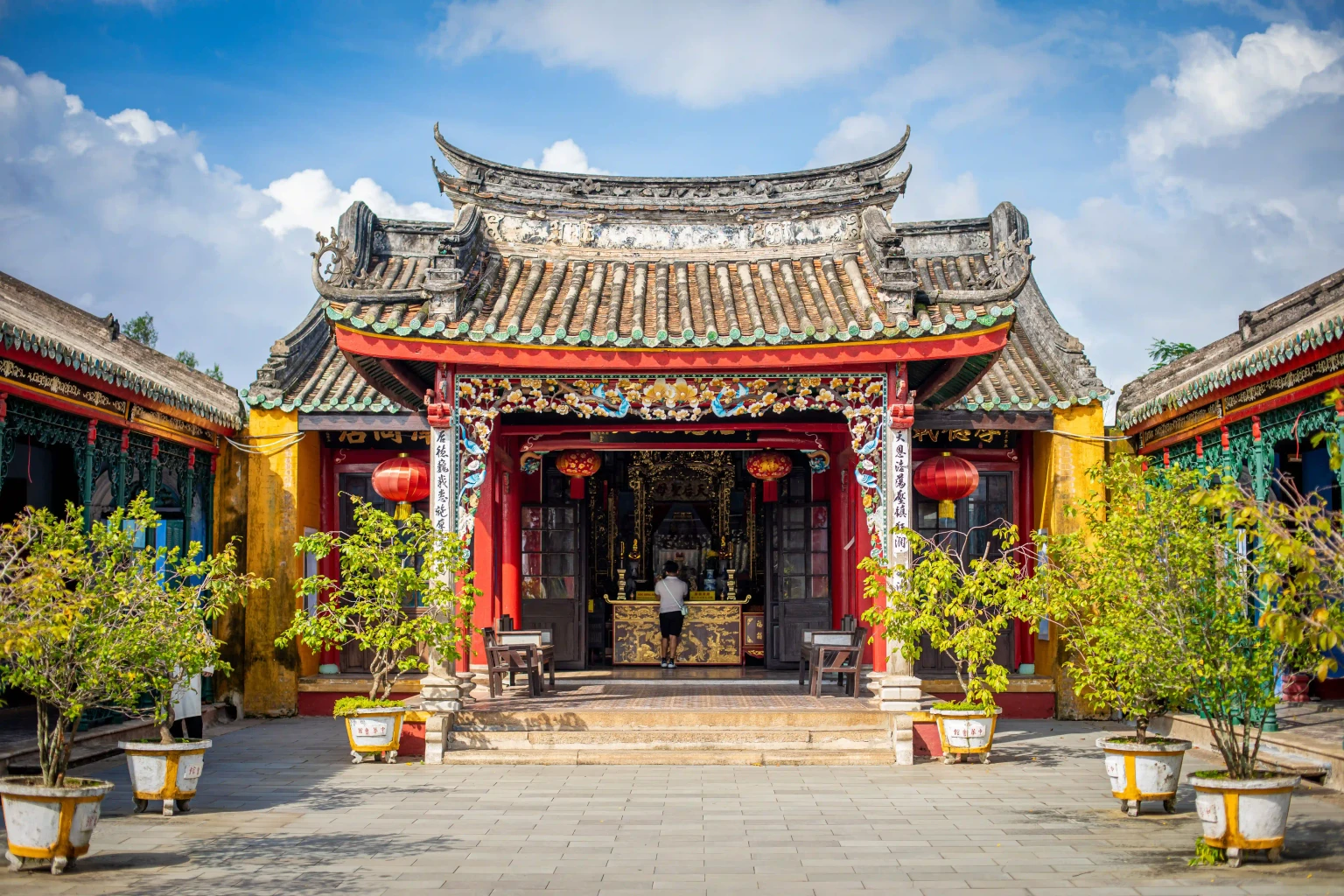


If you look through most people’s Vietnam photos, you’ll probably see the same four places: the same bay, the same lanterns, and the same bowl of pho in the same old town. There’s nothing wrong with that. Still, between all the tour buses, you might start to wonder what’s happening in the rest of the country. As it turns out, there’s a lot to discover. Some of Vietnam’s best hidden gems are just a few hours away from the usual tourist spots, up in waterfall country, out on quiet islands, or inside caves big enough to fit a city block. Most travellers skip these places because they seem hard to reach. But they’re actually easier to visit than you might think. Here are 10 hidden gems in Vietnam that most people miss, plus tips on how to add them to your holiday.
Are There Any Hidden Gems In Vietnam Left To Find?
The short answer is yes, there are plenty. Vietnam stretches over 1,600 kilometres from north to south, but most tourists visit just five or six popular spots. If you look beyond these, you’ll find quieter, underrated places that many first-time visitors miss. Here’s a simple alternative we recommend.
Instead of | Try | Why |
Ha Long Bay | Ninh Binh or Ba Be Lake | Same water-and-karst scenery, a fraction of the boats |
Sapa | Ha Giang or Pu Luong | Bigger views, far fewer tour buses |
Phu Quoc | Con Dao or Phu Quy | Cleaner beaches, slower pace |
Da Nang’s beaches | Quy Nhon | Open sand without the resort wall |
Tribe Travel Tip: You don’t have to stick to just one region. Choose two or three places that are near each other so you can spend more time exploring and less time travelling.
10 Hidden Gems In Vietnam, From The Far North To The South
We’ve listed these spots by geography, making it easy for you to plan a smooth route.
Ha Giang: Vietnam’s Greatest Road Trip
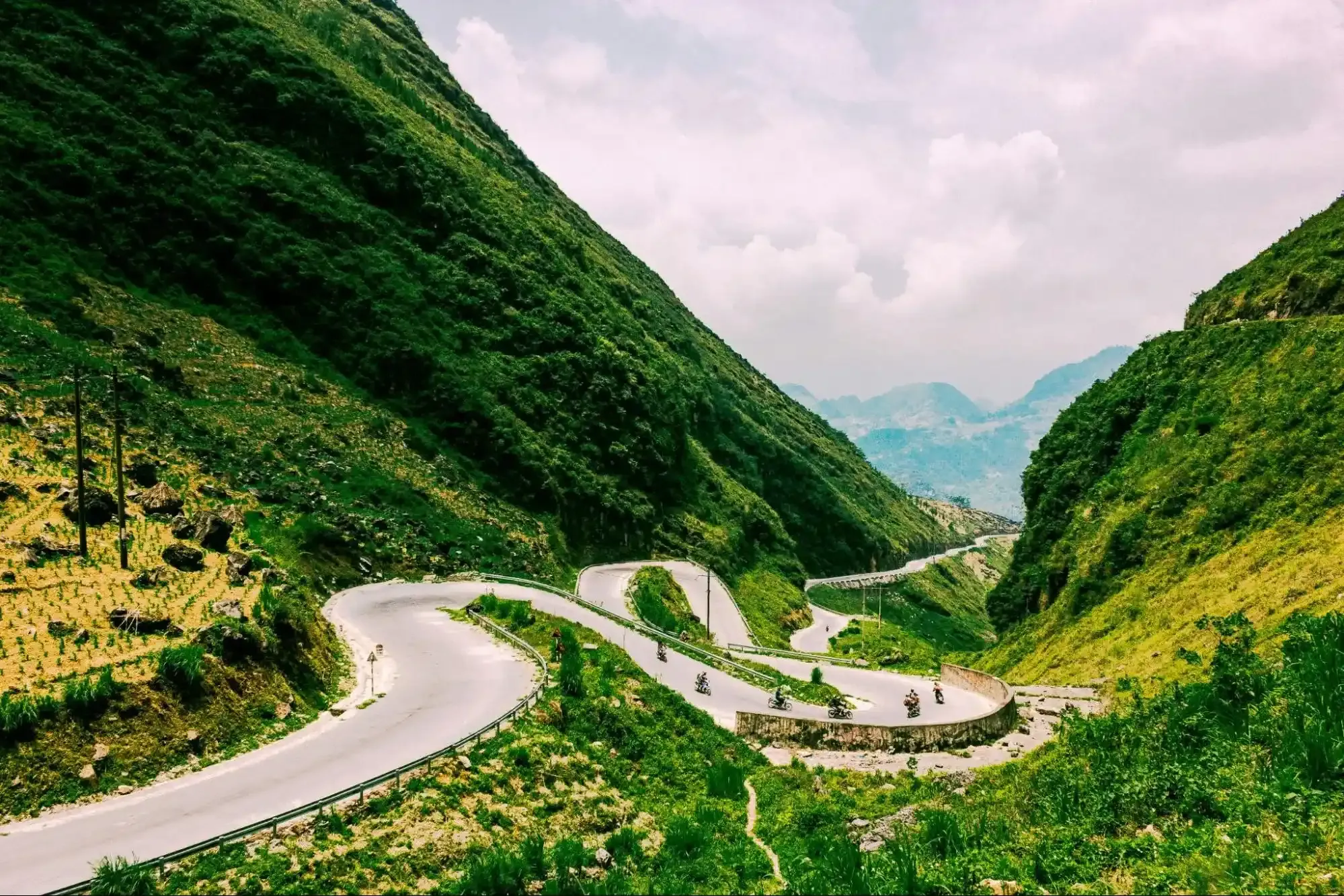
Seasoned travellers love this one. The Ha Giang Loop winds through the Dong Van Karst Plateau, a UNESCO Global Geopark since 2010, passing Hmong villages, the Ma Pi Leng Pass, and the green Nho Que River below. You can ride it yourself or go with a local driver.
- Best for: Road-trip lovers and big mountain views
- Don’t miss: A boat along the Nho Que River through Tu San Canyon
- Good to know: 3 to 4 days; hire a car and driver if you would rather not ride a bike
Cao Bang: Ban Gioc, The Border Waterfall
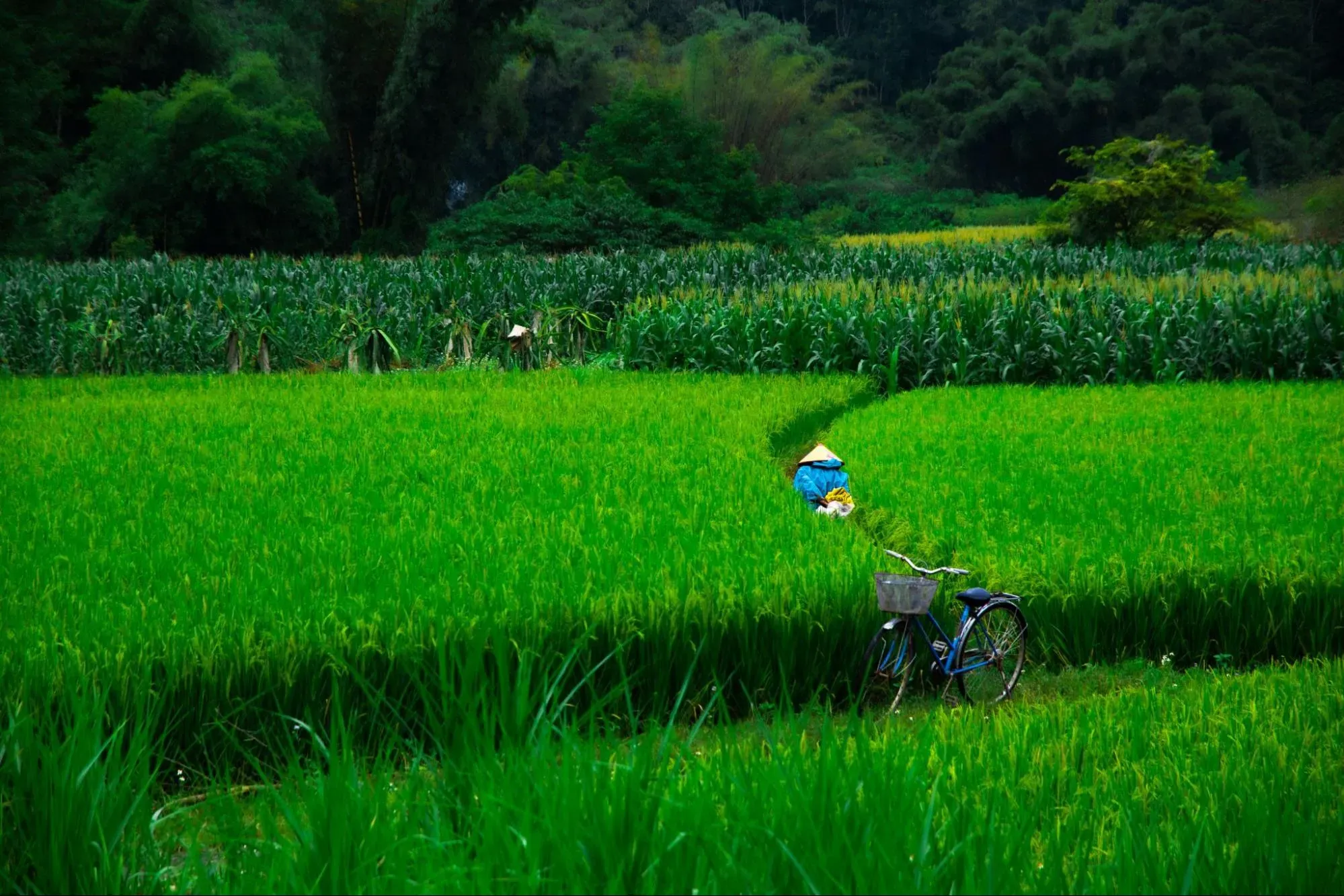
Ban Gioc is the fourth-largest waterfall on a national border, after Iguazu, Victoria, and Niagara, and it’s the biggest in Southeast Asia. The falls cascade in wide tiers along the Vietnam-China border, and you can take a bamboo raft close to the spray.
- Best for: Waterfalls without the crowds
- Don’t miss: Nguom Ngao Cave nearby; the raft to the foot of the falls
- Good to know: Water is fullest June to October; carry your ID at the border
Ba Be Lake: Slow Days On The Water
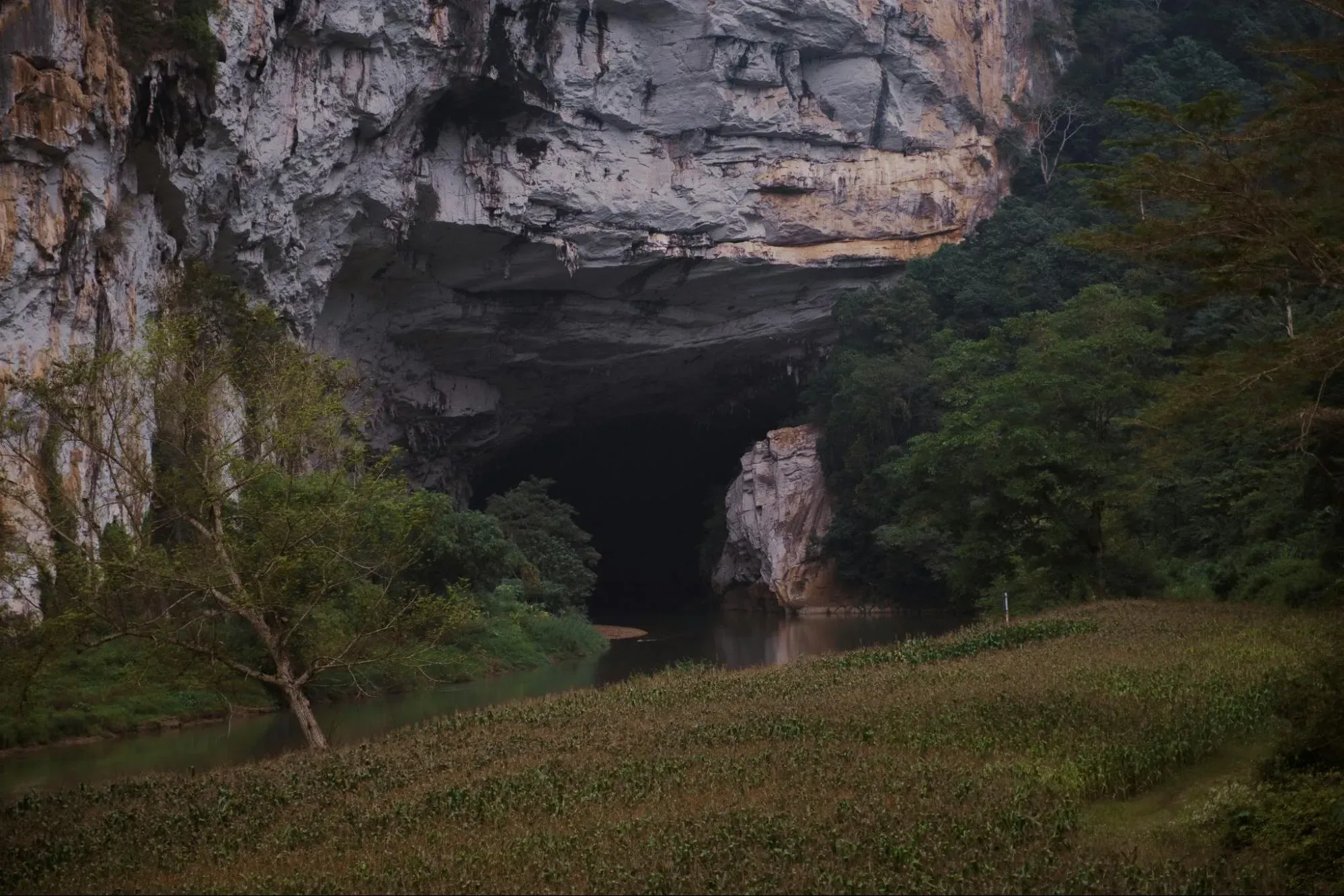
Ba Be is Vietnam’s largest natural lake, surrounded by forest and Tay villages. Stay in a stilt-house homestay at Pac Ngoi, paddle at dawn, and drift through Puong Cave, where thousands of bats live on the roof. It’s one of the easiest hidden gems to combine with Cao Bang.
- Best for: Slow nature and homestays
- Don’t miss: A sunrise kayak; the boat through Puong Cave
- Good to know: Combine it with Cao Bang on the same northern loop
Mai Chau: The Easy Rural Escape
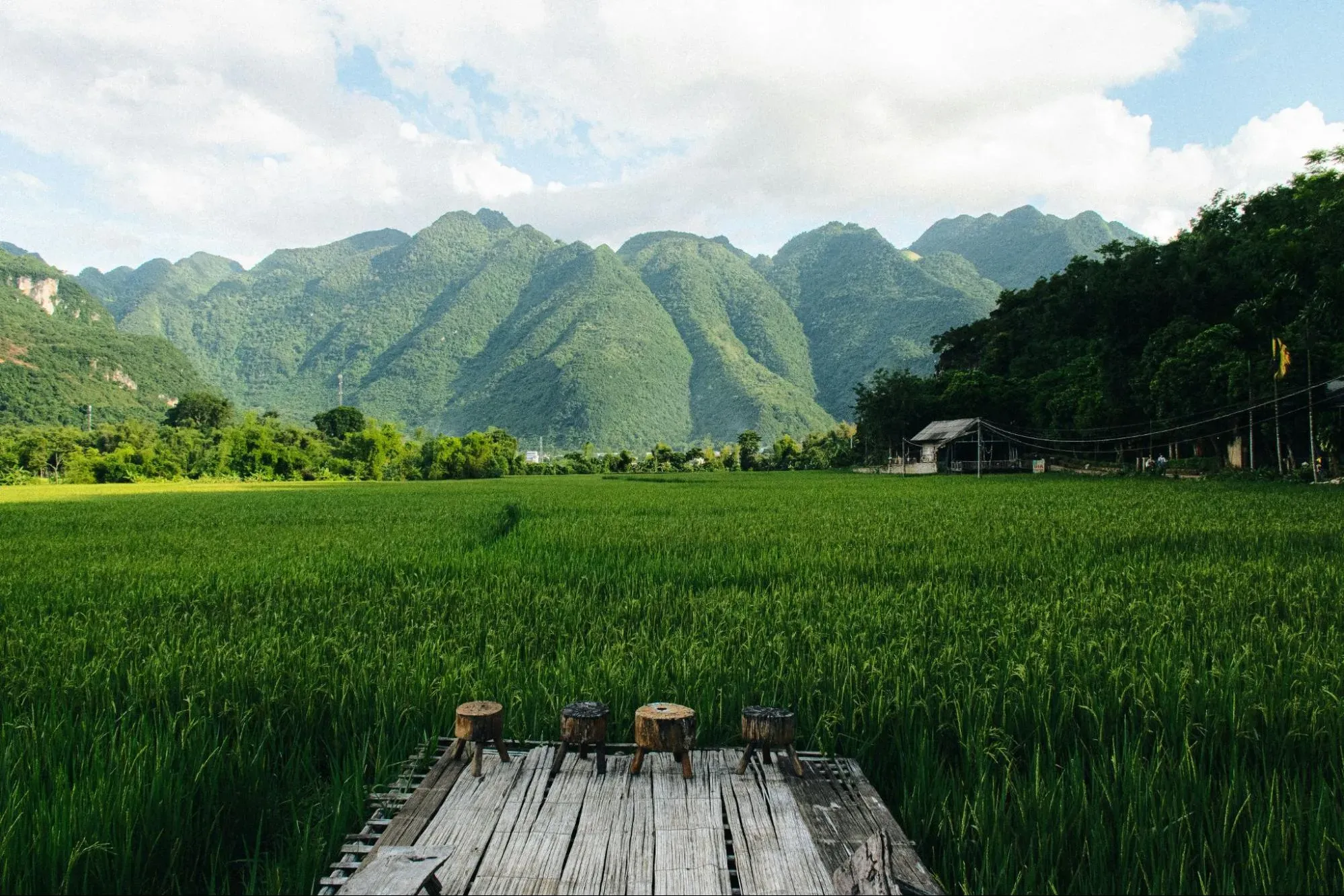
Looking for countryside without a long drive? Mai Chau is about four hours from Hanoi. This flat green valley is dotted with White Thai stilt houses, where you can cycle between villages and try sticky rice cooked in bamboo.
- Best for: First-timers and families wanting a short break from the city
- Don’t miss: Cycling through Lac and Pom Coong villages
- Good to know: One or two nights is plenty
Pu Luong: Rice Terraces Minus The Queues
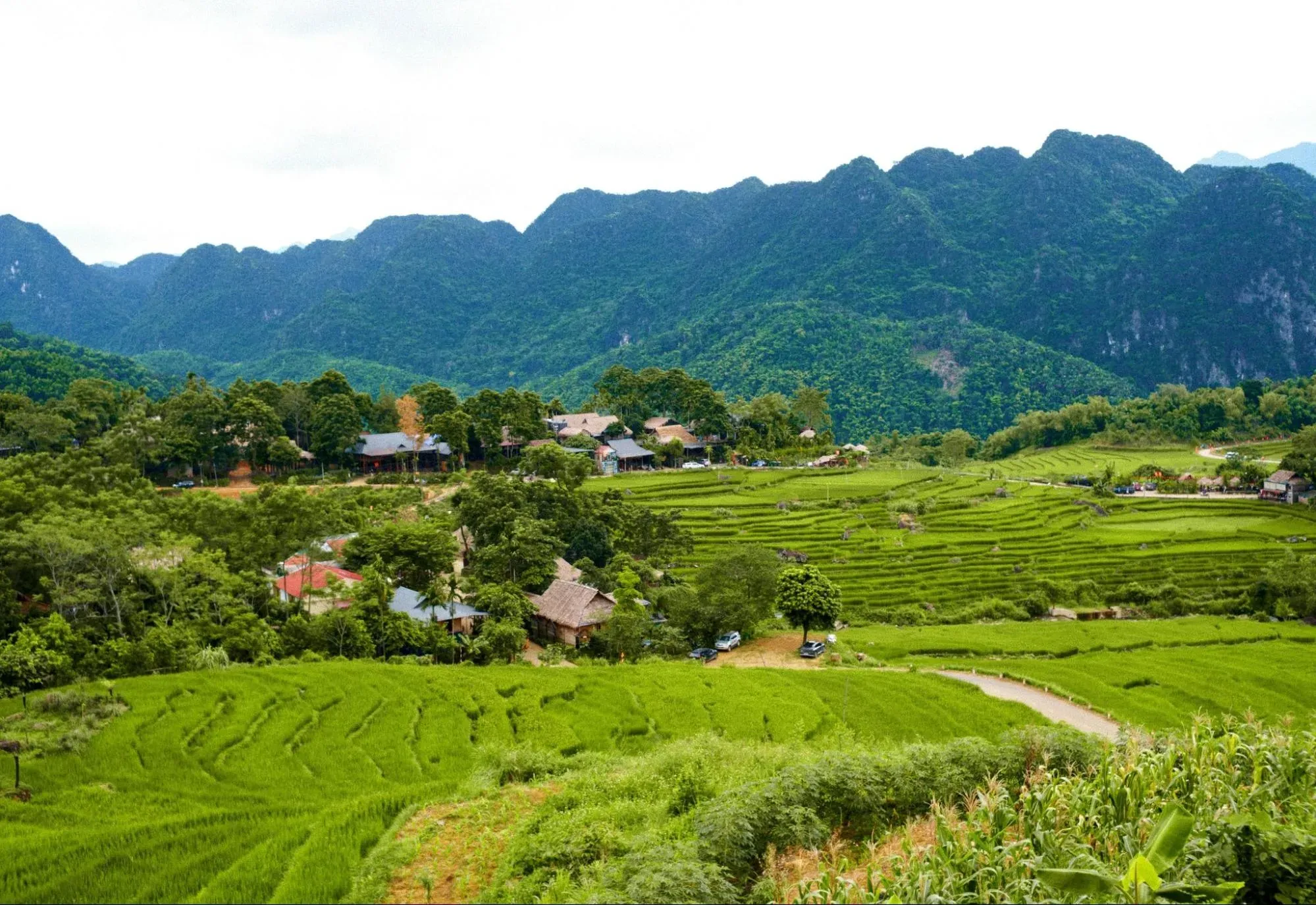
Pu Luong offers the tiered rice fields people seek in Sapa, but with far fewer visitors. Small eco-lodges overlook the paddies, many with pools facing the valley, and you can walk from village to village between them.
- Best for: Couples and anyone after terrace views in peace
- Don’t miss: A paddy-view pool; a half-day trek between hamlets
- Good to know: Fields are green around June, golden late September to October
Ninh Binh: Ha Long Bay On Land
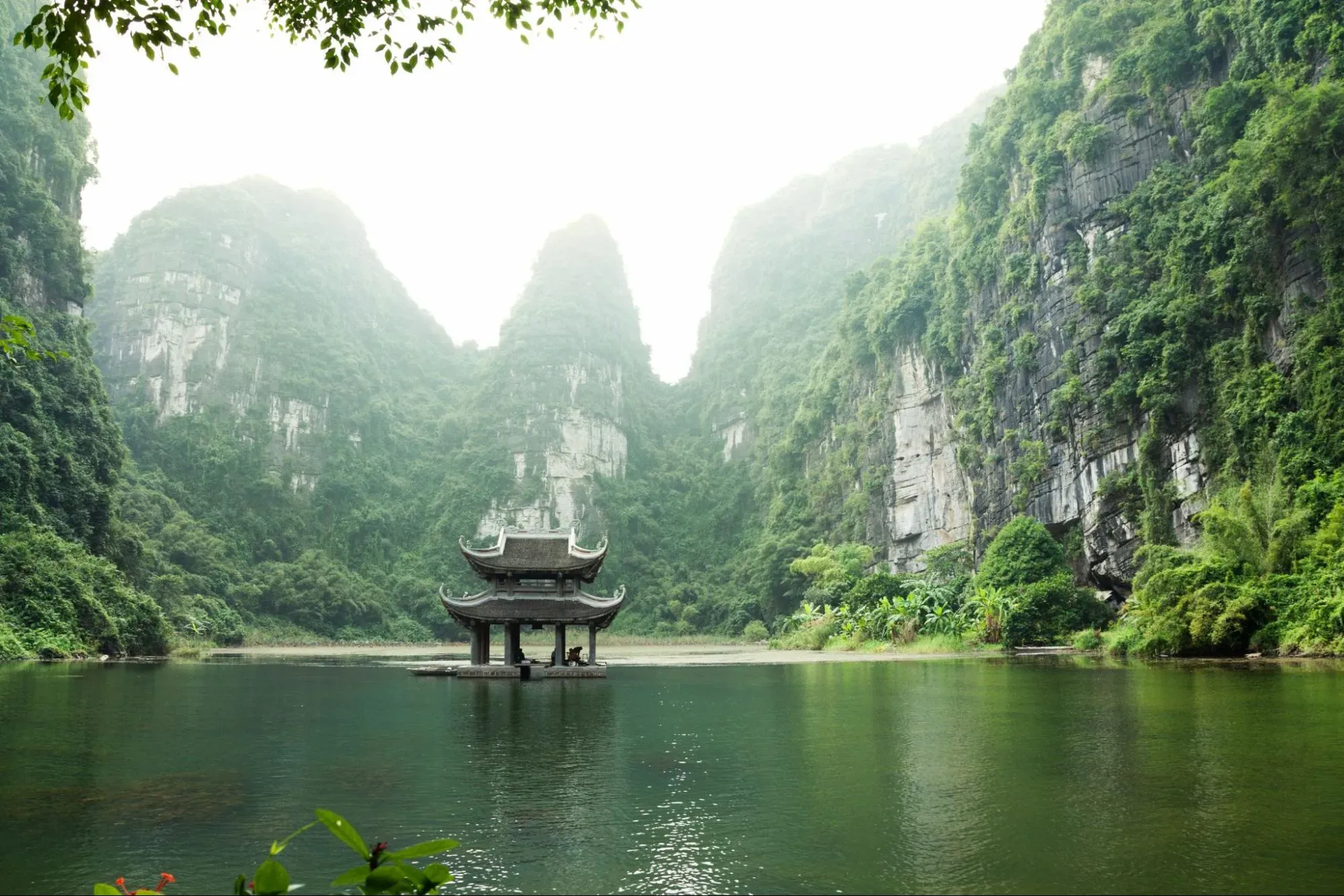
Here, rock towers rise straight out of the rice fields, and you can float between them on a rowed sampan through Trang An, a UNESCO site since 2014 and a Kong: Skull Island filming location. Climb about 500 steps at Mua Cave for the unforgettable view. Of all Vietnam’s underrated spots, this is the easiest to visit from Hanoi.
- Best for: Travellers skipping the Ha Long crowds
- Don’t miss: The Trang An boat route; Mua Cave at sunrise
- Good to know: Easy as an overnight; the Tam Coc lotuses bloom late May to June
Phong Nha: Into The World’s Biggest Caves
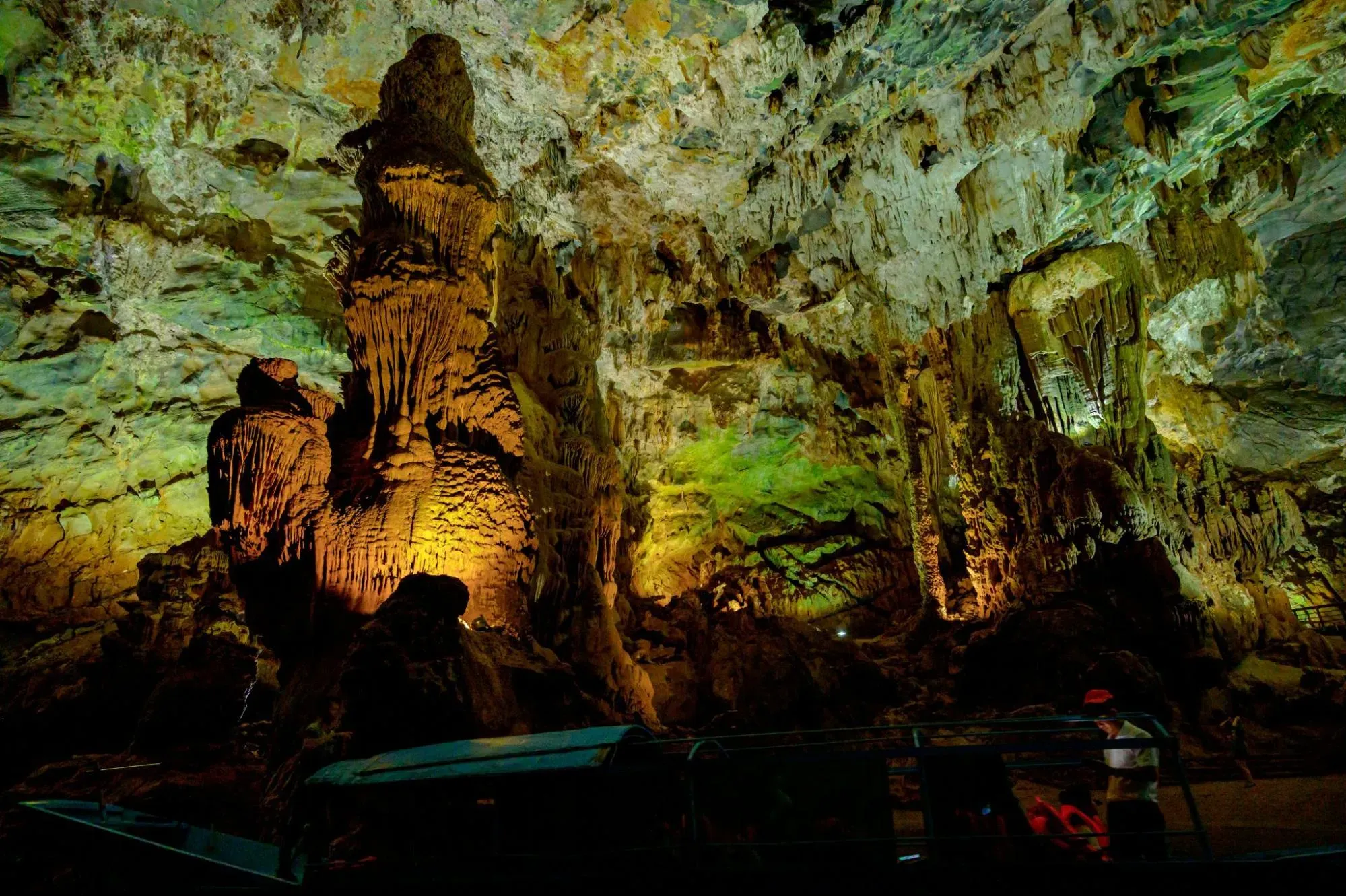
Phong Nha-Ke Bang is known for its caves, including Son Doong, the largest cave on Earth, big enough to fit a plane in some sections. Most visitors explore the easier caves, like Paradise Cave and the river-mouth Phong Nha Cave, which are impressive on their own.
- Best for: Caves and soft adventure
- Don’t miss: Paradise Cave; a boat into Phong Nha Cave
- Good to know: Driest February to August; Son Doong runs only through the one licensed operator, Oxalis
Tribe Tip: If Son Doong is on your list, plan close to a year out. Permits are limited and go quickly.
Quy Nhon: The Coast Da Nang Used To Be
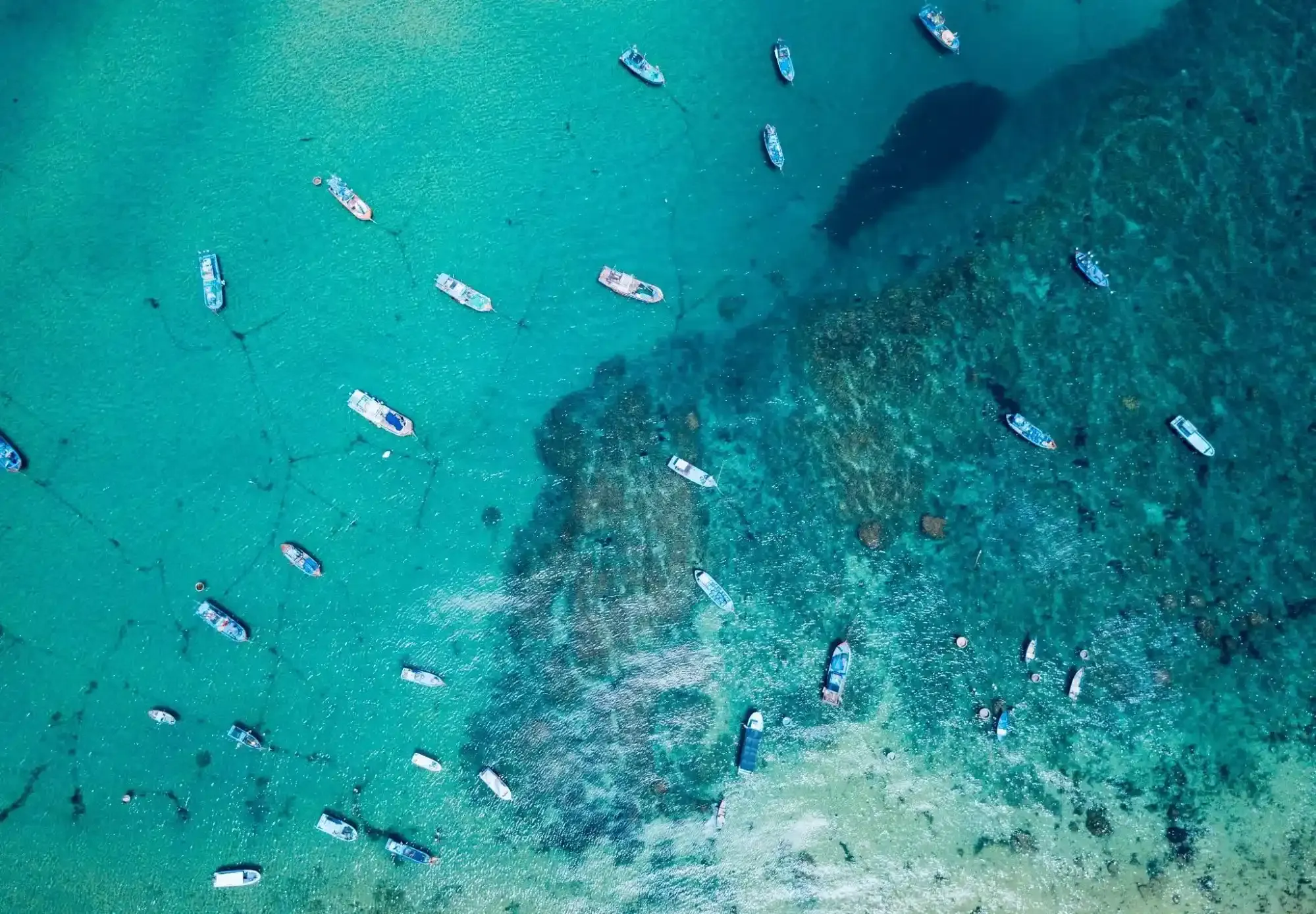
Quy Nhon is a fishing city with clean, open beaches and hardly any resort walls. Swim at Ky Co, walk along the Eo Gio cliffs, and try banh xeo filled with tiny jumping prawns, a local speciality.
- Best for: Quiet beaches and seafood
- Don’t miss: Ky Co and Eo Gio; the old Cham towers at dusk
- Good to know: Best time is March to August; fly into Phu Cat airport
Phu Quy Island: Catch It Before Everyone Else
This small volcanic island off Phan Thiet is popular with Vietnamese travellers, but most foreigners haven’t discovered it yet. Take a ferry to get there, rent a scooter for the day, and snorkel in truly clear water.
- Best for: An island that still feels early
- Don’t miss: The scooter loop; the pagoda-hill viewpoint
- Good to know: Ferry from Phan Thiet; seas are roughest November to February
Con Dao: Beaches With A Long Memory
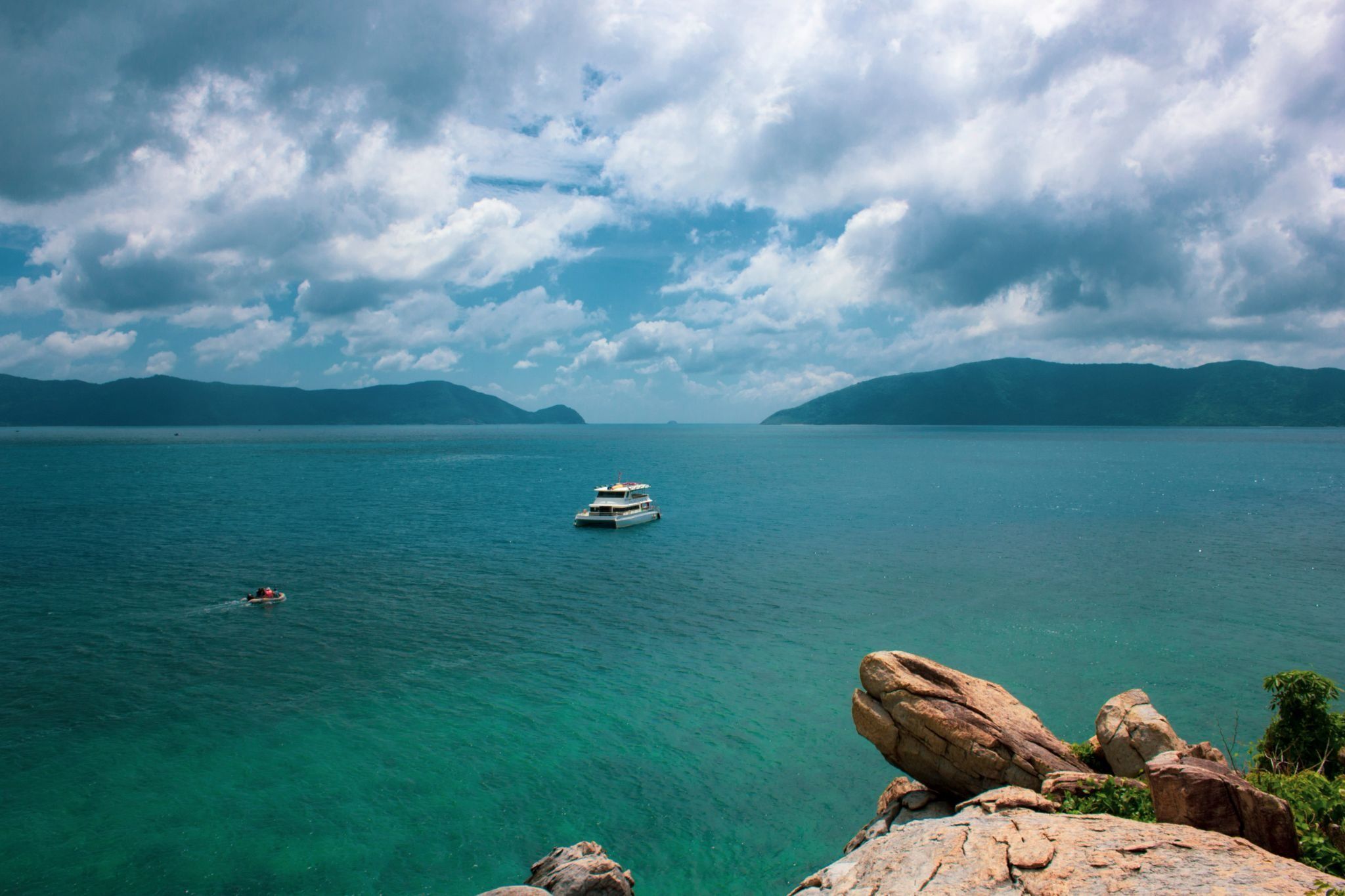
Con Dao was once a chain of prison islands, but now it’s one of Vietnam’s cleanest coastlines and a protected marine park. Green turtles nest here in the warm months, and the island’s history gives it a depth most beach spots lack.
- Best for: Beaches, diving and a bit of history
- Don’t miss: Turtle-nesting season; the old prison and Hang Duong cemetery
- Good to know: Short flight from Ho Chi Minh City; March to September for the sea
When To Go And How To Fit These Places In Vietnam Without Detours
Timing is everything for these places, since the north and the coast each have their own seasons.
- The far north (Ha Giang, Cao Bang, Ba Be, Pu Luong, Mai Chau): September to November and March to May, dry and clear.
- The central coast and caves (Phong Nha, Quy Nhon): February to August, before the autumn rains.
- The southern islands (Con Dao, Phu Quy): March to September for calm seas.
A lot of Vietnam’s underrated places are close together, so it’s best to focus on one area instead of trying to see everything. You could do a northern loop with Ha Giang, Cao Bang, and Ba Be, or pair Phong Nha with a stop in Quy Nhon on the coast. For unique experiences between the main attractions, try homestay dinners, early market visits, and taking a slow boat instead of rushing through a busy itinerary.
Seeing The Side Of Vietnam Most People Skip
If you plan your holiday right, these hidden gems in Vietnam offer a much better first visit than the usual tourist route. They feel more local, have more variety, and are much less crowded. The main challenge is sorting out the logistics, like long drives in the north, ferry rides to the islands, and booking caves early before they fill up.
That’s where we can help. At Holiday Tribe, our advisors offer two ways to plan your Vietnam holiday: you can choose a ready-made package with a tried-and-tested route, or we can create a custom plan based on your favourite mix of mountains, caves, and coast. Both options include hotels, transfers, sightseeing, and local experiences, so you can just arrive and start exploring. We can also arrange flights if you need them. Just let our team or our AI travel planner know what kind of holiday you want, and we’ll tailor it to your pace and style.