

To know South Africa culturally and locally, and to make your holiday more than just a surface-level experience, Johannesburg is a great place to start. This city has its own struggles, evolution and history-changing stories that are still visible in many parts of it.
Today, Johannesburg, Africa, may be known for its history, art, food and townships, but much of its evolution began with the discovery of gold that changed the fate of this place. The gold rush transformed Johannesburg from a small settlement into one of South Africa’s most important cities.
To understand this place from its roots, visit the well-curated places that preserve different pieces of its history. In this guide, you’ll discover the landmarks and experiences that can help you understand Johannesburg beyond its surface.
Getting to Know Johannesburg Before You Go
Johannesburg, Gauteng, sits in the smallest but richest province in South Africa. The whole city exists because of one thing: gold. When it was found here in 1886, people arrived from everywhere, and the settlement exploded from nothing into a boomtown within a decade. A few things worth knowing before you arrive:
- Nickname: eGoli, meaning "place of gold" in Zulu
- Locals call it: Jozi or Joburg
- Language: English is widely spoken, alongside Zulu, Sotho and others
- Layout: Spread out and not very walkable, so you'll need transport between areas
Fun Fact: Johannesburg is often called the largest man-made forest in the world, with over 10 million trees planted across the city. Not bad for a place built on mining.
What Are the Best Places to Visit in Johannesburg?
The best sightseeing places in Johannesburg mix heavy history with genuine energy. Here's where to spend your time, with the practical details for each.
Apartheid Museum
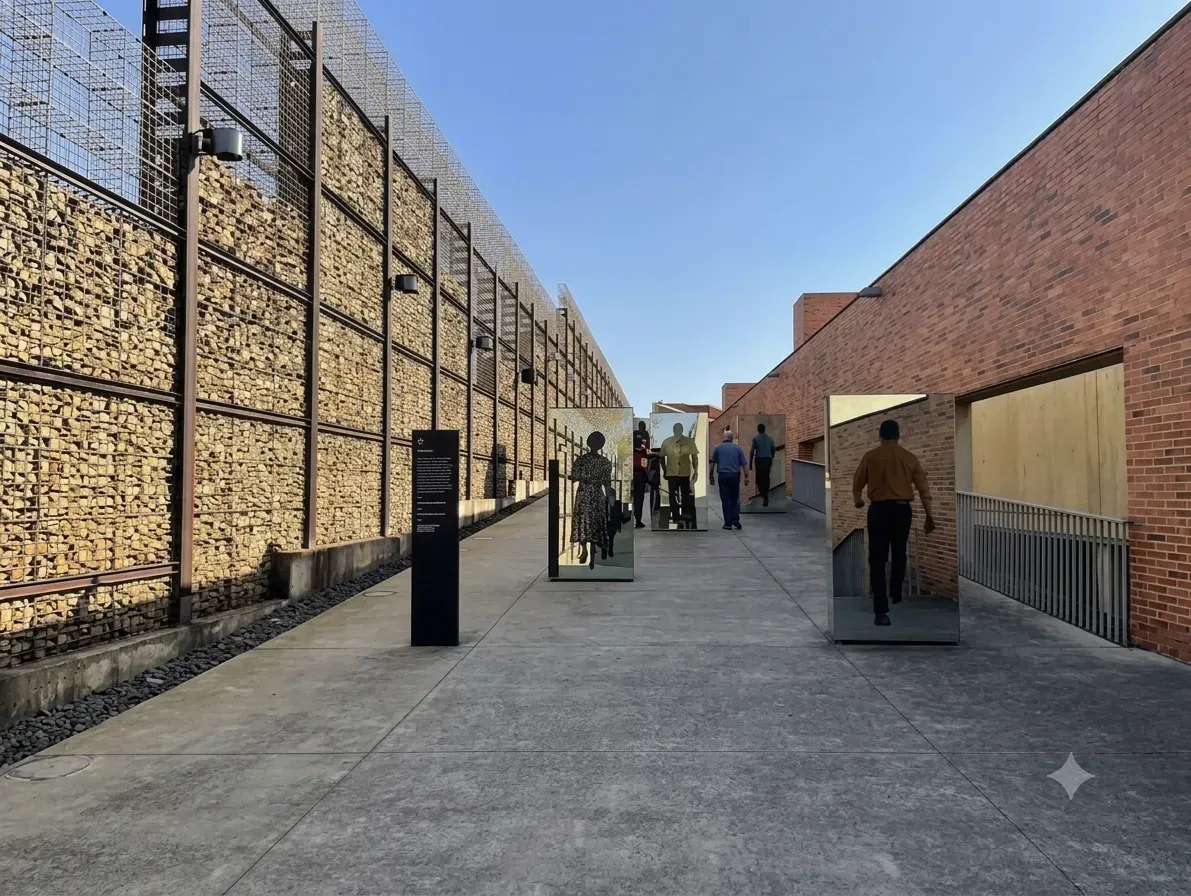 The Apartheid Museum takes you through the history of apartheid in South Africa and helps you understand how deeply it shaped the country and the lives of its people. Instead of simply displaying old objects, the museum creates a journey through history using photographs, documents, exhibitions and personal stories. The experience is serious and emotional, and some sections can leave you deep in thought.
- Hours: Open Wednesday to Sunday, 9 am to 5 pm. Closed Monday and Tuesday (check before going)
- Entry: R 170 for South African adults, R 240 for international visitors; confirm current pricing on arrival
- Time needed: 2 to 3 hours; the content is heavy
Constitution Hill
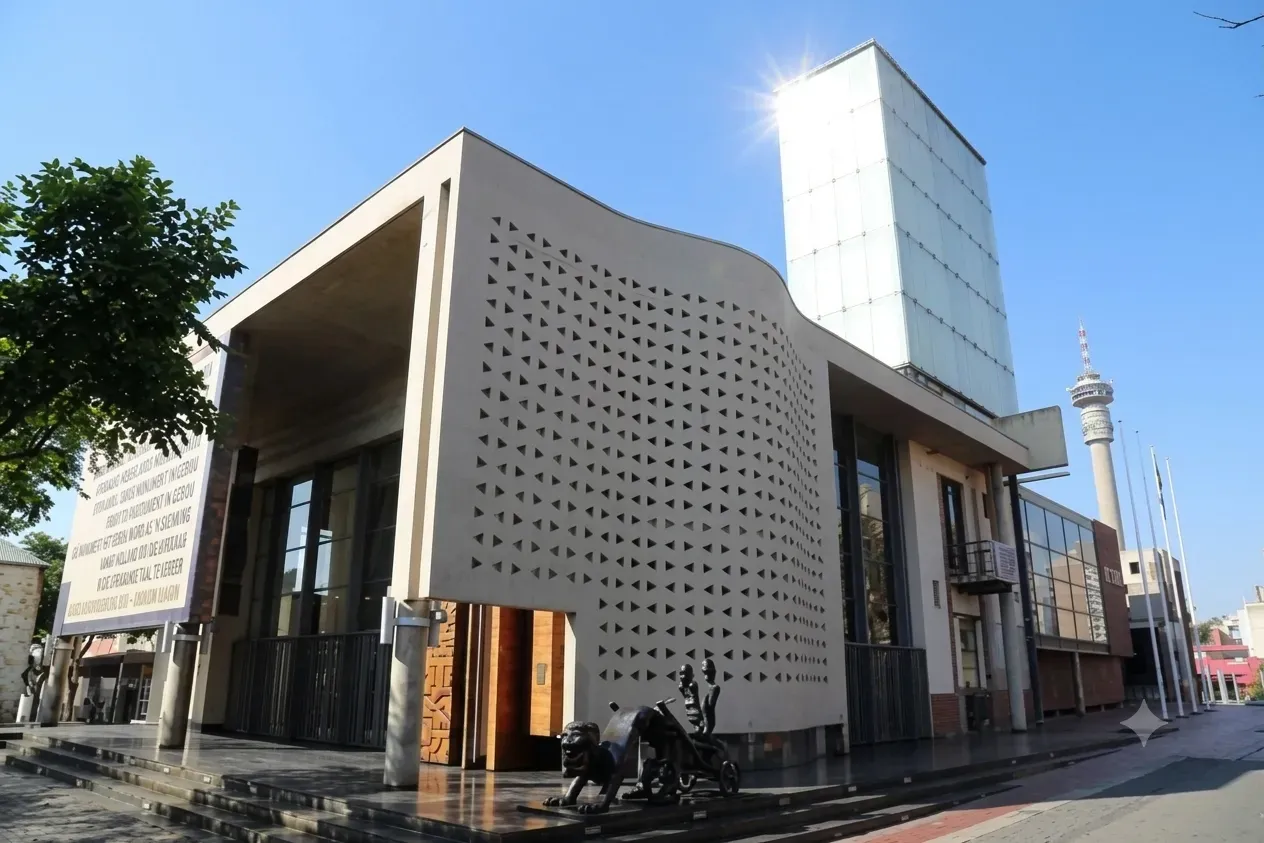 Constitution Hill is a former prison complex in Johannesburg that now stands alongside South Africa’s Constitutional Court. Its history is closely tied to the country’s struggle against apartheid and its journey towards democracy.
As you walk through the old prison buildings, you can see exhibitions that reveal what life was like for prisoners during that difficult period. The site also has connections to figures such as Nelson Mandela and Mahatma Gandhi, adding even more historical significance to your Johannesburg Africa visit.
What makes Constitution Hill especially interesting is the contrast you see here. A place once associated with imprisonment and oppression now stands beside a court that represents democracy, freedom and human rights.
- Hours: Daily, typically 9 am to 5 pm
- Entry: Modest ticket price; guided tours available
- Good for: History-focused travellers, couples, first-timers
Soweto and Vilakazi Street
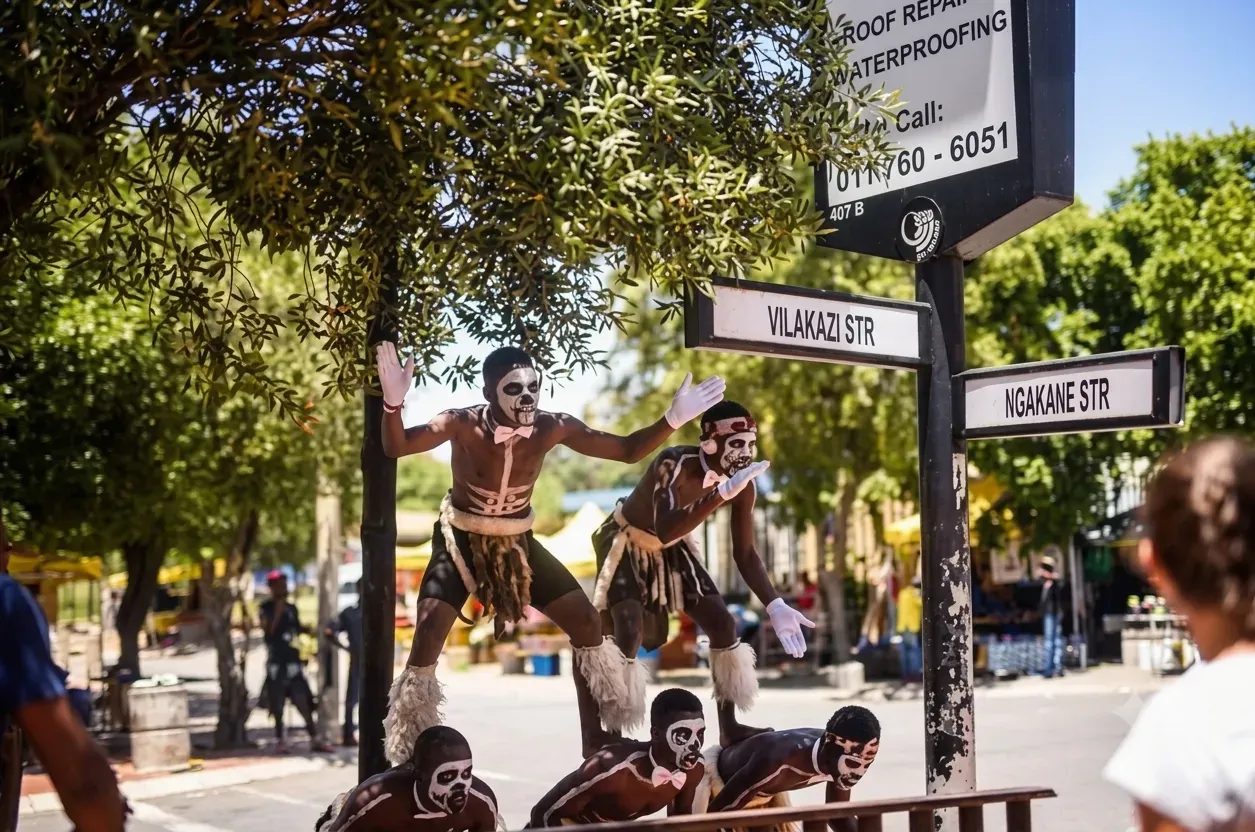 Soweto gives you a chance to experience Johannesburg beyond its usual tourist attractions. You can walk through its streets, visit historic landmarks, see local homes and neighbourhoods, try local food and get a feel for how people live and spend their everyday lives.
What makes a visit here interesting is that you are not simply looking at history behind museum walls. You are moving through a living community where historic places, local culture and everyday life all exist side by side.
- Key stops: Mandela House, Hector Pieterson Memorial, Orlando Towers
- Don't miss: Shisa nyama, grilled meat eaten at a local braai spot
- Time needed: Half a day minimum
Gold Reef City
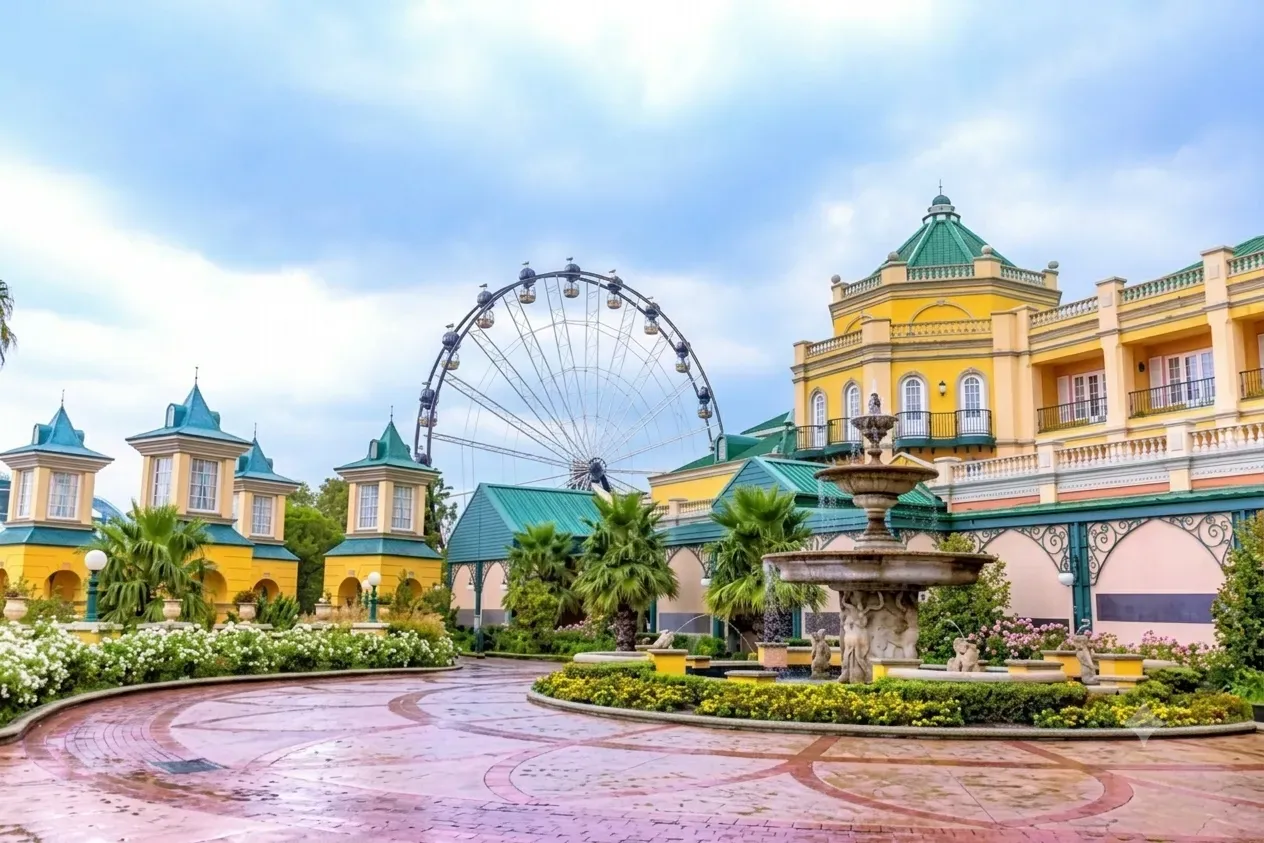 Gold Reef City gives you a completely different side of Johannesburg. It is a lively theme park and entertainment complex built around the site of an old gold mine, where you can switch from exciting roller coasters and family rides to an underground mining experience.
You can also watch a traditional gold-pouring demonstration and learn a little about the city’s gold-mining past. What makes the place interesting is this unusual combination of theme-park fun and real mining history.
- Hours: Check seasonally; often closed Mondays and Tuesdays
- Good for: Families with children, groups
- Combine with: The Apartheid Museum next door in one day
Carlton Centre and the Inner City
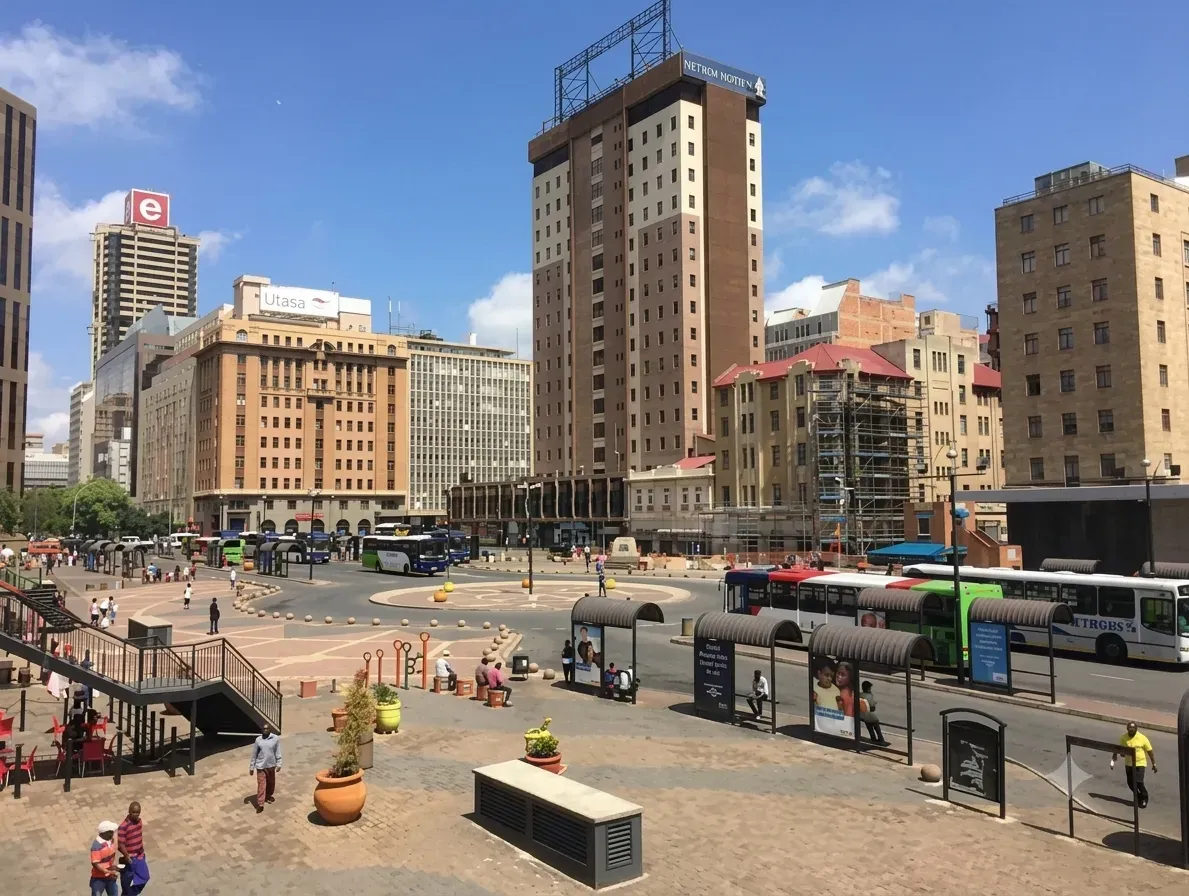 At 223 metres, the Carlton Centre was Africa’s tallest building for nearly 46 years. The real attraction is the “Top of Africa” observation deck on the 50th floor, where you can look out over Johannesburg and see the city spread out far below you.
- Highlight: 360-degree views from the 50th floor
- Good for: Getting your bearings on Johannesburg in map terms
Maboneng and Neighbourgoods Market
Maboneng is a regenerated inner-city quarter full of galleries, studios, rooftop spots and street art. The Neighbourgoods Market in Braamfontein every Saturday is where young Joburg eats, shops and hangs out.
- Maboneng: Art, coffee, design shops, weekend energy
- Neighbourgoods Market: Saturdays, food stalls and local design
- The Playground Market: Saturdays on Juta Street, live music and street food
- Good for: Couples, food lovers, anyone who likes a creative scene
What Are the Best Things to Do in Johannesburg?
Once you've covered the landmarks, these things to do in Johannesburg round out the holiday nicely.
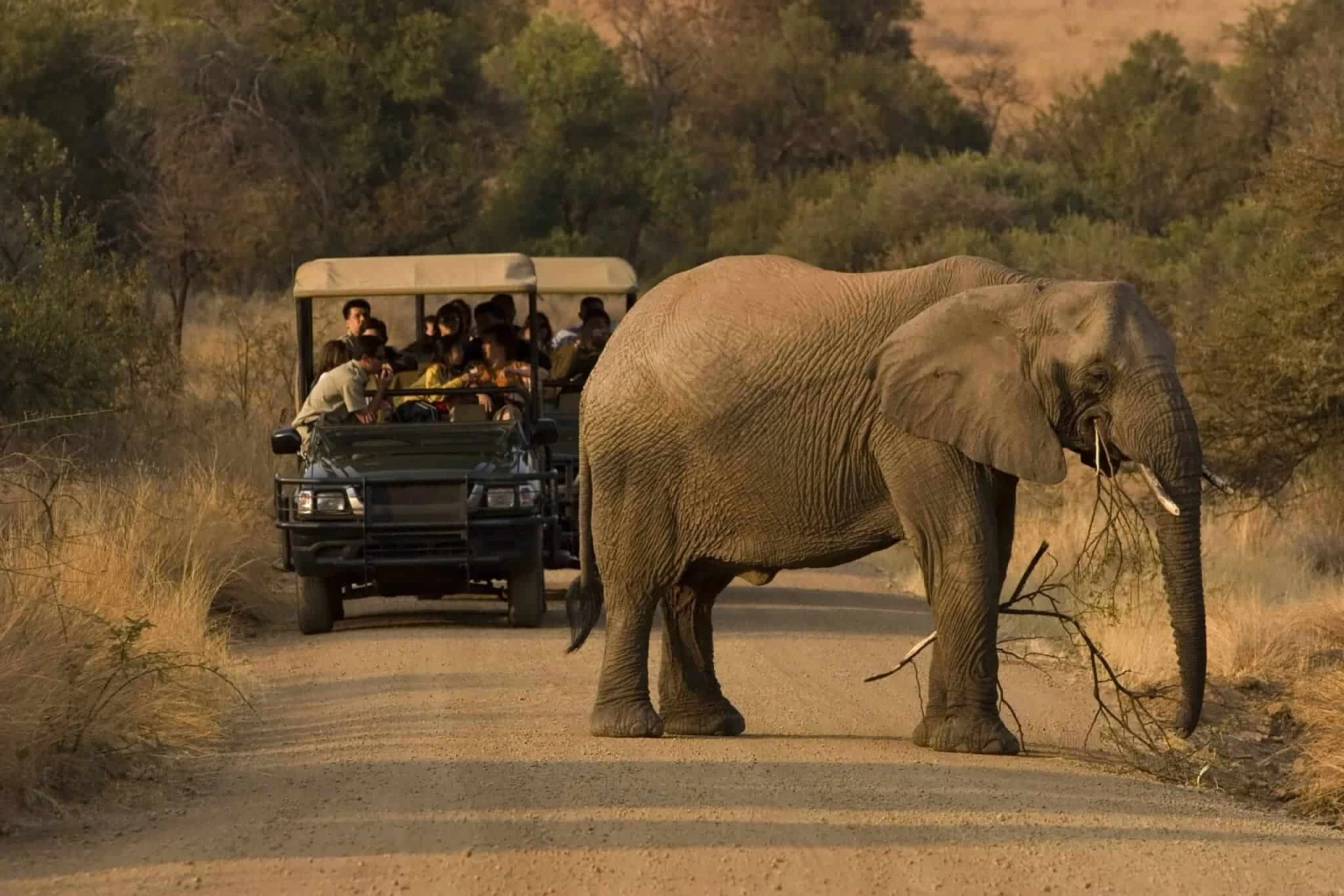
- Take a day safari at Pilanesberg: Around two hours away, with a real chance of spotting the Big Five in a single day out
- Ride the City Sightseeing red bus: Hop-on hop-off, a safe and easy way to link the main places to visit in Johannesburg
- Balloon over the Cradle of Humankind: A UNESCO site where some of the oldest human fossils were found, best at sunrise
- Cycle through Soweto: Guided bike tours cover more ground and more stories than a coach
- Visit the Johannesburg Zoo or a city park: Easy, relaxed options if you're travelling with kids
The mix of history, wildlife and creativity in one city is what makes South Africa, Johannesburg city work for so many different kinds of travellers.
Where to Eat and Go Out in Johannesburg?
Food in Johannesburg, Gauteng, runs from open-fire township grills to polished rooftop restaurants. You'll eat well at every price point.
- Shisa nyama: Grilled meat over open flames, best in Soweto, served with pap and chakalaka
- Bunny chow: A hollowed loaf filled with curry, a South African Indian classic
- Sakhumzi Restaurant: A well-known buffet spot on Vilakazi Street in Soweto
- Sandton rooftop bars: Polished, safe and good for sundowners near the hotels
- Maboneng bars: More alternative, artsy and local in feel
Nightlife here is real and varied, from live jazz to rooftop lounges. It's best enjoyed in the safer, well-populated areas like Sandton, Rosebank and Maboneng, ideally with transport arranged for getting back.
What Is the Best Time to Visit Johannesburg?
Good news: Johannesburg, South Africa is a year-round destination thanks to its high-altitude climate. But some months suit certain holidays better.
Season | Months | What to Expect |
Autumn | Mar to May | Mild, drying out, comfortable for sightseeing |
Winter | Jun to Aug | Sunny dry days, cold nights, clear skies |
Spring | Sep to Nov | Warm, pleasant, jacaranda trees in bloom |
Summer | Dec to Feb | Warm days, afternoon thunderstorms, peak crowds |
- Best overall: May, August and September for dry, clear, comfortable days
- For fewer crowds: Winter months, though pack warm layers for the evenings
- For blooms: October, when the city's jacarandas turn purple
- Watch out for: Summer afternoon storms and higher festive-season prices
Travel Tips for Johannesburg
A few practical things make a Johannesburg holiday smoother and safer:
- Use Uber or Bolt: They're widely available, well-priced and the safest way to move between areas
- Don't walk around at night: The city isn't built for walking, especially after dark
- Keep valuables low-key: Avoid flashing phones, cameras or jewellery in unfamiliar areas
- Carry some cash in Rand: Handy for markets and tips, though cards work widely
- Pack layers: The altitude means warm days and genuinely cold winter nights
- Book museums and tours ahead: Especially the Apartheid Museum and guided Soweto trips
- Base yourself well: Sandton, Rosebank and Melrose Arch are safe, central areas to stay
Plan Your Johannesburg Holiday with Holiday Tribe
Certainly, the historical side of Johannesburg can feel overwhelming in the best way. Its buildings, streets and culture seem to carry a traditional vibe, with stories of the past still visible around the city.
Johannesburg, Africa, also gives different kinds of travellers a reason to plan a holiday here. Families can enjoy theme parks and day safaris, while couples can spend their time exploring galleries, watching the sunset from rooftop spots and wandering through bustling markets.
The catch is that Joburg rewards structure. The sights are spread out, the safe areas take local knowledge, and a badly planned itinerary means a lot of time stuck in traffic.
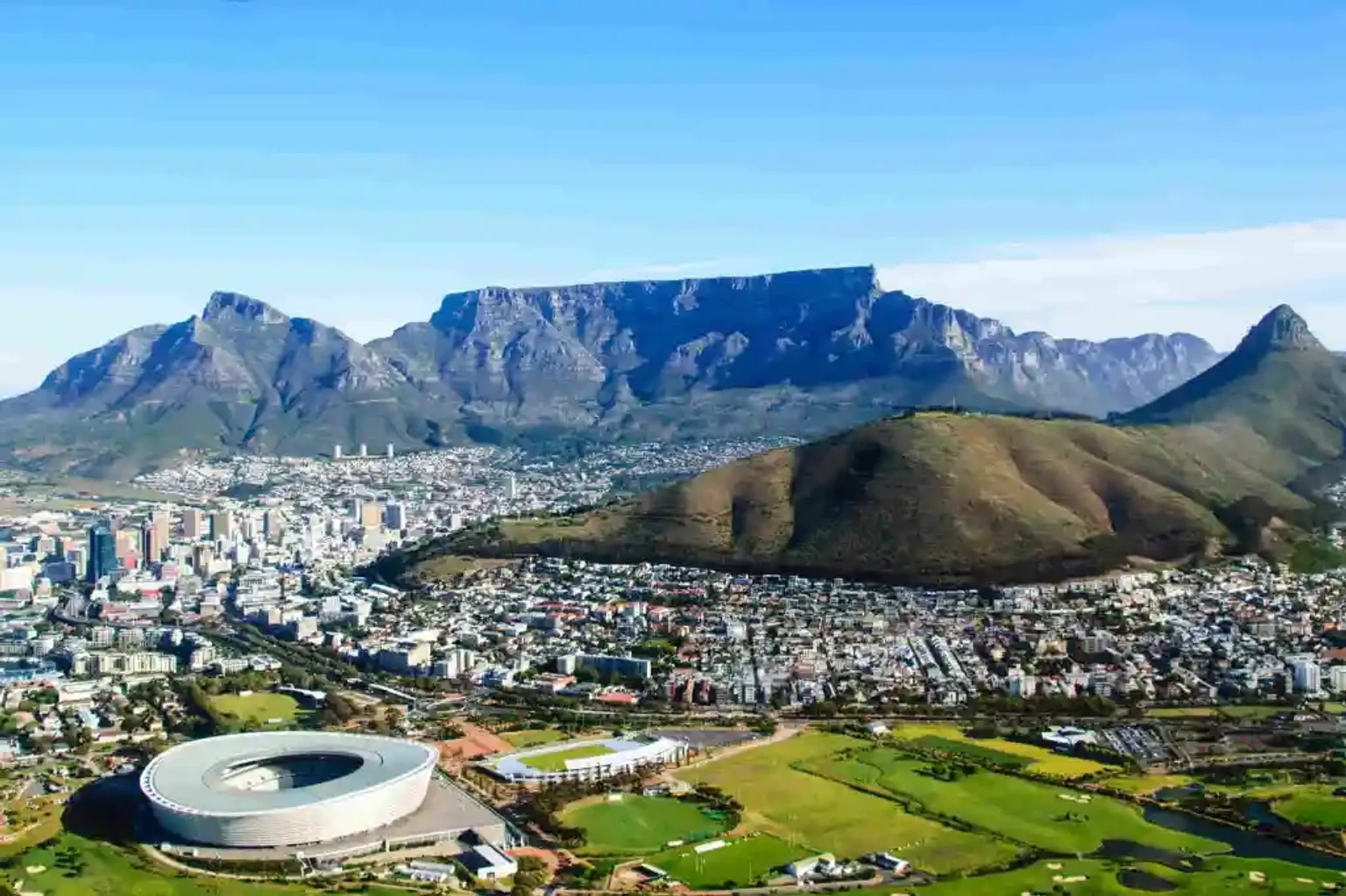
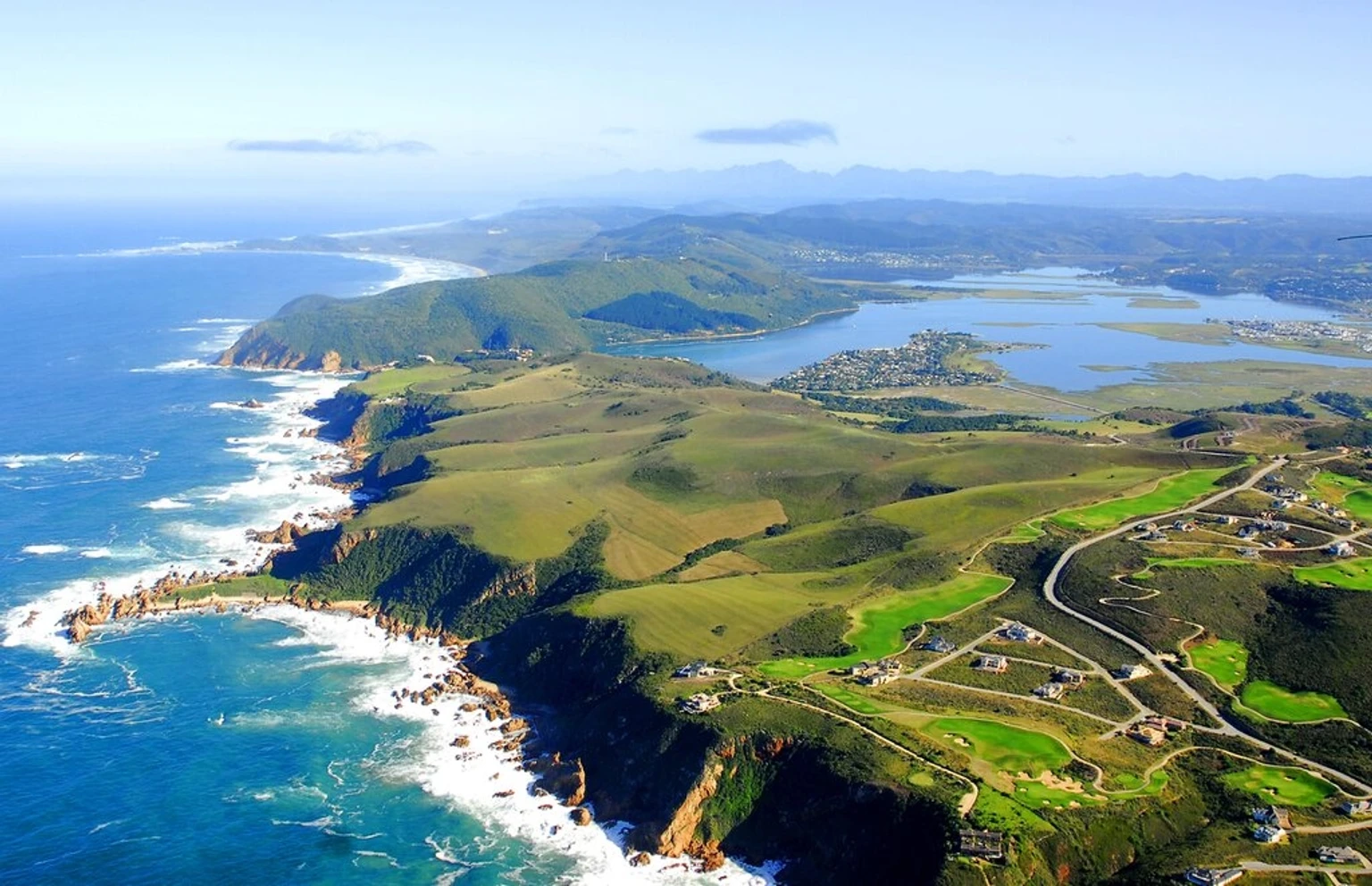
That's where we come in. At Holiday Tribe, we build Johannesburg city into a wider South Africa holiday, often paired with Cape Town, Kruger or the Garden Route. You can pick one of our ready-made packages, or our holiday advisors will shape a fully customised plan around your dates, pace and interests. Flights are added only if you want them, so the itinerary is built around the destination first.
Give Joburg the couple of days it deserves. It'll surprise you.