

Johannesburg, also known as Jozi, is South Africa’s largest city and a hub for business, culture, and the arts. Since gold was discovered here in 1886, the city has become a diverse place where its mining roots, apartheid history, and modern creative energy all come together. Travellers can visit its neighbourhoods, museums, parks, and entertainment spots in many different ways.
From these things to do in Johannesburg, you can learn about South Africa’s history at the Apartheid Museum and Constitution Hill, or enjoy nature and family attractions. This guide highlights the city’s main sights, unique experiences, and practical tips to help you plan your holiday.
What Makes Johannesburg a City Worth Visiting?
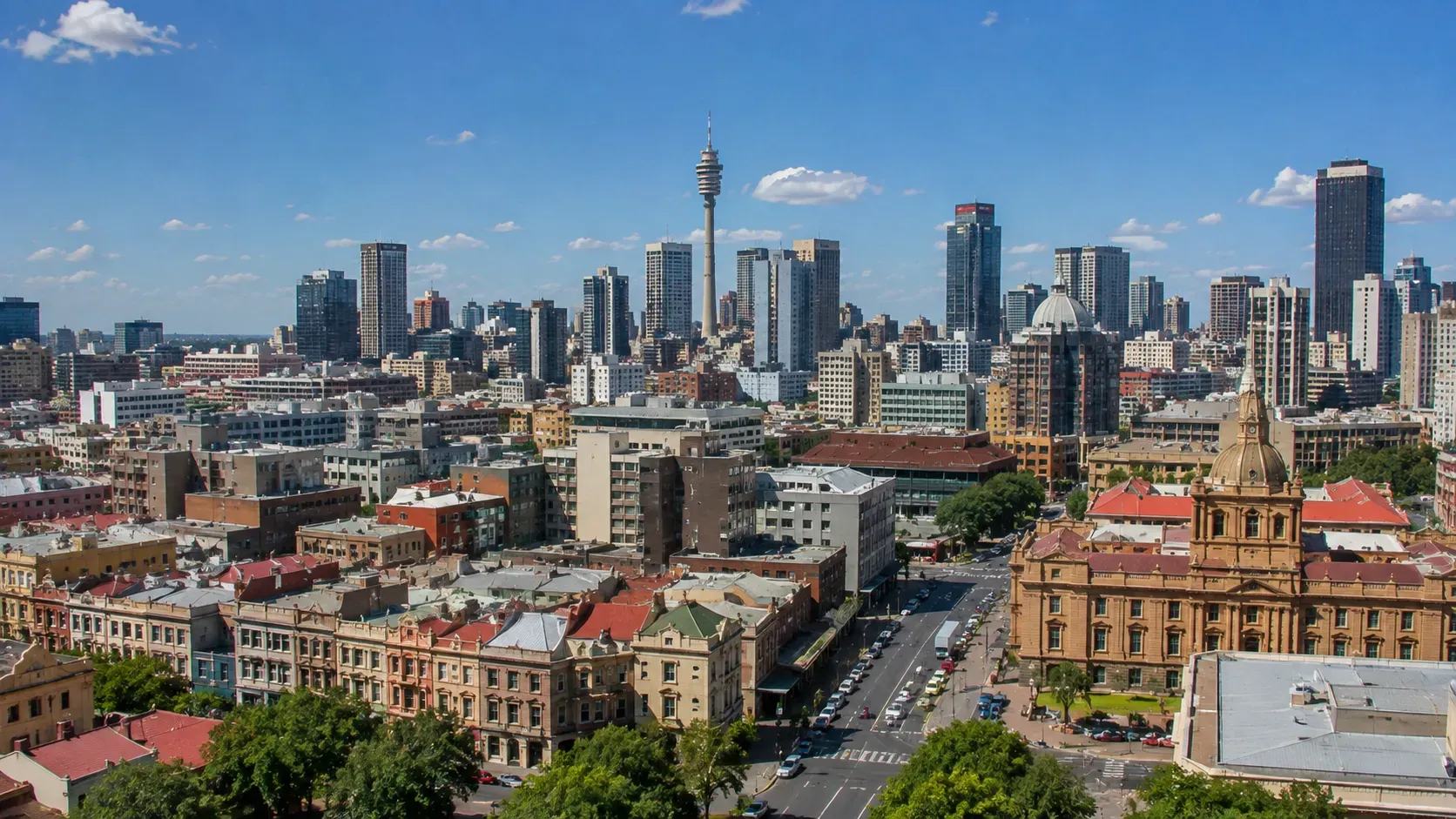
Johannesburg, known as Jozi or Joburg, is in Gauteng province and serves as South Africa’s financial and cultural center. Pretoria, which is 55 km north, is the administrative capital. The city’s character comes from three main periods: the gold rush in 1886, the apartheid era, and the democratic changes since 1994. These eras shape the unique things to do in Johannesburg.
In Johannesburg, you can go down an old gold mine at Gold Reef City, visit the Constitutional Court at Constitution Hill, and stroll through a huge 300-hectare botanical garden, all in one city. Few places in the world offer this much variety in a single day.
Detail | Information |
Province | Gauteng, South Africa |
Altitude | 1,753 metres above sea level |
Population | 5.6 million (city proper) |
Nearest airport | OR Tambo International Airport (JNB) |
Best time to visit | April to October (dry, cooler winter season) |
Which Museums Tell Johannesburg’s Story?
Three of the most significant things to do in Johannesburg from museums and heritage sites are within 15 km of each other. Each one is connected to South Africa’s apartheid and post-apartheid history, but they all offer very different experiences.
Here’s a quick overview:
- Apartheid Museum
- Constitution Hill
- Johannesburg Art Gallery
Apartheid Museum: A Closer Look at South Africa’s Past
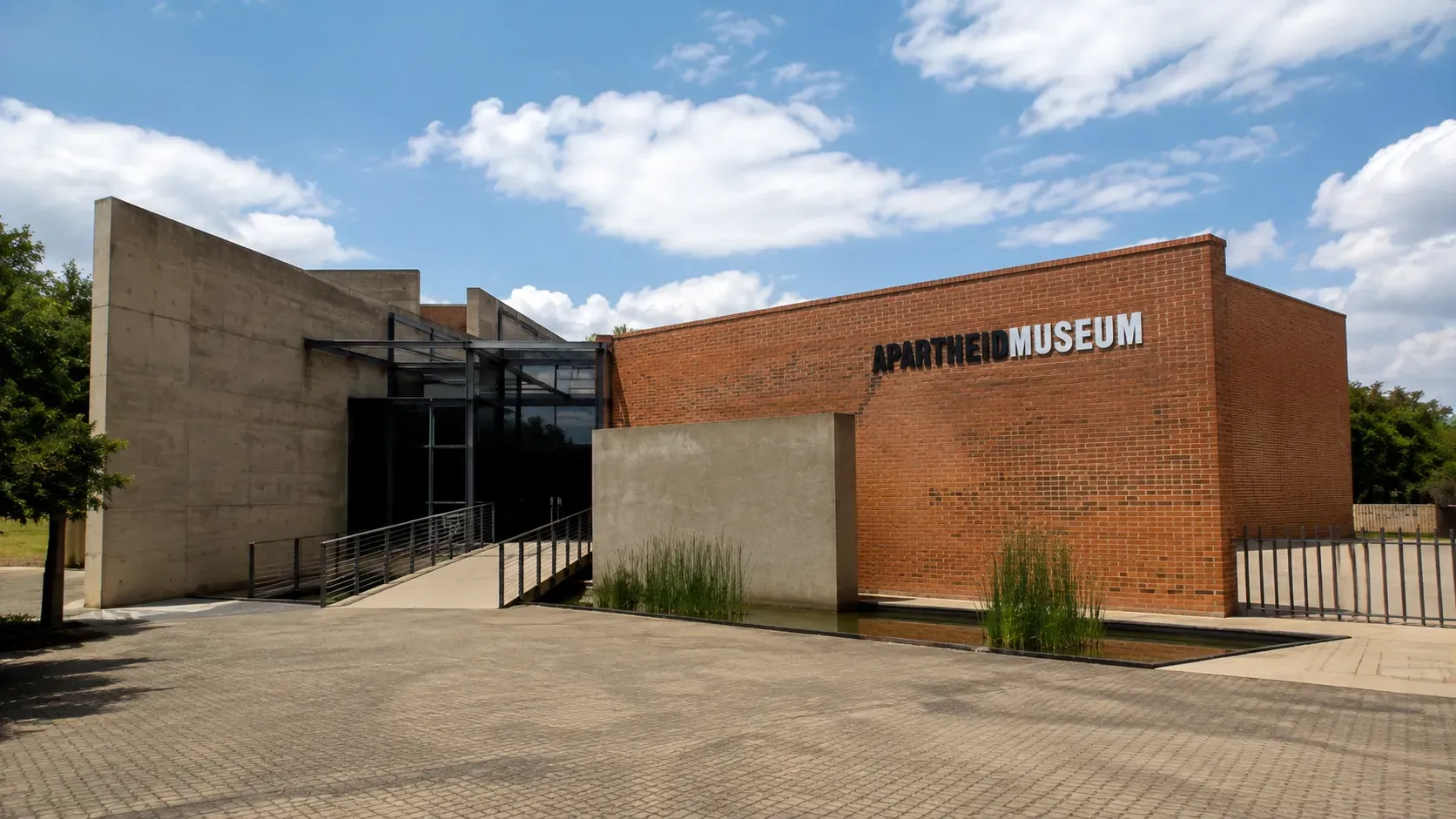 The Apartheid Museum opened in November 2001 and sits at the corner of Northern Parkway and Gold Reef Roads in Ormonde, approximately 8 km south of the Johannesburg CBD, adjacent to the Gold Reef City complex.
- Entry fees from 1 May 2026:
- International adults: R240
- International students / children / pensioners: R190
- South African adults: R170
- South African students / children / pensioners: R120
- Free entry for South Africans on National Women's Day
- Hours: Tuesday to Sunday, 09:00 to 17:00; closed Mondays
- On entry, visitors receive a randomly assigned "classification card" (white or non-white) that replicates the apartheid identity system; the experience begins immediately at the two classification gates
- Allow 2 to 3 hours; audiovisual exhibits throughout; available as part of most Johannesburg city tour itineraries
- The Apartheid Museum is one of the first things to do in Johannesburg recommended to first-time visitors
Constitution Hill: From Prison to Constitutional Court
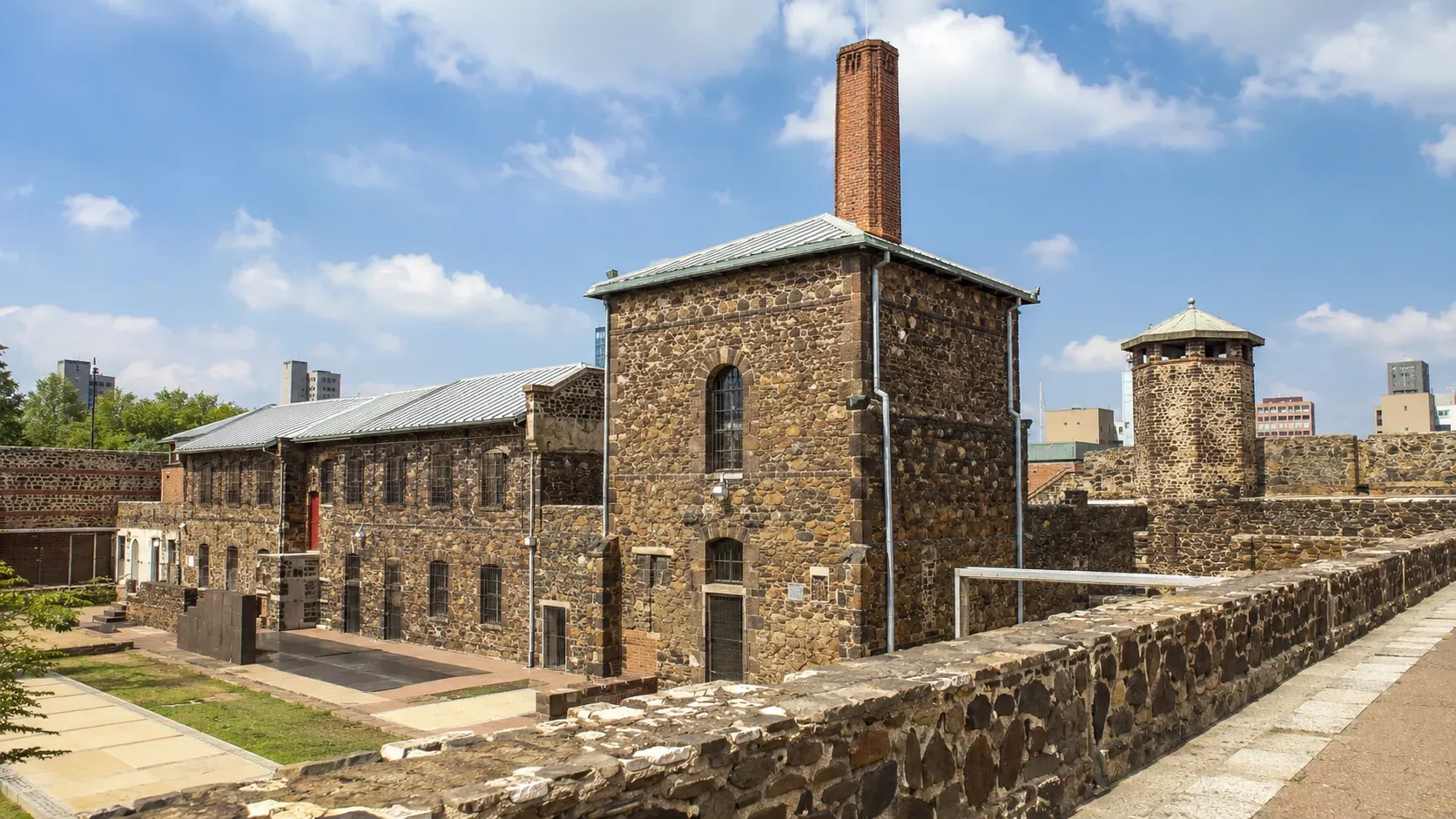
Constitution Hill is located in Braamfontein, Johannesburg, and became a UNESCO World Heritage Site in 2024, designated as part of the Nelson Mandela Legacy Sites cluster.
- Built around an 1899 fort that was later converted into a prison used across multiple eras of South African history, including the apartheid period
- The precinct now contains the Constitutional Court of South Africa (the country's highest court for constitutional matters), the Old Fort Prison museum, and the Women's Jail
- Guided tours cost R80 to R150 and walk through the historical layers of the site; the Constitutional Court is open to visitors when it is not in session
- Constitution Hill is one of the most unique things to do in Johannesburg because it simultaneously functions as a working court, a heritage site, and a public museum; no other site in the city holds all three roles
Johannesburg Art Gallery: A Window Into South African Art
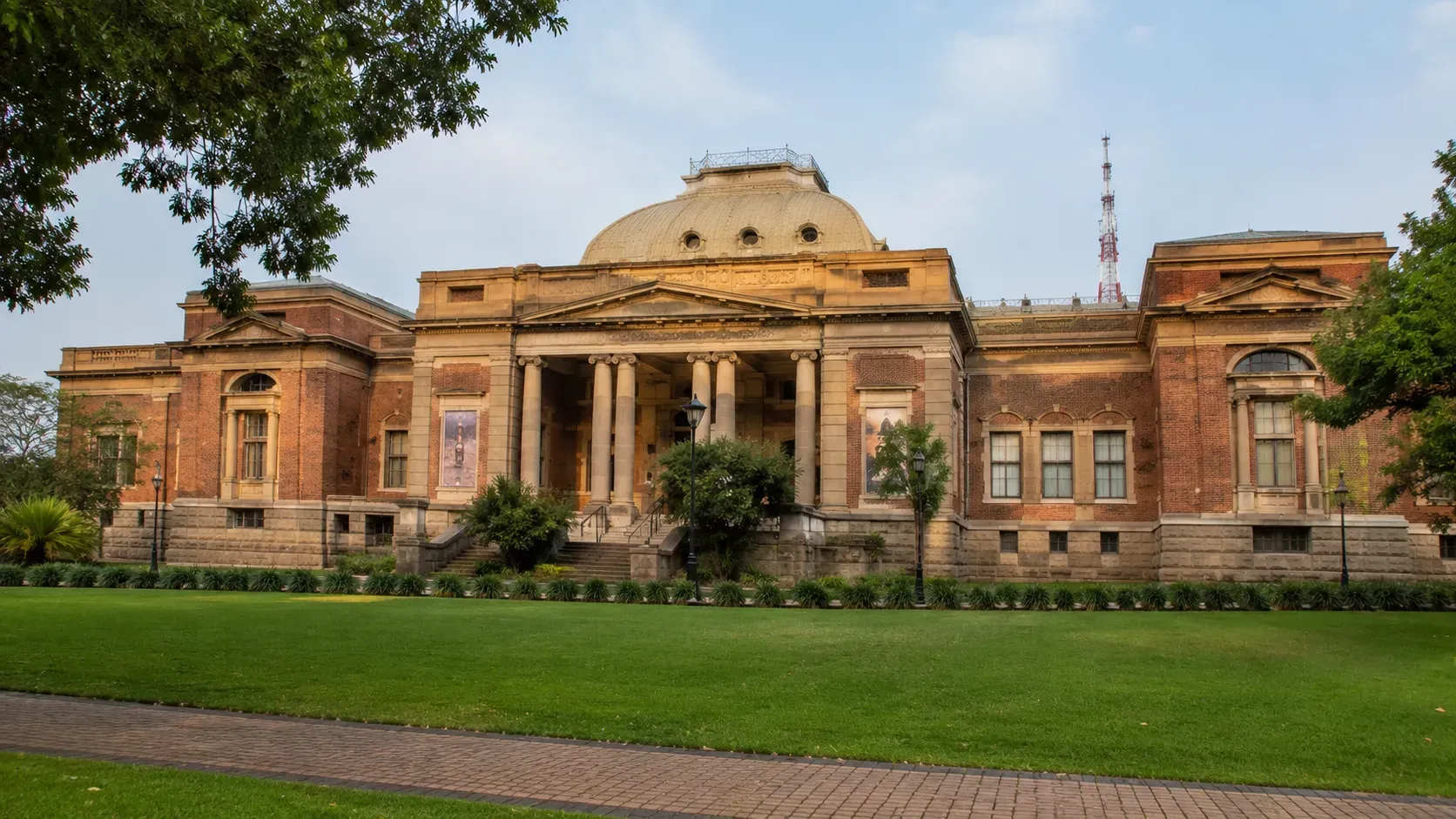
The Johannesburg Art Gallery (JAG) is in Joubert Park and is known as South Africa’s largest art gallery. Before you visit, check if it’s open, as some parts of the collection may not be accessible.
- The permanent collection spans South African, European, and Dutch art across historical and contemporary periods; the collection has been accumulating since the early 20th century
- For a better sense of Johannesburg’s art and culture, visit the Johannesburg Art Gallery along with the nearby Wits Art Museum and the Origins Centre, both close to Wits University.
What Can You See at Walter Sisulu National Botanical Garden?
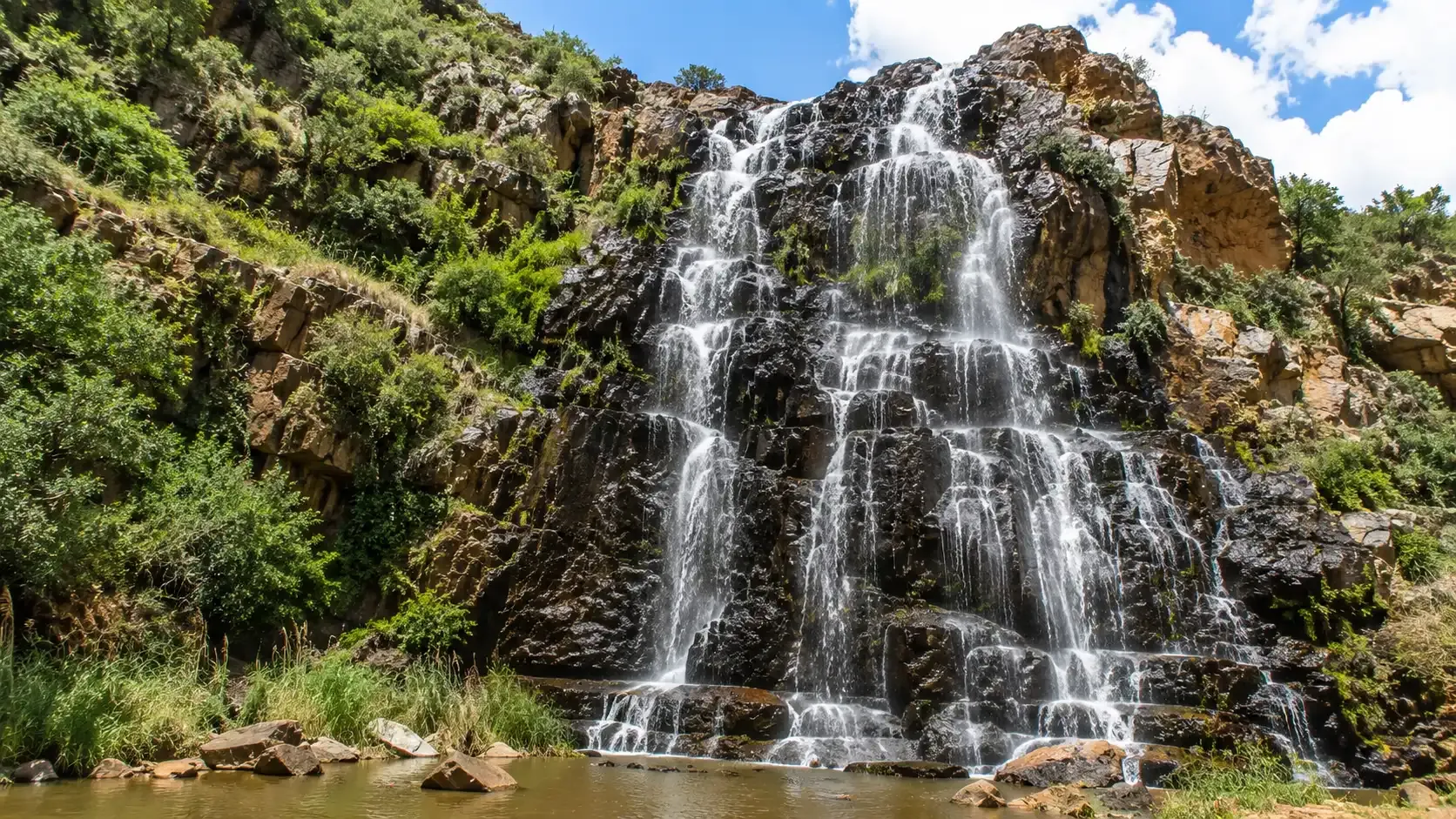
The Walter Sisulu National Botanical Garden is a hidden gem in Johannesburg. It’s one of the most underrated things to do in Johannesburg. It’s in Roodepoort, about 35 minutes west of downtown, and covers 300 hectares of gardens and natural grassland.
The main attraction is the Witpoortjie Waterfall, which falls 70 meters over rocky cliffs. A pair of Verreaux’s (black) eagles nest here, making it a favourite spot for birdwatchers. In total, about 240 bird species have been seen in the Walter Sisulu National Botanical Garden.
The gardens were founded in 1982, renamed in March 2004 to honour anti-apartheid activist Walter Sisulu (1912 to 2003), and are managed by the South African National Biodiversity Institute (SANBI).
Detail | Information |
Location | Malcolm Rd, Poortview, Roodepoort |
Area | 300 hectares |
Hours | Daily, 08:00 to 17:00 |
Key attraction | Witpoortjie Waterfall (70 metres) |
Wildlife | Verreaux's eagles, about 240 bird species, mongoose, otters |
Managed by | SANBI (South African National Biodiversity Institute) |
What Can Families Do at Gold Reef City Theme Park?
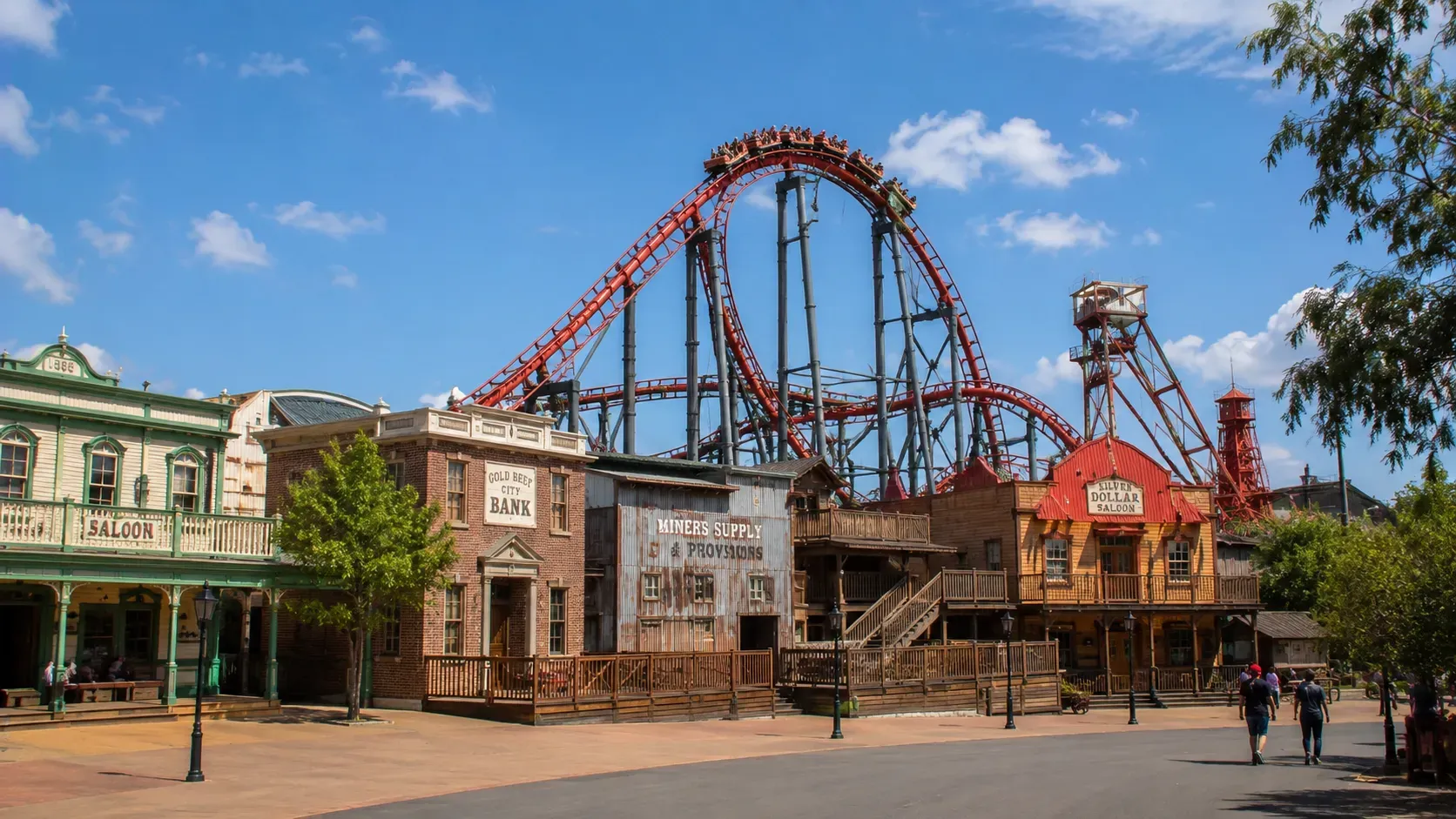
Gold Reef City is a theme park with a historical twist, built on an old gold mine in Ormonde right next to the Apartheid Museum. It brings early 1900s Johannesburg to life and lets visitors go down into real mine shafts.
The Gold Reef City Theme Park is part of the same complex and has rides and attractions for all ages. It’s one of the most visited and top things to do in Johannesburg for families, and the only place where you can experience Gold Rush history alongside a full theme park.
Activity | Duration | Best For | Notes |
Underground mine descent | 45 to 60 min | Adults and older children | Check current access at goldreefcity.co.za |
Gold Reef City Theme Park rides | Half-day to full day | Families, thrill seekers | Multiple ride intensity levels |
Victorian street area | 1 to 2 hours | History interest; all ages | Recreated 1900s Joburg streetscape |
Apartheid Museum (adjacent) | 2 to 3 hours | All ages | R240 international adult from May 2026 |
The Gold Reef City precinct and the Apartheid Museum are right next to each other on Northern Parkway in Ormonde, making them a great full-day combination. Check the official Gold Reef City website for the latest ride line-up and operating hours in 2026 before you plan your visit.
How Should You Plan Your Time in Johannesburg?
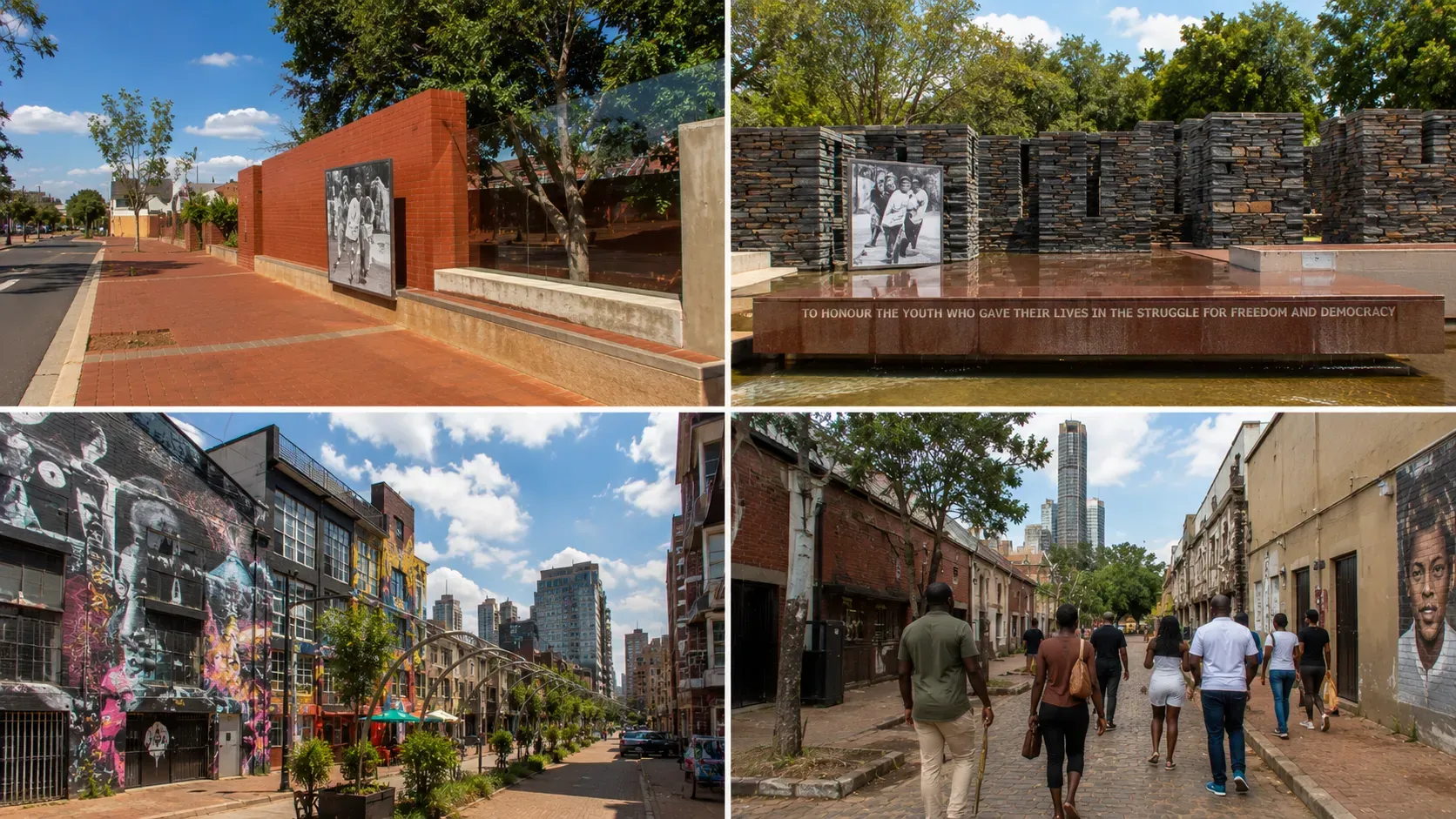
The unique things to do in Johannesburg go beyond the main museums and parks. The city offers street-level experiences you won’t find anywhere else in South Africa.
Activity | Location | Duration | Best For |
Soweto guided tour | Orlando West, Soweto | Half-day | History, community, cultural context |
Vilakazi Street walk | Orlando West, Soweto | 1 to 2 hours | Two Nobel Peace Prize winner homes |
Hector Pieterson Museum | Orlando West, Soweto | 1 to 2 hours | 1976 Soweto Uprising history |
Maboneng Precinct walk | City East, Johannesburg | 1 to 3 hours | Urban renewal, galleries, restaurants |
Arts on Main / Neighbourgoods Market | Maboneng | Saturday mornings | Local art, craft, food market |
Walter Sisulu Square | Kliptown, Soweto | 1 hour | UNESCO site; Freedom Charter history |
Soweto is the most significant addition to any things to do in Johannesburg itinerary: Vilakazi Street in Orlando West is the only street in the world to have housed two Nobel Peace Prize winners (Nelson Mandela and Archbishop Desmond Tutu); the Hector Pieterson Museum covers the 1976 Soweto Uprising; Walter Sisulu Square in Kliptown was inscribed as part of the Nelson Mandela Legacy Sites UNESCO World Heritage Site in 2024, marking the site where the Freedom Charter was adopted in 1955.
Maboneng Precinct is a regenerated inner-city area on the eastern edge of the CBD with galleries, independent restaurants, and the Arts on Main creative complex; the Neighbourgoods Market runs every Saturday morning and brings together local food, art, and craft producers.
Final Takeaway
There’s more to the things to do in Johannesburg than most international visitors expect. The Apartheid Museum and Constitution Hill offer a deep look at history and human rights. The Johannesburg Art Gallery brings in the art scene. The Walter Sisulu National Botanical Garden adds an outdoor escape with waterfalls, eagles, and 300 hectares of Highveld reserve. Gold Reef City, with its mine experience and theme park, is perfect for families. Soweto and Maboneng bring the street-level city vibe that museums can’t fully capture.
If you’re planning a South Africa holiday that includes Johannesburg and want each day balanced and well-organised, Holiday Tribe’s advisors can help build your itinerary from arrival to departure.